
Wrasse Personalities: From Bold Explorers to Timid Tank Inhabitants

Welcome to Aquarium Mastery!
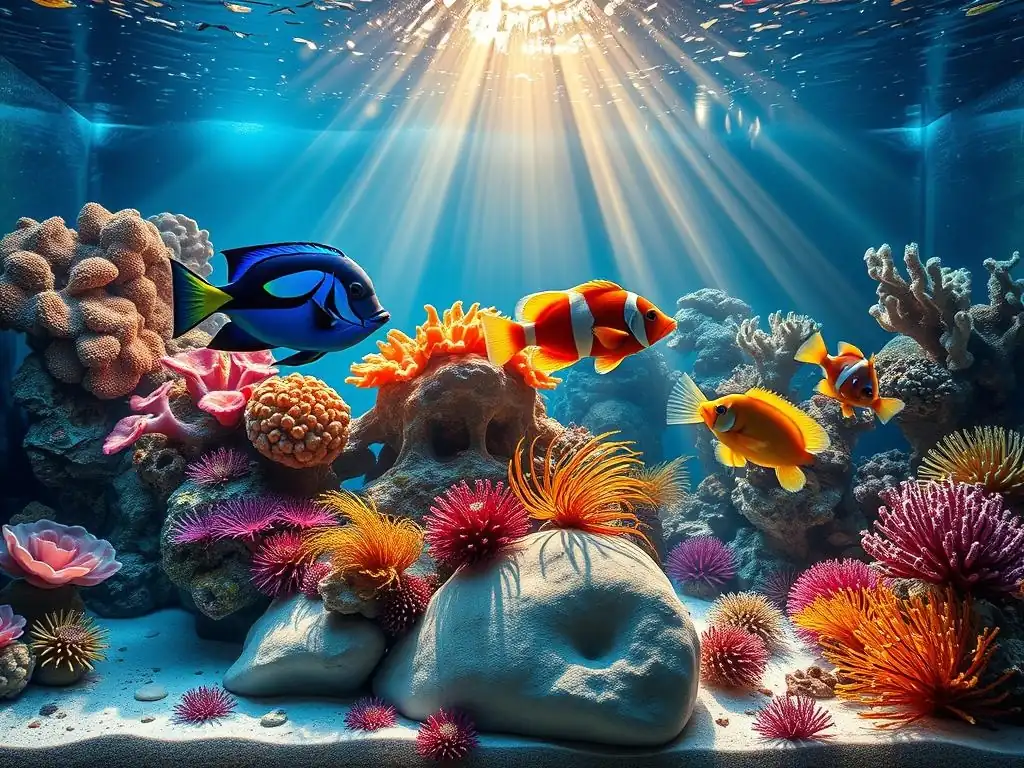
Ever wondered about the secret lives of your saltwater fish? Dive in and explore the fascinating world of Bold Wrasse Tank Personalities! These vibrant fish aren't just beautiful; they have distinct characters. Discover which wrasse will be the bold explorer of your reef, and which might prefer to remain a timid, hidden treasure. Ready to uncover their unique behaviors and find the perfect wrasse for your aquarium? Let's get started...
- Understanding Wrasse Behavior in Saltwater Aquariums
- Exploring the Spectrum of Wrasse Personalities
- Identifying Bold Wrasse Tank Personalities: Traits and Characteristics
- Understanding Timid Wrasse Tank Personalities: Traits and Characteristics
- Popular Wrasse Species and Their Typical Personalities
- Tank Mate Compatibility: Matching Wrasses with Appropriate Tank Inhabitants
- Creating the Ideal Environment for Different Wrasse Personalities
- Diet and Feeding Habits: Catering to Different Wrasse Needs
- Maintaining a Healthy Aquarium for Wrasses: Key Considerations
- Successfully Integrating Wrasses with Different Personalities in Your Aquarium
- Conclusion: Appreciating the Diverse Personalities of Wrasses
-
Frequently Asked Questions
- How does the Wrasse personality affect its suitability for a community tank?
- Are there specific Wrasse species known for their particularly bold or timid behavior?
- What factors, besides species, can influence a Wrasse's tank personality?
- Can a Wrasse's boldness or timidity change over time in a tank environment?
- How can I create a tank environment that caters to both bold and timid wrasses if I have a mixed community?
- Final Reflection: Embracing the Spectrum of Wrasse Personalities
- Dive Deeper: Unleash Your Wrasse Wisdom!
Understanding Wrasse Behavior in Saltwater Aquariums
The Fascinating World of Wrasse Temperaments
Wrasses, belonging to the family Labridae, are among the most diverse and captivating groups of fish found in saltwater aquariums, boasting over 500 recognized species. Their allure stems not only from their vibrant coloration and active swimming patterns but also from their incredibly varied temperaments. These personalities can range from the remarkably bold and assertive to the incredibly shy and reclusive, making understanding their individual behavioral traits crucial for successful aquarium keeping. The spectrum of wrasse temperaments directly influences their suitability for different tank setups and their compatibility with other marine inhabitants.
This extensive behavioral range means that while some wrasses are notorious for their boisterous nature and territorial displays, others are masters of camouflage and prefer to spend their time hidden among rocks or burrowed in the sand. For instance, some species are known for their tireless foraging, meticulously sifting through substrate, while others exhibit unique symbiotic cleaning behaviors. Appreciating these nuances is key to providing an environment where a wrasse can thrive, reducing stress, and preventing potential conflicts within a mixed-species community tank.
Why Wrasse Personality Matters for Aquarium Harmony
The personality of a wrasse profoundly impacts the overall harmony and stability of a saltwater aquarium. Introducing a wrasse with a bold, dominant temperament into a tank with overly timid or slow-moving fish can lead to significant stress for the other inhabitants, potentially resulting in nipped fins, food competition, or even aggression-induced disease. Conversely, a shy wrasse placed in a highly active or aggressive tank might perpetually hide, refuse to eat, or become overly stressed, leading to a decline in health and vitality.
For aquarists aiming to create a balanced ecosystem, careful consideration of a wrasse's inherent personality is paramount. A bold wrasse tank personality might be a fantastic addition to a bustling reef environment with similarly active tank mates, contributing to a dynamic display. However, that same bold wrasse would be detrimental in a tranquil tank housing delicate seahorses or pipefish. Successful integration hinges on matching the wrasse's temperament with the existing fish community and the physical layout of the aquarium, ensuring a peaceful cohabitation and a thriving aquatic environment.
Exploring the Spectrum of Wrasse Personalities
Bold and Active Wrasse Species: Ideal for Reef Aquariums
Bold and active wrasse species are often characterized by their constant movement, inquisitive nature, and sometimes, their assertive demeanor. These wrasses are typically seen darting around the tank, actively foraging for food, and exploring every crevice of the rockwork. Their vibrant colors and energetic presence make them highly desirable additions to many reef aquariums, as they add a dynamic element to the aquatic landscape. Species like the Six-Line Wrasse ( Pseudocheilinus hexataenia) or certain Leopard Wrasses ( Macropharyngodon spp.) exemplify this active behavior, constantly patrolling the substrate for small invertebrates.
These bold wrasse tank personalities thrive in established reef tanks that offer ample swimming space and plenty of live rock with nooks and crannies to explore. Their active foraging habits can also be beneficial, as many of them will consume nuisance pests like pyramid snails or flatworms, acting as natural pest control.
However, their assertiveness means they should be introduced carefully into tanks with smaller or more placid fish. For instance, a medium-sized tank, around 50-75 gallons, can comfortably house a single active wrasse, but larger species or multiple bold wrasses often demand tanks exceeding 100 gallons to prevent territorial disputes.
Timid and Shy Wrasse Species: Best Suited for Established Aquariums
In contrast to their bold counterparts, timid and shy wrasse species tend to be more reclusive, preferring to spend much of their time hidden among rocks or burrowing into the sand. These wrasses may take longer to acclimate to a new environment and often require a very secure, established aquarium with numerous hiding spots to feel safe. Their cautious nature makes them less likely to compete aggressively for food or territory, rendering them excellent choices for peaceful community tanks where boisterous fish might cause stress.
Examples include certain species of Flasher Wrasses ( Paracheilinus spp.) or some smaller Fairy Wrasses ( Cirrhilabrus spp. ), especially when newly introduced.
Successfully keeping timid wrasses requires patience and a thoughtfully designed environment. A deep sand bed (at least 3-4 inches) is often crucial for burrowing species, providing them with a secure retreat during the night or when stressed. Furthermore, ample rockwork with caves and overhangs offers additional sanctuary. While they might not be as overtly active as bold wrasse tank personalities, their subtle beauty and unique behaviors, such as the males' stunning flashing displays during courtship, are incredibly rewarding for the observant aquarist. Providing a calm, stable environment is key to coaxing these shy beauties out of their shell.
Identifying Bold Wrasse Tank Personalities: Traits and Characteristics
The Confident Swimmer: Recognizing Bold Wrasse Behavior
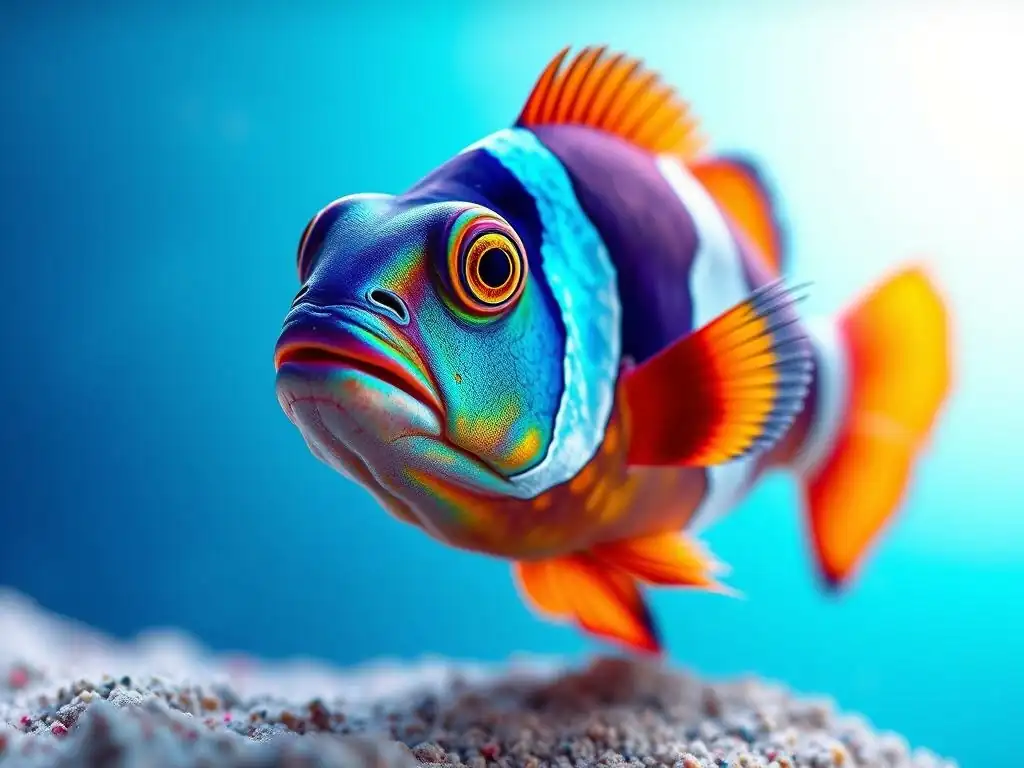
One of the most immediate indicators of a bold wrasse tank personality is its confident and unhesitant swimming behavior. These wrasses typically occupy the middle to upper water columns, rarely retreating into hiding unless genuinely threatened. They will actively swim the entire length and breadth of the aquarium, often patrolling their perceived territory with a sense of ownership. Unlike their shyer relatives who might dart quickly from one hiding spot to another, bold wrasses maintain a steady, purposeful movement, exploring all facets of the tank's aquascape.
For example, a healthy Melanurus Wrasse ( Halichoeres melanurus) will consistently be seen investigating the substrate and rockwork, exhibiting a relentless search for food. They show little fear of the aquarist's presence, often approaching the front glass during feeding times. This consistent visibility and active engagement with the tank environment are hallmark signs of a confident and well-adjusted bold wrasse, indicating a high comfort level within its surroundings and a strong, assertive nature that defines many bold wrasse tank personalities.
Active Foragers: How Bold Wrasses Interact with Their Environment
Bold wrasses are often characterized by their highly active foraging habits, which can be both captivating to observe and beneficial for the aquarium. These fish are constantly on the move, meticulously sifting through sand, picking at live rock, and inspecting every nook and cranny for small invertebrates, copepods, or amphipods.
This relentless search for food is not just about hunger; it's an intrinsic part of their natural behavior and a strong indicator of their robust and energetic personality. Many wrasse species, particularly those from the genera Halichoeres and Macropharyngodon, spend the majority of their waking hours engaged in this activity.
This active foraging behavior means that a bold wrasse will interact extensively with the substrate and rockwork, often rearranging small pebbles or exposing hidden organisms. For instance, a Yellow Coris Wrasse ( Halichoeres chrysus) is well-known for its diligent sand-sifting, which can help aerate the substrate and prevent detritus buildup. This constant interaction with their environment showcases their inquisitive and dynamic nature, making them engaging inhabitants. However, it also means they require a well-established tank with a thriving microfauna population or consistent supplemental feedings to sustain their high metabolic rate.
Dominance Displays: Understanding Hierarchy in Bold Wrasse Groups
In multi-wrasse setups or tanks with other assertive fish, bold wrasse tank personalities often exhibit clear dominance displays to establish and maintain their position within the social hierarchy. These displays can range from subtle fin flaring and body posturing to more overt chasing and nipping. While some wrasses, like certain male Fairy Wrasses, engage in elaborate "flashing" rituals to attract mates or assert dominance over rivals during breeding, others use more direct forms of intimidation to secure prime feeding spots or territories.
Understanding these dominance displays is crucial for preventing excessive aggression and stress in the aquarium. For example, a larger, more established wrasse might "shoo away" a newly introduced, smaller fish from a desirable hiding spot. While some level of interaction is normal, persistent harassment can indicate an incompatible pairing or insufficient space. Providing ample space, numerous hiding spots, and introducing multiple wrasses simultaneously (if species-appropriate) can help mitigate aggression, allowing these bold wrasse tank personalities to establish a more stable and less stressful social structure.
Understanding Timid Wrasse Tank Personalities: Traits and Characteristics
The Reclusive Wrasse: Recognizing Shy Wrasse Behavior
Timid wrasse tank personalities are primarily identified by their reclusive nature and preference for staying hidden. Unlike their bold counterparts, these wrasses will often spend significant time concealed within rockwork, under ledges, or buried in the sand. When they do emerge, their movements are typically cautious and quick, often darting back into cover at the slightest perceived threat or sudden movement outside the tank. This shy behavior is a natural defense mechanism, but in an aquarium, it can also be a sign of stress if the environment isn't suited to their needs.
A newly introduced Flasher Wrasse ( Paracheilinus spp. ), for example, might remain hidden for several days, only emerging briefly to snatch food before retreating. Their feeding behavior might also be hesitant, waiting for other fish to finish before cautiously approaching food. Observing a wrasse consistently hiding, showing clamped fins, or exhibiting rapid, jerky movements when exposed are key indicators of a timid disposition. Providing a sense of security through ample hiding spots and a stable environment is crucial to encourage these shy wrasses to display their natural behaviors and beautiful colors.
Stress Indicators: Identifying Signs of Distress in Timid Wrasses
For timid wrasse tank personalities, recognizing signs of distress is vital for their well-being. Unlike bold wrasses that might express stress through aggression, shy wrasses often internalize it, leading to subtle but critical physiological and behavioral changes. Common indicators of stress include prolonged hiding, refusing to eat or showing very poor appetite, rapid respiration, and faded coloration. A wrasse that normally has vibrant hues might appear dull or mottled when under duress, as their chromatophores constrict.
Other signs can include erratic swimming, rubbing against rocks (flashing), or excessive burrowing, even during active hours. For instance, a normally nocturnal burrowing wrasse that stays buried all day might be highly stressed. Chronic stress can severely weaken a wrasse's immune system, making it highly susceptible to diseases like Ich or Brooklynella. Prompt identification of these stress indicators allows aquarists to adjust tank conditions, reduce aggressive tank mates, or improve water quality, thereby creating a more suitable and less stressful environment for their timid wrasse.
Peaceful Coexistence: Strategies for Integrating Timid Wrasses
Successfully integrating timid wrasse tank personalities into a community aquarium requires thoughtful planning to ensure their peaceful coexistence. The primary strategy involves providing abundant hiding places, such as caves, crevices, and a deep sand bed (3-4 inches minimum for burrowing species) that offer secure retreats. This physical security is paramount for their comfort and reduces their stress levels significantly. Without adequate hiding spots, timid wrasses will perpetually feel exposed and vulnerable, leading to chronic stress.
Furthermore, careful selection of tank mates is essential. Avoid pairing timid wrasses with overtly aggressive or boisterous fish that might outcompete them for food or constantly harass them. Opt for peaceful, non-aggressive species that won't intimidate the wrasse. Introducing the timid wrasse last into an established tank, or even using a fish trap or acclimation box initially, can also help them adjust without immediate pressure from existing inhabitants. For example, a Flasher Wrasse will thrive with docile species like gobies or certain blennies, whereas a triggerfish would quickly stress it to death.
Popular Wrasse Species and Their Typical Personalities
The Six Line Wrasse ( Pseudocheilinus hexataenia): A Bold Personality Profile
The Six Line Wrasse ( Pseudocheilinus hexataenia) is a quintessential example of a bold wrasse tank personality, widely admired for its vibrant coloration and energetic demeanor. This small yet feisty wrasse, typically reaching about 3 inches (7.5 cm) in length, is characterized by its six prominent horizontal stripes and an ocellus (eyespots) on its caudal fin. They are highly active fish, constantly darting amongst live rock, meticulously hunting for small invertebrates, flatworms, and pyramid snails, making them a valuable addition for pest control in reef aquariums.
Despite their small size, Six Line Wrasses can exhibit a surprising amount of territorial aggression, especially towards other small, similarly shaped, or newly introduced fish. They are known for their confident swimming and rarely hide unless sleeping or feeling genuinely threatened. For a single Six Line Wrasse, a minimum tank size of 30 gallons is generally recommended, with larger tanks (50+ gallons) preferred for better stability and more swimming space. Their bold nature means they thrive in active reef environments but should be carefully considered when housed with very docile or slow-moving tank mates.
The Fairy Wrasse ( Cirrhilabrus spp. ): A Range of Temperaments
Fairy Wrasses, encompassing the diverse genus Cirrhilabrus, are celebrated for their breathtaking colors and often elaborate male "flashing" displays. This genus showcases a spectrum of wrasse personalities, from relatively timid to moderately bold, depending on the specific species and individual. Most Fairy Wrasses are generally peaceful and make excellent reef inhabitants, reaching sizes between 3 to 5 inches (7.5 to 12.5 cm). They typically swim in the middle to upper water column, gracefully navigating the aquascape.
For example, the Lubbock's Fairy Wrasse ( Cirrhilabrus lubbocki) is often considered more on the timid side, preferring ample hiding spots and a peaceful environment. In contrast, the Scott's Fairy Wrasse ( Cirrhilabrus scottorum) can exhibit a bolder, more assertive personality, especially larger males. While generally not aggressive towards other fish, male Fairy Wrasses may display territoriality towards other male Cirrhilabrus species or similarly shaped wrasses. A tank of at least 50 gallons is recommended for most species, providing sufficient space for their active swimming and potential flashing behaviors.
The Cleaner Wrasse ( Labroides dimidiatus): A Unique Symbiotic Relationship
The Cleaner Wrasse ( Labroides dimidiatus) presents a unique wrasse tank personality defined by its symbiotic relationship with other marine fish. These wrasses, typically growing to about 4.5 inches (11.5 cm), establish "cleaning stations" where they remove ectoparasites, dead skin, and mucus from larger fish. Their distinctive blue and black stripe pattern makes them easily recognizable. Unlike other wrasses that are primarily foragers, their behavior is largely centered around this cleaning activity, making them highly visible and interactive with other tank inhabitants.
While fascinating to observe, keeping Cleaner Wrasses in a home aquarium presents significant challenges. Their specialized diet, consisting almost entirely of parasites and mucus, is difficult to replicate with prepared foods. Consequently, many wild-caught Cleaner Wrasses slowly starve in captivity, despite their bold approach to larger fish for cleaning. They require a very large, established tank (100+ gallons) with numerous large fish to sustain their cleaning habits. For this reason, their long-term success rate in typical home aquariums is very low, and ethical aquarists often advise against their purchase unless a dedicated setup can provide their specific dietary needs.
The Melanurus Wrasse ( Halichoeres melanurus): An Active Personality Profile
The Melanurus Wrasse, also known as the Tail Spot Wrasse ( Halichoeres melanurus), exemplifies an active and moderately bold wrasse tank personality. Growing up to 5 inches (12.5 cm), this species is highly regarded for its vibrant green and orange coloration, punctuated by a distinctive black spot on its caudal fin. They are relentless foragers, constantly sifting through the sand bed and picking at live rock for small crustaceans, worms, and other microfauna. This active foraging behavior can be beneficial for controlling nuisance pests like flatworms.
Melanurus Wrasses are generally peaceful towards most other tank inhabitants, making them excellent reef-safe additions. However, their active nature and constant movement mean they can sometimes outcompete slower eaters for food. They are also known to be jumpers, so a secure lid is essential. A minimum tank size of 50 gallons is recommended to provide ample swimming and foraging space. Their robust health and engaging, active personality make them a popular choice for aquarists looking for a visually appealing and dynamic wrasse without excessive aggression.
Tank Mate Compatibility: Matching Wrasses with Appropriate Tank Inhabitants
Avoiding Aggression: Choosing Compatible Fish for Bold Wrasses
When housing bold wrasse tank personalities, careful selection of tank mates is crucial to avoid aggression and maintain a peaceful environment. These assertive wrasses, such as some Halichoeres species or the Six Line Wrasse, can be territorial, especially towards new additions or fish with similar body shapes and color patterns. To minimize conflict, avoid introducing multiple wrasses of the same or very similar species, unless the tank is exceptionally large (e.g., 150+ gallons for a pair of certain species).
Compatible tank mates for bold wrasses typically include other active, semi-aggressive fish that can hold their own without being overly dominant. Good choices might include tangs, angelfish (larger species), certain blennies, or other robust, fast-swimming species. Avoid delicate, slow-moving, or very small fish that could be easily stressed or targeted. For instance, a Six Line Wrasse might nip at slower gobies or small shrimp. Always introduce the bold wrasse last into the aquarium, or at least after the more docile inhabitants are well-established, to reduce territorial disputes.
Providing Security: Creating a Safe Environment for Timid Wrasses
For timid wrasse tank personalities, providing a secure and stress-free environment is paramount for their long-term health and well-being. This primarily involves selecting tank mates that are peaceful and non-aggressive, ensuring the wrasse feels safe to emerge and feed. Avoid any fish known for aggression, nipping, or fast, erratic movements that might startle a shy wrasse. Examples of suitable tank mates include small, peaceful gobies, blennies, cardinalfish, and certain types of peaceful damselfish.
Beyond tank mate selection, the physical environment plays a critical role. Ensure the aquarium has abundant hiding spots, including numerous rock caves, crevices, and a deep sand bed (at least 3-4 inches) if the wrasse is a burrowing species. These safe havens allow the wrasse to retreat when feeling threatened or for sleeping. For instance, a Flasher Wrasse will thrive in a tank where it can quickly dart into a rock crevice if startled. A calm, stable environment with minimal sudden disturbances will encourage these shy beauties to display their natural behaviors and vibrant colors more readily.
Creating the Ideal Environment for Different Wrasse Personalities
Tank Size and Aquascaping: Meeting the Needs of Bold Explorers
Creating the ideal environment for bold wrasse tank personalities involves careful consideration of tank size and aquascaping. Given their active and often territorial nature, these wrasses require ample swimming space. For smaller bold species like the Six Line Wrasse, a minimum of 30-50 gallons is often recommended, while larger, more active species such as certain Halichoeres or Macropharyngodon wrasses may require 75 gallons or more. Overcrowding can exacerbate aggression and stress.
Aquascaping should provide a balance of open swimming areas and plenty of live rock with nooks and crannies for exploration and foraging. Bold wrasses love to investigate every part of their environment, so a well-structured reef with various elevations and hiding spots, even if they don't use them frequently for hiding, provides mental stimulation. A secure, tight-fitting lid is also crucial, as many bold wrasses are known for their jumping prowess, especially when startled or newly introduced.
Hiding Places and Substrate: Providing Security for Timid Tank Inhabitants
For timid wrasse tank personalities, the provision of abundant hiding places and appropriate substrate is absolutely critical for their security and overall health. These wrasses rely heavily on safe retreats to reduce stress and feel secure within the aquarium. A deep sand bed, at least 3-4 inches (7.5-10 cm) in depth, is indispensable for burrowing species like many Flasher Wrasses or Leopard Wrasses, as they bury themselves at night or when startled. Without this, they can become highly stressed and prone to jumping out of the tank.
Beyond the substrate, the aquascape should feature numerous rock caves, overhangs, and crevices that offer secure and easily accessible hiding spots. These provide immediate refuge when the wrasse feels threatened, allowing it to de-stress. For instance, a shy Fairy Wrasse will appreciate a labyrinthine rock structure where it can quickly disappear from view. The goal is to create an environment where the wrasse feels protected, encouraging it to emerge more frequently and display its natural behaviors without constant fear.
Diet and Feeding Habits: Catering to Different Wrasse Needs
Feeding Bold Wrasses: Ensuring Adequate Nutrition for Active Fish
Bold wrasse tank personalities, with their high activity levels and constant foraging, have significant dietary needs that must be met to ensure their health and vibrancy. These fish are typically carnivorous and require a diet rich in protein and varied in texture. Their natural diet consists of small crustaceans, worms, and other invertebrates found in live rock and sand. In the aquarium, this translates to offering a diverse range of high-quality frozen foods such as mysis shrimp, brine shrimp (enriched), copepods, finely chopped seafood, and high-quality marine pellets or flakes.
Due to their active metabolism, bold wrasses often benefit from multiple small feedings throughout the day rather than one large meal. This mimics their natural foraging behavior and ensures a consistent supply of nutrients. For example, a Melanurus Wrasse will eagerly accept most meaty foods, and feeding them two to three times a day in small portions helps maintain their energy levels. Ensuring they receive adequate nutrition is vital not only for their physical health but also for maintaining their vibrant coloration and active, engaging personalities.
Feeding Timid Wrasses: Strategies for Encouraging Shy Eaters
Encouraging timid wrasse tank personalities to eat can be more challenging, as their shyness often makes them hesitant to compete for food, especially when newly introduced or housed with more assertive tank mates. The key strategies involve patience, targeted feeding, and creating a low-stress feeding environment. Offering food at a consistent time each day can help establish a routine, and dimming the lights slightly during feeding might make them feel more secure.
For particularly shy wrasses, using a feeding tube to gently direct small amounts of food near their hiding spots can be effective. Providing a variety of small, meaty frozen foods like cyclop-eeze, finely chopped mysis shrimp, or live copepods can entice them.
It's also crucial to ensure that more aggressive tank mates are fed simultaneously, or even beforehand, to distract them and allow the timid wrasse an opportunity to feed without competition. For instance, a newly introduced Flasher Wrasse might only emerge to eat after the main feeding frenzy has subsided, so observing their behavior is vital to ensure they are getting enough.
Maintaining a Healthy Aquarium for Wrasses: Key Considerations
Water Quality: The Foundation of Wrasse Health and Well-being
Maintaining pristine water quality is the absolute foundation for the health and well-being of all wrasse personalities, regardless of their temperament. Wrasses are generally sensitive to poor water conditions, and fluctuations in parameters can quickly lead to stress and disease. Consistent monitoring of ammonia, nitrite, nitrate, pH, salinity, and temperature is critical. Ammonia and nitrite should always be undetectable (0 ppm), nitrates should be kept below 20 ppm, and salinity maintained within a tight range, typically 1.023-1.026 specific gravity.
Regular partial water changes, typically 10-20% weekly or bi-weekly, are essential for replenishing trace elements and removing accumulated nitrates and other pollutants. A robust filtration system, including mechanical, biological, and chemical filtration (e.g., protein skimmer, activated carbon), is also vital. Stable water parameters reduce stress, which in turn strengthens a wrasse's immune system, allowing both bold wrasse tank personalities and their timid counterparts to thrive and exhibit their natural, vibrant behaviors.
Disease Prevention: Protecting Wrasses from Common Aquarium Ailments
Protecting wrasses from common aquarium ailments involves proactive disease prevention strategies, as stressed or unhealthy wrasses, particularly timid wrasse tank personalities, are more susceptible. The primary defense is maintaining excellent water quality and providing a stable, low-stress environment, as outlined previously. Quarantine protocols for all new fish are also non-negotiable. A dedicated quarantine tank allows new wrasses to be observed for signs of disease and treated if necessary, preventing the introduction of pathogens into the main display tank.
Common ailments affecting wrasses include marine Ich ( Cryptocaryon irritans), velvet ( Amyloodinium ocellatum), and bacterial infections. Signs of disease can include white spots, rapid breathing, clamped fins, scratching against decor, or disinterest in food. A well-balanced diet strengthens their immune system, making them more resilient. For burrowing wrasses, ensuring a clean, deep sand bed can prevent skin abrasions that might lead to secondary infections. By minimizing stressors and adhering to strict husbandry practices, aquarists can significantly reduce the risk of disease and ensure their wrasses remain healthy and vibrant.
Successfully Integrating Wrasses with Different Personalities in Your Aquarium
Gradual Acclimation: Minimizing Stress During Introduction
Successfully integrating wrasses, especially those with timid wrasse tank personalities, hinges on a gradual and careful acclimation process to minimize stress. Rapid changes in water parameters (temperature, salinity, pH) are highly detrimental and can induce severe shock. The drip acclimation method is highly recommended: slowly adding tank water to the wrasse's transport bag or container over a period of 45-60 minutes, or even longer for very sensitive species, allows the fish to adjust gradually to the new water chemistry.
Once acclimated, it's often beneficial to introduce the wrasse when the aquarium lights are off or dim, giving it time to explore its new surroundings and find hiding spots without immediate pressure from existing tank inhabitants. For particularly shy species, using an acclimation box for the first few days can provide a safe space for them to observe the tank and its inhabitants before being fully released. This gentle approach significantly reduces the initial stress, giving both bold wrasse tank personalities and their shyer relatives the best chance to settle in successfully.
Observation and Monitoring: Tracking Wrasse Behavior and Health
Ongoing observation and monitoring are crucial for tracking wrasse behavior and health after introduction, regardless of their personality type. For the first few days and weeks, closely watch how the wrasse interacts with its new environment and tank mates. Look for signs of stress (e.g., hiding excessively, rapid breathing, faded colors, clamped fins) or aggression (e.g., nipping, chasing, fin damage). For bold wrasse tank personalities, ensure they are not overly aggressive towards other fish; for timid wrasses, confirm they are not being bullied and are emerging to eat.
Regularly observe their feeding habits, ensuring they are actively consuming food. Note any changes in their swimming patterns, body condition, or coloration, as these can be early indicators of stress, disease, or nutritional deficiencies. For example, a normally active wrasse becoming lethargic, or a vibrant wrasse losing its color, warrants immediate investigation. Consistent monitoring allows aquarists to quickly identify and address any issues, ensuring the long-term well-being and thriving of their wrasses.
Conclusion: Appreciating the Diverse Personalities of Wrasses
The Rewarding Experience of Keeping Wrasses in Saltwater Aquariums.
Keeping wrasses in saltwater aquariums offers an incredibly rewarding experience, largely due to the remarkable diversity in their personalities, from the vibrant and bold wrasse tank personalities to the subtly beautiful and timid tank inhabitants. Each species brings its own unique charm, behaviors, and challenges, enriching the aquatic ecosystem. Understanding these individual temperaments is not merely a matter of academic interest but a practical necessity for fostering a harmonious and thriving aquarium environment.
By carefully selecting species that match tank conditions and existing inhabitants, providing appropriate aquascaping and substrate, and maintaining impeccable water quality, aquarists can unlock the full potential of these fascinating fish. Witnessing a bold wrasse confidently explore every corner of a reef or observing a shy wrasse gradually emerge from its hiding spot to display its stunning colors are moments that truly highlight the magic of the marine aquarium. This detailed approach ensures that wrasses not only survive but truly flourish, providing endless fascination and beauty for years to come.
Frequently Asked Questions
How does the Wrasse personality affect its suitability for a community tank?
A Wrasse's personality is crucial for community tank success. Bold wrasses might outcompete more passive fish for food, while timid wrasses could be easily bullied or stressed. Careful observation and research are key.
Are there specific Wrasse species known for their particularly bold or timid behavior?
Yes, some species have established reputations. For example, some Halichoeres species are known for being bold and active, while others, like certain Paracheilinus species, are generally more reserved and peaceful.
What factors, besides species, can influence a Wrasse's tank personality?
Besides species, factors like tank size, aquascaping, and the presence of compatible tank mates greatly influence a Wrasse's behavior. Stress from poor water quality also plays a role.
Can a Wrasse's boldness or timidity change over time in a tank environment?
A Wrasse's personality can indeed evolve. Initial timidity can decrease as they acclimate, while boldness might increase with confidence, particularly if resources are scarce.
How can I create a tank environment that caters to both bold and timid wrasses if I have a mixed community?
Provide ample hiding spots and visual barriers for timid wrasses. Offer sufficient food resources and minimize competition to prevent bold wrasses from dominating the tank.
Final Reflection: Embracing the Spectrum of Wrasse Personalities
The vibrant tapestry of wrasse personalities, as explored throughout this article, is not just a fascinating observation within the confines of an aquarium; it's a mirror reflecting the complexities of individuality and adaptation found throughout the natural world. Understanding these nuances allows us to move beyond simple husbandry and truly appreciate the unique character each creature brings to our aquatic ecosystems, both captive and wild.
This journey into the world of bold and timid wrasses has profoundly influenced my perspective on responsible aquascaping and species selection. Recognizing the inherent needs and temperaments of these fish is paramount to creating thriving and harmonious environments. In the end, we will conserve only what we love; we will love only what we understand; and we will understand only what we are taught.
- Baba Dioum. This quote encapsulates the importance of continued learning and empathy in our interactions with the natural world, urging us to foster a deeper connection with the creatures we choose to keep.
Now, I invite you to consider the implications of these observations beyond the aquarium glass. How can we apply this understanding of individual needs and temperaments to other aspects of our lives, fostering environments that encourage both boldness and security? Let us strive to create spaces, both physical and emotional, where every individual, like the wrasse, can thrive and express their unique personality without fear.
Dive Deeper: Unleash Your Wrasse Wisdom!
Thanks for exploring the captivating world of wrasses! We hope this article has sparked a newfound appreciation for these vibrant and diverse fish. Now, let's turn that knowledge into action.
Here are a few ways to continue your journey:
- Take the Plunge: Research a Wrasse Species Perfect for Your Aquarium!: Consider factors like tank size, temperament, and dietary needs. Make an informed decision to ensure a thriving ecosystem.
- Share your newfound wrasse knowledge! Discuss your favorite species on social media or with fellow aquarium enthusiasts.
- Uncover local aquarium clubs and breeders. Connect with other hobbyists, sharing experience and insights.
Which wrasse species has truly captured your imagination, and what steps are you taking to learn more about its unique care requirements?