
The Clownfish Mating Dance: Understanding Spawning Behavior & Rituals

Welcome to Aquarium Mastery!
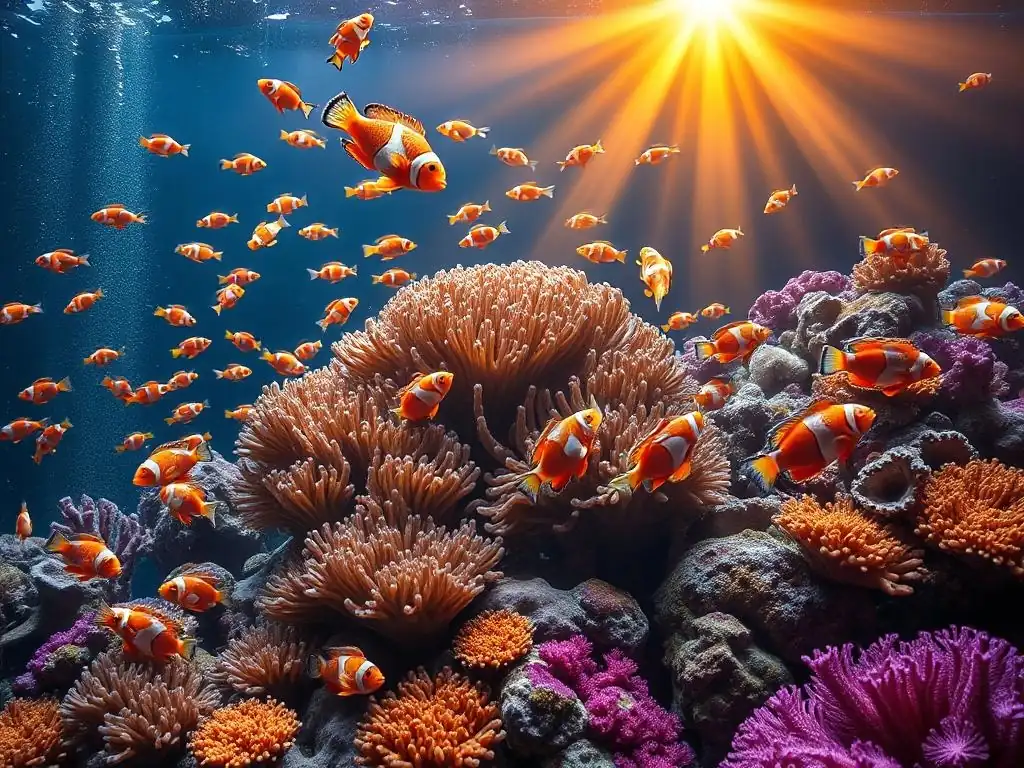
Ever wondered what goes on beneath the surface when it comes to Clownfish spawning rituals and behavior? Dive in with us as we unravel the fascinating secrets of their underwater mating dance. Get ready to witness the intricacies of their courtship, nesting preparations, and the delicate dance that leads to new life in your saltwater aquarium. Curious to learn more? Let's explore!
- Clownfish Spawning: Behavior, Rituals, and Successful Breeding
- Introduction to Clownfish Spawning
- Creating an Optimal Spawning Environment
- Spawning Rituals: A Step-by-Step Guide
- Species-Specific Spawning Variations
- Egg Hatching and Fry Rearing
- Troubleshooting Spawning Issues
- Advanced Breeding Techniques
- Conclusion: Successful Clownfish Spawning in Aquariums
-
Frequently Asked Questions
- What are the key indicators that a pair of clownfish are preparing to spawn?
- What specific environmental conditions are most conducive to clownfish spawning?
- How long does the entire spawning process typically take for clownfish?
- What do clownfish eggs look like, and where are they typically laid in the aquarium?
- What are the primary responsibilities of the male clownfish after the eggs have been laid?
- Final Reflection: The Rhythms of Reproduction
- Dive Deeper: Unlock the Secrets of Clownfish Breeding!
Clownfish Spawning: Behavior, Rituals, and Successful Breeding
Introduction to Clownfish Spawning
Breeding Clownfish in the Home Aquarium
Breeding clownfish in a home aquarium is a rewarding endeavor that offers both personal satisfaction and tangible benefits to the marine aquarium hobby. Successfully observing and facilitating the "Clownfish spawning rituals behavior" allows aquarists to witness one of nature's most fascinating reproductive processes firsthand. Beyond the sheer joy, captive breeding reduces the demand for wild-caught specimens, contributing to the conservation of natural reef populations and promoting sustainable aquaculture practices.
For many aquarists, the journey begins with understanding the specific environmental and behavioral cues that trigger spawning. While it requires dedication and precise control over tank conditions, the relative ease of breeding species like Amphiprion ocellaris and Amphiprion percula makes them an excellent choice for those looking to delve into marine fish propagation. A single healthy pair of Ocellaris clownfish, for instance, can produce clutches of 200-500 eggs every 10-14 days, given optimal conditions, highlighting the prolific nature of these fascinating fish.
The intricate social structure of clownfish plays a pivotal role in their "Clownfish spawning rituals behavior" and overall reproductive success. Clownfish exhibit protandrous hermaphroditism, meaning all individuals are born male, with the largest and most dominant fish in a group transforming into a female. In a typical established pair, the female will be significantly larger than the male, who is the second-largest individual. Smaller, non-breeding males may also be present but are suppressed from maturing sexually.
This strict hierarchy ensures that only the dominant pair engages in breeding activities. The female assumes the primary role of egg production, while the male takes on the crucial responsibility of nest preparation and egg care. Any disruption to this established pecking order, such as the introduction of a new, larger clownfish, can halt or prevent spawning as the existing hierarchy is challenged and potentially re-established. Understanding and maintaining a stable social environment is therefore fundamental to observing consistent "Clownfish spawning rituals behavior" in a captive setting.
Creating an Optimal Spawning Environment
Tank Setup and Water Chemistry for Breeding
Establishing the correct tank setup and maintaining pristine water chemistry are paramount for successful clownfish spawning. A dedicated breeding tank of at least 20-30 gallons (approximately 75-115 liters) is often recommended for a single pair, providing ample space and minimizing distractions. Key water parameters must be consistently stable: temperature should be maintained between 78-82°F (25.5-27.8°C), specific gravity at 1.023-1.025, and pH between 8.0-8.4. Alkalinity (dKH) should ideally be kept between 8-12, and nitrates below 10 ppm, with phosphates ideally undetectable or below 0.03 ppm.
Consistent water quality is achieved through robust filtration, often involving a protein skimmer and regular small water changes (e.g., 10-20% weekly). Fluctuations in temperature, salinity, or pH can stress the fish and inhibit the "Clownfish spawning rituals behavior." Many successful breeders also incorporate a sump for increased water volume and stability, along with a reliable heater and accurate thermometer to maintain the optimal thermal range crucial for both adult health and egg development.
Selecting a Healthy Breeding Pair
The foundation of successful clownfish breeding lies in selecting a healthy and compatible pair. While it's possible to purchase an already established pair, many hobbyists opt to buy 3-4 juvenile clownfish of the same species and allow them to self-select a pair. As they grow, the largest will become the female, and the next largest will become the breeding male, naturally forming the necessary hierarchy. Look for fish that are active, have vibrant coloration, clear eyes, and are consistently eating a variety of foods.
Once a pair has formed, they will often exhibit subtle pairing behaviors, such as swimming together, quivering, and mutual fin-nipping. Ensuring both individuals are free of disease is critical; a quarantine period of at least four weeks for any new fish is highly advisable before introduction to a breeding setup. A well-fed, healthy pair is far more likely to engage in the natural "Clownfish spawning rituals behavior" and produce viable clutches of eggs, with a typical female reaching sexual maturity around 1.5 to 2 years of age.
Host Anemone and Spawning Triggers
While clownfish are famously known for their symbiotic relationship with host anemones, it's important to note that a live anemone is not strictly necessary for successful spawning in captivity. Many breeders utilize artificial spawning sites such as a terracotta pot, a flat piece of slate, a PVC pipe section, or even the base of a powerhead. These alternatives offer a stable, smooth surface for egg attachment and are often easier to manage in a breeding setup than a live anemone, which can be challenging to keep and may sometimes move, disrupting the nest.
However, if a host anemone is desired, popular choices include the Bubble Tip Anemone ( Entacmaea quadricolor) or Sebae Anemone ( Heteractis crispa). The presence of a host anemone can sometimes act as a natural trigger, enhancing the "Clownfish spawning rituals behavior" by providing a secure and familiar environment. Beyond a suitable spawning surface, consistent feeding of high-quality, varied foods (such as spirulina flakes, mysis shrimp, and enriched brine shrimp) is a primary trigger. A slight increase in water temperature by 1-2°F (0.5-1°C) for a few days can also sometimes stimulate spawning activity.
Spawning Rituals: A Step-by-Step Guide
Courtship and Nest Preparation
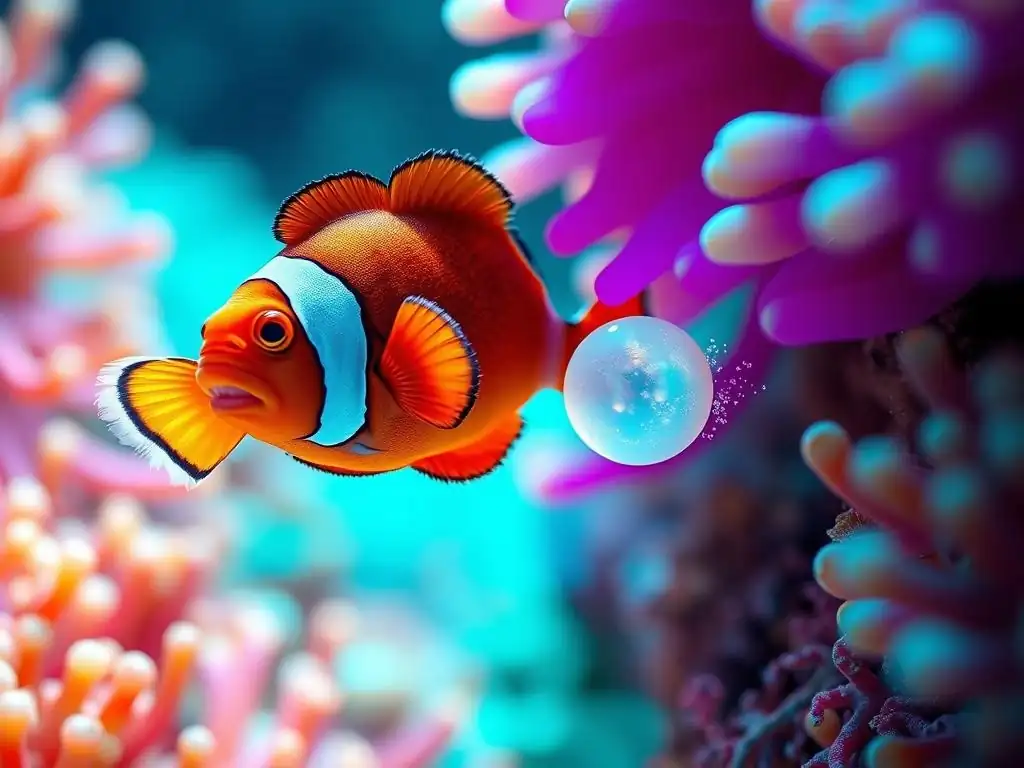
The initiation of "Clownfish spawning rituals behavior" begins with a distinct courtship display, primarily led by the male. This typically involves the male quivering his body, rapidly swimming back and forth, and vigorously nipping at the female's fins and flanks to encourage her towards a chosen spawning site. The female will then inspect potential locations, often near the base of their host anemone or a designated artificial structure like a terracotta pot. Once a site is selected, both the male and female engage in meticulous nest preparation.
This preparation involves a concerted effort to clean the chosen surface. They will meticulously nip at algae, detritus, and any perceived imperfections on the rock, pot, or anemone base, rubbing their bodies against it to ensure a smooth, clean surface for egg adhesion. This cleaning process can last from a few hours to several days, depending on the chosen site's condition and the pair's readiness. The intensity of this cleaning often signals that spawning is imminent, usually occurring within 24-48 hours.
Egg Laying and Fertilization
Following the diligent nest preparation, the actual egg-laying and fertilization process commences, typically in the late afternoon or early evening. The female positions herself over the meticulously cleaned surface and begins to lay her eggs in a tight, adhesive mass. These eggs are small, oval-shaped, usually 1-2 mm in size, and range in color from orange to reddish-brown, depending on the species and the female's diet. She moves systematically across the chosen area, depositing rows or clusters of eggs.
Immediately following the female, the male passes over the newly laid eggs, releasing his milt to fertilize them. This synchronized dance ensures that a high percentage of the eggs are successfully fertilized. A single clutch can contain anywhere from 100 to over 1000 eggs, with larger, more mature females producing more numerous clutches. The entire process of egg laying and fertilization can take between 30 minutes to two hours, after which the pair will often rest, with the male quickly resuming his care duties.
Male Parental Care of Eggs
Once the eggs have been laid and fertilized, the male clownfish assumes the primary responsibility for parental care, a critical component of the "Clownfish spawning rituals behavior." His dedication is remarkable, as he diligently tends to the clutch around the clock until hatching. The male's main tasks include fanning the eggs with his pectoral and caudal fins, which provides essential oxygenation and helps to prevent the accumulation of detritus and fungal growth around the developing embryos.
He also meticulously inspects the clutch, carefully nipping away any infertile or fungused eggs. This selective removal prevents the spread of infection to healthy eggs, maximizing the clutch's viability. Furthermore, the male aggressively guards the nest against any perceived threats, whether they are other tank inhabitants or even the female herself if she approaches too closely for his liking. This unwavering male parental care is vital for the successful incubation and hatching of clownfish fry, typically lasting 7 to 9 days depending on water temperature.
Species-Specific Spawning Variations
Amphiprion ocellaris Spawning Behavior
Amphiprion ocellaris, commonly known as the Ocellaris clownfish or False Percula, is one of the most popular and readily bred species in captivity, making their "Clownfish spawning rituals behavior" well-documented. Once an A. ocellaris pair is established and comfortable in their environment, they can spawn with remarkable consistency, typically every 10-14 days. The frequency is largely dependent on stable water parameters, a high-quality diet, and a suitable spawning site.
Clutch sizes for A. ocellaris usually range from 200 to 500 eggs for a mature pair, though exceptionally large females can produce upwards of 1000 eggs. The eggs are orange, turning darker as they develop, and hatch approximately 7-8 days after being laid, assuming a water temperature of around 80°F (26.7°C). The male's diligent fanning and guarding are crucial throughout this incubation period, ensuring proper oxygenation and protection of the developing embryos until the fry emerge, usually shortly after the tank lights go out.
Amphiprion percula Spawning Rituals
The spawning rituals of Amphiprion percula, or True Percula clownfish, are remarkably similar to those of their Ocellaris cousins, often making them indistinguishable to the casual observer. Like A. ocellaris, A. percula pairs will establish a clear social hierarchy, with the female being the dominant and larger individual. Their courtship involves similar fin-flaring and body quivering, and they also meticulously clean a chosen spawning site, which can be an anemone base, a rock, or an artificial structure.
While their "Clownfish spawning rituals behavior" mirrors A. ocellaris, there can be subtle differences in their overall prolificacy or shyness. Clutch sizes for A. percula are generally in a similar range, typically between 150-400 eggs, and the male also undertakes the primary role of egg fanning and guarding. The incubation period for A. percula eggs is slightly longer, often taking 8-9 days at 80°F (26.7°C) before hatching occurs. Both species are excellent subjects for observing repetitive spawning cycles in a home aquarium.
Comparing A. ocellaris and A. percula Spawning
While Amphiprion ocellaris and Amphiprion percula are distinct species, their "Clownfish spawning rituals behavior" share a striking number of similarities, reflecting their close evolutionary relationship. Both exhibit protandrous hermaphroditism, form stable pairs, and rely on the male for primary egg care. The eggs of both species are orange to reddish-brown, laid in adhesive masses, and darken as they develop. Nest preparation and courtship displays are also fundamentally similar, involving cleaning the spawning site and the male's characteristic quivering.
However, some subtle differences exist. A. ocellaris is often considered slightly more robust and perhaps more consistently prolific in captivity, with a marginally shorter incubation period (7-8 days vs. 8-9 days for A. percula at similar temperatures). A. ocellaris also seems to adapt more readily to artificial spawning sites, making them a popular choice for dedicated breeders who prefer to remove egg clutches for artificial incubation. Despite these minor distinctions, the core Clownfish spawning rituals behavior — from courtship to male parental care — remains largely conserved between these two beloved species.
Egg Hatching and Fry Rearing
Incubation Conditions for Clownfish Eggs
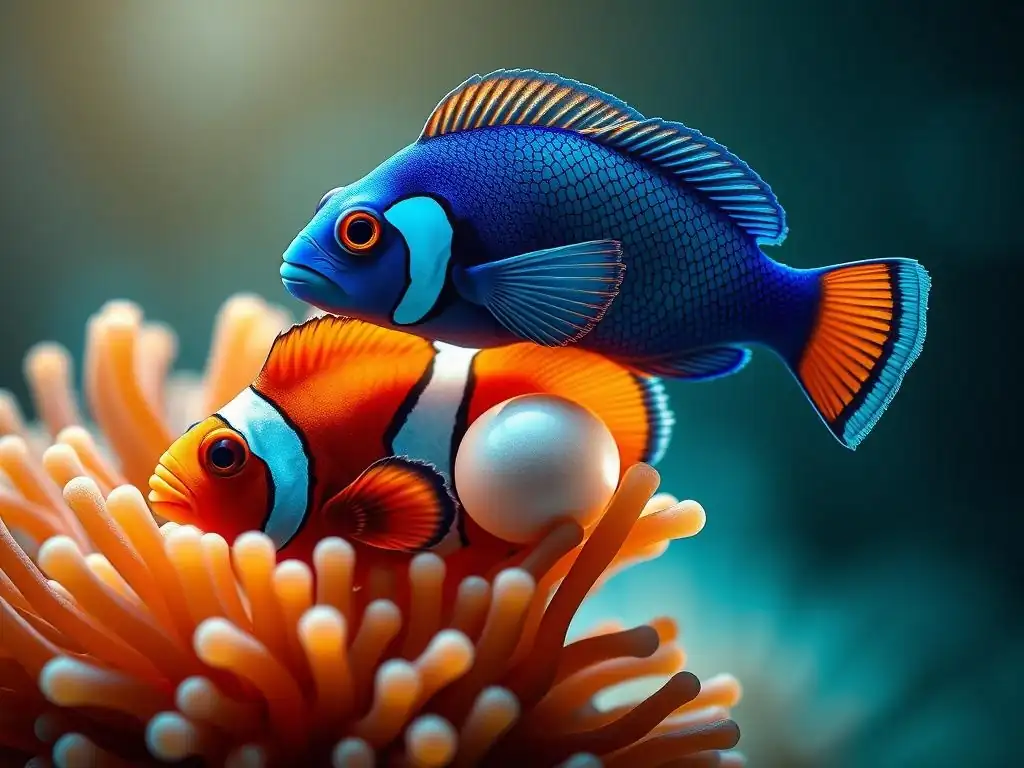
The successful incubation of clownfish eggs is a critical phase, directly influencing the number of viable fry. Whether left with the parents in the main tank or moved to a separate hatching container, stable water parameters mirroring the breeding tank are essential: temperature around 80°F (26.7°C), specific gravity of 1.023-1.025, and consistent pH. Adequate water flow around the egg clutch is paramount for oxygenation and to prevent fungal growth; if eggs are removed, a gentle air stone or small powerhead positioned nearby can simulate the male's fanning.
As the eggs develop, their appearance changes. Initially bright orange, they will gradually darken. Around day 5-6, tiny silver eyes become visible, indicating advanced development. Hatching typically occurs on the 7th to 9th night after spawning, usually 1-2 hours after the tank lights go out. This nocturnal hatching is an adaptation to minimize predation on the vulnerable fry. For example, a clutch laid on a Monday evening will commonly hatch the following Monday or Tuesday evening, requiring careful monitoring by the breeder.
Initial Nutrition for Clownfish Fry
Clownfish fry are incredibly small, typically 3-4 mm long at hatching, and are planktonic, drifting in the water column. Their minute size dictates their initial nutritional requirements, which are highly specialized. For the first 5-7 days post-hatch, the fry absolutely require live, microscopic food. The gold standard for this initial nutrition is rotifers ( Brachionus plicatilis), which are approximately 50-200 microns in size, making them perfectly digestible for the tiny fry. Without rotifers, survival rates are virtually zero.
After approximately five to seven days, when the fry have grown slightly and their mouths are larger, they can be transitioned to newly hatched brine shrimp ( Artemia nauplii). It is crucial to enrich both the rotifers and brine shrimp with nutritional supplements rich in essential fatty acids (like DHA and EPA), such as commercial enrichment products or spirulina, to ensure the fry receive a complete diet. This nutritional enrichment is vital for proper development, growth, and overall survival, which can range from 10-20% to over 50% to the juvenile stage with meticulous care.
Preventing Fry Development Problems
Preventing common problems in clownfish fry development requires meticulous attention to water quality, nutrition, and environmental control in the rearing tank. The fry tank should be bare-bottomed to facilitate cleaning and prevent detritus buildup. Daily small water changes (10-20%) are essential to maintain pristine water quality, as fry are highly sensitive to ammonia and nitrite. Gentle aeration, often provided by a simple air stone, is crucial for oxygenation without creating strong currents that can exhaust the tiny fry.
Overfeeding is a common pitfall, leading to fouled water and bacterial blooms that can decimate a batch of fry. Feed small amounts frequently throughout the day. Common developmental issues include swim bladder disorders, often linked to inadequate initial nutrition or poor water quality, which can cause fry to swim erratically or float at the surface. Another issue is "pinheads," where fry grow slowly and appear stunted, usually due to insufficient or unenriched food. Maintaining a consistent 24-hour light cycle for the first few days can also help fry locate their food more easily, improving feeding success and reducing starvation.
Troubleshooting Spawning Issues
Addressing Infertility
When a clownfish pair is established and exhibits "Clownfish spawning rituals behavior" such as courtship and nest cleaning but fails to produce viable eggs, infertility may be a concern. First, confirm the age and maturity of the pair; clownfish typically reach sexual maturity and consistent spawning around 1.5 to 2 years of age. Ensure the female is significantly larger than the male, indicating proper sex differentiation. If the male is too small or still maturing, he may not be producing viable sperm.
Diet plays a crucial role in fertility. A high-quality, varied diet rich in protein and essential fatty acids (e.g., mysis shrimp, spirulina-enriched flakes, vitamin supplements) is paramount. Nutritional deficiencies can lead to poor egg quality or lack of milt production. Additionally, review water parameters; chronic stress from fluctuating or suboptimal conditions (e.g., high nitrates, low alkalinity) can inhibit reproduction. In some cases, simply waiting longer for the pair to fully mature, or adjusting their diet, can resolve apparent infertility issues.
Managing Aggression During Breeding
While some level of aggression is a natural part of "Clownfish spawning rituals behavior," particularly from the male guarding the nest, excessive aggression can be detrimental. The male may aggressively nip at the female to encourage her to spawn or to keep her away from the eggs. This is typically normal. However, if the aggression escalates to the point of causing physical injury, torn fins, or significant stress to either fish, intervention may be necessary.
Potential solutions include ensuring the breeding tank is adequately sized (a minimum of 20-30 gallons for a pair), providing ample hiding spots for the female to retreat to, and minimizing external stressors. Sometimes, the presence of aggressive tank mates can contribute to redirected aggression within the pair. In extreme cases, if one fish is consistently harming the other, temporary separation may be required. Monitoring the pair closely during spawning cycles helps to distinguish between normal territorial guarding and harmful, persistent aggression that could jeopardize the breeding efforts.
Preventing Egg Predation and Infections
Protecting clownfish eggs from predation and infections is crucial for maximizing hatch rates. In a community tank, other fish, crabs, or even certain snails may view the nutritious eggs as a food source, despite the male's diligent guarding. Even the female clownfish herself can occasionally consume eggs, particularly if she is stressed or the clutch is small. The most effective way to prevent predation is to remove the egg clutch to a separate hatching tank or incubator shortly after it's laid. Many breeders carefully detach the rock or pot with the eggs and transfer it to a dedicated setup.
Fungal infections on the eggs are another common issue, often appearing as white, fuzzy patches. These usually target infertile eggs or those with insufficient water circulation. While the male typically removes these, widespread fungus can spread to healthy eggs. Ensuring good water flow around the clutch and maintaining pristine water quality can help prevent this. If removing the clutch, a very gentle air stone or small powerhead positioned near the eggs in the incubator will provide the necessary flow and oxygenation, significantly improving the chances of a successful hatch.
Advanced Breeding Techniques
Artificial Incubation Methods
For hobbyists aiming to maximize their clownfish fry production, artificial incubation methods are highly recommended. This involves carefully removing the egg clutch from the breeding tank and placing it into a separate, dedicated hatching setup. This method completely eliminates the risk of predation by parents or other tank inhabitants and allows for precise control over environmental conditions during the critical incubation period. A common setup involves placing the rock or pot with the eggs in a small, bare-bottomed tank (e.g., 5-10 gallons) with identical water parameters to the breeding tank.
Gentle water movement around the eggs is paramount to simulate the male's fanning and provide oxygen. This can be achieved with a small air stone positioned a few inches from the clutch, or a very low-flow powerhead. Some advanced breeders use specialized "egg tumblers" which gently agitate the eggs in a controlled current. Artificial incubation can significantly increase hatch rates, often yielding 90% or higher successful hatches compared to potentially 50-70% when eggs are left in the main tank due to predation or less than ideal flow.
Selective Breeding for Desirable Traits
Selective breeding is an advanced technique where breeders intentionally pair clownfish with specific desirable traits to produce offspring that exhibit or enhance those characteristics. This is how many of the popular "designer" clownfish morphs, such as Picasso, Snowflake, Black Storm, or Platinum varieties, have been developed. For example, by breeding two Snowflake clownfish, a breeder aims to produce a higher percentage of offspring with unique white patterning.
Beyond aesthetics, selective breeding can also focus on traits like increased disease resistance, faster growth rates, or even enhanced fertility. This process requires meticulous record-keeping of parentage, genetic lines, and the characteristics of the offspring across multiple generations. It's a long-term commitment that contributes to the diversity and robustness of captive-bred clownfish populations, continuously refining the outcomes of "Clownfish spawning rituals behavior" to produce unique and healthy fish.
Maintaining Genetic Diversity
While selective breeding focuses on specific traits, maintaining genetic diversity within a captive clownfish population is equally important for long-term health and vitality. Continuous inbreeding (breeding closely related individuals) can lead to inbreeding depression, which manifests as reduced fertility, smaller clutch sizes, lower survival rates of fry, increased susceptibility to diseases, and overall weaker fish over successive generations.
To prevent inbreeding depression, advanced breeders strategically introduce new genetic lines into their breeding programs. This might involve acquiring new unrelated pairs from different sources, or occasionally swapping males between unrelated females to diversify the gene pool. Careful planning and tracking of lineage are essential to ensure that the benefits of selective breeding are not undermined by a dwindling genetic base. A robust and genetically diverse captive population is more resilient and ensures the continued availability of healthy, vibrant clownfish for the hobby.
Conclusion: Successful Clownfish Spawning in Aquariums
Successfully breeding clownfish in a home aquarium is a deeply rewarding experience that allows aquarists to witness the intricate "Clownfish spawning rituals behavior" firsthand. From the delicate courtship and meticulous nest preparation to the male's dedicated parental care, each stage offers a fascinating glimpse into the reproductive biology of these iconic marine fish. Achieving consistent spawning and successful fry rearing requires a comprehensive understanding of their specific needs, including stable water parameters, a high-quality diet, and a suitable breeding environment.
By diligently addressing factors like social hierarchy, selecting healthy breeding pairs, and providing optimal incubation conditions, hobbyists can significantly increase their chances of success. Furthermore, understanding species-specific nuances and implementing advanced techniques such as artificial incubation and selective breeding can elevate the breeding endeavor. The journey of breeding clownfish not only enriches the aquarist's experience but also contributes meaningfully to the sustainability of the marine aquarium hobby by reducing reliance on wild-caught specimens, making it a truly impactful pursuit.
Frequently Asked Questions
What are the key indicators that a pair of clownfish are preparing to spawn?
Clownfish preparing to spawn will exhibit increased cleaning of a flat surface, often a rock or tile. You'll also observe more frequent displays of courtship behavior, like twitching and nipping.
What specific environmental conditions are most conducive to clownfish spawning?
Maintaining stable water parameters is crucial, specifically a consistent temperature around 80-82°F and a pH between 8.0 and 8.4. Excellent water quality and a low-stress environment are also vital.
How long does the entire spawning process typically take for clownfish?
The actual spawning event is relatively quick, often taking only one to two hours. However, the entire process, from courtship to egg laying, can span several days or weeks.
What do clownfish eggs look like, and where are they typically laid in the aquarium?
Clownfish eggs are small, oval-shaped, and bright orange or red in color. They are usually laid in a clump on a flat, cleaned surface, such as a rock or piece of tile near their anemone.
What are the primary responsibilities of the male clownfish after the eggs have been laid?
The male clownfish takes on the primary responsibility of guarding and fanning the eggs to keep them oxygenated. He will also remove any dead or infertile eggs to prevent fungal growth.
Final Reflection: The Rhythms of Reproduction
The intricate details of clownfish spawning rituals, as explored throughout this article, are not merely biological curiosities; they are a testament to the powerful drive for survival and continuation of life that resonates across the natural world. Understanding these behaviors provides invaluable insight into the delicate balance of coral reef ecosystems and the importance of conservation efforts in protecting these vibrant habitats.
The mesmerizing dance of courtship and the careful preparation for spawning highlight the profound connection between these creatures and their environment. Witnessing such dedication underscores the fragility of life and the responsibility we have to safeguard the biodiversity of our planet. In the end, we will conserve only what we love; we will love only what we understand; and we will understand only what we are taught.
- Baba Dioum. This quote perfectly encapsulates the importance of understanding, and therefore valuing, the complex lives of creatures like the clownfish.
As we conclude this exploration of clownfish spawning rituals, consider the lessons these tiny creatures offer. Let their dedication to reproduction inspire you to reflect on your own connection to the natural world and the role you can play in its preservation. Embrace a deeper understanding of the delicate ecosystems around you, and strive to be a steward of the environment, ensuring that future generations can witness the beauty and wonder of the clownfish mating dance for themselves.
Dive Deeper: Unlock the Secrets of Clownfish Breeding!
Thanks for exploring the fascinating world of clownfish mating rituals! We hope you've gained a newfound appreciation for these vibrant reef dwellers. Ready to take your clownfish knowledge to the next level?
Here's how:
- Start a breeding journal: Meticulously document your clownfish pair's behaviors daily to identify signs of pre-spawning and spawning. Note changes in color, aggression, and anemone interaction.
- Share your newfound knowledge! Discuss clownfish mating behaviors in online aquarium forums to expand your understanding.
- Brainstorm new observations: Try coming up with your own observations. For instance, what music seems to put them in the mood?
What unique behaviors have you observed in your clownfish, and what do you think they mean?