
The Intricate Courtship Dances and Flashing Displays of Wrasse Species

Welcome to Aquarium Mastery!
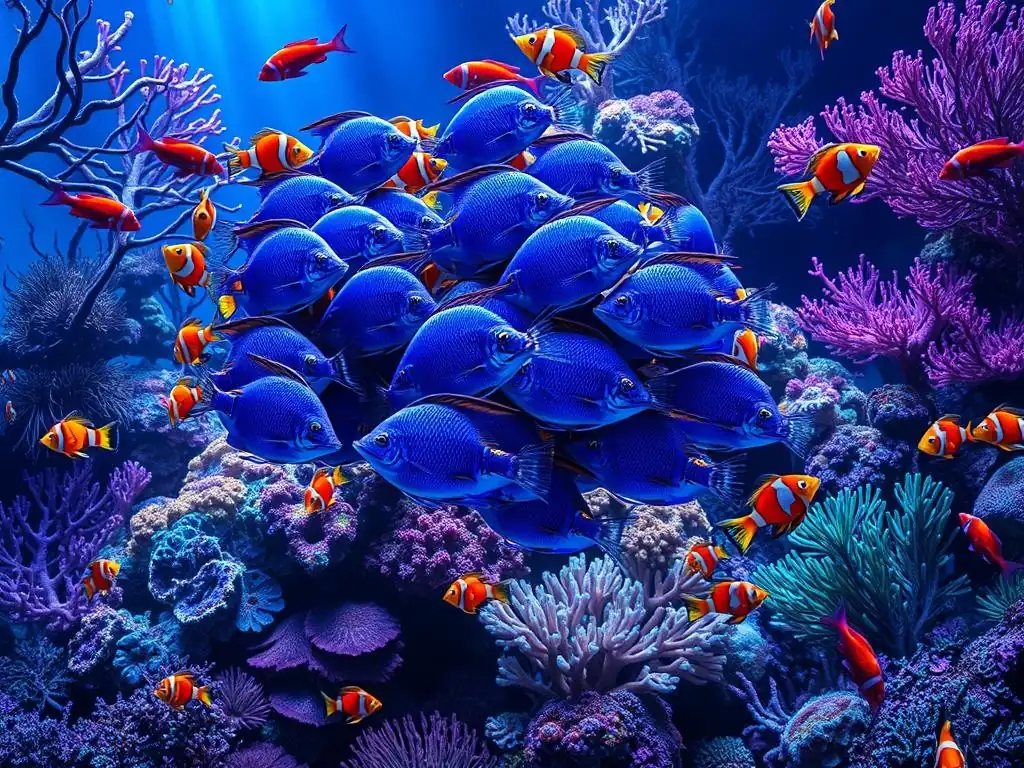
Ever wondered about the secret lives unfolding beneath the waves inside your saltwater aquarium? Dive in with us as we explore the fascinating world of Wrasse courtship behavior and displays. Prepare to be amazed by the intricate dances and vibrant flashing colors these captivating creatures use to attract a mate. Intrigued? Discover the secrets to understanding and even replicating these behaviors in your own reef tank below!
- Understanding Wrasse Mating Rituals: An Aquarium Mastery Guide
- A Deep Dive into Specific Wrasse Courtship Displays
- Color Changes and Visual Signaling During Wrasse Courtship
- The Importance of Territory and Lek Formation in Wrasse Courtship
- Sound Production and Chemical Signaling in Wrasse Courtship
- Environmental Factors Influencing Wrasse Courtship Behavior
- Replicating Wrasse Courtship Environments in Aquariums
- Challenges and Considerations for Observing Wrasse Courtship in Aquariums
- Documenting and Sharing Observations of Wrasse Courtship
-
Frequently Asked Questions
- How diverse is wrasse courtship behavior across different species?
- What role do color changes play in wrasse courtship displays?
- What are some examples of specific behaviors observed during wrasse courtship?
- How does water quality impact wrasse courtship and spawning success?
- Are wrasse courtship behaviors affected by the presence of other fish species in the aquarium?
- Final Reflection: Unveiling Nature's Aquatic Ballet
- Dive Deeper: Unleash Your Inner Wrasse Enthusiast!
Understanding Wrasse Mating Rituals: An Aquarium Mastery Guide
Why Courtship Displays Matter for Wrasse Breeding
Courtship displays are fundamental to the reproductive success of wrasse species, serving as critical signals for mate selection, species recognition, and assessing genetic fitness. These elaborate rituals allow potential mates to evaluate each other's health, vigor, and suitability, ensuring that only the strongest and healthiest individuals pass on their genes. For instance, in some wrasse species, males exhibiting more vibrant colors or complex, sustained displays achieve significantly higher spawning success rates, potentially attracting two to three times more females than their less impressive counterparts.
The investment in these visually striking and often energetic displays is a clear indicator of a male's overall condition and ability to survive and thrive. By engaging in these specific wrasse courtship behavior and displays, individuals minimize the risk of interspecies hybridization and increase the likelihood of producing viable offspring. This intricate signaling ensures the perpetuation of species-specific traits and robust genetic lines within wrasse populations.
Key Elements of Wrasse Courtship Behavior
Wrasse courtship behavior encompasses a diverse array of actions, varying significantly between species but often including common themes. Key elements frequently observed are dramatic color changes, rapid fin flaring, and highly specific swimming patterns or "dances." For example, males might perform precise "pelvic fin fanning" or adopt "head-standing" postures, designed to highlight their vibrant fins and body coloration to a prospective mate.
The general complexity of wrasse courtship behavior and displays often involves a synchronized sequence of actions that can range from a few minutes to over an hour, depending on the species and environmental cues. This complex choreography is not merely for show; it serves to synchronize the release of gametes, ensuring successful external fertilization in the water column. The specific timing and execution of these elements are crucial for a successful spawning event.
A Deep Dive into Specific Wrasse Courtship Displays
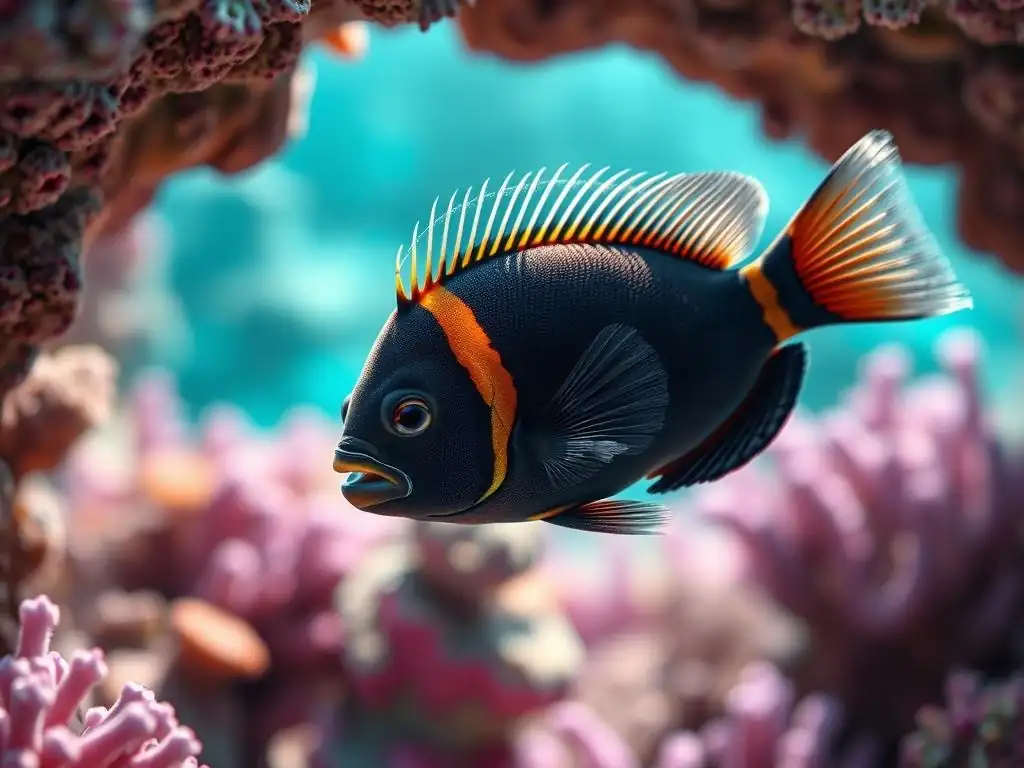
The Flashy Flamboyance of Paracheilinus flavianalis Wrasse Mating
The Paracheilinus flavianalis, commonly known as the Yellowfin Flasher Wrasse, exemplifies flashy flamboyance during its mating rituals. Males of this species are renowned for their rapid, almost instantaneous, "flashing" behavior, which involves dramatic shifts in body coloration and the full erection of their fins. During these displays, a male can transform his entire body from a subdued resting coloration to brilliant iridescent blues, reds, and yellows in a matter of seconds, often accompanied by rapid extensions of the dorsal and anal fins, which can nearly double their perceived size.
This spectacular wrasse courtship behavior and display serves multiple purposes: primarily to attract females over a distance and secondarily to intimidate or ward off rival males. The intensity and duration of these flashes are direct indicators of a male's fitness and dominance. Observations suggest that the most vibrant and persistent flashers secure the most mating opportunities, making this a highly effective strategy for reproductive success in their natural reef habitats.
The Subtleties of Labroides dimidiatus Wrasse Spawning Rituals
In contrast to the overt displays of flasher wrasses, the spawning rituals of Labroides dimidiatus, the Cleaner Wrasse, are characterized by more subtle and ritualistic behaviors. These wrasses, known for their symbiotic cleaning services, typically form pairs for spawning. Their courtship often involves a series of synchronized movements, including "pairing," where the male and female swim closely together, "circling," and a distinctive "quivering" motion by the male.
The pre-spawning ascent of cleaner wrasse pairs is a notable aspect of their wrasse courtship behavior and displays. They have been observed performing a series of vertical swims, typically about 30-50 cm, culminating in the release of gametes at the apex of their ascent, approximately 1-2 hours before sunset. This less aggressive, more coordinated approach highlights the diversity in wrasse mating strategies, adapting to their specific ecological roles and social structures.
Comparing Courtship Styles: From Leaping to Color Changes
The spectrum of wrasse courtship behavior and displays is remarkably broad, ranging from the highly energetic to the subtly choreographed. For instance, some species within the Thalassoma genus, like the Surge Wrasse, are known for dramatic vertical leaps out of the water, sometimes several centimeters high, as part of their courtship display to attract attention. This aerial spectacle contrasts sharply with the more confined, yet equally intricate, displays of Cirrhilabrus (Fairy Wrasse) species.
Cirrhilabrus wrasses rely heavily on rapid, iridescent color changes and elaborate fin extensions, often performed within a specific territory on the reef. Meanwhile, species like those in the Halichoeres genus might engage in more subtle chasing and circling behaviors around their chosen spawning sites. This wide array of wrasse courtship behavior and displays underscores the adaptive radiation of the family Labridae, showcasing how different species have evolved unique strategies to ensure reproductive success in diverse marine environments.
Color Changes and Visual Signaling During Wrasse Courtship
The Significance of Color in Wrasse Reproductive Success
Coloration plays an indispensable role in the reproductive success of wrasse species, serving as a primary visual signal of health, genetic fitness, and sexual maturity. During wrasse courtship behavior and displays, males often intensify their colors dramatically, showcasing their physiological condition to potential mates. Females meticulously use these color cues to select the most robust and genetically superior males, ensuring the viability and resilience of their offspring.
The vibrancy and specific patterns displayed are often linked to a male's dietary intake of carotenoids, which are vital pigments that also support immune function. For example, in some terminal phase wrasse males, the intensity of their breeding coloration can directly correlate with higher sperm counts and greater viability, leading to a 40-50% increase in successful fertilization events compared to less vibrantly colored males. This direct link highlights how color is not just aesthetic but a crucial indicator of reproductive potential.
How Color Patterns Communicate Mate Quality
Beyond mere intensity, the specific color patterns — including stripes, spots, and iridescent patches — communicate nuanced information about mate quality. These patterns can signify territorial dominance, age, and even resistance to parasites, acting as a visual resume for a potential partner. A male wrasse with well-defined, unblemished patterns during wrasse courtship behavior and displays is often perceived as healthier and more capable of defending resources or offspring.
Consider the iridescent blue and green patches on the head and body of a dominant male Clown Coris Wrasse ( Coris gaimard) during courtship. These are not merely for show; they are indicators of high carotenoid intake and robust immune function, signaling superior genetic quality to potential mates. Females interpret these complex visual signals, using them to make informed decisions that optimize their reproductive investment. The precision of these visual communications is a testament to the evolutionary pressures shaping wrasse mating systems.
Understanding the Genetic Basis of Wrasse Coloration
The spectacular wrasse courtship behavior and displays, particularly their vibrant coloration, have a complex genetic basis. The array of colors observed is typically due to the interplay of various pigments and structural colors. Pigments such as carotenoids produce reds and yellows, pterins contribute to blues and greens, and purines create iridescence through guanine crystals that scatter light. The precise expression and distribution of these colors are genetically controlled, with specific genes regulating the synthesis and deposition of these compounds within specialized chromatophores.
Environmental factors, such as diet and light exposure, also play a significant role in the full expression of these genetically determined colors. For instance, a male wrasse may possess the genetic potential for brilliant colors, but without adequate dietary carotenoids, his display may be muted. This intricate relationship between genetics and environment ensures that the visual signals during wrasse courtship are honest indicators of a male's overall health and genetic fitness, making color a powerful tool in mate selection.
The Importance of Territory and Lek Formation in Wrasse Courtship
Wrasse Territoriality and its Impact on Mating
Territoriality is a critical aspect of wrasse courtship behavior and displays, profoundly influencing mating success. Males often establish and vigorously defend specific territories that offer essential resources such as food, shelter, and, most importantly, prime spawning sites. These territories are not merely living spaces; they are stages for courtship, where males can attract females and ensure undisturbed spawning.
The size and quality of a male's territory can directly correlate with his reproductive success. Male wrasses, particularly larger species like the Slingjaw Wrasse ( Epibulus insidiator), may defend territories spanning several square meters (e.g., 5-10 m²) against rivals. Successful defense of these areas directly translates to increased access to prime spawning locations and, consequently, a higher number of successful mating opportunities, underscoring the vital link between territoriality and mating success in wrasses.
Lek Behavior in Wrasse: A Competitive Display
In some wrasse species, particularly those with high population densities, males engage in lek behavior. A lek is an aggregation of males that gather in a specific area solely for competitive display and courtship, without offering any resources like food or shelter within their individual display sites. Females visit the lek to select a mate from the displaying males.
For instance, in certain Cirrhilabrus (Fairy Wrasse) species, males gather in loose aggregations of 5-15 individuals on prominent reef structures. Each male performs intense flashing wrasse courtship behavior and displays within their small, temporary display arenas. This setup allows females to easily compare and choose mates from a selection of vying males, often favoring those at the center of the lek or those with the most vigorous and visually striking displays, making the lek a highly competitive environment.
Defending Territory: A Crucial Part of Wrasse Courtship
Defending a territory is an energetically demanding and often risky endeavor for male wrasses, involving confrontations with rivals and potential predators. However, the successful defense of a prime spawning territory is a crucial prerequisite for reproductive success. Males invest significant energy in patrolling, displaying, and actively repelling intruders to secure their mating grounds.
Studies on certain parrotfish, which are closely related to wrasses, highlight this critical role: males who successfully defend a spawning territory for at least 80% of the daily spawning period tend to achieve up to 70% of the observed successful spawns within that area. This demonstrates that the ability to maintain a territory, despite its costs, is paramount in the overall wrasse courtship behavior and displays, directly impacting a male's ability to attract and successfully mate with females.
Sound Production and Chemical Signaling in Wrasse Courtship
The Role of Sound in Wrasse Communication
While visual displays dominate the renowned wrasse courtship behavior and displays, the role of sound production in wrasse communication, particularly during courtship, is an emerging area of research. Some wrasse species are known to produce various sounds, such as "grunts," "clicks," or "pops," typically generated through rapid movements of their fins or by grinding their pharyngeal jaws. These sounds are often associated with aggressive interactions or territorial defense, but they may also play a more subtle role in courtship.
Although less extensively studied than visual cues, it is hypothesized that some species, particularly larger wrasses, may use low-frequency sounds (e.g., 50-200 Hz) as short-range signals during close-quarter courtship or to indicate their presence in murky waters where visual signals are less effective. This acoustic component could serve to attract mates, synchronize spawning, or even to signal reproductive readiness, adding another layer of complexity to their already intricate mating rituals.
Chemical Cues: Pheromones and Mate Attraction
Beyond visual and auditory signals, chemical cues, specifically pheromones, are believed to play an important, albeit often undetectable to the human eye, role in wrasse courtship. Pheromones are chemical substances released into the water by one individual that elicit a behavioral or physiological response in another of the same species. These chemical signals can travel over distances, guiding conspecifics to potential mates or signaling reproductive readiness.
Research in various marine fish, including some wrasses, suggests the presence of species-specific sex pheromones. Females may release these pheromones to signal ovulatory readiness, attracting males to their spawning sites. Conversely, males might release chemicals to indicate territorial presence or to enhance the effectiveness of their visual wrasse courtship behavior and displays. These chemical signals ensure that individuals are not only visually attracted but also physiologically synchronized for successful spawning.
Environmental Factors Influencing Wrasse Courtship Behavior
Water Temperature and its Effect on Wrasse Spawning
Water temperature is a primary environmental factor that profoundly influences wrasse courtship behavior and displays, acting as a crucial trigger for spawning. Each species has an optimal temperature range within which it can successfully reproduce. Deviations from this range can significantly impact reproductive physiology and behavior.
For many tropical wrasse species, a specific water temperature range, typically between 24°C and 28°C (75°F-82°F), is crucial for initiating and sustaining spawning activity. If the temperature falls more than 2-3°C outside this optimal zone, wrasse courtship behavior and displays can be significantly reduced or completely inhibited, preventing gamete release. Maintaining stable and appropriate temperatures is therefore paramount for encouraging natural breeding cycles in both wild and captive environments.
The Impact of Light and Habitat on Courtship Displays
Light, specifically photoperiod and intensity, also plays a significant role in regulating the timing and intensity of wrasse courtship behavior and displays. Many wrasse species exhibit crepuscular spawning, with peak courtship and spawning activities occurring during sunrise or sunset. This timing is often linked to specific light intensities (e.g., 500-1000 lux), which may reduce predation risk on eggs or facilitate mate recognition.
The physical structure of the habitat is equally important. Whether it's open water columns for pelagic spawners, specific coral heads, or sandy flats for burying species, the availability of suitable spawning sites directly influences where and how wrasse courtship occurs. A habitat that provides both refuge and clear display areas is essential for successful reproduction.
The social structure within a wrasse population can significantly influence mating rituals. Many wrasse species are protogynous hermaphrodites, meaning they begin life as females and can later transition to males. This can lead to complex social hierarchies, often with a single dominant male maintaining a harem of females. The presence of multiple males or an imbalanced male-to-female ratio can either intensify competitive wrasse courtship behavior and displays among males or, conversely, suppress spawning in subordinate individuals due to stress or lack of opportunity.
In species that form harems, the dominant male's presence is often necessary to trigger female spawning readiness. In contrast, pair-spawning species rely on the direct interaction between a single male and female. Understanding and, where possible, replicating these specific social dynamics are crucial for facilitating successful wrasse breeding, particularly in captive environments where social stress can easily inhibit natural behaviors.
Replicating Wrasse Courtship Environments in Aquariums
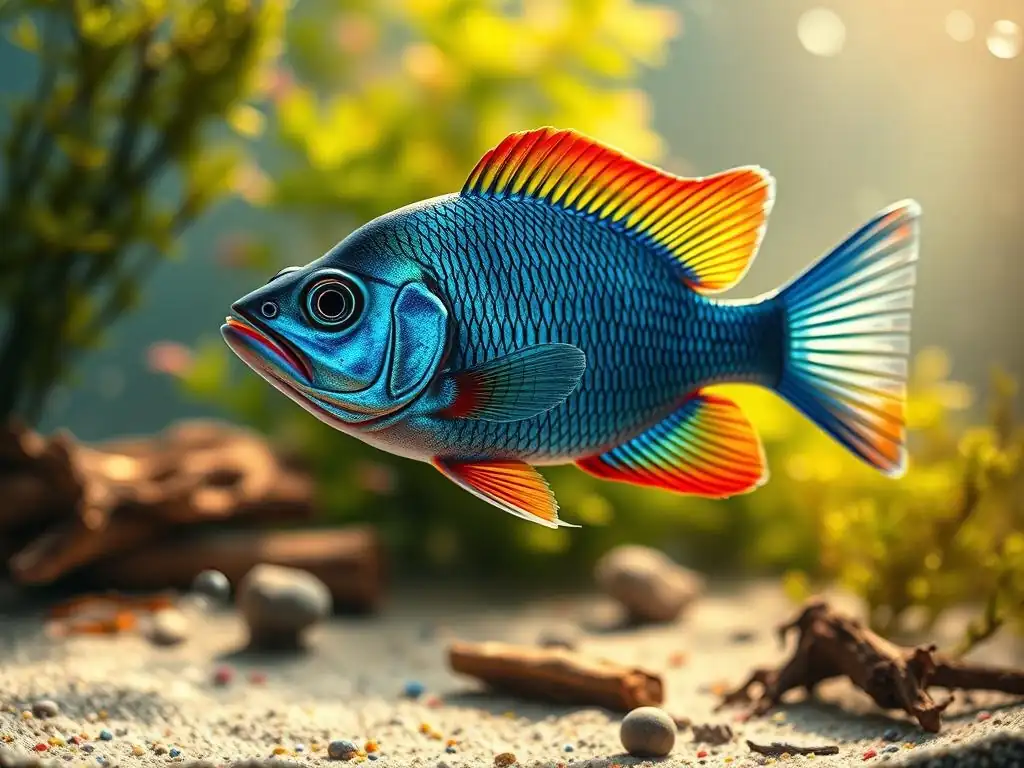
Creating Ideal Conditions for Wrasse Breeding in Captivity
Replicating the complex environmental conditions necessary for wrasse courtship behavior and displays in captivity requires meticulous attention to detail. General principles include providing a stable and mature aquarium environment, an appropriately sized tank, and suitable rockwork that mimics natural reef structures. Mimicking natural light cycles, including sunrise and sunset simulations, can also be a powerful trigger for spawning.
For many medium-sized wrasse species (e.g., 10-15 cm), a breeding tank of at least 200-300 liters (approximately 50-80 gallons) is often recommended. This provides sufficient space for territorial establishment, elaborate wrasse courtship behavior and displays, and allows for the necessary chasing and darting without excessive aggression or stress among tank inhabitants. Adequate space also helps reduce competition and provides ample room for gamete release.
Tank Setup and Water Parameters for Successful Spawning
Specific tank setup and precise water parameters are critical for encouraging successful wrasse spawning. Salinity should be maintained at natural seawater levels, typically around 1.025 specific gravity. pH should be stable between 8.1 and 8.4, with alkalinity levels of 8-10 dKH and calcium levels of 400-450 ppm. Strong, varied water flow is often beneficial, mimicking natural reef currents and aiding in the dispersal of gametes.
For species that bury themselves in the substrate for rest or protection, a deep sand bed (at least 7-10 cm or 3-4 inches) of fine-grained sand is essential. This provides a natural and secure environment, reducing stress and encouraging natural behaviors. Maintaining these precise parameters complements the natural wrasse courtship behavior and displays, signaling to the fish that conditions are optimal for reproduction.
Ensuring the Health and Well-being of Breeding Wrasses
The health and well-being of breeding wrasses are paramount for successful reproduction. A varied and high-quality diet is crucial for conditioning the fish and ensuring they have the energy reserves necessary for vigorous wrasse courtship behavior and displays and subsequent gamete production. This should include frozen mysis shrimp, enriched brine shrimp, finely chopped marine proteins like clams or fish flesh, and high-quality pellets, fed multiple times a day.
Stress reduction is also vital. Providing ample hiding spots within the rockwork, minimizing aggressive tankmates, and maintaining stable water quality all contribute to a low-stress environment. A calm and secure environment encourages natural behaviors, including courtship. Ensuring the fish are free from parasites and diseases through proper quarantine protocols before introduction to the breeding tank is also a key step in maximizing breeding success.
Challenges and Considerations for Observing Wrasse Courtship in Aquariums
Potential Obstacles to Wrasse Reproduction in Captive Environments
Observing and facilitating wrasse reproduction in captive environments presents several significant challenges. One common obstacle is the lack of adequate space, which can lead to chronic stress, aggression among tankmates, and ultimately inhibit natural wrasse courtship behavior and displays. Incompatible tankmates can also be a major deterrent, as constant harassment or competition can prevent fish from feeling secure enough to spawn.
Furthermore, nutritional deficiencies can hinder gamete production, while improper lighting cycles or insufficient water flow can prevent the precise environmental cues needed to trigger spawning. The absence of suitable spawning sites, whether it's an open water column, a specific type of rockwork, or a deep sand bed, can also completely prevent successful reproduction, even if all other parameters are ideal.
Ethical Considerations for Breeding Wrasses
Ethical considerations are crucial when attempting to breed wrasses in captivity. Aquarists must ensure that the parent fish are not unduly stressed by the breeding process; this includes providing adequate space, nutrition, and a stable environment. The welfare of both the breeding pair and any potential offspring must be prioritized.
Responsible breeding also involves planning for the offspring. This includes having a clear strategy for raising the fry, which can be notoriously difficult for many marine species, and ensuring that any surplus fish have a high chance of survival and a suitable home. Contributing to sustainable aquaculture rather than further depleting wild populations is a key ethical responsibility, ensuring that the pursuit of wrasse courtship behavior and displays in captivity supports the long-term health of the hobby and wild ecosystems.
Monitoring Wrasse Behavior to Maximize Breeding Success
Careful and consistent monitoring of wrasse behavior is essential to maximize breeding success in aquariums. Aquarists should observe their fish daily for subtle changes in wrasse courtship behavior and displays, which can indicate impending spawning events. These cues might include increased aggression between males, specific fluctuations in color intensity, or females showing heightened interest in a male's territory or display area.
Keeping detailed logs of water parameters, feeding schedules, and observed behaviors can help identify patterns and optimize conditions. Video recording can also be an invaluable tool for capturing and analyzing complex wrasse courtship behavior and displays that might be missed during casual observation. By meticulously monitoring their fish, aquarists can gain crucial insights into their reproductive cycles and make timely adjustments to enhance the likelihood of successful spawning.
Documenting and Sharing Observations of Wrasse Courtship
Contributing to the Understanding of Wrasse Mating Habits
The detailed observations and documentation from dedicated hobbyists can provide invaluable contributions to the scientific understanding of wrasse mating habits. Many aspects of wrasse reproductive biology, particularly their intricate wrasse courtship behavior and displays, remain poorly understood in their natural habitats due to the challenges of field observation. Aquarists, with their ability to maintain stable, long-term captive environments, are uniquely positioned to fill these knowledge gaps.
Detailed records of spawning triggers, behavioral sequences, egg development, and larval rearing from successful captive breeding efforts can offer unprecedented insights. This information, often difficult or impossible to obtain in the wild, can significantly advance ichthyology and marine biology, providing critical data for species conservation efforts and a deeper appreciation for these fascinating fish.
Citizen Science and Aquarium Observation
Aquarium observation offers a unique opportunity for citizen science, where amateur enthusiasts contribute to scientific research. Platforms dedicated to marine fish breeding and forums for aquarists often host databases and discussions where individuals can share their experiences, including successful triggers for wrasse courtship behavior and displays and detailed accounts of spawning events.
This collaborative approach allows for the aggregation of data from numerous sources, building a collective knowledge base that benefits both the hobby and scientific understanding. By systematically documenting and sharing their observations, aquarists can contribute to a broader understanding of wrasse reproductive strategies, environmental requirements, and the nuances of their complex social interactions, fostering a greater appreciation for these vibrant reef inhabitants.
The Future of Wrasse Conservation through Responsible Breeding
The meticulous observation and replication of wrasse courtship behavior and displays in captivity hold immense promise for the future of wrasse conservation. Successful captive breeding programs can significantly reduce the reliance on wild-caught specimens, thereby alleviating pressure on vulnerable reef ecosystems and supporting sustainable practices within the aquarium trade.
Developing and refining aquaculture techniques for wrasses, driven by the insights gained from dedicated aquarists, can ensure the availability of these beautiful fish for future generations without impacting wild populations. By promoting responsible breeding and sharing knowledge about the intricate processes of wrasse reproduction, the aquarium community can play a crucial role in safeguarding these diverse and ecologically important marine species for years to come.
Frequently Asked Questions
How diverse is wrasse courtship behavior across different species?
Wrasse courtship behavior is remarkably diverse, ranging from elaborate displays in harems to mass spawning events. This diversity reflects the wide range of species within the wrasse family.
What role do color changes play in wrasse courtship displays?
Color changes are crucial in wrasse courtship. Males often display vibrant, intensified colors to attract females and signal their readiness to mate.
What are some examples of specific behaviors observed during wrasse courtship?
Specific behaviors include elaborate dances, flashing displays, and the construction of temporary spawning nests. These vary significantly between species.
How does water quality impact wrasse courtship and spawning success?
Poor water quality can significantly inhibit wrasse courtship. Stress from unstable parameters reduces spawning success.
Are wrasse courtship behaviors affected by the presence of other fish species in the aquarium?
Yes, the presence of other fish can affect wrasse courtship, especially if those fish are aggressive or compete for resources. This can disrupt displays and reduce breeding success.
Okay, here's a final reflection designed for your article on Wrasse courtship behavior and displays, following the structure you outlined and aiming for an inspiring and reflective tone:
Final Reflection: Unveiling Nature's Aquatic Ballet
The intricate courtship dances and flashing displays of wrasse species, as explored in this article, are not merely biological curiosities; they are a powerful testament to the enduring force of evolution and the captivating beauty of the natural world. In a time when biodiversity faces unprecedented challenges, understanding and appreciating these complex behaviors becomes even more crucial for conservation efforts and inspiring a deeper connection with the ocean's wonders.
The mesmerizing performances of wrasse remind us that the natural world is a stage filled with drama, beauty, and intricate communication. Witnessing or even learning about these displays fosters a sense of awe and responsibility towards protecting these delicate ecosystems. As the renowned naturalist David Attenborough once said: No one will protect what they don't care about; and no one will care about what they have never experienced.
The vibrant courtship rituals of wrasse serve as a powerful reminder of the magic that exists beneath the waves, a magic we must strive to preserve.
Now, consider the lessons learned from the wrasse. Their dedication to finding a mate, their elaborate displays of color and movement, and their unwavering commitment to reproduction are all reflections of life's fundamental drive. How can you apply this same dedication and passion to your own pursuits? Let the vibrant displays of the wrasse inspire you to embrace your own unique qualities, to communicate your intentions clearly, and to pursue your goals with unwavering enthusiasm. Dive deep into your own potential, and let your own colors shine brightly.
Dive Deeper: Unleash Your Inner Wrasse Enthusiast!
Thanks for exploring the dazzling world of wrasse courtship with us! We hope you've gained a newfound appreciation for their intricate displays and vibrant personalities. Now, let's bring that passion to life!
Here are some ways to get even closer to these fascinating fish:
- Start a research journal: Documenting observations, such as color changes, courtship behaviors, and individual personalities of Wrasse in your aquarium.
- Delve into diverse wrasse species: Explore the unique courtship rituals of lesser-known species like the exquisite fairy wrasse or the cryptic possum wrasse.
- Share your wrasse wisdom: Encourage fellow aquarists to share wrasse stories, tips, or advice in the comments below.
What specific wrasse species behavior has captivated you the most, and how will you apply it in your aquarium management approach?