
The Butterflyfish & Coral Dilemma: A Definitive Guide to Reef Tank Safety

Welcome to Aquarium Mastery!
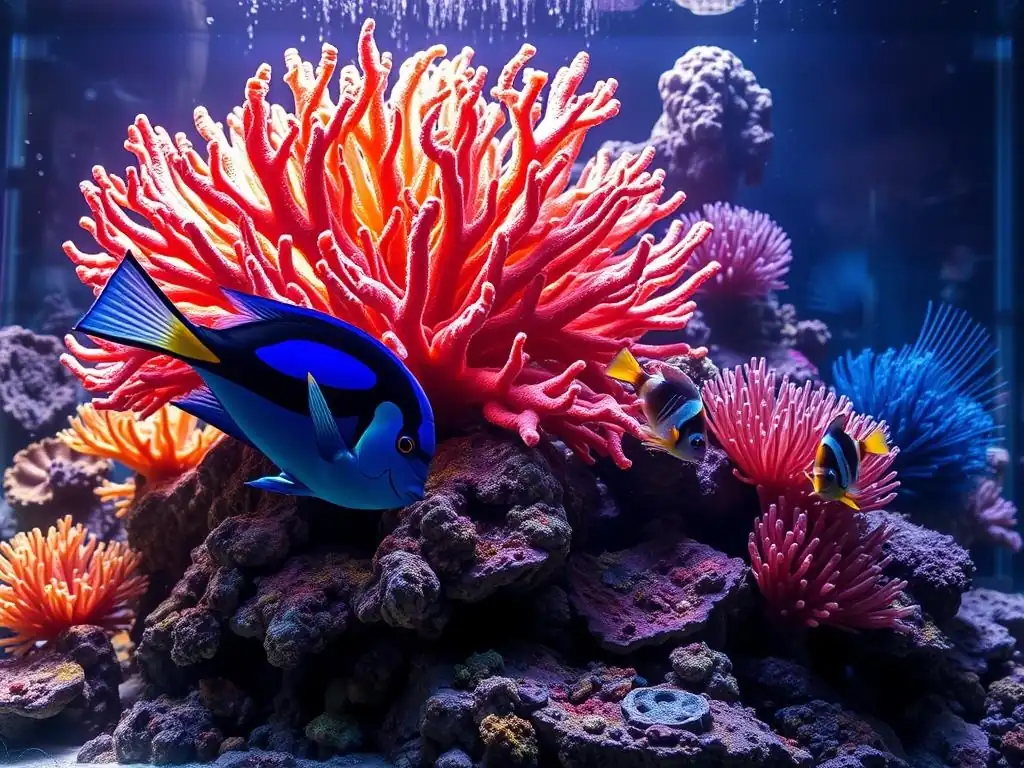
Ever wondered if those stunning butterflyfish can truly thrive in a reef tank without decimating your prized corals? Dive into our comprehensive guide and uncover the secrets to reef tank butterflyfish compatibility. We'll help you navigate the potential pitfalls and discover which species might just be the perfect addition to your vibrant underwater world. Ready to unlock the secrets to a harmonious reef? Let's explore!
- Understanding Reef Tank Butterflyfish Compatibility: An Introduction
- Reef-Safe Butterflyfish Species: Exploring Compatible Options
- Factors Influencing Butterflyfish Reef Tank Compatibility
- Managing the Risks: Strategies for Keeping Butterflyfish in Reef Tanks
- Butterflyfish and Coral: Case Studies and Real-World Examples
- Identifying Coral Damage from Butterflyfish: What to Look For
- Alternative Reef Tank Inhabitants: Exploring Coral-Safe Options
- The Ethical Considerations of Keeping Butterflyfish in Reef Tanks
- Long-Term Reef Tank Success with Butterflyfish: A Recap
-
Frequently Asked Questions
- What makes butterflyfish potentially incompatible with reef tanks?
- Which butterflyfish species are generally considered safer for reef tanks?
- What factors should I consider before adding a butterflyfish to my reef tank?
- How can I minimize the risk of coral damage from butterflyfish?
- What are some alternative reef-safe fish options if I want a similar look to butterflyfish?
- Final Reflection: Navigating the Delicate Dance of Reef Life
- Transform Your Reef: Nurture a Thriving Ecosystem!
Understanding Reef Tank Butterflyfish Compatibility: An Introduction
Why Butterflyfish Pose a Challenge to Reef Aquariums
Butterflyfish, renowned for their striking patterns and graceful movements, often present a significant challenge to the delicate ecosystems of reef aquariums. The primary reason for this difficulty lies in their natural diet and feeding behaviors. Many species, particularly those belonging to the Chaetodon genus, are obligate or facultative corallivores in their natural habitats, meaning their diet largely consists of coral polyps, mucus, and tissue. Their specialized snout and mouthparts are perfectly adapted for nipping at corals, making them a direct threat to the very foundation of a thriving reef tank.
Even species not considered strict corallivores may still nip at corals, especially if underfed, stressed, or if their natural diet is not adequately replicated in captivity. This nipping can cause tissue recession, stress, and ultimately lead to the death of corals, particularly sensitive small polyp stony (SPS) corals like Acropora or Montipora. The inherent risk associated with their feeding habits makes achieving true reef tank butterflyfish compatibility a complex endeavor that requires careful consideration and planning.
The Allure of Butterflyfish in a Reef Environment
Despite the inherent challenges, the allure of incorporating butterflyfish into a reef environment remains strong for many aquarists. Their vibrant colors, ranging from brilliant yellows and oranges to intricate black and white patterns, add unparalleled aesthetic beauty and dynamic movement to a marine display. Species like the Copperband Butterflyfish ( Chelmon rostratus) are also highly sought after for their potential role in controlling Aiptasia anemones, a common pest in reef tanks, offering a practical benefit beyond their visual appeal.
The desire to house these captivating fish alongside a diverse coral collection speaks to the aspirational aspect of reef keeping – creating a miniature ocean slice that is both beautiful and biologically complex. Successfully integrating a butterflyfish into a reef tank, where reef tank butterflyfish compatibility is maintained, is often seen as a testament to an aquarist's skill and dedication, pushing the boundaries of conventional reef tank husbandry.
Reef-Safe Butterflyfish Species: Exploring Compatible Options
Obligate Coralivores: Butterflyfish to Avoid in Reef Tanks
When considering reef tank butterflyfish compatibility, it is crucial to identify and avoid species that are known obligate corallivores. These fish primarily feed on corals in the wild and will almost certainly decimate a coral collection in an aquarium setting. Examples include the Ornate Butterflyfish ( Chaetodon ornatissimus), Latticed Butterflyfish ( Chaetodon rafflesi), and the Pearly Butterflyfish ( Chaetodon burgessi). These species possess highly specialized diets that are nearly impossible to replicate without live coral, and their introduction to a coral reef tank is a recipe for disaster.
Furthermore, some commonly available butterflyfish, while not strictly obligate, still pose a very high risk. The Raccoon Butterflyfish ( Chaetodon lunula) and the Threadfin Butterflyfish ( Chaetodon auriga) are notorious for their tendency to nip at and consume various types of corals, including soft corals, LPS (large polyp stony) corals, and even some SPS corals. Attempting to keep these species in a reef tank will inevitably lead to significant coral damage and is generally not recommended for the preservation of a diverse coral collection.
Identifying Butterflyfish with a Lower Risk to Corals
Identifying butterflyfish with a lower risk to corals often involves understanding their natural diet, which typically leans more towards plankton, small invertebrates, or detritus rather than live coral polyps. Species that are primarily omnivorous or carnivorous, focusing on benthic invertebrates or zooplankton, tend to be safer choices. However, it's important to note that "lower risk" does not equate to "zero risk," as individual fish temperament and tank conditions can still influence their behavior.
A key indicator of lower risk is a more elongated snout, which, while still capable of nipping, is often used to probe crevices for small invertebrates rather than directly consume coral polyps. Observing their feeding habits in a retail environment, if possible, can also provide clues. Look for fish that readily accept prepared foods like frozen mysis shrimp, brine shrimp, or high-quality flake foods, as this suggests a more adaptable diet less reliant on live coral.
The Best Butterflyfish Species for Reef Tanks: A Detailed List
While no butterflyfish can be guaranteed 100% reef-safe, several species are widely considered to have the highest probability of successful reef tank butterflyfish compatibility. These include:
- Copperband Butterflyfish (Chelmon rostratus): Often sought after for Aiptasia control, this species primarily feeds on small invertebrates and worms. While generally reef-safe, some individuals may nip at feather dusters or certain soft corals like Xenia. Provide plenty of live rock for foraging opportunities.
- Longfin Bannerfish (Heniochus acuminatus): Also known as the Schooling Bannerfish, this species is largely planktivorous, feeding on zooplankton in the water column. They are generally considered very reef-safe, though rare instances of nipping at certain soft corals have been reported. They prefer to be kept in pairs or small groups in larger tanks (over 100 gallons).
- Yellow Longnose Butterflyfish (Forcipiger flavissimus): With its distinctive long snout, this species probes for small crustaceans and worms. They are generally considered reef-safe, but like the Copperband, they may occasionally nip at feather dusters, Zoanthids, or Acanthastrea corals. A varied diet of meaty frozen foods is essential.
- Pyramid Butterflyfish (Hemitaurichthys polylepis): These are pelagic feeders, meaning they primarily consume zooplankton in the open water. They are among the most reef-safe butterflyfish, exhibiting virtually no interest in corals. They thrive in active tanks with good water flow and require frequent feedings of high-quality prepared foods.
Even with these species, vigilant observation is paramount, as individual personalities can vary.
Factors Influencing Butterflyfish Reef Tank Compatibility
Butterflyfish Temperament and Predatory Behavior
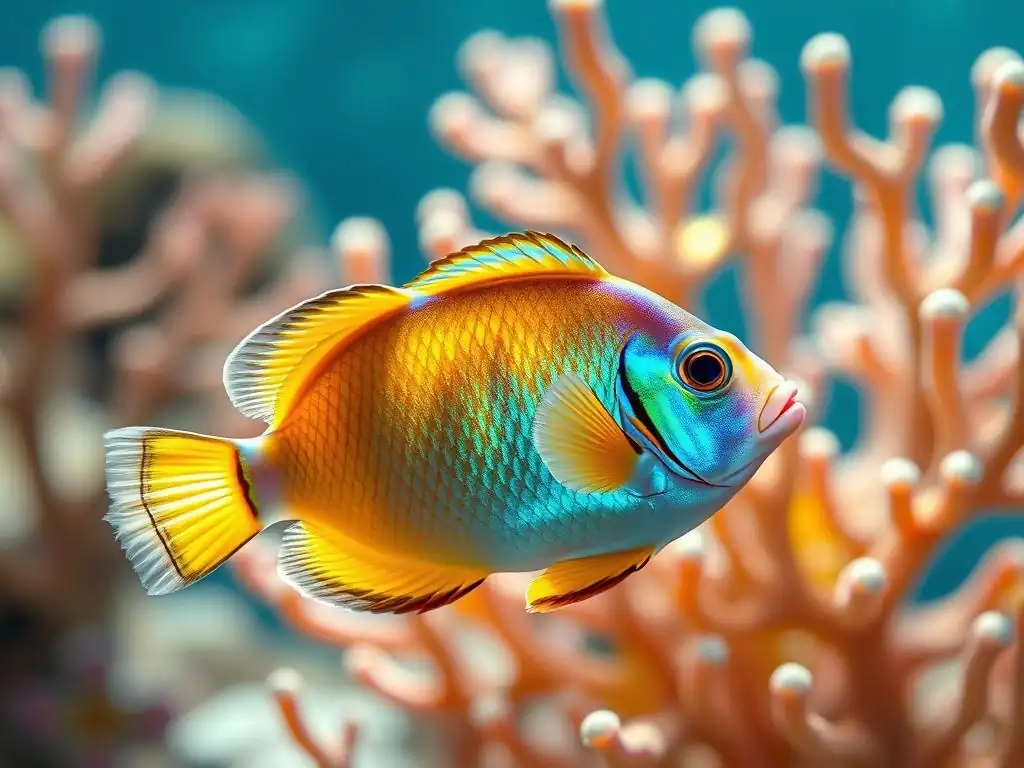
The individual temperament of a butterflyfish plays a significant role in its reef tank compatibility. While a species may generally be considered "reef-safe," an individual fish might exhibit unexpected nipping behavior due to stress, hunger, or simply an exploratory nature. Some butterflyfish, particularly those accustomed to a wild diet of coral polyps, may instinctively revert to this behavior even when provided with alternative foods in captivity. This predatory instinct, though sometimes latent, can emerge under certain conditions.
Moreover, the overall environment of the aquarium can influence their temperament. A crowded tank, lack of adequate hiding spots, or aggressive tank mates can lead to stress, which in turn might trigger undesirable behaviors, including coral nipping. A healthy, well-adjusted butterflyfish, feeling secure in its environment, is less likely to resort to destructive feeding habits, underscoring the importance of providing an optimal habitat.
Coral Vulnerability: Understanding Coral Sensitivity to Butterflyfish
Not all corals are equally vulnerable to butterflyfish nipping. Understanding coral sensitivity is crucial for assessing reef tank butterflyfish compatibility. Small polyp stony (SPS) corals, such as Acropora, Montipora, and Seriatopora, are often the most susceptible due to their delicate, exposed polyps and slower tissue regeneration. Even minor nips can lead to tissue recession and potential colony loss.
Large polyp stony (LPS) corals like Euphyllia (e.g., Hammer, Frogspawn) or Blastomussa also face risks, as their larger, fleshy polyps can be an inviting target. Soft corals, while often more resilient and capable of faster regeneration (e.g., Xenia, Sarcophyton), can still suffer from chronic nipping, leading to stress, reduced polyp extension, and overall decline. Zoanthids and Palythoa, despite their robust nature, are frequently targeted by nipping fish, potentially leading to significant colony damage.
Tank Size and Aquascape: Minimizing Potential Damage
The physical dimensions of the reef tank and its aquascape are critical factors in minimizing potential coral damage and fostering reef tank butterflyfish compatibility. A larger tank provides more swimming space, reduces territorial disputes among fish, and offers more surface area for corals, potentially diluting the impact of any nipping. For most butterflyfish, a minimum tank size of 75-100 gallons is recommended, with larger tanks (120+ gallons) being ideal for their long-term well-being and to reduce stress.
A well-designed aquascape with ample live rock formations, caves, and overhangs serves multiple purposes. It provides numerous hiding spots for the butterflyfish to retreat to when feeling stressed or threatened, reducing overall anxiety. Crucially, a complex aquascape also offers more natural foraging opportunities for the fish to seek out small invertebrates, potentially diverting their attention away from corals. Furthermore, strategic coral placement within a varied aquascape can help protect more vulnerable species by placing them in less accessible areas or among less desirable corals.
Managing the Risks: Strategies for Keeping Butterflyfish in Reef Tanks
Observation and Quarantine: Assessing Butterflyfish Behavior Before Introduction
A rigorous observation and quarantine protocol is paramount when introducing any new fish, especially butterflyfish, to a established reef tank. A dedicated quarantine tank, typically 10-20 gallons for a single butterflyfish, allows for close monitoring of the fish's health, feeding habits, and most importantly, any signs of coral-nipping behavior. During a quarantine period, which should ideally last 4-6 weeks, offer a varied diet of frozen and prepared foods.
Observe how the fish interacts with its environment. While a quarantine tank won't have corals, you can sometimes introduce a small, inexpensive piece of soft coral or an empty coral skeleton to see if the fish shows any investigative or nipping interest. Any aggressive or overly curious behavior towards these items should be a red flag, indicating potential issues with reef tank butterflyfish compatibility. This pre-introduction assessment is a critical step in preventing widespread coral damage.
Feeding Strategies: Reducing Coral Nipping through Proper Nutrition
One of the most effective strategies for reducing coral nipping in butterflyfish is maintaining a consistent and highly nutritious feeding regimen. A well-fed butterflyfish is less likely to seek alternative food sources, such as coral polyps. Offer small amounts of food multiple times a day (3-5 times is ideal) rather than one large feeding. This mimics their natural grazing behavior and keeps their digestive system active.
The diet should be varied and rich in meaty foods, including frozen mysis shrimp, brine shrimp, finely chopped seafood (such as clams or scallops), and high-quality commercial pellets or flakes formulated for marine omnivores. Supplementation with vitamin-enriched foods can also boost their overall health and reduce their inclination to nip. For species like the Copperband, ensure they have ample opportunities to forage in live rock for small worms and crustaceans, as this natural behavior can also satisfy their instincts.
Coral Placement and Protection: Safeguarding Vulnerable Species
Strategic coral placement within the reef tank can significantly safeguard vulnerable species from potential butterflyfish nipping. Position highly prized or slow-growing corals, especially sensitive SPS and LPS, in areas that are less accessible or less appealing to the butterflyfish. For instance, placing them higher up on the rockwork or in areas with strong flow that the fish might avoid can offer some protection.
Consider using less desirable or faster-growing corals, such as certain Montipora species or Pocillopora, as "sacrificial" corals in areas where the butterflyfish is more likely to roam. While not ideal, these corals can sometimes absorb the brunt of any nipping, allowing more valuable specimens to thrive. In extreme cases, temporary physical barriers, such as clear acrylic domes or mesh boxes, can be used to protect individual coral colonies during the initial introduction phase, though this is often impractical for long-term use.
Butterflyfish and Coral: Case Studies and Real-World Examples
Success Stories: Reef Tanks Thriving with Select Butterflyfish
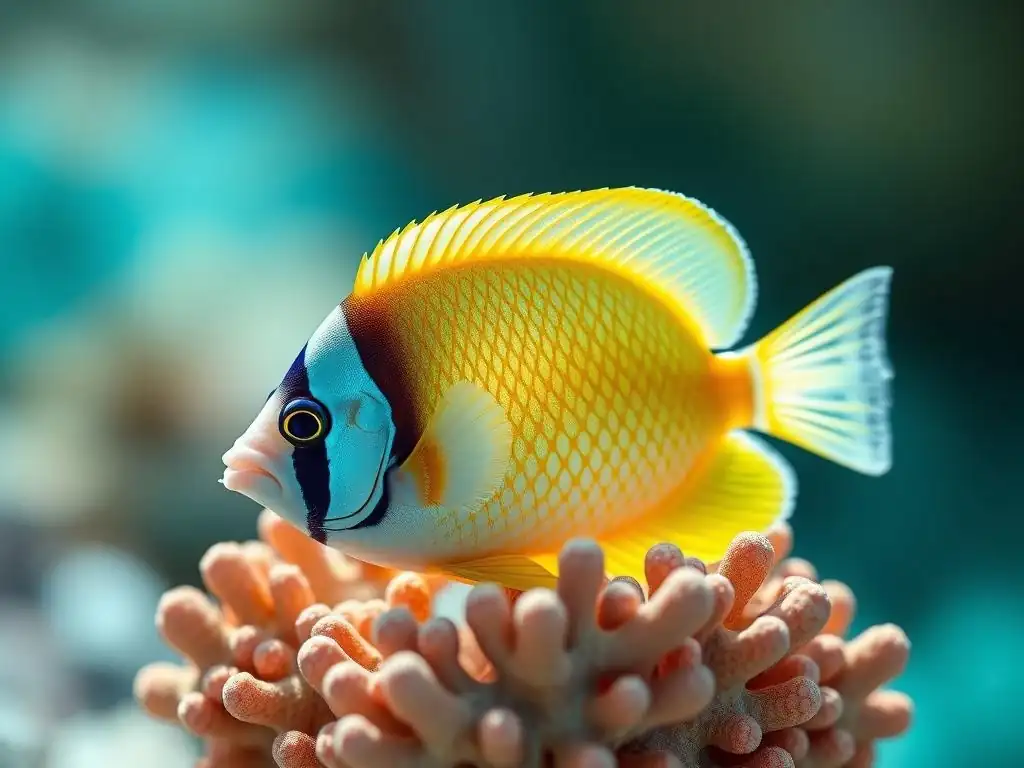
Numerous aquarists have achieved remarkable success in maintaining reef tanks with select butterflyfish species, showcasing excellent reef tank butterflyfish compatibility. For instance, a 200-gallon established reef tank, home to a mature Longfin Bannerfish ( Heniochus acuminatus), has thrived for over five years with a diverse collection of SPS, LPS, and soft corals, including Acropora and Euphyllia. The owner attributes this success to daily, varied feedings of frozen foods, a highly stable water chemistry, and the Bannerfish's naturally planktivorous diet. The fish exhibits no interest in corals, instead focusing on food offered and cruising the water column.
Another notable example involves a 125-gallon mixed reef system that successfully houses a Copperband Butterflyfish ( Chelmon rostratus) alongside Zoanthids, Goniopora, and various SPS frags. The owner meticulously quarantines all new fish and feeds the Copperband small portions of frozen mysis and enriched brine shrimp three times a day. While the Copperband occasionally probes the rocks for worms, it has shown no consistent nipping behavior towards any of the corals, demonstrating that careful species selection and diligent husbandry can yield positive outcomes.
Common Problems: Coral Damage and Butterflyfish Aggression
Despite best efforts, common problems arise when reef tank butterflyfish compatibility is misjudged. A frequent scenario involves a Yellow Longnose Butterflyfish ( Forcipiger flavissimus) introduced to a 75-gallon mixed reef. Initially, the fish appeared well-behaved, but after several months, the owner noticed significant tissue recession on a prized Montipora digitata and consistent nipping on Zoanthid colonies. This aggression often stems from insufficient feeding, leading the fish to seek out corals as an alternative food source, or simply an individual fish developing a taste for a particular coral.
Another prevalent issue involves the Raccoon Butterflyfish ( Chaetodon lunula) being introduced due to its hardiness and attractive appearance. In a 90-gallon tank, a Raccoon Butterflyfish systematically defoliated a large colony of Xenia within weeks, then moved on to nipping at the polyps of Duncans and Favia corals. This highlights the critical importance of species-specific research, as even seemingly robust butterflyfish can quickly become a destructive force in a coral-rich environment due to their inherent dietary preferences.
Lessons Learned: Optimizing Reef Tank Butterflyfish Interactions
The primary lesson learned from both successes and failures in reef tank butterflyfish compatibility is the absolute necessity of thorough research before purchase. Relying solely on general "reef-safe" labels can be misleading; understanding the specific dietary needs and natural behaviors of each butterflyfish species is paramount. A fish that is predominantly planktivorous or micro-predatory is inherently a safer bet than one with a known propensity for coral consumption.
Secondly, consistent and varied feeding regimes are non-negotiable. Underfed butterflyfish are far more likely to resort to nipping corals out of hunger or instinct. Finally, patience and observation are key. Even with the "safest" species, closely monitoring their behavior after introduction and being prepared to intervene (e.g., rehome the fish) if coral damage occurs is vital for maintaining a thriving reef ecosystem. The health of the corals should always take precedence.
Identifying Coral Damage from Butterflyfish: What to Look For
Recognizing Bite Marks and Tissue Recession
Identifying coral damage caused by butterflyfish typically involves recognizing specific visual cues. The most direct evidence is the presence of small, irregular bite marks on coral polyps or tissue. These marks often appear as small, whitish patches where the coral tissue has been removed, exposing the underlying skeleton. On larger polyp corals, you might observe ragged edges or missing sections of the polyp. For branching SPS corals, butterflyfish may strip tissue from the tips or along the branches, leaving a stark white skeleton.
Tissue recession, where the coral tissue pulls away from its skeleton, is another common sign. While tissue recession can be caused by various factors, if it appears in conjunction with bite marks or if the recession is localized and progresses rapidly in areas accessible to the butterflyfish, it strongly suggests fish damage. Observing the fish actively nipping at the coral confirms the culprit.
Distinguishing Butterflyfish Damage from Other Issues
Distinguishing butterflyfish damage from other common coral ailments is crucial for accurate diagnosis and intervention. Many issues can cause coral tissue loss or decline. For example, brown jelly disease (often caused by Vibrio bacteria) presents as a slimy, brown goo covering coral tissue, rapidly consuming it. Pests like nudibranchs, flatworms, or Acropora eating flatworms (AEFW) leave very specific signs, such as bite marks that are often smaller or more uniform, or the pests themselves may be visible.
Poor water parameters (e.g., unstable alkalinity, low calcium, high nitrates/phosphates, temperature swings) typically cause a more generalized coral stress, leading to slow tissue recession, bleaching, or lack of polyp extension across multiple corals, rather than localized bite marks on specific polyps. When assessing damage, look for the characteristic "nipped" appearance and consider the overall health and parameters of your tank to rule out other potential causes.
Monitoring Coral Health: Early Detection and Intervention
Proactive monitoring of coral health is the best way to achieve early detection of butterflyfish-induced damage and enable timely intervention. Regularly inspect all your coral colonies, paying close attention to polyp extension, color, and tissue integrity. A magnifying glass can be incredibly useful for examining small polyps on SPS corals. Photographing your corals weekly or bi-weekly can also provide a valuable visual record, allowing you to track subtle changes over time that might otherwise go unnoticed.
If you suspect a butterflyfish is nipping, observe the fish's behavior closely, especially around the affected corals. Early intervention might involve increasing feeding frequency, introducing more live rock for foraging, or, if the damage persists and is significant, considering the removal and rehoming of the butterflyfish. Swift action can often save valuable coral colonies and preserve the overall health and aesthetics of your reef tank.
Alternative Reef Tank Inhabitants: Exploring Coral-Safe Options
Fish Species that Complement a Reef Environment
For aquarists prioritizing robust coral growth and absolute reef tank safety, numerous fish species perfectly complement a reef environment without posing a threat to corals. These fish often fulfill other beneficial roles within the ecosystem. Popular choices include:
- Tangs/Surgeonfish (Zebrasoma flavescens - Yellow Tang, Acanthurus leucosternon - Powder Blue Tang): Excellent for controlling nuisance algae, adding vibrant color and active swimming. They are strictly herbivorous and completely reef-safe.
- Clownfish (Amphiprion ocellaris, Premnas biaculeatus): Iconic reef dwellers, known for their symbiotic relationship with anemones (though they don't require an anemone to thrive). They are carnivorous but pose no threat to corals.
- Gobies (Amblyeleotris guttata - Spotted Prawn Goby, Valenciennea puellaris - Diamond Watchman Goby): Many gobies are beneficial sand-sifters or symbiotic partners with pistol shrimp, adding interesting behaviors without coral risk.
- Blennies (Salarias fasciatus - Lawnmower Blenny, Meiacanthus oualaniensis - Oualanensis Fangblenny): Algae grazers or small invertebrate eaters, generally very reef-safe and add character.
These species, among many others, contribute to a dynamic and healthy reef aquarium while ensuring the safety of your coral collection.
Invertebrates and Other Beneficial Organisms
Beyond fish, a diverse array of invertebrates and other beneficial organisms can significantly enhance a reef tank's health and beauty, all while being completely coral-safe. These creatures often play crucial roles in nutrient cycling, detritus consumption, and pest control.
- Cleaner Shrimp (Lysmata amboinensis - Skunk Cleaner Shrimp, Lysmata debelius - Fire Shrimp): Active and engaging, they help keep fish clean of parasites.
- Snails (Trochus spp., Nassarius spp., Turban spp.): Essential members of the clean-up crew, grazing on algae and consuming detritus.
- Hermit Crabs (Paguristes cadenati - Scarlet Reef Hermit Crab): Also part of the clean-up crew, consuming detritus and some algae.
- Starfish (Fromia indica - Red Fromia Starfish, Linkia laevigata - Blue Linkia Starfish): Add unique aesthetics, though their care requirements vary.
- Copepods and Amphipods: Micro-invertebrates that serve as natural food sources for many fish and contribute to the overall biodiversity and stability of the reef ecosystem.
Incorporating these organisms creates a more robust and self-sustaining reef environment.
Creating a Balanced Ecosystem: A Comprehensive Approach
Creating a balanced reef ecosystem is a comprehensive approach that extends beyond simply selecting coral-safe fish and invertebrates. It involves meticulous attention to water chemistry, nutrient management, and providing an environment where all inhabitants can thrive symbiotically. A balanced system is less prone to algae outbreaks, disease, and stress, which in turn reduces the likelihood of any fish developing undesirable behaviors.
This holistic approach emphasizes:
- Stable Water Parameters: Maintaining consistent temperature, salinity, alkalinity, calcium, and magnesium levels is fundamental for both coral and fish health.
- Nutrient Export: Utilizing methods like protein skimming, refugiums, and regular water changes to keep nitrates and phosphates in check.
- Appropriate Flow and Lighting: Tailoring these elements to the specific needs of the corals being kept.
- Biodiversity: Introducing a variety of beneficial bacteria, micro-invertebrates, and diverse species that fill different ecological niches, contributing to a resilient and vibrant reef tank.
This comprehensive strategy ensures that the entire system functions harmoniously, minimizing risks and maximizing the potential for long-term success.
The Ethical Considerations of Keeping Butterflyfish in Reef Tanks
Responsible Fish Keeping: Prioritizing Coral Health
Responsible fish keeping dictates that the welfare of all inhabitants in an aquarium, including corals, should be prioritized. When considering reef tank butterflyfish compatibility, it's an ethical imperative to acknowledge that introducing a species with a known propensity for coral consumption places the existing coral collection at significant risk. This is not merely an aesthetic concern but a matter of biological integrity and the potential for harm to living organisms.
Aquarists have a moral obligation to provide an environment where all species can thrive without causing undue stress or damage to one another. If a butterflyfish is introduced and begins to decimate corals, the responsible action is to intervene, which may include rehoming the fish to a fish-only or FOWLR (Fish Only With Live Rock) system where it poses no threat to corals. Ignoring the problem for the sake of keeping a particular fish is a breach of responsible husbandry.
Researching Butterflyfish Needs: Informed Decision-Making
Informed decision-making is a cornerstone of ethical aquarium keeping. Before acquiring any butterflyfish, especially for a reef tank, extensive research into its specific dietary requirements, natural behaviors, adult size, and compatibility with corals is absolutely essential. Relying on anecdotal evidence or generalized advice without delving into scientific literature or reputable hobbyist experiences can lead to regrettable outcomes.
This research should extend beyond just "reef-safe" labels and delve into the nuances of individual species. For instance, understanding that even the Copperband Butterflyfish, while generally good, might occasionally nip feather dusters or specific soft corals allows for proactive choices in coral selection or placement. An informed aquarist understands the potential risks and makes a conscious choice based on comprehensive knowledge, not just desire.
Supporting Sustainable Practices: Choosing Captive-Bred Specimens
While the direct link to reef tank butterflyfish compatibility might seem indirect, supporting sustainable practices, such as choosing captive-bred specimens, is an important ethical consideration. The vast majority of butterflyfish available in the hobby are wild-caught, which can put pressure on natural populations and ecosystems. While captive breeding for most butterflyfish species is still in its nascent stages due to their complex life cycles, efforts are ongoing.
For species where captive-bred alternatives exist (e.g., some clownfish, gobies), opting for them reduces demand on wild fisheries. As captive breeding techniques for butterflyfish advance, choosing these specimens will not only be more ethical from an environmental standpoint but also potentially lead to hardier, more adaptable fish that are already accustomed to aquarium life and prepared foods, indirectly supporting better reef tank butterflyfish compatibility. This forward-looking approach supports a more sustainable and responsible hobby.
Long-Term Reef Tank Success with Butterflyfish: A Recap
Maintaining a Healthy Balance: Ongoing Monitoring and Adjustment
Achieving long-term reef tank success with butterflyfish hinges on maintaining a delicate and healthy balance within the ecosystem, which requires ongoing monitoring and a willingness to adjust. This isn't a "set it and forget it" endeavor. Regular observation of the butterflyfish's behavior, particularly its interactions with corals, is paramount. Are there new nips? Is a specific coral showing signs of stress? These questions demand daily attention.
Simultaneously, consistent monitoring of water parameters (temperature, salinity, alkalinity, calcium, magnesium, nitrates, phosphates) is crucial, as stable chemistry reduces stress for both fish and corals. Adjustments to feeding frequency, diet composition, or even the aquascape might be necessary over time if behavioral changes are observed. The ability to adapt and respond to the evolving needs of the tank is the hallmark of a successful long-term aquarist.
The Future of Butterflyfish in Reef Aquariums: Innovations and Research
The future of housing butterflyfish in reef aquariums is continually evolving, driven by ongoing innovations and scientific research. Advances in aquaculture are slowly making captive breeding of more challenging marine species, including some butterflyfish, a reality. Captive-bred fish are often hardier, more accustomed to prepared foods, and free of parasites, potentially offering a more reliable path to reef tank butterflyfish compatibility.
Furthermore, research into specialized diets and nutritional supplements continues to improve the health and well-being of captive butterflyfish, potentially reducing their inclination to nip at corals out of nutritional deficiency. As our understanding of their specific needs deepens, and as sustainable sourcing becomes more prevalent, the prospects for successfully integrating these beautiful fish into reef environments will undoubtedly improve, making the "dilemma" less pronounced.
Resources for Further Learning: Expanding Your Knowledge of Reef Tank Butterflyfish Compatibility
For aquarists dedicated to expanding their knowledge of reef tank butterflyfish compatibility and responsible marine husbandry, a wealth of resources is available. Reputable online forums and communities dedicated to reef keeping offer a platform for sharing experiences, asking questions, and learning from seasoned hobbyists. Websites specializing in marine fish profiles often provide detailed species-specific care guides, including dietary needs and compatibility notes.
Beyond anecdotal information, scientific journals and peer-reviewed articles on marine biology, fish behavior, and coral aquaculture can provide deeper insights into the complex interactions within a reef ecosystem. Specialized books on marine aquarium keeping, written by experts in the field, offer comprehensive guidance. Continuously engaging with these resources ensures that aquarists remain informed, making the best possible decisions for their reef tanks and their inhabitants.
Frequently Asked Questions
What makes butterflyfish potentially incompatible with reef tanks?
Butterflyfish often have a natural instinct to nip at corals and other invertebrates, as this is part of their diet in the wild. This behavior can cause stress to corals and even lead to their death, making them unsuitable for many reef aquariums.
Which butterflyfish species are generally considered safer for reef tanks?
While no butterflyfish is entirely reef-safe, some species are less likely to damage corals. Examples include the pyramid butterflyfish and the klein's butterflyfish, though caution is still advised.
What factors should I consider before adding a butterflyfish to my reef tank?
Consider the size and maturity of your corals, the temperament of existing tank inhabitants, and the specific dietary needs of the butterflyfish. A well-established reef with hardy corals is more likely to withstand a butterflyfish.
How can I minimize the risk of coral damage from butterflyfish?
Provide a varied and abundant diet that includes frozen foods, algae, and other meaty items to satisfy the butterflyfish's appetite. Also, ensure the tank is large enough to allow the fish to establish its own territory.
What are some alternative reef-safe fish options if I want a similar look to butterflyfish?
Consider fish like the hawkfish or certain species of damsels (with caution, as some can be aggressive) which offer similar visual appeal without the same coral-nipping tendencies. Thorough research is crucial.
The intricate relationship between butterflyfish and coral, as explored in this guide, isn't just about aquarium compatibility; it's a microcosm of the larger ecological challenges facing our planet's coral reefs. Understanding the specific needs and behaviors of these creatures is paramount, not only for successful reef tank keeping, but also for fostering a deeper appreciation for the fragility and interconnectedness of marine ecosystems. The choices we make in our own tanks reflect a broader responsibility to protect these vital habitats.
This journey into the world of reef tank butterflyfish compatibility has underscored the importance of informed decision-making and ethical stewardship. Witnessing the vibrant beauty of a thriving reef tank firsthand ignites a passion for conservation and a desire to understand the delicate balance of nature. In the end, we will conserve only what we love; we will love only what we understand; and we will understand only what we are taught.
- Baba Dioum. This quote resonates deeply, reminding us that education and awareness are the cornerstones of effective conservation efforts.
Now, as you embark on or continue your reef-keeping journey, consider the lessons learned here. Let this guide serve not just as a resource for selecting compatible species, but as a catalyst for mindful engagement with the natural world. Strive to create not just a beautiful aquarium, but a thriving ecosystem that reflects your commitment to the health and preservation of our planet's precious coral reefs. Your choices, however small, can make a significant difference.
Transform Your Reef: Nurture a Thriving Ecosystem!
Thank you for diving deep into the world of butterflyfish and coral compatibility! We hope this guide has illuminated the path to a harmonious reef tank. Now, let's put that knowledge into action!
Here are some ways to continue your reef-keeping journey:
- Start with Observation: Before introducing any butterflyfish, meticulously document your current coral inhabitants and their health over a two-week period. Note any changes in behavior or coloration, as this will be your baseline for comparison.
- Share Your Wisdom: Contribute to our community by sharing your own experiences with butterflyfish and corals in the comments section below.
- Explore Alternatives: Considering the inherent risks, research alternative reef-safe fish that offer similar beauty and personality without posing a threat to your corals.
Ready to embrace the challenge and create a truly stunning reef? Share your initial coral observation report in the comments below!