
Butterflyfish Disease Dossier: Identifying, Treating & Preventing Common Ailments

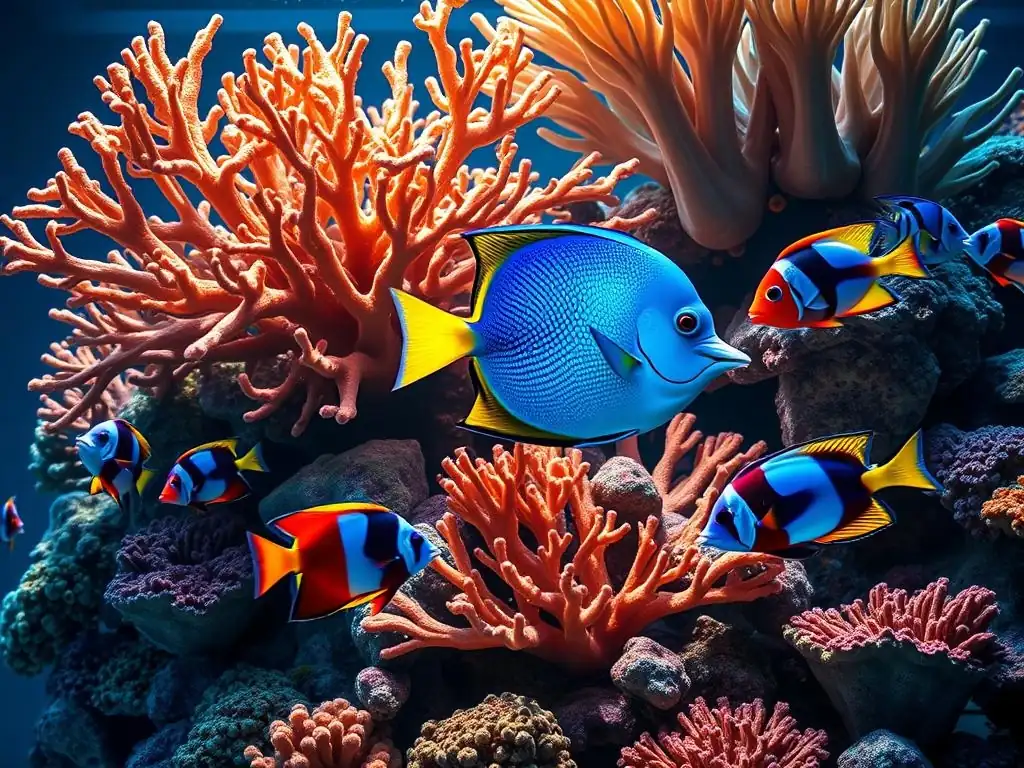
Welcome to Aquarium Mastery, your ultimate guide to thriving aquatic ecosystems!
Ever wondered how to keep your delicate Butterflyfish shimmering and healthy? Dive in to our Butterflyfish Disease Dossier, where we unravel the mysteries of Ich and other common ailments. Discover effective treatments and preventative measures to ensure your finned friends flourish. This is just the beginning – explore a world of expert advice and unlock the secrets to aquarium mastery!
- Understanding Butterflyfish Health: A Comprehensive Guide
- Identifying Common Butterflyfish Diseases
-
Butterflyfish Ich Treatment Guide: Effective Strategies
- Understanding Butterflyfish Ich: Causes and Symptoms
- Quarantine Procedures for Butterflyfish with Ich
- Copper-Based Medications for Butterflyfish Ich Treatment: Cupramine Dosage and Toxicity
- Hyposalinity Treatment for Butterflyfish Ich: A Step-by-Step Guide
- Freshwater Dips for Butterflyfish: Duration and Temperature Considerations
- Alternative Ich Treatments for Butterflyfish: UV Sterilizers and Ozone
- Treating Other Common Butterflyfish Ailments
-
Preventing Disease in Butterflyfish: Proactive Aquarium Management
- Maintaining Optimal Water Quality for Butterflyfish Health
- Proper Nutrition for Butterflyfish: Boosting Immunity
- Quarantine New Butterflyfish: Preventing Disease Introduction
- Minimizing Stress in the Butterflyfish Aquarium: Tank Mates and Environment
- Regular Observation and Early Detection of Butterflyfish Diseases
- The Importance of a Clean and Stable Environment for Butterflyfish Health
- Post-Treatment Care for Butterflyfish: Recovery and Monitoring
- Advanced Butterflyfish Disease Management: When to Consult a Veterinarian
-
Frequently Asked Questions
- How can I identify Ich in my Butterflyfish?
- What are the most effective treatment options for Ich in Butterflyfish?
- Can I use freshwater dips to treat Ich on my Butterflyfish?
- How can I prevent Ich from infecting my Butterflyfish in the first place?
- What are the signs of other common ailments besides Ich that might affect Butterflyfish?
- Final Reflection: The Delicate Dance of Reef Health
- Unleash Your Inner Fish Doctor!
Understanding Butterflyfish Health: A Comprehensive Guide
Butterflyfish are undeniably some of the most captivating and elegant inhabitants of saltwater aquariums, renowned for their vibrant colors and intricate patterns. However, their delicate nature and often wild-caught origins mean they can be particularly susceptible to stress and various diseases, making their long-term health a significant concern for aquarists. Understanding their specific needs and common ailments is crucial for ensuring their longevity and vitality within a captive environment.
Proactive health management, including diligent water quality maintenance, appropriate nutrition, and vigilant observation, forms the bedrock of successful Butterflyfish husbandry. Without these foundational elements, even minor environmental fluctuations can compromise their immune systems, leaving them vulnerable to pathogens. This comprehensive guide aims to equip aquarists with the knowledge to identify, treat, and prevent the most prevalent diseases affecting these exquisite marine fish, ultimately contributing to a thriving Butterflyfish population in their care.
Identifying Common Butterflyfish Diseases
Recognizing Ich (White Spot Disease) in Butterflyfish
Ich, caused by the protozoan parasite Cryptocaryon irritans, is arguably the most common and devastating disease in saltwater aquariums, particularly affecting sensitive species like Butterflyfish. It manifests as small, white, salt-grain-like spots primarily on the fins, body, and eventually the gills. Early behavioral signs often include flashing (rubbing against decor), rapid breathing (gills working harder), lethargy, and a reluctance to eat.
The lifecycle of Cryptocaryon irritans involves several stages: the trophont (feeding stage on the fish), the tomont (encysted stage in the substrate), and the theront (free-swimming infective stage). This complex lifecycle, often completing in 3-28 days depending on temperature (faster at warmer temperatures like 25°C), makes eradication challenging. Early detection, often within the first 24-48 hours of visible spots, is paramount for successful Butterflyfish Ich treatment, as the parasite multiplies rapidly and can quickly overwhelm a stressed fish.
Diagnosing Marine Velvet (Amyloodinium) in Butterflyfish
Marine Velvet, caused by the dinoflagellate parasite Amyloodinium ocellatum, is another highly contagious and rapidly acting disease that poses a severe threat to Butterflyfish. Unlike Ich's distinct white spots, Velvet typically appears as a fine, dusty, yellowish-gold film resembling velvet powder across the fish's body, which can be difficult to observe without direct light. Symptoms include rapid breathing, clamped fins, skin sloughing, lethargy, and often a hazy appearance to the eyes.
This parasite has an extremely rapid lifecycle, completing in as little as 2-3 days at warmer temperatures (e.g., 25-27°C / 77-81°F). It primarily attacks gill tissues first, causing severe respiratory distress and often leading to death before external signs are prominent. Given its swift progression and high mortality rate, often within 12-24 hours once severe symptoms manifest, immediate and aggressive treatment is essential for Butterflyfish diagnosed with Marine Velvet.
Identifying Lymphocystis in Butterflyfish: Warts on Fish
Lymphocystis is a viral infection that results in the formation of cauliflower-like growths or nodules on the fins, skin, and occasionally the mouth of affected fish. While unsightly, it is generally considered a benign condition and is rarely fatal on its own, unless the growths become so extensive that they obstruct vital functions or lead to severe secondary bacterial infections.
This condition often appears in fish that are stressed or have compromised immune systems, frequently following periods of poor water quality or recent transport. There is no direct antiviral cure for Lymphocystis. Instead, treatment focuses on providing optimal water quality (e.g., nitrates consistently below 10 ppm), a stable environment, and a nutritious diet to support the fish's immune system. With excellent care, the growths typically recede naturally over several weeks to a few months, usually within a 3 to 6-week timeframe, as the Butterflyfish's immune system fights off the virus.
Recognizing Fin Rot and Ulcers in Butterflyfish
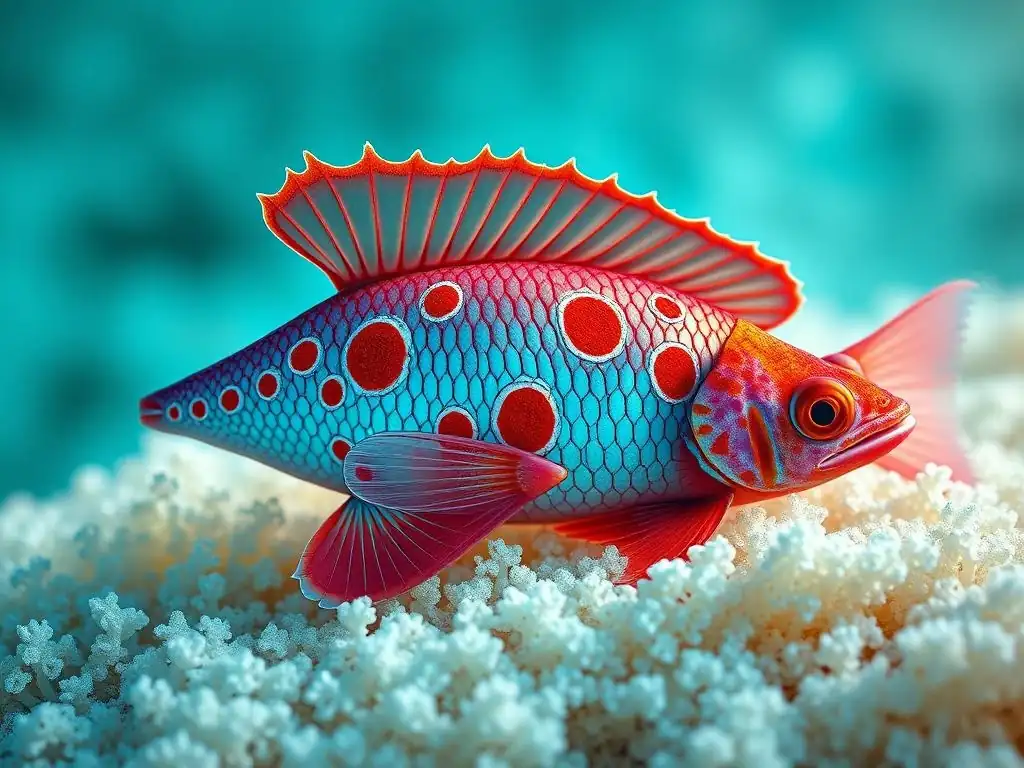
Fin Rot is a common bacterial infection that causes the fins of Butterflyfish to fray, disintegrate, or develop ragged edges, often accompanied by a white or reddish inflamed border. Ulcers, on the other hand, are open sores or lesions that appear on the fish's body, which can vary in size and depth. Both conditions are typically secondary infections.
These ailments are frequently triggered by underlying stressors such as consistently poor water quality (e.g., elevated ammonia or nitrates above 20 ppm), physical injury during handling or aggression from tank mates, or chronic stress that weakens the fish's immune response. If left untreated, fin rot can progress to affect the body, and ulcers can lead to systemic bacterial infections, making early intervention with improved water conditions and, if necessary, antibiotics, crucial for the Butterflyfish's recovery.
Spotting Parasitic Infections in Butterflyfish: Flukes, Worms, and Protozoa
Beyond Ich and Marine Velvet, Butterflyfish can fall prey to a variety of other external and internal parasites. External parasites like monogenean flukes (e.g., Gyrodactylus or Dactylogyrus) can cause excessive mucus production, flashing, visible irritation, and gill damage, leading to labored breathing. Internal parasites, such as nematodes (roundworms) or cestodes (tapeworms), often result in emaciation despite a healthy appetite, lethargy, and abnormal feces, frequently appearing white and stringy.
Diagnosis of these less common parasites often requires a microscopic examination of skin or gill scrapes for external forms, or fecal samples for internal ones, which typically requires veterinary assistance. These infections can significantly weaken a Butterflyfish's overall health and immune system, rendering them highly susceptible to secondary bacterial infections. Prompt and targeted treatment based on accurate identification is essential to prevent severe health decline.
Butterflyfish Ich Treatment Guide: Effective Strategies
Understanding Butterflyfish Ich: Causes and Symptoms
Cryptocaryon irritans, commonly known as Ich or marine white spot disease, is a highly prevalent protozoan parasite that can devastate Butterflyfish populations if left unchecked. The parasite's life cycle involves a free-swimming infective stage (theront) that attaches to the fish, a feeding stage (trophont) embedded in the fish's skin or gills, and an encysted reproductive stage (tomont) that settles in the substrate or on decor. Symptoms in Butterflyfish include small, white, salt-grain-like spots, rapid breathing, flashing against objects, clamped fins, and lethargy.
Stress is the primary catalyst for Ich outbreaks in Butterflyfish. Factors such as poor water quality (e.g., fluctuating salinity, high nitrates, ammonia spikes), improper acclimation to a new environment, overcrowding, or aggressive tank mates significantly compromise a Butterflyfish's immune response, making them highly vulnerable. A single theront can multiply into hundreds of parasites within days, rapidly overwhelming a stressed fish and necessitating prompt Butterflyfish Ich treatment to prevent widespread mortality.
Quarantine Procedures for Butterflyfish with Ich
When a Butterflyfish is diagnosed with Ich, the immediate and most critical step is to transfer the infected fish to a dedicated quarantine tank (QT). This isolation prevents the spread of the parasite to other inhabitants in the main display tank, especially sensitive invertebrates or live rock that cannot tolerate standard Ich medications. A suitable QT should be a bare-bottom tank, typically 10-20 gallons for a single adult Butterflyfish, equipped with a heater, an air stone for oxygenation, and a mature sponge filter or hang-on-back filter with seeded media to maintain biological filtration.
The QT setup should also include PVC pipes or other inert hiding spots to reduce stress for the Butterflyfish during treatment. Water parameters in the QT, including specific gravity (ideally 1.020-1.023) and temperature (24-26°C / 75-79°F), must be stable and closely matched to the main tank to avoid further osmotic shock. Maintaining a stable, clean environment in the QT is paramount, as it minimizes additional stress on the already compromised Butterflyfish while undergoing intense Butterflyfish Ich treatment protocols.
Copper-Based Medications for Butterflyfish Ich Treatment: Cupramine Dosage and Toxicity
Copper-based medications are highly effective anti-parasitic agents widely used for Butterflyfish Ich treatment, with chelated copper forms like Cupramine being a popular choice due to their stability and reduced toxicity compared to older copper sulfate formulations. Copper works by interfering with the parasite's metabolic processes, particularly its respiratory enzymes. For effective Ich eradication, a therapeutic concentration of 0.35-0.5 mg/L (ppm) of elemental copper is typically recommended for the entire treatment duration.
The critical aspect of using copper for Butterflyfish is accurate dosing and meticulous monitoring of copper levels using a reliable copper test kit (e.g., Salifert or Hanna Checker). Underdosing is ineffective and can lead to resistant parasite strains, while overdosing is highly toxic to Butterflyfish, causing irreversible damage to vital organs like kidneys and liver, potentially leading to death. Treatment usually spans 14-21 days to ensure all stages of the Ich lifecycle are exposed to the medication and eradicated.
Hyposalinity Treatment for Butterflyfish Ich: A Step-by-Step Guide
Hyposalinity is a non-medicated method for Butterflyfish Ich treatment that exploits the parasite's inability to osmoregulate effectively in low-salinity water. This method involves gradually reducing the specific gravity (SG) of the quarantine tank water to a range of 1.008-1.009. The reduction must be slow and controlled, typically no more than 0.001-0.002 SG per hour, to prevent osmotic shock to the Butterflyfish, which can be highly sensitive to rapid salinity changes.
Once the target SG of 1.008-1.009 is reached, it must be maintained consistently for a minimum of 4 weeks (28 days) to ensure all stages of the Ich lifecycle are eliminated, including the tomonts that drop off the fish and encyst. Daily monitoring with a calibrated refractometer is crucial to ensure the salinity remains within the therapeutic range. While effective for Ich, hyposalinity can be stressful for some Butterflyfish species, and continuous observation for signs of distress is necessary throughout this copper-free Butterflyfish Ich treatment.
Freshwater Dips for Butterflyfish: Duration and Temperature Considerations
Freshwater dips serve as a rapid, temporary relief method for Butterflyfish suffering from external parasites like Ich. This technique involves briefly submerging the infected fish in dechlorinated freshwater that is precisely matched in pH and temperature (within 1-2°C / 2-3°F) to the aquarium water. The sudden change in osmotic pressure causes the external parasites to swell and detach from the fish's body.
A typical freshwater dip for a Butterflyfish lasts between 3 to 5 minutes, but the fish must be closely monitored for any signs of extreme stress, such as rolling over, gasping violently, or loss of equilibrium. While a freshwater dip can provide immediate relief by dislodging a significant number of trophonts, it is not a standalone Butterflyfish Ich treatment. It does not eradicate the entire parasite population within the system (especially the tomonts in the substrate) and should only be used as a preliminary "band-aid" measure before transferring the fish to a quarantine tank for a full, comprehensive treatment.
Alternative Ich Treatments for Butterflyfish: UV Sterilizers and Ozone
UV sterilizers and ozone generators are valuable supplementary tools in the fight against Ich, but they are not standalone treatments capable of eradicating an established infection. A properly sized UV sterilizer (e.g., a 25W unit for a 100-gallon tank with a flow rate optimized for parasitic control, typically 200 GPH) works by exposing free-swimming Ich theronts to germicidal UV-C light, damaging their DNA and preventing them from infecting a host. However, UV light cannot reach trophonts on the fish or tomonts encysted in the substrate.
Ozone (O3) is a powerful oxidizer that, when properly administered through an ORP controller and a protein skimmer with a carbon reactor for off-gassing, can significantly reduce the number of free-swimming pathogens and improve water clarity. Like UV, ozone targets free-swimming stages and helps maintain a cleaner environment, but it will not kill the parasites on the fish or those encysted in the substrate. Therefore, while useful for prevention and reducing pathogen load, neither UV nor ozone serves as a complete Butterflyfish Ich treatment solution on its own.
Treating Other Common Butterflyfish Ailments
Treatment Protocols for Marine Velvet in Butterflyfish
Due to the rapid and often fatal progression of Marine Velvet ( Amyloodinium ocellatum), immediate and aggressive treatment is paramount for Butterflyfish. Copper-based medications, such as Cupramine at a therapeutic concentration of 0.35-0.5 mg/L (ppm), are highly effective and often the first line of defense. Another potent alternative, favored by advanced aquarists for its stability and effectiveness against resistant strains, is Chloroquine phosphate, typically dosed at 10 mg/L in a quarantine tank.
Regardless of the chosen medication, treatment for Marine Velvet typically lasts 10-14 days to ensure all life stages of the parasite are eradicated. It is absolutely essential to treat the infected Butterflyfish in a bare-bottom quarantine tank, as Velvet can rapidly re-infect from substrate or decorations. Increased aeration in the QT is also crucial, as Marine Velvet severely compromises the fish's gill function, making oxygen uptake difficult.
Managing Lymphocystis in Butterflyfish: Supportive Care and Secondary Infections
Lymphocystis, a viral infection, has no direct cure, meaning treatment focuses entirely on supportive care to allow the Butterflyfish's immune system to clear the virus naturally. The cornerstone of management is maintaining consistently excellent water quality, with parameters such as ammonia and nitrite at 0 ppm, and nitrates ideally below 10 ppm. Providing a stable, stress-free environment and a highly nutritious, varied diet, often enriched with vitamins like Vitamin C, significantly boosts the fish's natural defenses.
While the growths themselves are usually benign, they can compromise the skin barrier, making the Butterflyfish susceptible to secondary bacterial or fungal infections. If such secondary infections occur, broad-spectrum antibiotics (e.g., Kanamycin or Nitrofurazone) may be necessary, administered in a separate quarantine tank. With optimal conditions, the unsightly growths typically recede over several weeks to a few months, with many cases resolving within 3-6 weeks, allowing the Butterflyfish to recover fully.
Addressing Fin Rot and Ulcers in Butterflyfish: Antibiotics and Wound Care
For Butterflyfish suffering from fin rot, the initial and most crucial step is to drastically improve water quality. This often involves performing large daily water changes (e.g., 30-50% for several consecutive days) and ensuring the filtration system is robust and clean. If the condition persists or worsens despite pristine water, a broad-spectrum antibiotic, such as Maracyn 2 (minocycline) or Furan-2 (nitrofurazone), administered in a dedicated quarantine tank, is often required to combat the bacterial infection.
Ulcers on Butterflyfish also necessitate addressing the underlying cause, whether it's poor water quality, physical injury, or systemic infection. For localized ulcers, gentle topical application of a diluted antiseptic solution, such as povidone-iodine (diluted to a light tea color), can be done outside the water for a few seconds. This should be followed by a course of oral or in-water broad-spectrum antibiotics. Maintaining impeccable water conditions and providing a diet rich in vitamins will significantly aid the healing process and prevent recurrence.
Treating Parasitic Infections in Butterflyfish: Praziquantel and Metronidazole
For external parasitic infections like monogenean flukes, Praziquantel (available in products like PraziPro) is highly effective and generally safe for Butterflyfish. It is typically dosed at 2.5 mg/L and often repeated after 5-7 days to target any newly hatched parasites, as it does not affect eggs. This treatment should be administered in a quarantine tank. For internal worms (nematodes, cestodes), Praziquantel can also be effective, ideally administered via medicated food to ensure ingestion.
For internal protozoan infections, such as those caused by Hexamita (though less common in marine fish, it can cause wasting disease), Metronidazole (found in products like Seachem MetroPlex) is the drug of choice. It is most effective when delivered via medicated food, typically at a concentration of 250mg per tablespoon of food, fed twice daily for 5-7 days. Ensuring the Butterflyfish is actively eating the medicated food is crucial for the success of this treatment.
Preventing Disease in Butterflyfish: Proactive Aquarium Management
Maintaining Optimal Water Quality for Butterflyfish Health
Maintaining stable and pristine water parameters is the single most critical factor in preventing disease and ensuring the long-term health of Butterflyfish. Key parameters to monitor rigorously include ammonia (0 ppm), nitrite (0 ppm), nitrate (ideally below 10 ppm, definitely below 20 ppm), pH (8.1-8.4), specific gravity (1.023-1.025), and temperature (24-26°C / 75-79°F). Regular testing, at least weekly, using reliable test kits is non-negotiable.
Consistently elevated nitrates, even if not immediately lethal, cause chronic stress and suppress the Butterflyfish's immune system, making them highly susceptible to opportunistic pathogens like Ich and bacterial infections. Consistent water changes (e.g., 10-20% weekly) and a robust, well-maintained filtration system are essential for diluting pollutants, replenishing trace elements, and maintaining the stable, high-quality environment that Butterflyfish require to thrive and resist disease.
Proper Nutrition for Butterflyfish: Boosting Immunity
A varied and high-quality diet is fundamental to boosting the immune system and overall resilience of Butterflyfish against disease. Many Butterflyfish species are specialized feeders, and while some readily accept prepared foods, others may require specific diets. Offering a diverse mix of frozen foods (e.g., mysis shrimp, brine shrimp, finely chopped seafood), high-quality marine pellets, and flakes specifically formulated for marine omnivores or carnivores is crucial to meet their nutritional needs.
Beyond basic nutrition, supplementing their diet with foods enriched with essential vitamins, particularly Vitamin C, and Omega-3 fatty acids, can significantly enhance a Butterflyfish's natural defenses. Vitamin C is a powerful antioxidant that supports immune function and helps reduce stress, thereby lowering susceptibility to common ailments, including Ich. Feeding small amounts multiple times a day prevents food spoilage and ensures all fish receive adequate nutrition.
Quarantine New Butterflyfish: Preventing Disease Introduction
Implementing a mandatory quarantine period for all new Butterflyfish arrivals is the most effective disease prevention strategy an aquarist can employ. A minimum quarantine duration of 4-6 weeks allows ample time for observation, acclimation to captive life, and proactive treatment for any latent diseases without jeopardizing the established inhabitants of the main display tank. This practice is particularly vital for Butterflyfish, which are often wild-caught and may carry parasites or infections.
During the quarantine period, new fish can be safely dewormed, treated prophylactically for common external parasites (e.g., a 21-day copper treatment can prevent Ich outbreaks), and observed for any signs of stress or illness. This crucial step significantly reduces the risk of introducing pathogens like Ich, Marine Velvet, or other bacterial and parasitic infections into an otherwise healthy and stable display system, saving countless headaches and potential fish losses in the long run.
Minimizing Stress in the Butterflyfish Aquarium: Tank Mates and Environment
Stress is a leading cause of suppressed immunity and a primary trigger for disease outbreaks in Butterflyfish. To minimize stress, ensure the aquarium provides adequate space (a minimum of 75-100 gallons for a single adult Butterflyfish, depending on species) and plenty of appropriate hiding spots within the live rock aquascape or PVC pipes. Maintain a stable environment, avoiding sudden fluctuations in lighting, temperature, or water parameters.
Careful selection of tank mates is equally critical. Aggressive or overly boisterous fish can constantly harass and stress Butterflyfish, leading to chronic immune suppression. Choose peaceful, non-competitive species that will not outcompete them for food or territory. A calm, well-established environment allows Butterflyfish to adapt, forage comfortably, and exhibit their natural behaviors, significantly reducing their vulnerability to common ailments, including recurrent Ich outbreaks.
Regular Observation and Early Detection of Butterflyfish Diseases
Diligent, daily observation is paramount for the early detection and successful management of Butterflyfish diseases. Aquarists should dedicate at least 5-10 minutes each day to carefully observing their Butterflyfish for subtle changes in behavior or physical appearance. Look for signs such as hiding more than usual, refusing food, rapid or labored breathing, flashing or rubbing against decor, clamped fins, or any visible spots, lesions, or discolorations on their body and fins.
Catching diseases like Ich or Marine Velvet in their very initial stages significantly improves the chances of successful treatment and full recovery for the Butterflyfish. Maintaining a detailed log of water parameters, feeding habits, and any observed behavioral or physical changes can help track health trends over time and provide valuable information if professional veterinary advice becomes necessary. Early detection allows for prompt intervention, minimizing the severity and spread of illness.
The Importance of a Clean and Stable Environment for Butterflyfish Health
Water Changes and Filtration for Butterflyfish
Regular water changes are fundamental to maintaining a clean and stable environment, which is paramount for Butterflyfish health. For a typical Butterflyfish aquarium, a weekly water change of 10-20% is recommended. This practice effectively dilutes accumulated nitrates and other dissolved organic compounds, replenishes essential trace elements, and helps maintain overall water quality. Using high-quality salt mix and purified RO/DI water is crucial to avoid introducing pollutants.
Robust and well-maintained filtration is equally vital. Mechanical filtration (e.g., filter socks, sponges) effectively removes particulate matter and uneaten food before it decomposes. Biological filtration (live rock, bio-media) is indispensable for converting toxic ammonia and nitrite into less harmful nitrate. Chemical filtration (activated carbon, GFO) removes dissolved organics, phosphates, and other impurities that can stress Butterflyfish and foster disease. A comprehensive filtration system prevents the buildup of toxins that compromise fish immunity.
Avoiding Overcrowding in the Butterflyfish Aquarium
Overcrowding is a significant stressor for Butterflyfish and a direct precursor to poor water quality and disease outbreaks. It drastically increases the bioload on the filtration system, leading to higher levels of ammonia, nitrite, and nitrate, even with regular maintenance. Furthermore, high fish density often fosters aggression among tank inhabitants, leading to territorial disputes and chronic stress for the more sensitive Butterflyfish.
For a single adult Butterflyfish, a minimum tank size of 75-100 gallons is generally recommended, depending on the specific species, to provide ample swimming space and reduce aggression. Overcrowding also accelerates the transmission of pathogens; diseases like Ich can spread rapidly through a densely populated aquarium, making effective treatment much more challenging. Providing adequate space is crucial for the physical and psychological well-being of Butterflyfish.
Selecting Compatible Tank Mates for Butterflyfish to Reduce Stress
The selection of compatible tank mates is a critical aspect of creating a low-stress environment for Butterflyfish, directly impacting their health and susceptibility to disease. Many Butterflyfish are peaceful but can be easily intimidated or outcompeted by larger, more aggressive, or hyperactive fish. It is essential to thoroughly research the temperament, dietary needs, and adult size of any potential tank mate before introduction. Avoid known fin-nippers, highly territorial species, or those that will constantly harass or outcompete the Butterflyfish for food.
Good tank mates for Butterflyfish often include peaceful gobies, blennies, certain smaller wrasses, and docile tangs. Conversely, aggressive species like triggerfish, large angelfish, or certain puffers should be avoided, as their constant antagonism will lead to chronic stress, suppressed immune function, and increased vulnerability to common ailments such as Ich and fin rot. A harmonious community allows Butterflyfish to thrive without undue stress.
Post-Treatment Care for Butterflyfish: Recovery and Monitoring
Monitoring Butterflyfish Behavior After Treatment
After a course of treatment for any ailment, especially a severe one like Ich, continuous and meticulous monitoring of the Butterflyfish's behavior is crucial for ensuring complete recovery. For several weeks post-treatment, observe for a return to normal activity levels, such as active swimming, eager feeding, and vibrant coloration. Any lingering lethargy, clamped fins, rapid breathing, or refusal to eat could indicate a relapse, a secondary infection, or that the initial treatment was not fully successful.
Pay particular attention to the Butterflyfish's appetite and feeding response. A fish that is actively seeking and consuming food with enthusiasm is a strong indicator of improving health and recovery. Continue to maintain pristine water conditions in the quarantine tank during this recovery phase, as the fish's immune system may still be recovering from the stress of illness and medication, making it temporarily more susceptible to further issues.
Gradual Acclimation Back to the Main Tank
Rushing the reintroduction of a recovered Butterflyfish back into the main display tank can be highly detrimental, potentially causing osmotic shock or re-infection. After the full treatment period (e.g., 21-28 days for Ich) and a period of observation in the quarantine tank, gradually acclimate the Butterflyfish to the main tank's specific gravity and temperature. A drip acclimation method, slowly adding water from the main tank to the quarantine tank over several hours, is highly recommended to minimize stress.
Before reintroduction, if the main tank also contained infected fish, it should have been maintained fish-free for at least 6-8 weeks to ensure any remaining Ich tomonts or other parasites have died off without a host. If only the quarantine fish was infected, ensure the main tank's parameters are perfectly stable and the environment is stress-free to prevent any immediate re-infection or relapse once the Butterflyfish is returned.
Boosting Butterflyfish Immunity After Illness: Vitamin Supplements and Gut Flora
Following a bout of illness and medication, a Butterflyfish's immune system is often compromised and needs support to regain full strength. Supplementing their diet with high-quality vitamin supplements, such as Selcon or Vita-Chem, soaked into frozen foods for several weeks, is highly beneficial. Vitamin C, in particular, plays a vital role in immune function, stress reduction, and tissue repair, making it an essential component of post-illness recovery.
Additionally, if antibiotics were used, the fish's beneficial gut flora may have been depleted. Consider incorporating fish-specific probiotics into their diet to help restore a healthy gut microbiome, which is intrinsically linked to overall immune strength and nutrient absorption. Continuing to offer a varied, nutritious diet will further support full recovery and build long-term resilience, helping the Butterflyfish withstand future health challenges more effectively.
Advanced Butterflyfish Disease Management: When to Consult a Veterinarian
Recognizing Signs of Severe Illness in Butterflyfish
While many common Butterflyfish ailments can be effectively managed by experienced aquarists, certain signs indicate severe illness that warrants immediate professional veterinary consultation. These include extreme lethargy where the fish remains unresponsive, complete refusal to eat for more than 2-3 consecutive days, severe bloating accompanied by "pineconing" scales (indicative of dropsy or systemic infection), or the rapid onset of neurological symptoms such as erratic swimming, tremors, or disorientation.
Furthermore, if multiple fish are dying rapidly without a clear cause, or if the Butterflyfish exhibits external lesions or internal signs that are rapidly worsening and unresponsive to standard treatments, professional help is crucial. These symptoms often point to complex systemic infections, specific viral diseases, or internal organ failure that require advanced diagnostic tools and specialized medical interventions beyond the scope of typical hobbyist care.
Finding a Qualified Aquatic Veterinarian
Locating a veterinarian with specialized expertise in aquatic medicine can be challenging but is invaluable when dealing with complex Butterflyfish health issues. Resources such as the American Association of Fish Veterinarians (AAFV) or local university veterinary schools with aquatic animal programs often maintain directories or can provide referrals to qualified professionals in your area. Some general practice veterinarians may also have experience or an interest in fish medicine, so it's worth inquiring.
When contacting an aquatic veterinarian, be prepared to provide comprehensive information about your Butterflyfish and its environment. This includes detailed tank size and setup, precise water parameters (ammonia, nitrite, nitrate, pH, salinity, temperature), the fish's history, diet, a thorough description of all observed symptoms, and any treatments already attempted, including specific medications, dosages, and durations. Photos or short videos of the affected Butterflyfish can also be incredibly helpful for initial remote consultations.
Diagnostic Testing for Butterflyfish Diseases: Microscopic Examination and PCR
A qualified aquatic veterinarian can perform advanced diagnostic tests that are typically unavailable to the average hobbyist, providing definitive answers crucial for targeted Butterflyfish Ich treatment or other disease management. Microscopic examination of skin scrapes, gill biopsies, or fin clips can accurately identify external parasites (e.g., differentiating Cryptocaryon irritans from Amyloodinium ocellatum) and bacterial or fungal infections. Fecal analysis is essential for detecting internal parasites.
For more elusive or systemic diseases, PCR (Polymerase Chain Reaction) testing can identify specific viral or bacterial pathogens from tissue samples, even in minute quantities. While challenging, blood work can also offer insights into organ function and overall health. These sophisticated diagnostic tools are critical for achieving an accurate diagnosis, which is the foundation for developing an effective and precise treatment plan for severe or complex Butterflyfish diseases, preventing unnecessary or ineffective medication use.
Frequently Asked Questions
How can I identify Ich in my Butterflyfish?
Ich, also known as white spot disease, presents as small, white spots resembling salt sprinkled on the fish's body and fins. Look for scratching behavior against objects in the tank and lethargy.
What are the most effective treatment options for Ich in Butterflyfish?
Effective treatments often involve copper-based medications or hyposalinity (lowering the salinity of the water). Always follow medication instructions carefully and monitor water parameters closely.
Can I use freshwater dips to treat Ich on my Butterflyfish?
Freshwater dips can provide temporary relief and dislodge some parasites. However, they can be stressful for Butterflyfish, and are usually not a standalone cure.
How can I prevent Ich from infecting my Butterflyfish in the first place?
Quarantine new fish for several weeks before introducing them to your main tank to prevent the introduction of Ich parasites. Maintain stable water parameters and provide a stress-free environment.
What are the signs of other common ailments besides Ich that might affect Butterflyfish?
Beyond Ich, watch for signs like fin rot, cloudy eyes, or abnormal swimming behavior. These can indicate other bacterial or parasitic infections requiring different treatments.
Final Reflection: The Delicate Dance of Reef Health
The information presented throughout this article underscores the critical link between responsible aquarium keeping and the well-being of butterflyfish. Understanding the nuances of diseases like Ich, and implementing effective treatment and preventative measures, is not merely a matter of aesthetics; it's a commitment to preserving the delicate balance of our reef ecosystems, even within the confines of a home aquarium.
The ongoing struggle against diseases in butterflyfish highlights the fragility of life and the interconnectedness of all living things. Our actions, however small, can have a profound impact. As Jacques Cousteau so eloquently stated: The sea, once it casts its spell, holds one in its net of wonder forever.
This wonder compels us to act as responsible stewards, ensuring the health and longevity of these magnificent creatures.
Now, consider the knowledge you've gained. Reflect on the potential impact you can have on the lives of these beautiful fish. Let this guide serve as a catalyst for proactive care, diligent observation, and a deeper understanding of the intricate world beneath the waves. By embracing these principles, you contribute to a future where butterflyfish thrive, both in our aquariums and in the wild.
Unleash Your Inner Fish Doctor!
Thanks for diving deep into the world of butterflyfish health! We hope you've gained valuable insights to keep your aquatic companions thriving. Now, let's put that knowledge into action.
Here are a few things you can do right now:
- Immediately implement a quarantine protocol for any new butterflyfish before introducing them to your main tank. This is the single most effective step you can take to prevent disease outbreaks.
- Start a digital "fish health journal" to document any subtle changes in your butterflyfish's behavior or appearance – early detection is key!
- Share this article with fellow aquarium enthusiasts. Together, we can create a healthier future for these magnificent creatures!
What specific changes will you make to your aquarium management routine based on what you learned today?