
Dot Dash Butterflyfish (Chaetodon pelewensis): Pacific Charmer – Is It Right for Your Tank?

Welcome to Aquarium Mastery!
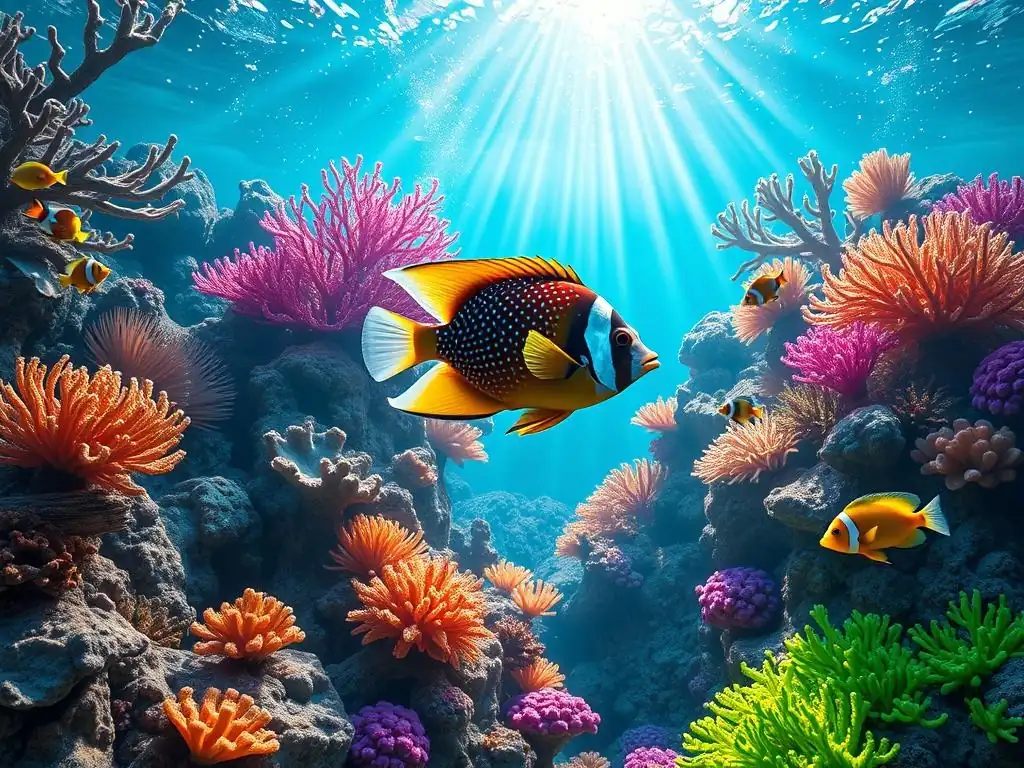
Ever wondered if the Pelew Butterflyfish could be the vibrant addition your saltwater aquarium needs? These Pacific charmers are undeniably beautiful, but tank compatibility is key to their happiness and the health of your entire ecosystem. Dive in to uncover everything you need to know about the Dot Dash Butterflyfish, from their unique needs to ensuring they thrive alongside your existing aquatic family. Let's unlock the secrets to a harmonious and thriving reef tank!
- Klein's Butterflyfish (Chaetodon kleinii): A Reef-Safe Beauty for Intermediate Aquarists
- Introduction to Klein's Butterflyfish: A Peaceful and Colorful Addition
- Understanding Klein's Butterflyfish Tank Compatibility: Key Considerations
- Setting Up the Perfect Habitat for Your Chaetodon kleinii
- Feeding Your Klein's Butterflyfish: A Varied Diet for Optimal Health
- Maintaining a Healthy Klein's Butterflyfish: Preventative Care and Observation
- The Challenges of Keeping Klein's Butterflyfish: Addressing Potential Issues
- Alternatives to the Klein's Butterflyfish: Exploring Other Reef-Safe Options
- Conclusion: Is the Klein's Butterflyfish the Right Choice for Your Aquarium?
-
Frequently Asked Questions
- What are the basic tank requirements for a Pelew Butterflyfish (Dot Dash Butterflyfish)?
- Is the Pelew Butterflyfish suitable for a beginner aquarist?
- What kind of diet does the Pelew Butterflyfish need?
- What is the Pelew Butterflyfish’s tank compatibility like?
- Can I keep multiple Pelew Butterflyfish together in the same tank?
- Final Reflection: The Delicate Dance of Reef Harmony
- Unleash the Beauty: Bring a Butterflyfish Glow to Your Aquarium!
Klein's Butterflyfish (Chaetodon kleinii): A Reef-Safe Beauty for Intermediate Aquarists
Introduction to Klein's Butterflyfish: A Peaceful and Colorful Addition
Unveiling the Beauty of Chaetodon kleinii: Origins and Appearance
The Klein's Butterflyfish, scientifically known as Chaetodon kleinii, is a captivating marine species native to the Indo-Pacific region, spanning from the Red Sea and East Africa across to Samoa and the Marshall Islands, extending north to southern Japan and south to New South Wales, Australia. These beautiful fish typically inhabit coral reefs and rocky areas, often found at depths ranging from 3 to 60 meters (approximately 10 to 200 feet), where they graze on algae and small invertebrates.
Their natural distribution and common occurrence make them a relatively accessible species for the aquarium trade, contributing to their popularity among aquarists.
Visually, the Klein's Butterflyfish is recognized by its distinctive coloration: a bright yellow-orange body that transitions into a darker, often purplish-brown, posterior. A prominent dark vertical bar typically runs through the eye, providing camouflage among the corals, and another less distinct bar may appear closer to the gill plate.
Adults can reach a maximum size of about 15 cm (6 inches) in length, though they are more commonly seen between 10-12 cm (4-5 inches) in home aquariums. Their elegant, disc-shaped bodies and active swimming patterns make them a visually appealing addition to a well-established marine setup, offering a splash of color and graceful movement.
Why Choose a Klein's Butterflyfish? Reef-Safe Grazing and Docile Temperament
One of the primary reasons aquarists opt for the Klein's Butterflyfish is its reputation as one of the more "reef-safe" butterflyfish species. Unlike many of its congeners that are obligate corallivores and will readily nip at and consume stony or soft corals, Chaetodon kleinii primarily feeds on algae, zooplankton, and small benthic invertebrates in the wild.
This dietary preference significantly reduces the risk of them damaging corals in a mixed reef tank, making them a suitable choice for reef enthusiasts seeking a butterflyfish that won't decimate their coral collection. However, it's always wise to exercise caution and observe their behavior closely, as individual fish can sometimes develop a taste for certain coral polyps, particularly LPS corals like Euphyllia or Acropora if other food sources are scarce.
Beyond their relatively reef-safe nature, the Klein's Butterflyfish boasts a generally docile temperament, making them an excellent candidate for community marine aquariums. They are not typically aggressive towards other fish species and tend to coexist peacefully with a wide variety of tank mates, provided those tank mates are also non-aggressive and do not compete excessively for food.
Their calm demeanor makes them less stressful to integrate into an existing setup, contrasting sharply with some of the more boisterous or territorial marine species. This peaceful disposition, combined with their active grazing habits, can even contribute to algae control in the aquarium, further enhancing their appeal as a functional and aesthetically pleasing inhabitant.
Understanding Klein's Butterflyfish Tank Compatibility: Key Considerations
Assessing Your Aquarium's Suitability for a Klein's Butterflyfish
Before introducing a Klein's Butterflyfish, it's crucial to assess your existing aquarium's suitability. These fish thrive in mature, stable environments, meaning the tank should have completed its nitrogen cycle and maintained consistent water parameters for several months. A new or unstable aquarium can lead to stress, disease, and ultimately, failure to thrive.
The minimum recommended tank size for a single Klein's Butterflyfish is around 75 gallons (approximately 280 liters), allowing ample swimming space and sufficient live rock for grazing and hiding. For a pair or small group, a tank of 120 gallons (around 450 liters) or larger would be more appropriate to mitigate potential territorial disputes, although they are generally solitary or found in pairs in the wild.
Furthermore, the overall health and established bioload of your current inhabitants play a significant role in the successful integration of a Klein's Butterflyfish. Overcrowded tanks or those with a history of persistent disease outbreaks are not ideal. Ensuring adequate filtration, protein skimming, and water flow is paramount for maintaining the pristine water quality that these fish require. A well-established refugium or a robust clean-up crew can also contribute to a healthy ecosystem, providing natural food sources and maintaining biological balance, which directly benefits the long-term well-being of the Klein's Butterflyfish.
Klein's Butterflyfish Temperament: Peaceful But Requires Careful Selection of Tank Mates
The temperament of the Klein's Butterflyfish is generally peaceful, making it a good community fish. However, this peaceful nature also means they can be easily intimidated or outcompeted for food by more aggressive or boisterous tank mates. Species known for their fin-nipping tendencies, such as certain triggers or puffers, should be avoided, as they can cause significant stress and physical harm to the delicate butterflyfish. Similarly, highly active or very large fish that dominate the feeding frenzy can prevent the slower-feeding Klein's Butterflyfish from getting enough nutrition, leading to malnourishment over time.
When considering Pelew Butterflyfish tank compatibility (referring to the general genus, though our focus is Klein's), it is vital to select tank mates that share similar dietary needs and temperament. Avoid housing them with other species that primarily graze on algae or detritus if the tank size is insufficient, as this can lead to competition for food resources.
While generally tolerant of other peaceful butterflyfish species in very large tanks, it's often best to keep only one Klein's Butterflyfish or a confirmed pair in a typical home aquarium to prevent potential intraspecific aggression, especially as they mature. Observe all tank inhabitants closely during and after introduction to ensure harmonious coexistence.
Ideal Tank Mates for Klein's Butterflyfish: Avoiding Aggressive or Competitive Species
Selecting appropriate tank mates is crucial for the long-term success of your Klein's Butterflyfish. Ideal companions are peaceful, non-aggressive, and do not directly compete for the same food sources or territory. Good choices often include a variety of small to medium-sized peaceful marine fish. Examples of compatible species include:
- Gobies: Many species like Watchman Gobies ( Cryptocentrus cinctus) or Diamond Watchman Gobies ( Valenciennea puellaris) are excellent choices due to their bottom-dwelling nature and peaceful disposition.
- Blennies: Most blenny species, such as the Lawnmower Blenny ( Salarias fasciatus) or Bicolor Blenny ( Ecsenius bicolor), are good tank mates, often contributing to algae control.
- Damsels (peaceful species): While some damsels can be aggressive, certain species like the Blue Green Chromis ( Chromis viridis) are schooling and peaceful, adding movement and color without threatening the butterflyfish.
- Clownfish: Percula ( Amphiprion percula) and Ocellaris Clownfish ( Amphiprion ocellaris) are generally peaceful and well-suited for a community tank.
- Dartfish: Firefish ( Nemateleotris magnifica) and Purple Firefish ( Nemateleotris decora) are shy, peaceful fish that occupy the water column.
- Anthias: Various Anthias species can be good additions, provided they are kept in appropriate groups and the tank is large enough to support their active swimming.
Species to avoid include large predatory fish, very aggressive fish (e.g., Triggerfish, large Groupers, aggressive Angelfish), and highly competitive feeders. Careful research into the specific temperament and adult size of any potential tank mate is essential to ensure the Klein's Butterflyfish thrives without undue stress or competition.
Setting Up the Perfect Habitat for Your Chaetodon kleinii
Tank Size Requirements for Klein's Butterflyfish: Adequate Space for Swimming and Grazing
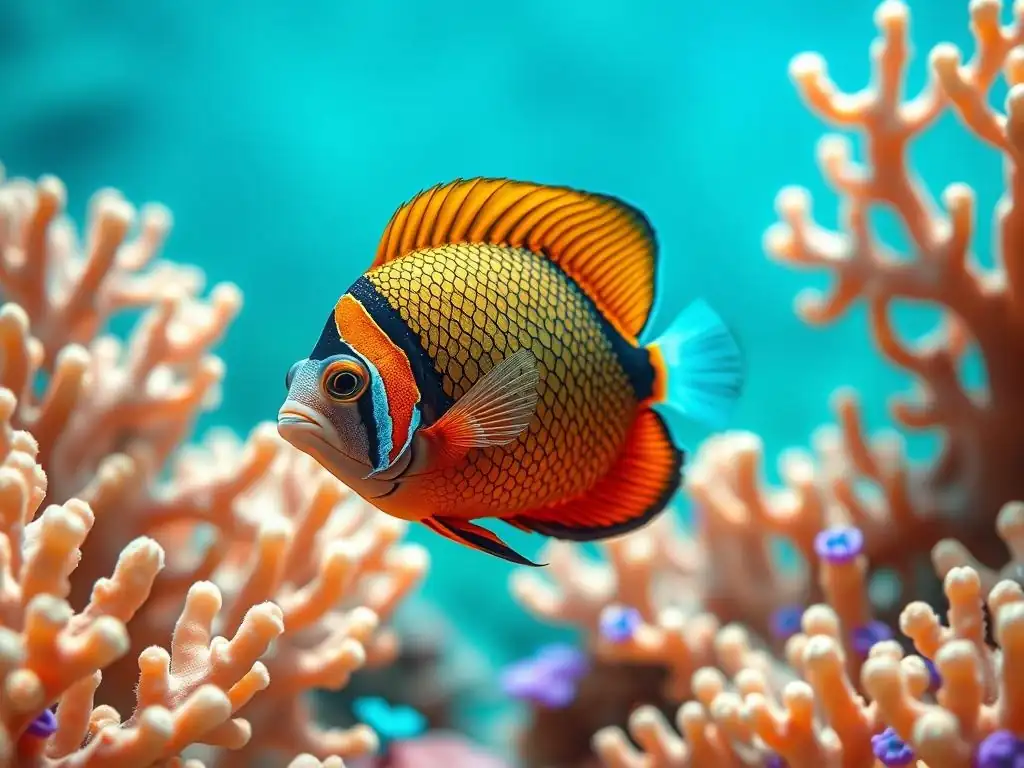
Providing adequate tank size is paramount for the health and longevity of a Klein's Butterflyfish. As active swimmers and grazers, they require significant open space to move freely, in addition to plenty of live rock for foraging and shelter. For a single Klein's Butterflyfish, a minimum tank size of 75 gallons (approximately 280 liters) is recommended. This volume not only provides sufficient swimming room but also helps maintain stable water parameters, which are crucial for this species.
If you plan to keep a pair of Klein's Butterflyfish, or if they are part of a diverse community tank, a larger aquarium of 120 gallons (around 450 liters) or more is advisable. This increased volume reduces the likelihood of territorial disputes between the butterflyfish themselves and other tank inhabitants, and it allows for a more complex aquascape that can support multiple hiding spots and grazing areas. Ample space also contributes to lower stress levels, encouraging natural behaviors and improving the fish's immune response, making them less susceptible to common marine ailments.
Recreating Their Natural Habitat: Stable Water Parameters and Live Rock
Replicating the Klein's Butterflyfish's natural reef habitat is key to their success in captivity. This involves maintaining extremely stable and pristine water parameters. The ideal specific gravity should be between 1.023 and 1.026, mimicking natural ocean salinity. Temperature should be consistently maintained between 74°F and 82°F (23°C - 28°C), with minimal fluctuations.
pH levels should be stable, ranging from 8.1 to 8.4. Ammonia and nitrite must always be undetectable (0 ppm), and nitrates should be kept as low as possible, ideally below 10-20 ppm, while phosphates should be near 0 ppm. Regular water changes, typically 10-20% bi-weekly, are essential for nutrient export and replenishment of trace elements.
The aquascape should incorporate a generous amount of live rock, arranged to create numerous caves, crevices, and overhangs. This provides essential hiding spots for the butterflyfish to retreat to when feeling stressed or for sleeping, mimicking the protective structures found in their natural coral reef environments. The live rock also serves as a natural grazing surface, supporting the growth of beneficial algae and micro-invertebrates that the Klein's Butterflyfish will naturally forage upon. A mature live sand bed can further contribute to the biological filtration and provide a natural substrate for beneficial micro-organisms.
Essential Equipment for a Thriving Klein's Butterflyfish Aquarium
To ensure a thriving environment for your Klein's Butterflyfish, several pieces of essential equipment are necessary. A robust filtration system is paramount, typically comprising a high-quality protein skimmer capable of handling the tank's volume, which efficiently removes organic waste before it breaks down into harmful nitrates. A sump or refugium can further enhance water quality by providing additional biological filtration, a stable environment for beneficial macroalgae, and a breeding ground for copepods and amphipods, which serve as supplemental food sources.
Adequate water flow is also critical, mimicking the moderate to strong currents of their natural reef habitat. Powerheads or wavemakers should be strategically placed to create turbulent flow without directly blasting the fish. A reliable heater with a thermostat is indispensable for maintaining stable water temperatures, and a thermometer is needed for accurate monitoring.
Good lighting is important for supporting live rock and any corals if it's a reef tank, but the Klein's Butterflyfish itself does not have specific high-intensity light requirements. Finally, a robust test kit for ammonia, nitrite, nitrate, pH, and alkalinity is essential for regular monitoring and maintaining optimal water parameters.
Feeding Your Klein's Butterflyfish: A Varied Diet for Optimal Health
What Do Klein's Butterflyfish Eat in the Wild? Algae and Small Invertebrates
In their natural Indo-Pacific reef habitats, Klein's Butterflyfish are omnivores with a strong preference for microalgae and small benthic invertebrates. Their diet primarily consists of various types of filamentous algae that grow on live rock and coral rubble. This continuous grazing activity makes them excellent candidates for contributing to algae control in a home aquarium. Beyond plant matter, they also actively forage for and consume small crustaceans, worms, and other tiny invertebrates that reside within the rockwork and sand bed, acting as natural detritivores and opportunistic feeders on zooplankton in the water column.
This varied diet in the wild underscores the importance of offering a diverse range of foods in captivity. Relying on a single type of food will not provide all the necessary nutrients for long-term health and vibrant coloration. Their natural foraging behavior also means they are accustomed to grazing throughout the day, rather than consuming large meals infrequently. Understanding these natural feeding habits is crucial for designing an appropriate feeding regimen in the aquarium, ensuring they receive a balanced diet that mimics their wild food sources.
Recommended Foods for Captive Klein's Butterflyfish: Algae Sheets, Frozen Foods, and High-Quality Flakes
To ensure optimal health and nutrition for captive Klein's Butterflyfish, a varied diet is essential. High-quality marine flake foods and pellets should form a staple, providing a broad spectrum of vitamins and minerals. However, these should be supplemented heavily with frozen foods. Excellent choices include:
- Frozen Mysis shrimp: A highly nutritious and palatable food source.
- Frozen Brine shrimp (enriched): While less nutritious than Mysis, enriched brine shrimp can still be a good component of a varied diet.
- Chopped clam, squid, or fish flesh: Finely chopped pieces offer essential proteins and fats.
- Marine algae sheets (Nori): Clipped to a veggie clip, these are crucial for satisfying their herbivorous tendencies and providing necessary roughage. Offer fresh sheets daily or every other day.
- Spirulina-enriched foods: These enhance color and provide a good source of plant matter.
It's also beneficial to cultivate copepods and amphipods in a refugium, as the Klein's Butterflyfish will naturally graze on these live micro-invertebrates, mimicking their wild foraging behaviors and providing a constant source of natural food. Live rock in the display tank will also provide a continuous supply of various micro-organisms and algae for them to pick at throughout the day.
Feeding Frequency and Techniques for Butterflyfish: Multiple Small Feedings Per Day
Given their natural grazing behavior, Klein's Butterflyfish thrive on multiple small feedings throughout the day rather than one or two large meals. Aim for at least 2-3 small feedings daily, and ideally more if your schedule permits.
This approach mimics their continuous foraging in the wild and helps maintain stable water quality by preventing large amounts of uneaten food from decaying. For example, you might offer a small pinch of high-quality flake or pellet food in the morning, followed by a piece of Nori on a clip in the afternoon, and a small portion of frozen food in the evening.
When feeding, observe how quickly the food is consumed. Only offer what the fish can eat within a few minutes to minimize waste and prevent water quality issues. For shy or newly introduced Klein's Butterflyfish, target feeding with a pipette or turkey baster can ensure they receive enough food, especially if they are competing with more aggressive tank mates. Introducing food at the same time each day can help establish a routine and reduce stress. Regular observation of their feeding habits is important; a sudden lack of appetite can be an early indicator of stress or illness.
Maintaining a Healthy Klein's Butterflyfish: Preventative Care and Observation
Water Quality Management for Butterflyfish: Maintaining Low Nitrate and Phosphate Levels
Maintaining impeccable water quality is arguably the most critical factor for the long-term health of Klein's Butterflyfish. These fish are sensitive to fluctuating or degraded water conditions, making consistent monitoring and management essential. Specifically, keeping nitrate and phosphate levels as low as possible is paramount. High nitrates (above 20 ppm) can stress the fish and weaken their immune system, making them susceptible to disease, while elevated phosphates (above 0.03 ppm) can encourage nuisance algae growth and interfere with calcification in corals if it's a reef tank.
Regular partial water changes, typically 10-20% every two weeks, are fundamental for exporting accumulated nutrients and replenishing essential trace elements. Utilizing a high-quality protein skimmer is indispensable for removing organic waste before it breaks down. Employing phosphate-removing media (GFO) and nitrate-reducing media (such as biopellets or carbon dosing) can further assist in maintaining ultra-low nutrient levels. Furthermore, consistent testing of parameters like salinity, temperature, pH, ammonia, nitrite, nitrate, and phosphate, using reliable test kits, allows for early detection of any deviations and prompt corrective action, ensuring a stable and healthy environment for your Klein's Butterflyfish.
Common Diseases Affecting Klein's Butterflyfish: Marine Ich and Other Parasitic Infections
Despite their resilience in stable environments, Klein's Butterflyfish are susceptible to common marine fish diseases, particularly if stressed by poor water quality, inadequate diet, or aggressive tank mates. Marine Ich ( Cryptocaryon irritans) is one of the most prevalent and dangerous parasitic infections, manifesting as small white spots resembling salt grains on the fish's body and fins. Other common parasitic infections include Velvet ( Amyloodinium ocellatum), which appears as a dusty or velvety coating, and Brooklynella ( Brooklynella hostilis), often characterized by excessive slime coat production and rapid gill movements.
Bacterial infections can also occur, often presenting as fin rot, cloudy eyes, or ulcers. Fungal infections are less common in marine systems but can develop in stressed fish. Early detection is key to successful treatment. Symptoms like clamped fins, rapid breathing, loss of appetite, lethargy, flashing against rocks, or visible lesions should prompt immediate investigation. A well-stocked marine fish medicine cabinet with treatments for common parasites and bacterial infections is advisable for any serious aquarist. Prevention through pristine water quality, proper nutrition, and a robust quarantine procedure is always the best defense against these ailments.
Quarantine Procedures for New Klein's Butterflyfish: A Crucial Step to Prevent Disease
Implementing a strict quarantine procedure for any new Klein's Butterflyfish (or any new fish, for that matter) is a crucial step that cannot be overstated. A dedicated quarantine tank (QT) of at least 20-30 gallons (75-115 liters) should be set up with a heater, filter (sponge filter or small hang-on-back filter), and some PVC pipes for hiding.
The QT should be cycled and ready to go before the new fish arrives. The purpose of quarantine is twofold: to observe the new fish for signs of disease without exposing your main display tank inhabitants, and to allow for proactive treatment if any issues arise.
A typical quarantine period lasts 4-6 weeks. During this time, the fish should be observed daily for symptoms of common diseases like Ich, Velvet, or Brooklynella. Prophylactic treatment for parasites, such as with copper-based medications or Chloroquine Phosphate, is often recommended by experienced aquarists, even if no symptoms are visible, as many parasites have a lifecycle that includes an invisible stage.
Feeding a high-quality, varied diet during quarantine helps boost the fish's immune system. Only after the fish has completed the full quarantine period, is eating well, and shows no signs of disease should it be slowly acclimated and introduced to the main display tank. This practice significantly reduces the risk of introducing pathogens that could devastate your entire aquarium.
The Challenges of Keeping Klein's Butterflyfish: Addressing Potential Issues
Difficulty Level: Suitable for Intermediate Aquarists with Stable Tanks
While generally considered one of the more forgiving butterflyfish species, the Klein's Butterflyfish is best suited for intermediate aquarists rather than absolute beginners. This classification stems from their specific requirements for pristine and stable water parameters, their susceptibility to common marine diseases if stressed, and their need for a varied diet. A new aquarist might struggle to consistently maintain the low nitrate and phosphate levels, stable salinity, and temperature that Chaetodon kleinii demands.
Success with this species hinges on a well-established, mature aquarium that has completed its nitrogen cycle and demonstrated long-term stability in its water chemistry. Intermediate aquarists typically have experience with regular water testing, understand the importance of robust filtration (e.g., protein skimmers, refugiums), and are proficient in identifying and addressing early signs of stress or disease. Their ability to provide a consistent, high-quality environment and a diverse feeding regimen is what makes them suitable caretakers for the Klein's Butterflyfish, ensuring its vibrant health and longevity in captivity.
Klein's Butterflyfish and Reef Tanks: Generally Reef-Safe, but Observation is Key
The Klein's Butterflyfish has earned its reputation as "reef-safe" largely due to its natural diet, which primarily consists of algae, zooplankton, and small benthic invertebrates, rather than live coral polyps. This makes them a more suitable choice for mixed reef aquariums compared to many other butterflyfish species that are obligate corallivores. Many aquarists successfully house them in tanks with various LPS (Large Polyp Stony) and SPS (Small Polyp Stony) corals, as well as soft corals, without incident.
However, the term "reef-safe" is always applied with a degree of caution in the aquarium hobby, especially when it comes to butterflyfish. Individual fish can sometimes develop a taste for certain coral polyps, particularly if they are underfed or if their natural food sources (like algae on live rock) are scarce. Some anecdotal reports suggest they might occasionally nip at Euphyllia (Torch, Hammer, Frogspawn) corals or zoanthids.
Therefore, constant observation is key. If a Klein's Butterflyfish is introduced to a reef tank, monitor its behavior closely, especially around valuable or sensitive corals. Providing ample alternative food sources, such as Nori and various frozen foods, can help deter them from picking at corals.
Finding a Reputable Source for Healthy Klein's Butterflyfish
The health of your Klein's Butterflyfish journey begins with its origin. Finding a reputable source is paramount to acquiring a healthy, robust specimen that has the best chance of thriving in your home aquarium. Avoid purchasing fish from stores where tanks appear overcrowded, dirty, or contain visibly sick or dead fish, as these are strong indicators of poor husbandry and potential disease outbreaks. A good retailer will maintain clean, well-maintained systems and provide detailed information about the fish's origin, feeding habits, and specific care requirements.
Look for fish that are active, alert, and curious. They should be swimming freely, not clamped or hiding excessively (unless newly introduced to a viewing tank). Their fins should be fully extended and free of nips or tears, and their body should be full, not emaciated. Observe their breathing; it should be calm and regular, not rapid or labored.
A healthy Klein's Butterflyfish will show interest in food and exhibit vibrant, unfaded coloration. Don't hesitate to ask the retailer about their quarantine procedures, how long the fish has been in their care, and what it is currently eating. A reputable dealer will be transparent and knowledgeable, prioritizing the health of their livestock over a quick sale.
Alternatives to the Klein's Butterflyfish: Exploring Other Reef-Safe Options
Similar Butterflyfish with Peaceful Temperaments
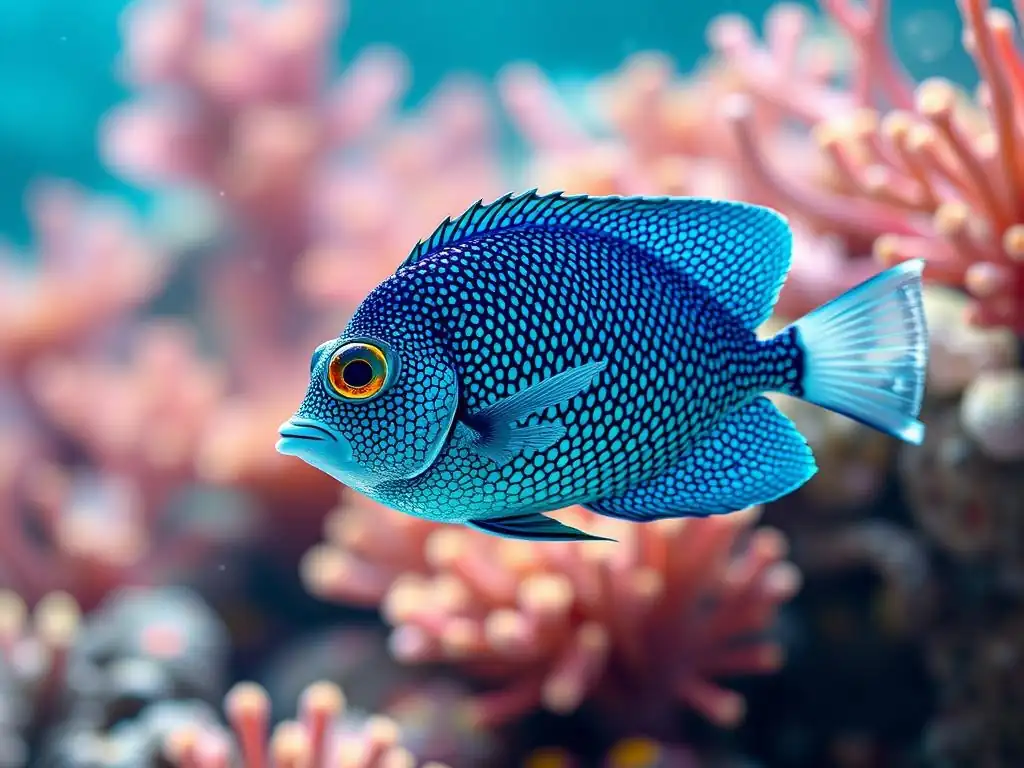
While the Klein's Butterflyfish is a standout for its reef-safe tendencies and docile nature, several other butterflyfish species also exhibit similarly peaceful temperaments and are considered relatively safe for mixed reef aquariums. These can be excellent alternatives or additions to a very large, well-established system, offering a different aesthetic while maintaining a calm community dynamic.
One notable example is the Mertens' Butterflyfish ( Chaetodon mertensii). Similar in shape and size to the Klein's, it typically displays a more muted coloration with a darker posterior and lighter anterior, often with a yellow tail. Its diet also leans heavily towards algae and small invertebrates, making it a good candidate for reef tanks. Another option is the Ornate Butterflyfish ( Chaetodon ornatissimus), recognized by its striking orange vertical bands on a white body.
While largely considered reef-safe, it can sometimes nip at zoanthids or other soft corals, so careful observation is still required. The Pakistani Butterflyfish ( Chaetodon collare) is another peaceful species, though it is less commonly available and can be more challenging to acclimate to captive diets. These species share the Klein's need for stable water parameters and a varied diet rich in plant matter.
[Alternatives: Bristletail Filefish and Yellow Tang]
Beyond other butterflyfish, there are several non-butterflyfish species that can serve as excellent alternatives for aquarists looking for peaceful, algae-grazing, or visually appealing additions to a reef tank, especially if Pelew Butterflyfish tank compatibility (or any butterflyfish compatibility) concerns persist.
The Bristletail Filefish ( Acreichthys tomentosus) is a fascinating alternative, known for its unique appearance and its reputation as a potential aid in controlling Aiptasia anemones, a common nuisance pest in reef tanks. While not a primary algae eater like the Klein's, it is very peaceful, generally reef-safe, and adds interesting behavior to the aquarium. They can reach up to 4 inches (10 cm) and thrive in tanks of 30 gallons (115 liters) or more, making them suitable for smaller setups than the Klein's Butterflyfish. Their diet consists of small invertebrates, and they readily accept frozen foods.
The Yellow Tang ( Zebrasoma flavescens) is another popular and highly effective algae grazer that is completely reef-safe. While much larger, reaching up to 8 inches (20 cm), and requiring a minimum tank size of 100 gallons (375 liters), their vibrant yellow coloration and constant grazing habits make them a staple in many reef aquariums.
They are generally peaceful with other fish, though they can be territorial towards other tangs or similarly shaped fish. The Yellow Tang's primary diet is algae, making them excellent at keeping nuisance algae in check, a role that overlaps with the Klein's Butterflyfish's natural tendencies.
Conclusion: Is the Klein's Butterflyfish the Right Choice for Your Aquarium?
Weighing the Pros and Cons of Keeping Chaetodon kleinii
Deciding whether the Klein's Butterflyfish ( Chaetodon kleinii) is the right choice for your aquarium involves weighing its distinct advantages against its specific requirements. On the positive side, the Klein's Butterflyfish is highly valued for its generally peaceful temperament, making it an excellent candidate for community marine tanks with other non-aggressive species.
Its beautiful yellow-orange coloration adds a vibrant splash to any setup, and its active grazing on algae can even contribute to tank cleanliness. Crucially, it stands out among butterflyfish for being one of the most "reef-safe" species, significantly reducing the risk of coral damage compared to many of its relatives, making it appealing to reef enthusiasts.
However, there are cons to consider. The Klein's Butterflyfish requires a mature, stable aquarium with pristine water quality (low nitrates and phosphates), which can be challenging for novice aquarists to consistently maintain. They are also susceptible to common marine diseases if stressed, necessitating robust quarantine procedures and vigilant observation.
While generally reef-safe, individual fish can sometimes nip at certain corals, requiring careful monitoring. Their need for multiple small feedings of a varied diet can also be more demanding than for some hardier, less specialized fish. Ultimately, the Klein's Butterflyfish is a rewarding species for intermediate aquarists willing to commit to its specific care needs.
Ensuring Long-Term Success with Your Klein's Butterflyfish: Patience and Consistent Care
Achieving long-term success with your Klein's Butterflyfish hinges on two key pillars: patience and consistent care. Patience is vital from the moment of acquisition, through the crucial quarantine period, and during its initial acclimation to the main display tank. Rushing any of these steps can lead to stress, disease, and ultimately, failure to thrive. Allow the fish ample time to adjust to its new surroundings, to begin feeding confidently, and to show no signs of illness before introducing it to your established community.
Consistent care involves a steadfast commitment to maintaining optimal water parameters through regular testing and scheduled partial water changes. It means providing a diverse and nutritious diet with multiple small feedings throughout the day, ensuring the fish receives all necessary nutrients and avoids competition.
It also entails proactive observation for any subtle changes in behavior or appearance that might indicate stress or the onset of disease, allowing for early intervention. By diligently adhering to these practices – prioritizing water quality, balanced nutrition, and careful observation – you can ensure your Klein's Butterflyfish not only survives but truly flourishes, becoming a captivating and vibrant centerpiece in your marine aquarium for many years.
Frequently Asked Questions
What are the basic tank requirements for a Pelew Butterflyfish (Dot Dash Butterflyfish)?
The Pelew Butterflyfish requires a well-established aquarium of at least 75 gallons with plenty of live rock for grazing. They need stable water parameters and good filtration to thrive.
Is the Pelew Butterflyfish suitable for a beginner aquarist?
No, the Pelew Butterflyfish is generally not recommended for beginners. They can be difficult to acclimate and are prone to dietary issues, requiring experienced care.
What kind of diet does the Pelew Butterflyfish need?
They require a varied diet including frozen meaty foods like mysis shrimp and brine shrimp, as well as algae and high-quality flake food. Regular feedings are important to maintain their health.
What is the Pelew Butterflyfish’s tank compatibility like?
Pelew Butterflyfish can be semi-aggressive and may nip at corals, making them unsuitable for reef tanks. They are best kept with peaceful to semi-aggressive fish of similar size.
Can I keep multiple Pelew Butterflyfish together in the same tank?
It's generally not recommended to keep multiple Pelew Butterflyfish together unless the tank is very large. They can become territorial and aggressive towards each other, especially in smaller spaces.
Final Reflection: The Delicate Dance of Reef Harmony
The journey of understanding the Dot Dash Butterflyfish, or Chaetodon pelewensis, reveals more than just the intricacies of its care; it highlights the broader responsibility we bear when introducing any creature into the delicate ecosystem of a reef aquarium. The decision to welcome this Pacific Charmer into our tanks must be rooted in knowledge, respect, and a commitment to providing a thriving environment. Without this foundation, we risk disrupting the balance and diminishing the beauty we seek to cultivate.
The allure of the Pelew Butterflyfish, with its striking patterns and graceful movements, is undeniable. However, its specific needs and potential impact on other inhabitants underscore the importance of informed decision-making in reef keeping. We must move beyond mere aesthetics and consider the ethical implications of our choices. In the end, we will conserve only what we love; we will love only what we understand; and we will understand only what we are taught.
- Baba Dioum's words resonate deeply, reminding us that true appreciation stems from knowledge and understanding.
As you consider the possibility of adding a Dot Dash Butterflyfish to your reef aquarium, I urge you to reflect on the lessons explored in this article. Are you prepared to meet its dietary needs? Can you provide a peaceful and spacious environment?
Will its presence enhance, rather than disrupt, the existing harmony of your tank? Let your choices be guided by a deep respect for the marine world and a unwavering commitment to the well-being of all its inhabitants. Only then can we truly appreciate the beauty and wonder of the Pelew Butterflyfish, and contribute to the preservation of these magnificent creatures for generations to come.
Unleash the Beauty: Bring a Butterflyfish Glow to Your Aquarium!
Thank you for exploring the captivating world of the Dot Dash Butterflyfish with us. We hope you've gained valuable insights into the care and considerations for these Pacific charmers. Now, let's dive into action and see how you can bring a splash of butterflyfish beauty to your aquarium journey.
Here are some ways to get started:
- Plan Your Dream Tank: Is your current setup suitable? Research compatibility with your existing fish and consider upgrading your tank if needed.
- Share the Wonder: Spread the knowledge by sharing this article with fellow aquarium enthusiasts! Let's inspire more responsible Dot Dash Butterflyfish keeping.
- Beyond the Dots: Delve deeper by exploring similar species or related reef fish care articles on Aquarium Mastery to broaden your understanding.
Ready to transform your aquarium into a vibrant coral reef haven, or what's the next thing on your list to create the perfect environment for your future butterflyfish?