
Optimal Water Flow Dynamics for Different Types of Reef Wrasses

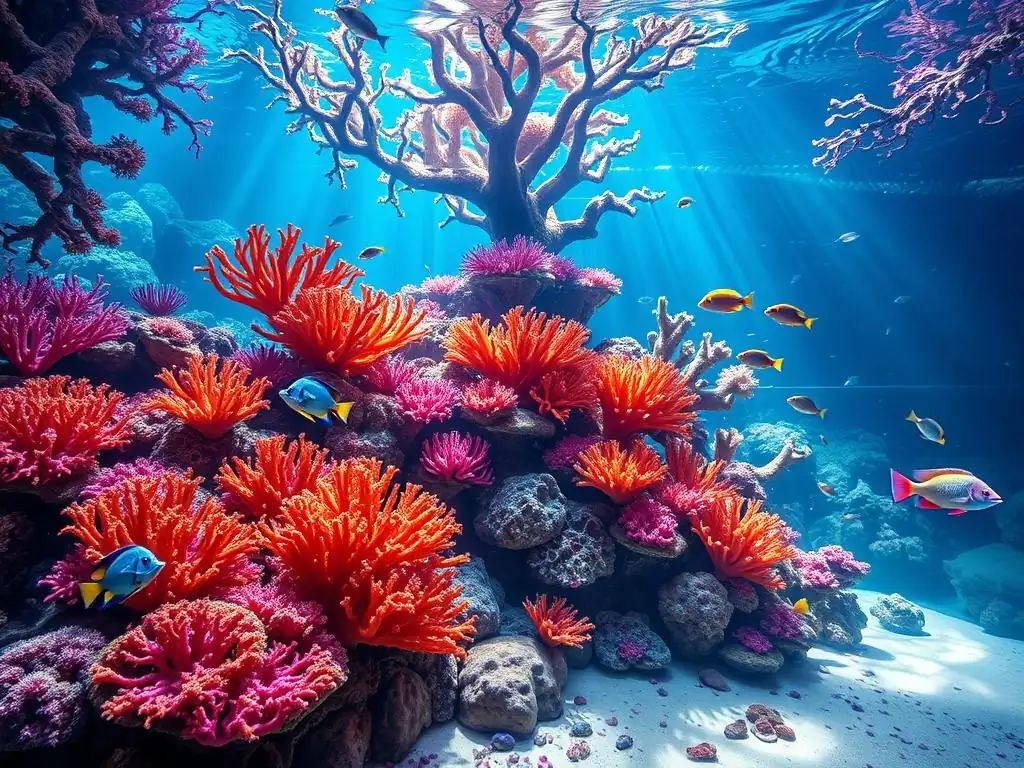
Welcome to Aquarium Mastery, fellow reef enthusiast!
Ever wondered if your reef wrasse is getting the perfect water flow it needs to truly thrive? Optimal water flow is crucial for these vibrant fish, and understanding the nuances can make all the difference. Dive into our comprehensive guide on Reef wrasse water flow needs below, and unlock the secrets to a healthier, happier reef aquarium. Ready to optimize your reef for your wrasse's well-being? Let's get started!
- Understanding Reef Wrasse Water Flow Needs for a Thriving Aquarium
- Water Flow Requirements by Reef Wrasse Type: A Detailed Guide
- Setting Up Your Aquarium for Optimal Reef Wrasse Water Circulation
- Monitoring and Adjusting Water Flow for Reef Wrasse Health
- Water Flow and Reef Wrasse Feeding: Optimizing Nutrient Distribution
- Maintaining Consistent Water Parameters Alongside Optimal Flow
- Compatible Tank Mates and Water Flow Considerations
- Troubleshooting Water Flow Issues in Reef Wrasse Aquariums
-
Frequently Asked Questions
- How important is water flow for Reef Wrasses in a reef aquarium?
- What type of water flow is generally best for most Reef Wrasse species?
- How does water flow influence the coloration and activity levels of Reef Wrasses?
- Can different types of Reef Wrasses have different water flow requirements?
- What are some signs that the water flow is insufficient or excessive for Reef Wrasses?
- Final Reflection: The Undulating Currents of Reef Wrasse Life
- Dive Deeper into Reef Wrasse Wellbeing!
Understanding Reef Wrasse Water Flow Needs for a Thriving Aquarium
Why Water Flow Matters for Reef Wrasses: Replicating Natural Habitats
Water flow is an indispensable element in a thriving reef aquarium, especially when housing delicate and active species like reef wrasses. In their natural coral reef habitats, wrasses are constantly exposed to dynamic currents, ranging from gentle surges in protected lagoons to powerful, oscillating waves on outer reef slopes.
Replicating this varied movement within the confines of an aquarium is crucial for their physiological well-being, aiding in vital processes such as oxygenation, the removal of metabolic waste, and the efficient delivery of food particles. Without adequate flow, wrasses can suffer from oxygen deprivation, stress, and a compromised immune system, leading to a diminished lifespan.
Furthermore, proper water movement promotes natural behaviors essential for reef wrasse health. It encourages active swimming and foraging, mimicking their constant search for food in the wild. A well-designed flow pattern also prevents the accumulation of detritus on the substrate and rockwork, which can otherwise lead to harmful nutrient spikes and bacterial issues. For instance, a lack of sufficient reef wrasse water flow can cause stress-related color loss and lethargy in species that naturally inhabit high-energy environments, making them more susceptible to common aquarium ailments like marine ich.
Reef Wrasse Species and Their Varying Water Flow Preferences
The vast diversity within the reef wrasse family (Labridae) means that a "one-size-fits-all" approach to water flow is ineffective. Different species originate from distinct micro-habitats within the reef, each with unique current characteristics. Some wrasses, such as the Cirrhilabrus (Fairy Wrasses) and Paracheilinus (Flasher Wrasses), often inhabit outer reef slopes where strong, turbulent currents are the norm. In contrast, species like the Macropharyngodon (Leopard Wrasses) or Labroides (Cleaner Wrasses) are typically found in calmer, more protected lagoon areas or nestled among dense coral branches, where excessive flow would be detrimental.
Understanding these inherent preferences is paramount for successful reef wrasse husbandry. Attempting to keep a high-flow species in a low-flow environment, or vice versa, can induce chronic stress, inhibit natural behaviors, and ultimately lead to health decline.
For example, a Leopard Wrasse placed in a tank with overly turbulent reef wrasse water flow might struggle to feed and spend most of its time hiding, whereas a Fairy Wrasse in a stagnant tank may become sluggish and develop respiratory issues due to insufficient oxygenation. Tailoring the water flow to the specific needs of your chosen wrasse species is a fundamental step towards creating a truly thriving and harmonious reef aquarium.
Water Flow Requirements by Reef Wrasse Type: A Detailed Guide
High-Flow Reef Wrasses: Species that Thrive in Strong Currents
High-flow reef wrasses are typically active, robust swimmers that originate from the exposed outer reef slopes and surge zones, where constant, powerful water movement is a defining characteristic. These species have evolved to thrive in turbulent conditions, utilizing the strong currents for efficient respiration, muscle development, and to facilitate their natural foraging strategies. Their energetic swimming behavior is a direct adaptation to these high-energy environments, and providing less than optimal reef wrasse water flow can lead to lethargy and a failure to exhibit their vibrant natural colors.
Furthermore, strong water flow is crucial for these wrasses by preventing the accumulation of detritus and ensuring that planktonic food items are constantly suspended and distributed throughout the water column. In their natural habitat, they often dart in and out of currents to snatch passing food. If the flow is insufficient, food particles quickly settle, making it harder for these active feeders to acquire adequate nutrition. Without the vigorous water movement they are accustomed to, these wrasses can become stressed, more prone to disease, and their overall vitality will significantly diminish.
Examples of High-Flow Wrasses: Scott's Fairy Wrasse, Exquisite Fairy Wrasse
Optimal Water Flow Rates for High-Flow Wrasses: 20-30x Tank Volume Turnover per Hour
For high-flow reef wrasses, aiming for a tank volume turnover rate of 20 to 30 times per hour is generally recommended. This means that for a 100-gallon aquarium, you would need powerheads and return pumps capable of moving approximately 2,000 to 3,000 gallons per hour (GPH). It is crucial that this flow is not merely laminar (a straight, unidirectional current) but rather turbulent and multidirectional, mimicking the chaotic nature of natural reef surge. This can be achieved by using multiple powerheads strategically positioned to create opposing or oscillating currents, ensuring that water movement reaches all areas of the tank.
Achieving this level of reef wrasse water flow often involves employing powerful propeller-style powerheads or wavemakers that can move large volumes of water with broad, diffuse flow patterns. For example, in a 180-gallon display tank, two high-output wavemakers, each rated at 2,500 GPH and positioned on opposite sides, can create the ideal turbulent flow.
It is important to ensure that these strong currents do not directly blast corals or sandbeds, which could cause tissue damage to corals or create unsightly sandstorms. Instead, the flow should circulate around rockwork and across the water surface, providing robust oxygenation and detritus suspension without causing undue stress.
Moderate-Flow Reef Wrasses: Balancing Oxygenation and Comfort
Moderate-flow reef wrasses typically inhabit areas of the reef that offer a balance between consistent water movement and a degree of protection from the most intense currents. These environments, such as inner reef crests, protected lagoons, or areas with dense coral growth, provide a steady supply of oxygenated water and suspended food particles without overwhelming the fish. For these species, the ideal reef wrasse water flow is strong enough to prevent the accumulation of detritus and ensure good gas exchange, yet gentle enough to allow them to swim comfortably, forage, and rest without expending excessive energy.
An imbalance in water flow can significantly impact moderate-flow wrasses. Too much current can lead to constant stress, making them appear exhausted, reluctant to feed, and prone to hiding. Conversely, insufficient flow can result in stagnant areas where oxygen levels drop, and waste products accumulate, leading to poor water quality and increased susceptibility to disease. Maintaining this delicate equilibrium ensures that these wrasses remain active, display their vibrant colors, and exhibit their natural behaviors, contributing to a healthy and dynamic aquarium ecosystem.
Examples of Moderate-Flow Wrasses: Yellow Coris Wrasse, Melanurus Wrasse
Achieving Ideal Water Circulation for Moderate-Flow Wrasses: 10-20x Tank Volume Turnover per Hour
For moderate-flow reef wrasses, an optimal water turnover rate typically falls within the range of 10 to 20 times the tank volume per hour. For instance, in a 75-gallon aquarium, this translates to a total flow of approximately 750 to 1,500 GPH from all circulation devices combined. The goal is to provide consistent, yet not overpowering, water movement that ensures uniform distribution of oxygen and nutrients while effectively sweeping away waste. This can often be achieved using a combination of the main return pump flow and one or two adjustable powerheads or wavemakers set to a lower intensity.
To achieve ideal circulation without creating stressful hot spots, powerheads should be positioned thoughtfully. Rather than direct blasts, aim for a more diffuse and oscillating flow. Using wavemakers with varied pulse settings can simulate natural ebb and flow, which is highly beneficial for these species. For example, in a 90-gallon tank, two smaller powerheads, each rated at 700 GPH, placed on opposing sides and angled slightly towards the surface, can create the necessary broad, gentle currents. This approach ensures thorough circulation throughout the water column, preventing stagnant zones while allowing the wrasses to swim freely and comfortably.
Low-Flow Reef Wrasses: Gentle Currents for Sensitive Species
Low-flow reef wrasses are typically found in the calmest areas of the reef, such as sheltered lagoons, protected inner reef flats, or nestled deeply within the intricate branches of corals. These species, often characterized by their more deliberate swimming patterns and delicate finnage, are highly sensitive to strong currents. Excessive water movement can easily disorient them, make feeding incredibly challenging, and lead to chronic stress as they constantly struggle against the flow. For these wrasses, a gentle, consistent flow is paramount, providing just enough movement for oxygenation and waste removal without causing undue physical exertion.
The primary concern for low-flow wrasses in a high-flow environment is their inability to maintain position and access food. Their delicate bodies and slower metabolic rates mean they are not equipped to handle turbulent conditions. Persistent exposure to strong currents can lead to exhaustion, fin damage, and a reluctance to emerge from hiding, ultimately impacting their feeding success and overall health. Therefore, creating a tranquil environment that mimics their natural, placid habitats is essential for their long-term survival and well-being in the aquarium.
Examples of Low-Flow Wrasses: Cleaner Wrasse, Leopard Wrasse
Creating a Calm Environment for Low-Flow Wrasses: 5-10x Tank Volume Turnover per Hour
For low-flow reef wrasses, the recommended water turnover rate is significantly lower, typically ranging from 5 to 10 times the tank volume per hour. For a standard 50-gallon aquarium, this means a total circulation of approximately 250 to 500 GPH. The key is to ensure that this flow is extremely gentle and widely dispersed, avoiding any direct, concentrated currents. The primary source of flow might come from the return pump of the filtration system, supplemented by a very low-output, adjustable powerhead if necessary, positioned to create indirect movement.
To achieve this calm environment, powerheads should be placed strategically, often behind rockwork or aimed at the glass to diffuse the current before it reaches the main swimming areas. Using powerheads with wide, gentle flow patterns or those with adjustable settings is highly beneficial.
For example, in a 60-gallon tank, a single powerhead rated at 300 GPH, positioned to gently agitate the water surface or create a subtle current across the back of the rockwork, would be more appropriate than multiple strong units. The goal is to provide just enough water movement to prevent stagnation and facilitate gas exchange, without creating noticeable currents that could stress these sensitive reef wrasse species.
Setting Up Your Aquarium for Optimal Reef Wrasse Water Circulation
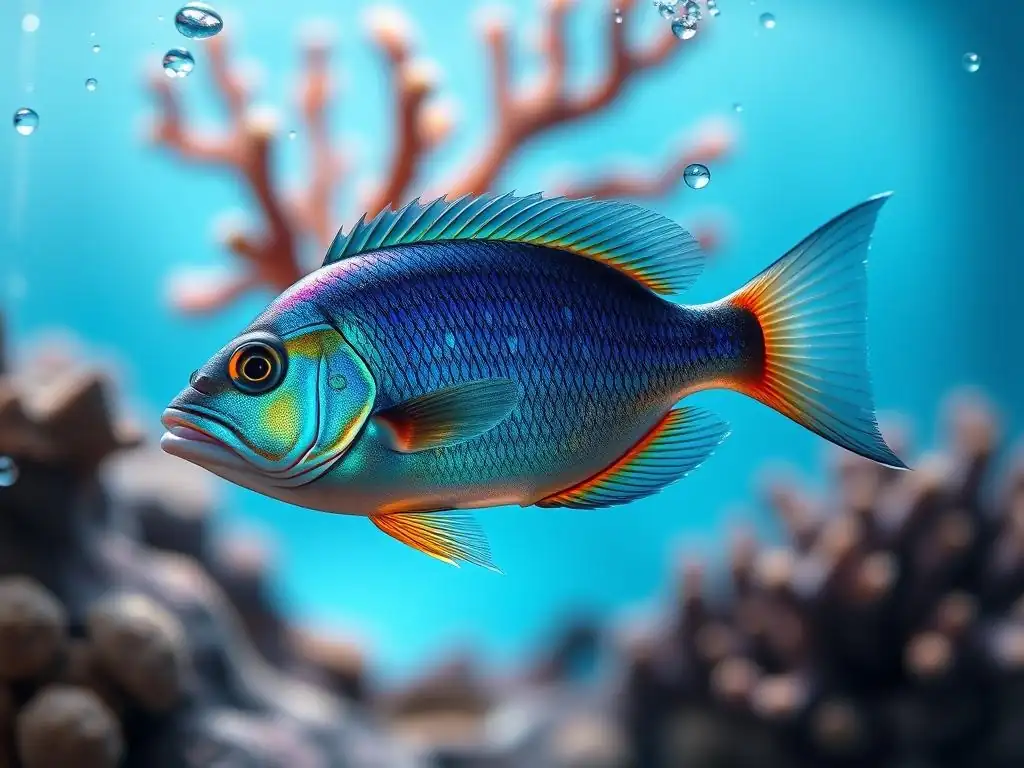
Choosing the Right Powerheads and Wave Makers for Wrasses
Selecting the appropriate powerheads and wave makers is fundamental to achieving optimal reef wrasse water flow. Modern aquarium technology offers a variety of devices, each with distinct advantages. Propeller pumps, known for their wide, diffuse flow and high GPH ratings, are excellent for creating turbulent, multidirectional currents essential for high-flow wrasses and overall reef circulation.
Traditional powerheads provide a more concentrated, direct stream, which can be useful for targeting specific areas or for smaller tanks, but care must be taken to avoid blasting corals or fish. Wavemakers, which oscillate or pulse, are invaluable for simulating natural ebb and flow, reducing dead spots, and providing varied currents that mimic natural reef conditions, benefiting most wrasse types.
When making your selection, consider features such as adjustability (flow rate control, wave patterns), quiet operation, and energy efficiency. Brands like EcoTech Marine's VorTech pumps or Maxspect Gyre systems offer advanced control and broad flow, ideal for larger tanks housing high-flow wrasses. For moderate to low-flow setups, smaller, adjustable DC-controlled pumps from manufacturers like Jebao or Tunze NanoStream are excellent choices, providing precise control over the reef wrasse water flow. Investing in quality equipment often translates to better performance, greater reliability, and a longer lifespan, ultimately contributing to a more stable and healthy environment for your wrasses.
Powerhead Placement Strategies for Different Tank Sizes
Effective powerhead placement is crucial for ensuring consistent and appropriate reef wrasse water flow throughout the entire aquarium, regardless of tank size. For larger tanks, typically 75 gallons and above, a common and highly effective strategy involves using multiple powerheads placed on opposing sides of the tank. This setup creates a "cross-flow" pattern, where currents collide and diffuse, generating the chaotic, multidirectional movement seen on natural reefs. For example, in a 120-gallon tank, two powerheads, one on each end, angled slightly towards the center or surface, can create excellent overall circulation and eliminate large dead spots.
In smaller tanks, often 50 gallons or less, fewer powerheads are generally needed, and their placement becomes even more critical to avoid creating overwhelming currents. A single adjustable powerhead positioned near the top, aimed towards the opposite corner or the front glass, can often provide sufficient indirect flow.
For low-flow wrasses, powerheads can be hidden behind rockwork or directed towards the back wall to diffuse the current before it reaches the main swimming areas. The goal is always to ensure water movement reaches all areas, including behind rockwork and around the substrate, promoting gas exchange and preventing detritus accumulation, while catering to the specific reef wrasse water flow needs of your inhabitants.
Avoiding Dead Spots: Ensuring Consistent Water Movement
Dead spots are areas within the aquarium where water movement is minimal or non-existent, leading to the accumulation of detritus, uneaten food, and other organic waste. These stagnant zones act as nutrient sinks, contributing to elevated nitrate and phosphate levels, which can fuel nuisance algae blooms (e.g., cyanobacteria, hair algae) and compromise overall water quality. For reef wrasses, dead spots can mean areas of lower oxygen concentration and reduced access to drifting food particles, potentially leading to stress and malnutrition. Identifying and eliminating these areas is a critical aspect of maintaining a healthy and pristine reef wrasse aquarium.
To ensure consistent water movement and avoid dead spots, a thorough understanding of your tank's layout and the flow patterns created by your equipment is necessary. Visually inspect the tank for areas where detritus settles persistently, typically behind large rock structures, in corners, or at the base of corals. Solutions include:
- Strategic Powerhead Repositioning: Angle powerheads to sweep across problematic areas.
- Adding Smaller Powerheads: Deploy smaller, low-output powerheads specifically to target isolated dead spots.
- Utilizing Oscillating Devices: Wavemakers that change flow direction can provide more comprehensive coverage, preventing static areas.
- Aquascaping Adjustments: Design your rockwork with water flow in mind, creating channels and open spaces for circulation. Regularly observing detritus patterns and making minor adjustments to powerhead angles are key to achieving uniform reef wrasse water flow throughout the entire system.
Monitoring and Adjusting Water Flow for Reef Wrasse Health
Recognizing Signs of Inadequate Water Flow: Wrasse Behavior and Appearance
Observing your reef wrasses closely is the most effective way to determine if the water flow in your aquarium is appropriate for their needs. Signs of inadequate reef wrasse water flow often manifest in behavioral changes and physical appearance. Wrasses that are not receiving sufficient current may appear sluggish, hover listlessly in one spot, or exhibit rapid gill movement, indicating they are struggling to extract enough oxygen from the water.
They might also spend an unusual amount of time at the water's surface, seeking areas with higher gas exchange. Furthermore, dull coloration, reluctance to swim freely, or excessive hiding could all be indicators of stress caused by poor circulation or low dissolved oxygen.
Conversely, signs of excessive water flow are equally important to recognize. Wrasses struggling against powerful currents may appear to be constantly "treading water," exhibiting frantic swimming, or being pushed around the tank. They might also shy away from certain areas of the aquarium, seeking refuge in calmer zones, or even develop frayed fins from constant physical exertion.
For instance, a normally active Melanurus Wrasse that spends all its time hidden among rocks could be experiencing too much current. Recognizing these subtle cues allows for timely adjustments to the reef wrasse water flow, preventing chronic stress and ensuring the fish's long-term health and vitality.
Adjusting Water Flow Based on Wrasse Behavior and Coral Health
Adjusting water flow is an iterative process that requires careful observation of all tank inhabitants. If your wrasses exhibit signs of stress from either too little or too much current, immediate adjustments are warranted. For wrasses showing lethargy or rapid breathing in low-flow conditions, gradually increase powerhead intensity or add another low-output unit. When wrasses are struggling against strong currents, reduce powerhead strength, reposition them to bounce flow off glass, or switch to a more diffuse flow pattern. These changes should be made incrementally over several days, allowing the fish to adapt.
It's also crucial to consider the needs of your corals when adjusting reef wrasse water flow. While some SPS (Small Polyp Stony) corals thrive in high flow, LPS (Large Polyp Stony) corals and soft corals often prefer moderate to low flow.
A balanced approach is key; for example, you might create a high-flow zone for a Scott's Fairy Wrasse on one side of the tank and a calmer zone for a Frogspawn coral on the other. Use adjustable powerheads or wavemakers with different settings to create varied flow patterns throughout the tank, ensuring that both your reef wrasses and corals can thrive in their preferred microclimates.
Water Flow and Oxygenation: Maintaining a Healthy Reef Environment
The direct link between robust water flow and adequate dissolved oxygen (DO) levels cannot be overstated, forming a cornerstone of a healthy reef environment for wrasses. Surface agitation, created by powerheads and return pump outlets, is critical for gas exchange. This process allows oxygen from the air to dissolve into the water while carbon dioxide, a metabolic byproduct, is released. Without sufficient surface agitation, oxygen levels can plummet, particularly in heavily stocked tanks or those with a high bioload, leading to respiratory distress in fish and compromising the health of beneficial aerobic bacteria.
Beyond surface agitation, strong reef wrasse water flow prevents the stratification of water layers, ensuring that oxygen-rich water is circulated uniformly throughout the entire water column, including the lower levels and within the rockwork. This is vital for the health of your wrasses, as well as for the beneficial nitrifying bacteria that colonize live rock and sandbeds, which require oxygen to convert harmful ammonia and nitrite into less toxic nitrate.
Maintaining consistently high dissolved oxygen levels, typically above 6-7 mg/L for reef systems, is a primary benefit of optimal water flow and is fundamental to the overall health and resilience of your reef wrasse aquarium.
Water Flow and Reef Wrasse Feeding: Optimizing Nutrient Distribution
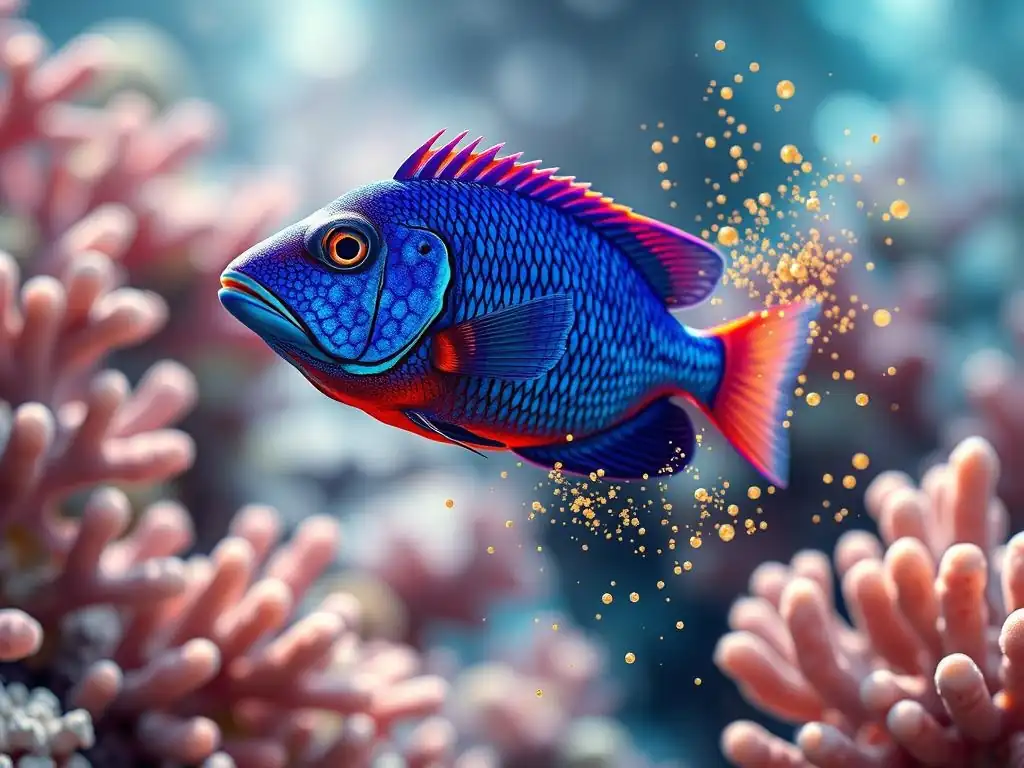
How Water Flow Affects Food Availability for Wrasses
Water flow plays a pivotal role in the efficient distribution and availability of food for reef wrasses within the aquarium. Many wrasse species are active foragers, constantly sifting through sand or picking at rockwork, while others are planktivores that snatch food particles from the water column.
Optimal reef wrasse water flow ensures that broadcast-fed foods, such as frozen mysis shrimp or copepods, are dispersed throughout the tank, making them accessible to all inhabitants. Without adequate flow, food particles tend to settle quickly to the bottom, becoming unavailable to mid-water column feeders and potentially leading to nutritional deficiencies for some wrasses.
A varied and turbulent flow pattern also mimics the natural feeding conditions wrasses experience in the wild, where currents constantly bring new food items into their foraging range. This encourages their natural hunting behaviors, promoting activity and reducing stress.
For example, a Scott's Fairy Wrasse thrives on picking copepods from the water column; if the flow is too low, these food items quickly settle, reducing their feeding opportunities. Conversely, for sand-sifting wrasses like the Yellow Coris Wrasse, a moderate flow helps keep the sandbed clean and allows them to efficiently sift through the substrate for microfauna without being overwhelmed by currents.
Preventing Food Accumulation in Low-Flow Areas
One significant challenge in aquariums with inadequate or poorly designed water flow is the accumulation of uneaten food in "dead spots" – areas with minimal circulation. This problem is exacerbated when feeding active, often messy, reef wrasses. When food settles and decomposes in these stagnant zones, it rapidly breaks down, releasing harmful nutrients such as ammonia, nitrite, nitrate, and phosphate. This not only degrades water quality but also provides a ready food source for nuisance algae and undesirable bacteria, potentially leading to unsightly blooms and an unhealthy environment for your wrasses.
To mitigate this issue, several strategies can be employed. Briefly turning off powerheads during feeding time, typically for 10-15 minutes, allows food to settle more evenly throughout the tank, giving all wrasses a chance to feed without being swept away.
After this period, restoring the optimal reef wrasse water flow ensures that any remaining uneaten food is swept into the mechanical filtration system (e.g., filter socks or sponges) for removal. Additionally, ensuring that your overall water flow strategy eliminates dead spots through proper powerhead placement and turbulent flow patterns will naturally reduce the likelihood of food accumulation, maintaining cleaner water and a healthier ecosystem.
Supplementing Water Flow with Targeted Feeding Strategies
While optimal general water flow is crucial for distributing food and maintaining overall tank health, supplementing with targeted feeding strategies can be highly beneficial for specific reef wrasse species, especially shy or slower-feeding individuals. In a bustling reef tank, dominant or faster fish can often outcompete more timid wrasses for food, even with good circulation. Using tools like turkey basters or long pipettes allows aquarists to deliver food directly to specific areas or individual wrasses, ensuring they receive adequate nutrition without being overwhelmed by competition or strong currents.
This method is particularly effective for wrasses that prefer to forage in specific areas or for those that are newly introduced and still adjusting to the tank environment. For example, a new Leopard Wrasse might benefit from targeted delivery of small, meaty foods directly into its preferred hiding spot until it becomes more comfortable foraging in the open.
However, it's important to remember that targeted feeding is a supplement, not a replacement, for proper overall reef wrasse water flow. The general circulation remains vital for maintaining water quality, oxygenation, and the natural foraging behaviors of the entire wrasse population, ensuring a balanced and thriving ecosystem.
Maintaining Consistent Water Parameters Alongside Optimal Flow
Temperature Stability and Water Flow Interaction
Maintaining stable water temperature is paramount for the health of reef wrasses, and optimal water flow plays a significant, though often overlooked, role in achieving this stability. Heaters in an aquarium typically concentrate heat in a localized area. Without robust water movement, hot and cold spots can develop throughout the tank, leading to temperature fluctuations that can stress fish and corals. Reef wrasses, being ectothermic, are particularly sensitive to rapid temperature swings, which can compromise their immune systems and make them more susceptible to disease.
Optimal reef wrasse water flow ensures that heat from heaters is rapidly and evenly distributed throughout the entire water column. This prevents thermal stratification and ensures that all inhabitants, from the wrasses swimming freely to the beneficial bacteria in the rockwork, experience a consistent temperature, ideally within the narrow range of 74-78°F (23-26°C). In larger tanks, multiple heaters combined with strong circulation are often necessary to achieve this uniformity. Consistent temperature is vital for the metabolic processes of wrasses and other reef inhabitants, contributing significantly to their overall health and longevity.
The Importance of Regular Water Testing for Reef Wrasse Health
While optimal water flow is critical for a healthy reef wrasse aquarium, it is not a standalone solution for maintaining water quality. Regular and thorough water parameter testing remains an indispensable practice. Water flow helps distribute dissolved substances evenly and aids in the transport of waste to filtration systems, but it does not remove these substances from the water. Key parameters to monitor include salinity (1.023-1.026 specific gravity), alkalinity (8-12 dKH), calcium (400-450 ppm), and magnesium (1250-1350 ppm), which are essential for coral health and indirectly impact wrasses by ensuring a stable reef environment.
Furthermore, diligent testing for ammonia, nitrite, and nitrate is crucial. Ammonia and nitrite should always be undetectable (0 ppm), as even trace amounts are highly toxic to reef wrasses. Nitrate levels should ideally be kept below 20 ppm, with many aquarists aiming for under 10 ppm in a mixed reef.
While robust reef wrasse water flow can help sweep detritus into mechanical filters, it doesn't replace the need for regular water changes, proper nutrient export methods (like protein skimming), and the diligent monitoring of these parameters. Combining optimal flow with consistent testing and maintenance practices creates the most stable and pristine environment for your wrasses.
Combining Water Flow with Effective Filtration for a Healthy Reef Aquarium
Optimal water flow and effective filtration are two symbiotic pillars that underpin a healthy reef aquarium, especially one housing active reef wrasses. Water flow acts as the circulatory system of the tank, ensuring that water, dissolved oxygen, nutrients, and waste products are constantly in motion. This movement is essential for efficiently delivering waste to the filtration systems. Mechanical filtration, such as filter socks or sponges, relies on this flow to capture particulate matter like uneaten food and detritus, preventing them from breaking down and polluting the water.
Biological filtration, primarily facilitated by live rock and specialized bio-media, relies on consistent water flow to deliver ammonia and nitrite to the nitrifying bacteria that convert these toxic compounds into less harmful nitrate. Chemical filtration, utilizing activated carbon or GFO (Granular Ferric Oxide), also depends on efficient flow to ensure that dissolved organic compounds and phosphates are effectively removed from the water column.
Without adequate reef wrasse water flow, even the most advanced filtration system will be inefficient, leading to degraded water quality and a compromised environment for your wrasses. Thus, integrating robust flow with a multi-stage filtration approach is key to maintaining a pristine and thriving reef aquarium.
Compatible Tank Mates and Water Flow Considerations
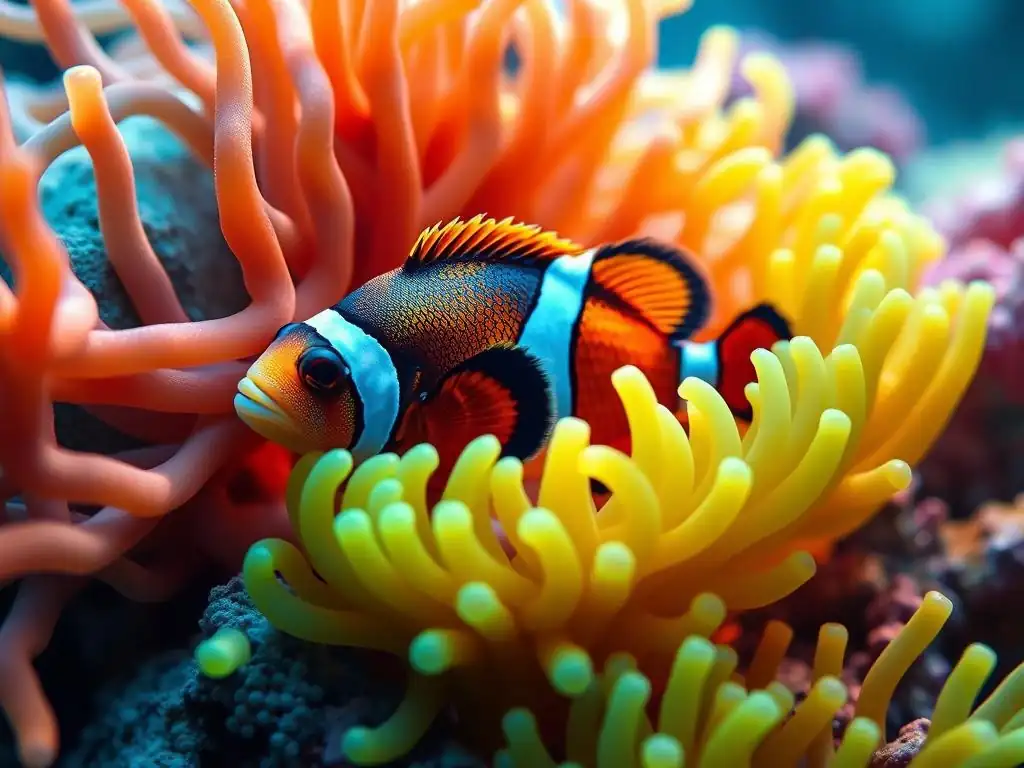
Choosing Tank Mates that Thrive in Similar Water Flow Conditions
When planning a community reef aquarium, it is crucial to select tank mates that share similar water flow preferences with your chosen reef wrasse species. Introducing fish or corals with vastly different flow requirements can create a challenging environment where one or more inhabitants will struggle. For example, if you have a high-flow loving Scott's Fairy Wrasse and SPS corals that thrive in turbulent conditions, adding a sensitive, low-flow LPS coral or a timid Mandarin Dragonet (which prefers very calm water) would create an internal conflict within the tank's ecosystem.
Conversely, pairing tank mates with complementary reef wrasse water flow needs ensures that all inhabitants can thrive without undue stress. A tank designed for robust circulation, suitable for active Fairy Wrasses, would also be ideal for other high-flow demanding species like certain Tangs (e.g., Yellow Tangs) or SPS corals (e.g., Acropora species). Similarly, a calmer tank setup, perfect for a delicate Leopard Wrasse, would be more suitable for docile gobies, Cardinalfish, and LPS corals such as Euphyllia. Thoughtful selection prevents stress, promotes natural behaviors, and contributes to a more harmonious and stable aquarium environment.
Avoiding Competition for Resources in High and Low Flow Zones
Variations in water flow within an aquarium can inadvertently create "microclimates" or distinct zones that influence how tank mates interact and compete for resources. In tanks with strong overall reef wrasse water flow, aggressive or faster-swimming feeders might dominate the higher-current areas, quickly consuming food before it reaches shy or slower-moving wrasses that prefer calmer zones. This can lead to nutritional deficiencies for the less competitive fish, even if overall food levels are adequate, causing stress and health decline over time.
To mitigate this, aquarists can employ strategies that ensure equitable access to resources. For instance, turning off powerheads briefly during feeding can allow food to settle more evenly, making it accessible to all inhabitants regardless of their preferred flow zone.
Alternatively, using targeted feeding methods for specific fish (e.g., using a pipette to deliver food directly to a Leopard Wrasse in its calmer area) can ensure shy wrasses receive their share. Designing the aquascape with varied flow zones in mind, providing ample hiding spots in calmer areas, and ensuring multiple feeding points can help reduce competition and create a more balanced ecosystem where all reef wrasse tank mates can thrive.
Ensuring a Balanced Ecosystem with Appropriate Water Flow Dynamics
Ultimately, establishing appropriate water flow dynamics is not just about the individual health of your reef wrasses but about fostering a balanced and resilient ecosystem within your aquarium. Water flow acts as the lifeblood of the reef tank, influencing everything from oxygen levels and waste removal to nutrient cycling and coral growth. When the water flow is thoughtfully designed to meet the collective needs of all inhabitants, it promotes natural behaviors, reduces stress, and minimizes environmental imbalances.
A well-circulated tank prevents detritus buildup, which in turn reduces nutrient spikes and the proliferation of nuisance algae. It also ensures that beneficial bacteria, both in the water column and on surfaces, receive adequate oxygen and substrate to thrive. For reef wrasses, this translates to a cleaner, more oxygenated environment where they can exhibit their full range of natural behaviors, from active foraging to intricate courtship displays. By prioritizing and meticulously managing reef wrasse water flow, aquarists lay a fundamental groundwork for a vibrant, healthy, and self-sustaining reef aquarium that will flourish for years to come.
Troubleshooting Water Flow Issues in Reef Wrasse Aquariums
One of the most common and frustrating issues stemming from poor reef wrasse water flow is the proliferation of nuisance algae blooms. Stagnant areas within the aquarium, where water movement is insufficient, act as traps for detritus, uneaten food, and fish waste. As these organic materials decompose, they release an excess of nutrients, primarily nitrates and phosphates, directly into the water column. These elevated nutrient levels provide a perfect feeding ground for various types of algae, including unsightly cyanobacteria (red slime algae) and hair algae, which can quickly overrun the tank, suffocating corals and diminishing the aesthetic appeal.
Addressing these algae blooms requires a multi-pronged approach that begins with correcting the underlying water flow issues. Solutions include:
- Increasing Overall Flow: Add more powerheads or upgrade existing ones to ensure higher tank turnover.
- Targeting Dead Spots: Reposition powerheads to direct flow into previously stagnant areas, stirring up settled detritus so it can be removed by mechanical filtration.
- Utilizing Wavemakers: Employ wavemakers with oscillating or random flow patterns to create dynamic currents that prevent detritus from settling.
- Manual Removal: While improving flow, manually siphon out accumulated detritus and physically remove algae. By improving reef wrasse water flow, you reduce nutrient accumulation, which is key to starving out nuisance algae and restoring ecological balance.
Resolving Issues with Detritus Accumulation
Detritus accumulation, often manifesting as unsightly brown or black sediment on the sandbed, rockwork, and even coral surfaces, is a clear indicator of insufficient reef wrasse water flow. This organic waste, composed of fish waste, uneaten food, and decaying plant matter, not only looks unappealing but also contributes significantly to nutrient loading within the aquarium. As detritus breaks down, it releases nitrates and phosphates, which can fuel algae growth, reduce water clarity, and, in severe cases, lower dissolved oxygen levels, stressing reef wrasses and other inhabitants.
Resolving detritus accumulation requires a proactive approach to water movement. Begin by thoroughly cleaning powerheads and pumps, as calcium buildup or debris can significantly reduce their output. Next, adjust the angles and positions of your powerheads to ensure that all areas of the tank, particularly those prone to accumulation (e.g., behind large rock structures, in corners, or under overhangs), receive adequate current.
The goal is to keep detritus suspended in the water column long enough for it to be drawn into the mechanical filtration (e.g., filter socks). For persistent problem areas, a small, adjustable powerhead can be strategically placed to create a targeted "stirring" current. Regular manual siphoning during water changes should also be maintained to remove any detritus that still settles, ensuring a clean and healthy environment for your reef wrasse.
Diagnosing and Correcting Water Flow Problems: A Step-by-Step Approach.
Diagnosing and correcting water flow problems in a reef wrasse aquarium requires a systematic approach. Start by observing your wrasses' behavior: are they listless, breathing rapidly, or constantly hiding? These can be signs of insufficient oxygen or overwhelming currents. Next, visually inspect the tank for signs of detritus accumulation on the sandbed or rockwork, which points to dead spots. A simple test involves squirting a small amount of food or fine detritus into various areas of the tank with a turkey baster; if it doesn't disperse quickly, that area has poor flow.
Once potential issues are identified, corrective actions can be taken:
- Clean Powerheads: Calcium buildup or debris can significantly reduce pump efficiency. Regularly clean impellers and housings.
- Reposition Existing Powerheads: Experiment with different angles and heights. Aiming powerheads off the back glass or towards the surface can create more diffuse, beneficial reef wrasse water flow.
- Adjust Settings: If using adjustable powerheads or wavemakers, try increasing or decreasing their intensity or changing wave patterns.
- Add More Flow: If existing equipment is insufficient, consider adding a new powerhead. Choose one appropriate for your tank size and the specific wrasse flow needs.
- Re-aquascape: Sometimes, rockwork can block flow. Minor adjustments to rock placement can open up channels for better circulation.
After making adjustments, continuously monitor your wrasses' behavior and the tank's cleanliness. The goal is to achieve a balance where wrasses are active, detritus is minimal, and water quality remains pristine, ensuring optimal reef wrasse water flow for a thriving aquarium.
Frequently Asked Questions
How important is water flow for Reef Wrasses in a reef aquarium?
Water flow is absolutely essential for the health of Reef Wrasses. It provides them with oxygenated water, carries away waste, and delivers food particles. Inadequate flow can lead to stress and illness.
What type of water flow is generally best for most Reef Wrasse species?
Most Reef Wrasses thrive in moderate to strong water flow. This mimics their natural habitat on the reef and allows them to actively hunt for food. However, avoid extremely turbulent flow which can exhaust them.
How does water flow influence the coloration and activity levels of Reef Wrasses?
Proper water flow contributes to vibrant coloration and increased activity. Stronger flow often encourages more natural behaviors, like hunting, and helps maintain good health and overall well-being.
Can different types of Reef Wrasses have different water flow requirements?
Yes, different species have varying needs. Smaller, more delicate wrasses may prefer gentler flow, while larger, more active species require stronger currents. Research specific species before introducing them to your tank.
What are some signs that the water flow is insufficient or excessive for Reef Wrasses?
Signs of insufficient flow include lethargy, poor coloration, and algae growth. Excessive flow may cause the wrasse to hide constantly or struggle to swim. Observe your wrasse's behavior carefully.
Okay, here's a final reflection crafted to fit your article "Optimal Water Flow Dynamics for Different Types of Reef Wrasses," targeting the keyword "Reef wrasse water flow needs," and adhering to the structure you provided:
Final Reflection: The Undulating Currents of Reef Wrasse Life
The intricacies of reef ecosystems are often hidden in plain sight, but as we've explored, understanding the specific water flow needs of reef wrasses is crucial for their survival and the health of the entire reef system. The delicate balance between current strength and species-specific adaptations highlights the importance of informed aquarium management and conservation efforts in the wild.
This exploration has underscored how deeply intertwined the lives of these vibrant fish are with the subtle, yet powerful, forces of water movement. It's a reminder that even seemingly minor environmental factors can have profound impacts on biodiversity. As Jacques Cousteau once said, The sea, once it casts its spell, holds one in its net of wonder forever.
This holds true for the delicate dance between reef wrasses and their aquatic environment.
Now, consider the implications of this knowledge. What small changes can you make, whether in your own aquarium or in your support for conservation initiatives, to better respect and protect the "Reef wrasse water flow needs"? Let us all strive to be mindful stewards of these underwater worlds, ensuring that future generations can marvel at the beauty and complexity of reef ecosystems.
Dive Deeper into Reef Wrasse Wellbeing!
Thank you for exploring the fascinating world of reef wrasse water flow! Now that you understand the nuances of their preferred aquatic environment, it's time to take action and enhance their lives. Here's how:
- Fine-tune your reef tank's water flow based on the specific reef wrasse species you keep. Observe their behavior and adjust circulation patterns accordingly. This is your primary mission!
- Experiment with creating diverse flow zones within your aquarium. Introduce wave makers or powerheads on timers to mimic natural tidal fluctuations.
- Share this article with fellow reef enthusiasts who are passionate about creating optimal habitats for their aquatic inhabitants!
Ready to redesign your reef and witness the vibrant activity of truly happy reef wrasses?