
Brittle & Serpent Stars: Beneficial Detritivores for Your Reef System

Welcome to Aquarium Mastery!
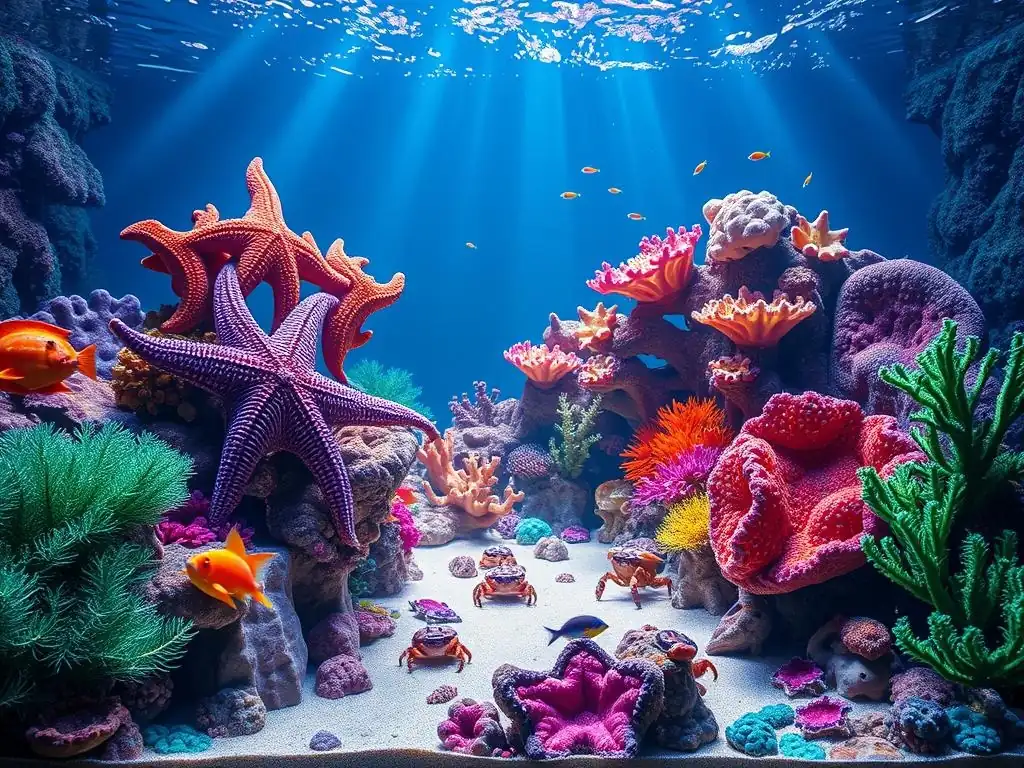
Ever wondered how to keep your reef tank sparkling clean naturally? Dive in and discover the fascinating world of Reef Tank Detritivore Stars! These often-overlooked invertebrates are unsung heroes, playing a vital role in maintaining a healthy and vibrant ecosystem. Let's explore how brittle and serpent stars can be the perfect cleanup crew for your saltwater paradise, and what you need to know to keep them thriving. Prepare to be amazed!
- Understanding Reef Tank Detritivores: The Role of Stars
- Brittle Stars in Reef Aquariums: A Detailed Look
- Serpent Stars in Reef Aquariums: An In-Depth Guide
- Choosing the Right Reef Tank Detritivore Star: Brittle vs. Serpent
- Maintaining a Healthy Population of Reef Tank Detritivore Stars
- Troubleshooting Common Issues with Reef Tank Detritivore Stars
-
Frequently Asked Questions
- What are detritivore stars, and why are they beneficial in a reef tank?
- What's the difference between brittle stars and serpent stars, and which is better for a reef tank?
- How many detritivore stars should I add to my reef tank?
- What do detritivore stars eat besides detritus?
- Are there any potential downsides to keeping detritivore stars in a reef tank?
- Final Reflection: The Unseen Architects of Reef Health
- Unleash the Cleaning Power of Brittle & Serpent Stars!
Understanding Reef Tank Detritivores: The Role of Stars
What are Reef Tank Detritivores? Cleaning Crew Essentials
Reef tank detritivores are an essential component of any thriving marine aquarium ecosystem. These organisms specialize in consuming and breaking down decaying organic matter, such as uneaten food, fish waste, and dead plant material. By doing so, they play a crucial role in the natural nitrogen cycle, preventing the buildup of harmful nitrates and phosphates, which can lead to unsightly algae blooms and stress on corals and fish.
Beyond their direct consumption of waste, these cleaning crew members contribute to overall water quality and tank hygiene. They aerate the substrate as they burrow and forage, preventing the formation of anaerobic pockets that can release toxic hydrogen sulfide. A diverse team of reef tank detritivore stars, along with snails, crabs, and other scavengers, ensures that waste is efficiently processed, maintaining a cleaner, healthier, and more stable environment for all inhabitants.
Brittle Stars and Serpent Stars: Key Differences and Similarities
While both brittle stars and serpent stars belong to the class Ophiuroidea within the phylum Echinodermata, sharing a common ancestor with sea stars (Asteroidea), they possess distinct characteristics. Brittle stars ( Ophiuroids) typically have slender, spiny arms that are clearly demarcated from a relatively small central disc. Their arms are highly flexible and often used for rapid, snake-like locomotion, allowing them to quickly scuttle across the substrate or live rock. Many species are nocturnal and prefer to hide within the rockwork during the day.
Serpent stars, on the other hand, generally feature smoother, less spiny arms that blend more seamlessly into their central disc. Their movement is often more deliberate, and while they are also excellent scavengers, some species are known to extend their arms into the water column to capture suspended particles. Both types of reef tank detritivore stars share the fundamental role of scavenging uneaten food and detritus, making them invaluable members of the aquarium's clean-up crew. Despite their differences in appearance and locomotion, their shared dietary habits make them highly effective waste managers in a reef system.
Brittle Stars in Reef Aquariums: A Detailed Look
Brittle Star Species Suitable for Reef Tanks
When considering brittle stars for a reef aquarium, selecting reef-safe species is paramount to ensure the well-being of corals and other invertebrates. Among the most popular and beneficial choices are the Banded Brittle Star ( Ophiocoma echinata), which typically has a disc size of 1 to 2 inches and an arm span reaching up to 8-10 inches, and various smaller, often self-propagating species like the Common Brittle Star ( Ophiothrix fragilis). These smaller species are excellent micro-detritivores, often remaining hidden within the live rock and reaching arm spans of only a few inches.
It is crucial to exercise caution with certain larger species, such as the Green Brittle Star ( Ophiarachna incrassata), which can grow quite large—with arm spans potentially exceeding 12 inches. While these are also reef tank detritivore stars, they can be opportunistic predators, especially when hungry, posing a risk to small fish, shrimp, or snails. For most reef aquarists, focusing on the smaller, non-predatory varieties ensures maximum benefit without potential harm to tank inhabitants.
Benefits of Brittle Stars as Reef Cleaners
Brittle stars are exceptionally efficient reef cleaners, playing a significant role in maintaining a pristine and stable reef environment. Their primary benefit lies in their voracious appetite for detritus, including uneaten fish food, fish waste, and decaying organic matter that settles in crevices and under rocks. A single medium-sized brittle star in a 50-gallon reef tank can process several grams of organic waste per week, significantly reducing the bioload and mitigating the accumulation of nitrates and phosphates.
Furthermore, their constant foraging and burrowing activities contribute to the aeration of the sand bed, preventing the formation of anaerobic pockets that can release harmful gases like hydrogen sulfide. This natural "tilling" action helps to keep the substrate healthy and prevents the buildup of nuisance algae. Unlike some other cleaning crew members, brittle stars contribute a relatively low bioload themselves, meaning they don't significantly add to the tank's waste output while actively removing it, making them highly effective reef tank detritivore stars.
Diet and Feeding Habits of Brittle Stars in Captivity
In a captive reef environment, brittle stars primarily sustain themselves by scavenging on detritus and any uneaten food particles that fall to the substrate. Their highly agile arms, often covered in sensory tube feet, allow them to detect and retrieve food from various hiding spots within the live rock and sand bed. They are primarily nocturnal, often emerging from their hiding places at night to forage across the aquarium.
While they can subsist on naturally occurring detritus in a well-fed tank, supplemental feeding may be necessary, especially in larger or lightly stocked systems where natural food sources are scarce. Aquarists can offer small sinking pellets, finely chopped frozen foods like mysis shrimp, brine shrimp, or silversides, once or twice a week. It's best to place the food near their hiding spots or directly on the substrate during evening hours to ensure they receive adequate nutrition. Ensuring a consistent food supply prevents them from becoming overly stressed or, in the case of larger species, opportunistically predatory.
Brittle Star Care: Water Parameters and Tank Compatibility
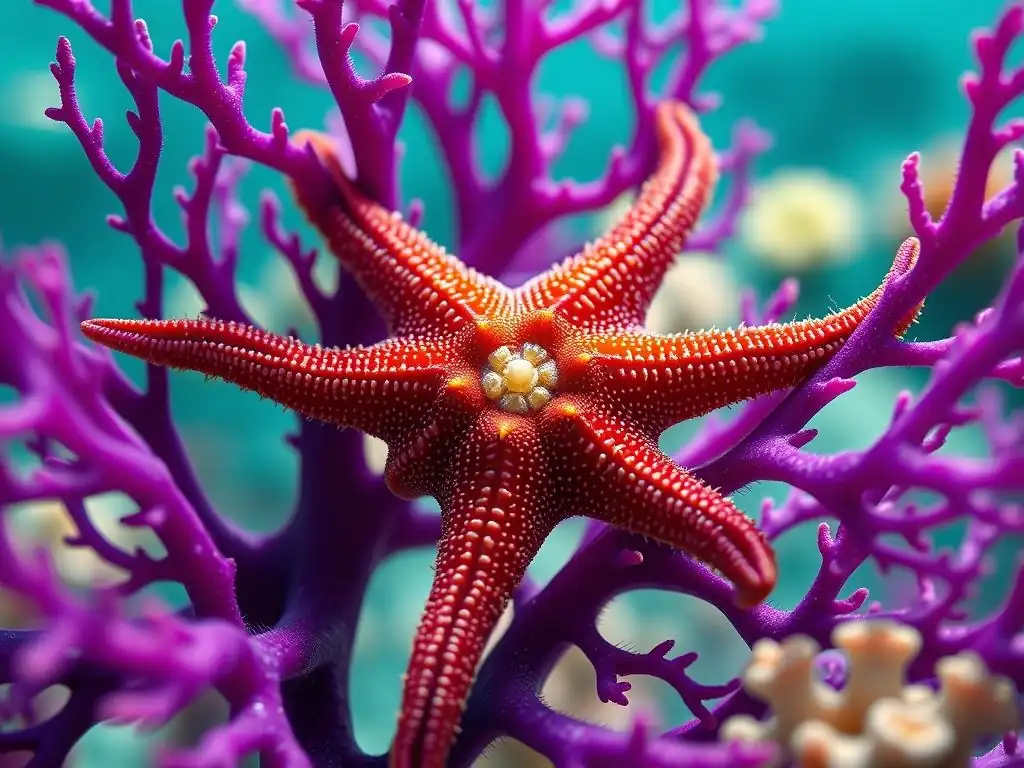
Maintaining optimal water parameters is crucial for the health and longevity of brittle stars in a reef aquarium. They thrive in stable marine conditions typical for reef tanks: salinity between 1.023 and 1.026 specific gravity, a temperature range of 72-78°F (22-26°C), pH levels between 8.1 and 8.4, alkalinity between 8-12 dKH, calcium levels between 400-450 ppm, and magnesium between 1200-1350 ppm. Sudden fluctuations in these parameters can be highly stressful and potentially fatal for these echinoderms.
In terms of tank compatibility, most common brittle star species are considered reef-safe and generally peaceful with corals, other invertebrates, and fish. They will not harm corals, clams, or anemones. However, as noted, very large species like the Green Brittle Star ( Ophiarachna incrassata) can pose a risk to small, slow-moving, or sleeping fish (e.g., small gobies, cardinalfish) or small ornamental shrimp, especially if underfed. Providing ample live rock with plenty of crevices and hiding spots is essential for their well-being and allows them to perform their role as reef tank detritivore stars effectively.
Potential Problems: Brittle Star Predation and Behavior Issues
While generally beneficial, brittle stars can occasionally present challenges in a reef aquarium. The most significant concern is potential predation, primarily from larger, more robust species like the Green Brittle Star. Instances have been documented where an underfed Green Brittle Star, with an arm span of 10-12 inches, has ambushed and consumed small fish like a sleeping clownfish or a small cleaner shrimp. This opportunistic behavior underscores the importance of proper species identification and adequate supplemental feeding for these larger variants.
Another common observation is their tendency to remain hidden during the day, making them less visible members of the cleaning crew. While not a problem, it can lead aquarists to believe they are not active. Brittle stars are also known for their ability to regenerate lost arms, a natural defense mechanism. While impressive, frequent arm loss can indicate stress, poor water quality, or aggression from tank mates. Monitoring their activity and overall appearance can provide clues to their health and the tank's conditions, ensuring they continue their valuable function as reef tank detritivore stars.
Serpent Stars in Reef Aquariums: An In-Depth Guide
Serpent Star Varieties for the Reef Environment
Serpent stars, closely related to brittle stars, offer another excellent option for reef tank detritivore stars. Several varieties are commonly available and well-suited for the reef environment, known for their generally smoother arms and robust nature. Popular choices include the Red Serpent Star ( Ophioderma rubicundum), admired for its vibrant coloration, and various species within the Ophiolepis genus, often referred to as Banded Serpent Stars. These species typically grow to an arm span of 5-10 inches, making them visible yet manageable additions to most reef tanks.
Some species, such as the Giant Serpent Star ( Ophioderma appressum), can reach impressive sizes, with arm spans sometimes exceeding 15-20 inches in very large systems. Unlike some brittle stars, most serpent stars are considered less prone to opportunistic predation on fish or other invertebrates, making them a safer choice for mixed reef tanks. Their diverse appearances, from earthy tones to striking patterns, also add aesthetic interest to the aquarium while they diligently perform their cleaning duties.
The Benefits of Serpent Stars as Reef Tank Detritivores
Serpent stars are highly effective scavengers and contribute significantly to the cleanliness and health of a reef aquarium. Their agile arms allow them to navigate complex live rock structures and reach into tight crevices, consuming detritus, uneaten food, and decaying organic matter that other clean-up crew members might miss. This thorough scavenging helps to prevent the accumulation of waste, which is a primary source of nitrates and phosphates in a closed system.
Studies and anecdotal evidence suggest that a small serpent star in a 30-gallon tank can process up to 5 grams of organic waste weekly, translating to a noticeable reduction in detritus buildup and potentially contributing to a 5-10 ppm decrease in nitrate levels over a month in a moderately fed tank. Their continuous foraging also helps to keep the sand bed clean and aerated.
Furthermore, most serpent star species are less likely to be predatory than some larger brittle star counterparts, making them a very safe and reliable choice for maintaining a balanced reef ecosystem as dedicated reef tank detritivore stars.
Feeding Serpent Stars: Ensuring Optimal Health
In a well-established reef aquarium with a healthy bioload, serpent stars can largely sustain themselves by scavenging on the naturally occurring detritus and any uneaten food that settles on the substrate or within the rockwork. They are highly efficient at detecting and consuming these organic particles, often extending their arms to "feel" for food in their vicinity. Their nocturnal nature means they are most active during the night, diligently cleaning the tank while other inhabitants rest.
However, in tanks with very low bioloads or exceptionally efficient filtration, supplemental feeding may be necessary to ensure their long-term health. Aquarists can offer small, sinking pellets, finely chopped frozen foods such as mysis shrimp, brine shrimp, or small pieces of silverside. These foods can be dropped near their known hiding spots or in areas where they are frequently observed, typically 2-3 times a week. This supplemental feeding ensures they receive adequate nutrition without relying solely on the tank's detritus, preventing starvation and maintaining their vitality as reef tank detritivore stars.
Serpent Star Husbandry: Maintaining a Healthy Reef Ecosystem
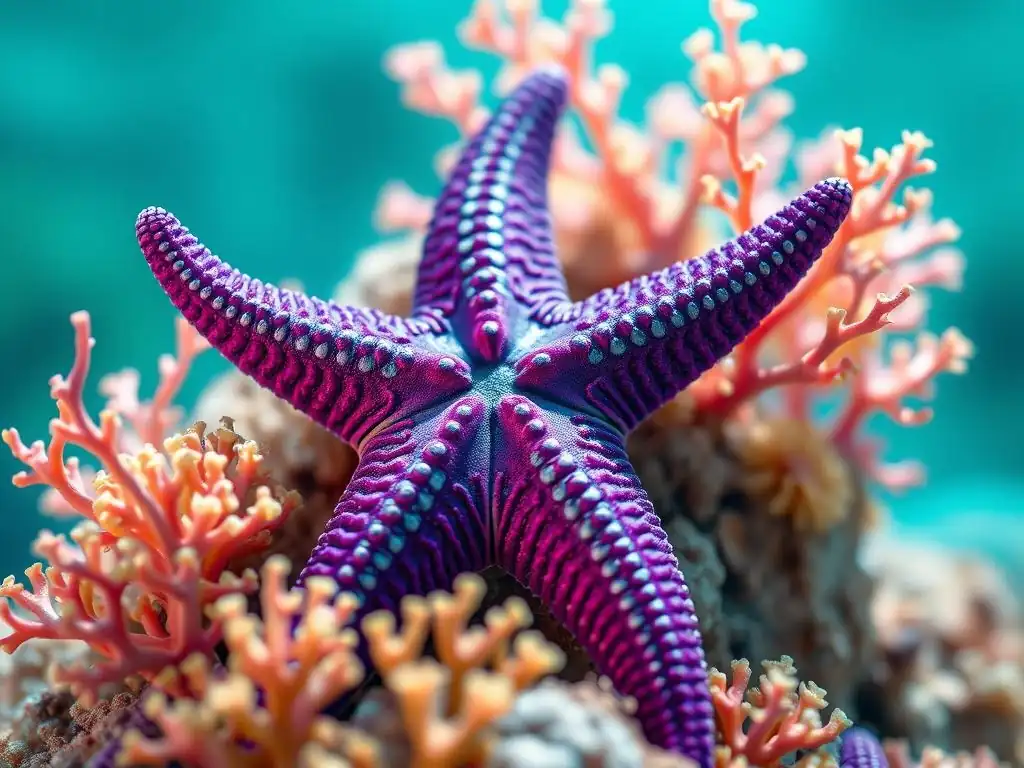
Successful husbandry of serpent stars involves providing stable water parameters and a suitable environment. Like other marine invertebrates, they require consistent water quality: salinity between 1.023 and 1.026 SG, temperatures ranging from 72-78°F (22-26°C), pH levels of 8.1-8.4, alkalinity of 8-12 dKH, calcium between 400-450 ppm, and magnesium between 1200-1350 ppm. They are particularly sensitive to sudden changes in salinity and pH, making slow drip acclimation over 1-2 hours absolutely essential when introducing them to a new system.
A healthy reef ecosystem for serpent stars includes ample live rock with numerous crevices and caves for hiding, as well as a sand bed where they can forage. They are generally compatible with most reef inhabitants, including corals, other invertebrates, and fish, as long as the fish are not known predators of echinoderms. Their robust nature and diligent scavenging make them a valuable, low-maintenance addition to the clean-up crew, aiding in the overall health and stability of the reef tank as effective reef tank detritivore stars.
Understanding Serpent Star Behavior: Identifying Potential Problems
Serpent stars exhibit several behaviors that are normal for the species but can sometimes be misinterpreted. Like brittle stars, they are predominantly nocturnal, often remaining hidden within the live rock during daylight hours. This reclusiveness is natural and does not necessarily indicate a problem. Aquarists often only catch glimpses of their arms reaching out from the rockwork or observe them actively scavenging after the lights are off.
While generally hardy, signs of stress or illness in serpent stars include prolonged immobility, a shrunken or deflated central disc, and frequent or rapid arm loss. Although arm regeneration is a natural process for echinoderms, excessive or continuous arm loss can signal poor water quality, insufficient food, or aggression from tank mates. Large predatory fish, such as certain triggerfish or puffers, might view serpent stars as a food source, leading to injury or consumption. Observing your reef tank detritivore stars for these behavioral cues and physical changes is vital for early intervention and maintaining a healthy population.
Choosing the Right Reef Tank Detritivore Star: Brittle vs. Serpent
Assessing Your Reef Tank's Needs: Detritus Levels and Waste Management
The first step in selecting the ideal reef tank detritivore stars is to thoroughly assess your aquarium's specific needs regarding detritus accumulation and overall waste management. Observe areas where uneaten food, fish waste, or decaying organic matter tends to settle. If detritus builds up quickly in open sand areas, fast-moving serpent stars might be highly effective. Conversely, if waste accumulates deeply within the live rock structure or in hard-to-reach crevices, the more agile and often smaller brittle stars could be more beneficial due to their ability to navigate complex environments.
Consider your tank's bioload and feeding habits. A heavily stocked tank with frequent feeding will naturally generate more waste, potentially requiring a larger or more diverse population of these scavengers. For instance, a 100-gallon reef tank with several large fish might benefit from a combination of 3-4 serpent stars and a few smaller brittle stars to cover all areas. Understanding your tank's unique "hot spots" for detritus will guide you in choosing the star type that best addresses those specific waste management challenges.
Considering Tank Size and Compatibility with Other Inhabitants
Tank size plays a crucial role in determining the appropriate number and type of reef tank detritivore stars to introduce. In smaller nano-reef tanks (e.g., 10-30 gallons), even a single medium-sized brittle or serpent star might be sufficient, or perhaps a few of the smaller, self-propagating micro brittle stars. For larger systems (e.g., 75 gallons and above), a small group of 2-4 individuals of appropriate size can be effectively employed to cover the expansive area. Overstocking with stars can lead to starvation if natural detritus levels are insufficient, necessitating more frequent supplemental feeding.
Compatibility with existing tank inhabitants is equally critical. While most brittle and serpent stars are reef-safe, certain fish species are known predators of echinoderms. Harlequin Shrimp ( Hymenocera picta), for example, are specialized starfish eaters and will actively hunt and consume any brittle or serpent stars. Large triggerfish, puffers, and certain wrasses may also view them as a food source. Always research the compatibility of your current livestock before introducing new reef tank detritivore stars to ensure their safety and longevity within your system.
Reef-Safe Star Selection: Preventing Coral and Invertebrate Harm
The term "reef-safe" is paramount when choosing any invertebrate for a coral-dominated aquarium, and reef tank detritivore stars are no exception. While the majority of common brittle and serpent stars are indeed safe for corals, clams, and other sessile invertebrates, careful species identification is crucial. As previously mentioned, the Green Brittle Star ( Ophiarachna incrassata) is a notable exception; despite being an excellent detritivore, its size and opportunistic predatory nature make it a risk to small fish and shrimp in a typical reef setting.
Always purchase from reputable suppliers who can accurately identify the species. Avoid any stars that are sold without a specific species name or with vague descriptions. The goal is to select stars that will diligently perform their scavenging duties without posing any threat to your valuable corals or other delicate invertebrates. By prioritizing truly reef-safe species, you ensure that your chosen reef tank detritivore stars become a valuable asset to your ecosystem, not a potential liability.
Maintaining a Healthy Population of Reef Tank Detritivore Stars
Water Quality and the Importance of Stable Parameters
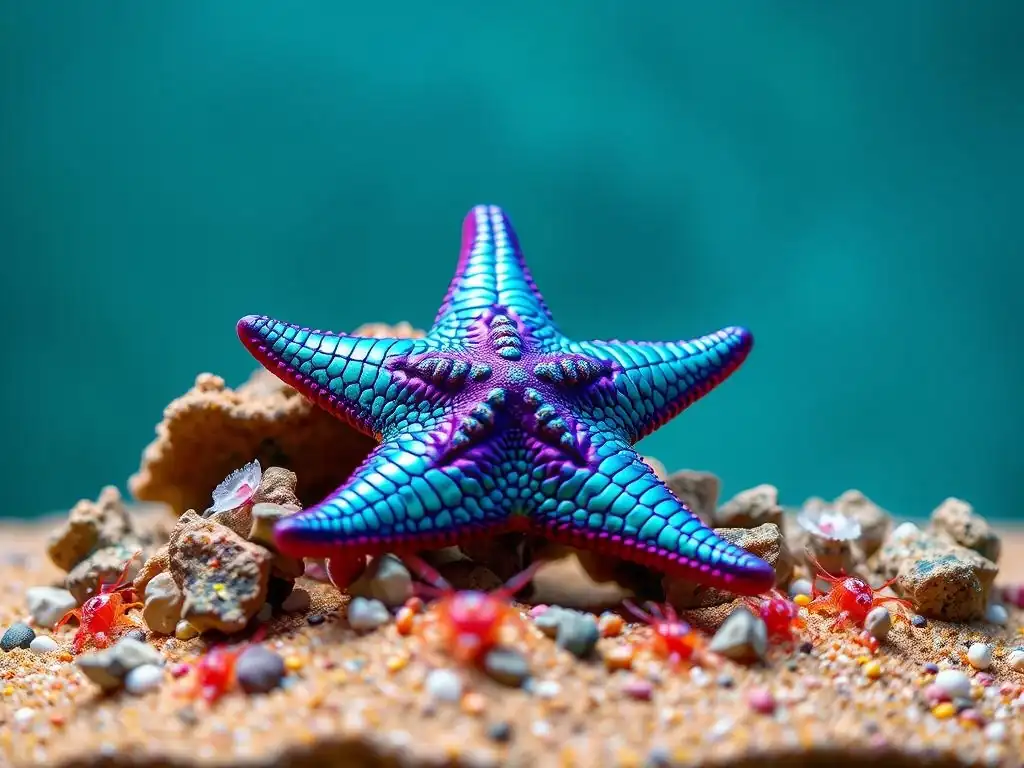
Maintaining pristine and stable water quality is paramount for the long-term health and survival of reef tank detritivore stars. Brittle and serpent stars, like all echinoderms, are highly sensitive to sudden fluctuations in water parameters. Rapid changes in salinity, temperature, or pH can induce severe stress, leading to lethargy, arm loss, and ultimately, mortality. Consistent parameters within the ideal ranges (salinity 1.023-1.026 SG, temperature 72-78°F, pH 8.1-8.4, alkalinity 8-12 dKH, calcium 400-450 ppm, magnesium 1200-1350 ppm) are essential.
Regular water changes, typically 10-20% bi-weekly, help replenish trace elements and dilute accumulated nitrates and phosphates, contributing to overall water stability. Ensuring robust filtration, including protein skimming, also plays a critical role in removing dissolved organic compounds before they can degrade water quality. A well-maintained and stable environment minimizes stress on these valuable reef tank detritivore stars, allowing them to thrive and efficiently perform their cleaning duties.
Providing Adequate Food Sources for Brittle and Serpent Stars
While brittle and serpent stars are highly efficient detritivores, their food supply in a captive reef tank can sometimes be insufficient, especially in tanks with low bioloads or very effective filtration. A healthy population of reef tank detritivore stars requires a consistent source of organic matter. If you notice your stars becoming less active, appearing shrunken, or frequently losing arms without regeneration, it could be a sign of starvation.
To ensure they receive adequate nutrition, supplemental feeding is often beneficial. This can include dropping small, sinking pellets, finely chopped frozen mysis shrimp, brine shrimp, or small pieces of seafood (e.g., silverside, shrimp) onto the substrate near their hiding spots a few times a week, particularly after the main tank lights are off. It's important to balance supplemental feeding to avoid overfeeding the entire tank, which could lead to other water quality issues. A well-fed star population will be more active and effective in keeping your tank clean.
Preventing Overpopulation: Monitoring Star Density
While the larger brittle and serpent stars (those typically purchased) are unlikely to overpopulate a reef tank due to their slower reproductive rates in captivity, smaller, often hitchhiking "micro brittle stars" can sometimes proliferate rapidly. These tiny, typically brown or grey stars, often with arm spans of less than an inch, are prolific breeders and can multiply quickly if conditions are favorable, particularly if there's an abundance of available food.
Monitoring the density of these smaller reef tank detritivore stars is important. A sudden explosion in their population might indicate overfeeding the tank as a whole, providing an excessive food source for them. While generally harmless and beneficial, an extreme overpopulation could potentially compete for resources or indicate an underlying imbalance in the ecosystem. If numbers become overwhelming, reducing the amount of food introduced into the tank or introducing a known predator (e.g., certain wrasse species, though research compatibility carefully) might be considered, though manual removal is often the most direct method.
Quarantine Procedures: Introducing New Stars to Your Reef Tank
Implementing a strict quarantine procedure for all new additions, including reef tank detritivore stars, is a crucial step in preventing the introduction of diseases, parasites, or unwanted pests into your established reef system. While starfish are not typically vectors for common fish diseases like marine ich ( Cryptocaryon irritans), they can carry other less common parasites or bacteria that could stress or harm other invertebrates or even the stars themselves.
A quarantine period of at least 2-4 weeks in a separate tank is highly recommended. During this time, the new star should be drip-acclimated very slowly to the quarantine tank's water parameters, which should match the main display tank. Observe the star closely for any signs of disease, stress, or unusual behavior. Ensure the quarantine tank has appropriate hiding spots and stable water quality. This proactive measure significantly reduces the risk of introducing problems into your main display, safeguarding the health of your entire reef ecosystem.
Troubleshooting Common Issues with Reef Tank Detritivore Stars
Identifying Signs of Stress or Disease in Brittle and Serpent Stars
Early identification of stress or disease is crucial for the well-being of your reef tank detritivore stars. One of the most common indicators of distress is frequent or rapid arm loss. While regeneration is natural, continuous shedding of arms or a star that appears to be "melting" suggests severe underlying issues, often related to poor water quality or extreme stress. Another critical sign is lethargy or prolonged immobility; a healthy star will typically show some movement or arm extension, especially when food is present or lights are off.
Physical changes such as a shrunken or deflated central disc are often indicative of starvation or severe internal issues. Discoloration, white patches, or unusual growths on the arms or disc can point to bacterial infections or fungal issues, though these are less common in well-maintained systems. Observing these subtle cues in your brittle and serpent stars allows for prompt investigation into water parameters, feeding regimens, or potential aggression from tank mates, enabling quicker intervention.
Addressing Starfish Diseases: Prevention and Treatment
Treating diseases in echinoderms like brittle and serpent stars is notoriously challenging, and often, prevention is the only truly effective strategy. The cornerstone of disease prevention lies in maintaining consistently pristine water quality and stable parameters within the recommended ranges (salinity, temperature, pH, alkalinity, calcium, magnesium). Sudden fluctuations or prolonged exposure to suboptimal conditions are primary stressors that weaken their immune systems, making them susceptible to opportunistic infections.
Ensuring adequate nutrition is also vital; underfed stars are stressed stars. If a star does exhibit signs of disease, isolation in a separate quarantine tank with ideal parameters is the first step. Unfortunately, there are few effective medications for starfish, and many treatments for fish can be harmful to invertebrates. Often, if a star is severely ill and not recovering, humane euthanasia (e.g., placing it in a cold freshwater bath) may be the most compassionate option to prevent further suffering and avoid potential water quality degradation from a decaying animal in the main display.
Dealing with Predatory Fish or Invertebrates
Despite their often spiny or armored appearance, reef tank detritivore stars can fall victim to predation from certain tank inhabitants. It's essential to observe your aquarium's inhabitants for any signs of aggression towards your brittle or serpent stars. Common culprits include specialized starfish predators like the Harlequin Shrimp ( Hymenocera picta), which are specifically known to consume starfish, often starting with their arms. Larger, more aggressive fish such as certain triggerfish species (e.g., Undulated Triggerfish), puffers, and some large wrasses (e.g., Coris Wrasse) may also view stars as a food source, particularly if they are underfed themselves.
If you identify a tank mate consistently harassing or consuming your stars, the most effective solution is often the removal of the predator from the reef system. Prevention is key; thoroughly research the compatibility of all potential tank inhabitants before introducing them. Choosing tank mates known to be reef-safe and non-aggressive towards echinoderms will significantly increase the chances of your reef tank detritivore stars thriving and continuing their beneficial work in your aquarium.
Frequently Asked Questions
What are detritivore stars, and why are they beneficial in a reef tank?
Detritivore stars, such as brittle and serpent stars, are reef-safe invertebrates that consume detritus. This detritus includes uneaten food, decaying organic matter, and waste products. By consuming this material, they help maintain water quality and reduce the buildup of unwanted nutrients.
What's the difference between brittle stars and serpent stars, and which is better for a reef tank?
While both are detritivores, brittle stars have thinner, spiny arms and tend to be more secretive, hiding under rocks. Serpent stars have smoother, more flexible arms and are often more visible. Both are beneficial, but serpent stars are generally considered less likely to prey on small invertebrates.
How many detritivore stars should I add to my reef tank?
The number of stars depends on your tank size and the amount of detritus produced. Start with one or two small stars per 30 gallons and observe their impact. Avoid overcrowding, as this can lead to competition for food and potentially negative impacts on water parameters.
What do detritivore stars eat besides detritus?
While detritus is their primary food source, some stars may also consume small invertebrates, algae, or leftover food. It's essential to ensure they have enough food available to prevent them from targeting desirable tank inhabitants.
Are there any potential downsides to keeping detritivore stars in a reef tank?
While generally beneficial, some larger brittle star species can become opportunistic predators, potentially preying on small fish or invertebrates. Additionally, a sudden die-off of a large star can cause a significant ammonia spike, negatively impacting water quality.
Final Reflection: The Unseen Architects of Reef Health
The intricate dance of life within a reef aquarium often hinges on the unseen labor of creatures like brittle and serpent stars, the silent recyclers that diligently maintain balance. Their role as detritivores, consuming waste and preventing harmful build-up, is more crucial than ever as reefkeeping becomes increasingly popular and the responsibility of maintaining these delicate ecosystems falls on more hands. Understanding and appreciating these often-overlooked inhabitants is paramount to ensuring the long-term health and beauty of our miniature underwater worlds.
The impact of these humble stars extends beyond just a clean tank; they represent a deeper connection to the natural world and the delicate balance within it. My own journey into reefkeeping has been profoundly shaped by recognizing the importance of these often-invisible contributors. In nature, nothing exists alone.
- Rachel Carson. This quote perfectly encapsulates the interconnectedness of a reef system, where even the smallest detritivore plays a vital role in the overall health and stability of the environment.
As you consider the vibrant ecosystem you cultivate within your reef tank, remember the brittle and serpent stars, the unsung heroes working tirelessly in the shadows. Let their example inspire you to look beyond the obvious, to appreciate the subtle complexities of nature, and to embrace the responsibility of stewardship that comes with creating and maintaining a thriving reef environment. Consider how you can further support these vital creatures and, in doing so, contribute to a healthier and more sustainable future for your reef and the ocean it mirrors.
Unleash the Cleaning Power of Brittle & Serpent Stars!
Thank you for diving into the world of Brittle and Serpent Stars and learning about their crucial role in a healthy reef ecosystem! Now that you're armed with this knowledge, it's time to take action and create an even thriving aquarium.
Here are a few things you can do next:
- Consider adding a Brittle or Serpent Star to your reef tank to help naturally control detritus buildup. Observe their behavior and ensure they have adequate hiding places and food sources.
- Share this article with fellow reef aquarium enthusiasts to spread awareness about the benefits of these often-overlooked creatures. Collaboration is key to success.
- Research other beneficial invertebrates that can contribute to a balanced and resilient reef ecosystem. The possibilities are endless.
What specific detritivore will you introduce to your tank first and why?