
The Rummy Nose School: A Synchronized Display of Health and Happiness

Welcome to Aquarium Mastery!
Ever wondered how to achieve that mesmerizing, perfectly synchronized swim of a rummy nose tetra school? Unlock the secrets to a thriving and visually stunning aquarium with our detailed guide on rummy nose schooling tips. Dive in to discover the key factors that influence their behavior and learn how to create the ideal environment for these captivating fish to truly flourish. Intrigued? Keep reading to find out how to ensure your rummy noses are not just surviving, but thriving!
- Understanding the Allure of Rummy Nose Tetra Schooling Behavior
- Key Factors Influencing Rummy Nose Tetra Schooling Behavior in Aquariums
- Rummy Nose Schooling Tips: Encouraging a Healthy and Active School
- Identifying and Addressing Issues Affecting Rummy Nose Tetra Schooling
- Advanced Rummy Nose Schooling Observations: Beyond the Basics
-
Frequently Asked Questions
- How many Rummy Nose Tetras are needed for a proper school?
- What are the key indicators that a Rummy Nose Tetra school is healthy and happy?
- What water parameters are crucial for keeping a Rummy Nose Tetra school thriving?
- Besides tank size, what other factors influence the schooling behavior of Rummy Nose Tetras?
- What are some common diseases that can affect Rummy Nose Tetras, and how can they be prevented from impacting the whole school?
- Final Reflection: The Living Symphony of Rummy Noses
- Dive Deeper: Begin Your Own Rummy Nose School!
Understanding the Allure of Rummy Nose Tetra Schooling Behavior
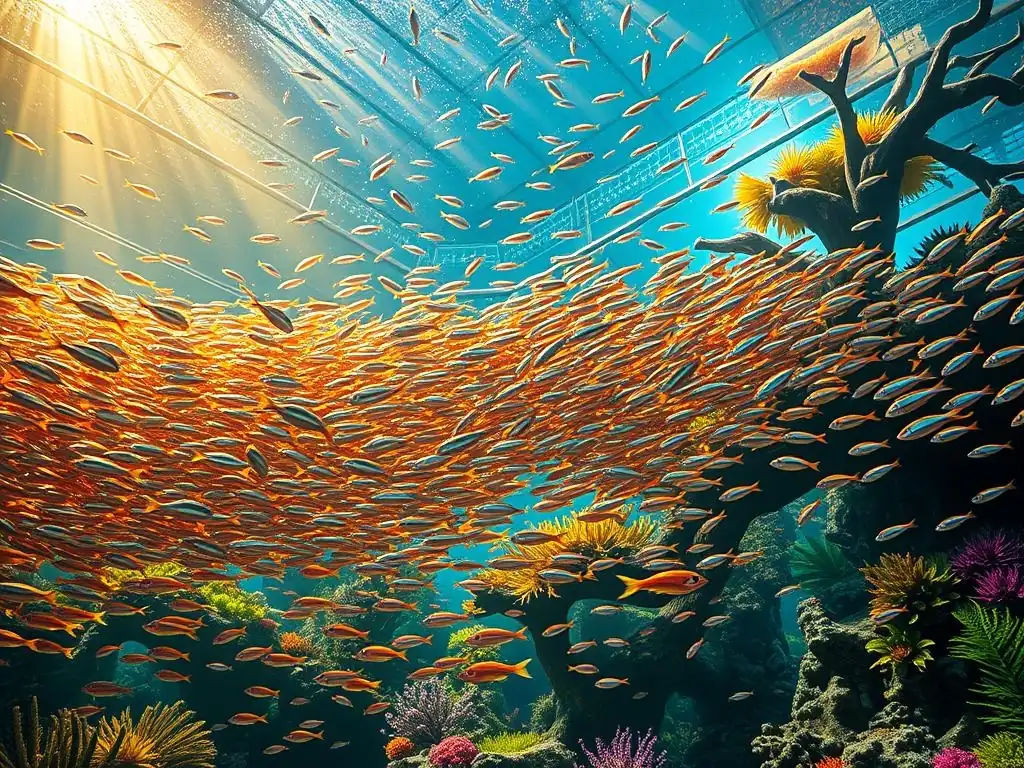
Rummy Nose Tetras (Hemigrammus rhodostomus, Hemigrammus bleheri, and Petitella georgiae) are renowned for their incredibly tight and synchronized schooling behavior, a primary survival mechanism in their natural Amazonian habitats. This instinctual gathering serves as a powerful defense against predators, creating the illusion of a much larger, more formidable organism. By moving as one cohesive unit, individual tetras reduce their chances of being singled out and caught, a concept known as the "dilution effect." This collective movement also makes it harder for predators to focus on a single target within the swirling mass.
Beyond predator evasion, schooling fulfills a crucial social function for Rummy Nose Tetras. Within the safety of the school, these fish establish a sense of community and stability. This social interaction reduces individual stress levels, as each fish feels secure within the group. The constant, synchronized movement is not just for defense; it's also a form of communication, indicating the group's health and well-being. Observing a healthy Rummy Nose school is a clear indicator of a thriving aquarium environment, demonstrating excellent water quality and minimal stress.
The Visual Spectacle: Observing Rummy Nose Tetra Schooling Patterns
The schooling patterns of Rummy Nose Tetras are truly captivating, making them a centerpiece in many freshwater aquariums. Their distinctive red noses and striped bodies become even more prominent as they move in unison, creating a dynamic, living display. In a well-established and stress-free tank, you'll observe them forming dense, organized formations, often swimming against the current or exploring new areas together. This coordinated movement is a testament to their strong schooling instinct and is far more pronounced than in many other tetra species.
The intensity of their red nose coloration is often a direct indicator of their health and comfort. When stressed or ill, their vibrant red may fade, and their schooling behavior might become erratic or cease altogether. Conversely, a deep, rich red, combined with tight, fluid schooling, signals a content and healthy group.
Dedicated aquarists often spend hours observing these intricate patterns, noting how the school reacts to various stimuli, such as feeding time, the introduction of new elements, or the presence of specific tank mates. This synchronized display is a constant source of fascination and a clear sign of successful Rummy nose schooling tips applied.
Key Factors Influencing Rummy Nose Tetra Schooling Behavior in Aquariums
Water Quality's Impact on Rummy Nose Tetra Schooling
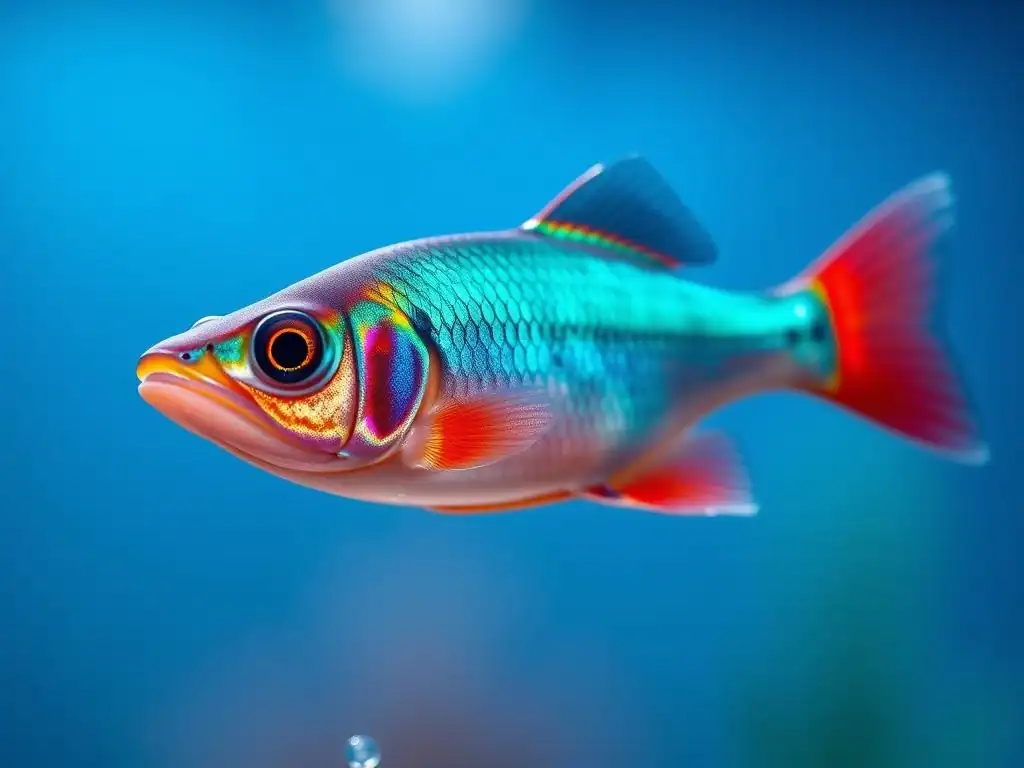
Maintaining pristine water quality is paramount for encouraging the natural schooling behavior of Rummy Nose Tetras. These fish originate from soft, acidic blackwater environments in the Amazon basin, and replicating these conditions as closely as possible is vital for their health and comfort. Poor water parameters, such as elevated ammonia, nitrite, or nitrate levels, will quickly stress them, leading to faded coloration, erratic swimming, and a breakdown of their schooling instincts. They are particularly sensitive to sudden fluctuations in pH or temperature.
A stable environment, with consistent water parameters, directly contributes to robust schooling. For optimal Rummy nose schooling tips, target a pH range of 5.5 to 7.0, with a general hardness (GH) between 1-5 dGH. Water temperature should be maintained steadily between 75°F and 80°F (24°C-27°C). Regular water testing, ideally weekly, is crucial to monitor these parameters. Any deviation can cause the school to disperse, hide, or exhibit signs of stress, diminishing the captivating display they are known for.
Maintaining Pristine Water Parameters for Schooling
To ensure pristine water quality, a consistent maintenance schedule is non-negotiable. Weekly water changes of 25-30% are recommended, using dechlorinated water that is temperature-matched to the aquarium. Utilizing a high-quality water conditioner is essential to neutralize chlorine and chloramines. Furthermore, a robust filtration system, including mechanical, biological, and chemical filtration, is necessary to process waste and maintain clear water. Sponges or filter floss handle mechanical filtration, ceramic rings or bio-balls provide ample surface area for beneficial bacteria, and activated carbon can remove impurities and maintain water clarity.
Beyond filtration and water changes, avoiding overfeeding is critical, as uneaten food quickly degrades water quality. Feeding small amounts multiple times a day, rather than one large feeding, can help prevent this. Regular gravel vacuuming during water changes removes accumulated detritus, further contributing to a clean substrate and overall healthier environment. Consistent attention to these details ensures the Rummy Nose Tetras remain stress-free, allowing their innate schooling behavior to flourish, offering the best Rummy nose schooling tips for success.
Tank Size and School Size: Creating the Ideal Environment
The size of the aquarium and the number of Rummy Nose Tetras housed within it directly impact their schooling behavior. A common misconception is that a small tank is sufficient for small fish. However, for schooling species like Rummy Noses, ample swimming space is crucial for them to perform their synchronized movements naturally. A cramped environment restricts their ability to school effectively, leading to stress, territorial disputes, and a diminished visual display.
Furthermore, the size of the school itself is a major determinant. Rummy Nose Tetras are true schooling fish, meaning they thrive in large groups. A small group, say three or four individuals, will rarely exhibit the tight, cohesive schooling behavior seen in larger numbers. They may become shy, hide more often, and show signs of stress due to the lack of safety in numbers. To fully appreciate their schooling prowess, a significant number of individuals is required, allowing their natural instincts to take over and create that mesmerizing synchronized display.
Minimum Tank Size Recommendations for Rummy Nose Tetra Schools
For a healthy and actively schooling group of Rummy Nose Tetras, a minimum tank size of 20 gallons (approximately 75 liters) is generally recommended. However, to truly witness their impressive schooling behavior, a 30-gallon (115-liter) or larger aquarium is highly preferable.
Larger tanks provide the necessary horizontal swimming space for the school to navigate freely and perform their intricate formations. For example, in a 20-gallon long tank (30" x 12" x 12"), a school of 6-8 Rummy Noses might feel comfortable, but in a 40-gallon breeder (36" x 18" x 16"), a school of 10-15 individuals would have ample room to display their natural behaviors without feeling crowded.
The "long" dimensions of a tank are often more beneficial than "tall" dimensions for schooling fish, as they offer more horizontal swimming room. A 20-gallon long tank, for instance, provides more linear swimming space than a 29-gallon tall tank, despite the latter having more volume. This additional linear space is critical for the Rummy nose schooling tips to truly shine, allowing them to stretch out and move as a cohesive unit, reducing internal stress and promoting vibrant coloration.
Ideal Number of Rummy Nose Tetras for a Thriving School
To achieve a truly thriving and visually stunning Rummy Nose Tetra school, a minimum of 6-8 individuals is recommended. However, for the most impressive and natural schooling behavior, a group of 10-15 or more is ideal. In larger numbers, their schooling instinct is amplified, leading to a tighter, more cohesive, and less stressed group. For example, in a 55-gallon aquarium, a school of 20 Rummy Nose Tetras can create a breathtaking display, flowing through the tank in perfect synchronicity.
When adding Rummy Nose Tetras to an existing school, it's best to introduce several at once rather than one or two, to help them integrate more smoothly into the established group. A larger initial group size also helps distribute any minor aggression or hierarchy establishment, leading to a more stable and peaceful environment overall. The larger the school, the more pronounced their schooling behavior will be, and the more secure each individual fish will feel, making this one of the most effective Rummy nose schooling tips.
The Role of Tank Mates in Rummy Nose Tetra Schooling Dynamics
The choice of tank mates significantly influences the schooling behavior of Rummy Nose Tetras. While they are generally peaceful fish, the presence of incompatible or overly aggressive species can cause immense stress, leading to a breakdown in their schooling. When threatened or intimidated, Rummy Noses may scatter, hide, or become reclusive, losing their vibrant coloration and their characteristic synchronized movements. Their sensitive nature means they thrive best in community tanks with equally docile and non-aggressive companions.
Conversely, well-chosen tank mates can actually enhance their schooling behavior. The presence of peaceful, larger fish that pose no threat can sometimes encourage the tetras to school even more tightly as a natural defense mechanism, without causing undue stress. The key is to select species that share similar water parameter requirements and occupy different levels of the water column, minimizing direct competition for space and resources. Thoughtful selection is a critical component of successful Rummy nose schooling tips for a harmonious community tank.
Compatible Tank Mates that Promote Natural Schooling
Ideal tank mates for Rummy Nose Tetras are peaceful, non-aggressive, and do not perceive the tetras as food or competition. Excellent choices include other small, peaceful tetras such as Neon Tetras, Black Neon Tetras, or Glowlight Tetras, which can coexist peacefully and sometimes even school together to a degree. Other suitable companions include small, peaceful catfish like Corydoras species (e.g., Panda Corydoras, Pygmy Corydoras), which occupy the bottom layer of the tank and pose no threat.
Additionally, small, peaceful dwarf cichlids like German Blue Rams or Bolivian Rams can be good tank mates, provided the tank is large enough to offer ample territory for all inhabitants. Otocinclus catfish are also excellent algae eaters and peaceful companions. When selecting tank mates, always research their adult size, temperament, and water parameter needs to ensure they align with those of Rummy Nose Tetras. For example, a group of 6-8 Corydoras catfish alongside 12-15 Rummy Noses in a 30-gallon tank creates a balanced and active community.
Avoiding Aggressive Tank Mates that Disrupt Schooling
Certain fish species should be strictly avoided as tank mates for Rummy Nose Tetras, as they will disrupt their schooling and cause chronic stress. Any large, predatory fish, even those that seem peaceful when small, will eventually view Rummy Noses as prey. This includes various cichlids (unless they are dwarf, peaceful species), large Gouramis, or Barbs known for fin-nipping (e.g., Tiger Barbs). Even semi-aggressive fish can intimidate Rummy Noses, causing them to hide and lose their vibrant color.
Fin-nippers, in particular, are problematic as they can injure the delicate fins of Rummy Noses, leading to stress and disease. Fast-moving or boisterous fish that constantly dart around the tank can also agitate the Rummy Nose school, preventing them from settling into their natural patterns. Observing potential tank mates for their temperament before introduction is a vital Rummy nose schooling tip to ensure the peace and stability of your tetra school. A single aggressive fish can quickly turn a thriving school into a scattered, stressed group.
Rummy Nose Schooling Tips: Encouraging a Healthy and Active School
Providing a Stress-Free Environment for Rummy Nose Tetras
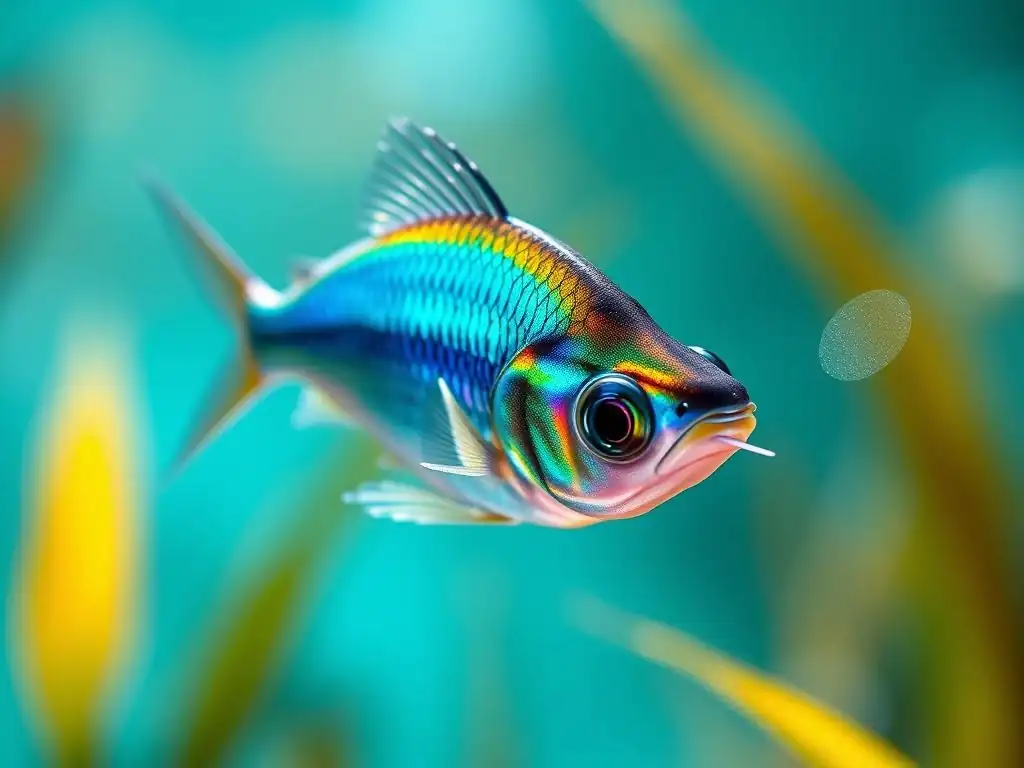
Creating a truly stress-free environment is foundational to encouraging robust and consistent schooling behavior in Rummy Nose Tetras. These fish are highly sensitive to their surroundings, and any perceived threat or instability can cause them to become shy, hide, or lose their vibrant coloration. Stress can stem from various sources, including fluctuating water parameters, aggressive tank mates, insufficient hiding spots, or even excessive activity outside the tank. A calm, stable, and predictable environment allows their natural instincts to flourish.
A key aspect of a stress-free environment is consistency. Sudden changes in lighting, water temperature, or tank layout can be disorienting. By minimizing these disruptions, aquarists can significantly reduce the stress levels of their Rummy Nose Tetras, promoting a more active and cohesive school. The goal is to mimic the stable and secure conditions they would experience in their natural habitat, where safety is found within the group and the environment remains largely constant.
Reducing Stress Factors to Promote Natural Schooling
Several practical steps can be taken to reduce stress factors for Rummy Nose Tetras. Firstly, ensure strict adherence to water parameter stability and regular maintenance, as discussed earlier. Secondly, provide ample hiding spots and visual breaks within the tank using live plants, driftwood, or rocks. This offers the fish a sense of security and places to retreat if they feel threatened, paradoxically encouraging them to school more confidently in open areas. For example, dense plantings of stem plants like Rotala or Vallisneria along the back and sides of the tank offer excellent cover.
Thirdly, minimize sudden movements or loud noises around the aquarium. Placing the tank in a low-traffic area of the home can help. If the tank is in a busy area, a dark background can help reduce reflections and external distractions. Finally, avoid overstocking the tank, as this leads to increased competition for resources and elevated stress levels. Adhering to these Rummy nose schooling tips creates a sanctuary where your tetras can thrive and display their magnificent schooling behavior without inhibition.
Optimizing Tank Décor and Lighting for Schooling
The physical layout and lighting of the aquarium play a significant role in how well Rummy Nose Tetras school. Their natural habitats are typically densely planted, with plenty of driftwood and leaf litter, providing both cover and open swimming areas. Replicating this environment in the aquarium not only makes the fish feel more at home but also encourages them to exhibit their most natural behaviors, including tight schooling. The interplay between shaded areas and open spaces allows them to choose where they feel most secure.
Proper lighting also contributes to their comfort and display. Overly bright or harsh lighting can be stressful for these fish, which prefer more subdued conditions. A balanced approach that provides adequate light for plant growth while not overwhelming the fish is ideal. The right décor and lighting setup can transform a simple tank into a vibrant ecosystem where Rummy Nose Tetras feel confident enough to showcase their incredible synchronized movements.
Utilizing Plants and Substrates to Mimic Natural Habitats
To mimic the Rummy Nose Tetra's natural habitat, focus on dense planting, particularly along the back and sides of the tank, leaving ample open swimming space in the foreground and middle. Good plant choices include Java Fern, Anubias, Amazon Sword, Cryptocoryne species, and various stem plants like Rotala or Ludwigia. Floating plants such as Amazon Frogbit or Dwarf Water Lettuce can also be beneficial, diffusing light and providing overhead cover, which Rummy Noses appreciate.
For substrate, a dark, fine-grained sand or gravel is preferable. Darker substrates help to highlight the fish's vibrant colors and reduce reflections, which can be stressful. Adding driftwood branches and a few Indian Almond Leaves (Catappa leaves) can further enhance the natural blackwater look, releasing beneficial tannins that slightly lower pH and provide antibacterial properties. For instance, a 40-gallon tank with a substrate of fine black sand, a large piece of spiderwood, and a dense background of Vallisneria will create an ideal setting for a Rummy nose school.
Adjusting Lighting to Encourage Schooling Behavior
Rummy Nose Tetras thrive under moderate to subdued lighting conditions. Intense, direct light can make them feel exposed and stressed, leading to scattered behavior or hiding. Aim for a lighting system that provides sufficient light for any live plants without overpowering the fish. A common recommendation is to provide 8-10 hours of light per day, mimicking a natural daylight cycle. Using a timer can ensure consistency.
If your aquarium has very bright lighting, consider adding floating plants to diffuse the light, or use a dimmer if your light fixture allows. The goal is to create areas of shade and dappled light, which encourages the Rummy Noses to school more confidently in the brighter, open areas, knowing they have a shaded retreat. This careful balance of light and shadow is a practical Rummy nose schooling tip for fostering natural behavior.
Nutrition and Feeding Strategies for Rummy Nose Tetra Health and Schooling
Proper nutrition is fundamental to the overall health and vitality of Rummy Nose Tetras, directly impacting their schooling behavior and coloration. A well-fed school is an active, vibrant school. Conversely, a diet lacking in essential nutrients can lead to dull coloration, lethargy, weakened immune systems, and a breakdown in their characteristic schooling. These fish are omnivores, requiring a varied diet that includes both plant and animal matter to thrive.
Feeding strategies also play a role. Consistent, small feedings throughout the day are often more beneficial than one large meal, as it mimics their natural foraging behavior and prevents overfeeding, which can spoil water quality. Observing their feeding behavior is also a crucial diagnostic tool; a healthy school will eagerly swarm during feeding time, while a lack of appetite can be an early warning sign of stress or illness.
Providing a Varied Diet for Optimal Health
To ensure optimal health and vibrant schooling, feed Rummy Nose Tetras a varied diet. High-quality flake or micro-pellet foods designed for small tropical fish should form the staple. Supplement this with frozen or live foods several times a week. Excellent choices include:
- Frozen bloodworms: A protein-rich treat that enhances color.
- Frozen brine shrimp: Good for overall health and digestion.
- Daphnia: Excellent for digestive health and a natural food source.
- Spirulina flakes or wafers: Provides essential plant matter.
For example, a feeding schedule might involve high-quality flakes in the morning, followed by a small portion of frozen bloodworms in the evening, with spirulina offered every other day. Ensure the food particles are small enough for their mouths. Overfeeding should be avoided; only feed what they can consume within 2-3 minutes. This diverse diet is a key Rummy nose schooling tip for maintaining their health and promoting active schooling.
Observing Feeding Behavior to Identify Potential Issues
Paying close attention to your Rummy Nose Tetras' feeding behavior can provide early clues about their health and the overall well-being of the school. A healthy Rummy Nose school will typically exhibit a strong feeding response, swarming to the surface or mid-water when food is introduced, displaying their synchronized movements even during meal times. Their red noses will often intensify in color during feeding, indicating excitement and good health.
If you notice a significant decrease in appetite, individual fish picking at food rather than joining the group, or a general lack of enthusiasm during feeding time, it could be an early indicator of stress, illness, or declining water quality. For instance, if a school of 10 Rummy Noses usually devours food within a minute, but suddenly takes several minutes and leaves leftovers, it warrants immediate investigation into water parameters or potential disease. Timely observation allows for prompt intervention, preventing minor issues from escalating and preserving the health of your Rummy nose schooling tips in action.
Identifying and Addressing Issues Affecting Rummy Nose Tetra Schooling
Recognizing Signs of Stress or Illness in a Schooling Group
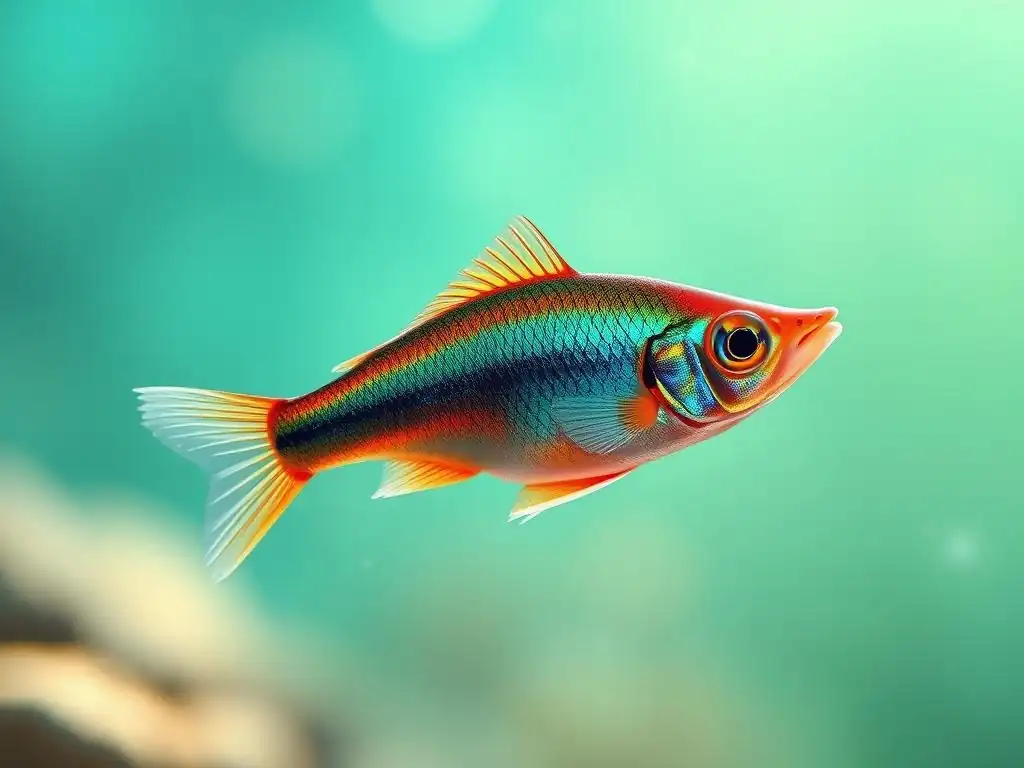
The schooling behavior of Rummy Nose Tetras is a direct reflection of their health and comfort. Any deviation from their characteristic tight, synchronized movements is a strong indicator that something is amiss. Recognizing these signs early is crucial for effective intervention. Stressed or ill Rummy Noses may abandon the school, become lethargic, hide excessively, or swim erratically. Their vibrant red nose coloration, a hallmark of their species, will often fade significantly or even disappear entirely when they are under duress.
Other signs include clamped fins, rapid gilling, loss of appetite, or visible physical symptoms like white spots (Ich), fungal growths, or fin rot. While individual fish may display these symptoms, observing them across the entire school suggests a systemic problem, likely related to water quality, environmental stress, or a contagious disease. A healthy school is a cohesive, active unit; a scattered or discolored group signals an urgent need for attention.
Common Diseases that Can Disrupt Schooling
Several common aquarium diseases can severely disrupt Rummy Nose Tetra schooling behavior. Ich (White Spot Disease) is one of the most prevalent, characterized by small white spots resembling salt grains on the fish's body and fins. Infected fish will often rub against décor and become listless, naturally breaking their schooling formation. Fin Rot, typically caused by poor water quality or injury, results in frayed or decaying fins, making swimming difficult and disrupting coordinated movements.
Velvet Disease (Oodinium) presents as a dusty, yellowish coating and causes fish to scratch and gasp at the surface. Bacterial infections, often manifesting as ulcers, red streaks, or bloating, can also cause lethargy and a loss of schooling instinct. For example, if half of a 15-fish Rummy Nose school suddenly develops clamped fins and stops schooling, Ich is a likely culprit requiring immediate treatment. Prompt identification and treatment are paramount to restoring the school's health and cohesion, a vital part of Rummy nose schooling tips.
Troubleshooting Disruptions in Rummy Nose Tetra Schooling Behavior
When Rummy Nose Tetras stop schooling, the first step is always to systematically troubleshoot potential causes, starting with the most common and impactful factors. Do not jump to conclusions or apply treatments without a clear diagnosis. A calm, methodical approach will yield the best results and minimize further stress to the fish. This process involves careful observation and diligent testing of aquarium parameters.
The troubleshooting process should follow a logical flow, eliminating possibilities one by one. This approach not only helps in pinpointing the exact issue but also prevents unnecessary chemical treatments that could further exacerbate the problem or stress the fish. Understanding the root cause is far more effective than just treating symptoms, and it's a cornerstone of effective Rummy nose schooling tips for long-term success.
Diagnosing and Resolving Schooling Problems
- Water Quality Check: This is the absolute first step. Test ammonia, nitrite, nitrate, pH, and temperature immediately.
- High Ammonia/Nitrite: Perform a 25-50% water change. Increase aeration. Check filter media for clogs. Review feeding habits (are you overfeeding? ).
- High Nitrate: Perform a 25-50% water change. Increase frequency of water changes. Ensure adequate plant mass.
- Incorrect pH/Temperature: Gradually adjust using appropriate methods (e.g., pH buffers, heater adjustments). Avoid sudden shifts.
- Observe Tank Mates: Are any tank mates harassing the Rummy Noses? Look for fin nipping, chasing, or aggressive posturing.
- Aggressive Tank Mates: Consider rehoming the aggressive fish. If temporary, add more hiding spots or break up line of sight with décor.
- Environmental Stressors: Is there too much activity around the tank? Is the lighting too bright?
- External Stress: Reduce noise/movement. Add a dark background. Dim lights or add floating plants.
- Disease Symptoms: Carefully inspect each fish for physical signs of illness (spots, growths, frayed fins, bloating, rapid breathing).
- Visible Disease: Research the specific disease and apply appropriate, species-safe medication following instructions carefully. Isolate affected fish if possible, but for schooling fish, sometimes treating the whole tank is necessary.
- Diet Assessment: Are they getting enough varied nutrition?
- Poor Diet: Introduce a wider variety of high-quality foods.
By systematically addressing these points, you can typically identify and resolve the issue, allowing your Rummy Nose Tetras to return to their magnificent schooling behavior. For example, if a school of 10 Rummy Noses suddenly stops schooling and their noses fade, and water tests reveal 0.5 ppm ammonia, a 50% water change and reduced feeding will likely resolve the issue within days.
Advanced Rummy Nose Schooling Observations: Beyond the Basics
Understanding the Hierarchy Within a Rummy Nose Tetra School
While Rummy Nose Tetras are known for their incredibly cohesive schooling, it's a common misconception that a school is a completely democratic entity. In reality, even within such a tightly knit group, subtle hierarchies and leadership roles can emerge, though they are far less pronounced than in more aggressive or territorial species. These internal dynamics contribute to the school's overall stability and efficiency, ensuring coordinated movement and decision-making.
Observation can reveal that certain individuals might consistently lead the school's direction, especially during exploration or when approaching food. This leadership is often dynamic, shifting among individuals based on factors like size, confidence, or even temporary environmental cues. Understanding these nuanced interactions adds another layer of appreciation for the complex social structure of these fascinating fish and provides deeper Rummy nose schooling tips for observation.
The Long-Term Health and Happiness of Your Rummy Nose School: Weekly Water Change and Filter Maintenance
Ensuring the long-term health and happiness of your Rummy Nose Tetra school hinges on consistent, meticulous aquarium maintenance, with weekly water changes and regular filter maintenance being paramount. These routine tasks are not merely chores but critical components of a thriving ecosystem. Neglecting them will inevitably lead to declining water quality, increased stress, and a compromised immune system for your fish, ultimately diminishing their vibrant schooling behavior and overall lifespan.
A weekly water change of 25-30% is crucial for diluting accumulated nitrates and replenishing essential trace elements. This consistency prevents the gradual deterioration of water parameters that often goes unnoticed until fish show signs of stress or illness. Simultaneously, regular filter maintenance – rinsing filter media in old tank water (never tap water, to preserve beneficial bacteria) and checking for clogs – ensures that the filtration system continues to efficiently remove waste and maintain biological stability. This proactive approach is the single most important Rummy nose schooling tip for sustained success.
Documenting and Sharing Your Rummy Nose Tetra Schooling Success: Capturing the Beauty of a Schooling Aquarium
For many aquarists, successfully maintaining a healthy and active Rummy Nose Tetra school is a rewarding achievement, a testament to their dedication and understanding of aquatic husbandry. Documenting this success, whether through photographs, videos, or detailed logs, not only serves as a personal record but also allows for the sharing of knowledge and inspiration within the broader aquarium community. Capturing the synchronized beauty of a Rummy Nose school can be a challenging yet immensely satisfying endeavor.
Sharing your experiences and the visual splendor of your schooling aquarium contributes to the collective knowledge base, helping other enthusiasts apply effective Rummy nose schooling tips. It also fosters a sense of community among aquarists, encouraging best practices and celebrating the intricate beauty of freshwater ecosystems. From a simple smartphone photo to a professionally shot video, every piece of documentation helps to showcase the magic of these remarkable fish and the rewards of dedicated care.
Frequently Asked Questions
How many Rummy Nose Tetras are needed for a proper school?
For a proper school and to reduce stress, you should aim for at least six Rummy Nose Tetras. A larger group, around eight to ten, is even better.
What are the key indicators that a Rummy Nose Tetra school is healthy and happy?
A healthy and happy school will display tight schooling behavior and vibrant red coloration on their noses. Erratic swimming or fading colors can indicate stress or illness.
What water parameters are crucial for keeping a Rummy Nose Tetra school thriving?
Rummy Nose Tetras thrive in soft, acidic water. Aim for a pH between 6.0 and 7.0 and a temperature between 75°F and 82°F.
Besides tank size, what other factors influence the schooling behavior of Rummy Nose Tetras?
Water quality is critical; poor water conditions will break down the school. Environmental enrichment, like plenty of plants, also promotes natural behavior.
What are some common diseases that can affect Rummy Nose Tetras, and how can they be prevented from impacting the whole school?
Ich (white spot disease) and fin rot are common. Prevent these with regular water changes and by quarantining new additions before introducing them to the main tank.
Final Reflection: The Living Symphony of Rummy Noses
The vibrant dance of a healthy school of rummy nose tetras, as we've explored, is more than just an aesthetic delight; it's a living barometer of our aquariums and a testament to our dedication as aquarists. Understanding their synchronized movements and vibrant colors is crucial, not just for achieving a visually stunning display, but for ensuring the well-being of these delicate creatures. The tips and insights shared throughout this article are therefore not mere suggestions, but essential guidelines for creating a thriving aquatic ecosystem.
This intricate relationship between aquarist and fish profoundly impacts our understanding of responsibility and the delicate balance of nature. Witnessing the synchronized schooling of rummy noses, a display of collective health and happiness, is a constant reminder of the interconnectedness of life and the power of mindful stewardship. In the end, we will conserve only what we love; we will love only what we understand; and we will understand only what we are taught.
- Baba Dioum. This quote perfectly encapsulates the journey of learning about rummy nose schooling, transforming observation into appreciation and ultimately, into a commitment to their well-being.
Now, armed with these rummy nose schooling tips, I invite you to reflect on your own aquariums and the lives within them. Are you truly providing an environment where these fish can thrive and express their natural behaviors? Let the synchronized dance of the rummy noses inspire you to create a haven of health and happiness, not just for your fish, but as a reflection of your own commitment to responsible and compassionate aquascaping.
Dive Deeper: Begin Your Own Rummy Nose School!
Thank you for exploring the fascinating world of Rummy Nose Tetras! We hope this article has sparked your interest in these vibrant fish and provided valuable insights into their care and behavior. Now, it's time to translate that knowledge into action and create a thriving community of your own!
Here are a few ways to continue your journey:
- Prioritize Water Quality: Start by meticulously testing your aquarium water to ensure optimal parameters for Rummy Nose Tetras. Regular water changes are key to their long-term health and vibrant colors.
- Consider adding live plants to your aquarium. These not only enhance the natural beauty of your tank but also provide shelter and improve water quality, creating an even more ideal environment for your Rummy Nose Tetra School.
- Share your insights and experiences! Join our Aquarium Mastery community forum and post a picture of your Rummy Nose Tetra school! Let's learn from each other and celebrate the beauty of these captivating fish.
What unexpected behavior have you observed in your Rummy Nose Tetras, and how did you adapt your care routine to support their well-being?