
Saltwater Macroalgae Powerhouses: A Beginner's Guide to Chaeto, Caulerpa, & Gracilaria

Welcome to Aquarium Mastery!
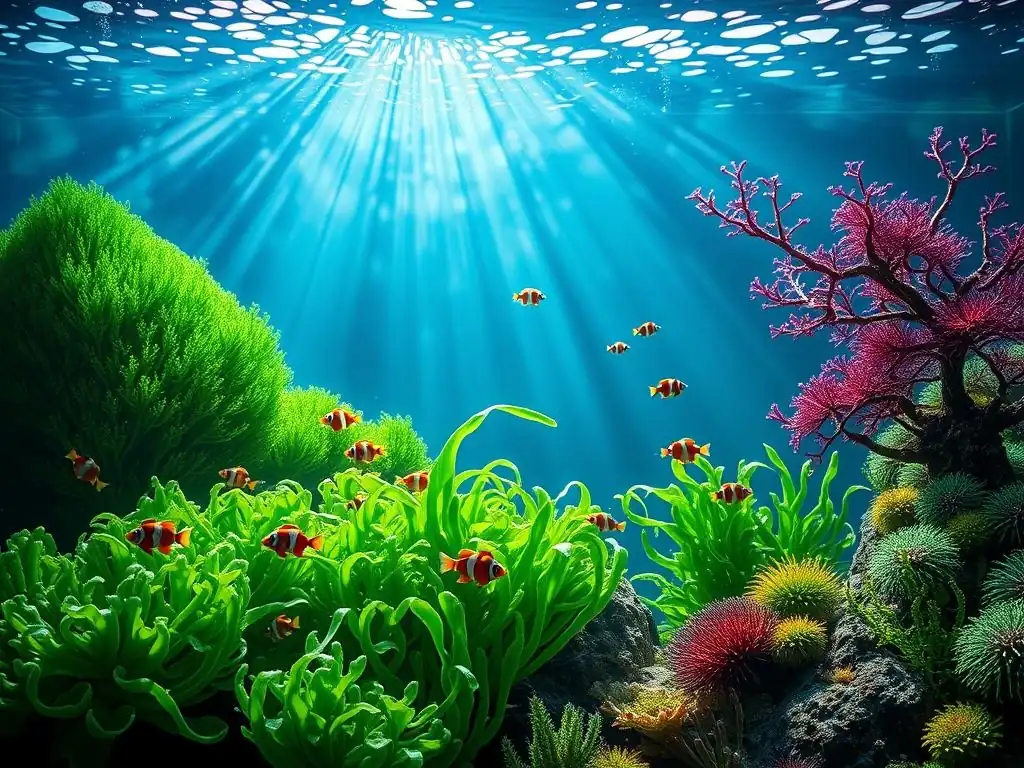
Ever wondered how to cultivate thriving saltwater algae that not only beautify your aquarium but also act as natural filtration powerhouses? Dive into our beginner's guide to Saltwater Macroalgae Powerhouses and unlock the secrets to successful saltwater algae care, starting with Chaeto, Caulerpa, and Gracilaria. Intrigued? Let's explore the fascinating world of aquatic plants and macroalgae together!
- Saltwater Macroalgae for Reef Aquariums: Chaeto, Caulerpa, & Gracilaria
- Understanding Saltwater Macroalgae
- Chaetomorpha (Chaeto): The Popular Refugium Algae
- Caulerpa: Fast Growth and Potential Risks
- Gracilaria: Nutritious and Versatile Macroalgae
- Setting Up a Macroalgae Refugium
- Essential Macroalgae Care Tips
- Troubleshooting Common Macroalgae Problems
- Selecting the Right Macroalgae
- Advanced Macroalgae Techniques
- Conclusion: Mastering Macroalgae Care
-
Frequently Asked Questions
- What are the best types of macroalgae for beginners starting a saltwater aquarium?
- Why is macroalgae important in a saltwater aquarium?
- How do I properly light my saltwater aquarium for macroalgae growth?
- How often should I prune or trim my macroalgae?
- What are some common problems with growing macroalgae in a saltwater tank and how can I fix them?
- Final Reflection: Embracing the Ocean's Green Gems
- Unearth Your Reef's Hidden Potential!
Saltwater Macroalgae for Reef Aquariums: Chaeto, Caulerpa, & Gracilaria
Understanding Saltwater Macroalgae
What are Saltwater Macroalgae?
Saltwater macroalgae are essentially large, multicellular algae that thrive in marine environments, unlike the microscopic nuisance algae often found in new or imbalanced aquariums. These photosynthetic organisms play a vital ecological role in natural reef systems, absorbing excess nutrients and providing habitat for countless small invertebrates. For beginners interested in saltwater algae care, understanding these fundamental differences is crucial for successful integration into a reef tank.
They come in a variety of forms, colors, and textures, ranging from the spaghetti-like strands of Chaetomorpha to the fern-like fronds of Caulerpa or the delicate branches of Gracilaria. Functionally, they act as natural filters, consuming nitrates and phosphates that would otherwise fuel undesirable algal blooms. This natural filtration makes them an invaluable asset for beginner saltwater algae care, offering a sustainable and aesthetically pleasing solution to water quality management.
Why Choose Macroalgae for Your Reef Aquarium?
Choosing macroalgae for your reef aquarium offers a natural and highly effective method for maintaining water quality and enhancing biodiversity. Unlike chemical filtration methods, macroalgae continuously absorb dissolved organic compounds, nitrates, and phosphates, preventing their accumulation without introducing synthetic substances. This biological approach is particularly appealing to saltwater algae care beginners seeking a more holistic and stable environment for their marine inhabitants.
Beyond their filtration capabilities, macroalgae also contribute to the overall aesthetic and ecological balance of a reef tank. They provide natural grazing opportunities for herbivorous fish, offer shelter and breeding grounds for beneficial microfauna like copepods and amphipods, and can even help stabilize pH levels by consuming carbon dioxide during photosynthesis. Their vibrant colors and unique forms add a dynamic visual element, transforming a simple tank into a thriving miniature ecosystem.
Benefits of Macroalgae in Reef Tanks
The benefits of incorporating macroalgae into reef tanks are numerous and significant, primarily revolving around nutrient export and ecosystem enrichment. One of the most critical advantages is their unparalleled ability to absorb excess nitrates and phosphates, which are major contributors to nuisance algae outbreaks. A well-established macroalgae bed, particularly in a refugium, can effectively reduce nitrate levels by 5-15 ppm per week and phosphate levels by 0.05-0.1 ppm per week in a moderately stocked tank, depending on the volume and growth rate.
Furthermore, macroalgae contribute to higher dissolved oxygen levels during the day through photosynthesis, which can benefit fish and corals. They also help stabilize pH fluctuations by consuming carbon dioxide, especially during the night when the main display tank's inhabitants respire. Lastly, they serve as excellent natural habitats for copepods and amphipods, which reproduce within the algae and then migrate into the main display, providing a continuous, natural food source for mandarins, seahorses, and other pod-dependent fish. This makes caring for saltwater algae a rewarding aspect of the hobby.
Chaetomorpha (Chaeto): The Popular Refugium Algae
Chaeto Care: Lighting, Flow, and Nutrients
Chaetomorpha, often simply called "Chaeto," is arguably the most popular macroalgae for refugiums due to its non-invasive nature and efficient nutrient uptake. For optimal growth, Chaeto requires moderate lighting, typically within the 6500K to 10000K spectrum, or specialized LED grow lights designed for refugiums. A common lighting schedule is 10-12 hours per day, often on a reverse daylight cycle to help stabilize nocturnal pH drops in the main display tank. Adequate light intensity, usually around 50-100 PAR, is crucial for robust growth and nutrient absorption.
Flow is another critical factor for healthy Chaeto. It thrives in moderate, tumbling flow that prevents detritus accumulation within its spaghetti-like strands and ensures all parts of the algae receive light and nutrients. A small powerhead or the return flow from the sump is usually sufficient to create this tumbling motion.
While Chaeto is highly effective at absorbing nitrates and phosphates, it also benefits from trace elements like iron. In systems with very low nutrient levels, supplementing with a high-quality iron additive at recommended dosages (e.g., 0.05-0.1 ppm weekly) can significantly boost its growth and nutrient export capabilities, making saltwater algae care for beginners more manageable.
Controlling Chaeto Growth
Controlling Chaetomorpha growth is primarily a matter of regular harvesting, which is essential to maximize its nutrient export potential and prevent it from becoming a tangled, stagnant mass. As Chaeto grows, it absorbs nitrates and phosphates from the water column, locking them into its biomass. To remove these nutrients permanently from the system, a portion of the Chaeto must be physically removed. A common practice is to harvest 25% to 50% of the Chaeto mass every 1-2 weeks, depending on the growth rate and nutrient levels in your aquarium.
This manual pruning not only exports nutrients but also encourages new, vigorous growth, ensuring the Chaeto remains an efficient filtration mechanism. Failure to regularly harvest can lead to the Chaeto becoming overly dense, with inner portions dying off and potentially releasing trapped nutrients back into the water. For optimal beginner saltwater algae care, maintaining a healthy, actively growing Chaeto ball through consistent harvesting is key to its long-term effectiveness in a refugium.
Benefits of Chaeto: Nutrient Export and Pod Production
The primary benefits of Chaetomorpha in a reef aquarium are its exceptional nutrient export capabilities and its role as a prolific habitat for beneficial microfauna. Chaeto acts as a natural nitrate and phosphate sponge, rapidly absorbing these compounds from the water column and effectively outcompeting nuisance algae for resources. This passive filtration method is highly effective; a dense Chaeto ball can reduce nitrate levels by up to 5-10 ppm per week in a heavily fed tank, provided it's actively growing and regularly harvested.
Beyond nutrient export, Chaeto's dense, tangled structure provides an ideal breeding ground and refuge for copepods and amphipods. These microscopic crustaceans are crucial components of a healthy reef ecosystem, serving as a natural cleanup crew and, more importantly, as a vital live food source for many fish, including mandarins, seahorses, and wrasses. By fostering a robust copepod population, Chaeto directly contributes to the health and longevity of these delicate species, making caring for saltwater algae an invaluable part of reef husbandry.
Caulerpa: Fast Growth and Potential Risks
Caulerpa Care: Understanding Growth Habits
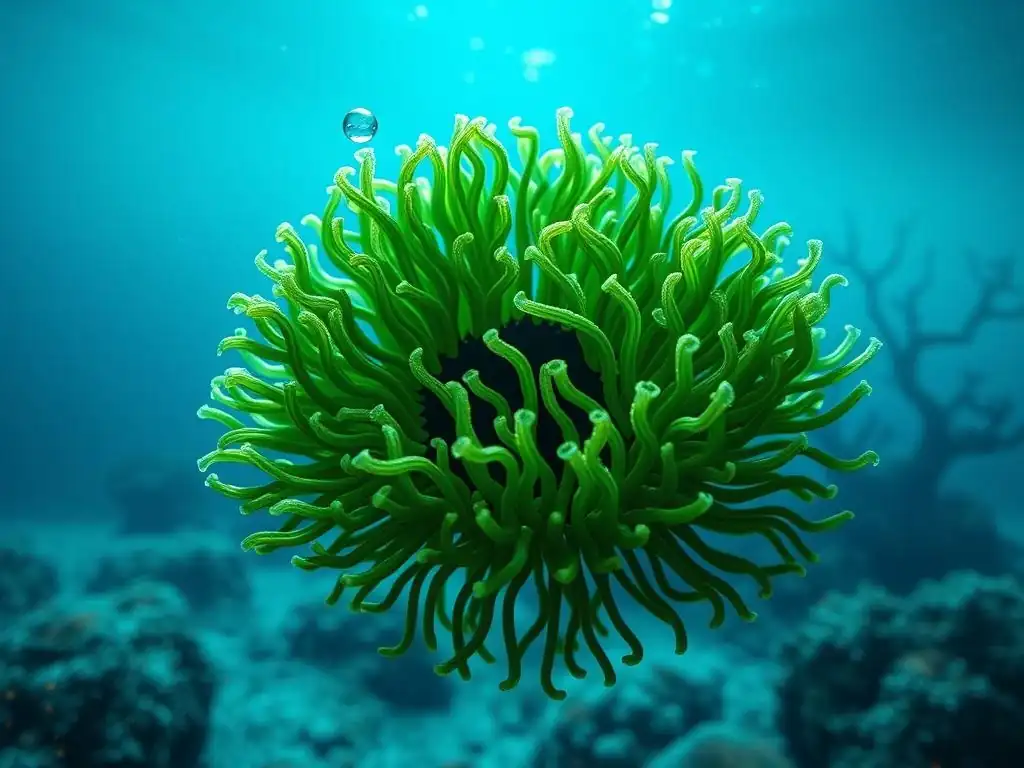
Caulerpa species are known for their rapid growth and diverse forms, ranging from feathery fronds to grape-like clusters. While they are excellent nutrient exporters, their care and management require a more cautious approach than with Chaeto. Caulerpa generally thrives under moderate to high lighting, often benefiting from a spectrum rich in blue and red light, similar to what corals prefer, with a 10-14 hour photoperiod. They are less forgiving of nutrient deficiencies than Chaeto and can decline rapidly if essential elements are depleted.
The most distinctive aspect of Caulerpa's growth habit is its rhizomatous structure, where a single stolon (runner) can spread extensively, anchoring the algae to various surfaces. This aggressive spreading can be advantageous for rapid nutrient uptake but also poses a challenge in containment. For saltwater algae care beginners, understanding that Caulerpa needs consistent pruning to prevent it from overrunning the refugium or even the main display tank is paramount. Different species, like Caulerpa prolifera (blade-like) or Caulerpa racemosa (grape-like), have varying growth rates, with C. prolifera generally being more manageable.
Risks of Caulerpa: Sexual Reproduction and Nutrient Release
Despite its excellent nutrient export capabilities, Caulerpa carries significant risks that make it a less preferred choice for beginner saltwater algae care compared to Chaeto. The primary concern is its propensity for "going sexual" or "spawning." Under conditions of stress (e.g., sudden changes in light, temperature, or nutrient levels), Caulerpa can release all its cellular contents, including spores and trapped nutrients, into the water column. This event can cause a rapid and drastic drop in dissolved oxygen, a massive nutrient spike, and a milky cloud that can be fatal to fish and invertebrates if not addressed immediately.
Another risk, particularly with certain species like Caulerpa taxifolia, is its invasive potential. While C. taxifolia is largely banned from trade in many regions due to its aggressive spread in natural environments, other Caulerpa species can still become problematic if introduced to local waterways. This underscores the importance of proper disposal and careful management within the aquarium hobby to prevent ecological harm. These inherent risks necessitate vigilant monitoring and proactive management, making Caulerpa a more advanced choice for macroalgae cultivation.
Managing Caulerpa in Reef Tanks
Effective management of Caulerpa in reef tanks, especially in a refugium, revolves around consistent pruning and vigilance to mitigate its inherent risks. Regular harvesting is crucial, typically 25-50% of the mass every 1-2 weeks, to remove absorbed nutrients and prevent the algae from becoming overly dense and stressed. When pruning, it's advisable to cut the stolons (runners) rather than tearing them, as tearing can induce stress and potentially trigger a sexual event.
Maintaining stable water parameters and avoiding sudden environmental shifts are also vital to prevent Caulerpa from "going sexual." Consistent lighting schedules and nutrient levels help keep the algae healthy and less prone to stress. If you observe any signs of the algae turning pale, translucent, or releasing a milky substance, immediate large water changes (25-50%) and aggressive protein skimming are necessary to mitigate the impact of a spawning event. For saltwater algae care beginners, these management complexities often lead to the recommendation of starting with less volatile species like Chaeto.
Gracilaria: Nutritious and Versatile Macroalgae
Gracilaria Care: Providing Optimal Conditions
Gracilaria is a genus of red macroalgae highly valued in reef aquariums for its aesthetic appeal, nutrient export capabilities, and as a nutritious food source. Unlike Chaeto, Gracilaria species often prefer higher light intensities, typically in the 100-200 PAR range, with a full spectrum light that includes reds and blues to enhance its vibrant coloration. A 12-14 hour photoperiod is generally suitable for robust growth. While it's a red algae, it can tolerate a wide range of lighting conditions, though its coloration may vary.
Flow is also important for Gracilaria; it thrives in moderate to strong water movement that helps deliver nutrients and prevents detritus from settling on its fronds. It can be free-floating in a refugium or anchored to rockwork in the display tank. Like other macroalgae, Gracilaria benefits from the presence of nitrates and phosphates, but also from trace elements, particularly iron and iodine, which are crucial for its red pigmentation and overall health. Maintaining stable water parameters (salinity 1.025-1.026 SG, temperature 76-78°F) is essential for its long-term success.
Types of Gracilaria for Reef Aquariums
The genus Gracilaria encompasses a diverse array of species, many of which are suitable for reef aquariums, offering varied textures and growth forms. One popular type is Gracilaria parvispora, commonly known as "Ogo" or "Red Ogo," which forms dense, bushy clumps of fine, branching fronds. Its vibrant red to reddish-brown coloration makes it an attractive addition to sumps or display tanks, and it's highly palatable to herbivorous fish.
Another notable species is Gracilaria hayi, which typically grows as thicker, more robust branches, often with a deep red or purplish hue. This type is also an excellent nutrient exporter and a favorite food for tangs and angelfish. Other varieties might include thin, hair-like forms or more calcified structures, each contributing unique aesthetic and functional benefits. For beginner saltwater algae care, selecting a readily available and robust Gracilaria species, such as G. parvispora, is often recommended due to its relatively easy care and high nutritional value.
Using Gracilaria as a Food Source
One of the most significant advantages of Gracilaria in a reef aquarium is its high nutritional value, making it an excellent natural food source for many herbivorous marine fish. Species like tangs, angelfish, rabbitfish, and even some blennies readily graze on Gracilaria, benefiting from its rich content of protein (approximately 10-20% dry weight), vitamins (such as A and C), and essential minerals. This provides a natural and varied diet that can enhance their coloration, boost their immune systems, and promote overall health, reducing reliance on processed foods.
To use Gracilaria as a food source, you can simply place a harvested portion directly into the display tank, allowing fish to graze on it naturally. Alternatively, you can secure it with a veggie clip or rubber band to a piece of rock. Cultivating Gracilaria in a refugium or a dedicated grow-out section allows for a continuous supply of fresh, nutrient-rich food. This method not only provides a sustainable food source but also contributes to the overall health and vitality of your herbivorous livestock, making caring for saltwater algae a dual-purpose endeavor.
Setting Up a Macroalgae Refugium
Refugium Design: Size, Flow, and Lighting
Setting up a macroalgae refugium is a cornerstone of effective saltwater algae care for beginners, providing a dedicated space for nutrient export and microfauna production. The ideal size for a refugium is generally 10-20% of the display tank's volume; for example, a 100-gallon display might benefit from a 10-20 gallon refugium. This volume allows for sufficient macroalgae mass to process nutrients effectively.
Flow through the refugium should be gentle but consistent, typically circulating the refugium's volume 1-2 times per hour. This prevents the macroalgae from being violently tossed around and allows detritus to settle, while still delivering fresh nutrient-rich water. Lighting is crucial and should be on a reverse daylight cycle (RDC) to the main display tank, meaning the refugium light is on when the display light is off, usually for 10-12 hours.
This helps stabilize pH fluctuations by consuming CO2 during the display tank's dark period. A dedicated refugium light, such as a full-spectrum LED with a PAR rating of 50-100, is ideal for promoting vigorous macroalgae growth.
Choosing Macroalgae for Your Refugium
When choosing macroalgae for your refugium, several factors should be considered, including your tank's nutrient levels, the space available, and your desired benefits. For saltwater algae care beginners, Chaetomorpha linum (Chaeto) is almost universally recommended due to its non-invasive nature, ease of care, and excellent nutrient export capabilities. It grows in a tangled mass, making it easy to contain and harvest, and it provides an ideal habitat for copepods and amphipods.
If you have higher nutrient loads or want to diversify, you might consider adding a small amount of Gracilaria or a carefully managed Caulerpa species. Gracilaria offers additional nutrient export and can serve as a food source for herbivores. However, it requires more light and can sometimes be more sensitive to parameter swings. While Caulerpa is a potent nutrient exporter, its risk of "going sexual" and invasive potential makes it a choice best reserved for experienced aquarists who can commit to meticulous pruning and monitoring.
Refugium Maintenance: Harvesting and Nutrient Control
Consistent maintenance is key to the long-term effectiveness of a macroalgae refugium for saltwater algae care beginners. The primary maintenance task is regular harvesting of the macroalgae. As the algae grows, it absorbs nitrates and phosphates from the water. To remove these nutrients from the system permanently, a portion of the algae must be physically removed, typically 25-50% of the mass every 1-2 weeks, depending on the growth rate and nutrient levels. This also stimulates new, vigorous growth.
Beyond harvesting, it's important to periodically remove any detritus that accumulates within the refugium, especially around the base of the algae or in low-flow areas. This can be done by siphoning during water changes or by gently swirling the algae to dislodge trapped debris. Monitoring water parameters, particularly nitrates and phosphates, will help you gauge the effectiveness of your refugium and adjust harvesting schedules or feeding habits accordingly. A well-maintained refugium is a powerful tool for nutrient control and overall tank stability.
Essential Macroalgae Care Tips
Water Parameters for Healthy Macroalgae
Maintaining stable and appropriate water parameters is fundamental for healthy macroalgae growth, just as it is for corals and fish. While macroalgae can tolerate a broader range of conditions than some sensitive corals, optimal parameters ensure vigorous growth and maximum nutrient uptake. Key parameters include:
- Salinity: Consistent specific gravity of 1.025-1.026 is ideal, mimicking natural seawater.
- Temperature: A stable temperature between 76-78°F (24-25.5°C) prevents stress.
- Alkalinity (dKH): Maintaining 8-12 dKH supports calcification in some macroalgae and provides buffering capacity.
- Calcium (ppm): Levels of 400-450 ppm are generally sufficient.
- Magnesium (ppm): Keeping magnesium between 1250-1350 ppm helps stabilize alkalinity and calcium.
While macroalgae thrive on nitrates and phosphates, these should not be excessively high. Ideal levels for nutrient export are typically nitrates between 0.5-5 ppm and phosphates between 0.02-0.05 ppm. Allowing them to drop too low can stunt macroalgae growth, while too high can indicate that the macroalgae biomass isn't sufficient for the nutrient load. Regular testing is crucial for effective beginner saltwater algae care.
Lighting Requirements for Algae Growth
Lighting is arguably the most critical factor for successful macroalgae growth, as they are photosynthetic organisms. The specific requirements vary by species, but a general understanding of PAR (Photosynthetically Active Radiation) and spectrum is essential for saltwater algae care beginners. For a typical refugium with Chaeto, a PAR value of 50-100 is usually sufficient. Higher PAR (100-200) may be beneficial for Gracilaria or other red macroalgae.
The light spectrum also plays a significant role. Full-spectrum white light (6500K to 10000K) is effective for most macroalgae, promoting robust growth. Some aquarists use lights with enhanced red and blue wavelengths, which can specifically boost photosynthetic efficiency and enhance the coloration of red macroalgae. A consistent photoperiod of 10-14 hours, often on a reverse daylight cycle to the main display, is recommended to maximize nutrient uptake and help stabilize the aquarium's pH. Choosing a dedicated refugium light designed for macroalgae growth will yield the best results.
Nutrient Management: Balancing Algae and Tank Health
Effective nutrient management is at the heart of successful saltwater algae care, aiming to strike a delicate balance between providing enough nutrients for macroalgae growth and preventing excessive nutrient accumulation that fuels nuisance algae. Macroalgae primarily consume nitrates and phosphates, but also require trace elements like iron, manganese, and iodine for optimal health and vibrant coloration. In systems with very low nutrient levels, dosing a high-quality trace element supplement specifically formulated for marine aquariums can prevent deficiencies in the macroalgae.
However, over-dosing nutrients or trace elements can lead to problems. If nitrates and phosphates are consistently undetectable, macroalgae growth will slow or even cease, reducing its effectiveness as a filter. Conversely, if nutrient levels remain high despite a healthy macroalgae bed, it indicates either insufficient macroalgae biomass for the bioload or an excessive feeding regimen. Regular testing, adjusting feeding, and consistent macroalgae harvesting are key to maintaining this crucial balance for overall tank health.
Troubleshooting Common Macroalgae Problems
Identifying and Treating Algae Deficiencies
Even with careful saltwater algae care, macroalgae can sometimes show signs of nutrient deficiencies, impacting their growth and effectiveness. One common sign is yellowing or paling of the algae, which often indicates an iron deficiency. Iron is crucial for chlorophyll production and overall photosynthetic efficiency. If you observe pale growth, consider testing for iron or supplementing with a high-quality iron additive at the manufacturer's recommended dosage, typically aiming for 0.05-0.1 ppm.
Stunted growth or a general lack of vigor, despite adequate lighting and flow, can point to a deficiency in nitrates or phosphates, especially in ultra-low nutrient (ULNS) systems. While the goal is low nutrients, macroalgae still need some detectable levels to thrive. If nitrates are consistently below 0.5 ppm and phosphates below 0.02 ppm, consider slightly increasing feeding or reducing other forms of nutrient export temporarily. Conversely, if the algae is growing slowly but nuisance algae are rampant, it suggests that the macroalgae isn't getting enough light or isn't robust enough to outcompete the nuisance forms.
Dealing with Unwanted Algae Growth
While cultivating beneficial macroalgae, saltwater algae care beginners often encounter unwanted nuisance algae growth in the main display tank. This typically signals an imbalance in the aquarium's ecosystem, most commonly excess nutrients (nitrates and phosphates), insufficient flow, or inappropriate lighting. The first step is to test your water parameters thoroughly. If nitrates are consistently above 10 ppm and phosphates above 0.1 ppm, your macroalgae may not be handling the nutrient load, or your feeding practices are too heavy.
Addressing unwanted algae involves a multi-pronged approach:
- Nutrient Reduction: Increase macroalgae harvesting, reduce feeding, perform more frequent or larger water changes (e.g., 20% weekly instead of 10% bi-weekly).
- Flow Improvement: Ensure sufficient flow in all areas of the display tank to prevent detritus accumulation.
- Lighting Adjustment: Review your lighting schedule and intensity. Too long a photoperiod or an inappropriate spectrum can fuel nuisance algae. Consider reducing the photoperiod to 8-10 hours initially.
- Cleanup Crew: Introduce appropriate herbivores like tangs, snails (e.g., Turbo, Trochus), or hermit crabs to graze on nuisance algae.
Preventing Algae Outbreaks
Preventing algae outbreaks is far easier than treating them, and it largely hinges on consistent husbandry practices and proactive saltwater algae care. The cornerstone of prevention is effective nutrient control. This involves:
- Mindful Feeding: Avoid overfeeding your fish and invertebrates. Feed small amounts multiple times a day rather than large amounts once, and ensure all food is consumed within a few minutes.
- Regular Water Changes: Consistent water changes (e.g., 10-20% weekly or bi-weekly) dilute accumulated nutrients and replenish trace elements.
- Efficient Filtration: Maintain your mechanical filtration (filter socks, sponges) regularly, cleaning or replacing them every few days to remove trapped detritus before it breaks down into dissolved nutrients. Ensure your protein skimmer is properly sized and functioning optimally.
- Robust Macroalgae System: A healthy, actively growing macroalgae refugium is a powerful preventative measure, continuously absorbing excess nutrients. Regularly harvest your macroalgae to ensure it remains effective.
- Stable Parameters: Avoid wild swings in temperature, salinity, and pH, as these can stress the system and make it more susceptible to nuisance algae.
Selecting the Right Macroalgae
Matching Algae to Tank Size and Livestock
Selecting the right macroalgae is crucial for successful saltwater algae care beginners, as different species have varying requirements and benefits. For smaller reef tanks (under 50 gallons) or those with limited sump space, Chaetomorpha is often the best choice due to its compact growth habit and ease of containment. It doesn't require rooting and can simply tumble in a chamber.
Consider your livestock as well. If you have herbivorous fish like tangs, rabbitfish, or angelfish, incorporating Gracilaria into your refugium or even the display tank (if you don't mind grazing) provides a natural and nutritious food source. If your tank has a high bioload and you need aggressive nutrient export, a combination of Chaetomorpha and a carefully managed Caulerpa species might be considered, but only with a commitment to diligent monitoring and pruning due to Caulerpa's risks. For tanks with pod-dependent fish, prioritizing a species like Chaeto that excels at fostering copepod populations is paramount.
Considering Nutrient Export Needs
The primary reason most aquarists incorporate macroalgae is for nutrient export, specifically to reduce nitrates and phosphates. When selecting macroalgae, consider your tank's current nutrient levels and bioload. If you have a heavily stocked tank with consistently high nitrates (e.g., above 10 ppm) and phosphates (e.g., above 0.1 ppm), you'll need a macroalgae species known for aggressive growth and nutrient uptake.
Chaetomorpha is a reliable workhorse for general nutrient export and is highly recommended for beginner saltwater algae care. For exceptionally high nutrient systems, some aquarists might consider Caulerpa for its rapid growth, but this comes with the aforementioned risks. Gracilaria also provides excellent nutrient export, particularly when actively growing.
The key is to choose a species that can effectively process the nutrient load of your specific system, and to ensure you have enough biomass and proper lighting to support its growth. Regular testing of your water parameters will help you assess if your chosen macroalgae is adequately handling your tank's nutrient demands.
Local Regulations Regarding Invasive Species
Before acquiring any macroalgae, especially Caulerpa species, it is critically important for saltwater algae care beginners to be aware of and comply with local regulations concerning invasive aquatic species. Certain species of Caulerpa, most notably Caulerpa taxifolia (often referred to as "killer algae"), have caused significant ecological damage when accidentally introduced into natural marine environments outside their native range. As a result, C. taxifolia and sometimes other Caulerpa species are banned from sale, possession, or transport in many regions and countries, including parts of the United States and Australia.
Even if a species is not explicitly banned, it is a responsible practice for all aquarists to ensure that no aquarium water or contents are ever released into natural waterways. Dispose of unwanted macroalgae by drying it out completely or freezing it before discarding it in household waste. This vigilance helps protect local ecosystems from potential harm and ensures that the hobby remains sustainable and environmentally friendly. Always verify the legal status of any macroalgae you intend to purchase or propagate in your specific locality.
Advanced Macroalgae Techniques
Algae Scrubbers as an Alternative
While a macroalgae refugium with species like Chaeto is a popular method for saltwater algae care beginners, Algae Scrubbers (ATS) offer an alternative or supplementary advanced technique for nutrient export. An ATS works by growing nuisance-type algae on a textured screen, typically illuminated by a strong light source. As water flows over the screen, the algae rapidly consumes nitrates, phosphates, and other dissolved organics.
The main difference from a macroalgae refugium is that an ATS aims to cultivate fast-growing, film-forming algae (like turf algae) rather than specific macroalgae species. This allows for extremely efficient nutrient removal, often requiring less space than a traditional refugium for the same nutrient export capacity. Maintenance involves scraping the algae off the screen weekly, which is a highly effective way to export nutrients from the system. While the initial setup can be more complex than a simple refugium, ATS can be incredibly powerful for high-nutrient systems.
Culturing Macroalgae for Enhanced Filtration
Beyond simply growing macroalgae in a refugium, advanced aquarists might delve into culturing macroalgae for enhanced filtration or even for commercial purposes. Culturing involves providing optimal, controlled conditions to maximize growth rates and nutrient uptake. This might include dedicated grow-out tanks with high-intensity, specific spectrum lighting (e.g., LED grow lights tuned for red and blue peaks), precise dosing of trace elements like iron and iodine, and carefully managed flow to ensure nutrient delivery to every frond.
Some hobbyists create separate macroalgae reactors or dedicated sumps designed solely for culturing, allowing them to produce large quantities of algae. This robust growth not only provides superior nutrient export for very demanding systems but can also serve as a continuous, fresh food source for herbivorous fish, reducing reliance on external food sources. Understanding the specific physiological needs of each macroalgae species allows for targeted culturing techniques that significantly boost their filtration capabilities beyond standard refugium setups.
Propagating Macroalgae for Trade
Propagating macroalgae for trade, or simply to share with fellow hobbyists, is an advanced aspect of saltwater algae care that contributes to the sustainability of the hobby. Many popular macroalgae species, especially Chaetomorpha and various Gracilaria types, are easily propagated by simply dividing a healthy, actively growing clump. For Chaetomorpha, you can simply cut a portion of the ball and place it in another suitable environment. Gracilaria can often be propagated by fragging healthy branches and attaching them to a rock or allowing them to float.
This practice reduces the demand for wild-collected specimens, promoting ethical and environmentally conscious aquascaping. It also allows aquarists to diversify their tanks, swap different species, or even create a small income stream. Successful propagation relies on maintaining optimal growth conditions, ensuring the mother colony is healthy and robust enough to be divided without stress. Sharing propagated macroalgae helps spread beneficial filtration methods and diverse species throughout the hobbyist community.
Conclusion: Mastering Macroalgae Care
Frequently Asked Questions
What are the best types of macroalgae for beginners starting a saltwater aquarium?
The best options are generally considered to be Chaetomorpha (Chaeto), Caulerpa, and Gracilaria. These are relatively easy to care for and provide excellent nutrient control.
Why is macroalgae important in a saltwater aquarium?
Macroalgae acts as a natural filter, absorbing nitrates and phosphates. It also provides shelter for small invertebrates and can be a food source for some fish.
How do I properly light my saltwater aquarium for macroalgae growth?
Macroalgae requires adequate lighting to thrive. You will need to provide sufficient light intensity and spectrum to support photosynthesis, typically with LED or fluorescent lights.
How often should I prune or trim my macroalgae?
Pruning depends on the growth rate, but generally, trim when it becomes overcrowded or starts to shade corals. Regular trimming helps maintain optimal nutrient export.
What are some common problems with growing macroalgae in a saltwater tank and how can I fix them?
Common issues include slow growth, algae turning white, or algae dissolving. These are often caused by nutrient deficiencies, poor water parameters, or inadequate lighting.
Final Reflection: Embracing the Ocean's Green Gems
The journey into saltwater aquariums often begins with vibrant corals and fascinating fish, but as we've explored, the unsung heroes are the saltwater macroalgae, particularly Chaeto, Caulerpa, and Gracilaria. Their impact extends far beyond mere aesthetics; they are essential for maintaining a healthy and balanced ecosystem, especially crucial for beginners navigating the complexities of saltwater algae care.
This exploration has highlighted the profound role these algae play in nutrient control and habitat creation. Understanding their unique characteristics and care requirements is not just about keeping a clean tank; it's about fostering a thriving miniature ocean within our homes. In nature, nothing exists alone.
- Rachel Carson. This quote resonates deeply when considering the interconnectedness of life within an aquarium, where these algae serve as vital links in the food web and contribute to the overall well-being of the system.
Now, as you embark on your saltwater algae care journey, remember that patience and observation are key. Embrace the learning process, experiment responsibly, and witness the transformative power of these remarkable organisms. Let the vibrant greens of Chaeto, Caulerpa, and Gracilaria inspire you to create a balanced and flourishing aquatic world, contributing to a deeper appreciation for the delicate beauty of our oceans.
Thanks for diving into the world of saltwater macroalgae! We hope you've discovered how these incredible organisms can transform your aquarium into a thriving ecosystem. Now, let's put that knowledge to work!
- Start Small, Dream Big: Begin cultivating your chosen macroalgae in a dedicated refugium and watch your reef flourish!
- Share your algae adventures! Post photos and tips on social media using #AquariumMasteryAlgae.
- Considering a "grow-out" tank? Research different setups and document the process.
Ready to witness the magic of macroalgae in your aquarium?