
Dealing with Uprooted Carpeting Plants: Anchoring Your Green Floor

Welcome to Aquarium Mastery!
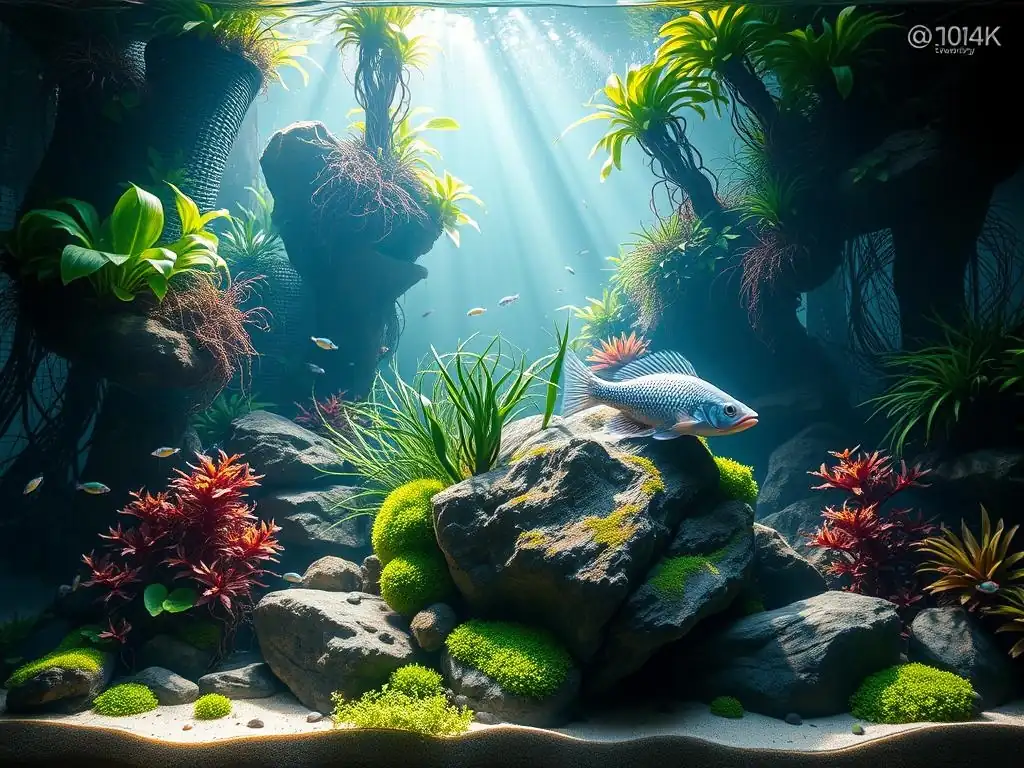
Ever dreamt of a lush, vibrant carpet of green in your aquarium, only to find your carefully planted flora floating to the surface? You're not alone! Dive in and discover our comprehensive guide, " Dealing with Uprooted Carpeting Plants: Anchoring Your Green Floor," where we unravel the mysteries of Carpeting plant rooting solutions. We'll explore proven methods to ensure your aquatic plants stay exactly where you want them – creating the breathtaking underwater landscape you've always envisioned. Ready to finally achieve that perfect, grounded carpet? Let's get started!
- Introduction: The Frustration of Floating Carpeting Plants
- Understanding Why Carpeting Plants Get Uprooted
- Carpeting Plant Rooting Solutions: A Comprehensive Guide
- Troubleshooting Common Uprooting Issues
- Choosing the Right Carpeting Plant Species for Your Aquarium
- Maintaining a Healthy and Vibrant Carpeting Plant Ecosystem
- Conclusion: Achieving a Stable and Stunning Green Carpet in Your Aquarium
-
Frequently Asked Questions
- What are common reasons why carpeting plants get uprooted in an aquarium?
- What type of substrate is best for ensuring carpeting plants root successfully?
- How can I prevent fish from digging up my carpeting plants?
- What are some alternative anchoring methods for carpeting plants that are difficult to root?
- How long does it typically take for carpeting plants to fully root in an aquarium?
- Final Reflection: Cultivating Resilience in Our Green Spaces
- Revitalize Your Underwater Garden!
Introduction: The Frustration of Floating Carpeting Plants
Aquascapers often dream of a lush, verdant carpet covering the substrate of their freshwater aquarium, creating a natural, serene underwater landscape. However, this vision can quickly turn into a frustrating reality when delicate carpeting plants repeatedly detach from the substrate and float to the surface. This common issue not only disrupts the aesthetic harmony of the tank but also signifies underlying problems that can hinder the overall health of your aquatic ecosystem. Understanding the root causes of uprooted carpeting plants is the first step toward implementing effective carpeting plant rooting solutions.
Understanding Why Carpeting Plants Get Uprooted
The stability of your aquatic carpet depends on several critical factors, ranging from the very foundation of your tank setup to the daily interactions within it. When carpeting plants fail to anchor themselves securely, it's often a clear indicator that one or more of these elements are out of balance. Identifying the specific reason behind the uprooting is crucial for applying the correct and most efficient carpeting plant rooting solutions.
Inadequate Substrate Depth for Root Development
One of the primary reasons for uprooted carpeting plants is an insufficient substrate depth. Many carpeting species, such as Hemianthus callitrichoides 'Cuba' (HC Cuba) or Glossostigma elatinoides, develop shallow but extensive root systems that require adequate space to spread and firmly grip the substrate. If the substrate layer is too thin—often less than 2 inches (5 cm)—these roots simply don't have enough material to penetrate and anchor themselves effectively. This deficiency is particularly problematic during the initial planting phase, where fragile rootlets are still establishing.
For optimal root development, most carpeting plants benefit from a substrate depth of at least 2 to 3 inches (5-7.5 cm) in the areas where they are planted. For larger or more robust carpeting plants like Dwarf Sagittaria ( Sagittaria subulata), a depth of 3 to 4 inches (7.5-10 cm) can be even more beneficial, allowing their longer root structures to fully extend. Without this foundational support, even minor disturbances can easily dislodge the plants, making the search for effective carpeting plant rooting solutions paramount.
Fish Disturbing the Carpeting Plant Roots
Certain aquarium inhabitants are notorious for their substrate-disturbing behaviors, which can inadvertently uproot delicate carpeting plants. Bottom-dwelling fish species, particularly those that sift through the substrate for food or engage in digging activities for territory or breeding, pose a significant threat. Examples include larger cichlids like certain Apistogramma species, some loaches (e.g., Botia species), and even some catfish that vigorously forage. Their constant movement can loosen the substrate around the plant roots, making it impossible for them to establish a firm hold.
Even seemingly harmless fish can cause issues. For instance, active schooling fish that dart quickly through dense plant growth can create small currents that dislodge newly planted carpeting species. While small, peaceful fish like Neon Tetras or Rasboras are generally safe, understanding the specific habits of your chosen fish species is vital. Researching fish compatibility with planted tanks, especially those featuring a green carpet, is a key step in preventing uprooting and ensuring the success of your carpeting plant rooting solutions.
Insufficient Nutrient Availability Leading to Weak Roots
Just like terrestrial plants, aquatic plants require a balanced supply of macro and micronutrients to thrive, and this includes robust root development. A common issue leading to weak, easily dislodged roots is a deficiency in essential nutrients, particularly nitrogen, phosphorus, potassium (N-P-K), and iron. Nitrogen, for instance, is crucial for overall plant growth, while phosphorus is vital for root development and flowering. Iron is essential for chlorophyll production and nutrient transport.
If the substrate is inert or depleted of nutrients, or if the water column lacks adequate supplementation, the carpeting plants will struggle to develop strong, extensive root systems capable of anchoring them. Symptoms of nutrient deficiency often include stunted growth, yellowing leaves (chlorosis), or reddish discoloration. Without proper nourishment, the roots remain flimsy and unable to withstand even minor disturbances, highlighting the need for comprehensive carpeting plant rooting solutions that address nutritional needs.
Inappropriate Water Flow Disrupting the Rooting Process
Water flow is a critical environmental factor in an aquarium, affecting everything from nutrient distribution to waste removal. However, excessively strong or turbulent water flow can be detrimental to carpeting plants, especially when they are newly planted and their roots are not yet firmly established. A powerful filter output or poorly directed powerhead can create currents that physically pull small, delicate plants from the substrate, washing them away or causing them to float to the surface.
Carpeting plants generally prefer a gentle to moderate water flow that ensures nutrient delivery without causing physical stress. For instance, a flow rate that creates a noticeable ripple on the water surface but doesn't violently sway the plants is usually ideal. Positioning diffusers or adjusting filter outputs to break up direct streams can mitigate this issue. Monitoring water movement in the planted areas of your tank is an important aspect of implementing effective carpeting plant rooting solutions.
Carpeting Plant Rooting Solutions: A Comprehensive Guide
Achieving a stable and lush green carpet in your aquarium requires a multi-faceted approach, addressing the various factors that contribute to uprooting. The following strategies offer proven carpeting plant rooting solutions, combining proper setup techniques with ongoing maintenance and environmental optimization.
Solution 1: Choosing the Right Substrate for Carpeting Plants
The substrate is the foundation for your carpeting plants, directly influencing their ability to root and absorb nutrients. Selecting an appropriate substrate is one of the most fundamental carpeting plant rooting solutions.
Selecting Nutrient-Rich Substrates for Optimal Root Growth
For robust root development, nutrient-rich substrates are highly recommended over inert gravel or sand. Specialized aquatic plant substrates, often referred to as "aquasoil" or "planted tank substrates," are engineered to provide essential nutrients and a suitable texture for root penetration. Brands like ADA Aqua Soil, Fluval Stratum, or CaribSea FloraMax often contain humic acids, trace elements, and a high cation exchange capacity (CEC), allowing them to store and release nutrients to plant roots over time.
These substrates typically maintain a slightly acidic pH (e.g., pH 6.0-6.8), which is beneficial for nutrient uptake by most aquatic plants. Opting for a substrate with a granule size of approximately 2-4 mm provides an ideal balance for root anchorage and water circulation.
Substrate Depth Recommendations for Different Carpeting Plants
As discussed, adequate substrate depth is critical. For most small carpeting plants such as Hemianthus callitrichoides 'Cuba' (HC Cuba) or Monte Carlo ( Micranthemum tweediei), a minimum substrate depth of 2 to 3 inches (5-7.5 cm) is advisable. This allows for sufficient root spread and a secure hold. For larger carpeting species like Dwarf Hairgrass ( Eleocharis parvula) or Cryptocoryne parva, which can develop slightly deeper root systems, increasing the depth to 3 to 4 inches (7.5-10 cm) can provide even greater stability. Ensuring this depth, especially during the initial setup, is a crucial preventative carpeting plant rooting solution.
Using Root Tabs to Supplement Substrate Nutrients
Even with nutrient-rich substrates, over time, their nutrient reserves can become depleted, typically after 6-12 months depending on plant density and water changes. Root tabs are an excellent way to replenish localized nutrients directly at the root zone, providing a targeted carpeting plant rooting solution. These small, encapsulated fertilizers are inserted directly into the substrate near the base of the plants, usually every 3-6 months.
Look for root tabs rich in iron, potassium, and phosphorus, as these are vital for strong root development. For instance, a tab placed 1-2 inches (2.5-5 cm) deep every 4-6 inches (10-15 cm) across the planted carpet area can significantly boost root health and prevent uprooting due to nutrient deficiency.
Solution 2: Securing Carpeting Plants During Initial Planting
The initial planting phase is the most vulnerable time for carpeting plants. Implementing secure planting techniques is one of the most effective carpeting plant rooting solutions to ensure they establish properly.
The Dry Start Method: A Powerful Rooting Technique
The Dry Start Method (DSM) is a highly effective technique for establishing dense carpeting plants, particularly for species like HC Cuba, Glossostigma elatinoides, or Dwarf Hairgrass. This method involves planting the aquarium with minimal water, keeping the substrate moist but not submerged, and maintaining high humidity (e.g., by covering the tank with plastic wrap). Under these terrestrial-like conditions, plants receive abundant CO2 from the air and root aggressively into the substrate without the challenge of buoyancy.
A typical dry start period ranges from 4 to 8 weeks, or until a dense root mat is clearly visible. Once the tank is flooded, the established roots provide exceptional anchorage, making this one of the most robust carpeting plant rooting solutions.
Using Plant Weights to Anchor Carpeting Plants
For those not opting for the dry start method, or for individual plants that repeatedly float, plant weights can be a temporary but effective carpeting plant rooting solution. These are typically lead-free strips or ceramic rings designed to gently hold down plant bunches. Small sections of weight can be wrapped around the base of a small clump of carpeting plants before planting them into the substrate.
While plant weights provide immediate stability, they should ideally be removed once the plant has firmly rooted, usually within 2-4 weeks. Leaving them permanently can sometimes restrict root growth or trap debris, so they are best used as a short-term aid.
Employing Mesh or Grids for Secure Plant Placement
For particularly stubborn or very small carpeting plants, or when propagating larger mats, using a fine mesh or grid can be an excellent carpeting plant rooting solution. Stainless steel mesh or plastic craft mesh can be cut into small squares or strips. Small portions of carpeting plants can be tied or wedged into the mesh, which is then buried just beneath the substrate surface, allowing the plant leaves to emerge.
This creates a secure anchor that prevents uprooting while the roots penetrate the substrate and grow through the mesh openings. This method is especially useful for creating defined carpet areas and ensuring uniform growth.
Solution 3: Protecting Carpeting Plants from Fish
Even with proper planting, certain fish can undermine your efforts. Implementing strategies to mitigate fish disturbance is a vital part of carpeting plant rooting solutions.
Selecting Fish Compatible with Carpeting Plants
The simplest carpeting plant rooting solution to prevent fish-related uprooting is to choose compatible species. Opt for small, peaceful fish that are not known for digging or aggressive foraging in the substrate. Ideal choices include:
- Small schooling tetras (e.g., Neon Tetras, Cardinal Tetras, Ember Tetras)
- Rasboras (e.g., Harlequin Rasboras, Chili Rasboras)
- Otocinclus catfish (algae eaters that are gentle on plants)
- Small, peaceful plecos (e.g., Bristlenose Plecos, provided they have other food sources)
- Shrimp (e.g., Neocaridina or Caridina species)
Avoid large cichlids, goldish, many loaches, and large bottom-dwelling catfish species if a pristine plant carpet is a priority.
Creating Barriers to Protect Planted Areas
If you wish to keep some substrate-disturbing fish, creating physical barriers can be an effective carpeting plant rooting solution. Strategically placed pieces of driftwood, rocks, or even small, decorative ledges can delineate areas where carpeting plants are established, discouraging fish from digging directly within those zones. For instance, a line of smooth, medium-sized river stones placed along the edge of a carpeted area can act as a subtle deterrent. Ensure any barriers are stable and do not trap fish or create dead spots in water flow.
Providing Alternative Grazing Options to Divert Fish
For herbivorous or omnivorous fish that might pick at or uproot plants while foraging, offering alternative food sources can divert their attention. This is a proactive carpeting plant rooting solution. Blanched vegetables like zucchini slices, cucumber, or lettuce leaves can be offered on a regular basis, providing a more appealing and accessible food source than your delicate plant roots. High-quality algae wafers or sinking pellets can also satisfy the foraging instincts of bottom dwellers, reducing their need to sift through the substrate where your carpeting plants are trying to establish.
Solution 4: Optimizing Water Parameters for Root Health
Healthy roots are strong roots. Maintaining optimal water parameters is a fundamental carpeting plant rooting solution that supports overall plant vitality, including root development.
Maintaining Appropriate pH Levels for Carpeting Plants
Most aquatic carpeting plants, especially those commonly used in high-tech planted tanks, thrive in slightly acidic to neutral water conditions, typically within a pH range of 6.0 to 7.5. A stable pH within this range facilitates the availability and uptake of essential nutrients by the plant roots.
If the pH fluctuates wildly or is consistently too high (alkaline), certain nutrients, particularly iron, can become less available, leading to deficiencies that weaken root growth. Regular testing with a reliable pH kit (e.g., API Freshwater Master Test Kit) is crucial to monitor and maintain these levels, supporting robust carpeting plant rooting solutions.
Ensuring Adequate CO2 Levels for Photosynthesis and Root Development
Carbon dioxide (CO2) is a critical component for photosynthesis, the process by which plants convert light energy into growth. Adequate CO2 levels (typically 20-30 ppm in a planted tank) are paramount for vigorous plant growth, including the development of strong, extensive root systems. Without sufficient CO2, plants will exhibit stunted growth, poor coloration, and weak root structures, making them prone to uprooting.
Pressurized CO2 injection systems are the most effective method to achieve stable and optimal levels. A drop checker can provide a visual indication of CO2 concentration, allowing for precise adjustments and ensuring this vital carpeting plant rooting solution is met.
Monitoring and Adjusting Water Hardness
Water hardness, specifically General Hardness (GH) and Carbonate Hardness (KH), also plays a role in nutrient availability and plant health. GH refers to the concentration of dissolved minerals like calcium and magnesium, which are important macronutrients for plants. KH, or alkalinity, buffers the pH and influences CO2 availability.
Most carpeting plants prefer soft to moderately hard water (GH 3-8 dGH, KH 3-6 dKH). Extremely hard water can lead to nutrient lockout for some species, while extremely soft water might lack essential minerals. Regular testing and, if necessary, the use of mineral supplements or reverse osmosis (RO) water can help maintain ideal hardness levels, contributing to overall carpeting plant rooting solutions.
Solution 5: Proper Trimming and Maintenance to Encourage Root Growth
Beyond initial setup and environmental control, ongoing maintenance is crucial. Proper trimming and care practices are often overlooked yet effective carpeting plant rooting solutions.
Regular Trimming to Promote Lateral Growth and Rooting
Paradoxically, regular trimming of carpeting plants encourages denser growth and stronger rooting. When the top growth becomes too thick and dense, it can shade lower leaves, leading to die-off and weakening of the plant mat. Trimming the carpet back by about 30-50% of its height, ideally every 2-4 weeks once established, stimulates the plant to put energy into lateral growth and sends out new runners. These runners root into the substrate, progressively thickening the carpet and creating a more robust, interwoven root system. This proactive approach strengthens the overall mat and is a key carpeting plant rooting solution.
Removing Dead or Decaying Leaves to Prevent Nutrient Depletion
Dead or decaying plant material, whether leaves or entire sections of the carpet, should be promptly removed. Decaying organic matter not only degrades water quality but can also become a breeding ground for algae and bacteria, which can compete with healthy plants for nutrients or even directly harm their roots.
Furthermore, a plant expends energy trying to salvage decaying parts, energy that could otherwise be directed towards new growth and root development. Using long aquascaping scissors or tweezers to carefully trim away any browning or melting sections helps maintain a healthy plant mat and supports effective carpeting plant rooting solutions.
Avoiding Over-Fertilization That Can Harm Roots
While nutrient deficiency can weaken roots, over-fertilization can also be detrimental. Excess nutrients, particularly nitrogen, can lead to explosive algae growth, which directly competes with carpeting plants for light and nutrients, often smothering them. High concentrations of certain nutrients can also create an imbalance, making other essential elements unavailable (nutrient lockout), or even become toxic to delicate root systems.
It's crucial to follow fertilizer dosing instructions carefully, often starting with a lower dose and gradually increasing it based on plant response. Monitoring water parameters for nitrates and phosphates can help prevent over-fertilization, ensuring this aspect of carpeting plant rooting solutions is managed correctly.
Troubleshooting Common Uprooting Issues
Despite best efforts, issues can arise. Effective troubleshooting is essential for successful carpeting plant rooting solutions.
Identifying and Addressing Algae Growth Around Carpeting Plants
Algae growth, particularly hair algae or black beard algae (BBA), can be a significant problem for carpeting plants. Algae competes for light and nutrients, can smother the delicate plant leaves, and in severe cases, can even physically weigh down or entangle the plants, contributing to uprooting. If you observe excessive algae, it often indicates an imbalance in light, CO2, or nutrient levels.
Addressing algae involves reducing light intensity or duration (e.g., from 10 hours to 6-8 hours), increasing CO2 levels to 20-30 ppm, performing larger water changes (e.g., 50% weekly), and ensuring proper nutrient balance. Manual removal of algae with tweezers is also critical, preventing it from overwhelming your developing carpet, thus supporting carpeting plant rooting solutions.
Dealing with Snail Infestations That Disrupt Root Systems
While many aquarium snails are beneficial detritivores, certain species, particularly ramshorn or bladder snails in large numbers, can become problematic for very young or delicate carpeting plants. As they graze or move through the substrate, their activity can dislodge newly planted or shallowly rooted specimens. While manual removal of excess snails is often the first step, biological controls like assassin snails ( Anentome helena) can also help manage populations.
Ensuring that you are not overfeeding your fish is also key, as excess food often fuels snail population explosions. Implementing these controls helps preserve the integrity of your carpet, acting as an indirect but effective carpeting plant rooting solution.
Recognizing and Treating Nutrient Deficiencies Affecting Root Strength
If your carpeting plants are consistently uprooting despite adequate substrate and planting techniques, a nutrient deficiency could be the underlying cause. Weak, sparse roots, combined with other symptoms like yellowing leaves (nitrogen or iron deficiency), stunted growth (general nutrient deficiency), or reddish/purplish discoloration (phosphorus deficiency), point to a nutritional issue.
To address this, first ensure your root tabs are current (replacing every 3-6 months), and then consider a comprehensive liquid fertilizer that provides a full spectrum of macro and micronutrients. Dosing according to package instructions, or even slightly increasing it if deficiencies persist, can significantly improve root strength and overall plant vigor, serving as a direct carpeting plant rooting solution.
Choosing the Right Carpeting Plant Species for Your Aquarium
The success of your green carpet also hinges on selecting species appropriate for your aquarium setup and commitment level. Different plants have different demands, impacting the ease with which they root and thrive.
Low-Light Carpeting Plants: Options for Beginners
For beginners or those with lower-tech setups (no pressurized CO2, moderate lighting), choosing low-light carpeting plants is a smart carpeting plant rooting solution. These species are generally more forgiving and less prone to uprooting due to less demanding growth requirements.
- Monte Carlo (Micranthemum tweediei): A popular choice, Monte Carlo can form a lush carpet even in moderate light and without CO2, though growth is slower. It roots readily into a good substrate.
- Dwarf Sagittaria (Sagittaria subulata): While it can grow taller, Dwarf Sagittaria can form a dense foreground cover in moderate light. Its slightly longer roots provide better anchorage than some micro-carpeters.
- Cryptocoryne parva: One of the smallest Cryptocoryne species, it grows very slowly but forms a dense, low carpet in low to moderate light. Its robust root system makes it very resistant to uprooting once established.
High-Light Carpeting Plants: Creating Lush Green Carpets
For aquarists with high-tech setups (strong lighting, pressurized CO2, comprehensive fertilization), a wider array of vibrant carpeting plants becomes viable. These plants typically demand more precise conditions but reward with stunning growth, requiring more deliberate carpeting plant rooting solutions.
- Dwarf Hairgrass (Eleocharis parvula): A classic choice for a natural, grassy look. It forms a dense carpet with runners and roots extensively, especially with high light and CO2.
- Hemianthus callitrichoides 'Cuba' (HC Cuba): The smallest aquarium carpeting plant, HC Cuba creates an incredibly fine, dense carpet. It demands very high light, CO2, and stable nutrients to root effectively and avoid uprooting.
- Glossostigma elatinoides: Known for its rapid growth and bright green leaves, Glosso requires high light and CO2 to stay low and carpet. It can quickly form a thick mat if conditions are met.
Considering Growth Rate and Maintenance Requirements
When selecting carpeting plants, also consider their growth rate and the maintenance they will demand. Fast-growing carpeting plants like Glossostigma elatinoides or Dwarf Hairgrass will require frequent trimming (e.g., every 1-2 weeks) to maintain their carpet form and prevent lower layers from decaying, which can lead to uprooting. Slower-growing options like Cryptocoryne parva or Monte Carlo need less frequent maintenance, making them more forgiving choices for busy aquarists. Understanding these requirements helps set realistic expectations and ensures you can provide the consistent care needed for successful carpeting plant rooting solutions.
Maintaining a Healthy and Vibrant Carpeting Plant Ecosystem
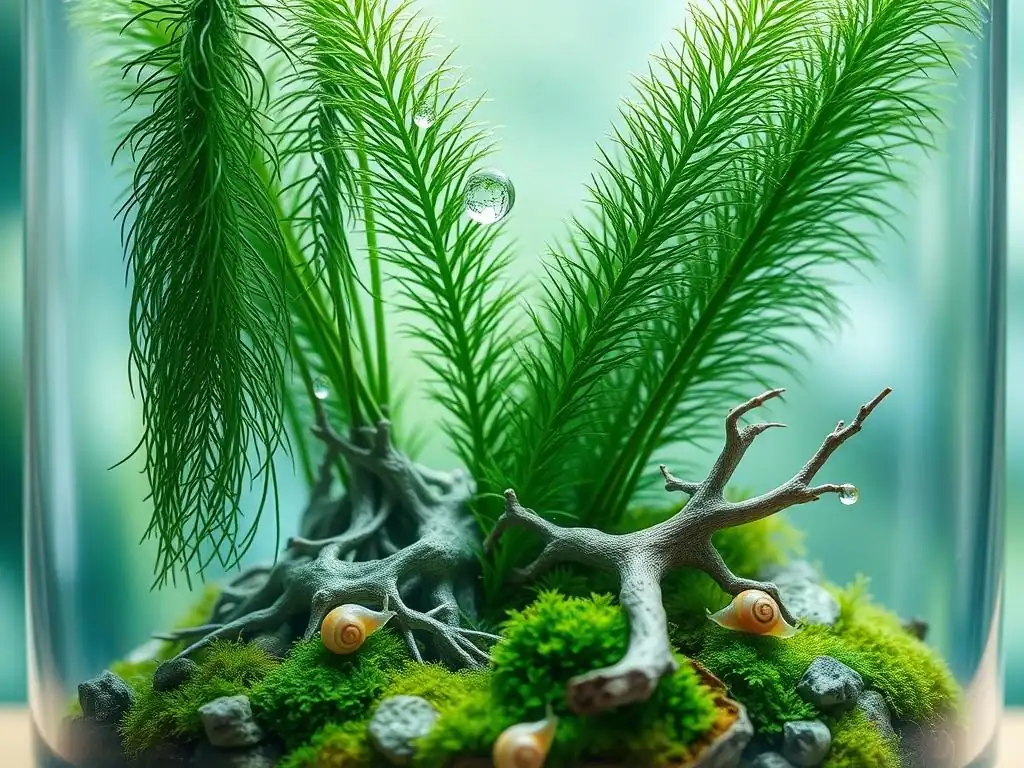
Achieving a stable and beautiful green carpet is an ongoing process that extends beyond initial planting. Consistent care and attention are vital for long-term success.
Regular Water Changes and Substrate Vacuuming
Regular water changes are fundamental for maintaining overall water quality, which directly impacts plant health. Performing weekly or bi-weekly water changes of 20-30% helps replenish essential trace elements, remove accumulated nitrates and phosphates, and prevent the buildup of organic waste that can contribute to algae. While vacuuming the substrate, be gentle around carpeting plants to avoid disturbing their roots. A light surface vacuuming to remove detritus without digging into the substrate is usually sufficient, ensuring the integrity of your carpeting plant rooting solutions.
Monitoring Plant Health and Addressing Issues Promptly
Vigilance is key. Regularly inspect your carpeting plants for any signs of distress, such as discoloration, stunted growth, or melting. Early detection of issues like nutrient deficiencies, algae outbreaks, or pest infestations allows for prompt intervention before problems escalate. For example, if you notice the edges of your Glossostigma elatinoides turning yellow, it might indicate an iron deficiency, prompting you to add an iron supplement. Addressing these issues immediately prevents widespread problems and helps maintain the effectiveness of your carpeting plant rooting solutions.
Enjoying the Beauty of Your Well-Rooted Carpeting Plants
Once your carpeting plants are firmly established and thriving, take time to appreciate the stunning natural beauty they bring to your aquarium. A dense, vibrant green carpet transforms the entire aquascape, providing a natural foreground and a sense of depth. This successful outcome is the reward for meticulously applying the various carpeting plant rooting solutions, from proper substrate selection and planting techniques to consistent water parameter management and ongoing care.
Conclusion: Achieving a Stable and Stunning Green Carpet in Your Aquarium
The journey to a flourishing green carpet in your aquarium can be challenging, but with the right knowledge and consistent effort, it is entirely achievable. Understanding the common reasons why carpeting plants uproot—from inadequate substrate and fish disturbance to nutrient deficiencies and improper flow—is the first critical step. By systematically implementing the comprehensive carpeting plant rooting solutions discussed, such as selecting nutrient-rich substrates, employing secure planting methods like the dry start, managing water parameters, and performing regular maintenance, you can overcome these hurdles.
Ultimately, a stable and vibrant carpeting plant ecosystem is a testament to careful planning and dedicated care. It enhances the aesthetic appeal of your aquarium and contributes to a healthier, more balanced environment for your aquatic inhabitants. Embrace these strategies, and you will soon enjoy the rewarding sight of a lush, unyielding green floor in your underwater masterpiece.
Frequently Asked Questions
What are common reasons why carpeting plants get uprooted in an aquarium?
Carpeting plants often get uprooted due to insufficient root development, aggressive fish, or poor substrate. Strong water currents can also dislodge newly planted or weakly rooted plants.
What type of substrate is best for ensuring carpeting plants root successfully?
A nutrient-rich substrate designed for planted tanks, like aquatic soil or a specialized plant substrate, is crucial. This provides the necessary nutrients and a stable base for root establishment.
How can I prevent fish from digging up my carpeting plants?
Consider adding larger rocks or driftwood around the plants to create a physical barrier. Also, ensure your fish are adequately fed to minimize their foraging behavior in the substrate.
What are some alternative anchoring methods for carpeting plants that are difficult to root?
You can use plant weights, aquarium-safe glue, or even small mesh nets to secure the plants until they establish roots. These methods provide temporary support.
How long does it typically take for carpeting plants to fully root in an aquarium?
The rooting time varies depending on the plant species, water parameters, and substrate conditions. Generally, expect it to take anywhere from 2 to 6 weeks for significant root development.
Okay, here's a final reflection designed to fit your article "Dealing with Uprooted Carpeting Plants: Anchoring Your Green Floor," targeting the keyword "Carpeting plant rooting solutions," and adhering to the structure you provided:
Final Reflection: Cultivating Resilience in Our Green Spaces
The challenges we face in maintaining a lush, vibrant carpet of aquatic plants are more than just horticultural hurdles; they mirror the broader struggles we encounter in fostering stability and growth in any environment. The persistent issue of uprooted carpeting plants underscores the delicate balance between nurturing life and providing the right conditions for it to thrive. Just as a strong foundation is crucial for a building, a robust root system is essential for the health and longevity of our underwater ecosystems.
This journey into the world of carpeting plant rooting solutions has highlighted the importance of patience, observation, and adaptation. The frustration of seeing our carefully cultivated landscapes disrupted serves as a reminder that even the most meticulously planned environments require constant attention and care. The best time to plant a tree was 20 years ago. The second best time is now.
This ancient proverb resonates deeply when considering the long-term commitment required to establish a thriving carpet of aquatic plants. It's a testament to the enduring power of perseverance and the rewards of investing in the future, even when faced with setbacks.
As you navigate the ongoing process of cultivating your own underwater gardens, remember that every uprooted plant is an opportunity to learn, adapt, and refine your approach. Embrace the challenges, experiment with different techniques, and never lose sight of the beauty and tranquility that a healthy, thriving carpet of aquatic plants can bring. Let this knowledge empower you to not only anchor your green floor but also to cultivate resilience and growth in all aspects of your life.
Revitalize Your Underwater Garden!
Thanks for diving deep into the world of planted aquariums! We hope you found some practical tips to keep your carpet plants thriving. Now it's time to put that knowledge into action and watch your aquascape flourish. What's next?
- Secure your carpet plants! Use plant weights or root tabs to give them the anchor they need to settle in.
- Explore different CO2 injection methods to boost your plants' growth and overall health.
- Share your carpeting journey! Post photos of your planted aquarium's progress on aquarium forums and inspire others.
What innovative anchoring method will you try first to keep your plants firmly in place?