
Solar Fairy Wrasse (Cirrhilabrus solorensis): Bringing Radiance to Your Marine Aquarium

Welcome to Aquarium Mastery!
Ever wondered how to bring the vibrant hues of a coral reef right into your living room? Dive in and explore the captivating world of saltwater aquariums, starting with our deep dive into Solar Fairy Wrasse care. Discover the secrets to keeping these radiant beauties thriving, and unlock the potential to create a truly breathtaking aquatic masterpiece. Intrigued? Let's get started!
- Introduction to the Solar Fairy Wrasse
- Understanding Solar Fairy Wrasse Care
- Setting Up the Ideal Aquarium
- Solar Fairy Wrasse Diet and Feeding
- Solar Fairy Wrasse Behavior and Compatibility
- Identifying and Treating Common Diseases
- Breeding Solar Fairy Wrasses
- Purchasing and Acclimation
- Summary of Captivating Qualities
- Troubleshooting Common Issues
- Comparison with Similar Wrasse Species
- Frequently Asked Questions
- Final Reflection: Embracing the Sunlit Depths
- Unveil Your Aquarium's Hidden Radiance
Introduction to the Solar Fairy Wrasse
Overview of Cirrhilabrus solorensis
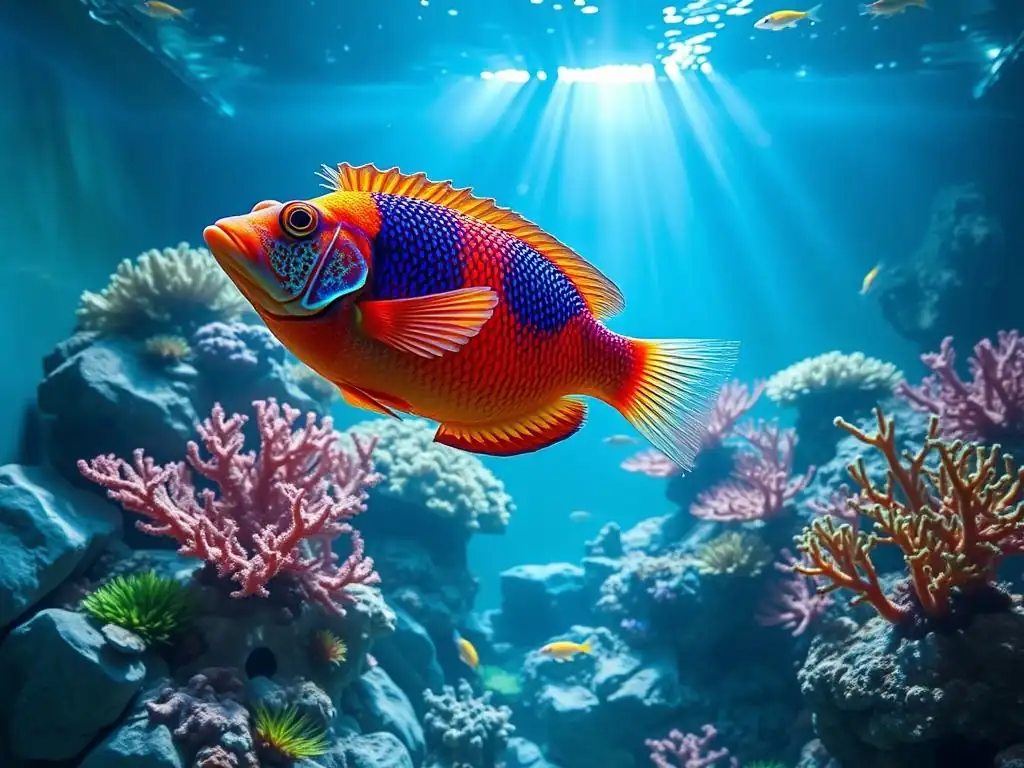
The Solar Fairy Wrasse, scientifically known as Cirrhilabrus solorensis, is a captivating marine fish highly sought after by aquarists for its vibrant coloration and peaceful demeanor. Hailing from the Indo-Pacific region, specifically around Indonesia, New Guinea, and the Solomon Islands, these wrasses inhabit outer reef slopes and rubble zones at depths typically ranging from 3 to 30 meters (approximately 10 to 100 feet). Males display an astonishing palette of colors, predominantly featuring bright orange, red, and yellow hues across their bodies, often accented with blue or green markings on their fins and head, especially during courtship displays.
Females, while still attractive, tend to be more subdued in color, usually exhibiting a yellowish-orange body with less prominent markings. Their maximum size generally reaches about 4 to 5 inches (10-12.5 cm) in a home aquarium, making them a manageable addition to many reef setups.
These dazzling fish are part of the Cirrhilabrus genus, which is renowned for its diverse array of "fairy wrasses," all characterized by their active swimming patterns and relatively small, elongated bodies. Cirrhilabrus solorensis stands out due to its intense coloration and the distinct black spot often present on the dorsal fin of males, which can vary in prominence.
Their natural diet consists primarily of zooplankton, small invertebrates, and copepods, which they meticulously pick from the water column and live rock. Understanding their natural habits is crucial for successful solar fairy wrasse care in a captive environment, as it informs decisions about tank setup, diet, and compatibility.
Benefits of Keeping Solar Fairy Wrasses in a Reef Tank
Integrating a Solar Fairy Wrasse into a reef aquarium offers numerous benefits, enhancing both the aesthetic appeal and the ecological balance of the system. Their brilliant, iridescent colors provide a dynamic focal point, particularly when males engage in flashing displays, which can transform a dull tank into a mesmerizing spectacle.
Unlike some other active marine fish, Cirrhilabrus solorensis is generally reef-safe, meaning they will not typically nip at or damage corals, clams, or other sessile invertebrates. This characteristic makes them an excellent choice for mixed reef tanks, allowing aquarists to enjoy their beauty without compromising the health of their delicate coral colonies.
Beyond their visual appeal, Solar Fairy Wrasses contribute to the tank's ecosystem by actively hunting small, unwanted pests such as pyramid snails, flatworms, and various parasitic copepods, though they are not a dedicated pest control solution. Their constant movement and inquisitive nature also help to stir up detritus from rockwork, aiding in filtration and nutrient export. Furthermore, their peaceful temperament means they typically coexist well with a wide range of other non-aggressive marine fish, making them suitable for community tank setups. Proper solar fairy wrasse care ensures these benefits are fully realized, providing a thriving and harmonious reef environment.
Understanding Solar Fairy Wrasse Care
Essential Water Parameters for Solar Fairy Wrasses
Maintaining stable and appropriate water parameters is paramount for successful solar fairy wrasse care, directly influencing their health, coloration, and longevity. These fish thrive in conditions that mimic their natural reef habitat. The ideal temperature range for Cirrhilabrus solorensis is between 72°F and 78°F (22°C to 25.5°C), with minimal fluctuations throughout the day.
Salinity should be kept stable at 1.023 to 1.026 specific gravity (SG), or 32-35 parts per thousand (ppt). A pH level of 8.1 to 8.4 is optimal, reflecting the slightly alkaline conditions of natural seawater. Consistent monitoring with reliable test kits is essential, as even minor deviations can stress these sensitive fish.
Beyond these primary parameters, secondary water quality indicators are also crucial for comprehensive solar fairy wrasse care. Alkalinity (dKH) should be maintained between 8 and 12 dKH, which supports stable pH and coral growth if corals are present.
Calcium levels should ideally be between 400-450 ppm, and magnesium between 1200-1350 ppm, as these minerals are vital for the calcification processes of corals and many invertebrates, and indirectly contribute to overall water stability beneficial for fish. Nitrate levels should be kept as low as possible, ideally below 10 ppm, and phosphates below 0.03 ppm, to prevent algal blooms and maintain pristine water quality, which is critical for the delicate gills and internal systems of wrasses.
Maintaining Optimal Water Quality
Achieving and sustaining optimal water quality for Cirrhilabrus solorensis involves a combination of consistent husbandry practices and appropriate filtration. Regular partial water changes are fundamental; a weekly or bi-weekly exchange of 10-20% of the tank volume with properly mixed and aged saltwater helps replenish essential trace elements and dilute accumulated nitrates and other pollutants.
For example, in a 75-gallon tank, a 15-gallon weekly water change can significantly contribute to maintaining stable parameters and ensuring pristine conditions for the solar fairy wrasse. The use of high-quality reverse osmosis/deionization (RO/DI) water for mixing saltwater is strongly recommended to prevent the introduction of unwanted contaminants like silicates or heavy metals found in tap water.
Effective filtration is another cornerstone of robust solar fairy wrasse care. A robust protein skimmer is indispensable for removing organic waste before it breaks down into nitrates and phosphates, significantly reducing the bioload. Additionally, mechanical filtration, such as filter socks or sponges, should be employed and cleaned or replaced frequently (e.g., every 2-3 days) to physically remove particulate matter.
Chemical filtration, using activated carbon or specialized phosphate removers (GFO), can further enhance water clarity and purity by adsorbing dissolved organic compounds and specific pollutants. A well-established refugium with macroalgae like Chaetomorpha can also provide natural nutrient export and a stable microfauna population, benefiting the wrasse's overall environment.
Setting Up the Ideal Aquarium
Tank Size and Dimensions
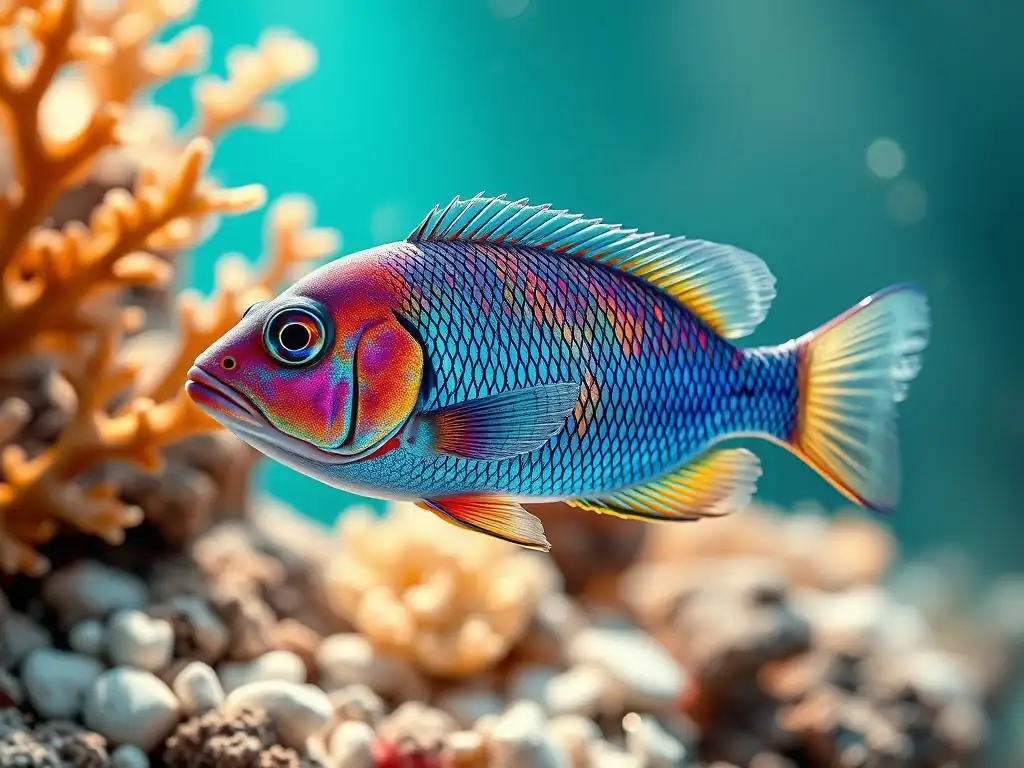
The appropriate tank size is a critical consideration for successful solar fairy wrasse care, directly impacting their well-being and activity levels. While Cirrhilabrus solorensis are relatively small, reaching about 4-5 inches, they are highly active swimmers and require ample horizontal swimming space.
A minimum tank size of 50 gallons is generally recommended for a single specimen, with 75 gallons or larger being ideal to provide sufficient territory and accommodate their energetic nature. For instance, a standard 75-gallon aquarium, typically measuring 48" L x 18" W x 21" H, offers a much more suitable environment than a taller, narrower tank of similar volume, allowing the wrasse to dart and cruise effectively.
When considering multiple wrasses or a community setup, increasing the tank size proportionally is essential to mitigate potential territorial disputes and ensure adequate swimming room for all inhabitants. For example, housing a pair or a small group of Cirrhilabrus solorensis would necessitate a tank of 100 gallons or more. The tank dimensions, particularly length, are more important than height for these fish. A longer tank provides the expansive horizontal space they need to display their natural swimming behaviors and establish individual territories without undue stress.
Creating a Reef-Safe Environment
Establishing a reef-safe environment is crucial for solar fairy wrasse care, as these fish thrive in aquariums that replicate their natural coral reef habitats. While generally peaceful and non-aggressive towards corals, the overall setup must cater to their need for hiding spots and open swimming areas.
Live rock is indispensable, providing natural filtration, a stable biological foundation, and numerous crevices and caves for the wrasse to explore and retreat into when feeling threatened or for sleeping at night. Aim for a rock-to-water ratio that allows for plenty of structure without impeding swimming lanes, typically 1 to 1.5 pounds of live rock per gallon of water.
The aquascape should be designed with both open swimming areas and ample hiding spots in mind. Create various rock formations, arches, and overhangs using stable live rock structures. These structures not only offer refuge but also provide surfaces for beneficial bacteria to colonize and contribute to the overall biological filtration.
Ensuring the rockwork is stable and secure is paramount to prevent collapses that could injure the wrasse or damage the tank. Additionally, a tightly fitting lid or mesh screen is absolutely essential, as Cirrhilabrus solorensis are notorious jumpers, especially when startled or introduced to a new environment. Even a small gap can be an escape route, leading to tragic loss.
Substrate and Aquascaping
The choice of substrate plays a role in solar fairy wrasse care, although its primary function is often aesthetic and supportive of other tank inhabitants like corals or burrowing invertebrates. A fine to medium-grained sand bed, ranging from 1 to 3 inches (2.5-7.5 cm) in depth, is generally suitable. While Cirrhilabrus solorensis are not typically sand-burrowing wrasses like some other species (e.g., Halichoeres genus), a soft substrate can still provide a comfortable bottom layer and host beneficial microfauna. For instance, a 2-inch sand bed in a 75-gallon tank would require approximately 75-100 pounds of live sand.
When designing the aquascape, prioritize creating multiple visual breaks and distinct territories within the live rock structure. This helps reduce potential aggression if multiple wrasses are kept, or simply provides a sense of security for a single specimen. Incorporate both open sandy areas for foraging and densely structured rockwork for exploration and refuge.
Consider using various types of live rock, such as Fiji or Pukani, to create diverse textures and shapes. The overall goal of aquascaping for solar fairy wrasse care is to mimic the complex, diverse environment of a natural coral reef, offering both security and ample space for their active lifestyle.
Solar Fairy Wrasse Diet and Feeding
Natural Diet and Nutritional Needs
In their natural habitat, Solar Fairy Wrasses are primarily planktivores, meaning their diet consists predominantly of zooplankton, small crustaceans, and other microscopic organisms that they actively pick from the water column. This includes copepods, amphipods, and various larval stages of marine invertebrates. Their natural feeding behavior involves constantly swimming and darting, sifting through the water for food particles. To ensure optimal solar fairy wrasse care in a home aquarium, their captive diet must closely mimic these natural nutritional needs, providing a balanced array of proteins, fats, vitamins, and minerals.
A diet rich in high-quality marine proteins and essential fatty acids is crucial for maintaining their vibrant coloration, robust immune system, and overall health. Deficiencies in key nutrients can lead to faded colors, reduced activity, and increased susceptibility to disease. For example, a diet lacking in highly unsaturated fatty acids (HUFAs) like DHA and EPA can impair nervous system function and overall vitality. Therefore, providing a varied diet that includes both meaty foods and fortified prepared foods is essential for meeting the complex nutritional requirements of Cirrhilabrus solorensis.
Recommended Feeding Practices
For optimal solar fairy wrasse care, a varied feeding regimen is highly recommended. Offer a mix of high-quality frozen foods such as mysis shrimp, enriched brine shrimp, cyclop-eeze, and finely chopped marine-based foods. These should be supplemented with premium marine pellets and flakes specifically formulated for carnivorous or omnivorous marine fish, which often contain spirulina or other vegetable matter.
Feeding small amounts 2-3 times per day is generally more beneficial than one large feeding, as it mimics their natural continuous foraging behavior and minimizes water pollution from uneaten food. For instance, offering a pinch of frozen mysis shrimp in the morning, followed by a small amount of marine pellets in the afternoon, and another frozen food serving in the evening, can provide consistent nutrition.
When feeding, ensure the food particles are appropriately sized for the wrasse's mouth. For smaller specimens or when first introducing new foods, finely chopping or thawing frozen foods thoroughly is important. Observe their feeding response to ensure they are actively consuming the food and not being outcompeted by more aggressive tank mates. If the wrasse appears shy or hesitant, target feeding with a pipette can be beneficial to ensure they receive adequate nutrition. This diligent approach to feeding is a cornerstone of effective solar fairy wrasse care.
Supplementation
While a varied diet of high-quality foods provides most essential nutrients, targeted supplementation can further enhance solar fairy wrasse care and promote peak health and coloration. Vitamin supplements, especially those rich in Vitamin C and B vitamins, can be soaked into frozen foods a few minutes before feeding. For example, a product like Selcon or Vita-Chem, rich in HUFAs and vitamins, can be used to fortify mysis or brine shrimp, boosting their nutritional value significantly. This is particularly beneficial for newly acquired or stressed fish, helping to bolster their immune system.
Additionally, some aquarists opt for live food supplementation, such as cultured copepods or amphipods, which can be periodically added to the tank. These not only provide natural enrichment and stimulate hunting instincts but also offer a highly nutritious and easily digestible food source.
For instance, adding a bottle of live copepods to a 75-gallon tank once a week can provide continuous grazing opportunities for the wrasse and other planktivores. While not strictly necessary if a diverse frozen and dry food diet is maintained, live supplementation can mimic their natural feeding environment more closely and contribute to a more robust and vibrant Cirrhilabrus solorensis.
Solar Fairy Wrasse Behavior and Compatibility
Understanding Their Peaceful Temperament
The Solar Fairy Wrasse is widely admired for its generally peaceful and non-aggressive temperament, making it an excellent candidate for community reef aquariums. Unlike some other wrasse species that can be boisterous or territorial, Cirrhilabrus solorensis typically spends its day gracefully swimming through the water column, darting between rockwork, and actively searching for food. They are not known to harass or nip at corals, anemones, or other sessile invertebrates, solidifying their reputation as a truly reef-safe species. This calm disposition is a significant advantage for comprehensive solar fairy wrasse care, as it minimizes stress within the tank environment.
While generally placid, male Solar Fairy Wrasses may exhibit some territorial behavior towards other male wrasses, particularly those of similar shape, size, or coloration, or even other Cirrhilabrus species. This can manifest as fin nipping or chasing, especially in smaller tanks (e.g., under 75 gallons) where space is limited. However, serious physical harm is rare.
If introducing multiple wrasses, it's often best to add them simultaneously or introduce the most dominant fish last, and always ensure ample swimming space and visual barriers within the aquascape to diffuse potential conflicts. Understanding these nuances is key to successful solar fairy wrasse care in a multi-species setup.
Suitable Tank Mates
Choosing appropriate tank mates is crucial for the long-term success of solar fairy wrasse care. Due to their peaceful nature, Cirrhilabrus solorensis thrives alongside a wide array of non-aggressive, similarly sized marine fish.
Excellent companions include other peaceful wrasses (e.g., Flasher Wrasses, certain other Fairy Wrasses, provided there's enough space and species diversity), cardinalfish (e.g., Banggai Cardinalfish), gobies (e.g., watchman gobies, clown gobies), blennies (e.g., Lawnmower Blennies), and small, peaceful angelfish (e.g., Flame Angelfish, Coral Beauty Angelfish). For instance, a Solar Fairy Wrasse would typically coexist harmoniously with a pair of Ocellaris Clownfish and a Yellow Watchman Goby in a 75-gallon reef tank.
Invertebrates and corals are generally safe from Cirrhilabrus solorensis. They will not bother ornamental shrimp (e.g., Peppermint Shrimp, Skunk Cleaner Shrimp), snails, hermit crabs, or most types of corals, including soft corals, LPS (Large Polyp Stony), and SPS (Small Polyp Stony) corals. This compatibility makes them an ideal choice for vibrant, mixed-reef aquariums. The key to successful solar fairy wrasse care in a community setting is to select tank mates that will not bully or outcompete the wrasse for food, ensuring a stress-free environment where all inhabitants can thrive.
Incompatible Tank Mates
While generally peaceful, certain fish species are unsuitable tank mates for Cirrhilabrus solorensis and should be avoided to ensure proper solar fairy wrasse care. Highly aggressive or predatory fish pose a significant threat. This includes large groupers, lionfish, snappers, and large moray eels, which view smaller fish like the fairy wrasse as potential prey. Even semi-aggressive fish, such as certain triggers (e.g., Picasso Triggerfish) or larger angelfish (e.g., Emperor Angelfish), can intimidate or harass the wrasse, leading to stress, fin nipping, or even starvation if the wrasse becomes too shy to feed.
Furthermore, extremely boisterous or fast-swimming fish that are much larger than the wrasse, even if not directly aggressive, can outcompete Cirrhilabrus solorensis for food, leading to malnutrition. Examples include some tangs (e.g., large Yellow Tangs) if the tank is undersized, or certain large damselfish.
While some wrasse species can be housed together, keeping multiple male Cirrhilabrus solorensis or similar-looking fairy wrasses in tanks smaller than 100-120 gallons can lead to intense territorial disputes and aggression, often resulting in the demise of the weaker fish. Careful consideration of temperament, size, and specific dietary needs of all potential tank mates is critical for the long-term success of solar fairy wrasse care.
Identifying and Treating Common Diseases
Recognizing Signs of Illness
Early detection of illness is a critical component of effective solar fairy wrasse care. A healthy Cirrhilabrus solorensis will exhibit vibrant coloration, active swimming, and a strong appetite. Any deviation from these normal behaviors should prompt immediate investigation. Common signs of illness include faded or dull coloration, which can indicate stress, poor water quality, or the onset of disease. Labored breathing, rapid gill movements (gasping), or flashing against rocks (rubbing their body against surfaces) are strong indicators of external parasites like Marine Ich ( Cryptocaryon irritans) or Velvet ( Amyloodinium ocellatum).
Other warning signs include loss of appetite or refusal to eat, which can signal internal parasites, bacterial infections, or severe stress. Cloudy eyes, frayed fins, or visible lesions on the body suggest bacterial infections or physical injury. An unusual swimming pattern, such as listlessness, erratic darting, or staying at the bottom or surface of the tank, also warrants concern. For example, a wrasse that normally cruises the mid-water column but suddenly hides constantly or swims erratically may be experiencing severe internal distress. Prompt recognition of these symptoms is vital for timely intervention and successful solar fairy wrasse care.
Common Diseases and Treatments
Cirrhilabrus solorensis, like all marine fish, can be susceptible to common saltwater diseases, primarily external parasites and bacterial infections. Marine Ich ( Cryptocaryon irritans) is one of the most prevalent, characterized by visible white spots resembling salt grains on the fish's body and fins. Treatment typically involves transferring the infected fish to a separate quarantine tank for copper-based medication (e.g., Copper Power at 0.25-0.35 ppm) or hyposalinity (reducing salinity to 1.009-1.010 SG) for several weeks.
Another common parasitic threat is Marine Velvet ( Amyloodinium ocellatum), which presents as a dusty, yellowish-brown film and is highly virulent. Copper treatments are also effective against Velvet, but it progresses much faster than Ich.
Bacterial infections, often secondary to stress or injury, can cause fin rot, body lesions, or cloudy eyes. These are typically treated with broad-spectrum antibiotics, administered in a quarantine tank via medicated food or water. For instance, a wrasse with frayed fins and a cloudy eye might be treated with an antibiotic like Nitrofurazone or Erythromycin.
Internal parasites, though less common, can cause emaciation despite good feeding; these may require medicated foods containing metronidazole or praziquantel. Always ensure proper diagnosis before treatment, and consult a marine aquarium health guide or experienced aquarist for specific dosages and procedures, which are crucial for effective solar fairy wrasse care.
Quarantine Procedures
Implementing a strict quarantine procedure for all new arrivals is the single most effective preventative measure in solar fairy wrasse care, significantly reducing the risk of introducing diseases into your main display tank. A dedicated quarantine tank (QT) of at least 10-20 gallons, equipped with a heater, sponge filter, and PVC pipes for hiding, is essential. The QT should be barren of substrate to facilitate cleaning and observation.
New Cirrhilabrus solorensis specimens should be housed in the QT for a minimum of 4-6 weeks. During this period, observe them closely for any signs of illness, such as those described above.
During quarantine, it's common practice to proactively treat for common external parasites. For example, a common protocol involves a freshwater dip (for 3-5 minutes, matching temperature and pH) upon arrival to dislodge external parasites, followed by a prophylactic copper treatment (maintaining a therapeutic level of 0.25-0.35 ppm for 14-21 days) or daily doses of Chloroquine phosphate (if available). Another method is the Tank Transfer Method (TTM) for Ich.
Even if no symptoms appear, the full quarantine period allows any hidden parasites to manifest and be treated. This diligent approach to quarantine is paramount for safeguarding the health of your existing marine aquarium inhabitants and ensuring long-term solar fairy wrasse care success.
Breeding Solar Fairy Wrasses
Creating Breeding Conditions
Breeding Solar Fairy Wrasses ( Cirrhilabrus solorensis) in a home aquarium is exceptionally rare and has only been documented a handful of times in specialized facilities, primarily due to their pelagic spawning habits and the difficulty in raising their tiny larvae. However, creating optimal conditions that might encourage spawning involves replicating their natural environment as closely as possible.
This includes a very large, mature aquarium (e.g., 200 gallons or more) with exceptionally stable and pristine water parameters, mirroring those of their natural reef habitat: temperature 76-78°F (24-25.5°C), salinity 1.025 SG, and stable pH 8.1-8.3. A diverse and abundant live food source, such as constantly dosed copepods and amphipods, is also crucial.
Furthermore, a healthy and compatible pair or a small harem (one male with several females) is necessary. Distinguishing sexes is relatively straightforward, with males displaying much brighter, more elaborate coloration and fin extensions compared to the more subdued females. Providing ample hiding spots and open swimming areas within the aquascape helps reduce stress and encourages natural behaviors. A high-quality, varied diet, rich in proteins and vitamins, fed multiple times a day, is also vital to condition the fish for spawning. Despite these efforts, successful breeding of Cirrhilabrus solorensis in captivity remains an advanced challenge, primarily undertaken by expert breeders.
Spawning Behavior
When conditions are favorable, Solar Fairy Wrasses exhibit distinct spawning behaviors, typically occurring at dusk. The male will undergo a dramatic "flashing" display, intensifying his colors and extending his fins to attract the female. He will often swim in a rapid, undulating pattern around the female, leading her towards the water surface. This courtship ritual can be quite elaborate and visually stunning. If the female is receptive, the pair will ascend rapidly towards the surface of the water, releasing their eggs and sperm simultaneously at the apex of their ascent.
The eggs of Cirrhilabrus solorensis are pelagic, meaning they are buoyant and float freely in the water column, drifting with the currents. They are extremely small and transparent, making them very difficult to observe and collect in a typical display tank. In the wild, these eggs would disperse into the open ocean, developing as they drift. The challenge for captive breeding lies not only in inducing spawning but also in successfully collecting these minute eggs without damage and then providing the specialized conditions required for larval development and feeding, which often involves culturing rotifers and copepods of specific sizes.
Raising Fry
Raising Solar Fairy Wrasse fry is the most challenging aspect of their captive breeding, often proving to be the bottleneck for success. The newly hatched larvae are minuscule, typically less than 2mm, and require extremely small, live food sources immediately upon hatching.
Rotifers (e.g., Brachionus plicatilis) enriched with highly unsaturated fatty acids (HUFAs) are usually the first food source, followed by progressively larger live foods such as copepod nauplii as the fry grow. Maintaining pristine water quality in the larval rearing tank, which is often a separate, sterile environment, is paramount, as the fry are incredibly sensitive to ammonia and nitrite.
The larval stage is prolonged, and the fry are highly susceptible to predation, starvation, and water quality issues. They require a stable environment with gentle aeration and constant access to appropriate-sized food. As they grow, they gradually transition to larger live foods and eventually finely powdered dry foods.
Survival rates are typically very low, even in professional settings. The complexity of culturing the necessary microscopic live feeds and managing the delicate larval environment makes raising Cirrhilabrus solorensis fry a task reserved for highly experienced aquaculturists with specialized equipment and knowledge, far beyond the scope of typical solar fairy wrasse care for hobbyists.
Purchasing and Acclimation
Selecting Healthy Specimens
Selecting a healthy Solar Fairy Wrasse is a crucial first step in ensuring successful solar fairy wrasse care and a long, vibrant life in your aquarium. When purchasing, observe the fish carefully for any signs of distress or illness. A healthy Cirrhilabrus solorensis should exhibit bright, intense coloration (though males may be subdued if stressed), clear eyes, and intact fins without any tears or fraying. It should be actively swimming, alert, and responsive to its surroundings, not listless or hiding excessively. Observe its breathing; gill movements should be regular and not rapid or labored.
Avoid any fish that show visible white spots (Ich), a dusty film (Velvet), cloudy eyes, open sores, or signs of emaciation (a pinched-in belly or sunken eyes). Ask the retailer about the fish's feeding habits; a healthy wrasse should have a good appetite and readily accept food.
For instance, if the wrasse is actively picking at the substrate or glass, it's a good sign it's settled and looking for food. Inquire about how long the fish has been at the store; specimens that have been held for at least a week and are actively feeding are generally more robust and better acclimated to captive conditions than newly arrived ones.
Reputable Sources
Acquiring your Solar Fairy Wrasse from a reputable source is just as important as selecting a healthy specimen. Reputable fish stores and online vendors prioritize the health and well-being of their livestock, often quarantining new arrivals themselves and providing high-quality care. Look for retailers with clean, well-maintained display tanks, knowledgeable staff, and transparent information about the origin and conditioning of their fish. For example, a good store will be able to tell you if the Cirrhilabrus solorensis is wild-caught or aquaculture-bred, and how long it has been in their facility.
Online vendors with strong positive reviews, clear shipping policies, and a live arrival guarantee are also excellent options. These vendors often have access to a wider variety of species and may have more specialized knowledge about specific fish.
Some online sources specialize in highly conditioned or even aquaculture-bred fish, which tend to be hardier and more accustomed to captive diets. Avoiding sources that offer suspiciously low prices or show signs of poor husbandry (e.g., crowded tanks, dead fish in tanks) will significantly reduce the risk of introducing disease or purchasing a stressed, unhealthy fish, thus improving your solar fairy wrasse care journey.
Acclimation Process
Proper acclimation is a critical step for successful solar fairy wrasse care, minimizing stress and preventing shock when introducing a new fish to your aquarium. The drip acclimation method is highly recommended for wrasses and other sensitive marine fish, as it allows for a slow, gradual equalization of temperature, pH, and salinity between the transport bag water and your aquarium water. Begin by floating the sealed bag in your sump or display tank for 15-20 minutes to equalize temperature.
After temperature equalization, open the bag and roll down the edges to create a float. Using airline tubing and a knot or small valve, start a slow drip of your aquarium water into the bag, aiming for 1-2 drips per second. Allow the water volume in the bag to slowly triple over a period of 45-60 minutes.
Once the volume has tripled, carefully net the wrasse and place it gently into your quarantine tank (highly recommended) or display tank, discarding the water from the bag. Avoid pouring the bag water directly into your tank, as it may contain ammonia or other undesirable substances. This careful acclimation process significantly reduces stress and improves the chances of successful solar fairy wrasse care.
Summary of Captivating Qualities
Key Considerations for Success
Successful solar fairy wrasse care hinges on several key considerations that ensure these vibrant fish thrive in a captive environment. First and foremost, providing a mature, stable marine aquarium of at least 50-75 gallons for a single specimen is paramount, offering ample swimming space and a well-established biological filter. Maintaining pristine and stable water parameters—specifically temperature between 72-78°F, salinity 1.023-1.026 SG, and pH 8.1-8.4—is non-negotiable. Regular water changes (10-20% weekly/bi-weekly) and robust filtration (protein skimmer, mechanical, chemical) are essential for this stability.
Secondly, a varied and high-quality diet is crucial. Feeding small, frequent meals (2-3 times daily) of frozen mysis shrimp, enriched brine shrimp, and high-quality marine pellets/flakes ensures their nutritional needs are met, directly impacting their coloration and vitality. Thirdly, a reef-safe aquascape with plenty of live rock for hiding spots and open swimming areas mimics their natural habitat and reduces stress.
Finally, the selection of compatible, peaceful tank mates and the implementation of a strict 4-6 week quarantine protocol for all new additions are vital preventative measures against disease. Adhering to these considerations forms the bedrock of exceptional solar fairy wrasse care.
Long-Term Health and Happiness
Ensuring the long-term health and happiness of a Solar Fairy Wrasse involves a continuous commitment to the fundamental principles of marine aquarium husbandry, building upon the initial key considerations. Consistent monitoring of water parameters, even after the tank has matured, helps detect subtle shifts before they become problematic. For instance, a gradual rise in nitrates might indicate insufficient water changes or overfeeding, prompting adjustments to the maintenance schedule.
Regularly observing the wrasse's behavior, appetite, and coloration allows for early detection of potential issues, enabling prompt intervention. A wrasse that consistently exhibits vibrant colors, active swimming, and eager feeding responses is a strong indicator of a happy and healthy fish.
Furthermore, providing environmental enrichment through diverse aquascaping and the occasional introduction of live foods (e.g., copepods) can stimulate their natural foraging instincts and reduce boredom. Maintaining a stable social environment by avoiding aggressive tank mates or overcrowding also contributes significantly to their well-being.
A Cirrhilabrus solorensis that feels secure and has ample space to explore will display its full spectrum of colors and exhibit natural behaviors like flashing. By consistently applying these comprehensive solar fairy wrasse care practices, aquarists can enjoy the captivating beauty and lively presence of this species for many years, often exceeding 5-7 years in a well-maintained aquarium.
Troubleshooting Common Issues
Addressing Fading Colors and Loss of Appetite
Fading colors and a loss of appetite in a Solar Fairy Wrasse are common distress signals that require prompt attention to ensure proper solar fairy wrasse care. Often, these symptoms are linked to deteriorating water quality. For instance, elevated nitrate levels (e.g., above 20 ppm) or fluctuating pH can cause significant stress, leading to dull coloration and a refusal to eat. The immediate action should be to test all essential water parameters (temperature, salinity, pH, ammonia, nitrite, nitrate, alkalinity, calcium) and perform a significant partial water change (e.g., 25-30%) using properly mixed saltwater to rapidly improve conditions.
Another frequent cause is stress due to incompatible tank mates or insufficient hiding spots. If the wrasse is being bullied by a more aggressive fish, or if it lacks secure places to retreat, it will become stressed, leading to faded colors and a reluctance to feed. Observe tank mate interactions closely.
If a bully is identified, consider rehoming it or adding more visual barriers to the aquascape. Internal parasites or bacterial infections can also cause loss of appetite; if water quality is pristine and stress factors are minimized, consider a quarantine tank for observation and potential medicated food treatment. For example, a wrasse that suddenly stops eating frozen mysis but shows no external signs of disease might respond to a medicated food containing Metronidazole.
Managing Aggression
While generally peaceful, managing aggression, particularly between male Cirrhilabrus solorensis or similar wrasses, is an important aspect of solar fairy wrasse care in multi-wrasse setups. Aggression typically manifests as chasing, nipping at fins, or displaying dominant postures. This usually stems from insufficient space for territories or similar appearances triggering rivalry. For instance, two male Solar Fairy Wrasses in a 75-gallon tank are highly likely to fight, whereas a 120-gallon tank with more rockwork might mitigate this.
To manage aggression, first ensure the tank size is adequate for the number and type of wrasses. For Cirrhilabrus solorensis, it's generally best to keep only one male per tank, unless the aquarium is exceptionally large (200+ gallons) with numerous hiding spots and multiple females to diffuse male aggression. If aggression occurs, increasing the amount of live rock and creating more visual barriers can help break line of sight and establish distinct territories.
Introducing new fish, especially wrasses, simultaneously or adding the least aggressive species first can also reduce initial conflicts. In severe cases, the more aggressive or weaker fish may need to be removed to a separate tank to prevent injury or death.
Preventing Jumping
Preventing jumping is perhaps one of the most critical, yet often overlooked, aspects of solar fairy wrasse care. Cirrhilabrus solorensis are highly active and easily startled fish, making them notorious jumpers. Even small gaps in the aquarium lid can be an escape route. The most effective preventative measure is a tightly fitting, solid lid or a mesh screen top. Standard glass lids often have gaps for equipment, which should be covered with plastic mesh or tape. Custom-cut acrylic or glass lids are ideal.
Ensure there are no open spaces around heaters, powerheads, or return pipes. For example, a common escape point is the small gap around a hang-on-back filter or protein skimmer. These areas should be sealed with foam, plastic, or mesh.
When performing tank maintenance or feeding, be mindful that wrasses can jump even when the lid is partially open. Keeping the room lights on during tank maintenance can also help reduce the likelihood of a startled jump. A single jump onto a hard floor is almost always fatal for a wrasse, underscoring the absolute necessity of a secure lid for long-term solar fairy wrasse care.
Comparison with Similar Wrasse Species
Cirrhilabrus solorensis vs. Cirrhilabrus rubrimarginatus
When considering solar fairy wrasse care, it's beneficial to understand how Cirrhilabrus solorensis compares to other popular fairy wrasses, such as the Red Margin Fairy Wrasse ( Cirrhilabrus rubrimarginatus). Both are highly prized for their beauty and peaceful nature, but they possess distinct characteristics. Cirrhilabrus solorensis is typically smaller, reaching about 4-5 inches, and is characterized by its dominant orange-yellow body, often with a prominent black spot on the dorsal fin, and varying blue-green accents. Its distribution is generally centered around Indonesia and the Solomon Islands.
In contrast, Cirrhilabrus rubrimarginatus is a larger species, growing up to 6 inches or more. Its coloration is generally more subdued with a reddish or purplish margin on its fins (hence the name), a greenish body, and often intricate blue lines or spots. Its distribution spans a wider range, including parts of the Indian Ocean and Western Pacific.
While both are active, C. rubrimarginatus tends to be a bit more robust due to its larger size. Understanding these differences is key for proper species identification and ensuring the correct solar fairy wrasse care, or Red Margin Fairy Wrasse care, is applied.
Distinguishing Characteristics and Care
Distinguishing between Cirrhilabrus solorensis and Cirrhilabrus rubrimarginatus goes beyond size and primary color. C. solorensis typically displays a more "fiery" or "solar" palette of oranges, reds, and yellows, often with a distinct vertical or diagonal bar on its body, and that characteristic dorsal fin spot. Its body shape tends to be slightly more slender.
C. rubrimarginatus, on the other hand, often has a more robust body, with a green or olive base color and prominent red or purplish margins on its dorsal, anal, and caudal fins, which can be quite striking. Some variants of C. rubrimarginatus also show a network of fine blue lines.
In terms of care, both species require similar high-quality solar fairy wrasse care, including stable water parameters, a varied diet of meaty foods, and a secure lid. However, due to its larger adult size, C. rubrimarginatus generally requires a larger minimum tank size, typically 75 gallons or more for a single specimen, compared to the 50-75 gallons for C. solorensis.
Both are reef-safe and generally peaceful, but the larger C. rubrimarginatus might be slightly more dominant if housed with very small or timid tank mates. Careful identification ensures that specific needs, particularly regarding space, are met, leading to healthier fish.
Choosing the Right Fairy Wrasse
Choosing the right fairy wrasse for your marine aquarium depends on several factors, including tank size, existing tank mates, and personal aesthetic preference. If you have a tank between 50-75 gallons and prefer a fish with intense, fiery coloration and a slightly smaller adult size, Cirrhilabrus solorensis is an excellent choice, as its specific solar fairy wrasse care requirements align well with such a setup. Its active yet peaceful nature makes it suitable for many community reef tanks.
If you possess a larger aquarium, perhaps 75 gallons or more, and are drawn to a wrasse with a more substantial presence and a unique blend of green and red/purple hues, then Cirrhilabrus rubrimarginatus might be more appealing. Both species are relatively hardy once acclimated and will bring immense beauty to a well-maintained reef system. Regardless of the species chosen, understanding the specific care requirements, including diet, water parameters, and compatibility, is paramount for the long-term success and vibrancy of your chosen fairy wrasse.
Frequently Asked Questions
How difficult is it to care for a Solar Fairy Wrasse?
The Solar Fairy Wrasse is considered moderately difficult to care for. They require a stable, well-established reef tank and are best suited for experienced aquarists.
What size tank is appropriate for a Solar Fairy Wrasse?
A minimum tank size of 75 gallons is recommended for a single Solar Fairy Wrasse. This provides enough space for swimming and establishes a stable environment.
What do Solar Fairy Wrasses eat?
They are carnivores and require a diet of small meaty foods, such as mysis shrimp, brine shrimp, and finely chopped seafood. Variety in their diet is crucial for their health and coloration.
Are Solar Fairy Wrasses reef safe?
Generally, yes, Solar Fairy Wrasses are considered reef safe. They typically do not bother corals or other invertebrates, making them a good addition to reef tanks.
What are common health issues affecting Solar Fairy Wrasses?
Common issues include ich and other parasitic infections, often brought on by stress. Maintaining high water quality and providing a quarantine period for new arrivals can help prevent these problems.
Final Reflection: Embracing the Sunlit Depths
The journey into understanding Solar Fairy Wrasse care reveals more than just the intricacies of maintaining a vibrant aquarium; it highlights our responsibility as stewards of these delicate ecosystems. The knowledge shared here, from water parameters to dietary needs, underscores the commitment required to ethically and successfully keep these radiant creatures. The success of a home aquarium, mirroring the health of the ocean, becomes a powerful testament to informed and responsible aquarists.
This exploration of Cirrhilabrus solorensis extends beyond the practicalities of fishkeeping; it touches upon our connection to the natural world and the beauty we strive to preserve. The vibrant colors and graceful movements of the Solar Fairy Wrasse serve as a constant reminder of the ocean's fragility and the importance of conservation. In the end, we will conserve only what we love; we will love only what we understand; and we will understand only what we are taught.
- Baba Dioum. This quote resonates deeply, emphasizing the role of education and understanding in fostering a genuine appreciation for marine life.
Now, consider the lessons learned about the Solar Fairy Wrasse and their delicate needs. How can you apply this same level of dedication and care to other aspects of your life, both within and beyond the aquarium? Let the radiance of these sunlit fish inspire you to cultivate a deeper understanding and appreciation for the world around you, and to actively contribute to its preservation, one thoughtful action at a time.
Thank you for exploring the captivating world of the Solar Fairy Wrasse! We hope this article has illuminated its unique beauty and care requirements. Now, let's bring that radiance to life!
Here are a few steps you can take to further your aquarium journey:
- Prioritize a reef-safe environment before considering adding a Solar Fairy Wrasse to your aquarium.
- Dive deeper into the fascinating behaviors of Fairy Wrasses by researching related species and their specific needs.
- Share your newfound knowledge! Discuss the brilliance of the Solar Fairy Wrasse with fellow aquarium enthusiasts in forums or social media groups.
What other radiant additions are you considering for your marine aquarium?