
Healing LPS Coral Frags: Tips for Success with Euphyllia, Favia & Acans

Welcome to Aquarium Mastery!
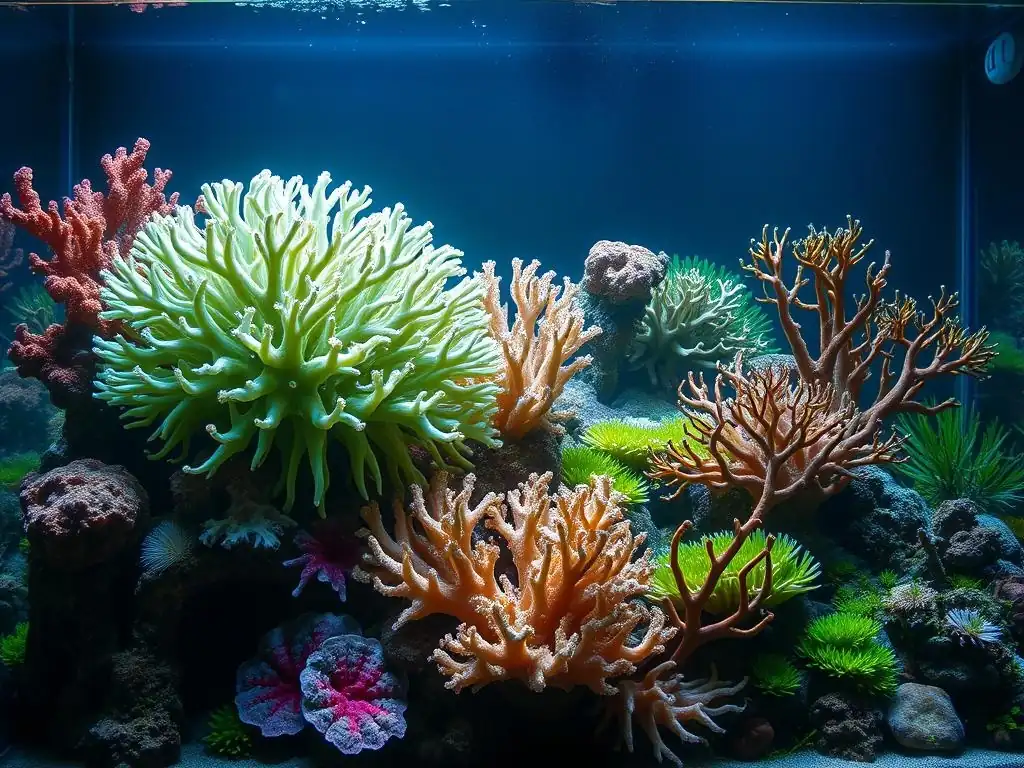
Ready to unlock the secrets to LPS coral propagation success? Healing LPS Coral Frags: Tips for Success with Euphyllia, Favia & Acans dives deep into the techniques you need to nurture even the most delicate LPS corals. Are you facing challenges with fragging your prized corals? Or perhaps you’re simply curious about how to expand your reef with stunning new colonies? Let's explore the best practices for ensuring your LPS frags thrive, transforming your aquarium into a vibrant underwater paradise. Keep reading to discover our expert tips and tricks!
- Understanding LPS Coral Fragging and Healing
- Preparing LPS Coral Frags for Healing: A Step-by-Step Guide
- Optimizing Water Parameters for LPS Coral Frag Recovery
- Providing Proper Lighting and Flow for LPS Coral Frags
- Feeding LPS Coral Frags for Accelerated Growth and Healing
- Monitoring and Addressing Common Problems in LPS Coral Frags
- Advanced Techniques for Enhancing LPS Coral Propagation Success
- Troubleshooting Common LPS Coral Fragging Issues
- Achieving Long-Term LPS Coral Propagation Success
- Conclusion: Mastering LPS Coral Propagation for a Thriving Reef Tank
-
Frequently Asked Questions
- How important is water quality for LPS coral propagation success?
- What are the best techniques for fragging Euphyllia, Favia, and Acanthastrea corals?
- What are the ideal conditions for healing LPS coral frags after propagation?
- How can I prevent infections in my LPS coral frags during the healing process?
- What are some common signs that an LPS coral frag is not healing properly?
- Final Reflection: Cultivating Resilience in Our Reefs
- Dive Deeper into Coral Care!
Understanding LPS Coral Fragging and Healing
The Basics of LPS Coral Propagation
LPS coral propagation, commonly known as fragging, involves the asexual reproduction of large polyp stony corals by taking a small piece, or "frag," from a larger, healthy parent colony. This process is fundamental for reef aquarists looking to expand their coral collection, trade with other hobbyists, or even to rescue parts of a declining colony. The goal is to create new, viable coral colonies that can thrive independently, contributing to the overall LPS coral propagation success within a reef system.
The methods for LPS fragging vary depending on the coral's skeletal structure. For example, branching Euphyllia species (like Hammers and Torches) are typically fragged by carefully cutting through the calcified skeleton. Encrusting or massive corals such as Favia and Acanthastrea (Acans) are often fragged by cutting or breaking off a section that includes multiple polyps. Regardless of the specific technique, the immediate aftermath of fragging initiates a healing process where the coral must repair tissue damage and begin to encrust onto a new substrate, which is a critical step for long-term LPS coral propagation success.
Why LPS Coral Fragging is Necessary
LPS coral fragging serves multiple purposes beyond simple expansion. It's a crucial practice for sustainable aquaculture, reducing reliance on wild-collected specimens and promoting responsible reef keeping. By propagating corals in captivity, hobbyists contribute to conservation efforts and help maintain genetic diversity within the hobby. Furthermore, fragging can be a management tool for overgrown colonies that might be shading or stinging neighboring corals, thereby maintaining a balanced and healthy reef ecosystem.
From a practical standpoint, fragging allows aquarists to share or sell corals, fostering a vibrant community and economy around the hobby. It also provides a means to rescue portions of a coral colony that might be affected by disease or localized tissue necrosis, saving genetic material that would otherwise be lost. Ultimately, successful fragging is a testament to an aquarist's understanding of coral biology and water chemistry, directly impacting the potential for widespread LPS coral propagation success.
Factors Affecting LPS Coral Frag Healing Rates
The healing rate of LPS coral frags is influenced by a complex interplay of environmental conditions and the intrinsic health of the coral. Paramount among these factors is water quality, specifically stable parameters for alkalinity, calcium, and magnesium, which are essential building blocks for skeletal growth and tissue repair. For instance, maintaining alkalinity between 7-9 dKH and calcium levels around 400-450 ppm significantly supports the calcification process vital for healing.
Beyond water chemistry, optimal lighting and water flow are critical. Insufficient or excessive light can stress newly fragged corals, impeding recovery, while proper flow ensures nutrient delivery and waste removal without causing physical damage. The initial health of the parent colony also plays a major role; frags taken from robust, well-established colonies typically heal faster than those from stressed or declining ones. Furthermore, minimizing handling and providing a stable environment free from predators or excessive nuisance algae are key to ensuring rapid and robust LPS coral propagation success.
Preparing LPS Coral Frags for Healing: A Step-by-Step Guide
Choosing Healthy LPS Coral Colonies for Fragging
Selecting the right parent colony is the foundational step for achieving high LPS coral propagation success. A healthy colony exhibits vibrant coloration, full tissue extension, and shows no signs of disease, tissue recession, or pests. Avoid fragging corals that are stressed, newly introduced to your tank (ideally, allow at least 2-3 months for acclimation), or those showing slow growth. The energy reserves of a robust colony are crucial for the frag's initial healing and subsequent growth.
Observe the colony's growth pattern. For Euphyllia, look for multiple healthy heads or branching structures that can be cleanly separated. For Favia or Acanthastrea, choose a section with several polyps that are well-established and not encroaching on other corals. Ensuring the parent colony is thriving and stable in your system, with optimal water parameters maintained for at least a month prior, will significantly increase the viability and healing potential of the resulting frags, thereby boosting overall LPS coral propagation success.
Essential Tools for LPS Coral Fragging
Having the correct tools is imperative for clean cuts and minimal stress to the coral, which directly impacts LPS coral propagation success. Basic fragging tools include bone cutters for breaking stony skeletons, specialized coral shears or precise scalpels for cleaner cuts on more delicate structures, and a sturdy cutting board or tray, preferably made of non-porous material, to prevent cross-contamination. Eye protection and gloves are also essential for personal safety, as coral tissue can be irritating and some species produce toxins.
Additionally, a small container with tank water should be readily available to immerse the frag immediately after cutting, minimizing air exposure. Coral glue (cyanoacrylate gel) or epoxy is necessary for securing the frag to a plug or rock. Sterilization of tools before and after each use, perhaps with a bleach solution or boiling water, is paramount to prevent the spread of diseases between corals. Proper tool selection and maintenance are non-negotiable for maximizing the health and healing of your LPS coral frags.
Safe Fragging Techniques for Euphyllia, Favia, and Acans
Safe fragging techniques are tailored to the specific coral morphology to ensure minimal damage and promote rapid healing, which is central to LPS coral propagation success. For branching Euphyllia species, identify natural points of separation or a clear section of skeleton between heads. Use bone cutters to make a swift, clean cut through the skeleton, avoiding the polyp tissue as much as possible. Aim for cuts that leave at least 1-2 inches of skeleton attached to the frag to provide a stable base for attachment.
For massive or encrusting corals like Favia and Acanthastrea, a Dremel with a diamond-tipped blade or a very sharp bone cutter can be used to carefully cut through the colony, ensuring each frag contains at least 2-3 healthy polyps. Always perform fragging submerged in tank water or a separate container of tank water to prevent air exposure and reduce stress. After cutting, dip the frag in an appropriate coral dip (e.g., iodine-based or commercial antiseptic solutions) for the recommended duration (typically 5-10 minutes) to cleanse the wound and prevent infections, significantly enhancing the prospects for LPS coral propagation success.
Optimizing Water Parameters for LPS Coral Frag Recovery
Maintaining Ideal Alkalinity for LPS Coral Health
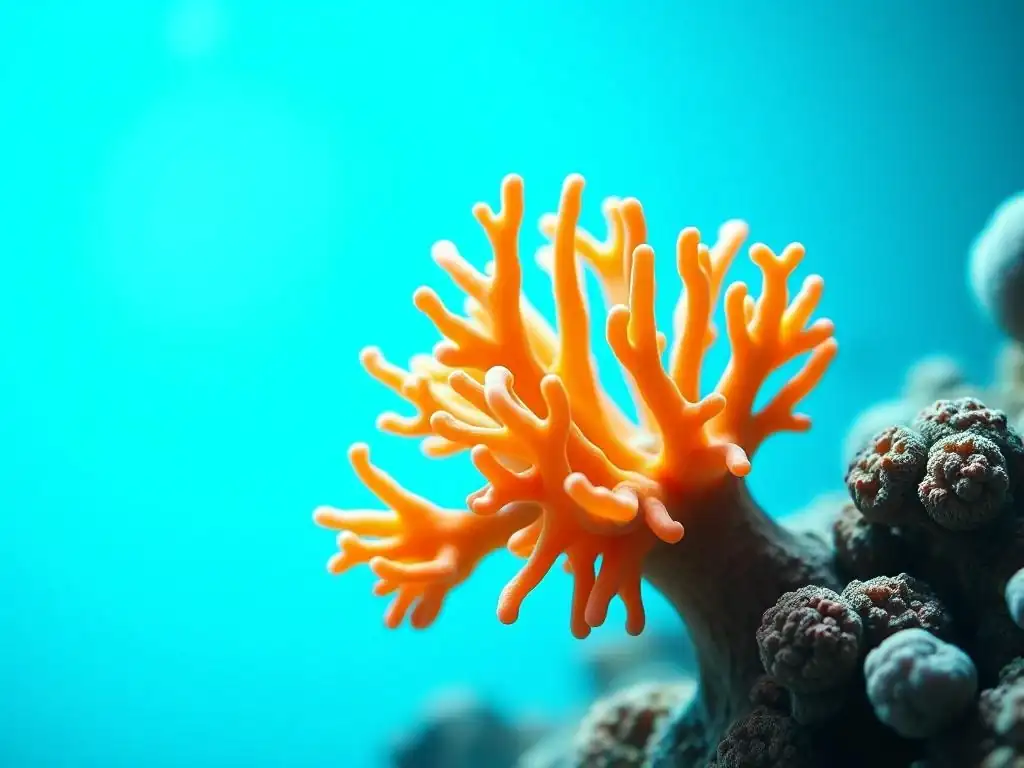
Alkalinity, often measured in dKH (degrees of carbonate hardness), is a critical water parameter for all stony corals, especially during the healing phase of LPS coral frags. It represents the concentration of bicarbonate, carbonate, and borate ions, which are essential for the calcification process – the building of the coral's skeleton. For optimal LPS coral propagation success, maintaining a stable alkalinity level between 7 and 9 dKH is highly recommended. Fluctuations outside this range, particularly sudden drops, can severely stress corals and impede their ability to lay down new skeletal material.
To maintain consistent alkalinity, regular testing (at least 2-3 times per week during recovery) is crucial. Dosing with a two-part solution (calcium and alkalinity supplements) or utilizing a calcium reactor can help stabilize these levels. For a 100-gallon reef tank, a typical daily consumption might require adding 10-20 mL of an alkalinity supplement to maintain 8 dKH, depending on coral density and growth. Ensuring stable alkalinity provides the necessary building blocks for the frag to rapidly repair its damaged skeleton and encrust onto its new plug, accelerating the recovery process and contributing to overall LPS coral propagation success.
Controlling Calcium Levels for Strong Coral Skeletons
Calcium is the primary building block for the aragonite skeleton of LPS corals, making its concentration in the water column paramount for successful frag healing and growth. An ideal calcium level for LPS corals ranges from 400 to 450 ppm (parts per million). Levels below 380 ppm can hinder calcification, leading to slower healing and weaker skeletal structures, while levels exceeding 500 ppm can precipitate out of solution, leading to alkalinity imbalances and potential issues with other trace elements.
Consistent monitoring of calcium levels, alongside alkalinity, is essential. Many aquarists find that a balanced dosing regimen, either through a two-part liquid supplement or a calcium reactor, is necessary to keep up with the coral's demand. For instance, a growing reef tank with numerous LPS corals might consume calcium at a rate requiring 5-15 ppm daily replenishment. By providing a readily available source of calcium, aquarists empower their LPS coral frags to rapidly rebuild their skeletons, which is a fundamental aspect of achieving high LPS coral propagation success.
The Importance of Magnesium in LPS Coral Healing
Magnesium plays a vital, yet often underestimated, role in the calcification process and overall coral health. While not directly incorporated into the coral's skeleton, magnesium helps maintain the availability of calcium and alkalinity in the water by preventing the premature precipitation of calcium carbonate. Without adequate magnesium, calcium and alkalinity can become locked up and unavailable for coral uptake, even if their measured levels appear sufficient. For LPS coral propagation success, target magnesium levels should be maintained between 1250 and 1350 ppm.
If magnesium levels drop significantly below this range, you might observe issues with alkalinity stability, even with consistent dosing. Supplementing magnesium, typically through a dedicated liquid additive, should be done slowly to avoid shocking the system.
For example, to raise magnesium by 50 ppm in a 100-gallon system, you might add 50-100 mL of a concentrated magnesium solution over several hours or days, depending on the product's instructions. A stable magnesium level ensures that the calcium and carbonate ions are readily available for the LPS coral frags, supporting robust skeletal growth and efficient healing, thereby directly contributing to LPS coral propagation success.
Nitrate and Phosphate Management for Frag Success
While often viewed as undesirable, nitrates and phosphates are essential nutrients in small, controlled quantities for LPS corals, acting as building blocks for tissue growth. For optimal LPS coral propagation success, maintaining ultra-low nutrient levels (ULNS) is not always ideal for recovery, as corals need some nutrients to rebuild tissue. Target nitrate levels between 2-10 ppm and phosphate levels between 0.02-0.05 ppm are generally considered beneficial for LPS coral frags, providing enough fuel for recovery without promoting nuisance algae growth.
Excessively high levels of nitrates (above 20 ppm) and phosphates (above 0.1 ppm) can, however, inhibit calcification, promote brown jelly disease, and lead to significant nuisance algae outbreaks that can smother delicate frags. Regular water changes (e.g., 10-20% bi-weekly) are an effective way to manage nutrient levels, along with appropriate feeding practices and the use of filter media like GFO (granular ferric oxide) or bio-pellets if nutrients become too high. Careful nutrient management ensures that frags have the resources to heal and grow without being overwhelmed by adverse conditions, thereby boosting their chances for LPS coral propagation success.
Providing Proper Lighting and Flow for LPS Coral Frags
Selecting the Right Lighting Spectrum for LPS Coral Growth
Lighting is a critical factor for the photosynthetic processes of zooxanthellae within LPS coral tissues, which provide a significant portion of the coral's energy. For optimal LPS coral propagation success, the lighting spectrum should mimic natural reef conditions, typically favoring a blend of blue and white light. Blue light (around 450-470 nm) is particularly important for photosynthesis and can enhance coral coloration. While specific PAR (Photosynthetically Active Radiation) levels depend on the species, newly fragged LPS corals generally benefit from moderate light intensity to avoid light shock.
A PAR range of 75-150 PAR is often suitable for most LPS frags during their initial recovery phase, gradually increasing intensity as the frag shows signs of healing and growth. For instance, a Euphyllia frag might start at 80 PAR and slowly be moved to 120 PAR over several weeks. LED lighting systems offer excellent control over spectrum and intensity, allowing aquarists to fine-tune settings. Avoiding sudden changes in lighting and acclimating frags gradually to new light environments are key practices that significantly contribute to the overall LPS coral propagation success.
Achieving Optimal Water Flow for Nutrient Delivery and Waste Removal
Water flow is just as vital as lighting for LPS coral frags, serving multiple functions that directly impact their healing and growth. Optimal flow ensures that essential nutrients, such as calcium, alkalinity, and trace elements, are delivered directly to the coral's tissues. It also helps to remove metabolic waste products and detritus that can accumulate on the coral's surface, preventing tissue necrosis and promoting a clean environment for recovery. For LPS corals, a moderate, turbulent, and indirect flow is generally preferred.
Avoid direct, strong laminar flow, which can cause tissue damage, particularly to delicate Euphyllia polyps, leading to tissue recession or even detachment. Instead, aim for broad, oscillating flow patterns that gently "waft" the polyps, allowing them to extend fully while keeping them clean. Powerheads positioned to create indirect flow or wavemakers set to gentle cycles are excellent tools for this. A good indicator of appropriate flow is when the coral polyps gently sway without appearing stressed or constantly retracted. Achieving this balance is crucial for robust healing and is a cornerstone of long-term LPS coral propagation success.
Avoiding Light Shock in Newly Fragged LPS Corals
Newly fragged LPS corals are particularly vulnerable to light shock, a condition that occurs when they are exposed to light intensity significantly higher than what they were accustomed to. This stress can lead to bleaching, tissue recession, and even death, severely undermining LPS coral propagation success. To prevent light shock, it's crucial to acclimate new frags gradually to your tank's lighting.
Upon introduction, place frags in a lower-light area of the tank, perhaps on the sand bed or shaded by rockwork, where PAR levels are significantly reduced (e.g., 50-70 PAR). Over a period of one to two weeks, slowly move the frag to its desired location, gradually exposing it to higher light intensities. For example, move it up an inch or two every few days.
Observing the coral's response—full polyp extension and stable coloration—is key. If the coral retracts or appears to bleach, move it back to a lower light area. This careful acclimation process allows the coral's zooxanthellae to adjust to the new light environment, ensuring a smoother transition and enhancing the chances for successful frag recovery and LPS coral propagation success.
Feeding LPS Coral Frags for Accelerated Growth and Healing
Target Feeding Techniques for Euphyllia, Favia & Acans Frags
While LPS corals derive significant energy from their symbiotic zooxanthellae, direct feeding can significantly accelerate healing and growth in newly fragged specimens, contributing immensely to LPS coral propagation success. Target feeding involves delivering food directly to the coral's polyps, ensuring they receive maximum nutritional benefit. For Euphyllia, Favia, and Acanthastrea frags, which possess large polyps capable of capturing sizable food particles, this method is highly effective.
To target feed, turn off powerheads for 15-30 minutes to reduce water flow. Use a pipette or turkey baster to gently squirt a small amount of prepared coral food directly onto the frag's polyps. Observe the coral's feeding response; healthy polyps will typically extend their tentacles and engulf the food within minutes. Feeding 2-3 times per week is often sufficient for frags undergoing recovery. This direct nutrient supplementation provides the necessary energy for tissue repair and skeletal growth, ultimately boosting the potential for LPS coral propagation success.
Best Food Choices for LPS Coral Frag Recovery
The ideal food choices for LPS coral frags include a variety of particle sizes and nutritional profiles to meet their diverse dietary needs. High-quality frozen foods such as mysis shrimp, brine shrimp, and finely chopped seafood (e.g., shrimp, squid) are excellent options, providing essential proteins and lipids. For smaller polyps or a broader nutritional spectrum, fine particulate foods like phytoplankton, zooplankton, and specialized coral foods (e.g., Reef-Roids, Polyp Lab's Reef-Roids) are highly beneficial.
Many aquarists also report success with liquid coral foods or amino acid supplements, which can be absorbed directly by the coral's tissue. For example, a 50-gallon tank with several LPS frags might benefit from a weekly dose of 2-3 mL of a concentrated amino acid solution. The key is variety and consistency. By providing a rich and diverse diet, aquarists can ensure their LPS coral frags receive all the necessary nutrients to fuel their metabolic processes, leading to faster healing, robust growth, and ultimately, greater LPS coral propagation success.
Avoiding Overfeeding and Maintaining Water Quality
While feeding is crucial for frag recovery, overfeeding can quickly degrade water quality, leading to elevated nitrates and phosphates, and potentially triggering nuisance algae blooms or bacterial issues. This can counteract the benefits of feeding and significantly impede LPS coral propagation success. It's essential to strike a balance: provide enough food to support growth without polluting the tank.
To avoid overfeeding, start with small amounts and observe how quickly the corals consume the food. If uneaten food particles are visible after 30 minutes, you are likely feeding too much. Performing regular water changes (e.g., 10-15% weekly) and ensuring efficient mechanical filtration (e.g., filter socks changed every 2-3 days) and protein skimming are vital to remove excess nutrients.
It's also beneficial to feed only when the corals are actively extending their polyps. A responsible feeding strategy, combined with diligent water quality management, creates an optimal environment for LPS coral frags to heal and thrive, ensuring long-term LPS coral propagation success.
Monitoring and Addressing Common Problems in LPS Coral Frags
Identifying and Treating LPS Coral Infections
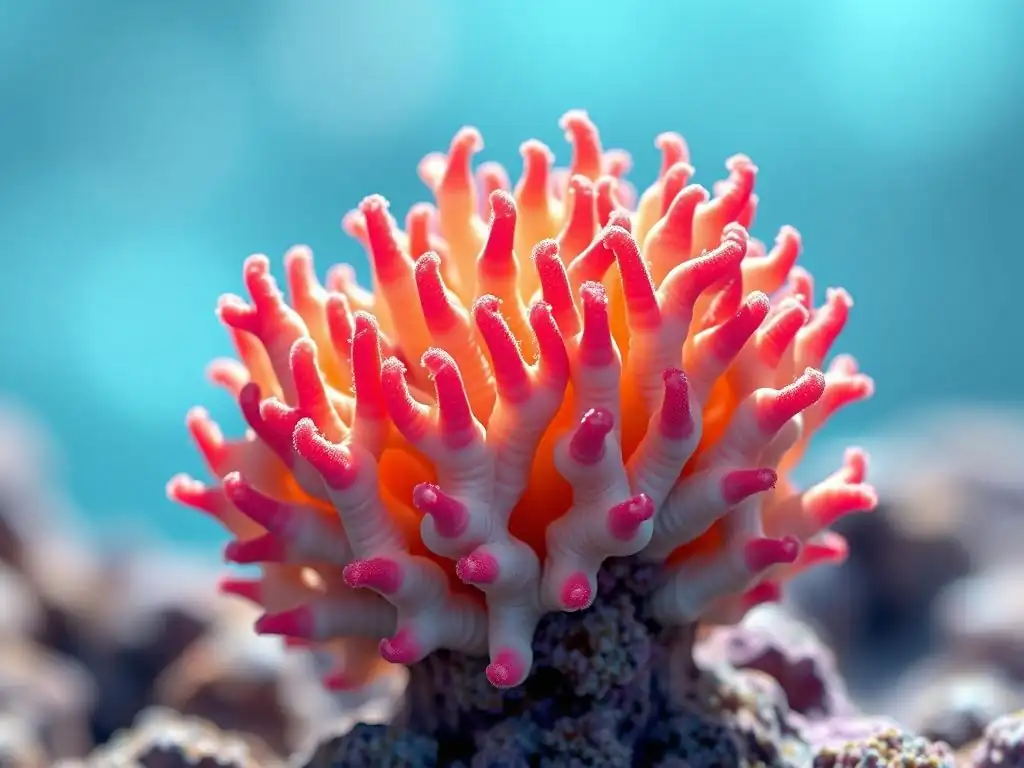
LPS coral frags, with their open wounds, are particularly susceptible to bacterial and fungal infections, which can rapidly lead to tissue loss and jeopardize LPS coral propagation success. Common signs of infection include localized tissue necrosis (flesh peeling off the skeleton), discolored patches (often brown or white), or a fuzzy appearance on the affected area. Brown jelly disease, a particularly aggressive bacterial infection, manifests as a slimy, brown, jelly-like substance rapidly consuming the coral tissue.
Prompt action is critical. If an infection is suspected, immediately remove the frag from the main display tank to a quarantine tank to prevent spread. Treatment often involves a freshwater dip (for 30-60 seconds, matched to tank temperature and pH) to dislodge parasites and some bacteria, or a commercially available coral dip containing antiseptic agents like iodine or chlorhexidine (e.g., Revive Coral Cleaner, Coral RX).
For severe bacterial infections, localized application of an antibiotic paste (e.g., Neosporin without pain relief) to the affected area, or a broad-spectrum antibiotic bath in a separate container, might be necessary. Early identification and aggressive treatment are paramount for saving infected frags and ensuring overall LPS coral propagation success.
Recognizing and Preventing Brown Jelly Disease
Brown Jelly Disease (BJD) is a highly virulent bacterial infection that can devastate LPS corals rapidly, posing a significant threat to LPS coral propagation success. It typically appears as a brown, slimy, gelatinous mass that quickly consumes coral tissue, often starting from a point of injury or stress. The disease can spread swiftly to neighboring polyps and even other corals in the tank if not addressed immediately.
Prevention is the best defense: maintain pristine water quality, avoid physical damage to corals during handling or fragging, and ensure stable water parameters. Quarantining new corals and fragging tools sterilization are also key. If BJD is observed, the affected frag must be isolated immediately.
Treatment options include a strong freshwater dip (30-60 seconds), a Lugol's iodine dip, or in severe cases, carefully siphoning off the brown jelly and applying a topical antibiotic directly to the affected area. Sometimes, re-fragging the healthy portion of the coral, far from the diseased area, is the only way to save it. Rapid intervention is crucial to limit the spread and preserve your LPS coral propagation success.
Dealing with Algae Growth on LPS Coral Frags
Nuisance algae growth, such as green hair algae, diatoms, or cyanobacteria, can be a significant problem for newly fragged LPS corals. Algae can compete with the coral for light and nutrients, physically smother the delicate healing tissue, and create an unfavorable environment for recovery, thereby hindering LPS coral propagation success. Frags are especially vulnerable due to their small size and the presence of exposed skeletal areas where algae can easily attach.
Addressing algae requires a multi-pronged approach. First, identify and rectify the underlying cause, which is almost always elevated nutrient levels (nitrate and phosphate). Increase water changes, improve mechanical filtration (e.g., change filter socks frequently), and ensure your protein skimmer is operating efficiently.
Manual removal of algae from the frag plug or surrounding substrate is often necessary, using a soft brush or toothbrush. Introducing herbivorous snails (e.g., trochus, turbo snails) or certain hermit crabs (e.g., blue leg hermit crabs) can also help graze down algae. Maintaining a clean environment is vital for the frag's recovery and long-term LPS coral propagation success.
Addressing Tissue Recession in Fragged Corals
Tissue recession, where the coral tissue pulls back from its skeleton, exposing the white skeleton underneath, is a common and concerning issue in fragged LPS corals. It can be caused by various stressors, including unstable water parameters, inadequate lighting or flow, aggression from tank mates, infection, or simply stress from the fragging process itself. If left unaddressed, tissue recession can lead to complete coral loss, diminishing LPS coral propagation success.
Upon noticing recession, first check all water parameters (alkalinity, calcium, magnesium, nitrates, phosphates, temperature) to ensure they are stable and within optimal ranges. Evaluate lighting and flow to confirm they are appropriate for the frag's species and stage of recovery. Inspect for signs of pests (e.g., flatworms, nudibranchs) or disease. If no clear cause is identified, a coral dip (e.g., iodine-based) can sometimes help.
Increasing target feeding can also provide the coral with extra energy for recovery. In severe cases, re-fragging the healthy portion of the coral may be the only option. Prompt identification of the cause and intervention are crucial for reversing tissue recession and ensuring the frag's survival and contribution to LPS coral propagation success.
Advanced Techniques for Enhancing LPS Coral Propagation Success
Using Coral Dips to Prevent Infections
Coral dips are an invaluable tool for enhancing LPS coral propagation success by preventing and treating common ailments. These specialized solutions, often containing iodine, chlorhexidine, or other antiseptic agents, are used to bathe newly acquired or fragged corals. The primary purpose of a dip is to dislodge and kill external parasites (like flatworms, nudibranchs, or copepods) and to cleanse the frag's surface of bacteria and fungi, particularly around the fresh cut. This significantly reduces the risk of post-fragging infections.
A typical dipping procedure involves placing the frag in a small container of tank water, adding the recommended amount of dip solution, and gently swirling for 5-10 minutes. Observe the coral closely for any pests detaching. After the dip, rinse the frag thoroughly in clean tank water before introducing it to the display or healing tank.
While highly effective, dips can be stressful to corals, so always follow manufacturer instructions precisely and avoid prolonged exposure. Regular use of dips for newly fragged corals is a proactive measure that greatly improves their chances of healing successfully and contributes to overall LPS coral propagation success.
Employing Coral Glue and Epoxy Effectively
Properly securing LPS coral frags to plugs or rockwork is essential for their stability and healing, directly impacting LPS coral propagation success. The two primary adhesives used are cyanoacrylate gel (commonly known as super glue gel) and two-part marine epoxy. Cyanoacrylate gel is ideal for attaching frags directly to plugs or small pieces of rock due to its rapid curing time and strong bond. For best results, dry the frag's base and the plug surface slightly before applying the glue, then hold firmly for 30-60 seconds.
Marine epoxy, a putty-like substance, is more suitable for larger frags, irregularly shaped bases, or attaching frags directly to the main aquascape. It offers a more robust and permanent bond but takes longer to cure, often requiring support for the frag during the initial hours. When using epoxy, mix the two parts thoroughly until a uniform color is achieved, then mold it around the frag base and press firmly onto the desired surface.
Combining both can also be effective: use a dab of super glue on the frag, then surround it with epoxy for added stability. Secure attachment minimizes stress from water flow and physical disturbance, allowing the frag to focus its energy on healing and contributing to higher LPS coral propagation success rates.
Implementing Quarantine Procedures for New Frags
Implementing a robust quarantine procedure for all new LPS coral frags, whether self-fragged or acquired from outside sources, is a critical advanced technique for ensuring long-term LPS coral propagation success. A dedicated quarantine tank (QT) allows you to observe frags in isolation, treat for potential pests and diseases, and acclimate them to your system's parameters without risking the health of your main display tank. Many common reef pests (e.g., flatworms, Red Bug, Aiptasia) and diseases can hitchhike on seemingly healthy corals.
A basic QT setup includes a small tank (10-20 gallons), a heater, a small powerhead for flow, and a light. No substrate is needed, making cleaning easier. Frags should spend at least 4-6 weeks in quarantine, undergoing regular observation and prophylactic treatments, such as coral dips or medicated baths, if necessary.
During this period, you can also gradually adjust them to your display tank's specific water parameters and lighting. This isolation step significantly reduces the risk of introducing unwanted organisms or pathogens into your established reef, safeguarding your existing corals and ensuring the overall health and LPS coral propagation success of your entire system.
Troubleshooting Common LPS Coral Fragging Issues
Slow Healing and Growth Rates
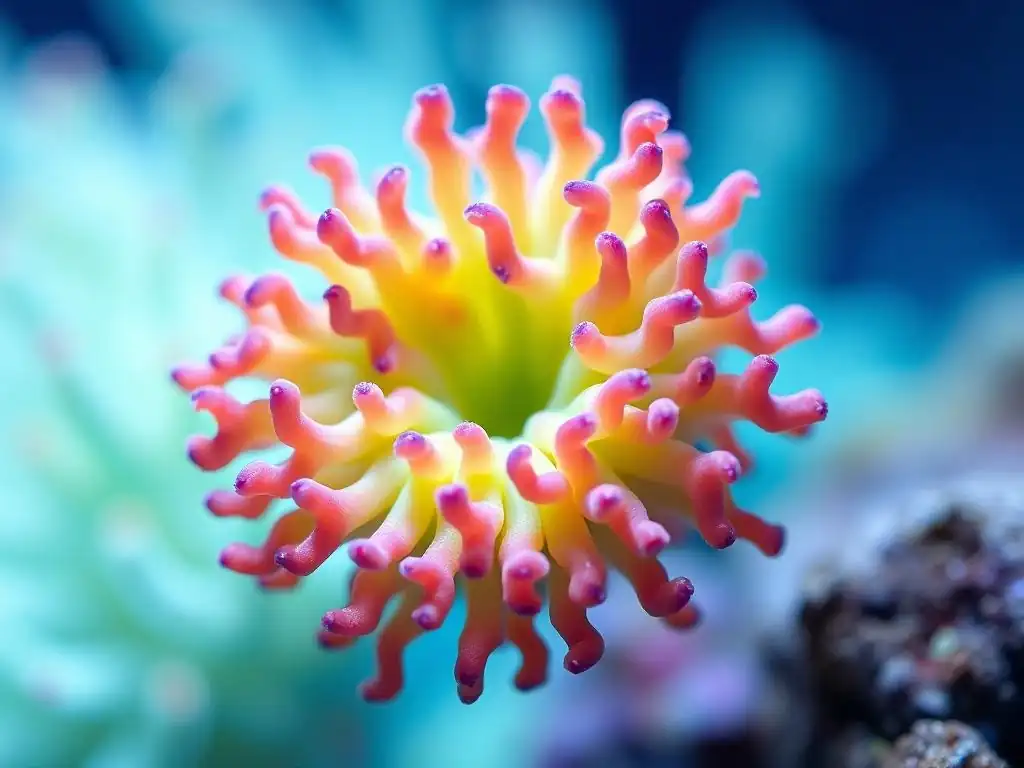
Slow healing and growth rates in LPS coral frags are common issues that can frustrate aquarists aiming for high LPS coral propagation success. This often indicates that one or more environmental factors are not optimal, or the coral is experiencing chronic stress. The primary culprits usually include unstable or suboptimal water parameters (e.g., low alkalinity, calcium, or magnesium; high nitrates/phosphates), insufficient or excessive lighting, or inadequate water flow.
To troubleshoot, systematically test all key water parameters and compare them against ideal ranges (e.g., alkalinity 7-9 dKH, calcium 400-450 ppm, magnesium 1250-1350 ppm). Adjust dosing if necessary to stabilize these. Evaluate your lighting intensity (PAR) and spectrum; frags might need lower light initially. Check water flow to ensure it's moderate and turbulent, not direct and harsh.
Consider increasing target feeding frequency or offering a more varied diet to provide more energy for recovery. Patience is also key, as some species naturally heal slower than others. Addressing these factors systematically will significantly improve healing and growth, contributing to overall LPS coral propagation success.
Color Loss and Bleaching in Frags
Color loss and bleaching in LPS coral frags are serious indicators of stress and can severely hinder LPS coral propagation success. Bleaching occurs when the symbiotic zooxanthellae, which provide the coral with most of its color and energy, are expelled from the coral's tissue due to stress. This leaves the coral's white skeleton visible through translucent tissue. Common causes include sudden changes in light intensity (light shock), high water temperatures, unstable or extreme water parameters, or prolonged exposure to high levels of nitrates/phosphates.
To address color loss and bleaching, first, check and stabilize all water parameters, ensuring temperature is within 75-80°F (24-27°C) and other parameters are ideal. If light shock is suspected, immediately move the frag to a lower light area of the tank (e.g., sand bed or shaded rockwork) and gradually re-acclimate it over several weeks. Ensure adequate, but not excessive, water flow to prevent detritus buildup. If the issue persists, consider minor changes to flow or feeding. Early detection and swift action are crucial to reverse bleaching and ensure the frag's survival and contribution to LPS coral propagation success.
Frag Detachment from Plugs or Substrates
Frag detachment from plugs or substrates is a frustrating setback that directly impacts LPS coral propagation success. This issue typically arises from insufficient adhesion during the initial attachment, or from physical disturbances in the tank. If the coral glue or epoxy was not applied correctly, or if the frag base was not properly dried before gluing, the bond may be weak. Physical disturbances, such as strong, direct water flow, aggressive tank mates (e.g., certain snails, crabs, or fish), or accidental bumps during maintenance, can also dislodge frags.
To troubleshoot, first, carefully retrieve the detached frag, minimizing air exposure. Re-evaluate your gluing technique: ensure the frag's base is dry and clean, apply a sufficient amount of cyanoacrylate gel or epoxy, and hold firmly for at least 30-60 seconds. Consider using a combination of glue and epoxy for a more robust bond, especially for larger or heavier frags.
Assess your tank's water flow; if it's too strong and direct, reposition powerheads to create more indirect, turbulent flow. Observe tank mates for any signs of aggression towards the frag. Prompt re-attachment is critical to prevent further stress and allow the frag to resume its healing process, thereby ensuring continued LPS coral propagation success.
Achieving Long-Term LPS Coral Propagation Success
Maintaining Stable Water Parameters
Maintaining stable water parameters is the cornerstone of long-term LPS coral propagation success. While optimal ranges (e.g., alkalinity 7-9 dKH, calcium 400-450 ppm, magnesium 1250-1350 ppm, temperature 75-80°F, salinity 1.025-1.026 SG) are important, stability is even more critical. Wild corals experience minimal daily fluctuations in their natural environment, and mimicking this consistency in a closed system reduces stress, allowing corals to allocate energy towards growth and reproduction rather than constant physiological adjustment.
Regular testing is essential, but equally important is responding to trends rather than reacting to single readings. If alkalinity consistently drops by 0.5 dKH daily, adjust your dosing regimen slowly over several days to bring it back into range, rather than making a large, sudden correction. Automated dosing systems for two-part solutions or calcium reactors are highly recommended for maintaining precise and consistent levels, especially in tanks with a high bioload of calcifying organisms.
Consistent water changes also contribute to stability by replenishing trace elements and exporting accumulated wastes. This unwavering commitment to stability is what differentiates short-term survival from true, enduring LPS coral propagation success.
Regular Observation and Intervention
Regular, attentive observation of your LPS coral frags is a foundational practice for achieving long-term LPS coral propagation success. Daily visual inspections allow you to detect subtle changes in coral health before they escalate into major problems. Look for signs of tissue recession, color changes, polyp extension, the presence of pests (e.g., flatworms, nudibranchs), or the onset of disease (e.g., brown jelly). Early detection is paramount, as many coral ailments can progress rapidly.
Beyond simple observation, proactive intervention is key. If you notice a frag retracting more than usual, check water parameters immediately. If you spot a pest, isolate the frag and treat it promptly. If a frag shows signs of algae overgrowth, manually remove the algae and address the underlying nutrient issue. Documenting your observations, including water parameters, feeding schedules, and any treatments, provides valuable data for troubleshooting and refining your husbandry techniques. This diligent, hands-on approach allows for timely adjustments and targeted care, significantly increasing the chances of long-term survival and overall LPS coral propagation success.
Documenting Your LPS Coral Fragging Journey
Documenting your LPS coral fragging journey is an invaluable practice that provides insights into what works and what doesn't, ultimately accelerating your learning curve and contributing significantly to LPS coral propagation success. Keep a detailed logbook or digital record that includes:
- Fragging Date: When the frag was cut.
- Parent Colony Info: Health, species, and any unique characteristics.
- Frag Details: Size, number of polyps, and attachment method.
- Initial Placement: Location in the tank (PAR, flow).
- Water Parameters: Regular readings of alkalinity, calcium, magnesium, nitrates, phosphates, and temperature.
- Feeding Regimen: Type, frequency, and amount of food.
- Observations: Daily or weekly notes on polyp extension, color, growth, signs of stress, disease, or pests.
- Interventions: Dates and details of any dips, treatments, re-attachments, or parameter adjustments.
- Growth Milestones: Dates of noticeable growth, encrusting, or new polyp formation.
This meticulous record-keeping allows you to identify correlations between your actions and the frag's response. For example, you might discover that a specific lighting intensity yields the best growth for Euphyllia or that a particular feeding schedule accelerates Acanthastrea recovery. Over time, this data becomes a powerful tool for optimizing your techniques, leading to more consistent and predictable LPS coral propagation success.
Conclusion: Mastering LPS Coral Propagation for a Thriving Reef Tank
Mastering LPS coral propagation is a rewarding endeavor that significantly enriches the reef aquarium hobby. It transcends simply keeping corals alive; it involves actively participating in their growth, reproduction, and the sustainable expansion of your living reef ecosystem. The journey to consistent LPS coral propagation success hinges on a deep understanding of coral biology, meticulous attention to water chemistry, and proactive husbandry practices. From the initial precise fragging techniques for species like Euphyllia, Favia, and Acanthastrea to the critical post-fragging care, every step plays a vital role.
By optimizing water parameters, providing appropriate lighting and flow, and implementing targeted feeding strategies, aquarists can create an ideal healing environment. Furthermore, vigilant monitoring for common issues like infections or tissue recession, coupled with prompt intervention, ensures the longevity of your fragged corals. Embracing advanced techniques such as coral dipping and thorough quarantine procedures further safeguards your entire reef system.
Ultimately, long-term LPS coral propagation success is achieved through unwavering dedication to stable conditions, continuous learning from detailed documentation, and a genuine passion for these magnificent invertebrates. As you hone these skills, your reef tank will not only thrive but become a testament to the beauty and resilience of propagated LPS corals.
Frequently Asked Questions
How important is water quality for LPS coral propagation success?
Water quality is crucial. Stable parameters are key, including appropriate alkalinity, calcium, and magnesium levels. Poor water quality can lead to tissue necrosis and frag failure.
What are the best techniques for fragging Euphyllia, Favia, and Acanthastrea corals?
Techniques vary, but generally involve using a coral saw or bone cutters to carefully separate a healthy portion of the colony. Ensure you have proper safety equipment and a clean workspace.
What are the ideal conditions for healing LPS coral frags after propagation?
Ideal conditions include moderate flow, stable water parameters, and appropriate lighting. Avoid placing frags in areas with aggressive tank mates or direct light.
How can I prevent infections in my LPS coral frags during the healing process?
Maintaining pristine water quality is paramount. Consider using a coral dip after fragging to disinfect the cut areas and prevent bacterial or fungal infections.
What are some common signs that an LPS coral frag is not healing properly?
Signs include tissue recession, browning or bleaching, and the presence of algae growth on the cut edges. Immediate action is often needed, such as adjusting water parameters or relocating the frag.
Final Reflection: Cultivating Resilience in Our Reefs
The journey of LPS coral propagation success is more than just a technical exercise; it's a testament to our dedication to preserving the delicate beauty and biodiversity of our marine ecosystems. The techniques discussed, from fragging to nurturing, represent a tangible commitment to the health and longevity of these vital organisms, especially in a world facing increasing environmental pressures.
This pursuit of knowledge and skill in coral propagation profoundly impacts the cultural landscape of reef keeping. It transforms us from mere observers into active participants in conservation, fostering a deeper appreciation for the intricate web of life that sustains our planet. In the end, we will conserve only what we love; we will love only what we understand; and we will understand only what we are taught.
- Baba Dioum. This quote resonates deeply, reminding us that understanding and actively engaging with coral propagation is a crucial step towards fostering a love that fuels conservation efforts.
Now, consider the power you hold. The knowledge you've gained about LPS coral propagation success isn't just for your tank; it's a seed you can plant in the minds of others. Share your experiences, mentor aspiring reef keepers, and advocate for responsible practices. Let's collectively cultivate resilience, not just in our coral frags, but in our commitment to a healthier, more vibrant ocean for generations to come.
Dive Deeper into Coral Care!
Thank you for exploring the art of healing LPS coral frags with us! We hope you've gained valuable insights to nurture your aquatic gems. Now, it's time to put that knowledge into action and witness the vibrant recovery of your corals.
Here’s how you can continue your coral care journey:
- Prioritize Acclimation: After reading, immediately check the water parameters of your frag tank or display tank against the parameters in your coral's shipping water. Take action to stabilize the water before introducing any corals.
- Share your newfound knowledge with fellow reef keepers! Post pictures of your LPS frags in your favorite forum and ask for advice from other enthusiasts. Collaboration is key.
- Go beyond the typical and create a "coral hospital" – a dedicated quarantine tank with optimal conditions for rehabilitating distressed corals. Document your journey and inspire others!
What unique approach are you most excited to try in your LPS coral healing journey?