
Soft Coral Compatibility: Choosing Tank Mates for a Peaceful Ecosystem

Welcome to Aquarium Mastery!
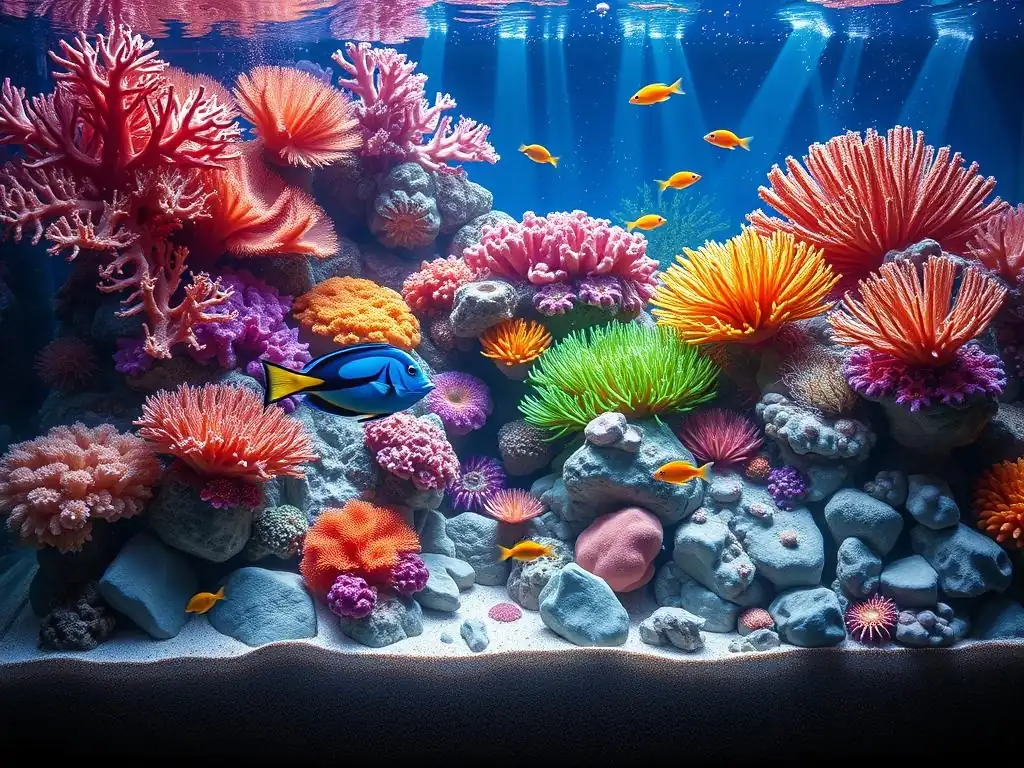
Ever wondered how to build a thriving saltwater aquarium where vibrant corals and compatible tank mates live in perfect harmony? Unlocking the secrets to a peaceful ecosystem starts with understanding the delicate balance between species. Dive into our guide on Saltwater Coral Tank Mates and discover which fish and invertebrates will thrive alongside your soft corals, creating a stunning and sustainable underwater world. Ready to build your dream reef?
- Understanding Soft Coral Needs for a Thriving Reef Aquarium
- Saltwater Coral Tank Mates: Selecting Peaceful Fish for Soft Corals
- Invertebrate Tank Mates: Ensuring Safety for Your Soft Corals
- Maintaining a Balanced Ecosystem: Preventing Aggression and Stress
- Feeding and Nutrition: Supporting a Healthy Reef Community
- Creating a Peaceful Environment: Tank Design and Placement
- Troubleshooting Compatibility Issues: Identifying and Resolving Problems
- The Long-Term Success of Your Soft Coral Reef Tank
-
Frequently Asked Questions
- How crucial is compatibility when selecting saltwater coral tank mates?
- What types of fish should be avoided when keeping soft corals?
- Are there any invertebrates that are generally safe to keep with soft corals?
- How does water quality affect the compatibility of tank mates with soft corals?
- What are some recommended saltwater coral tank mates for a beginner?
- Final Reflection: Cultivating Harmony in the Reef
- Ignite Your Reef Tank: Cultivate a Thriving Soft Coral Haven!
Understanding Soft Coral Needs for a Thriving Reef Aquarium
The Importance of Compatibility in a Soft Coral Reef Tank
Establishing a harmonious environment within a soft coral reef tank is paramount for the long-term health and vibrancy of all inhabitants. Compatibility extends beyond simply ensuring species can coexist without direct aggression; it encompasses chemical interactions, space requirements, and feeding habits. When tank mates are incompatible, it can lead to chronic stress, stunted growth, and even the demise of corals or fish due to constant harassment or direct predation.
For instance, a fish known for nipping at corals can cause significant tissue damage, leading to infections or retraction that prevents the coral from feeding and photosynthesizing efficiently. Similarly, certain invertebrates might dislodge or consume soft coral tissue. A well-researched selection of saltwater coral tank mates minimizes these risks, contributing to a stable ecosystem where soft corals can thrive, often exhibiting enhanced coloration and growth rates, potentially increasing their biomass by 15-25% annually in optimal conditions compared to stressed environments.
Key Water Parameters for Optimal Soft Coral Health
Maintaining stable water parameters is foundational for the health and vitality of soft corals. Unlike some LPS or SPS corals, many soft corals are more tolerant of slight fluctuations in parameters like calcium and alkalinity, but they still require consistent levels to flourish. Key parameters to monitor include salinity, temperature, alkalinity, calcium, magnesium, nitrates, and phosphates.
Optimal ranges for soft corals generally fall within: salinity at 1.024-1.026 specific gravity (32-35 ppt), temperature between 76-82°F (24-28°C), alkalinity at 7-11 dKH (with 8-9 dKH often preferred for stability), calcium at 400-450 ppm, and magnesium at 1250-1350 ppm. While many soft corals can tolerate slightly higher nitrate levels (up to 10-20 ppm) than SPS, maintaining phosphates below 0.03 ppm is crucial to prevent nuisance algae outbreaks that can smother corals. Regular testing and consistent water changes are vital to prevent rapid shifts that can induce stress.
Lighting Requirements for Soft Coral Growth and Coloration
Soft corals, being photosynthetic, rely heavily on adequate lighting for their energy needs, primarily through their symbiotic zooxanthellae. However, their light requirements are generally more moderate compared to hard corals like SPS (Small Polyp Stony) corals. Too much light can cause stress, bleaching, or tissue recession, while too little light will lead to browning, slow growth, and eventual decline.
Most soft corals, including popular varieties like Leather Corals (Sarcophyton spp. ), Mushroom Corals (Rhodactis, Discosoma spp. ), and Zoanthids (Palythoa, Zoanthus spp. ), thrive under Photosynthetically Active Radiation (PAR) levels ranging from 50 to 150 PAR. Some species, particularly certain Zoanthids or Ricordea mushrooms, can tolerate higher PAR up to 200-250, but careful acclimation is necessary. A balanced spectrum, often with a significant blue component to enhance fluorescence and growth, is beneficial. Gradual acclimation to new lighting setups over several weeks is essential to prevent shock, typically by reducing intensity initially and slowly increasing it by 10-15% weekly.
Saltwater Coral Tank Mates: Selecting Peaceful Fish for Soft Corals
Best Fish Species for a Soft Coral Aquarium
When selecting saltwater coral tank mates, prioritizing peaceful species that will not nip at or disturb soft corals is essential for a tranquil reef environment. Many popular aquarium fish fit this criterion, offering beauty and interest without posing a threat to your delicate corals.
These fish typically occupy different niches within the tank, reducing competition and ensuring a balanced ecosystem. Observing their behavior in a dedicated quarantine tank before introduction is always a wise practice to confirm their temperament and ensure they are healthy saltwater coral tank mates.
Gobies and Blennies: Peaceful Bottom Dwellers
Gobies and blennies are excellent choices for a soft coral aquarium due to their generally small size, peaceful demeanor, and tendency to inhabit the rockwork and sandbed. Many species are highly beneficial, contributing to tank health through their feeding habits. For instance, the Diamond Watchman Goby (Valenciennea puellaris) sifts sand, helping to keep the substrate clean, while the Tailspot Blenny (Salarias fasciatus) is an effective algae grazer.
Other popular choices include the Yellow Watchman Goby (Cryptocentrus cinctus), which often forms a symbiotic relationship with pistol shrimp, and various small blennies like the Starry Blenny (Salarias ramosus). These fish typically do not bother corals and add engaging personality to the lower sections of the tank. Their dietary needs are usually met with prepared foods, and their small bioload makes them ideal saltwater coral tank mates for smaller to medium-sized reef setups.
Clownfish and Anemones: A Symbiotic Relationship (Considerations)
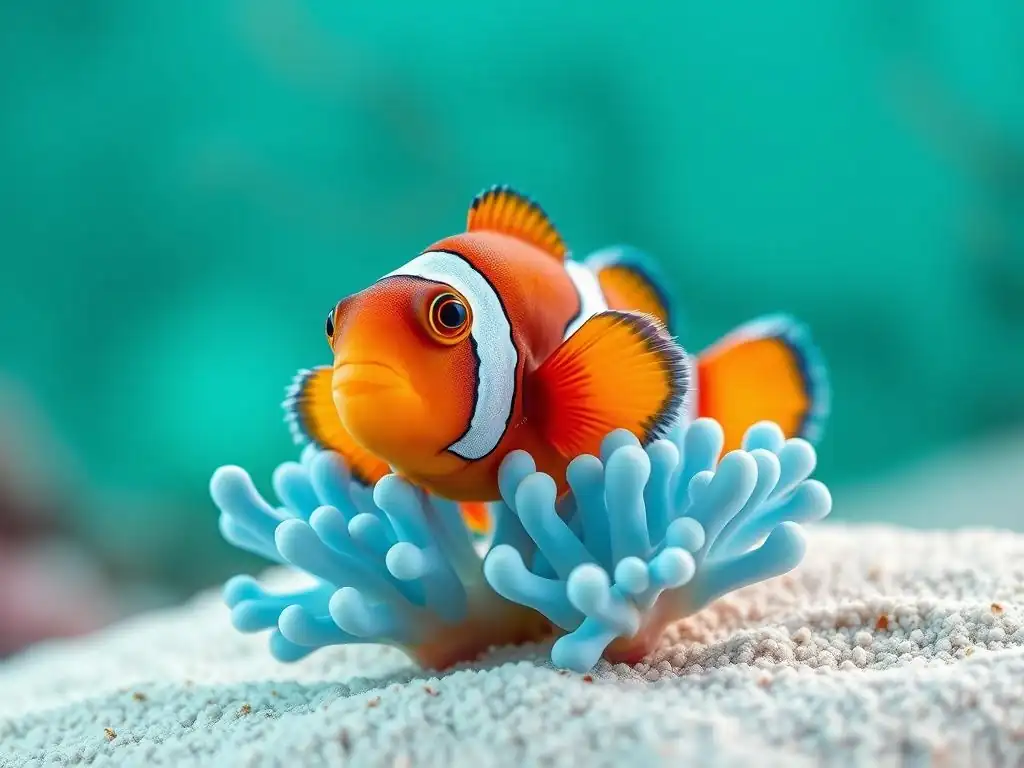
Clownfish, particularly the Ocellaris Clownfish (Amphiprion ocellaris) and Percula Clownfish (Amphiprion percula), are iconic inhabitants of reef aquariums. While famously known for their symbiotic relationship with anemones, they can also host in certain soft corals, such as specific types of Leather Corals or Mushroom Corals, if no anemone is present. This hosting behavior is generally benign for the soft coral, though vigorous activity might cause temporary retraction.
Clownfish are largely considered reef-safe and make excellent saltwater coral tank mates. They are hardy, readily accept prepared foods, and add vibrant color and lively behavior to the mid-water column. However, it's worth noting that mature clownfish, especially pairs, can become territorial, occasionally chasing other peaceful fish if their space feels threatened, though this rarely extends to harming corals directly.
Cardinalfish and Chromis: Schooling Fish for a Calm Reef
Cardinalfish and Chromis species are superb choices for adding a sense of calm and schooling behavior to a soft coral tank. Species like the Banggai Cardinalfish (Pterapogon kauderni) and Pajama Cardinalfish (Sphaeramia nematoptera) are known for their striking patterns and slow, deliberate movements, making them very peaceful saltwater coral tank mates that pose no threat to corals.
Green Chromis (Chromis viridis) are another excellent option, often kept in small schools to create a shimmering, active display in the upper to mid-water column. These fish are generally non-aggressive, small, and primarily consume small zooplankton, readily accepting flake or pellet foods. Their docile nature and minimal impact on the reef environment make them highly compatible with a diverse array of soft corals and other peaceful invertebrates.
Fish to Avoid: Species That May Harm Soft Corals
While many fish species are compatible with soft corals, certain types are known to nip at or consume coral tissue, posing a significant risk to a soft coral-dominated reef tank. Introducing these species, even with caution, can lead to irreversible damage and stress for your coral inhabitants.
Understanding which fish to avoid is as crucial as knowing which to include for maintaining a thriving and peaceful soft coral ecosystem. Prioritizing the health of your corals means foregoing species that are known coral predators or opportunistic nippers, even if they possess appealing aesthetics.
Butterflyfish: Known Coral Nippers
Many species of Butterflyfish are specialized coral feeders, making them highly unsuitable as saltwater coral tank mates for any reef environment. While some, like the Copperband Butterflyfish (Chelmon rostratus), are often considered "reef-safe with caution" dueous to their preference for Aiptasia anemones, even these can develop a taste for soft coral polyps, especially if their primary food source is scarce.
Species such as the Ornate Butterflyfish (Chaetodon ornatissimus) or Racoon Butterflyfish (Chaetodon lunula) are almost guaranteed to nip at and consume soft coral tissue, leading to rapid decline and death of coral colonies. Their natural diet in the wild often consists heavily of coral polyps, a behavior they will readily replicate in an aquarium setting.
Angelfish: Potential Soft Coral Predators
Angelfish, particularly the larger species from genera like Pomacanthus and Holacanthus, are notoriously risky additions to a soft coral reef tank. While beautiful and majestic, many are known to nip at or consume various types of coral, including soft corals. Their strong jaws and inquisitive nature make them a constant threat to coral health.
Even smaller "dwarf angelfish" from the Centropyge genus, such as the Flame Angelfish (Centropyge loriculus) or Coral Beauty Angelfish (Centropyge bispinosa), are often labeled "reef-safe with caution." While some individuals may never bother corals, others can develop a habit of nipping at soft coral polyps, causing irritation, retraction, and potential long-term damage. The risk is often too high for a dedicated soft coral display.
Triggerfish and Pufferfish: Generally Incompatible with Reef Tanks
Triggerfish and Pufferfish are almost universally considered incompatible with soft coral reef tanks due to their highly predatory nature and powerful dentition. These fish are equipped with strong jaws and teeth designed to crush shells and tear flesh, making them a direct threat to virtually all invertebrates, including corals, snails, and crabs.
Species like the Picasso Triggerfish (Rhinecanthus aculeatus) or the Dogface Puffer (Arothron meleagris) will not only consume or destroy soft corals but will also likely target other desirable invertebrates and even smaller fish. Their aggressive feeding habits and tendency to rearrange rockwork make them entirely unsuitable saltwater coral tank mates for a peaceful reef environment.
Invertebrate Tank Mates: Ensuring Safety for Your Soft Corals
Safe Invertebrates for Soft Coral Reefs
Invertebrates play crucial roles in a healthy reef ecosystem, acting as cleaners, detritivores, and algae grazers. When selecting these saltwater coral tank mates, it's vital to choose species that are beneficial and pose no threat to your soft corals. Many common aquarium invertebrates are not only safe but also highly recommended for their contributions to tank maintenance.
These beneficial invertebrates help maintain water quality and prevent nuisance algae, creating a cleaner and more stable environment where soft corals can thrive without competition or harm. Carefully researching each species is key to ensuring their compatibility with your soft coral collection.
Shrimp: Cleaner Shrimp, Peppermint Shrimp, and More
Shrimp are among the most popular and beneficial invertebrate saltwater coral tank mates for a soft coral reef. Skunk Cleaner Shrimp (Lysmata amboinensis) and Blood Red Fire Shrimp (Lysmata debelius) are highly valued for their role in consuming parasites from fish and their overall scavenging habits, contributing to a cleaner tank.
Peppermint Shrimp (Lysmata wurdemanni) are particularly sought after for their ability to control nuisance Aiptasia anemones, which can quickly overrun a tank and sting corals. Most shrimp species are entirely reef-safe and pose no threat to soft corals, making them excellent additions that also add dynamic movement and interest to the aquarium.
Snails: Essential Algae Grazers for a Clean Tank
Snails are indispensable for maintaining a clean and healthy soft coral reef, serving as primary algae grazers and detritivores. A diverse clean-up crew of snails can significantly reduce the need for manual algae removal and contribute to nutrient export.
Popular and highly effective species include Turbo Snails (Turbo fluctuosa), which are robust grazers of film algae; Nassarius Snails (Nassarius vibex), excellent for sifting sand and consuming detritus and uneaten food; and Cerith Snails (Cerithium atratum), which graze on various algae types and clean rockwork. These species are entirely safe for soft corals, gliding over them without causing damage, and are essential saltwater coral tank mates for any reef system.
Crabs: Hermit Crabs and Emerald Crabs (Careful Considerations)
Crabs can be beneficial saltwater coral tank mates, but their inclusion requires careful consideration due to their varying temperaments and potential for opportunistic behavior. Small hermit crabs, such as Blue Leg Hermit Crabs (Clibanarius tricolor) and Red Leg Hermit Crabs (Paguristes cadenati), are popular members of cleanup crews, consuming detritus and nuisance algae. However, they can occasionally knock over unsecured frags or steal snail shells, so their activity should be monitored.
Emerald Crabs (Mithrax sculptus) are highly valued for their voracious appetite for bubble algae. While generally considered reef-safe, some individuals may, on rare occasions, nip at corals if their primary food sources are insufficient. It is crucial to provide ample algae and detritus for these crabs to minimize the risk of them developing a taste for soft coral tissue.
Invertebrates to Avoid: Potential Threats to Soft Corals
Just as with fish, certain invertebrates can pose a significant threat to soft corals, either through direct predation, chemical warfare, or physical disturbance. Avoiding these species is critical to safeguarding your soft coral collection and maintaining a peaceful ecosystem.
Introducing problematic invertebrates can lead to rapid coral decline, making it imperative to research all potential saltwater coral tank mates thoroughly before adding them to your reef. Even seemingly innocuous species can sometimes harbor hidden risks to a soft coral-dominated environment.
Starfish: Certain Species Can Damage Corals
While some starfish species, like the Blue Linkia Starfish (Linckia laevigata), are generally considered reef-safe and primarily graze on detritus and microalgae, others are known coral predators and should be strictly avoided as saltwater coral tank mates. The Chocolate Chip Starfish (Protoreaster nodosus), for example, is a beautiful but highly destructive species that will actively consume soft coral tissue.
Always research the specific dietary habits of any starfish before introducing it to a reef tank. Many species have specialized diets, and if that diet includes corals, they will not hesitate to decimate your soft coral collection, often causing irreparable damage within a short period.
Urchins: Potential for Coral Dislodgement
Urchins can be effective algae grazers, particularly for stubborn film and hair algae. However, their grazing habits and movement can inadvertently pose a threat to soft corals, especially those that are not securely attached. Species like the Long-Spined Urchin (Diadema setosum) can be beneficial for algae control, but their spines and constant movement can dislodge or scrape against soft corals, causing irritation or physical damage.
Even smaller urchins, such as Pencil Urchins (Echinometra mathaei), can sometimes graze on coralline algae, which is generally desired, but their powerful scraping mouthparts can also abrade soft coral tissue if they crawl over them. For a soft coral tank, the risk of dislodgement or physical damage often outweighs their benefits as algae eaters.
Nudibranchs: Coral-Eating Varieties
Nudibranchs are a diverse group of sea slugs, and while many are harmless or even beneficial, numerous species are highly specialized coral predators. These coral-eating nudibranchs are often introduced inadvertently as hitchhikers on live rock or new coral frags and can decimate a soft coral collection before their presence is even noticed.
Examples include nudibranchs that specifically target Zoanthids or Montipora corals, which, while not soft corals, illustrate the specialized predatory nature. While there are no common nudibranchs that specifically target the most common soft corals like leathers or mushrooms, the general rule is extreme caution. Any unidentified nudibranch should be promptly removed, as their highly selective diets mean they can quickly wipe out a specific coral type while leaving others untouched.
Maintaining a Balanced Ecosystem: Preventing Aggression and Stress
Quarantine New Additions: Protecting Your Existing Corals
Quarantining all new additions, whether fish, corals, or invertebrates, is a non-negotiable step for maintaining a healthy and peaceful soft coral reef. A dedicated quarantine tank (QT) allows for observation and treatment of potential diseases, parasites, and unwanted hitchhikers before they can be introduced into your main display tank. This practice significantly reduces the risk of devastating outbreaks that could stress or kill your established saltwater coral tank mates.
A typical quarantine period for fish should last at least 4-6 weeks, during which they can be monitored for signs of Ich (Cryptocaryon irritans), Marine Velvet (Amyloodinium ocellatum), or other common ailments. Corals and invertebrates also benefit from a QT period, allowing for inspection for predatory nudibranchs, flatworms, or undesirable algae. This proactive approach saves countless hours of troubleshooting and protects your investment in a thriving soft coral ecosystem.
Proper Acclimation Techniques: Minimizing Stress on New Arrivals
Proper acclimation is crucial for minimizing stress and ensuring the successful integration of new saltwater coral tank mates into your existing system. Rapid changes in water parameters, such as salinity, temperature, and pH, can cause osmotic shock, leading to severe stress, illness, or even death for delicate marine life.
For fish, temperature acclimation by floating the bag in the tank for 15-30 minutes is essential, followed by a slow drip acclimation of tank water into the bag over 30-60 minutes to equalize parameters gradually. For corals and invertebrates, drip acclimation is even more critical, often performed over 60-90 minutes, or longer for very sensitive species, to allow them to slowly adjust to the main tank's specific water chemistry. This gentle introduction ensures a smoother transition and higher survival rates.
Observation and Intervention: Monitoring Tank Mate Interactions
Continuous observation of your soft coral reef tank is vital for identifying and addressing compatibility issues before they escalate. Daily monitoring allows you to spot subtle signs of stress, aggression, or illness among your saltwater coral tank mates. Look for behaviors such as fish nipping at corals, chasing other fish, or corals failing to extend polyps normally, receding tissue, or excessive sliming.
If aggressive behavior is observed, intervention may be necessary. This could involve rearranging rockwork to break up territories, adding more hiding spots, or, in persistent cases, removing the aggressive individual. For corals exhibiting stress due to proximity to another coral (chemical warfare), relocating one of the corals to provide more space is often the solution. Prompt intervention can prevent minor issues from becoming major problems that threaten the entire ecosystem.
Feeding and Nutrition: Supporting a Healthy Reef Community
Target Feeding Soft Corals: Ensuring Adequate Nutrient Intake
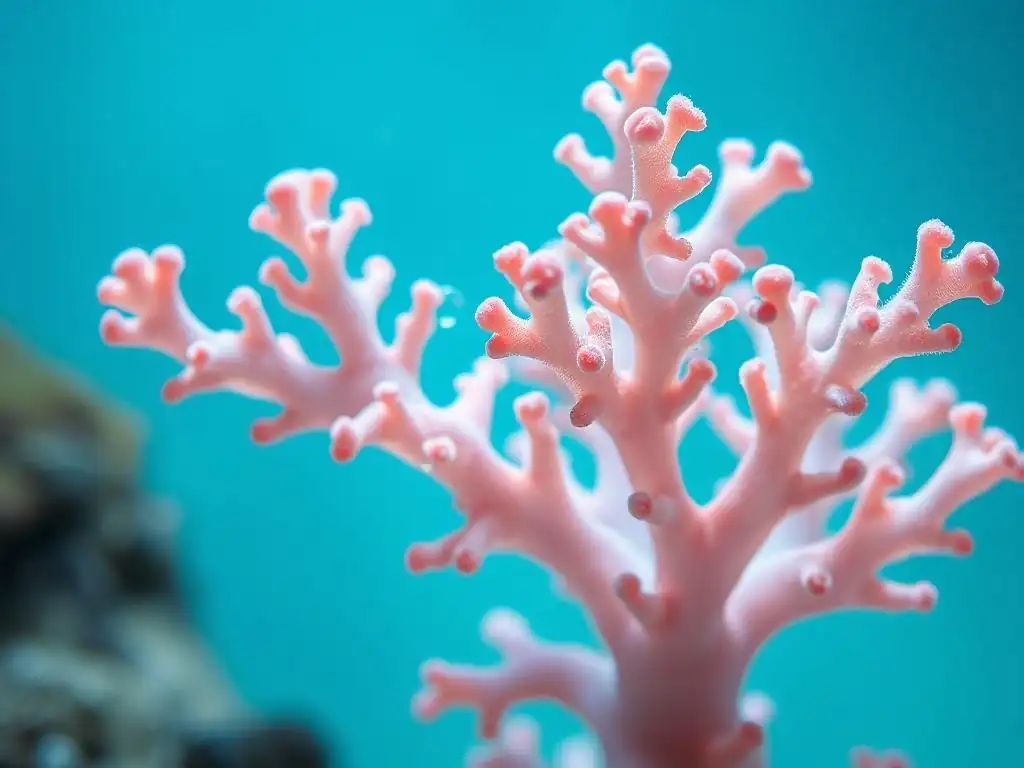
While many soft corals host photosynthetic zooxanthellae and derive a significant portion of their energy from light, supplementing their diet with direct feeding can significantly enhance their growth, coloration, and overall health. Species such as Mushroom Corals (Rhodactis, Discosoma) and some Leather Corals (Sarcophyton, Lobophytum) are particularly receptive to target feeding.
Appropriate foods for soft corals include liquid coral foods, phytoplankton, zooplankton, and dissolved organic matter. Using a pipette or turkey baster to gently direct food toward the coral polyps ensures efficient nutrient uptake, minimizing waste in the water column. Feeding 1-3 times per week, depending on the coral density and tank nutrient levels, can provide the additional energy needed for robust growth and increased resilience, leading to more vibrant soft corals as part of your saltwater coral tank mates.
Choosing the Right Food for Fish and Invertebrates
Providing a varied and nutritious diet for all your saltwater coral tank mates is fundamental to their health and can indirectly contribute to a peaceful environment. Well-fed fish and invertebrates are less likely to seek alternative food sources, such as coral polyps, out of hunger.
For fish, a combination of high-quality flakes, pellets, and frozen foods (such as mysis shrimp, brine shrimp enriched with spirulina, or chopped seafood) should be offered. Ensure the food size is appropriate for the fish's mouth. Invertebrates like shrimp and crabs will scavenge for uneaten food and detritus, but supplemental feeding with algae wafers or sinking pellets can ensure they receive adequate nutrition. Snails primarily graze on algae, but some species will also consume detritus. A diverse diet supports robust immune systems and active behavior across the entire tank community.
Avoiding Overfeeding: Preventing Water Quality Issues
While ensuring adequate nutrition is important, overfeeding is a common mistake that can rapidly degrade water quality and negatively impact the entire reef ecosystem, including soft corals. Excess food quickly breaks down, releasing phosphates and nitrates, which fuel nuisance algae growth and can stress corals. High nutrient levels can lead to coral browning, reduced growth, and increased susceptibility to disease.
A good rule of thumb is to feed small amounts multiple times a day, only what your fish and invertebrates can consume within 2-3 minutes. Any uneaten food should be promptly removed. Regular observation of feeding behavior helps fine-tune the amount of food offered. Preventing nutrient buildup through controlled feeding is a key component of maintaining stable water parameters and a healthy environment for your soft coral tank mates.
Creating a Peaceful Environment: Tank Design and Placement
Rockwork and Aquascaping: Providing Ample Space and Hiding Spots
The layout of your tank's rockwork, or aquascaping, plays a critical role in creating a peaceful environment for your soft coral tank mates. Thoughtful design can minimize aggression, provide security, and optimize space for all inhabitants. Creating ample caves, overhangs, and crevices offers crucial hiding spots and refuge for fish feeling stressed or needing a break from more active tank mates.
Moreover, strategic placement of rockwork can help define territories for certain fish, reducing squabbles over space. For soft corals, ensure adequate space between colonies to prevent physical contact as they grow, which can lead to chemical warfare or shading issues. A well-designed aquascape not only enhances the aesthetic appeal of your tank but also significantly contributes to the psychological well-being of its inhabitants, promoting a tranquil ecosystem.
Water Flow: Optimizing Circulation for Coral Health
Proper water flow is essential for the health and vitality of soft corals and the overall well-being of the reef ecosystem. Soft corals, unlike many SPS corals, generally prefer moderate, indirect flow. Excessive or direct laminar flow can cause tissue damage, prevent full polyp extension, and even detach the coral from its substrate. Insufficient flow, on the other hand, can lead to detritus accumulation on the coral, nutrient starvation, and reduced oxygen exchange.
Optimizing circulation involves using powerheads or wavemakers that provide broad, turbulent flow patterns rather than strong, direct streams. This ensures that food particles and oxygen are delivered to the corals, and waste products are carried away. A well-designed flow pattern also benefits fish by providing swimming currents and preventing "dead spots" where detritus can accumulate, contributing to a healthy and dynamic environment for all saltwater coral tank mates.
Minimizing Stress Factors: Noise, Lighting, and Water Changes
Beyond water parameters and tank mates, external factors can significantly impact the stress levels of your soft corals and fish. Minimizing these stressors contributes to a more stable and peaceful reef environment. Sudden loud noises, such as slamming doors or shouting near the tank, can startle fish and cause them to hide, leading to prolonged stress.
Consistent lighting schedules, ideally with gradual ramp-up and ramp-down features, mimic natural dawn and dusk cycles, reducing shock to corals and fish. Sudden changes in light intensity or duration can stress photosynthetic organisms. Finally, while regular water changes are vital for maintaining water quality, they should be performed gently, using properly mixed and temperature-matched saltwater to avoid shocking the tank inhabitants. A predictable and quiet environment fosters robust health among all your saltwater coral tank mates.
Troubleshooting Compatibility Issues: Identifying and Resolving Problems
Recognizing Signs of Coral Stress
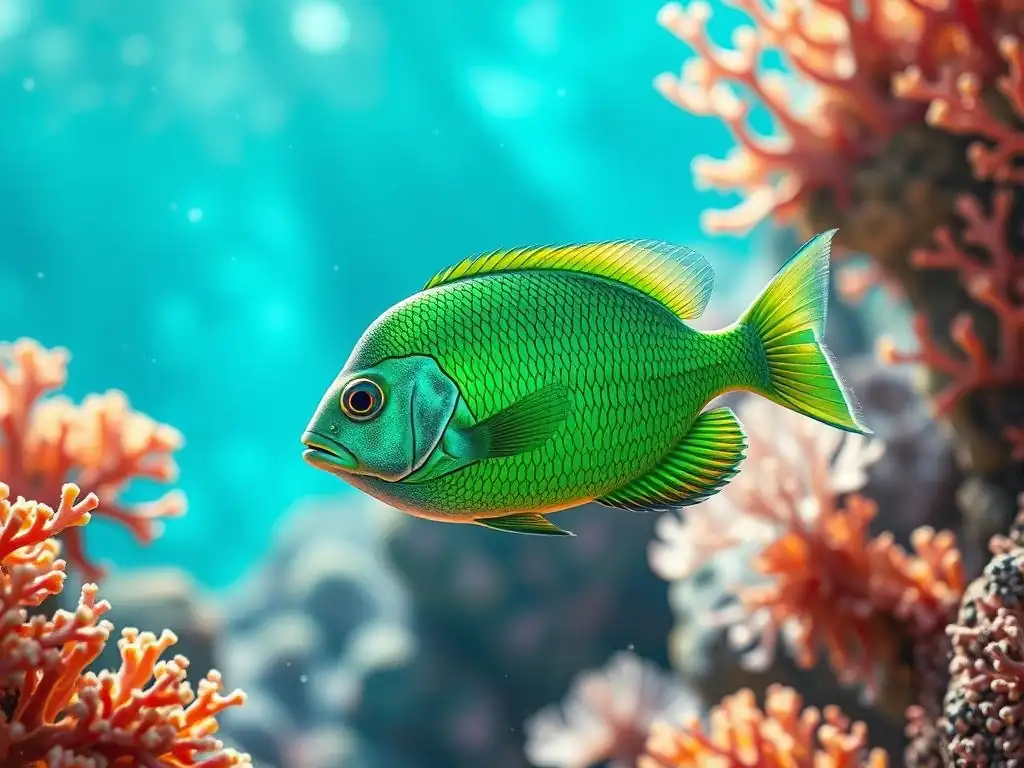
Identifying signs of stress in your soft corals is crucial for early intervention when compatibility issues arise. Soft corals, while often hardy, will display clear indicators when they are unhappy or under duress. Common signs include prolonged polyp retraction, where the coral remains closed for extended periods, even during optimal feeding times.
Other indicators include excessive sliming, which can be a defense mechanism against irritation or a sign of poor water quality. Tissue recession, where the coral tissue appears to be shrinking or pulling away from its base, is a more severe sign of distress. Paling or browning can indicate issues with lighting or zooxanthellae health, often linked to stress. Prompt recognition of these signs allows you to investigate potential causes, such as aggressive saltwater coral tank mates or unsuitable environmental conditions, and take corrective action.
Identifying Aggressive Behavior
Observing and accurately identifying aggressive behavior among your saltwater coral tank mates is paramount for maintaining tank harmony. Aggression can manifest in various forms, from subtle nipping to overt chasing and fighting. In fish, look for fin nipping, constant chasing, ramming, or territorial displays where one fish repeatedly drives another into a corner or away from a specific area.
For invertebrates, observe if crabs are actively trying to dislodge corals or if snails are constantly knocking over frags. Even seemingly peaceful invertebrates can become problematic if not properly fed or if their environment is inadequate. Documenting which species are involved, the frequency, and the severity of the interactions helps in determining the root cause and devising an effective intervention strategy to protect the stressed individuals.
Rehoming or Separating Incompatible Tank Mates: A Last Resort
When all other interventions fail to resolve compatibility issues, rehoming or physically separating incompatible saltwater coral tank mates becomes a necessary last resort. Persistent aggression, constant nipping at corals, or a fish that simply cannot coexist peacefully with others in the specific tank environment can cause chronic stress, leading to illness or death for the targeted individuals.
Methods for removal include using fish traps, which are less stressful than netting, or carefully netting the problematic fish or invertebrate. If rehoming is not an option, creating a physical barrier within the tank can sometimes provide a temporary solution, but it rarely resolves the underlying issue. Prioritizing the health and well-being of the entire reef community often means making the difficult decision to remove an incompatible inhabitant to ensure the long-term success and peace of your soft coral tank.
The Long-Term Success of Your Soft Coral Reef Tank
Regular Water Testing and Maintenance: Maintaining Stable Parameters
The long-term success of a soft coral reef tank hinges on consistent and meticulous water testing and maintenance. While soft corals are generally forgiving, maintaining stable water parameters within their optimal ranges is crucial for their sustained health, growth, and vibrancy. Regular testing for salinity, temperature, alkalinity, calcium, magnesium, nitrates, and phosphates provides critical insights into the tank's chemistry.
Adhering to a routine maintenance schedule, including regular water changes (e.g., 10-20% bi-weekly), cleaning filter media, and topping off with RODI (Reverse Osmosis Deionized) water, prevents the accumulation of pollutants and helps maintain parameter stability. This diligent approach ensures that your soft corals and their saltwater coral tank mates thrive in a consistently healthy environment, preventing the stress that can lead to decline.
Continued Observation and Adjustment: Adapting to Changes in the Ecosystem
A soft coral reef tank is a dynamic, evolving ecosystem, and its long-term success requires continuous observation and a willingness to adapt. As corals grow, fish mature, and biological processes shift, the needs of the tank may change. For instance, increased coral biomass might necessitate adjustments in lighting intensity or nutrient dosing. Similarly, a growing fish population might require increased feeding or enhanced filtration.
Regularly observing the behavior of your saltwater coral tank mates, monitoring coral extension and coloration, and noting any changes in algae growth or water clarity allows for proactive adjustments. Addressing minor issues promptly, such as a slight increase in nitrates or a new patch of nuisance algae, prevents them from escalating into major problems that could destabilize the entire system.
Enjoying a Thriving and Peaceful Reef Aquarium
Ultimately, the goal of all the careful planning, diligent maintenance, and continuous observation is to enjoy a thriving and peaceful soft coral reef aquarium. When the right saltwater coral tank mates are chosen, water parameters are stable, and the environment is optimized, your soft corals will display their full beauty, extending their polyps vibrantly and growing robustly.
A harmonious reef is a testament to the aquarist's dedication and understanding of the complex interactions within a marine ecosystem. Witnessing the peaceful coexistence of colorful fish, fascinating invertebrates, and majestic soft corals provides immense satisfaction and a captivating slice of the ocean's beauty right in your home. This rewarding experience is the ultimate culmination of creating a balanced and healthy soft coral reef.
Frequently Asked Questions
How crucial is compatibility when selecting saltwater coral tank mates?
Compatibility is absolutely essential for a healthy and thriving reef tank. Incompatible tank mates can lead to stressed corals and even their demise due to aggression, predation, or poor water quality.
What types of fish should be avoided when keeping soft corals?
Avoid fish known to nip at corals, such as certain butterflyfish and angelfish. Also, larger, aggressive fish can create stress in the tank, impacting the health of the corals.
Are there any invertebrates that are generally safe to keep with soft corals?
Many invertebrates are excellent additions, including certain snails and shrimp. However, research specific species, as some crabs and starfish can be opportunistic coral eaters.
How does water quality affect the compatibility of tank mates with soft corals?
Poor water quality can stress both corals and fish, leading to increased aggression and disease. Maintaining stable parameters is crucial for a peaceful and healthy reef ecosystem.
What are some recommended saltwater coral tank mates for a beginner?
Beginner-friendly options include clownfish (hosting anemones, but compatible with many soft corals), gobies, and firefish. These are generally peaceful and contribute to a balanced ecosystem.
Final Reflection: Cultivating Harmony in the Reef
The delicate balance of a saltwater aquarium, as we've explored, hinges on understanding the intricate relationships between its inhabitants. The success of a soft coral reef tank isn't just about water parameters; it's about fostering a community where each member contributes to, rather than detracts from, the overall health and beauty of the ecosystem. This understanding is more crucial than ever as reef keeping becomes increasingly popular and accessible, demanding a responsible and informed approach to stocking our tanks.
This journey into the world of saltwater coral tank mates has underscored the profound impact our choices have on the lives of these fascinating creatures. Beyond the aesthetic appeal, lies a responsibility to create a thriving and sustainable environment. The careful selection of compatible species is not merely a matter of convenience, but a commitment to ethical reef keeping. In the end, we will conserve only what we love; we will love only what we understand; and we will understand only what we are taught.
- Baba Dioum. This quote resonates deeply, reminding us that knowledge is the foundation of responsible stewardship.
As you embark on, or continue, your reef keeping journey, remember that your choices have far-reaching consequences. Consider the information shared here not just as guidelines, but as a starting point for deeper exploration and continuous learning. Let the pursuit of a harmonious reef tank be a reflection of your commitment to the delicate balance of nature, and may your efforts contribute to the preservation and appreciation of these underwater wonders.
Ignite Your Reef Tank: Cultivate a Thriving Soft Coral Haven!
Thanks for diving into the world of soft coral compatibility! We hope you've gained valuable insights to create a harmonious reef ecosystem. Now it's time to put that knowledge into action and watch your aquarium flourish.
- Take the Plunge: Select one new, compatible soft coral species for your tank this week, based on what you've learned. Observe its behavior closely and adjust your tank parameters as needed.
- Share the Love:Showcase your soft coral setup on Instagram or a reefing forum, tagging @AquariumMastery and using #SoftCoralSuccess – let's build a community of thriving reefs!
- Deepen Your Knowledge: Explore our archive for unusual invertebrate species that can contribute positively to your soft coral ecosystem, adding biodiversity and unexpected benefits.
What unique companion species are you considering adding to your reef tank, and why?