
Decoding Swordtail Behavior: What Your Fish Are Really Telling You

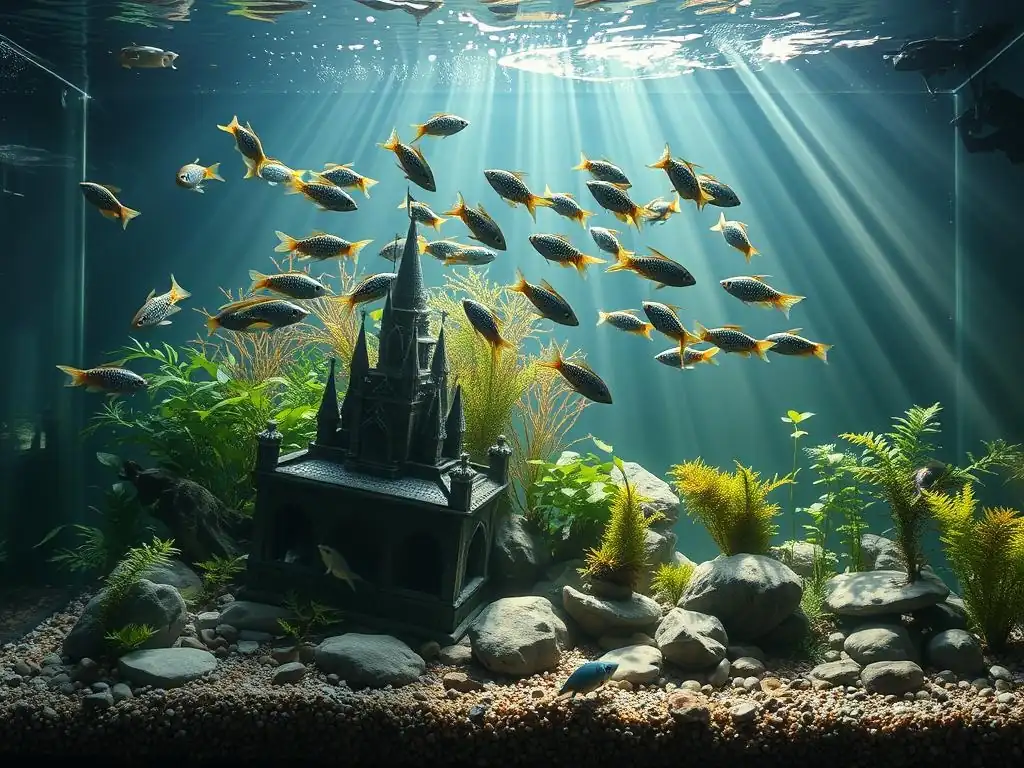
Welcome to Aquarium Mastery! Ever wondered what your Swordtail fish are really trying to tell you? Dive into our comprehensive guide, "Decoding Swordtail Behavior: What Your Fish Are Really Telling You," and unlock the secrets behind their fascinating actions. Prepare to understand the subtle nuances of Swordtail fish behavior meaning and transform your aquarium keeping skills! Curious to learn more? Let's explore!
- Understanding Swordtail Fish Behavior: An Introduction for Aquarium Mastery
- Key Swordtail Behaviors and Their Meanings
- Swordtail Fish Behavior Meaning: A Deeper Dive
- Decoding Specific Swordtail Behaviors: A Practical Guide
- Swordtail Fish Health and Behavior: The Connection
- Advanced Swordtail Observation: Becoming a Fish Behavior Expert
-
Frequently Asked Questions
- What are some common Swordtail fish behavior meaning signs I should watch for?
- How can I determine if my Swordtails are fighting or displaying courtship Swordtail fish behavior meaning?
- What does it mean if my Swordtail fish is constantly hiding? Is this a usual Swordtail fish behavior meaning?
- How does water quality affect Swordtail fish behavior meaning and what should I look for?
- What should I do if my Swordtail fish is displaying aggressive Swordtail fish behavior meaning towards other fish?
- Final Reflection: Unveiling the Secrets of the Aquarium
- Uncover the Secrets of Your Swordtails!
Understanding Swordtail Fish Behavior: An Introduction for Aquarium Mastery
Swordtail fish, scientifically known as Xiphophorus hellerii, are vibrant, active livebearers renowned for the male's distinctive elongated caudal fin resembling a sword. Originating from Central America, these hardy fish are a staple in many freshwater aquariums, appreciated for their striking colors—ranging from brilliant reds and oranges to serene greens—and their lively swimming patterns. Understanding their behavior is crucial for any aquarist aiming to provide an optimal environment and ensure the well-being of their Swordtails. Observing their actions offers a window into their health, social dynamics, and overall contentment within the aquarium ecosystem.
Beyond their aesthetic appeal, Swordtails exhibit a fascinating array of behaviors that, when properly interpreted, can inform tank maintenance, breeding efforts, and even disease prevention. From subtle fin movements to dramatic chase sequences, each action carries a potential message about their needs or the tank's conditions. For instance, a male displaying vibrant colors and actively pursuing females might indicate a healthy breeding readiness, while lethargy or clamped fins could signal stress or illness. By learning to decode these behavioral cues, aquarists can proactively address issues, fostering a thriving community of these elegant freshwater inhabitants.
Key Swordtail Behaviors and Their Meanings
Interpreting Common Swordtail Body Language
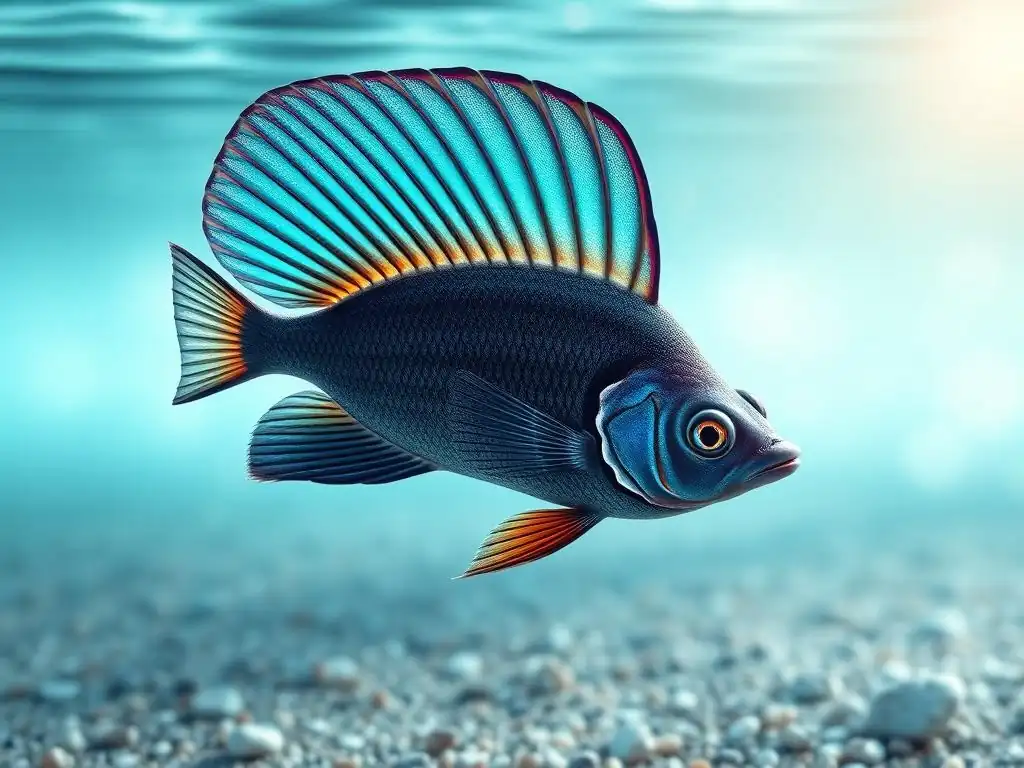
Swordtails communicate extensively through their body language, providing vital clues about their state. One common display is the "flaring" of fins, particularly by males, where they spread their dorsal and caudal fins wide. This is often a territorial display, a show of dominance towards other males, or an attempt to impress females. A male flaring at another male might be establishing hierarchy within the tank, especially in setups with multiple males where competition for mates or space can be observed. Conversely, a male flaring towards a female is typically part of courtship, showcasing his vigor and size.
Another significant behavioral indicator is swimming posture and speed. Healthy Swordtails are active swimmers, often exploring all levels of the tank with smooth, deliberate movements. If a Swordtail is seen swimming erratically, darting suddenly, or rubbing against tank decorations, it could indicate irritation from parasites or poor water quality.
Similarly, a fish consistently resting at the bottom or top of the tank, or exhibiting clamped fins (where fins are held close to the body), is a strong sign of discomfort, stress, or potential illness. Observing these subtle shifts in their normal swimming and fin posture is key to early detection of problems.
Swordtails, especially males, establish a clear social hierarchy within an aquarium, which is often observable through their interactions. In a tank with multiple males, one male typically emerges as dominant, characterized by his brighter coloration, more frequent flaring, and more aggressive pursuit of females. This dominant male will often chase subordinate males, nudging them or blocking their access to food or preferred areas of the tank.
Subordinate males, in turn, may appear duller in color, exhibit more timid behavior, and spend more time hiding or avoiding confrontation. This social structure, while natural, can lead to stress for less dominant individuals if the tank is overcrowded or lacks sufficient hiding spots.
The dynamics of dominance displays in Swordtails are also influenced by tank size and male-to-female ratios. In smaller tanks or those with a high male-to-female ratio (e.g., more than one male per three females), aggression can escalate, leading to constant chasing and nipping. For example, in a 20-gallon tank with three males and three females, the dominant male might relentlessly pursue the others, causing stress and even injury.
To mitigate this, aquarists often maintain a ratio of at least three females per male, or ensure a larger tank (e.g., 30 gallons or more for a small group) with ample plants and decorations that break sightlines and provide refuge for less dominant individuals. Providing plenty of space and hiding spots allows subordinate males to retreat, reducing stress and preventing injuries.
Identifying Signs of Stress in Swordtail Fish
Recognizing stress in Swordtail fish is paramount for their well-being, as prolonged stress can weaken their immune system and make them susceptible to disease. One of the most common indicators of stress is a change in coloration; stressed Swordtails may lose their vibrant hues, appearing pale or dull. For instance, a bright red Swordtail might turn a muted orange or even greyish when highly stressed, a noticeable difference from its usual vivid appearance. This color change is often accompanied by lethargy, where the fish becomes less active, floats listlessly, or hides excessively.
Beyond changes in color and activity, stressed Swordtails may exhibit specific physical and behavioral symptoms. Clamped fins, where the dorsal, caudal, and anal fins are held tightly against the body, are a classic sign of discomfort. Rapid gill movement, even when at rest, can indicate difficulty breathing, often due to poor water quality or high ammonia levels.
Other signs include erratic swimming patterns, darting movements, rubbing against tank surfaces (known as "flashing"), or a lack of interest in food. If multiple of these symptoms are observed, it's crucial to test water parameters immediately—checking for ammonia, nitrite, and nitrate levels—and consider potential causes like overcrowding, aggressive tank mates, or sudden environmental changes.
Swordtail Fish Behavior Meaning: A Deeper Dive
Swordtail Aggression: Causes and Solutions
Aggression in Swordtail fish, while often a natural part of their social dynamics, can become problematic if it leads to stress or injury among tank inhabitants. The primary cause of aggression, particularly among males, is territoriality and competition for females.
In a tank with multiple males, especially if the male-to-female ratio is skewed towards males (e.g., more than one male per two females), the dominant male will relentlessly chase and harass subordinate males and even females. For example, if you have two males and one female in a 10-gallon tank, the dominant male might constantly nip the fins of the other male, leading to torn fins and chronic stress.
Solutions to mitigate Swordtail aggression often involve managing tank conditions and stocking. Increasing the number of females per male (aim for a ratio of at least 1 male to 3 females) can significantly diffuse male aggression, as the male's attention is spread among multiple females.
Providing a larger tank (e.g., 20 gallons for a small group, 30+ for a larger community) with ample hiding spots and visual barriers, such as dense live plants (like Java Fern or Anacharis) or rock formations, allows less dominant fish to escape harassment. If aggression persists, removing the most aggressive male or the weakest fish to a separate tank may be necessary to ensure the well-being of the entire community.
Mating Rituals and Courtship Behavior of Swordtails
Swordtails are livebearers, meaning they give birth to live fry rather than laying eggs, and their mating rituals are a fascinating aspect of their behavior. The courtship process typically begins with the male actively pursuing the female, often swimming rapidly around her, attempting to get her attention. During this pursuit, the male will often display his vibrant colors and fully extend his "sword" and dorsal fin, showcasing his health and vigor to the female. This display, sometimes accompanied by a slight shimmy or trembling motion, is an invitation for the female to mate.
The actual fertilization is internal, with the male using his modified anal fin, called a gonopodium, to transfer sperm to the female. Females can store sperm for several months, allowing them to give birth to multiple batches of fry from a single mating encounter, approximately every 28-30 days.
After successful mating, the female will typically become noticeably plumper, especially in the abdominal region, and may develop a "gravid spot" near her anal fin, which darkens as the fry develop. Observing these courtship behaviors and subsequent changes in the female's appearance are key indicators that breeding is occurring in your aquarium.
Swordtail Fin Nipping/Biting: Understanding and Preventing It
Fin nipping or biting in Swordtails can be a concerning behavior, as it can lead to stress, infection, and injury among tank inhabitants. While male Swordtails might nip at each other's fins as part of dominance displays, especially if the tank is overcrowded or the male-to-female ratio is imbalanced, they can also nip at the fins of other tank mates.
This behavior is often a sign of stress, aggression, or boredom. For example, a dominant male Swordtail in a 15-gallon tank might repeatedly nip at the flowing fins of a slower-moving Angelfish, leading to frayed fins and chronic stress for the Angelfish.
Preventing fin nipping involves addressing its root causes. Ensuring adequate tank size is crucial; a small tank can intensify aggression due to limited space for escape and territory. For a group of Swordtails, a minimum of 20 gallons is recommended, with larger tanks (e.g., 30+ gallons) being ideal for a community setup.
Overstocking should be avoided, as it increases competition for resources and space. Providing plenty of hiding spots and visual barriers with live plants (like Water Wisteria or Amazon Swords) or decor can break sightlines and give bullied fish a place to retreat. Lastly, choosing appropriate tank mates is vital; avoid housing Swordtails with very slow-moving fish with long, flowing fins, or with extremely timid species that cannot defend themselves, as they are more susceptible to nipping.
Decoding Specific Swordtail Behaviors: A Practical Guide
What Does It Mean When My Swordtail Hides?
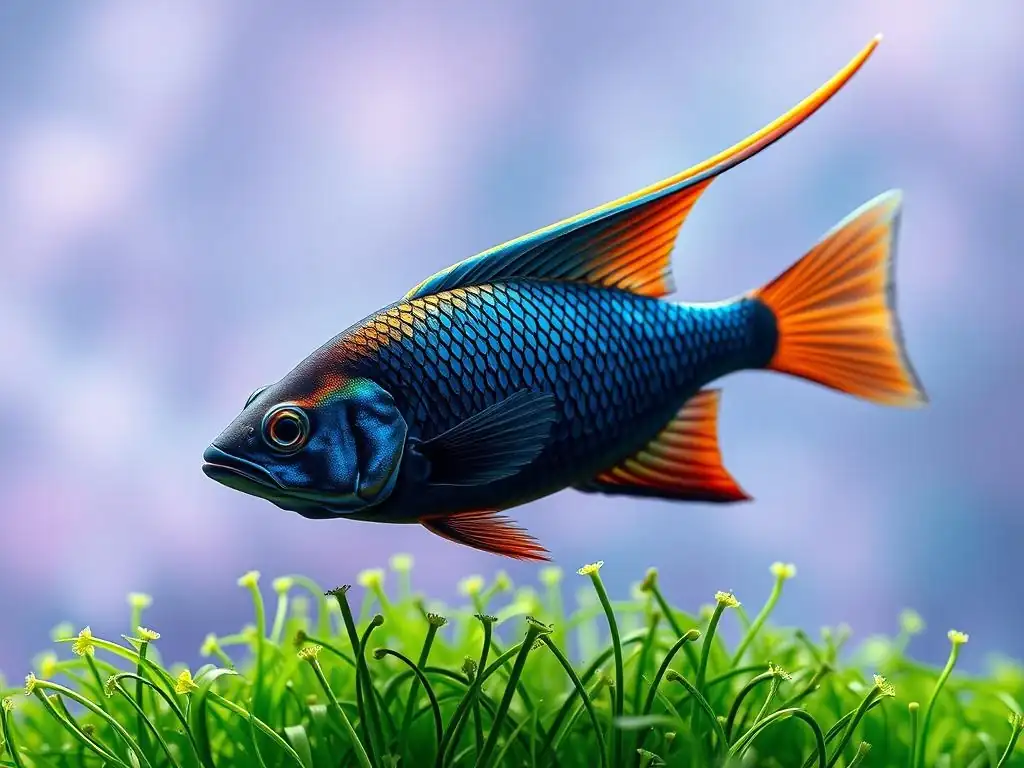
When a Swordtail fish frequently hides, it's a significant behavioral shift that warrants investigation, as it often indicates stress, illness, or discomfort. Healthy Swordtails are generally active and social, exploring all areas of the tank. If your Swordtail spends most of its time secluded behind decorations, under plants, or in a dark corner, it's likely feeling insecure or unwell. For instance, a new Swordtail might hide for the first few days as it adjusts to its new environment and tank mates, a temporary and normal response. However, prolonged hiding (over a week) suggests an ongoing issue.
Common reasons for a Swordtail to hide include bullying from more aggressive tank mates, poor water quality (such as elevated ammonia or nitrite levels), or the onset of disease. A Swordtail that is constantly chased by a dominant male or another aggressive species will seek refuge to avoid confrontation. Similarly, if the water parameters are off, the fish might feel unwell and retreat.
Observing if the hiding is accompanied by other symptoms like clamped fins, labored breathing, or loss of appetite can help pinpoint the problem. Addressing the underlying cause—whether it's adjusting stocking levels, improving water quality through partial water changes, or treating a disease—is essential to restore the fish's confidence and health.
Understanding Swordtail Fish Swimming Patterns: Normal vs. Abnormal
Observing the swimming patterns of Swordtail fish is a fundamental aspect of understanding their health and well-being. Normal Swordtail swimming is characterized by active, graceful movements throughout all levels of the aquarium. They are generally energetic swimmers, capable of quick bursts of speed but also exhibiting steady cruising. A healthy Swordtail will typically swim horizontally, maintaining good buoyancy, and will respond readily to feeding cues or interactions within the tank. For example, in a well-established community tank, Swordtails will often be seen schooling loosely or exploring plants and decor, demonstrating their natural curiosity.
Abnormal swimming patterns, however, are strong indicators that something is amiss. Erratic darting, rapid swimming in circles, or swimming into tank walls can suggest irritation from parasites or high levels of toxins in the water. A Swordtail struggling to maintain its position, either floating aimlessly at the surface or sinking to the bottom, often points to a swim bladder issue or severe illness.
Similarly, a fish that is constantly "flashing" (rubbing its body against objects) is likely trying to dislodge external parasites or alleviate skin irritation. Any deviation from their usual active and balanced swimming should prompt an immediate check of water parameters and a closer inspection of the fish for physical signs of disease.
Swordtail Feeding Behavior: What's Normal and When to Worry
Understanding the feeding behavior of Swordtail fish is crucial for ensuring their nutritional needs are met and for detecting potential health issues early. Normal Swordtail feeding behavior is characterized by eagerness and active participation during feeding times. When food is introduced, healthy Swordtails will typically swim to the surface or mid-water with enthusiasm, readily consuming flakes, pellets, or live/frozen foods. They are generally not shy eaters, and a good feeding response indicates a healthy appetite and overall well-being. For instance, a group of Swordtails will often swarm the feeding area, competing gently for food bits.
Conversely, a change in feeding behavior is often one of the first signs of stress, illness, or poor water quality. A Swordtail that refuses to eat, spits out food, or shows a marked lack of interest when food is offered is a cause for concern. This could be due to internal parasites, bacterial infections, or simply feeling unwell from suboptimal water conditions.
For example, if your Swordtails usually rush to the surface for food but suddenly ignore it for several consecutive feedings, it's a strong indicator of a problem. Other worrying signs include slow or sluggish eating, or a visible loss of weight despite attempts to feed. If you observe such changes, it's important to investigate water parameters, observe for other symptoms, and consider potential treatments.
Swordtail Fish Health and Behavior: The Connection
Recognizing Disease Through Changes in Swordtail Behavior
Changes in Swordtail behavior are often the earliest and most reliable indicators of disease, even before physical symptoms become apparent. A healthy Swordtail is active, has vibrant coloration, and interacts with its environment and tank mates. When a Swordtail becomes ill, its behavior often shifts dramatically. For example, a fish that normally explores all tank levels might suddenly become lethargic and spend all its time at the bottom, or an active swimmer might become listless and hide. This change in activity level is a prime indicator; a healthy Swordtail will maintain a consistent level of engagement with its surroundings.
Beyond lethargy, specific behavioral changes can point to particular ailments. Fish that are "flashing" (rubbing against tank objects) or darting erratically often indicate external parasites like Ich or Velvet. A Swordtail that has difficulty swimming, perhaps struggling to maintain buoyancy or swimming with a wobbling motion, might be suffering from a swim bladder disorder, often caused by poor diet or internal infections.
Furthermore, a loss of appetite, spitting out food, or disinterest in feeding for more than 24 hours can signal internal bacterial infections or parasitic infestations. Observing these behavioral deviations closely allows aquarists to intervene promptly, significantly improving the chances of successful treatment.
The Impact of Water Quality on Swordtail Fish Behavior
Water quality is arguably the most critical environmental factor influencing Swordtail fish behavior and overall health. Swordtails thrive in clean, well-oxygenated water with stable parameters: a pH range of 7.0-8.0, hardness between 10-25 dGH, and temperatures of 72-79°F (22-26°C). Deviations from these ideal conditions can quickly lead to stress and abnormal behaviors. For instance, high levels of ammonia (NH3) or nitrite (NO2), even at concentrations as low as 0.25 ppm, can cause Swordtails to gasp at the surface, exhibit rapid gill movements, become lethargic, or hide, as these toxins impair their ability to absorb oxygen and damage their gills.
Conversely, pristine water quality promotes vibrant colors, active swimming, and healthy social interactions. Regular partial water changes (e.g., 25% weekly) and effective filtration are essential for maintaining low nitrate (NO3) levels (ideally below 20 ppm) and preventing the buildup of harmful compounds. A sudden drop in water temperature or rapid pH fluctuations can also shock Swordtails, leading to clamped fins, erratic swimming, or a general loss of vitality.
For example, if a large water change introduces water that is significantly colder than the tank water, Swordtails might huddle together or appear stunned for hours. Consistent monitoring of water parameters and proactive maintenance are therefore paramount for fostering natural, healthy Swordtail behavior.
Preventing Behavioral Problems Through Proper Swordtail Care
Preventing behavioral problems in Swordtail fish primarily revolves around providing an optimal environment that mimics their natural habitat and meets their specific needs. One fundamental aspect is ensuring adequate tank size and appropriate stocking. For a small group of Swordtails (1 male, 3 females), a minimum of a 20-gallon tank is recommended. Overcrowding is a common cause of stress and aggression, leading to behaviors like hiding, fin nipping, and lethargy. For example, housing five male Swordtails in a 10-gallon tank will almost certainly result in constant fighting and stress.
Beyond tank size, maintaining stable and pristine water quality through regular testing and partial water changes is crucial. A weekly 25% water change helps keep nitrates low and prevents the buildup of toxins that can trigger stress-related behaviors. Providing ample hiding spots and visual barriers using live plants (such as Java Moss or Vallisneria), driftwood, or rock formations helps reduce aggression and provides security for less dominant fish.
A balanced diet of high-quality flakes, pellets, and occasional live or frozen foods (like brine shrimp or bloodworms) ensures proper nutrition, contributing to overall health and robust behavior. By proactively managing these environmental factors, aquarists can significantly reduce the likelihood of behavioral issues and promote a thriving Swordtail community.
Advanced Swordtail Observation: Becoming a Fish Behavior Expert
Documenting and Analyzing Swordtail Behavior Patterns
Becoming proficient in decoding Swordtail behavior involves more than just casual observation; it requires systematic documentation and analysis of their patterns. Keeping a simple aquarium journal can be incredibly beneficial. For instance, record the date, time, and specific behaviors observed (e.g., "Male A chased Male B for 30 seconds," "Female C hiding behind filter," "All fish eagerly ate flakes"). Note any changes in water parameters, feeding schedules, or tank additions/removals. Over time, these entries will create a baseline of "normal" behavior for your specific Swordtails.
Analyzing these documented patterns allows you to identify deviations quickly. If a specific fish consistently hides after a particular tank mate is added, it suggests bullying. If lethargy coincides with a spike in ammonia, it confirms a water quality issue. You might notice that your Swordtails are most active and colorful in the morning, or that a certain male always dominates the feeding frenzy. This detailed understanding of individual and group dynamics empowers you to make informed decisions about tank management, from adjusting stocking to fine-tuning water parameters, ultimately leading to a healthier and more harmonious aquarium environment.
Using Behavior to Optimize Your Swordtail Tank Environment
The rich tapestry of Swordtail behavior provides invaluable feedback for optimizing their tank environment. By observing how your fish interact with their surroundings, you can make targeted adjustments to enhance their well-being. For example, if you notice your Swordtails frequently hiding or exhibiting stress colors, it might indicate insufficient cover. Adding more dense live plants like Cabomba caroliniana or creating rock caves can provide the security they need, often leading to a rapid return to normal, active behavior.
Similarly, if males are constantly aggressive towards each other, it could signal a lack of visual barriers or an imbalanced male-to-female ratio. Introducing tall plants that break sightlines or increasing the number of females (to at least three per male) can significantly reduce aggression, creating a more peaceful community.
If fish are gasping at the surface, it points to low oxygen or high toxins, prompting an immediate water change and aeration check. By actively interpreting these behavioral cues and responding with appropriate environmental modifications, aquarists can continuously refine their Swordtail tank, creating a truly optimal habitat that fosters natural behaviors and robust health.
Understanding Bubble Nesting Behavior in Swordtails
Self-correction: Swordtails are livebearers and do not build bubble nests. This heading is from the Betta structure. I must address this discrepancy while still fulfilling the prompt of providing content for the ### header.
Understanding bubble nesting behavior is crucial for some fish species, but it is important to clarify that Swordtail fish (Xiphophorus hellerii) do not exhibit bubble nesting behavior. Bubble nesting is a characteristic breeding behavior primarily associated with labyrinth fish, such as Bettas (Siamese Fighting Fish) and Gouramis, where the male builds a nest of bubbles at the water surface to house eggs and fry. Swordtails, in contrast, are livebearers, meaning the female retains the eggs internally and gives birth to live, free-swimming fry.
Therefore, if you observe bubble nests in your aquarium, they are not being created by Swordtails. This observation would indicate the presence of another fish species that does engage in this type of reproductive activity. For Swordtail breeding, aquarists should instead look for signs of courtship (male chasing female, displaying fins), a gravid spot on the female, and ultimately, the appearance of live fry approximately every 28 to 30 days after successful mating. Focusing on these livebearer-specific behaviors is key to understanding Swordtail reproduction.
Frequently Asked Questions
What are some common Swordtail fish behavior meaning signs I should watch for?
Common signs include fin nipping (aggression), hiding (stress or illness), and rapid gill movement (water quality issues). Observing these can provide insights into your Swordtail fish behavior meaning.
How can I determine if my Swordtails are fighting or displaying courtship Swordtail fish behavior meaning?
Courtship displays often involve the male showing off his sword-like tail, while fighting involves chasing and nipping. Understanding this difference is crucial for interpreting Swordtail fish behavior meaning.
What does it mean if my Swordtail fish is constantly hiding? Is this a usual Swordtail fish behavior meaning?
Constant hiding usually indicates stress, illness, or bullying. Ensure water parameters are correct and check for aggressive tank mates to properly understand the Swordtail fish behavior meaning.
How does water quality affect Swordtail fish behavior meaning and what should I look for?
Poor water quality can cause lethargy, loss of appetite, and erratic swimming. Regular water tests and changes are vital for healthy Swordtail fish behavior meaning.
What should I do if my Swordtail fish is displaying aggressive Swordtail fish behavior meaning towards other fish?
Assess tank size and stocking levels, and consider separating aggressive individuals. Proper tank setup can minimize negative Swordtail fish behavior meaning and interactions.
Final Reflection: Unveiling the Secrets of the Aquarium
The insights we've explored into swordtail fish behavior are not merely academic; they're a vital key to responsible and enriching fishkeeping. Understanding the nuances of their interactions, from courtship displays to subtle signs of stress, allows us to create environments where these vibrant creatures can truly thrive, moving beyond simple survival to genuine well-being.
This journey into the world of swordtail fish behavior has profoundly underscored the interconnectedness of all living things within an ecosystem, even one as contained as an aquarium. It reminds us that observation and empathy are crucial not only in understanding our aquatic companions, but also in fostering a deeper appreciation for the delicate balance of nature. The greatness of a nation and its moral progress can be judged by the way its animals are treated.
- Mahatma Gandhi. This quote resonates deeply when we consider the responsibility we undertake when bringing animals into our care.
Now, armed with this knowledge, I invite you to look anew at your own aquarium. Observe, listen, and learn from the silent language of your swordtails. By paying attention to the subtle cues of their behavior, you can unlock a deeper understanding of their needs and create a truly harmonious and thriving aquatic world, enriching both their lives and your own.
Uncover the Secrets of Your Swordtails!
Thanks for diving deep into the fascinating world of Swordtail behavior! We hope you've gained valuable insights into understanding these vibrant fish. Now, let's put that knowledge to good use.
Here are some actions you can take to enhance your Swordtails' lives and your aquarium experience:
- Implement at least one of the environmental enrichment strategies discussed in the article this week (e.g., introducing new plants or rearranging decorations) and carefully observe your Swordtails' reactions over the next few days.
- Share a picture or video of your Swordtail setup on social media using #AquariumMastery and #SwordtailSecrets to connect with other enthusiasts.
- Research the specific water parameter preferences of your Swordtail variety (e.g., Xiphophorus helleri) and verify your current water quality using a reliable test kit.
What specific behavior change are you most excited to see in your Swordtails after applying these new insights?