
Kribensis Cichlid (Pelvicachromis pulcher): Rainbows in Your Tank

Welcome to Aquarium Mastery!
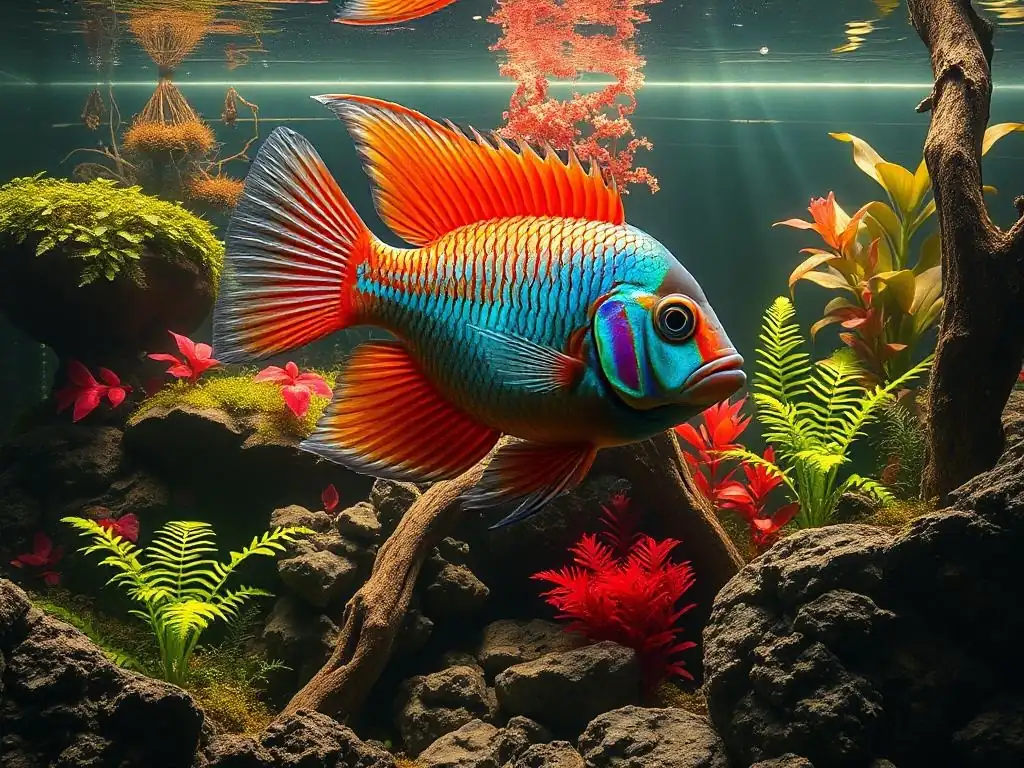
Ever dreamt of adding a splash of vibrant color to your freshwater aquarium? Then you've come to the right place. We're diving deep into the captivating world of the Kribensis cichlid, a true gem among aquarium fish. Curious about unlocking the secrets to thriving, breeding, and keeping these "rainbows" happy and healthy? Let's get started with essential Kribensis cichlid care tips and discover how to make them the stars of your aquatic landscape.
- Introduction to Kribensis Cichlids: A Beginner-Friendly Dwarf Cichlid
- Kribensis Cichlid Care Tips: Creating the Ideal Habitat
- Kribensis Cichlid Tank Mates: Compatibility and Community Tank Options
- Feeding Kribensis Cichlids: Diet and Nutritional Needs
- Kribensis Cichlid Breeding: Encouraging Spawning and Raising Fry
- Kribensis Cichlid Health: Common Diseases and Prevention
- Understanding Kribensis Cichlid Behavior: Signs of Health and Stress
- Troubleshooting Common Kribensis Problems: Solutions and Expert Advice
- Conclusion: Enjoying the Beauty and Charm of Kribensis Cichlids
- Frequently Asked Questions
- Final Reflection: Appreciating the Kribensis Rainbow
- Ignite Your Aquarium: Cultivate Kribensis Magic!
Introduction to Kribensis Cichlids: A Beginner-Friendly Dwarf Cichlid
What Makes Kribensis Cichlids a Great Choice for Aquariums?
Kribensis cichlids, scientifically known as Pelvicachromis pulcher, are a truly remarkable choice for both novice and experienced aquarists looking to add vibrant color and engaging behavior to their freshwater tanks. Their relatively small size, typically reaching only 3-4 inches (7-10 cm), classifies them as dwarf cichlids, making them suitable for tanks where larger cichlid species would be out of the question. Beyond their manageable dimensions, their stunning coloration, particularly the brilliant pink or purple belly of the female during breeding, offers a visual spectacle that few other freshwater fish can match.
Furthermore, Kribensis cichlids are renowned for their relatively peaceful disposition compared to their larger cichlid cousins, making them excellent candidates for well-planned community aquariums. Their intelligence and interactive nature allow owners to observe fascinating behaviors, from intricate courtship rituals to dedicated parental care for their fry. This combination of beauty, manageable size, and intriguing social dynamics positions the Kribensis as a top-tier choice for those seeking a rewarding and less challenging cichlid experience.
Overview of Pelvicachromis pulcher Characteristics and Temperament
Pelvicachromis pulcher originates from the slow-moving, acidic waters of coastal rivers and streams in West Africa, particularly Nigeria and Cameroon. Males typically grow larger, reaching up to 4 inches, while females usually top out around 3 inches. Both sexes display a captivating array of colors, including iridescent blues, yellows, and reds, often accented by a distinctive black lateral stripe running from the eye to the tail. The most striking feature, however, is the female's deep, rich pink or purplish-red belly, which intensifies significantly when she is ready to breed.
In terms of temperament, Kribensis cichlids are generally peaceful but can exhibit territoriality, especially when breeding. They are cave spawners and will fiercely guard their chosen nesting site and subsequent fry. Outside of breeding periods, they are quite docile and tend to ignore most tank mates, preferring to explore their environment and sift through the substrate. Understanding these characteristics is vital for providing optimal Kribensis cichlid care tips, ensuring their well-being and allowing their natural behaviors to flourish.
Kribensis Cichlid Care Tips: Creating the Ideal Habitat
Setting Up the Perfect Kribensis Tank: Size and Substrate
Proper tank setup is paramount for the health and happiness of Kribensis cichlids. For a single pair, a minimum tank size of 20 gallons (approximately 75 liters) is recommended, providing ample space for territory establishment and swimming. However, a 30-gallon (around 115 liters) or larger tank is preferable if you plan to keep a community of fish, allowing for more stable water parameters and reducing potential territorial disputes. The tank's footprint is more important than its height, as Kribensis are bottom and mid-level dwellers.
Regarding substrate, a fine sand or very smooth, small-grained gravel is ideal. Kribensis cichlids love to dig, sift through the substrate, and rearrange their environment, especially when preparing a breeding cave. A soft substrate prevents injury to their delicate mouths and gills during these activities. Incorporating plenty of hiding spots and visual barriers using driftwood, rocks, ceramic pots, or PVC pipes is crucial. These elements not only offer security but also serve as potential breeding sites and help delineate territories within the aquarium, which is a key Kribensis cichlid care tip.
Water Parameters for Kribensis: Temperature, pH, and Hardness
Maintaining stable and appropriate water parameters is one of the most critical Kribensis cichlid care tips. The ideal water temperature for Pelvicachromis pulcher ranges from 75-82°F (24-28°C). Consistency is key, as sudden temperature fluctuations can stress the fish and make them susceptible to disease. A reliable aquarium heater and thermometer are essential tools for this purpose.
Kribensis cichlids thrive in slightly acidic to neutral water conditions, with a pH range of 6.0-7.5. While they are adaptable, a pH closer to 6.5-7.0 is often cited as optimal for breeding success and vibrant coloration. Water hardness should be soft to medium-hard, specifically 5-12 dGH (general hardness). Regular testing of these parameters – at least weekly or bi-weekly – is highly recommended to catch any deviations before they become problematic. For instance, a sudden drop in pH can indicate an issue with biological filtration or overfeeding, requiring immediate attention.
Essential Equipment for Kribensis: Filtration, Heating, and Lighting
Effective filtration is non-negotiable for maintaining pristine water quality, which is a cornerstone of Kribensis cichlid care tips. A good quality filter, such as a hang-on-back (HOB) or canister filter, that provides mechanical, chemical, and biological filtration is recommended. Aim for a filter that can process the tank's volume at least 4-6 times per hour, ensuring adequate water circulation and removal of waste products. However, Kribensis prefer calmer waters, so avoid overly strong currents that can stress them. Diffuse the outflow if necessary.
A reliable heater, accurately sized for your tank, is vital to maintain the specified temperature range of 75-82°F (24-28°C). Fluctuations of more than 2-3 degrees Fahrenheit within a day can be detrimental. For lighting, moderate illumination is sufficient. Kribensis cichlids generally prefer subdued lighting, mimicking their natural habitat where they often reside in shaded areas beneath vegetation or rocks. Strong, direct lighting can make them shy and reclusive. If you have live plants, ensure the lighting meets their specific needs without overpowering the Kribensis' preference.
Kribensis Cichlid Tank Mates: Compatibility and Community Tank Options
Best Tank Mates for Kribensis: Peaceful Community Fish
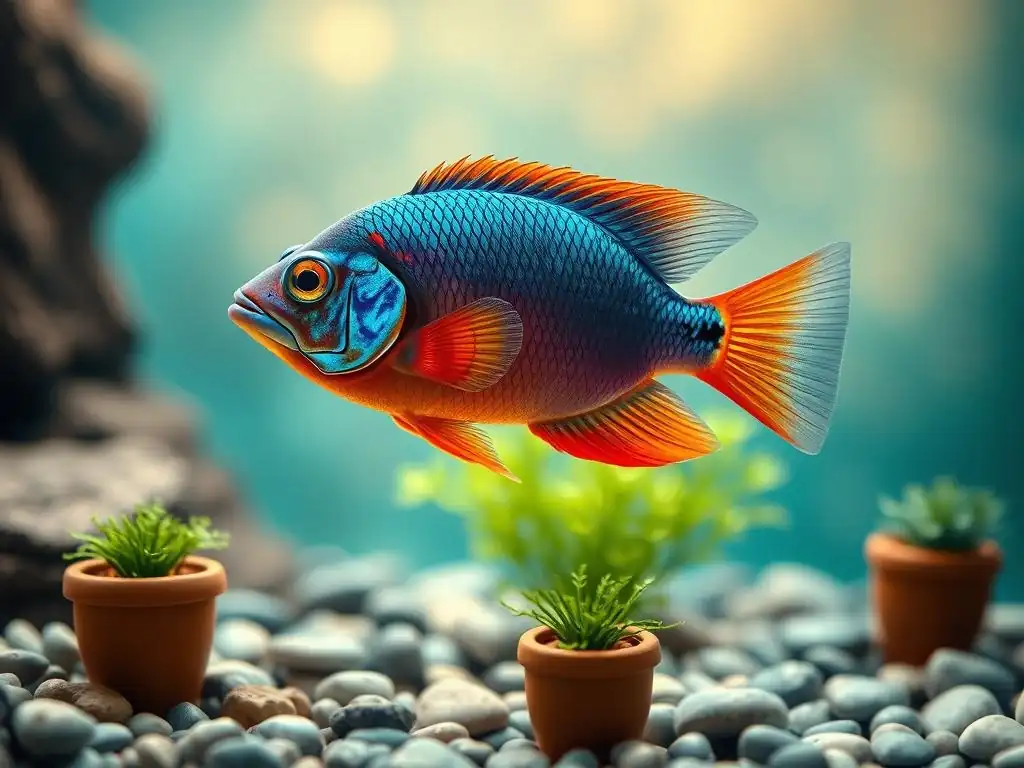
Choosing appropriate tank mates is a crucial aspect of Kribensis cichlid care tips, ensuring a harmonious community aquarium. Kribensis cichlids are generally peaceful, but they can become territorial, especially during breeding. The best tank mates are those that are similarly sized, non-aggressive, and occupy different levels of the water column. Good options include various schooling fish like Neon Tetras, Cardinal Tetras, Rummy Nose Tetras, and Harlequin Rasboras, which primarily swim in the mid to upper regions, staying out of the Kribensis' bottom territory.
Other suitable companions include peaceful bottom-dwellers such as Corydoras catfish (e.g., Panda Corydoras, Peppered Corydoras), which are generally too armored or docile to be bothered by Kribensis. Small, peaceful gouramis, like Dwarf Gouramis or Honey Gouramis, can also coexist well. When selecting tank mates, always consider the tank size; a larger tank provides more space for territories and reduces the likelihood of conflict, even with generally compatible species.
Fish to Avoid Keeping with Kribensis: Aggressive or Fin-Nipping Species
While Kribensis cichlids are relatively peaceful, certain fish species are entirely unsuitable as tank mates and should be avoided. Any overtly aggressive or highly territorial cichlids, such as larger African Cichlids (e.g., Mbunas, Peacock Cichlids), should not be housed with Kribensis, as they will undoubtedly outcompete, harass, or even kill the smaller Kribensis. Even other dwarf cichlid species, like some Rams or Apistogrammas, might pose territorial challenges if the tank is too small or lacks sufficient hiding spots.
Fin-nipping species, such as Tiger Barbs or Serpae Tetras, are also poor choices. Their tendency to nip at fins can stress Kribensis and lead to injuries, making them susceptible to disease. Large, predatory fish that could view Kribensis as a food source, such as Oscars or Arowanas, are obviously out of the question. By avoiding these incompatible species, you significantly improve the chances of a thriving and stress-free environment for your Kribensis, which is a vital Kribensis cichlid care tip for long-term success.
Creating a Balanced Ecosystem: Plant Selection for Kribensis
Integrating live plants into a Kribensis cichlid aquarium not only enhances its aesthetic appeal but also contributes significantly to creating a balanced and natural ecosystem. Plants provide essential hiding spots, reduce stress, and can even serve as visual barriers to break up lines of sight, minimizing aggression between fish. Kribensis appreciate a well-planted tank, especially those with broad leaves or dense foliage where they can seek shelter or even lay eggs.
Good plant choices include Java Fern (Microsorum pteropus), Anubias species (e.g., Anubias barteri, Anubias nana), and Cryptocoryne species (e.g., Cryptocoryne wendtii, Cryptocoryne beckettii). These plants are relatively hardy and do not require intense lighting. Floating plants like Frogbit or Dwarf Water Lettuce can also be beneficial, as they diffuse light and provide additional cover, mimicking the shaded conditions Kribensis prefer in their natural habitat. Ensure plants are well-rooted or attached to driftwood/rocks, as Kribensis are known for their digging habits, which could dislodge poorly secured plants.
Feeding Kribensis Cichlids: Diet and Nutritional Needs
What to Feed Kribensis: A Varied and Balanced Diet
A varied and balanced diet is fundamental for the health, vitality, and vibrant coloration of Kribensis cichlids, making it a cornerstone of Kribensis cichlid care tips. In their natural habitat, Pelvicachromis pulcher are omnivores, primarily consuming small invertebrates, insect larvae, algae, and detritus. Replicating this diversity in the home aquarium is crucial. A diet consisting solely of dry flakes will not provide all the necessary nutrients and can lead to deficiencies over time.
The ideal diet should include a mix of high-quality flakes or pellets specifically formulated for cichlids, supplemented with a variety of live, frozen, or freeze-dried foods. This ensures they receive a full spectrum of vitamins, minerals, and proteins. For instance, including foods rich in carotenoids can help enhance their natural red and yellow pigments, making their colors even more brilliant.
Recommended Foods for Kribensis: Flakes, Pellets, and Live/Frozen Options
To provide a comprehensive diet, start with a high-quality staple flake or small pellet food, such as those designed for community tropical fish or dwarf cichlids. Supplement this with frozen bloodworms, brine shrimp, daphnia, and mysis shrimp. These provide essential proteins and fats. For example, feeding frozen bloodworms 2-3 times a week can significantly boost their health and encourage breeding. Live foods, such as blackworms, grindal worms, or baby brine shrimp, are excellent for conditioning breeding pairs and stimulating natural hunting behaviors.
Vegetable matter should also be included in their diet. Spirulina flakes or pellets can be offered, and some Kribensis may nibble on blanched zucchini or shelled peas. While not their primary food source, these vegetable additions contribute to overall gut health. Always thaw frozen foods before feeding to prevent digestive issues. Offering a rotation of these different food types ensures your Kribensis receive all the necessary nutrients, contributing to robust health and longevity.
Feeding Frequency and Portion Control for Healthy Kribensis
Proper feeding frequency and portion control are vital Kribensis cichlid care tips to prevent overfeeding, which can lead to poor water quality and health issues like swim bladder problems. Kribensis cichlids should be fed 1-2 times per day. The key is to offer small amounts of food that they can consume entirely within 2-3 minutes. Any uneaten food should be removed promptly to prevent it from decaying and fouling the water.
Overfeeding not only pollutes the tank by increasing nitrates and phosphates but also contributes to excessive algae growth and can lead to internal health problems for the fish. For instance, a common mistake is to feed too much at once, causing food to sink and be wasted. By observing your Kribensis during feeding, you can quickly learn the appropriate portion size. Healthy Kribensis will eagerly approach the surface or substrate to eat, demonstrating good appetite and activity levels.
Kribensis Cichlid Breeding: Encouraging Spawning and Raising Fry
Creating a Breeding Environment for Kribensis
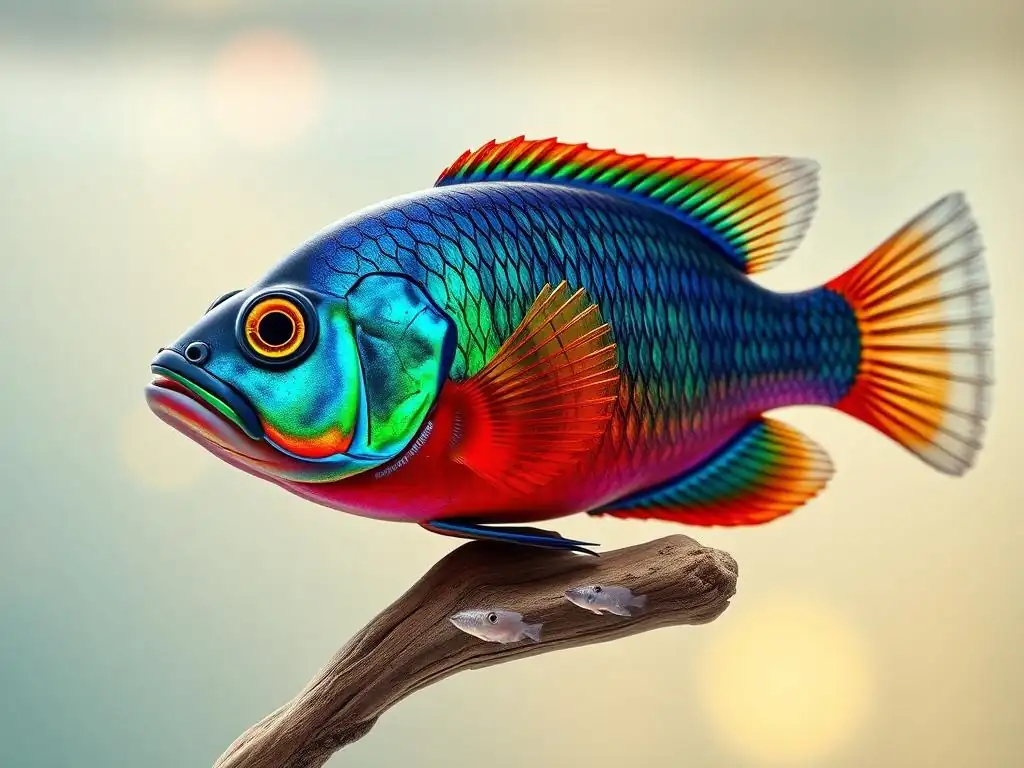
Encouraging Kribensis cichlids to breed is one of the most rewarding aspects of keeping them, and it largely depends on providing the right environment. A dedicated breeding tank of at least 10-20 gallons (38-75 liters) with stable, soft, and slightly acidic water (pH 6.0-6.5, GH 5-8) is ideal. The water temperature should be kept consistently at the higher end of their preferred range, around 78-82°F (26-28°C), to stimulate spawning.
The most critical element for a Kribensis breeding setup is the provision of suitable caves. Kribensis are cave spawners, and they require a dark, enclosed space to lay their eggs. Small terracotta pots turned on their side, coconut shells with an opening, or slate caves are excellent choices. Ensure there are multiple options, as the female will choose her preferred site. A fine sand substrate is also beneficial, as the parents will often dig around the chosen cave. Dim lighting and peaceful conditions further encourage spawning behavior.
Kribensis Breeding Behavior: Courtship and Spawning
Kribensis cichlids exhibit fascinating courtship and breeding behaviors. The female's belly will intensify to a vibrant pink or purple, signaling her readiness to spawn. The male will display his best colors, flare his fins, and engage in a "shaking" dance to attract the female to a chosen cave. Once a pair bonds, they will meticulously clean the inside of their selected cave.
Spawning typically occurs inside the cave, with the female laying between 50 to 300 eggs, which are then fertilized by the male. The number of eggs depends on the female's age and condition. Both parents exhibit strong biparental care, with the female usually staying inside the cave guarding the eggs, while the male guards the perimeter. The eggs are typically amber-colored and hatch within 3-5 days, depending on temperature. Observing this intricate process is a true highlight of Kribensis cichlid care tips.
Caring for Kribensis Fry: Feeding and Water Quality
Once Kribensis fry hatch, they will remain in the cave for a few more days, feeding off their yolk sacs. After approximately 5-7 days post-hatching, they will become free-swimming and emerge from the cave under the watchful eyes of their parents. At this stage, providing appropriate food is crucial for their survival and growth. Newly hatched brine shrimp are an excellent first food due to their high nutritional value and small size, which the fry can easily consume. Feed small amounts multiple times a day (3-5 times).
As the fry grow, they can be transitioned to finely crushed flake food, micro-pellets, and eventually larger frozen foods like daphnia or finely chopped bloodworms. Maintaining pristine water quality is paramount for Kribensis fry. Perform small daily water changes (10-15%) using aged or dechlorinated water that matches the tank's parameters. A sponge filter is ideal for a fry tank, as it provides gentle filtration and prevents the tiny fry from being sucked in. Consistent care for the fry is a rewarding aspect of Kribensis cichlid care tips.
Kribensis Cichlid Health: Common Diseases and Prevention
Identifying Common Kribensis Diseases: Symptoms and Treatments
Even with diligent Kribensis cichlid care tips, fish can occasionally fall ill. Identifying common diseases early is crucial for successful treatment. One prevalent issue is Ich (Ichthyophthirius multifiliis), characterized by small white spots resembling salt grains on the body and fins. Affected fish may flash against objects or exhibit clamped fins. Treatment often involves raising the water temperature gradually to 82-84°F (28-29°C) and using an Ich medication like malachite green or formalin, following product instructions carefully.
Fin Rot is another common bacterial infection, often caused by poor water quality or injury. Symptoms include frayed, discolored, or disintegrating fins. Early stages can often be treated with daily small water changes (25%) and a broad-spectrum antibiotic designed for aquarium use, such as Furan-2 or Maracyn. Bloat, characterized by a swollen abdomen, lethargy, and loss of appetite, can be caused by internal bacterial infections or dietary issues. Treatment often involves an antibiotic like Metronidazole, often mixed with food. Recognizing these symptoms promptly is a key Kribensis cichlid care tip for intervention.
Preventing Illness in Kribensis: Maintaining Water Quality and Hygiene
Prevention is always better than cure, and maintaining excellent water quality and hygiene is the single most effective Kribensis cichlid care tip for preventing diseases. Regular partial water changes are essential – typically 25-30% of the tank volume weekly, or 10-15% twice a week. This removes accumulated nitrates, phosphates, and other pollutants that stress fish and weaken their immune systems. Always use a dechlorinator when adding tap water.
Regularly test your water parameters (ammonia, nitrite, nitrate, pH, temperature) to ensure they remain within the optimal range for Kribensis. Overfeeding should be avoided, as uneaten food decays and contributes to poor water quality. Clean the filter media regularly (rinsing in old tank water to preserve beneficial bacteria) and remove any decaying plant matter or uneaten food promptly. A clean, stable environment significantly reduces the likelihood of bacterial, fungal, or parasitic infections.
Quarantine Procedures for New Kribensis: Acclimation and Observation
A vital, yet often overlooked, Kribensis cichlid care tip is to implement a strict quarantine procedure for all new fish before introducing them to your main aquarium. This practice can prevent the introduction of diseases, parasites, and unwanted organisms into your established tank, potentially saving your entire fish population. A separate 10-20 gallon (38-75 liter) quarantine tank with its own filter and heater is sufficient.
New Kribensis should be housed in the quarantine tank for a minimum of 2-4 weeks. During this period, observe them closely for any signs of illness, such as white spots, clamped fins, labored breathing, unusual swimming patterns, or lesions. Maintain excellent water quality and feed them a high-quality diet. If any symptoms appear, treat them in the quarantine tank. Only after the quarantine period, with no signs of disease, should the Kribensis be slowly acclimated and introduced to the main display tank using a drip acclimation method to minimize stress from parameter changes.
Understanding Kribensis Cichlid Behavior: Signs of Health and Stress
Decoding Kribensis Body Language: Interpreting Their Signals
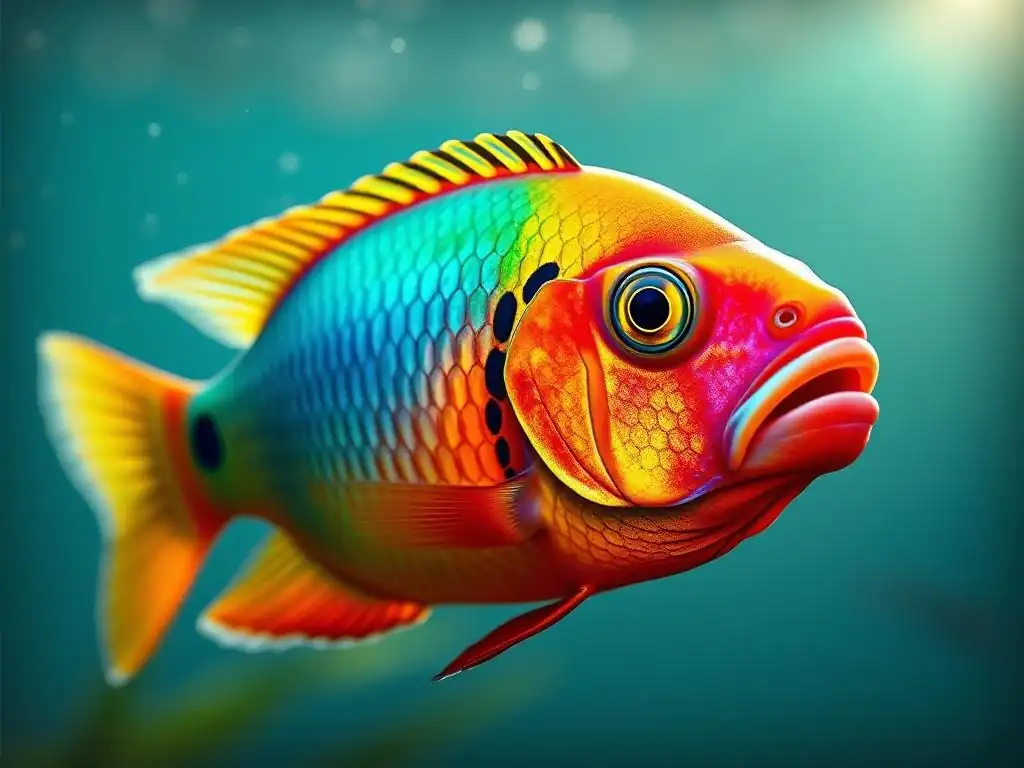
Understanding Kribensis cichlid behavior is a fascinating aspect of their care and provides critical insights into their health and well-being. A healthy Kribensis will exhibit vibrant coloration, be active, explore its environment, and readily accept food. They will often sift through the substrate, a natural foraging behavior. During courtship, males will display intensified colors and fin flaring, while females will develop a deep pink or purple belly and actively clean a chosen cave.
Conversely, changes in body language can signal distress or illness. For instance, a Kribensis that appears pale or dull in color, particularly if normally vibrant, may be stressed or unwell. Rapid gill movements, even in still water, can indicate respiratory distress or poor water quality. Observing your fish regularly allows you to establish a baseline for their normal behavior, making it easier to detect subtle changes that might indicate a problem.
Recognizing Signs of Stress in Kribensis: Addressing Environmental Issues
Recognizing and addressing signs of stress promptly is a crucial Kribensis cichlid care tip. Stressed Kribensis may exhibit several distinct behaviors. These include hiding excessively, even when food is offered, suggesting fear or insecurity. They might become lethargic, resting on the bottom or near the surface for prolonged periods without apparent reason. Clamped fins, where the fins are held close to the body rather than fanned out, are a common sign of discomfort or illness.
Other indicators of stress can be rapid or shallow breathing, loss of appetite, or darting movements. The primary causes of stress are typically environmental: poor water quality (high ammonia, nitrite, or nitrate), incorrect temperature or pH, overcrowding, or aggressive tank mates. Addressing these underlying issues, such as performing a partial water change, checking heater function, or re-evaluating tank mate compatibility, is essential to alleviate stress and prevent further health complications.
Troubleshooting Common Kribensis Problems: Solutions and Expert Advice
Dealing with Aggression in Kribensis: Causes and Remedies
While generally peaceful, Kribensis cichlids can exhibit aggression, particularly during breeding or if their environment is inadequate. A primary cause of aggression is overcrowding or insufficient hiding spots and territories. When breeding, a pair will become highly territorial, guarding their cave and fry fiercely, which can lead to stress or injury for other bottom-dwelling fish.
To mitigate aggression, ensure your tank is adequately sized (at least 20 gallons for a pair, larger for communities) and provides ample visual barriers and hiding spots (caves, driftwood, dense plants). If a breeding pair is causing significant issues, consider moving them to a dedicated breeding tank. If aggression occurs outside of breeding, re-evaluate tank mates; aggressive or overly boisterous species can provoke Kribensis. Sometimes, simply rearranging the tank decor can disrupt established territories and reduce conflict.
Addressing Water Quality Issues Affecting Kribensis
Water quality issues are the most common cause of health problems in Kribensis cichlids. High levels of ammonia and nitrite are acutely toxic, while high nitrates cause chronic stress and weaken the immune system. Cloudy water, strong odors, or excessive algae growth are visual cues of poor water quality.
The immediate remedy for poor water quality is a significant partial water change (30-50%), performed carefully to avoid shocking the fish. Subsequently, identify and address the root cause: overfeeding, insufficient filtration, infrequent water changes, or an uncycled tank. Test water parameters regularly using a reliable liquid test kit. Ensure your filter is correctly sized and maintained, and avoid adding too many fish at once. Consistent adherence to proper Kribensis cichlid care tips regarding water maintenance prevents most water quality-related issues.
Fin Rot in Kribensis: Causes, Symptoms, and Treatment
Fin rot is a common bacterial infection that affects the fins of fish, including Kribensis cichlids. It is typically caused by poor water quality, stress, or physical injury that allows opportunistic bacteria to proliferate. Symptoms include the edges of the fins appearing frayed, ragged, or disintegrating. The affected areas may also become cloudy, white, or red at the base, and in severe cases, the fins can entirely rot away.
Early intervention is key. The first and most critical step is to perform a large partial water change (30-50%) and ensure excellent water parameters are maintained going forward. If the case is mild, improved water quality alone may allow the fins to regenerate. For more advanced cases, treatment with a broad-spectrum antibacterial medication designed for aquariums, such as those containing Furan-2 or Maracyn, may be necessary. Always follow the medication's instructions carefully. Removing the source of stress or injury is also vital for full recovery.
Ich (White Spot Disease) in Kribensis: Identification and Treatment
Ich, or White Spot Disease (caused by the parasite Ichthyophthirius multifiliis), is one of the most common and recognizable parasitic infections in freshwater aquariums. It manifests as small, white, salt-like spots scattered across the body, fins, and gills of the Kribensis. Infected fish may also rub or "flash" against tank decorations, exhibit clamped fins, rapid breathing, and lethargy. Ich often appears when fish are stressed due to poor water quality, sudden temperature changes, or the introduction of new, unquarantined fish.
Treatment involves several steps. First, gradually raise the water temperature to 82-84°F (28-29°C) over 24-48 hours, as the warmer water speeds up the parasite's life cycle, making it more vulnerable to medication. Simultaneously, treat the tank with an Ich-specific medication containing ingredients like malachite green or formalin, following the product's dosage instructions precisely. Remove carbon filtration during treatment as it can absorb the medication. Continue treatment for the recommended duration, even if symptoms disappear, to ensure all parasites are eradicated. Large water changes (25-30%) and gravel vacuuming before each medication dose help remove free-swimming parasites.
Conclusion: Enjoying the Beauty and Charm of Kribensis Cichlids
The Enduring Appeal of Pelvicachromis pulcher in Home Aquariums
The Kribensis cichlid, Pelvicachromis pulcher, truly stands out as an exceptional choice for the home aquarium. Its captivating beauty, with iridescent blues, yellows, and the striking pink belly of the female, brings a dynamic splash of color to any freshwater setup.
Beyond their aesthetic appeal, their manageable dwarf size makes them suitable for a wider range of tank sizes than many other cichlids, opening the door for many aquarists to experience the joy of keeping these intelligent and interactive fish. Their relatively peaceful nature, combined with fascinating breeding behaviors and dedicated parental care, offers a rewarding and engaging experience for hobbyists of all levels.
The combination of hardiness, adaptability to a range of water parameters, and their intriguing social dynamics ensures that Kribensis cichlids remain a beloved and popular species. By following comprehensive Kribensis cichlid care tips, including providing the right environment, balanced diet, and attentive water maintenance, aquarists can enjoy these "rainbows in their tank" for many years, witnessing their vibrant personalities and natural behaviors unfold.
Further Resources for Kribensis Cichlid Enthusiasts
For those passionate about providing the best Kribensis cichlid care tips and delving deeper into the world of Pelvicachromis pulcher, numerous resources are available. Online forums and dedicated aquarium communities offer platforms to connect with experienced Kribensis keepers, ask specific questions, and share insights. Many reputable aquarium websites provide extensive profiles, breeding logs, and troubleshooting guides tailored to these specific cichlids. Books on dwarf cichlids or general freshwater aquarium keeping often contain valuable sections on Kribensis, detailing advanced breeding techniques or specific dietary requirements. Engaging with these resources can further enhance your understanding and enjoyment of these charming fish.
Frequently Asked Questions
What are the basic requirements for Kribensis cichlid care?
Kribensis cichlids require a well-filtered aquarium with plenty of hiding places. Aim for a tank size of at least 20 gallons, and maintain a temperature between 75-82°F (24-28°C). Regular water changes are essential.
What should I feed my Kribensis cichlids?
Kribensis cichlids are omnivores and will accept a variety of foods. Offer a high-quality cichlid pellet as a staple, supplemented with live or frozen foods like bloodworms and daphnia. Avoid overfeeding.
How can I encourage Kribensis cichlids to breed?
Providing a suitable breeding cave or flowerpot is crucial for Kribensis breeding. Maintain excellent water quality and offer a varied diet to encourage spawning. Gradually raise the water temperature to the higher end of their range.
What are some common health problems affecting Kribensis cichlids?
Like other aquarium fish, Kribensis are susceptible to diseases like Ich (white spot disease) and fin rot. Maintaining good water quality is the best prevention. Quarantine new fish and treat promptly if problems arise.
Are Kribensis cichlids compatible with other fish species?
Kribensis can be territorial, especially during breeding. Choose tank mates carefully, avoiding overly aggressive or fin-nipping species. Suitable companions include peaceful tetras, rasboras, and corydoras catfish, but ensure sufficient space and hiding places.
Okay, here's a final reflection designed to close your article "Kribensis Cichlid (Pelvicachromis pulcher): Rainbows in Your Tank," optimized for the keyword "Kribensis cichlid care tips," and following the structure you requested:
Final Reflection: Appreciating the Kribensis Rainbow
The journey of keeping Kribensis Cichlids, as we've explored, is more than just following Kribensis cichlid care tips; it's about creating a thriving ecosystem that allows these vibrant fish to truly flourish. The knowledge shared here, from water parameters to breeding behaviors, becomes truly meaningful when applied, transforming a simple aquarium into a miniature underwater paradise.
The enduring appeal of the Kribensis lies not only in its stunning colors but also in its fascinating behaviors. Witnessing their complex social interactions and dedicated parental care is a constant reminder of the beauty and intricacy of the natural world. The best way to observe a fish is to become the water.
- Jacques Cousteau. This quote reminds us that understanding and appreciating these creatures requires immersing ourselves in their world, learning their needs, and providing them with the environment they deserve.
Now, armed with these insights and Kribensis cichlid care tips, consider the impact you can have. By creating a healthy and stimulating environment for your Kribensis, you're not just keeping fish; you're fostering a connection with nature and contributing to the well-being of these captivating creatures. Let the vibrant colors and fascinating behaviors of your Kribensis inspire you to continue learning, adapting, and creating a truly remarkable underwater world.
Ignite Your Aquarium: Cultivate Kribensis Magic!
Thanks for diving into the vibrant world of Kribensis Cichlids! We hope you’ve discovered the joy these rainbow-hued fish can bring to your aquarium. Now, it's time to bring that knowledge to life.
Here's how to continue your Kribensis journey:
- Set up a dedicated breeding tank – Watch the miracle of Kribensis parenthood unfold right before your eyes! This is a fascinating and rewarding experience.
- Explore local aquarium clubs or online forums and share your Kribensis care tips and experiences. You can help other aquarists discover the joy of these amazing fish.
- Consider adding unique botanicals like Indian Almond Leaves to your Kribensis tank to mimic their natural habitat and enhance their vibrant colors.
Ready to create a stunning Kribensis kingdom?