
Your First Oscar Tank: A StepbyStep Setup Plan for Guaranteed Success

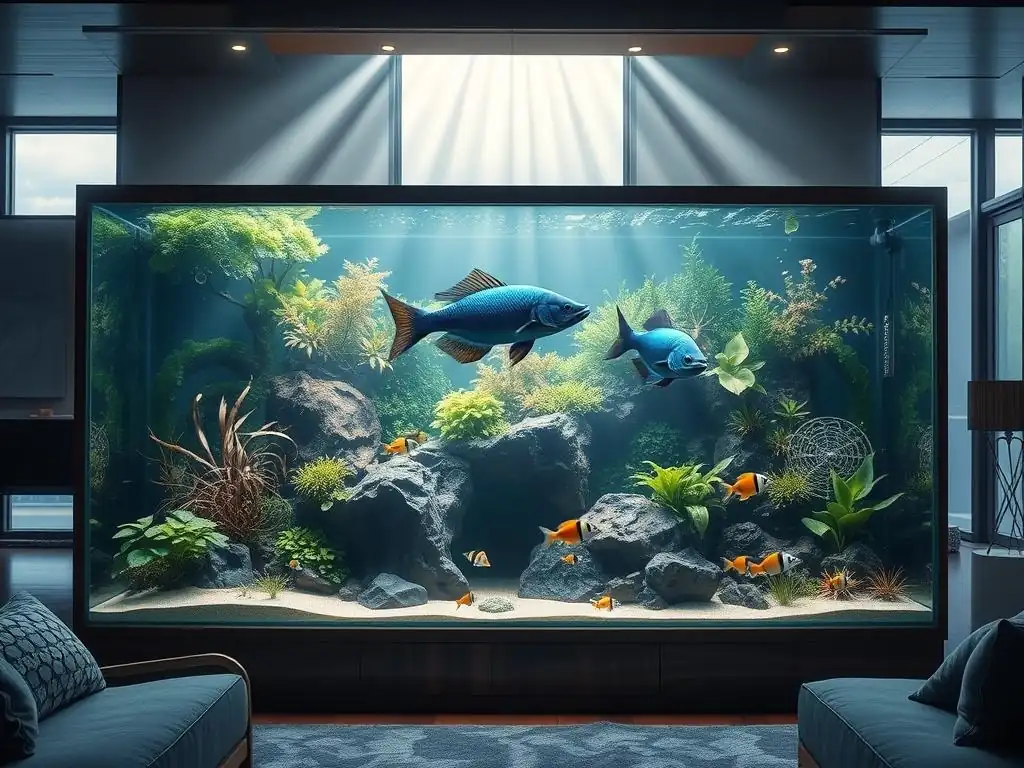
Welcome to Aquarium Mastery, your ultimate guide to creating thriving aquatic ecosystems!
Ever wondered if you have what it takes to successfully house an Oscar, the king of freshwater tanks? You're in the right place! In this guide, we'll walk you through a step-by-step plan for a successful Oscar fish tank setup, unlocking the secrets to creating an environment where these magnificent fish can truly thrive. Ready to dive in and discover the keys to Oscar-keeping success? Let's get started!
- Setting Up a South American Cichlid Tank: A Guide for Beginners
- Introduction to South American Cichlids and Their Aquarium Needs
- Step 1: Planning Your South American Cichlid Tank Setup
- Step 2: Selecting the Right Substrate and Decorations for Your South American Cichlid Tank
- Step 3: Setting Up Your South American Cichlid Tank: A Step-by-Step Guide
- Step 4: Essential Filtration and Water Parameters for South American Cichlids
- Step 5: Cycling Your South American Cichlid Tank: Establishing a Healthy Ecosystem
- Step 6: Introducing Your South American Cichlids to Their New Home
- Step 7: Maintaining a Healthy South American Cichlid Tank Environment
- Step 8: Feeding Your South American Cichlids for Optimal Health and Growth
- Step 9: Identifying and Addressing Common South American Cichlid Diseases
- Step 10: Choosing Compatible Tank Mates for Your South American Cichlids [Optional]
- Conclusion: Ensuring a Thriving South American Cichlid Tank
- Frequently Asked Questions
- Final Reflection: Nurturing a Thriving Aquatic World
- Unleash Your Inner Aquarist: Dive into Oscar Ownership!
Setting Up a South American Cichlid Tank: A Guide for Beginners
Introduction to South American Cichlids and Their Aquarium Needs
Why Choose South American Cichlids for Your Aquarium?
South American Cichlids, particularly the iconic Oscar fish ( Astronotus ocellatus), are renowned for their striking appearance, intelligent behavior, and engaging personalities, making them a popular choice for many aquarists. These fish often develop a strong bond with their owners, recognizing faces and even interacting during feeding times. Their vibrant colors, ranging from deep reds and oranges to marbled patterns, add a dynamic aesthetic to any large freshwater setup. For instance, a well-cared-for Oscar can display a remarkable range of behaviors, from rearranging tank decor to "begging" for food, providing an interactive experience unlike many other aquarium inhabitants.
Beyond their captivating personalities, South American Cichlids, including the Oscar fish, offer a rewarding challenge for intermediate to advanced aquarists. Their specific care requirements, while demanding, lead to robust and long-lived fish, often reaching lifespans of 10-15 years in captivity. This longevity means that an investment in a proper Oscar fish tank setup is a long-term commitment, yielding years of enjoyment and observation for dedicated enthusiasts. The satisfaction of maintaining a thriving ecosystem for these magnificent creatures is a significant draw for those looking to advance their aquarium hobby.
Understanding the Specific Needs of South American Cichlids in Captivity
South American Cichlids, especially larger species like Oscars, have distinct environmental requirements that must be met to ensure their health and well-being. Paramount among these is tank size, as Oscars can grow quite large, typically reaching 10-14 inches (25-35 cm) in length. A cramped environment leads to stunted growth, increased aggression, and susceptibility to disease. Therefore, a spacious Oscar fish tank setup is non-negotiable.
Furthermore, these cichlids produce a significant amount of waste, necessitating robust filtration and diligent water quality management. They thrive in clean, well-oxygenated water with stable parameters. Deviations in temperature, pH, or ammonia/nitrite levels can quickly lead to stress and illness. For example, maintaining a temperature range of 76-82°F (24-28°C) and a pH between 6.5-7.5 is crucial. Regular water changes, often 25-50% weekly, are essential to dilute nitrates and replenish vital minerals, ensuring a pristine environment for your Oscar fish tank setup.
Step 1: Planning Your South American Cichlid Tank Setup
Determining the Right Tank Size for South American Cichlids
The cornerstone of a successful Oscar fish tank setup is providing adequate space. For a single adult Oscar, a minimum tank size of 55 gallons (approximately 208 liters) is often cited, but this is truly the bare minimum and can lead to issues as the fish matures. A more ideal and highly recommended size for a single Oscar is a 75-gallon (approximately 284 liters) aquarium, which provides better swimming room and stability. This increased volume helps dilute waste products more effectively, contributing to better water quality.
When considering multiple Oscars or a community tank with other large South American cichlids, the tank size requirements escalate significantly. For a pair of Oscars, a 125-gallon (approximately 473 liters) tank is generally considered the starting point. Each additional Oscar or large cichlid often necessitates an extra 20-30 gallons (75-113 liters) of volume. For instance, a 180-gallon (681 liters) tank might comfortably house two adult Oscars and a large pleco, offering sufficient territory and reducing aggression. Underestimating tank size is a common mistake that can compromise the long-term health and behavior of these magnificent fish.
Choosing the Ideal Location for Your Aquarium
Selecting the right location for your Oscar fish tank setup is critical for both the fish's well-being and the structural integrity of your home. The chosen spot must be able to support the substantial weight of a large aquarium filled with water, substrate, and equipment. A 75-gallon tank, for example, can weigh over 800 pounds (360 kg) when fully set up, so a sturdy, level floor in an area with adequate structural support is essential. Avoid placing the tank on unstable furniture or in areas prone to vibrations.
Furthermore, the location should be away from direct sunlight, which can lead to excessive algae growth and unstable water temperatures. Proximity to heat sources like radiators or air conditioning vents should also be avoided for similar reasons. Easy access to electrical outlets for equipment and a water source for water changes are practical considerations. A stable ambient room temperature, ideally between 68-78°F (20-26°C), will help maintain the aquarium's temperature without overworking the heater.
Essential Equipment Checklist for a South American Cichlid Tank
Setting up an Oscar fish tank requires a comprehensive array of equipment to ensure a stable and healthy environment. The most crucial component is a high-quality filtration system, ideally an external canister filter or a sump, capable of handling the significant bioload of an Oscar. For a 75-gallon Oscar tank, a filter rated for 100-150 gallons is often recommended to provide sufficient mechanical, chemical, and biological filtration.
In addition to filtration, a reliable heater (or two smaller heaters for redundancy) is necessary to maintain the stable tropical temperatures Oscars require. A thermometer is indispensable for monitoring water temperature, ensuring it remains within the optimal 76-82°F (24-28°C) range. Other essential items for your Oscar fish tank setup include:
- Substrate: Sand or fine gravel, approximately 2-3 inches deep.
- Decorations: Smooth rocks, driftwood, or PVC pipes for hiding and territory.
- Air Pump and Air Stone: For additional oxygenation, especially important for large fish.
- Lighting: Suitable for fish viewing and any live plants (if used).
- Water Conditioner/Dechlorinator: To neutralize chlorine and chloramines in tap water.
- API Freshwater Master Test Kit: Essential for regularly monitoring ammonia, nitrite, nitrate, and pH.
- Gravel Vacuum: For substrate cleaning during water changes.
- Buckets and Siphon: For efficient water changes.
- Fish Net: For safe fish handling.
- High-Quality Oscar Pellets: The primary food source.
Step 2: Selecting the Right Substrate and Decorations for Your South American Cichlid Tank
The Best Substrate Options for a South American Cichlid Aquarium
For an Oscar fish tank setup, the choice of substrate is important for both aesthetics and the well-being of the fish. Oscars are known for their habit of rearranging tank decor, including digging in the substrate. Therefore, a substrate that is fine, smooth, and not sharp is highly recommended. Fine sand, such as play sand or pool filter sand, is an excellent choice. It allows Oscars to dig without injuring their mouths or fins, mimicking their natural foraging behavior in the wild where they sift through soft riverbeds. A layer of about 2-3 inches (5-7.5 cm) is generally sufficient.
Alternatively, fine-grained gravel with smooth edges can also be used. Gravel that is too coarse or sharp can cause abrasions to an Oscar's delicate mouth as it sifts through the substrate looking for food or simply redecorates. While darker substrates can sometimes enhance the coloration of fish, the primary concern should be the safety and comfort of your Oscar. Regardless of the type chosen, ensure the substrate is thoroughly rinsed before adding it to the tank to remove dust and debris that could cloud the water.
Safe and Suitable Decorations for South American Cichlids: Enhancing Their Environment
Decorations in an Oscar fish tank setup serve multiple purposes: they provide visual appeal, offer hiding spots, and define territories, which can help reduce aggression, especially in multi-fish setups. Since Oscars are large and powerful fish, all decorations must be heavy, stable, and smooth. Large, smooth river rocks, slate, or basalt are excellent choices. These can be stacked to create caves and crevices, but ensure they are securely placed directly on the tank bottom (before adding substrate) to prevent them from toppling over due to an Oscar's digging.
Driftwood is another popular and beneficial decoration. It releases tannins, which can slightly lower pH and tint the water, mimicking the "blackwater" environments found in some parts of the Amazon basin. This can be beneficial for Oscars, as it may reduce stress and enhance their natural colors.
Large pieces of bogwood or mopani wood are suitable. Artificial plants, if used, should be made of soft silk or plastic with no sharp edges that could tear fins. Live plants are often difficult to maintain with Oscars, as they tend to uproot or consume them, but hardy species like Anubias or Java Fern, tied to driftwood or rocks, might survive if the Oscar is not overly destructive.
Avoiding Hazardous Materials and Decorations in Your South American Cichlid Tank
When planning your Oscar fish tank setup, it is crucial to avoid any materials or decorations that could pose a risk to your fish. Sharp-edged rocks, artificial plants with rigid or pointy leaves, or any decor that could snag fins or scratch skin should be completely avoided. Oscars are active fish, and accidental collisions with abrasive surfaces can lead to injuries that may become infected. Similarly, avoid small, lightweight decorations that can be easily moved or ingested by a large Oscar, potentially causing blockages.
Certain types of rock, such as limestone or coral, should also be avoided unless you specifically intend to raise the pH and hardness of your water, which is generally not ideal for Oscars that prefer slightly acidic to neutral conditions. These materials can leach minerals into the water, making it harder and more alkaline. Always ensure any natural materials like rocks or driftwood are thoroughly cleaned and sanitized before being added to the aquarium to prevent introducing pests, parasites, or unwanted chemicals. Boiling driftwood for several hours is a common practice to remove tannins and sterilize it.
Step 3: Setting Up Your South American Cichlid Tank: A Step-by-Step Guide
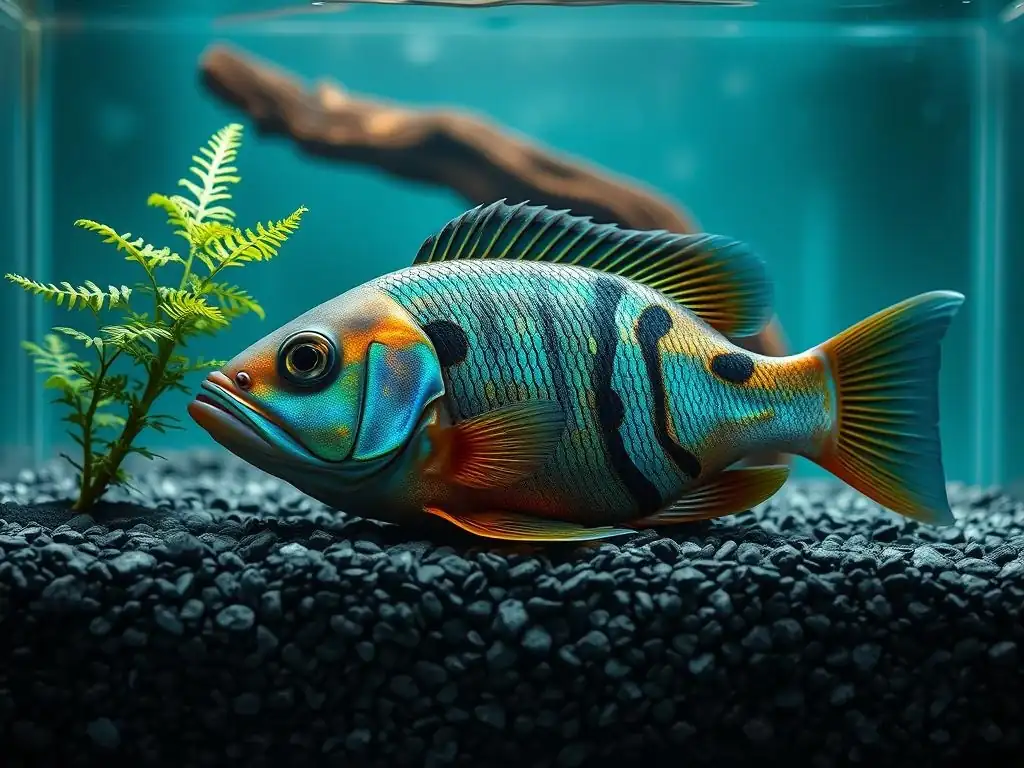
Preparing Your Tank: Cleaning and Leak Testing
Before beginning your Oscar fish tank setup, it is imperative to thoroughly clean the aquarium and perform a leak test. Even brand-new tanks can have residues from manufacturing or dust from storage. Use only plain water and a clean, dedicated aquarium sponge or cloth for cleaning; never use soaps, detergents, or chemical cleaners, as their residues are highly toxic to fish. Rinse the tank multiple times to ensure all traces of dirt are gone.
After cleaning, place the tank on its permanent, level stand and fill it completely with water. Leave it filled for at least 24-48 hours to check for any leaks. While rare with new tanks, a leak can cause significant damage to your home, so this step is crucial. Observe all seams and the surrounding floor area carefully. If no leaks are detected, drain the tank completely, ensuring all residual cleaning water is removed. This meticulous preparation sets the foundation for a safe and healthy Oscar fish tank setup.
Installing the Substrate and Decorations
With the tank cleaned and leak-tested, the next step in your Oscar fish tank setup is to add the substrate and decorations. Begin by adding the thoroughly rinsed substrate (sand or fine gravel) to the bottom of the tank. A depth of 2-3 inches (5-7.5 cm) is typically sufficient. You can slope it slightly from back to front for a more natural look and to aid in debris collection towards the front for easier cleaning.
Once the substrate is in place, strategically arrange your chosen decorations. Remember that Oscars are strong and enjoy redecorating, so all items must be stable. Heavy rocks or driftwood should be placed directly on the bottom glass before adding substrate around them to prevent them from collapsing if the Oscar digs underneath. Create various hiding spots and visual barriers using caves, logs, or rock formations. Ensure there are also open swimming areas, as Oscars are active swimmers. Step back and assess the arrangement, ensuring it looks aesthetically pleasing and provides a functional environment for your future inhabitants.
Filling the Tank: Water Preparation and Cycling
After the substrate and decorations are in place, you can begin filling your Oscar fish tank setup with water. It's advisable to place a plate or a plastic bag on top of the substrate before pouring water to minimize disturbance and prevent the substrate from clouding the water excessively. Use dechlorinated tap water, ensuring the water conditioner is added according to the product instructions to neutralize chlorine and chloramines, which are harmful to fish and beneficial bacteria.
Fill the tank slowly until it's almost full, leaving a few inches from the top. Install your heater, filter, and any other equipment like air pumps, but do not turn them on immediately. Allow the water to reach the desired temperature (76-82°F / 24-28°C) before turning on the heater and filter. This process marks the beginning of the crucial nitrogen cycling period, which is detailed in Step 5. It's essential not to add fish at this stage, as the water is not yet biologically stable enough to support aquatic life.
Step 4: Essential Filtration and Water Parameters for South American Cichlids
Understanding the Importance of Filtration in a South American Cichlid Tank
Filtration is arguably the most critical component of an Oscar fish tank setup, given the significant bioload produced by these large cichlids. Oscars are voracious eaters and produce a substantial amount of waste, which, if not properly managed, can quickly degrade water quality, leading to toxic ammonia and nitrite levels. A robust filtration system is essential for maintaining a healthy and stable aquatic environment, preventing the accumulation of harmful compounds and ensuring crystal-clear water.
Effective filtration involves three main types: mechanical, chemical, and biological. Mechanical filtration physically removes particulate matter like uneaten food and fish waste, keeping the water clear. Chemical filtration uses media like activated carbon to remove dissolved organic compounds, odors, and discoloration. Most importantly, biological filtration provides a surface area for beneficial bacteria to colonize. These bacteria convert toxic ammonia into less toxic nitrite, and then nitrite into relatively harmless nitrate, which is then removed through regular water changes. Without adequate filtration, an Oscar tank setup would quickly become lethal for its inhabitants.
Choosing the Right Filter for Your South American Cichlids
Given the high bioload of Oscars, selecting an appropriately powerful and efficient filter is paramount for your Oscar fish tank setup. External canister filters are widely considered the best option for large cichlid tanks. They offer large media capacities for all three types of filtration (mechanical, chemical, biological), are highly customizable, and provide excellent water circulation. For a single adult Oscar in a 75-gallon tank, a canister filter rated for 100-150 gallons (with a flow rate of at least 400-600 GPH) is often recommended to ensure sufficient turnover and waste processing.
For even larger Oscar fish tank setups or multiple Oscars, a sump system can be an excellent choice. Sumps offer unparalleled filtration capacity, allowing for massive amounts of biological media, specialized chemical media, and even protein skimmers (though less common in freshwater). Many aquarists also opt for a multi-filter approach, combining a large canister filter with a powerful hang-on-back (HOB) filter or a large sponge filter to provide additional biological filtration and redundancy. Redundancy is key, as a filter malfunction in an Oscar tank can rapidly lead to dangerous water conditions.
Maintaining Optimal Water Parameters: Temperature, pH, and Hardness
Maintaining stable and appropriate water parameters is fundamental to the health of Oscars in any Oscar fish tank setup. Oscars are tropical fish and thrive in a consistent temperature range of 76-82°F (24-28°C). Fluctuations outside this range can stress the fish, making them susceptible to diseases like Ich. A reliable heater, appropriately sized for the tank volume, is essential, and a thermometer should be used to monitor the temperature regularly.
Regarding pH, Oscars prefer slightly acidic to neutral water, typically between 6.5 and 7.5. While they are somewhat adaptable, sudden and drastic shifts in pH are highly detrimental. It's more important to maintain a stable pH rather than trying to achieve an exact number. Water hardness (GH and KH) is also a factor; Oscars generally prefer moderately soft to moderately hard water, with a general hardness (GH) of 5-15 dGH. Regular testing using a reliable liquid test kit (e.g., API Freshwater Master Test Kit) is crucial to monitor these parameters and ensure they remain within the optimal range.
Step 5: Cycling Your South American Cichlid Tank: Establishing a Healthy Ecosystem
The Nitrogen Cycle Explained: A Crucial Process for Fish Health
The nitrogen cycle is the biological filtration process that converts harmful waste products into less toxic forms, making it absolutely crucial for any Oscar fish tank setup. When fish waste, uneaten food, and decaying plant matter break down, they release ammonia (NH3/NH4+), which is highly toxic to fish, even in small concentrations (e.g., above 0.0 ppm). A healthy aquarium relies on beneficial bacteria to process this ammonia.
Specifically, two types of nitrifying bacteria are involved:
- Nitrosomonas bacteria convert ammonia into nitrite (NO2-). Nitrite is also very toxic to fish, though slightly less so than ammonia.
- Nitrobacter bacteria then convert nitrite into nitrate (NO3-). Nitrate is far less toxic to fish and can be tolerated in higher concentrations (up to 20-40 ppm for most fish, but lower is always better).
This cycle must be fully established before fish are introduced. Without it, ammonia and nitrite will quickly build up to lethal levels, leading to "new tank syndrome" and fish fatalities. Understanding and completing the nitrogen cycle is the single most important step in ensuring the long-term success of your Oscar fish tank setup.
Methods for Cycling a New Aquarium: Fish-In vs. Fish-Less Cycling
There are two primary methods for cycling a new Oscar fish tank setup: fish-less cycling and fish-in cycling. Fish-less cycling is by far the most humane and recommended method. It involves adding an ammonia source (pure ammonia, fish food, or commercial bacterial starters) to the tank to feed the beneficial bacteria, allowing them to establish without stressing any fish. This process typically takes 4-6 weeks, but can vary. During this time, ammonia and nitrite levels will spike and then gradually fall to zero, while nitrate levels will rise. Water parameters should be tested daily.
Fish-in cycling, while historically common, is highly discouraged, especially for sensitive fish like Oscars. It involves adding a few hardy fish to the tank and allowing their waste to initiate the nitrogen cycle. However, this exposes the fish to dangerously high levels of ammonia and nitrite, causing immense stress, organ damage, and often leading to illness or death. Given the size and value of Oscars, and the ethical considerations, fish-less cycling is the only responsible approach for an Oscar fish tank setup.
Monitoring Water Parameters During the Cycling Process
During the cycling of your Oscar fish tank setup, diligent monitoring of water parameters is absolutely essential. You will need a reliable liquid test kit, such as the API Freshwater Master Test Kit, which includes tests for ammonia, nitrite, nitrate, and pH. Begin testing daily from the moment you start the cycling process.
Expect to see the following pattern:
- Ammonia: Will rise initially (if using ammonia dosing or fish food) and then gradually fall to 0 ppm.
- Nitrite: Will rise after ammonia starts to fall, and then also gradually fall to 0 ppm.
- Nitrate: Will steadily increase as ammonia and nitrite are converted.
The cycle is considered complete when both ammonia and nitrite consistently read 0 ppm for several consecutive days, and nitrate levels are detectable. At this point, perform a large water change (50-75%) to reduce the accumulated nitrates before introducing your Oscars. Maintaining accurate records of your daily readings will help you track progress and understand the dynamics of your developing ecosystem.
Step 6: Introducing Your South American Cichlids to Their New Home
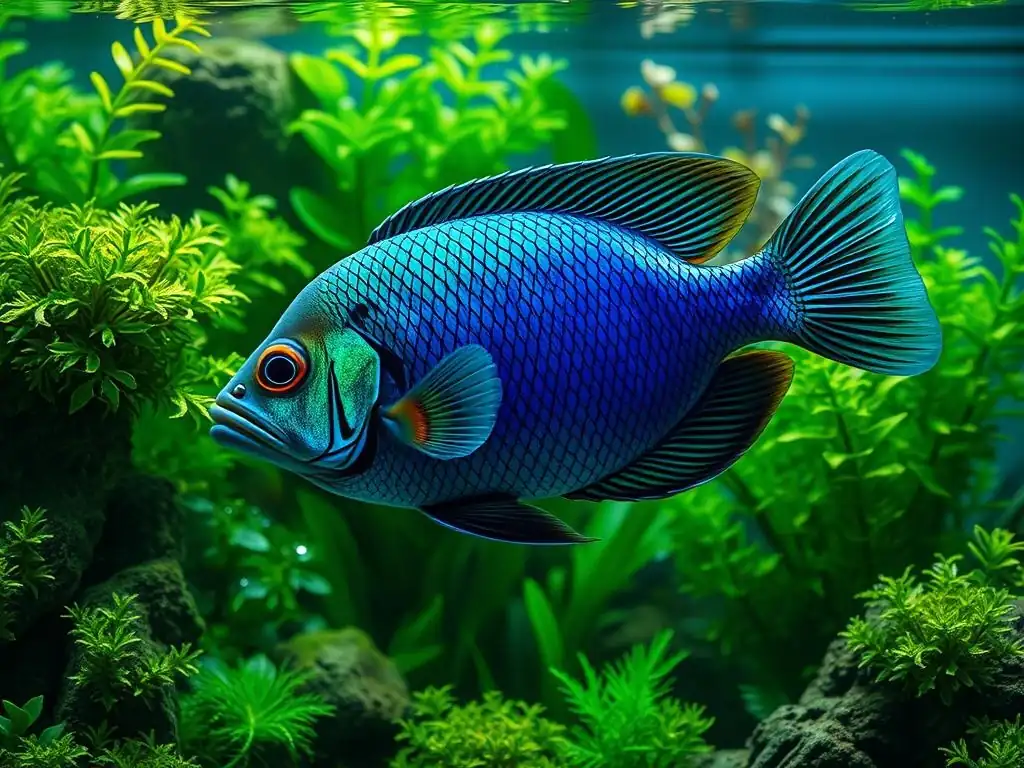
Acclimation: Safely Introducing Your Cichlids to the Tank
Once your Oscar fish tank setup is fully cycled and water parameters are stable, it's time to introduce your new Oscars. Proper acclimation is crucial to minimize stress and prevent shock from changes in water chemistry (temperature, pH, hardness). The drip acclimation method is highly recommended for Oscars and other sensitive fish. Begin by floating the sealed bag containing your Oscar in the aquarium for 15-20 minutes to equalize temperature.
After temperature equalization, open the bag and carefully roll down the edges to create a floatable ring. Use an air line tubing and a small knot or valve to create a slow drip from the main tank into the bag. Aim for a drip rate of about 1-2 drops per second.
Allow the water volume in the bag to slowly double over a period of 45-60 minutes. Once the volume has doubled, net the Oscar out of the bag and gently release it into the tank. Discard the bag water; do not add it to your main aquarium, as it may contain undesirable pathogens or chemicals.
Initial Observation: Monitoring Your Cichlid's Behavior and Health
After introducing your Oscars to their new home, a period of careful observation is vital. For the first few hours, and even days, your Oscars may exhibit signs of stress, such as hiding, muted coloration, rapid breathing, or unusual swimming patterns. This is normal as they adjust to their new environment. Provide plenty of hiding spots and dim the lights initially to help them feel secure. Avoid feeding them immediately; wait at least 24 hours to allow them to settle.
Over the next few days, closely monitor their behavior for any persistent signs of illness or severe stress. Look for:
- Normal Swimming: Active and coordinated, not listless or darting erratically.
- Good Appetite: Eagerly accepting food after the initial settling period.
- Clear Eyes and Fins: No cloudiness, tears, or fraying.
- Vibrant Coloration: Strong, natural colors without dullness or excessive darkening.
- No Visible Spots or Lesions: Absence of white spots (Ich), fuzzy patches (fungus), or open sores.
Any prolonged unusual behavior or physical symptoms should prompt immediate investigation of water parameters and potential treatment.
Quarantine Tank Considerations for New South American Cichlids
While not always feasible for hobbyists with limited space, setting up a separate quarantine tank is a highly recommended practice, especially for an Oscar fish tank setup. A quarantine tank, typically 10-20 gallons for a juvenile Oscar, is a bare-bones setup with a heater, sponge filter, and a small hiding spot. New fish should be housed in this tank for 2-4 weeks before being introduced to the main display tank.
The purpose of a quarantine tank is twofold:
- Observation: It allows you to closely observe the new fish for any signs of disease or parasites without risking the health of your established fish population.
- Treatment: If a new fish develops an illness, it can be treated in the quarantine tank without exposing the main tank to medications, which can harm beneficial bacteria or invertebrates.
Even if a new Oscar appears healthy, a quarantine period can reveal latent issues or allow the fish to destress and recover from shipping before facing the larger environment of the main Oscar fish tank setup. This preventative measure significantly reduces the risk of introducing diseases to your prized collection.
Step 7: Maintaining a Healthy South American Cichlid Tank Environment
Regular Water Changes: Frequency and Procedure
Regular water changes are the single most important maintenance task for an Oscar fish tank setup, directly impacting the long-term health and vitality of your fish. Due to their large size and high bioload, Oscars produce a significant amount of waste, leading to a rapid accumulation of nitrates, which are not removed by filtration. While less toxic than ammonia and nitrite, high nitrate levels can still stress fish and suppress their immune systems.
A common recommendation for an Oscar tank is a weekly water change of 25-50% of the tank volume. For instance, in a 75-gallon tank, this means removing 18.75 to 37.5 gallons of water each week. The exact percentage depends on your tank's stocking level, feeding habits, and filtration efficiency. During the water change, use a gravel vacuum to siphon out water while simultaneously cleaning the substrate. Always ensure the new water is dechlorinated and temperature-matched to the tank water to prevent shock. Adding water that is too cold or contains chlorine can severely stress your Oscars.
Cleaning the Substrate and Decorations
Beyond water changes, regular cleaning of the substrate and decorations is crucial for maintaining a pristine Oscar fish tank setup. The substrate, whether sand or gravel, can trap uneaten food, fish waste, and other decaying organic matter, which contribute to the bioload and can release harmful compounds. Using a gravel vacuum during weekly water changes effectively siphons out this trapped debris. For sand substrates, gently hover the vacuum just above the sand to lift debris without removing too much sand.
Decorations, including rocks and driftwood, can accumulate algae and detritus over time. During water changes, or periodically as needed, gently scrub these items with a clean, dedicated aquarium brush or sponge. Avoid using soap or detergents. If algae growth is significant, removing and scrubbing decorations outside the tank can be effective. Ensure any heavy decorations are securely replaced to prevent collapse. Keeping the physical elements of your Oscar fish tank setup clean not only improves aesthetics but also reduces the overall organic load, contributing to healthier water parameters.
Monitoring Water Parameters and Adjusting as Needed
Consistent monitoring of water parameters is a non-negotiable aspect of maintaining a healthy Oscar fish tank setup. Even after the initial cycling, regular testing is vital to catch potential issues before they become critical. At a minimum, weekly tests for ammonia, nitrite, and nitrate should be performed. While ammonia and nitrite should always read 0 ppm in a cycled tank, nitrate levels will steadily rise between water changes. Aim to keep nitrates below 20 ppm, or ideally below 10 ppm, by performing adequate water changes.
pH should also be monitored regularly, ideally weekly or bi-weekly, to ensure it remains stable within the 6.5-7.5 range. Sudden pH swings are more dangerous than a stable pH slightly outside the ideal range. Temperature should be checked daily using a reliable thermometer. If parameters deviate significantly, immediate action is required. For example, if ammonia or nitrite spike, perform an emergency partial water change (25-50%) and investigate the cause (e.g., overfeeding, filter malfunction). Maintaining a log of your water parameters helps identify trends and prevent future problems in your Oscar fish tank setup.
Step 8: Feeding Your South American Cichlids for Optimal Health and Growth
Choosing the Right Food for Your South American Cichlids: Variety and Quality
Feeding your Oscars a high-quality, varied diet is fundamental for their health, growth, and vibrant coloration in any Oscar fish tank setup. Oscars are omnivores with a strong carnivorous inclination, requiring a diet rich in protein. The cornerstone of their diet should be a high-quality, reputable cichlid pellet specifically formulated for large omnivorous cichlids. Look for pellets that list fish meal or other animal proteins as the primary ingredients. Brands like Hikari Cichlid Gold or Omega One Cichlid Pellets are often recommended.
Supplementing pellets with a variety of other foods ensures a complete nutritional profile. This can include:
- Frozen Foods: Bloodworms, brine shrimp, Mysis shrimp, and chopped krill. These provide essential vitamins and minerals.
- Freeze-Dried Foods: Such as krill or mealworms, offered sparingly as treats.
- Fresh Foods: Chopped earthworms, crickets (from a reputable source, gut-loaded), or blanched peas (for fiber).
- Vegetable Matter: Some Oscars will graze on blanched zucchini or spirulina flakes, which can aid digestion.
Avoid feeding feeder fish, as they often carry diseases and lack nutritional value. A varied diet significantly contributes to the overall well-being and longevity of your Oscar.
Feeding Schedule: How Often and How Much to Feed
Establishing a consistent feeding schedule is crucial for the health of your Oscars in an Oscar fish tank setup. Juvenile Oscars (up to 4-5 inches) can be fed 2-3 times a day, as they are in a rapid growth phase. As they mature into adults, feeding frequency can be reduced to once or twice a day. The key is to feed small amounts at each feeding.
The general rule of thumb is to feed only what your Oscar can consume within 2-3 minutes. Any uneaten food should be promptly removed from the tank to prevent water quality degradation. Overfeeding is a common mistake that leads to numerous problems, including:
- Poor Water Quality: Excess food decays, spiking ammonia and nitrite.
- Bloat and Digestive Issues: Oscars can suffer from internal blockages or bloat if overfed.
- Obesity: Leading to shortened lifespans and other health complications.
Observe your Oscar's behavior and body condition. A healthy Oscar should have a slightly rounded belly after feeding, but not appear bloated. Adjust feeding amounts based on their appetite and how quickly they consume the food.
Recognizing Signs of Overfeeding or Underfeeding
Being able to identify signs of overfeeding or underfeeding is an important skill for any aquarist with an Oscar fish tank setup. Overfeeding is more common and often manifests in several ways. The most immediate sign is uneaten food accumulating on the substrate, which will quickly lead to cloudy water and elevated ammonia/nitrite levels. Physically, an overfed Oscar may appear excessively bloated or lethargic, sometimes even developing digestive issues like constipation. Chronic overfeeding can lead to obesity, fatty liver disease, and a shortened lifespan.
Conversely, underfeeding is less common but equally detrimental. An underfed Oscar will appear emaciated, with a sunken belly and a generally thin body profile. They may exhibit stunted growth, especially if they are juveniles. Their colors might fade, and they could become more susceptible to disease due to a weakened immune system. In a community tank, an underfed Oscar might also become unusually aggressive as it competes more fiercely for food. Regular observation of your Oscar's physical condition and water parameters will help you strike the right balance in their diet.
Step 9: Identifying and Addressing Common South American Cichlid Diseases
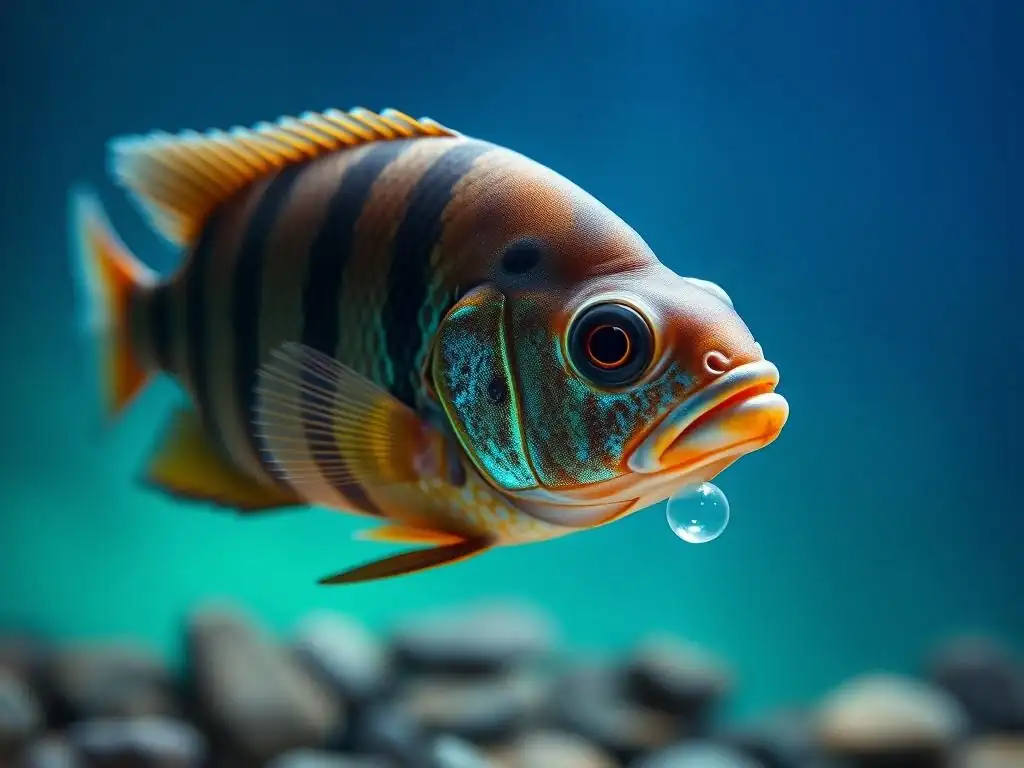
Common South American Cichlid Diseases and Their Symptoms
Despite the best care in an Oscar fish tank setup, fish can occasionally fall ill. Recognizing the symptoms of common South American cichlid diseases early is crucial for successful treatment.
- Ich (White Spot Disease): Caused by the parasite Ichthyophthirius multifiliis. Symptoms include small, white, salt-like spots on the body and fins, rapid breathing, flashing (rubbing against tank objects), and lethargy. Often triggered by sudden temperature changes or stress.
- Hole-in-the-Head Disease (HITH): Characterized by pitting or lesions around the head and lateral line. Believed to be linked to poor water quality (especially high nitrates), nutritional deficiencies (lack of certain vitamins/minerals), and possibly Flagellate parasites ( Hexamita).
- Fin Rot: Bacterial infection causing fins to appear frayed, ragged, or disintegrating, often with a white or reddish edge. Usually a secondary infection due to poor water quality or injury.
- Bloat: A symptom, not a disease itself, often caused by internal bacterial infection or dietary issues. Fish appears swollen, may have clamped fins, labored breathing, and loss of appetite. Can be fatal if not addressed quickly.
- Dropsy: Severe swelling of the body, often accompanied by scales protruding outwards (pineconing). This is typically a symptom of severe internal organ failure, often due to bacterial infection or kidney failure. It is often fatal.
Quarantine and Treatment Options for Sick Cichlids
When an Oscar in your Oscar fish tank setup shows signs of illness, prompt action is necessary. The first step, if possible, is to move the sick fish to a separate quarantine tank. This prevents the spread of disease to healthy tank mates and allows for targeted treatment without exposing the main tank's beneficial bacteria or other inhabitants to medications. The quarantine tank should be set up with a heater, sponge filter (no carbon), and basic hiding spots.
Treatment options vary depending on the disease:
- Ich: Can often be treated by slowly raising the water temperature to 82-86°F (28-30°C) for several days (if tank mates can tolerate it) combined with an Ich medication (e.g., malachite green or formalin-based treatments).
- Hole-in-the-Head: Requires addressing underlying issues (water quality, diet) and may benefit from metronidazole-based medications, often administered via medicated food.
- Fin Rot: Primarily treated with broad-spectrum antibacterial medications (e.g., erythromycin, furan-2) and significant improvement in water quality.
- Bloat/Dropsy: Often require broad-spectrum antibiotics, sometimes with Epsom salts baths (for bloat). These are serious conditions, and success rates vary.
Always follow medication instructions precisely and remove activated carbon from the filter during treatment, as it will absorb the medication.
Preventative Measures to Maintain Fish Health
Prevention is always better than cure, especially in an Oscar fish tank setup. The vast majority of fish diseases are stress-related and can be prevented by maintaining optimal conditions.
- Excellent Water Quality: This is paramount. Consistent weekly water changes (25-50%), proper filtration, and regular testing for ammonia, nitrite, and nitrate are non-negotiable. Aim for 0 ppm ammonia/nitrite and nitrates below 20 ppm.
- Nutritious Diet: Feed a varied, high-quality diet as outlined in Step 8. Avoid overfeeding. A healthy diet boosts the fish's immune system.
- Stable Environment: Maintain consistent water temperature (76-82°F) and pH (6.5-7.5). Avoid sudden fluctuations. Ensure the tank is properly sized and not overcrowded.
- Quarantine New Fish: Always quarantine new fish for 2-4 weeks before introducing them to the main tank. This prevents the introduction of diseases.
- Minimize Stress: Provide adequate hiding spots, avoid aggressive tank mates, and limit sudden loud noises or bright lights.
- Cleanliness: Regularly clean the substrate and decorations to remove decaying organic matter.
By diligently adhering to these preventative measures, you significantly reduce the risk of disease and ensure your Oscars thrive in their aquarium.
Step 10: Choosing Compatible Tank Mates for Your South American Cichlids [Optional]
Understanding South American Cichlid Temperament and Compatibility
When considering tank mates for your Oscar fish tank setup, it's crucial to understand the temperament of Oscars and other large South American cichlids. Oscars are generally considered semi-aggressive and can be territorial, especially as they mature. They are also opportunistic predators and will attempt to eat any fish small enough to fit in their mouths. This means that small, docile, or long-finned fish are completely unsuitable as tank mates.
Compatibility is largely determined by size, temperament, and environmental needs. Ideal tank mates should be similar in size or larger than the Oscar, robust enough to withstand potential aggression, and require similar water parameters. Providing ample space and hiding spots is essential to diffuse aggression and allow each fish to establish its territory. Even with compatible species, individual personalities can vary, so constant observation is necessary.
Suitable Tank Mates for South American Cichlids: Considerations and Recommendations
For those looking to expand their Oscar fish tank setup beyond a single specimen, careful consideration of tank mates is essential. The key is to choose fish that can hold their own against an Oscar and won't become a meal.
- Other Large South American Cichlids: In very large tanks (150+ gallons), some aquarists successfully keep Oscars with other robust cichlids like Green Terrors ( Andinoacara rivulatus), Severums ( Heros severus), or even certain types of larger Salvini cichlids ( Trichromis salvini). Compatibility depends on individual temperament and tank size allowing for distinct territories.
- Large Catfish: Armored catfish like Plecos (e.g., Common Pleco, Sailfin Pleco – ensure they won't outgrow the tank) or large Synodontis catfish are excellent bottom dwellers that Oscars generally ignore due to their armored bodies.
- Large Characins: Species like Silver Dollars ( Myleus rubripinnis) or Pacu (though Pacu get too large for almost any home aquarium) can make good dither fish, as their schooling behavior and rapid movements often distract the Oscar and reduce aggression towards other cichlids.
- Arowana: In exceptionally large tanks (300+ gallons), an Arowana can sometimes be kept with an Oscar, but this pairing requires extensive research and careful planning due to the immense size and predatory nature of both fish.
Always introduce all tank mates at the same time, if possible, to prevent an Oscar from establishing singular dominance.
Tank Mate Options to Avoid with South American Cichlids
When planning your Oscar fish tank setup, it's equally important to know which fish to absolutely avoid as tank mates. Any fish that is significantly smaller than the Oscar is at high risk of being eaten. This includes common community fish like tetras, guppies, mollies, and even smaller cichlids. A good rule of thumb is: if it fits in an Oscar's mouth, it will eventually become food.
Furthermore, avoid fish with long, flowing fins, such as angelfish, bettas, or fancy guppies, as Oscars are known to nip fins, which can lead to stress, injury, and secondary infections. Highly aggressive or territorial cichlids, even if large, might also clash excessively with an Oscar, leading to constant fights and stress for both parties. Similarly, extremely docile or slow-moving fish will be constantly harassed or outcompeted for food. Researching the specific temperament and adult size of any potential tank mate is crucial to prevent tragedy in your Oscar aquarium.
Conclusion: Ensuring a Thriving South American Cichlid Tank
Recap of Key Steps for a Successful South American Cichlid Tank Setup
Setting up a thriving Oscar fish tank requires careful planning, dedicated effort, and consistent maintenance, but the rewards of keeping these intelligent and charismatic fish are immense. The journey begins with selecting an appropriately large tank – a minimum of 75 gallons for a single Oscar, and significantly more for multiple or a community setup – ensuring it's placed on a sturdy, level surface away from environmental extremes. Equipping your Oscar fish tank setup with robust filtration, a reliable heater, and essential testing kits is paramount for maintaining pristine water quality.
The subsequent steps involve choosing safe, smooth substrate and decorations that cater to an Oscar's digging habits and provide ample hiding spots. Crucially, the tank must be fully cycled, establishing a healthy nitrogen cycle before any fish are introduced, a process that typically takes several weeks. Once cycled, proper acclimation and initial observation ensure a smooth transition for your new fish. Long-term success hinges on a routine of regular water changes (25-50% weekly), diligent water parameter monitoring, and providing a high-quality, varied diet. By adhering to these guidelines, you create an optimal environment for your Oscars to flourish.
Resources for Further Learning About South American Cichlid Care
The world of South American cichlid keeping, especially for Oscars, is vast and continuously evolving. While this guide provides a comprehensive overview for setting up an Oscar fish tank, ongoing learning is key to becoming a truly successful aquarist. Online forums and communities dedicated to cichlids or large freshwater fish are invaluable resources, offering real-time advice from experienced hobbyists and a platform to share your own experiences. Many reputable aquarium websites and blogs also provide in-depth articles on specific aspects of Oscar care, from advanced filtration techniques to breeding behaviors.
Furthermore, consider investing in well-regarded books on cichlid care, often written by expert aquarists and scientists, which delve into the nuances of their biology, behavior, and specific environmental needs. Local aquarium clubs can also be an excellent resource, providing opportunities to connect with fellow enthusiasts, attend informative presentations, and even source healthy fish from trusted breeders. Continuously expanding your knowledge will empower you to troubleshoot issues, enhance your Oscar fish tank setup, and provide the best possible care for your aquatic companions.
Enjoying Your New South American Cichlids and Their Aquarium
The ultimate goal of meticulously planning and maintaining your Oscar fish tank setup is to enjoy the captivating presence of these magnificent creatures. Oscars are known for their engaging personalities, often interacting with their owners, recognizing faces, and even learning simple tricks. Witnessing their natural behaviors – from rearranging substrate to displaying intricate social dynamics – provides endless fascination.
A well-established and healthy Oscar aquarium is not just a tank of water; it's a dynamic, living ecosystem that reflects your dedication and passion. The vibrant colors, active swimming, and curious nature of Oscars make them truly rewarding pets. By following the comprehensive steps outlined in this guide, you lay the foundation for a thriving environment where your South American cichlids can live long, healthy, and fulfilling lives, bringing years of enjoyment and wonder to your home.
Frequently Asked Questions
What size tank is recommended for an Oscar fish?
A minimum of 75 gallons is recommended for a single Oscar. Larger tanks, like 125 gallons or more, are preferable, especially if you plan to keep tank mates with your Oscar.
What type of filtration system is best for an Oscar tank?
Oscars are messy fish, so a powerful filtration system is crucial. A canister filter is often recommended due to its high capacity and ability to handle a large bioload.
What substrate should I use in my Oscar fish tank setup?
A bare bottom tank is easiest to clean. If you prefer substrate, use large gravel that the Oscar cannot swallow, or sand.
What are some suitable tank mates for Oscar fish?
Choose robust fish of similar size and temperament. Examples include Silver Dollars, Jack Dempseys (in larger tanks), or Plecos, though careful observation is necessary to ensure compatibility.
How often should I perform water changes in my Oscar tank?
Regular water changes are essential. Aim for 25-50% water changes weekly, depending on the tank size and bioload, to maintain optimal water quality.
Final Reflection: Nurturing a Thriving Aquatic World
The journey of setting up an Oscar fish tank, as we've explored, is more than just assembling equipment; it's about creating a sustainable ecosystem that mirrors the natural habitat of these magnificent creatures. The principles of careful planning, diligent maintenance, and a deep understanding of the Oscar's needs are not just applicable to aquariums, but resonate with any endeavor requiring dedication and foresight.
This commitment to creating a thriving environment extends beyond the glass walls of a tank. The responsibility we undertake in caring for an animal, even one as seemingly self-contained as an Oscar, reflects our broader relationship with the natural world. It teaches us patience, observation, and the profound interconnectedness of life. In the end, we will conserve only what we love; we will love only what we understand; and we will understand only what we are taught.
- Baba Dioum. This quote perfectly encapsulates the journey of understanding and appreciating the Oscar, and by extension, the importance of responsible stewardship.
Now, as you embark on your own Oscar fish tank setup, remember that success isn't just about following a checklist. It's about cultivating a genuine connection with your aquatic companion and fostering an environment where it can truly thrive. Take the knowledge you've gained, apply it with passion and care, and watch as your Oscar tank transforms into a vibrant testament to your dedication. Let the lessons learned here inspire you to create thriving environments, both within your aquarium and in the world around you.
Unleash Your Inner Aquarist: Dive into Oscar Ownership!
Thanks for exploring the world of Oscar fish with us! We hope this guide has equipped you with the knowledge to create a thriving habitat for these fascinating creatures. Now it’s time to take the plunge!
Here are a few actionable steps to begin your Oscar-keeping journey:
- Commit to a Tank: The most critical step is to purchase your tank, making sure it’s at least 75 gallons, or even better, 125 gallons or larger!
- Share the Love: Post a picture of your initial tank setup on social media and tag Aquarium Mastery with hashtag #OscarTankDreams and connect with like-minded aquarists
- Think Outside the Filter: Research a unique, Oscar-safe enrichment item like a floating log or a durable, large plastic toy to give your Oscar something interesting to interact with.
What's one unique feature will you add to your Oscar's tank to make it stand out?