
WildCaught vs. TankBred Dwarf Cichlids: Pros, Cons & Ethics

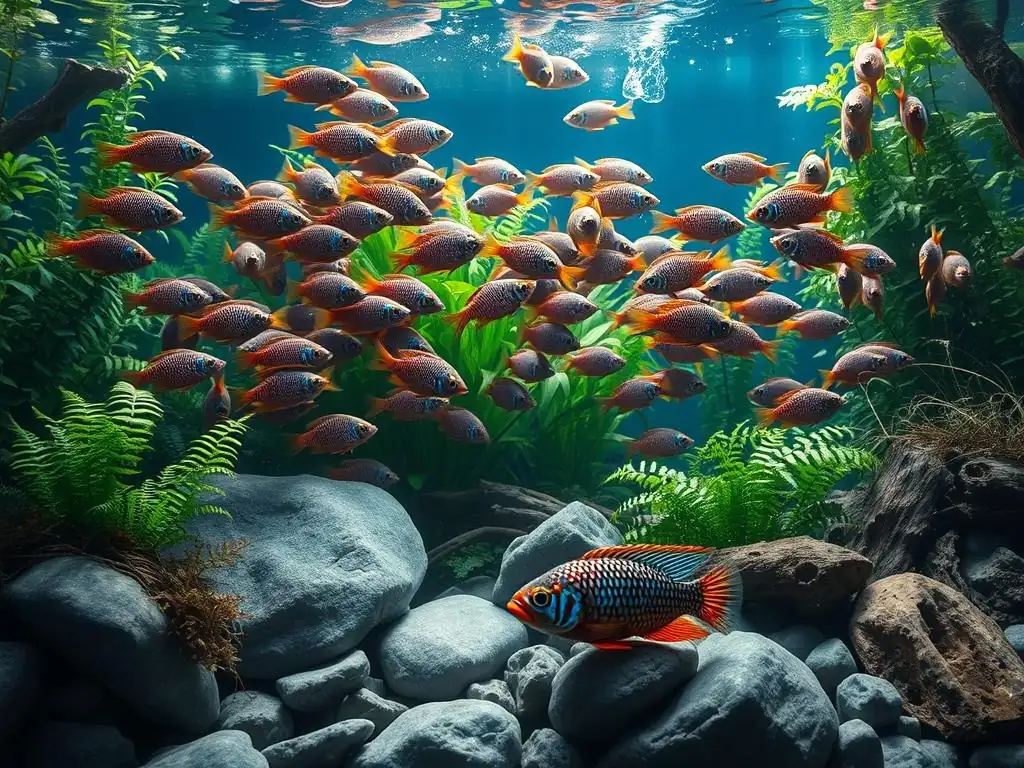
Welcome to Aquarium Mastery! Ever wondered about the journey of those vibrant dwarf cichlids swimming in your local fish store? Dive into the fascinating world of these captivating creatures and explore a thought-provoking debate: Wildcaught vs. TankBred Dwarf Cichlids. Discover the pros, cons, and, most importantly, the ethics behind your choices as we unravel the complexities of bringing these beauties into your freshwater aquarium. Ready to learn more and make an informed decision?
- Wild-Caught vs. Tank-Bred Dwarf Cichlids: Pros, Cons & Ethical Considerations
- Understanding Dwarf Cichlids: Wild vs. Captive
- The Allure of Wild-Caught Dwarf Cichlids: Advantages and Disadvantages
- The Appeal of Tank-Bred Dwarf Cichlids: Advantages and Disadvantages
- Wild-Caught Dwarf Cichlid Ethics: A Deeper Dive
- Comparing Wild-Caught and Tank-Bred Dwarf Cichlids: A Side-by-Side Analysis
- Making an Informed Decision: Choosing the Right Dwarf Cichlid for Your Aquarium
- Alternatives to Wild-Caught: Supporting Conservation Through Captive Breeding
- Maintaining the Health and Well-being of Your Dwarf Cichlids [Regardless of Origin]
-
Frequently Asked Questions
- What are the main ethical concerns surrounding wild-caught dwarf cichlids?
- How do tank-bred dwarf cichlids differ from wild-caught ones in terms of health and hardiness?
- What are the potential benefits of purchasing wild-caught dwarf cichlids?
- How can I ensure that my purchase of a wild-caught dwarf cichlid is ethically responsible?
- What are some alternative species of dwarf cichlids that are readily available as tank-bred options?
- Final Reflection: The Ethical Depths of the Aquarium
- Ignite Your Aquarium: Embrace the Wild Beauty!
Wild-Caught vs. Tank-Bred Dwarf Cichlids: Pros, Cons & Ethical Considerations
Understanding Dwarf Cichlids: Wild vs. Captive
Defining Wild-Caught and Tank-Bred Dwarf Cichlids
Wild-caught dwarf cichlids are specimens collected directly from their natural habitats, typically rivers and streams across South America (for Apistogramma and Mikrogeophagus species) or West Africa (for Pelvicachromis species). These fish are descendants of populations that have evolved over millennia in complex ecosystems, developing specific adaptations to their native environments, such as the highly acidic blackwater rivers of the Amazon basin for many Apistogramma species. Their genetic makeup is entirely natural, reflecting the vast diversity of their wild gene pools.
In contrast, tank-bred dwarf cichlids are fish that have been spawned and raised entirely in captivity, often across multiple generations. These fish originate from aquaculture facilities, commercial breeders, or even dedicated hobbyists. Unlike their wild counterparts, tank-bred fish are accustomed to artificial environments, prepared foods, and often a broader range of water parameters than their wild ancestors. Popular examples include the various strains of German Blue Rams ( Mikrogeophagus ramirezi) or Electric Blue Rams, which have been selectively bred for specific aesthetic traits.
Popular Dwarf Cichlid Species Available Wild and Tank-Bred
Among the most popular wild-caught dwarf cichlid species are various Apistogramma species, such as Apistogramma cacatuoides (Cockatoo Dwarf Cichlid), Apistogramma agassizii, and Apistogramma borellii (Umbrella Cichlid), originating from diverse South American river systems like the Amazon, Orinoco, and Paraguay basins. Wild Mikrogeophagus altispinosus (Bolivian Ram) are also frequently collected from the slower-moving waters of the Amazon and Mamoré basins. These wild forms are highly sought after by enthusiasts for their authentic appearance and behaviors.
For tank-bred varieties, the market is dominated by Mikrogeophagus ramirezi (German Blue Ram) and its numerous color morphs, including Electric Blue, Gold, and Long-Fin Rams. These are extensively bred in facilities worldwide due to their popularity and adaptability to captive conditions. Pelvicachromis pulcher (Kribensis), originally from West African rivers, is another widely tank-bred dwarf cichlid, available in various color strains like albino and red, making them readily accessible to aquarists of all experience levels.
The Allure of Wild-Caught Dwarf Cichlids: Advantages and Disadvantages
Pros of Choosing Wild-Caught Specimens
Genetic Diversity in Wild-Caught Cichlids
Wild-caught dwarf cichlids possess a significantly broader genetic diversity compared to their tank-bred counterparts. This extensive gene pool is a result of natural selection pressures over countless generations, allowing populations to adapt to changing environmental conditions and exhibit greater resilience to diseases. For instance, a wild population of Apistogramma panduro from a specific Peruvian stream might contain hundreds of unique genetic markers, fostering robust immune systems and adaptability that are often diluted in closed captive breeding lines.
This genetic richness is invaluable for the long-term health and vitality of the species within the hobby. It provides a continuous source of fresh genetic material, preventing inbreeding depression—a common issue in long-term captive breeding programs that can lead to reduced fertility, smaller adult sizes, and increased susceptibility to stress and pathogens. Introducing wild genes can revitalize captive lines, contributing to stronger, healthier fish for future generations of aquarists and potentially for conservation efforts.
Natural Behaviors and Coloration
Wild-caught dwarf cichlids often exhibit more authentic and complex natural behaviors, reflecting their innate instincts developed in their native environments. These include intricate courtship rituals, distinct territorial displays, and highly developed parental care behaviors, which can be less pronounced or even absent in some domesticated tank-bred strains. Observing a wild-caught pair of Apistogramma trifasciata engage in their natural spawning dance and diligently guard their fry offers a unique educational experience that closely mirrors their life in the wild.
Furthermore, the coloration and patterns of wild-caught specimens are true to their species' natural form, without the artificial exaggeration sometimes seen in selectively bred varieties. Their hues are often more subtle, yet incredibly vibrant and dynamic, evolving with mood and social interactions. For example, the iridescent blues and reds of a wild Mikrogeophagus ramirezi are typically more nuanced and less uniform than the intense, solid blue of an Electric Blue Ram, showcasing natural beauty refined by evolution, not human selection.
Higher Acclimation Difficulty for Wild Cichlids
Wild-caught dwarf cichlids face considerable stress during capture, transport, and acclimation to an aquarium environment. They are abruptly removed from stable, vast natural habitats and subjected to fluctuating water parameters, confinement, and unfamiliar surroundings. This profound stress often severely weakens their immune systems, making them highly susceptible to common aquarium diseases and leading to significant mortality rates within the first few weeks. Hobbyists frequently report initial loss rates of 30-50% for particularly delicate wild-caught Apistogramma species.
Their transition to an aquarium diet can also be challenging, as they may initially refuse prepared foods, accustomed only to live prey. A slow, meticulous drip acclimation over several hours is crucial, followed by placement in a dark, quiet quarantine tank with water parameters precisely matching their wild origins (e.g., pH 4.5-6.0, GH 0-3 dGH for many Amazonian species). Patience and specialized care are essential to help these fish adapt and begin feeding, a process that can take weeks.
Increased Risk of Disease and Parasites
Wild-caught fish carry an inherent risk of introducing a variety of internal and external parasites (e.g., nematodes, flukes, protozoans like Ichthyophthirius multifiliis), as well as bacterial and viral infections prevalent in their natural habitats. While these pathogens might be part of the natural ecosystem balance in the wild, they can be devastating in the confined, relatively sterile environment of a home aquarium, potentially spreading rapidly to existing tank inhabitants.
A mandatory and extended quarantine period, typically 4-6 weeks, is absolutely critical for all wild-caught dwarf cichlids. Even with diligent observation, some diseases may only manifest under stress or after a latent period, making thorough quarantine the primary defense against widespread contagion. Studies indicate that approximately 60-70% of wild-caught ornamental fish shipments may contain at least one type of parasite, highlighting the significant health risk to an established aquarium without proper isolation.
Sustainability Concerns with Wild Collection
The collection of wild dwarf cichlids raises significant sustainability concerns, particularly when unregulated or excessive. Over-collection can deplete natural populations, especially for species with limited geographical ranges or slow reproductive rates. For example, some rare Apistogramma species found only in specific, isolated river tributaries are highly vulnerable to localized extinction if demand is too high. This reduction in fish numbers can disrupt the delicate balance of aquatic ecosystems, affecting food chains and overall biodiversity.
Furthermore, the methods of collection themselves can sometimes be environmentally damaging, involving practices that disturb riverbeds, damage aquatic vegetation, or result in high mortality rates for non-target species. The wildcaught dwarf cichlid ethics debate often centers on whether current collection practices are truly sustainable and if the hobby's demand can be met without causing irreparable ecological harm. While some regions implement quotas and closed seasons, enforcement remains a challenge in many parts of the world.
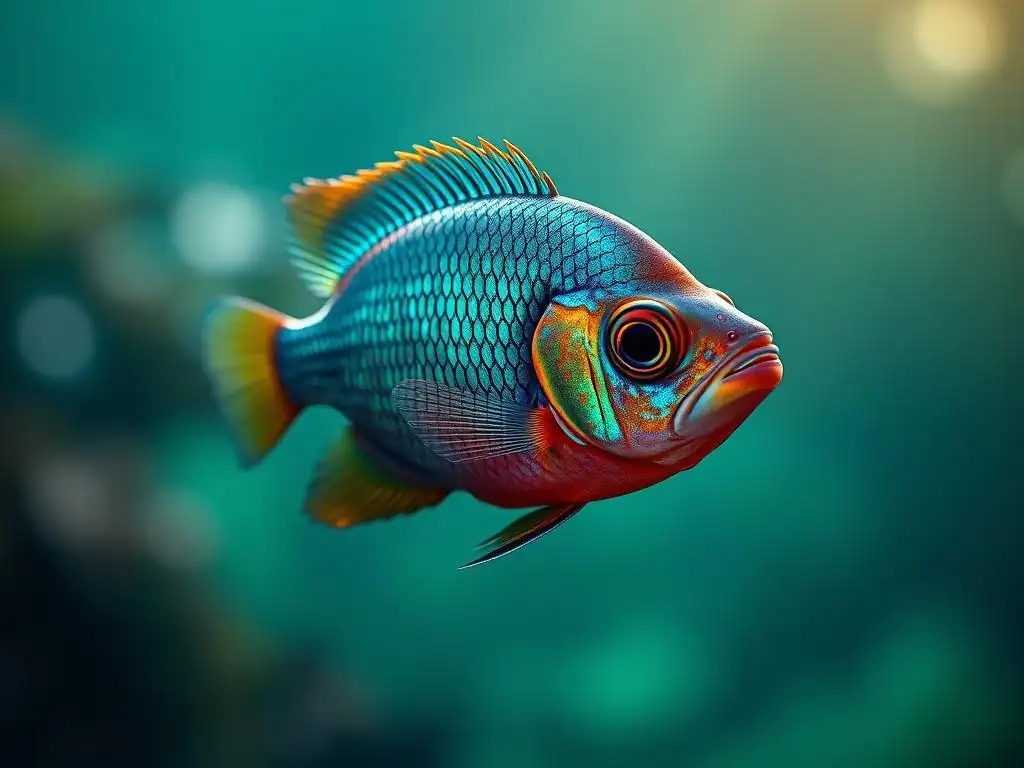
The Appeal of Tank-Bred Dwarf Cichlids: Advantages and Disadvantages
Pros of Choosing Tank-Bred Specimens
Easier Acclimation and Care for Tank-Bred Fish
Tank-bred dwarf cichlids are significantly easier to acclimate to a new home aquarium due to their upbringing in controlled environments. They are already accustomed to captive conditions, including dechlorinated tap water (often at a neutral pH and moderate hardness), artificial lighting cycles, and a diet of prepared flakes, pellets, and frozen foods. This prior exposure minimizes stress during transport and transition, leading to much higher survival rates post-purchase, often exceeding 90-95% when introduced to a healthy, cycled tank.
Their inherent resilience and adaptability make them an excellent choice for aquarists of all experience levels, particularly beginners. They are generally more tolerant of minor fluctuations in water parameters than their wild counterparts and readily accept a wide variety of commercially available fish foods. This ease of care translates into a more straightforward and less demanding experience for the aquarist, reducing the initial challenges associated with keeping dwarf cichlids.
Reduced Risk of Disease Transmission
One of the most significant advantages of tank-bred dwarf cichlids is their substantially reduced risk of carrying and transmitting diseases or parasites. Commercial breeding facilities typically operate under strict biosecurity protocols, including regular health checks, water quality management, and controlled feeding regimens, which minimize the fish's exposure to pathogens. Unlike wild fish, they haven't been exposed to the vast array of parasites and bacteria found in natural waterways.
This lower risk is a major benefit for established aquariums, as it greatly reduces the likelihood of introducing new illnesses that could devastate existing fish populations. While a quarantine period is always a prudent step for any new fish, tank-bred specimens generally present far fewer health challenges and offer a more predictable health profile, providing peace of mind for the aquarist concerned about tank integrity.
Supporting Sustainable Aquarium Practices
Choosing tank-bred dwarf cichlids directly contributes to sustainable aquarium practices and helps alleviate pressure on wild fish populations. Every tank-bred fish purchased means one less fish removed from its native habitat, thus preserving natural ecosystems and biodiversity. This conscious choice supports the growth of responsible aquaculture, which can provide a reliable and consistent supply of fish without depleting wild resources.
By opting for tank-bred specimens, aquarists actively participate in an ethical approach to the hobby. This aligns with the growing awareness of wildcaught dwarf cichlid ethics and promotes a hobby that prioritizes conservation and environmental responsibility. Many breeders also invest in research and development, creating healthier and more robust strains that are better suited for home aquariums, further enhancing the sustainability of the trade.
Potentially Reduced Genetic Diversity in Captive Lines
A significant drawback of tank-bred dwarf cichlids, particularly those bred over many generations from a limited founding population, is the potential for reduced genetic diversity. This can lead to inbreeding depression, which manifests as a decline in the overall health and vigor of the fish. Common symptoms include smaller adult sizes, reduced fertility rates, shorter lifespans, and increased susceptibility to specific genetic disorders or environmental stressors. For instance, some highly line-bred strains of Mikrogeophagus ramirezi are known to be more delicate and prone to health issues than their wild counterparts.
While often robust for the average hobbyist, a narrow gene pool can make a captive population less adaptable to new challenges, such as emerging diseases or slight variations in aquarium conditions. This limitation also constrains the potential for future selective breeding if new traits are desired without introducing external genetic material, highlighting a long-term concern for the vitality of these captive populations.
Altered Behaviors and Coloration Compared to Wild Types
Tank-bred dwarf cichlids, especially those from long-standing captive lines, may exhibit behaviors that differ significantly from their wild ancestors. Generations of life in captivity can diminish natural instincts for territoriality, complex courtship displays, and intricate parental care. While they can still breed, their behavioral repertoire might be less pronounced or vigorous, sometimes leading to less successful spawning attempts or reduced parental investment in their fry.
Aesthetically, selective breeding often prioritizes exaggerated colors or finnage that deviate from the natural appearance of the species. For example, the intense, uniform blue of an Electric Blue Ram or the elongated fins of a long-finned Kribensis are products of human selection, not natural evolution. While visually striking to some, these alterations can lack the subtle beauty and adaptive nuances of wild-type coloration, which is often crucial for camouflage, species recognition, and signaling in their natural environment.
Wild-Caught Dwarf Cichlid Ethics: A Deeper Dive
The Impact of Wild Collection on Natural Populations
Unregulated or excessive wild collection of dwarf cichlids can have profound negative impacts on natural populations and the delicate ecosystems they inhabit. For species with restricted geographical ranges, such as certain Apistogramma species found only in specific, isolated river tributaries, even moderate collection can lead to localized depletion or even extirpation. This directly reduces the species' numbers in the wild, disrupting the natural balance of predator-prey relationships and overall aquatic biodiversity within that specific area.
While global statistics are challenging to ascertain due to the vastness and remoteness of collection areas, anecdotal evidence and local studies point to significant declines in fish populations in regions subjected to intensive collection. The debate around wildcaught dwarf cichlid ethics often highlights the potential for irreparable harm to fragile ecosystems if the demand from the aquarium trade outstrips the capacity for sustainable replenishment. It's estimated that for every fish successfully exported, several others may perish during the stressful processes of capture, handling, and transport, further exacerbating the impact on wild stocks.
Sustainable Collection Practices: Are They Possible?
Sustainable collection practices for wild dwarf cichlids are indeed possible, but they require rigorous management, ecological understanding, and international cooperation. Such practices involve implementing strict quotas based on scientific assessments of population sizes and reproductive rates, establishing closed seasons during breeding periods, and utilizing collection methods that minimize environmental damage and fish mortality. Countries like Brazil have made strides in this regard, with regulations governing ornamental fish collection, including permits and designated collection zones.
However, the implementation of truly sustainable practices on a global scale remains challenging due to the vastness of collection areas, difficulties in enforcement, and socio-economic pressures in source countries. Despite these hurdles, successful models exist, such as the Project Piaba in the Rio Negro basin, where "fish-friendly" collection practices provide sustainable income for local communities while ensuring the long-term viability of fish populations. These initiatives are crucial for improving wildcaught dwarf cichlid ethics and demonstrating that the hobby can coexist with conservation.
The Role of Aquarists in Ethical Sourcing
Aquarists hold significant power in shaping the future of wildcaught dwarf cichlid ethics by making informed and responsible purchasing decisions. By actively demanding transparency from suppliers and prioritizing businesses that adhere to sustainable and ethical practices, aquarists can drive positive change within the industry. This involves researching the origin of fish, inquiring about collection methods, and choosing retailers who can demonstrate a commitment to environmental stewardship and fair trade.
Beyond purchasing choices, aquarists can contribute by supporting organizations dedicated to aquatic conservation and habitat preservation in the native regions of dwarf cichlids. Engaging in educational efforts, sharing knowledge about responsible sourcing, and promoting captive breeding within the hobby also play a vital role. Ultimately, the collective conscience and actions of aquarists can steer the industry towards a more sustainable and ethical future for these fascinating fish, ensuring their availability for generations to come, both in aquariums and in their natural habitats.
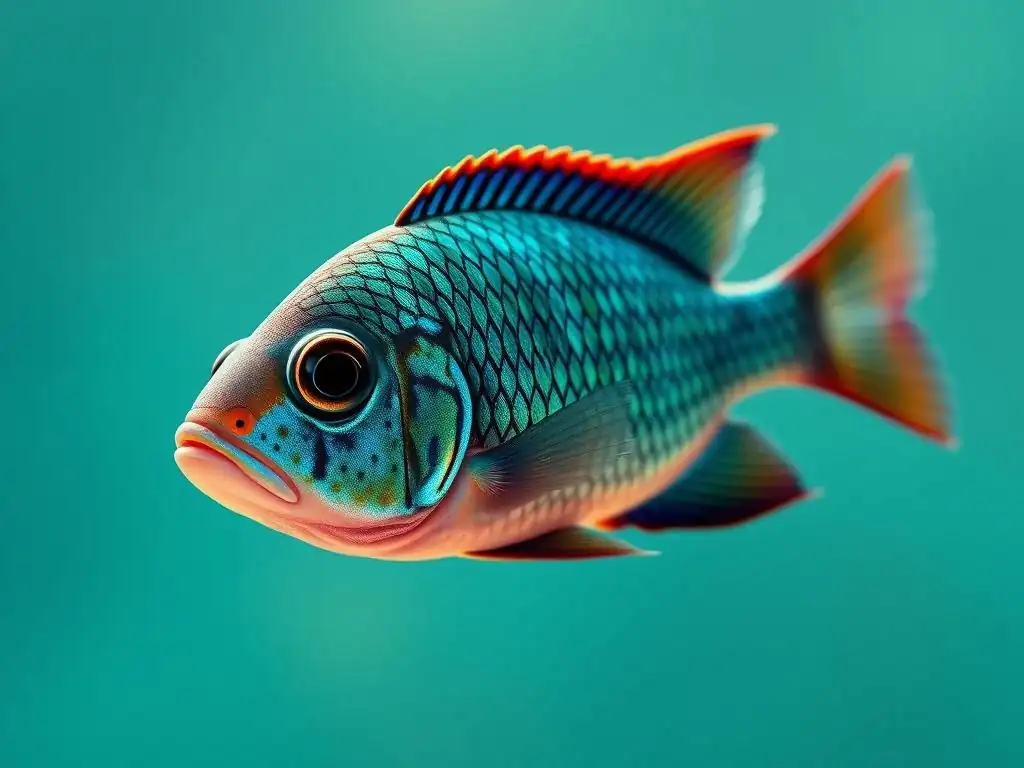
Comparing Wild-Caught and Tank-Bred Dwarf Cichlids: A Side-by-Side Analysis
Acclimation and Survival Rates: Wild vs. Tank-Bred
The acclimation process and subsequent survival rates differ significantly between wild-caught and tank-bred dwarf cichlids. Wild-caught specimens, having endured the trauma of capture and transport from their natural habitats, often exhibit lower initial survival rates. Hobbyists commonly report losses of 30-50% within the first few weeks due to severe stress, susceptibility to parasites, and difficulty adapting to vastly different aquarium conditions, including water parameters and diet. Their immune systems are often compromised, making them highly fragile during this critical period.
In stark contrast, tank-bred dwarf cichlids, having been raised in controlled captive environments, are already accustomed to typical aquarium parameters and prepared foods. This familiarity significantly reduces stress during transport and acclimation to a new tank, resulting in much higher survival rates, often exceeding 90-95% when introduced to a well-established and appropriate aquarium. Their resilience makes them a more predictable and often less heartbreaking choice for the average aquarist.
Disease Resistance and Health: A Comparative View
Wild-caught dwarf cichlids often carry a broader spectrum of natural parasites and pathogens, including internal worms, gill flukes, and various bacterial or protozoan infections, which are endemic to their diverse natural environments. While they may possess some natural immunity in their vast habitats, the immense stress of capture, confinement, and transport can trigger latent infections or make them highly vulnerable to new ones. This poses a significant risk of introducing novel diseases into an established home aquarium.
Tank-bred dwarf cichlids, by virtue of being raised in controlled, often biosecure, environments, generally have a reduced risk of carrying such a wide array of pathogens. Commercial breeders implement health protocols that minimize disease exposure. While they might still be susceptible to common aquarium ailments if water quality is poor, their lower initial stress levels and controlled upbringing typically result in fewer immediate health issues upon purchase, offering a more predictable and generally healthier start in the home aquarium.
Behavioral Differences: Observing Wild vs. Tank-Bred Cichlids
Wild-caught dwarf cichlids frequently display more pronounced and complex natural behaviors that are intrinsic to their species' wild form. This includes elaborate courtship rituals, distinct territorial displays, and often more diligent and intricate parental care for their eggs and fry. For example, a wild pair of Apistogramma cacatuoides might exhibit more nuanced fin movements and color changes during courtship, reflecting behaviors honed by evolution for survival and reproduction in their native streams.
Conversely, tank-bred specimens, particularly those from long-standing captive lines, may exhibit altered or less intense versions of these behaviors. While still capable of breeding, their displays might be less elaborate, and their parental instincts sometimes diminished due to generations of domestication. These subtle behavioral shifts can be noticeable to experienced hobbyists seeking to observe the full range of natural cichlid dynamics, highlighting the impact of environment on instinct.
Coloration and Appearance: Natural vs. Selectively Bred
The coloration and appearance of wild-caught dwarf cichlids are typically true to their species' natural form, showcasing subtle, yet vibrant, hues and patterns that are optimized for camouflage, species recognition, and signaling within their specific natural habitats. Their colors are often dynamic, changing with mood, health, and social interaction, reflecting their genetic heritage and environmental adaptations. For instance, the iridescent scales of a wild Apistogramma agassizii are often more delicate and varied than those of certain selectively bred strains.
Tank-bred varieties, especially those from commercial operations, are frequently selectively bred for exaggerated colors, finnage, or unique body shapes to appeal to market demand. Examples include the intense, uniform blue of Electric Blue Rams, the elongated fins of long-finned Kribensis, or the rounded bodies of balloon rams. While visually striking to some, these traits can sometimes deviate significantly from the wild form and, in rare instances, may even impact the fish's mobility or overall health, representing an aesthetic choice over natural form.
Making an Informed Decision: Choosing the Right Dwarf Cichlid for Your Aquarium
Factors to Consider Before Purchasing
Your Experience Level with Dwarf Cichlids
Your experience level is a critical factor when choosing between wild-caught and tank-bred dwarf cichlids. For novice aquarists, tank-bred specimens are almost universally recommended due to their greater hardiness, adaptability to varying water parameters, and easier acclimation. Species like tank-bred Kribensis ( Pelvicachromis pulcher) or German Blue Rams are excellent starting points, as they are more forgiving of minor husbandry errors and less prone to stress-related issues than their wild counterparts.
Experienced aquarists, particularly those with a solid understanding of water chemistry, fish diseases, and specialized care, may find the challenge and unique characteristics of wild-caught dwarf cichlids highly rewarding. They are often better equipped to manage the precise water parameters (e.g., pH 4.5-6.0, very soft water for many Apistogramma species), meticulous acclimation procedures, and potential health issues that wild specimens may present, making them suitable for advanced hobbyists seeking a more authentic experience.
Tank Setup and Water Parameters
The existing tank setup and your ability to maintain specific water parameters are paramount. Wild-caught dwarf cichlids often demand very precise water conditions that closely mimic their natural habitats. This can mean extremely soft, acidic water (e.g., GH 0-3 dGH, pH 4.5-6.0) for many Amazonian species, which often requires the use of a reverse osmosis/deionization (RO/DI) unit, peat filtration, and diligent monitoring to maintain consistency. Failure to provide these specific parameters will lead to severe stress and likely premature death.
In contrast, tank-bred dwarf cichlids are generally more forgiving and adaptable to a broader range of water conditions. They often thrive in neutral to slightly acidic pH (6.5-7.5) and moderate hardness, making them suitable for a wider variety of home aquarium setups without the need for specialized water manipulation equipment. This flexibility significantly reduces the technical demands on the aquarist, allowing for a more accessible entry into keeping these fascinating fish.
Budget and Availability
Your budget and the availability of specific dwarf cichlid species will also influence your decision. Wild-caught dwarf cichlids are consistently more expensive due to the costs associated with collection, export permits, international shipping, and higher mortality rates during transit. Prices can range from $30 to over $100 per fish for rare or particularly sought-after Apistogramma species. Their availability can also be seasonal or sporadic, depending on weather conditions in their native regions and the intricacies of international trade regulations.
Tank-bred dwarf cichlids are typically more affordable, often ranging from $10 to $30 per fish, making them accessible to a wider audience. They are also widely and consistently available year-round in most local fish stores and online retailers, ensuring that aquarists can find common varieties with relative ease. This accessibility and lower price point often influence the wildcaught dwarf cichlid ethics debate from a consumer perspective, making tank-bred options a practical choice for many.
Finding Reputable Sources for Wild-Caught and Tank-Bred Fish
Identifying Sustainable and Ethical Suppliers
Identifying sustainable and ethical suppliers is crucial for both wild-caught and tank-bred dwarf cichlids. A reputable supplier will be transparent about their sourcing methods. For wild-caught fish, they should be able to provide detailed information on collection practices, demonstrate adherence to legal permits, and ideally, show involvement in or support for conservation efforts in the source regions. Look for suppliers who actively promote wildcaught dwarf cichlid ethics and partner with certified sustainable fisheries or community-based projects that benefit both fish and local populations.
For tank-bred fish, ethical suppliers will have clean, well-maintained facilities, healthy-looking fish, and knowledgeable staff who can discuss their breeding practices, disease prevention protocols, and how they maintain genetic diversity within their lines. Online reviews, aquarium forums, and recommendations from experienced hobbyists can be invaluable resources for vetting a supplier's reputation and commitment to animal welfare and ethical sourcing.
Quarantine Procedures for New Arrivals
Regardless of whether you choose wild-caught or tank-bred dwarf cichlids, a strict quarantine period of at least 4-6 weeks in a separate, dedicated tank is absolutely essential for all new arrivals. This crucial step allows you to observe the fish for any signs of illness, stress, or parasites in isolation, preventing the potential introduction of pathogens into your main display tank, which could devastate existing fish populations. For wild-caught dwarf cichlids, this period is even more critical due to their higher susceptibility to stress-related illnesses and potential for carrying exotic parasites.
A proper quarantine tank should be simple: bare-bottomed or with minimal inert decor for easy cleaning, equipped with a heater, a mature filter, and an air stone. Daily observation for symptoms like clamped fins, lethargy, refusal to eat, white spots (Ich), or frayed fins is paramount. Prophylactic treatments for common parasites might be considered, especially for wild-caught specimens, but should only be administered after thorough research and a clear understanding of the fish's specific needs and sensitivities.
Alternatives to Wild-Caught: Supporting Conservation Through Captive Breeding
The Importance of Captive Breeding Programs
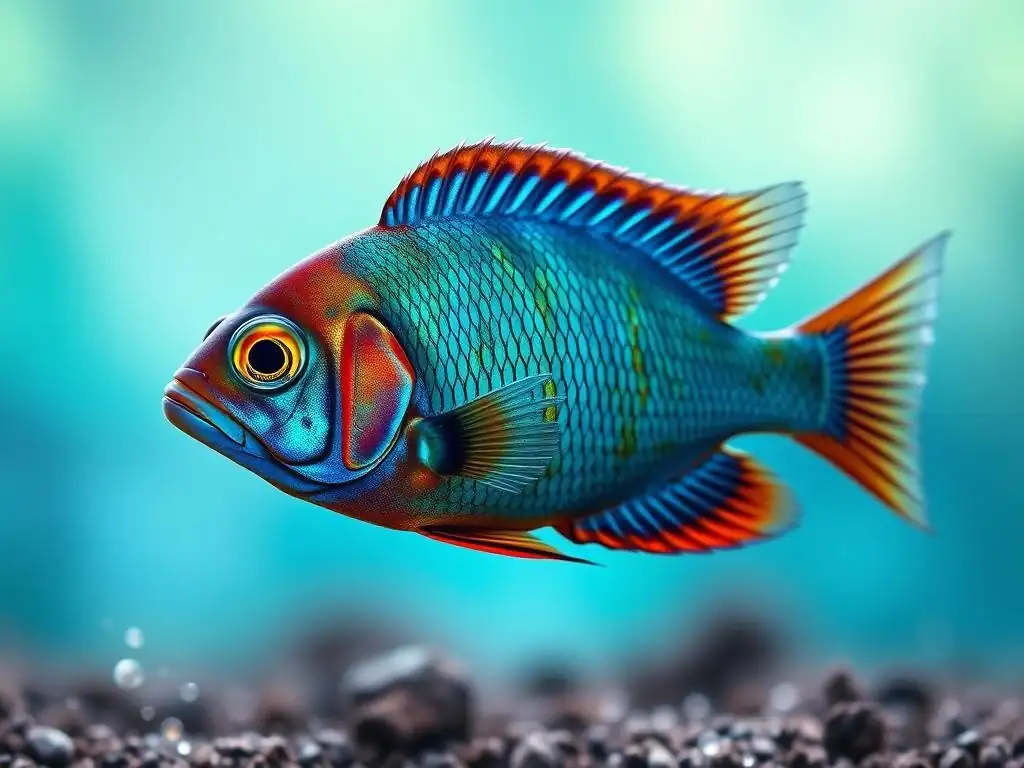
Captive breeding programs for dwarf cichlids serve as vital genetic reservoirs, playing a crucial role in safeguarding species that may be vulnerable to habitat destruction, pollution, or over-collection in the wild. By maintaining healthy, genetically diverse captive populations, these programs ensure that species can persist even if their wild counterparts face significant declines. This provides a critical safety net, offering a source for potential reintroduction efforts in the future, should wild populations recover or new, suitable habitats become available.
Furthermore, by supplying the aquarium trade with tank-bred fish, these programs significantly reduce the demand for wild-caught specimens, thereby alleviating pressure on natural ecosystems. This shift towards captive breeding is a cornerstone of responsible wildcaught dwarf cichlid ethics, enabling the hobby to thrive sustainably without depleting natural resources. It also allows for the development of strains that are better adapted to aquarium life, making them more robust and accessible to a wider range of aquarists.
How Aquarists Can Contribute to Conservation Efforts
Aquarists can directly contribute to conservation efforts by consciously choosing tank-bred dwarf cichlids from reputable breeders whenever possible. Supporting businesses that invest in captive breeding and sustainable aquaculture practices sends a clear market signal that ethical sourcing is valued. Participating in local aquarium club breeding programs is another excellent way to propagate desirable species, share knowledge, and contribute to the hobby's collective genetic pool, reducing reliance on wild imports.
Beyond purchasing, aquarists can educate themselves and others about the importance of ethical sourcing, habitat preservation, and the challenges faced by wild populations. Advocating for responsible practices, sharing experiences of successful captive breeding, and financially supporting reputable conservation organizations that work to protect aquatic habitats in the native regions of dwarf cichlids are all powerful ways to contribute to the long-term health and well-being of these fascinating fish, both in the wild and within the aquarium hobby.
Maintaining the Health and Well-being of Your Dwarf Cichlids [Regardless of Origin]
Water Quality and Tank Maintenance
Consistent and pristine water quality is the absolute foundation for the health and longevity of dwarf cichlids, regardless of their origin. Regular partial water changes, typically 20-30% weekly, are essential to remove accumulating nitrates, replenish vital trace minerals, and maintain stability. Ammonia and nitrite levels must always be at zero, and nitrates should ideally be kept below 20 ppm. For many dwarf cichlids, particularly sensitive species, specific parameters like pH and hardness must be maintained within their ideal, often narrow, range, which may require specialized water conditioning.
Beyond water changes, routine tank maintenance includes vacuuming the substrate to remove detritus, cleaning filter media (without destroying beneficial bacteria), and wiping down tank walls and decor to prevent algae buildup. A well-cycled biological filter system is critical for processing fish waste. Regular monitoring of water parameters with reliable test kits (e.g., weekly checks for pH, ammonia, nitrite, and nitrate) allows for early detection of potential issues, enabling timely intervention before water quality deteriorates and impacts fish health.
Proper Diet and Nutrition
A varied and high-quality diet is crucial for the vibrant coloration, robust health, and successful breeding of dwarf cichlids. While generally omnivores with a preference for meaty foods, their dietary needs vary by species. A staple diet of premium flakes or small pellets, specifically formulated for cichlids, should be supplemented with a variety of live or frozen foods such as bloodworms, brine shrimp, daphnia, and blackworms. Offering small, frequent feedings (2-3 times daily) is generally better than one large meal, as it mimics their natural foraging behavior and prevents overfeeding.
For wild-caught dwarf cichlids, particularly during their initial acclimation, live foods may be essential to entice them to eat. Over time, many can be gradually weaned onto frozen and eventually high-quality dry foods. Ensuring adequate protein content (typically around 40-50% for carnivorous species) and a full spectrum of essential vitamins and minerals is vital for supporting their immune system, promoting healthy growth, and encouraging natural behaviors and breeding.
Recognizing and Treating Common Diseases
Vigilant observation of your dwarf cichlids for any signs of illness is paramount for early detection and successful treatment. Symptoms such as clamped fins, lethargy, loss of appetite, white spots (Ich), frayed fins, abnormal swimming, or unusual growths should prompt immediate investigation. A quick, daily visual inspection of all fish can help identify issues before they become severe, significantly increasing the chances of recovery.
Common diseases affecting dwarf cichlids include Ich ( Ichthyophthirius multifiliis), fin rot, bacterial infections (e.g., columnaris), and various internal or external parasites. Having a dedicated quarantine tank is invaluable for isolating sick fish and administering treatments without affecting the main display tank or its inhabitants. Treatment often involves specific medications targeting the identified pathogen, combined with meticulous water quality management. However, prevention through consistent water quality, a balanced diet, minimal stress, and thorough quarantine of new arrivals remains the most effective strategy to ensure the long-term health and well-being of your dwarf cichlids.
Frequently Asked Questions
What are the main ethical concerns surrounding wild-caught dwarf cichlids?
The primary ethical concerns revolve around the sustainability of wild populations and the impact of collection methods on the environment and the fish themselves. Some collection practices can be destructive and lead to declines in local populations.
How do tank-bred dwarf cichlids differ from wild-caught ones in terms of health and hardiness?
Tank-bred dwarf cichlids are generally more adaptable to aquarium conditions and less susceptible to diseases common in wild populations. They are also often easier to acclimate to prepared foods.
What are the potential benefits of purchasing wild-caught dwarf cichlids?
Wild-caught specimens often display more vibrant colors and unique genetic diversity, which can be valuable for breeding programs. Some aquarists also appreciate the authenticity of owning a fish directly from its natural habitat.
How can I ensure that my purchase of a wild-caught dwarf cichlid is ethically responsible?
Research the source and collection methods of the fish before buying. Choose suppliers who prioritize sustainable practices and can provide documentation of legal and ethical sourcing.
What are some alternative species of dwarf cichlids that are readily available as tank-bred options?
Popular and readily available tank-bred dwarf cichlids include Apistogramma cacatuoides (Cockatoo Cichlid), Apistogramma agassizii (Agassiz's Dwarf Cichlid), and various Ramirezi strains (German Blue Ram). These offer similar beauty and personality without the ethical concerns of wild-caught specimens.
Final Reflection: The Ethical Depths of the Aquarium
The debate surrounding wild-caught versus tank-bred dwarf cichlids, as explored in this article, isn't merely about fishkeeping preferences; it's a reflection of our broader relationship with the natural world. The increasing demand for these vibrant creatures highlights the urgent need to consider the long-term sustainability of wild populations and the ethical implications of our choices as consumers. Ignoring these considerations risks contributing to the decline of these fascinating species in their natural habitats.
This topic has profoundly influenced my perspective on aquarium keeping, pushing me to prioritize responsible sourcing and ethical considerations. The beauty of a fish should never overshadow the potential harm caused by its acquisition. The greatness of a nation and its moral progress can be judged by the way its animals are treated.
- Mahatma Gandhi. This quote resonates deeply, reminding us that our actions, even seemingly small ones like choosing a fish, have far-reaching consequences.
Now, I invite you to reflect on your own role in this delicate ecosystem. Consider the origins of the creatures you bring into your life, and strive to make informed, ethical choices that support conservation efforts and promote the well-being of all living beings. Let's cultivate a future where the beauty of the aquarium doesn't come at the expense of the wild.
Ignite Your Aquarium: Embrace the Wild Beauty!
Thanks for diving deep into the world of wild-caught and tank-bred dwarf cichlids! We hope you found valuable insights to guide your aquarium journey. Now, let's take that knowledge and turn it into action!
- Start by researching ethically sourced, tank-bred dwarf cichlids from a reputable breeder near you. This ensures you're supporting sustainable practices and healthy fish.
- Share this article with fellow aquarium enthusiasts and spark a discussion about responsible fishkeeping!
- Document your experiences: create a video or blog post sharing your setup and care routine for dwarf cichlids and inspire others to delve into the hobby!
What innovative aquascaping idea will you use to make your dwarf cichlid tank the envy of all your friends?