
Sexing Dwarf Cichlids: Telling Males from Females (Rams, Apistos, Kribs)

Welcome to Aquarium Mastery!
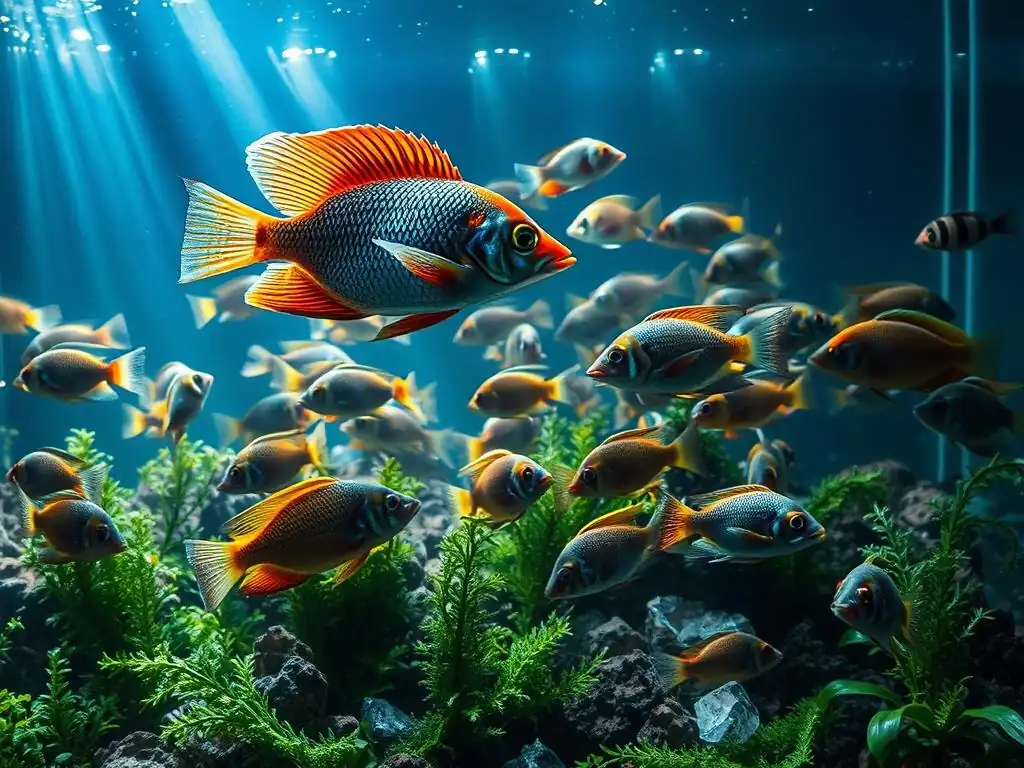
Ever wondered how to tell a male Apistogramma from a female? Or perhaps you're curious about the subtle differences between a male and female Ram cichlid? Unlock the secrets to successful breeding and a thriving aquarium with our Dwarf Cichlid Sexing Guide. This article dives deep into identifying the key characteristics that distinguish males from females, empowering you to confidently navigate the fascinating world of these vibrant freshwater fish. Ready to become a dwarf cichlid expert? Let's dive in!
- Dwarf Cichlid Sexing Guide: Telling Males from Females
- Understanding Dwarf Cichlid Sexual Dimorphism
- Sexing Ram Cichlids ( Mikrogeophagus ramirezi)
- Sexing Apistogramma
- Sexing Kribensis Cichlids ( Pelvicachromis pulcher)
- General Tips for Accurate Dwarf Cichlid Sexing
- Avoiding Common Mistakes
- Ensuring a Balanced Aquarium
- Resources for Further Learning
-
Frequently Asked Questions
- How reliable are visual differences in Apistogramma species for sexing?
- What role does vent sexing play in identifying male and female dwarf cichlids?
- Do Ram cichlids and Kribensis cichlids exhibit the same sexual dimorphism characteristics?
- How important is observing behavior in determining the sex of dwarf cichlids?
- What are the limitations of sexing dwarf cichlids and when should I seek expert help?
- Final Reflection: Unveiling the Secrets of the Smallest Wonders
- Unveil the Secrets: Become a Dwarf Cichlid Sexing Master!
Dwarf Cichlid Sexing Guide: Telling Males from Females
Understanding Dwarf Cichlid Sexual Dimorphism
Sexual Dimorphism in Fish
Sexual dimorphism refers to distinct differences in appearance between male and female individuals of the same species, beyond their reproductive organs. In the aquatic world, particularly among cichlids, these differences can be quite pronounced, manifesting in various ways such as size, coloration, fin shape and length, and even subtle body contours. For many dwarf cichlid species, these visual cues are the primary method for aquarists to differentiate between the sexes, making a reliable dwarf cichlid sexing guide invaluable.
These variations are not merely aesthetic; they often serve crucial biological functions, including attracting mates, displaying dominance, or signaling readiness to breed. For instance, a male dwarf cichlid might develop elaborate finnage or intensify its colors during courtship to impress a female, while a female might develop a distinct body shape or coloration to indicate she is gravid and ready to lay eggs. Understanding these natural expressions of sexual dimorphism is the foundation for accurate sexing.
Importance of Correct Sexing for Care
Accurate sexing of dwarf cichlids is paramount for successful aquarium management, particularly for those interested in breeding or maintaining peaceful community tanks. Incorrectly identifying sexes can lead to significant problems, such as aggressive territorial disputes between two males mistaken for a pair, or the absence of breeding activity if only females or only males are present. Many dwarf cichlid species, like Rams and Apistogrammas, form pair bonds for breeding, and having a balanced male-to-female ratio is critical for their well-being and reproductive success.
Beyond breeding, proper sexing helps in preventing aggression and ensuring the welfare of the fish. For example, two male Apistogramma species in a smaller tank might engage in intense territorial battles, potentially leading to injury or death, whereas a male and several females would typically coexist more peacefully, especially if ample hiding spots are provided. A comprehensive dwarf cichlid sexing guide therefore contributes directly to a healthier, more harmonious aquarium environment.
Sexing Ram Cichlids ( Mikrogeophagus ramirezi)
Key Differences: Male vs. Female
Identifying the sex of Ram Cichlids, including the popular German Blue Rams, Electric Blue Rams, and Gold Rams, involves observing several key characteristics. While young fish can be challenging to sex, mature individuals display clear sexual dimorphism that becomes more apparent with age and optimal health. Patience and keen observation are essential components of this dwarf cichlid sexing guide.
Males are generally larger and more robust, often exhibiting more vibrant coloration, especially when displaying or during breeding. Females, while also colorful, tend to be smaller and develop a distinct physical attribute when mature and ready to spawn.
Body Shape: Male vs. Female
Male Ram Cichlids typically possess a more elongated, torpedo-shaped body profile, appearing more streamlined and muscular. They can reach lengths of up to 2.5 to 3 inches (6-7.5 cm). Their overall build is often sturdier and more powerful, reflecting their role in territorial defense and courtship.
Female Ram Cichlids, on the other hand, tend to be smaller, generally reaching 1.5 to 2 inches (4-5 cm). Their most distinguishing feature, especially when mature and gravid (carrying eggs), is a noticeably rounder, fuller belly. This rounded abdomen often takes on a distinct pink or reddish hue, a reliable indicator of a female ready to breed.
Fin Shape and Length
Fin morphology provides another strong indicator for sexing Rams. Males typically have longer, more pointed dorsal and anal fins. A particularly notable feature in male Rams is the second or third ray of the dorsal fin, which often extends into a prominent, elongated spike. Their caudal (tail) fin may also appear more pointed or slightly lyre-shaped in some individuals.
Female Rams possess shorter, more rounded dorsal and anal fins, lacking the extended fin rays seen in males. Their caudal fin is generally rounded. While fin differences are usually clear in mature specimens, young Rams may not exhibit these traits as distinctly, requiring observation over time.
Coloration
While both sexes of Ram Cichlids are highly colorful, there are subtle yet important differences in their color intensity and patterns. Male Rams generally display more intense and consistent coloration, with a broader spectrum of blues, yellows, and reds across their bodies, particularly when they are comfortable, healthy, or actively courting. Their black spots and markings tend to be bolder and more defined.
Female Rams, while also colorful, often exhibit a slightly duller overall body coloration compared to males outside of breeding. However, their most striking color development occurs on their belly, which turns a vivid pink, red, or even purplish-red when they are mature and especially when gravid. This distinct belly coloration is a very strong and reliable indicator for identifying a female Ram, serving as a key aspect of this dwarf cichlid sexing guide.
Breeding Tubes
Observing the breeding tubes (also known as genital papillae) is a definitive method for sexing mature Ram Cichlids, though it requires close observation and the fish to be in breeding condition. This structure is located just anterior to the anal fin.
In male Rams, the breeding tube is typically small, slender, and pointed, resembling a tiny thorn. It is often difficult to see unless the fish is actively spawning or highly conditioned. In female Rams, the breeding tube is noticeably larger, blunter, and more rounded or paddle-shaped. When the female is gravid and preparing to lay eggs, this tube becomes more prominent and swollen, making it easier to identify.
Sexing Challenges: Young Fish and Color Variations
Sexing young Ram Cichlids presents a common challenge for aquarists. Juvenile Rams, typically under 3-4 months of age, often show very little sexual dimorphism. Their finnage, body shape, and coloration may not yet be developed enough to reliably distinguish males from females. During this stage, even experienced aquarists might find it difficult to make an accurate determination, often requiring the fish to mature further before clear indicators emerge.
Furthermore, different color variations and strains of Rams, such as Electric Blue Rams or Gold Rams, can sometimes obscure the natural color cues. Electric Blue Rams, for instance, are predominantly blue, which can make the subtle pinkish belly of a female less obvious or require a different angle of observation. In such cases, aquarists must rely more heavily on fin shape, body contours, and the development of breeding tubes as primary indicators, rather than solely on generalized coloration, to provide an accurate dwarf cichlid sexing guide.
Sexing Apistogramma
Apistogramma Sexing
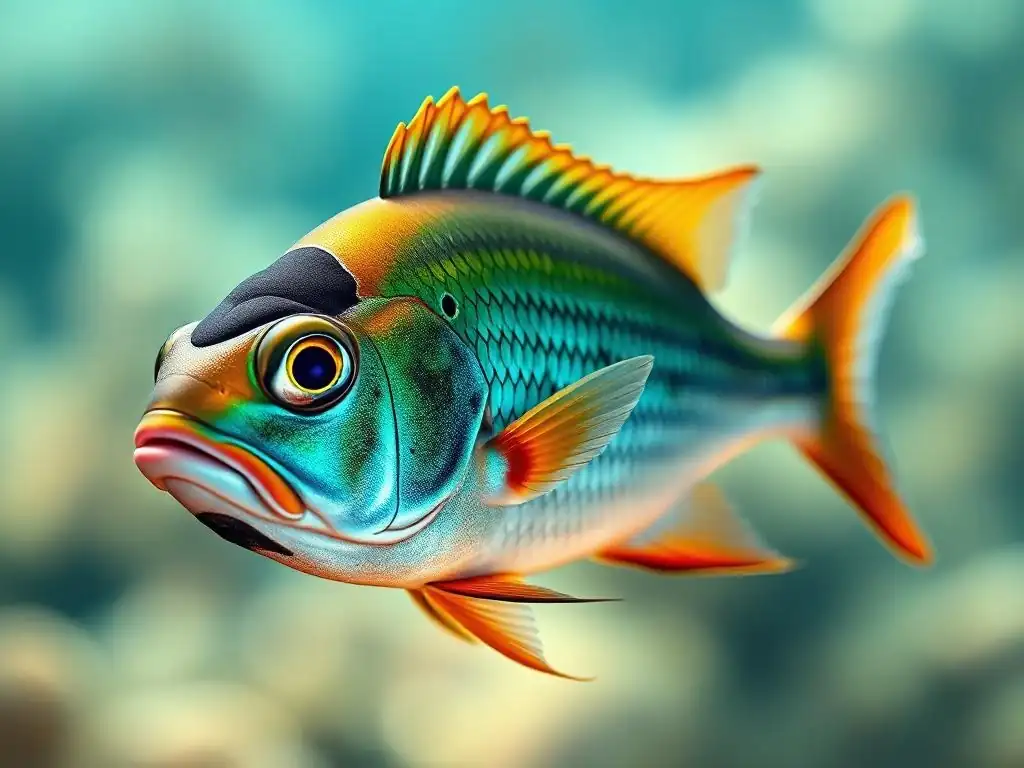
Apistogrammas are a diverse genus of dwarf cichlids with over 100 described species, and sexual dimorphism varies considerably among them. However, a general dwarf cichlid sexing guide for Apistogramma species can be established by focusing on common traits like fin development, coloration patterns, and overall size. Males are almost invariably more ornate and larger than their female counterparts.
The distinct differences in finnage and color are often the most immediate indicators, though observing behavior and body shape also contributes to accurate identification. It is important to remember that while general rules apply, species-specific traits can sometimes override or add nuances to these guidelines.
Dorsal Fin
The dorsal fin is often one of the most reliable indicators for sexing Apistogramma species. Male Apistogramma typically possess a taller, more elongated, and often more pointed dorsal fin, sometimes with extended filamentous rays or elaborate patterns. For example, in species like Apistogramma cacatuoides (Cockatoo Dwarf Cichlid), the male's dorsal fin has prominent, spiky rays, giving it a distinctive "cockatoo" crest.
Female Apistogramma, conversely, usually have a shorter, more rounded, and less elaborate dorsal fin. They lack the elongated rays or dramatic extensions seen in males. This difference becomes more pronounced as the fish mature, making it a key element in this dwarf cichlid sexing guide.
Caudal Fin
The caudal (tail) fin also exhibits significant sexual dimorphism in many Apistogramma species. Male Apistogramma often display more elaborate caudal fin shapes, which can vary widely by species. Examples include the lyre-shaped tail of Apistogramma agassizii, the spade-shaped tail of Apistogramma borellii, or the highly patterned, sometimes pointed, tails of other species. These fins are often larger and more colorful than those of females.
Female Apistogramma generally have a much simpler, rounded, or slightly truncated caudal fin. They lack the specialized shapes or extensions characteristic of the males. The caudal fin of a female is typically less patterned and often less colorful, serving a more functional role than a display one.
Coloration
Coloration is a prominent, though sometimes variable, indicator for sexing Apistogramma. Male Apistogramma are almost always more vibrantly colored, displaying a wider array of hues, intricate patterns, and iridescent scales. Their colors intensify significantly during courtship or territorial displays. For example, a male Apistogramma macmasteri will exhibit brilliant reds, blues, and golds, while a male Apistogramma panduro will have striking black and white patterns with blue iridescence.
Female Apistogramma, while sometimes attractive, are generally duller in comparison, often exhibiting more subdued earth tones like browns, grays, or pale yellows. However, a crucial exception is when females are breeding or caring for fry; during these periods, many female Apistogramma will develop a striking, intense yellow coloration, often accompanied by strong black lateral stripes or blotches, signaling their reproductive readiness or protective instincts. This yellow breeding coloration is a key feature in a dwarf cichlid sexing guide.
Size
Size difference is a consistent and reliable indicator across most Apistogramma species. Males are almost invariably larger than females. This size disparity can be quite significant, with males often growing to be 1.5 to 2 times the length of females. For example, a male Apistogramma cacatuoides might reach 3 inches (7.5 cm), while a female typically stays around 1.5-2 inches (4-5 cm).
This size difference is usually apparent in mature individuals and is less reliable for very young fish. The larger size of the male is often accompanied by a more robust build, reflecting their role in establishing and defending territory. Observing this general size discrepancy is a fundamental part of any dwarf cichlid sexing guide for Apistogramma.
Species Specific Sexing Tips [Example: Apistogramma agassizii]
While general guidelines apply, many Apistogramma species have unique sexing characteristics. For Apistogramma agassizii, a popular and widely available species, the sexual dimorphism is quite pronounced. Male Apistogramma agassizii are renowned for their distinctive lyre-shaped caudal (tail) fin, which features elongated upper and lower rays, giving it a fork-like appearance. They also typically have elongated rays in their dorsal fin and exhibit vibrant, iridescent colors, often with blue, red, or yellow hues, and sometimes a prominent lateral stripe or spot.
Female Apistogramma agassizii, in contrast, are significantly smaller and have a rounded or spade-shaped caudal fin without the lyre extension. Their dorsal fin is shorter and less elaborate. Their coloration is generally subdued, often brownish or grayish, but when they are breeding or protecting fry, they develop a striking, intense yellow body color with a prominent black lateral stripe and sometimes black markings on their fins. This dramatic color shift in females is a very reliable indicator for this specific Apistogramma species, making it a crucial tip in any dwarf cichlid sexing guide.
Sexing Kribensis Cichlids ( Pelvicachromis pulcher)
Kribensis Sex Determination
Kribensis Cichlids ( Pelvicachromis pulcher), often simply called Kribs, are among the most popular and easiest dwarf cichlids to sex due to their distinct sexual dimorphism. Their differences in body shape, coloration, finnage, and even behavior make sex determination relatively straightforward, even for novice aquarists. This ease of sexing contributes to their popularity as a breeding fish.
Observing a combination of these traits is the most effective approach for accurate identification. While some characteristics might be subtle in very young fish, they become highly pronounced as the Kribs mature, typically by 4-6 months of age.
Body Shape
The body shape difference between male and female Kribensis Cichlids is a primary indicator. Male Kribs are generally larger and more elongated, with a more torpedo-shaped body. They can reach lengths of up to 4 inches (10 cm). Their build is more robust and muscular, consistent with their role as territorial defenders.
Female Kribs are noticeably smaller and have a more compact, rounded body shape, especially when mature. They typically grow to about 2.5 to 3 inches (6-7.5 cm). Their most distinctive feature in terms of body shape is their belly, which becomes incredibly full, rounded, and takes on an intense purplish-red or magenta coloration when they are gravid (carrying eggs) and ready to spawn. This pronounced, full, and colorful belly is a hallmark of a female Kribensis, making it a key part of this dwarf cichlid sexing guide.
Coloration
Coloration is arguably the most striking and reliable sexing characteristic for Kribensis Cichlids. Male Kribs display a vibrant array of colors, including blue, yellow, and red hues on their fins and body, often with a prominent black lateral stripe. Their overall coloration is attractive and generally consistent.
Female Kribs, while also colorful, are most famous for the vivid, intense purplish-red or magenta coloration that develops on their belly, particularly when they are mature and ready to breed. This belly coloration can be incredibly deep and striking, contrasting with their otherwise more subdued body colors. This deep red belly is almost always a definitive sign of a female Kribensis, making it an indispensable part of any dwarf cichlid sexing guide for this species.
Fin Differences
Fin morphology also provides clear distinctions between the sexes of Kribensis Cichlids. Male Kribs typically have more pointed and elongated dorsal and anal fins. The dorsal fin may have a distinct white or yellow edge, and sometimes small black spots within the fin membrane. Their caudal (tail) fin is often more pointed or slightly lyre-shaped, and may display ocelli (eye-spots) that are less prominent or absent in females.
Female Kribs have shorter, more rounded dorsal and anal fins, lacking the pronounced points or extensions seen in males. Their caudal fin is generally rounded and may have one or more distinct, dark ocelli (black spots ringed with yellow or white) on the upper lobe, which are often more numerous and pronounced than any ocelli found on males. These fin differences, combined with body shape and coloration, provide a robust dwarf cichlid sexing guide.
Breeding Behavior
Observing breeding behavior can also provide strong clues for sexing Kribensis, especially when other physical traits are ambiguous in younger fish. When ready to breed, female Kribs will display their intense purplish-red belly coloration prominently and often lead the male to a chosen spawning site, such as a cave or overturned pot. They will also exhibit a trembling or "shimmying" motion to entice the male.
Males, in response, will display their vibrant colors and attempt to guard the territory around the female and the potential spawning site. Once eggs are laid, the female typically takes primary responsibility for guarding and fanning the eggs, often becoming fiercely territorial. The male will patrol the outer perimeter of the territory, defending against intruders. These distinct roles in breeding behavior reinforce the sex identification.
General Tips for Accurate Dwarf Cichlid Sexing
Observe Multiple Fish
When attempting to sex dwarf cichlids, it is highly beneficial to observe multiple individuals of the same species simultaneously, if possible. Comparing several fish side-by-side can highlight subtle differences that might be missed when viewing only one fish in isolation. For instance, while one male might not show extremely elongated fins, comparing it to a female with noticeably shorter, rounder fins makes the distinction clearer.
This comparative approach helps in establishing a baseline for typical male and female characteristics within a given group. It also allows for the identification of the most dominant male or the most gravid female, whose traits will often be the most pronounced. Observing multiple fish over a period of time, rather than a single glance, significantly increases the accuracy of your dwarf cichlid sexing guide.
Consider Age and Maturity
The age and maturity of dwarf cichlids significantly impact the visibility of sexual dimorphism. Juvenile fish, regardless of species, often exhibit very little difference between males and females. Their coloration may be muted, and their finnage and body shape have not yet fully developed. Attempting to sex very young dwarf cichlids can lead to inaccurate conclusions.
For most dwarf cichlid species, clear sexual characteristics begin to emerge as they approach sexual maturity, typically between 4 to 8 months of age, depending on the species and environmental conditions. It is advisable to wait until fish are at least partially grown before making a definitive sex determination. Providing optimal care promotes faster maturation and more pronounced dimorphism, aiding in this dwarf cichlid sexing guide.
Observe Behavior
Behavioral patterns can offer crucial insights into the sex of dwarf cichlids, especially when physical traits are not entirely conclusive. Male dwarf cichlids often exhibit more territorial behavior, displaying their fins and colors to assert dominance or attract mates. They might engage in elaborate courtship dances, chase rivals, or guard specific areas of the tank.
Female dwarf cichlids, particularly when ready to breed, will often show distinct behaviors such as cleaning potential spawning sites (e.g., flat rocks, caves), trembling or "shimmying" to signal readiness to a male, or becoming more secretive as they prepare to lay eggs. During parental care, females are often the primary egg and fry guardians, exhibiting fierce protectiveness. Observing these species-specific behaviors over time can be a very reliable component of a dwarf cichlid sexing guide.
Provide Optimal Conditions
Optimal living conditions play a critical role in enhancing the natural sexual dimorphism of dwarf cichlids, thereby making sexing easier and more accurate. Fish that are stressed, malnourished, or kept in poor water quality may not display their full colors or develop their characteristic finnage. Their natural behaviors might also be suppressed, obscuring key sexing indicators.
Ensuring stable water parameters (e.g., appropriate pH, temperature, low nitrates), a high-quality and varied diet (including live or frozen foods), and a well-structured tank with plenty of hiding spots and territories will promote the fish's health and comfort. Healthy, happy dwarf cichlids will exhibit their most vibrant colors, distinct body shapes, and natural breeding behaviors, making the task of a dwarf cichlid sexing guide significantly more straightforward.
Avoiding Common Mistakes
Misinterpreting Submissive Behavior
A common mistake in dwarf cichlid sexing is misinterpreting submissive behavior as a sign of femaleness. In a group of fish, particularly young ones or those in an overcrowded tank, a submissive male might display muted colors, keep its fins clamped, and appear smaller or less robust than a dominant individual. This submissive male might be mistaken for a female due to its subdued appearance.
It is crucial to observe fish over time and look for a combination of traits rather than relying on a single observation. A submissive male will still typically retain the characteristic fin shape (e.g., pointed dorsal) and eventual body structure of its sex, even if its colors are temporarily dulled. Patience and thorough observation are key to avoiding this pitfall in your dwarf cichlid sexing guide.
Relying Solely on Color
While coloration is a significant indicator for sexing many dwarf cichlids, relying solely on it can lead to inaccuracies. Fish coloration can fluctuate dramatically based on mood, stress levels, health, and even the lighting in the aquarium. A male might temporarily lose its vibrant colors if it's stressed, ill, or intimidated by a dominant tank mate, making it appear more like a female.
Conversely, a dominant female, especially one in breeding condition, might display surprisingly intense colors, potentially confusing an observer. Therefore, while color is a valuable clue, it should always be considered in conjunction with other physical traits such as fin shape, body morphology, and the presence of breeding tubes to ensure an accurate dwarf cichlid sexing guide.
Ignoring Fin Shape
Ignoring fin shape is another common mistake that can lead to incorrect sex determination. For many dwarf cichlid species, the shape, length, and extensions of the dorsal, anal, and caudal fins are more consistent and reliable indicators of sex than color alone, especially in younger or stressed specimens. For example, the elongated dorsal ray of a male Ram or the lyre-shaped tail of a male Apistogramma agassizii are highly specific traits.
Even when colors are muted or ambiguous, fin morphology often provides clear distinctions. Always pay close attention to whether the fins are pointed or rounded, short or elongated, and look for any characteristic extensions or patterns that are typical for the male or female of the species. Integrating fin analysis is essential for a comprehensive dwarf cichlid sexing guide.
Ensuring a Balanced Aquarium
Preventing Overcrowding
Preventing overcrowding is fundamental to the health and well-being of dwarf cichlids, and indirectly, to the ease of sexing and successful breeding. Overcrowded conditions lead to increased stress, heightened aggression, and suppressed natural behaviors and coloration, making sexual dimorphism less apparent. When fish are constantly stressed, their colors may fade, and their finnage may not develop to its full potential.
For most dwarf cichlids, a minimum tank size of 20 gallons (approx. 75 liters) is recommended for a single pair, providing adequate space for territory establishment and minimizing aggression. For multiple pairs or a community setup, a 30-gallon (approx. 115 liters) tank or larger is often necessary. Proper stocking density allows fish to exhibit their natural behaviors and full coloration, which in turn aids in accurate dwarf cichlid sexing.
Minimizing Aggression
Minimizing aggression within the aquarium is crucial for the peaceful coexistence of dwarf cichlids and for promoting their natural behaviors, including breeding. Aggression often stems from territorial disputes, especially between males or when a breeding pair is trying to establish a territory. Providing ample hiding spots, caves, driftwood, and dense planting helps to break up lines of sight and create multiple territories, reducing direct confrontations.
It is also important to select appropriate tank mates that are not overly aggressive or fin-nippers, and to avoid keeping multiple male dwarf cichlids of the same species in tanks that are too small. Introducing a higher ratio of females to males (e.g., 1 male to 2-3 females) can sometimes diffuse male-on-male aggression by spreading out the male's attention. A stress-free environment, fostered by minimizing aggression, allows for clearer observation of sexual dimorphism, making your dwarf cichlid sexing guide more effective.
Promoting Breeding Success
Accurate sexing is the cornerstone of promoting breeding success in dwarf cichlids. Without correctly identified males and females, establishing a breeding pair is impossible. Once a true pair is identified using a dwarf cichlid sexing guide, providing them with optimal conditions – including a suitable spawning site (like a ceramic cave, half coconut shell, or flat rock), appropriate water parameters (often softer, acidic water for many species), and a high-quality conditioning diet – significantly increases the likelihood of spawning.
For species that form pair bonds, such as many Rams and Apistogrammas, a single male and female pair in a dedicated breeding tank often yields the best results. For Kribensis, a single pair can also be highly productive. Understanding the specific breeding triggers and behaviors for each species, combined with accurate sexing, empowers aquarists to successfully propagate these fascinating fish.
Resources for Further Learning
Online Forums and Communities
Online forums and dedicated aquarium communities are invaluable resources for aquarists seeking further information on dwarf cichlid sexing and care. Platforms like the Apistogramma Study Group, Cichlid Forum, or general aquarium forums host thousands of experienced hobbyists who share their knowledge, photographs, and personal experiences. These communities can provide species-specific tips, help with identifying difficult-to-sex fish from photos, and offer troubleshooting advice for common issues.
Engaging with these communities allows aquarists to learn from collective wisdom, see real-world examples of sexual dimorphism across various ages and conditions, and get answers to highly specific questions that might not be covered in general guides. It's a dynamic and supportive environment for continuous learning.
Aquarium Books and Guides
Specialized aquarium books and comprehensive care guides are excellent resources for in-depth knowledge on dwarf cichlids. Books dedicated to specific cichlid genera, such as Apistogramma or Mikrogeophagus, often contain detailed descriptions of sexual dimorphism for numerous species, accompanied by high-quality photographs illustrating the differences. These resources typically cover not only sexing but also detailed care requirements, breeding behaviors, and natural habitats.
Reputable authors and publishers often compile years of research and practical experience into these guides, providing a foundational understanding that complements online information. Such resources are crucial for anyone serious about mastering the nuances of dwarf cichlid keeping and breeding, including advanced dwarf cichlid sexing guide techniques.
Online Resources
Beyond forums, a wealth of online resources can provide further learning opportunities for dwarf cichlid enthusiasts. Reputable aquarium websites, university ichthyology pages, and online fish databases often feature detailed species profiles, including information on sexual dimorphism, size, coloration, and natural history. Websites dedicated to specific dwarf cichlid groups can offer highly specialized information and visual aids.
When utilizing online resources, it is important to verify the credibility of the source to ensure accuracy. Look for websites maintained by experienced aquarists, academic institutions, or well-regarded aquarium organizations. These resources can serve as an accessible and constantly updated supplement to books and community knowledge, enhancing your understanding derived from this dwarf cichlid sexing guide.
Frequently Asked Questions
How reliable are visual differences in Apistogramma species for sexing?
Visual differences can be helpful, but not always definitive. Males generally display more vibrant coloration and longer, more pointed fins. However, juvenile fish or those under stress may lack these characteristics.
What role does vent sexing play in identifying male and female dwarf cichlids?
Vent sexing involves examining the genital papillae near the anal fin. A larger, rounder vent typically indicates a female, while a smaller, more pointed vent suggests a male. This method requires careful observation.
Do Ram cichlids and Kribensis cichlids exhibit the same sexual dimorphism characteristics?
While both exhibit sexual dimorphism, the specific characteristics differ. Ram cichlids often have longer dorsal fin rays in males, while female Kribensis cichlids display a rosy belly during breeding.
How important is observing behavior in determining the sex of dwarf cichlids?
Behavior can provide clues, especially during breeding. Males often display territorial aggression and elaborate courtship rituals, while females may exhibit brood care behaviors.
What are the limitations of sexing dwarf cichlids and when should I seek expert help?
Visual cues are not foolproof, and some species are very difficult to sex accurately. If unsure, consulting with an experienced aquarist or breeder is advisable, especially before purchasing a pair.
Final Reflection: Unveiling the Secrets of the Smallest Wonders
The ability to accurately sex dwarf cichlids, as explored throughout this guide, is not merely about identifying physical differences; it's about unlocking a deeper understanding of these complex and captivating creatures. These vibrant fish, though small in stature, possess intricate social structures and breeding behaviors that are best appreciated when we can distinguish between male and female. This knowledge empowers aquarists to create thriving, balanced environments where these miniature marvels can truly flourish.
The journey of learning to differentiate between male and female dwarf cichlids has profoundly influenced the way I approach fishkeeping, fostering a greater appreciation for the nuances of the natural world. It's a reminder that even in the smallest of creatures, there's a universe of complexity waiting to be discovered. The beauty of the natural world lies in the details, and understanding those details is the key to unlocking its secrets.
This pursuit of knowledge not only enriches our understanding of these fish but also deepens our connection to the delicate ecosystems they represent.
Now, armed with the knowledge from this guide, I encourage you to look beyond the surface of your aquarium. Observe your dwarf cichlids with a newfound awareness, apply these techniques, and witness the fascinating dynamics unfold. By understanding their individual roles, you can create an environment where they thrive, and in doing so, you'll not only become a more skilled aquarist but also a more attentive observer of the wonders that surround us. Let the quest for understanding continue, and may your aquarium be a testament to the beauty of knowledge and care.
Unveil the Secrets: Become a Dwarf Cichlid Sexing Master!
Thanks for diving deep into the world of dwarf cichlid identification! We hope you've unlocked new insights into distinguishing males from females. Now, let's put that newfound knowledge to practical use and elevate your aquarium hobby!
Here's how you can take the next step:
- Boldly attempt to sex your own dwarf cichlids. Observe their behavior, finnage, and coloration closely, comparing them to the characteristics we discussed. This hands-on experience is invaluable!
- Start a journal to document your observations and track your progress. Note any changes you see over time and the specific traits that help you differentiate between sexes.
- Share your sexing success stories (or challenges!) in the comments below. Helping others learn is a fantastic way to reinforce your understanding!
Which dwarf cichlid species will you confidently sex first, and what are the key traits you'll be focusing on?