
Help! My Wrasse is Terrorizing Other Fish: Strategies for Managing Aggression

Welcome to Aquarium Mastery!
Ever wondered why that vibrant Wrasse, the star of your saltwater aquarium, suddenly turned into a tiny tyrant? Unravel the mysteries of Wrasse aggression and discover effective strategies to restore peace to your underwater paradise. Dive in to learn proven methods for managing aggression and ensuring a harmonious community in your saltwater tank. Ready to learn more about Wrasse aggression management strategies aquarium? Let's get started!
- Understanding Wrasse Aggression in the Aquarium
-
Frequently Asked Questions
- What are some common signs of aggression in wrasses within an aquarium?
- Why is my wrasse suddenly becoming aggressive after being peaceful for a while?
- What are some immediate steps I can take to reduce wrasse aggression?
- Are there specific types of fish that are more likely to be targeted by aggressive wrasses?
- When is it necessary to consider removing the aggressive wrasse from the aquarium?
- Final Reflection: Navigating the Reef's Social Dynamics
- Transform Your Tank: Take Action Now!
Understanding Wrasse Aggression in the Aquarium
Identifying Aggressive Wrasse Species
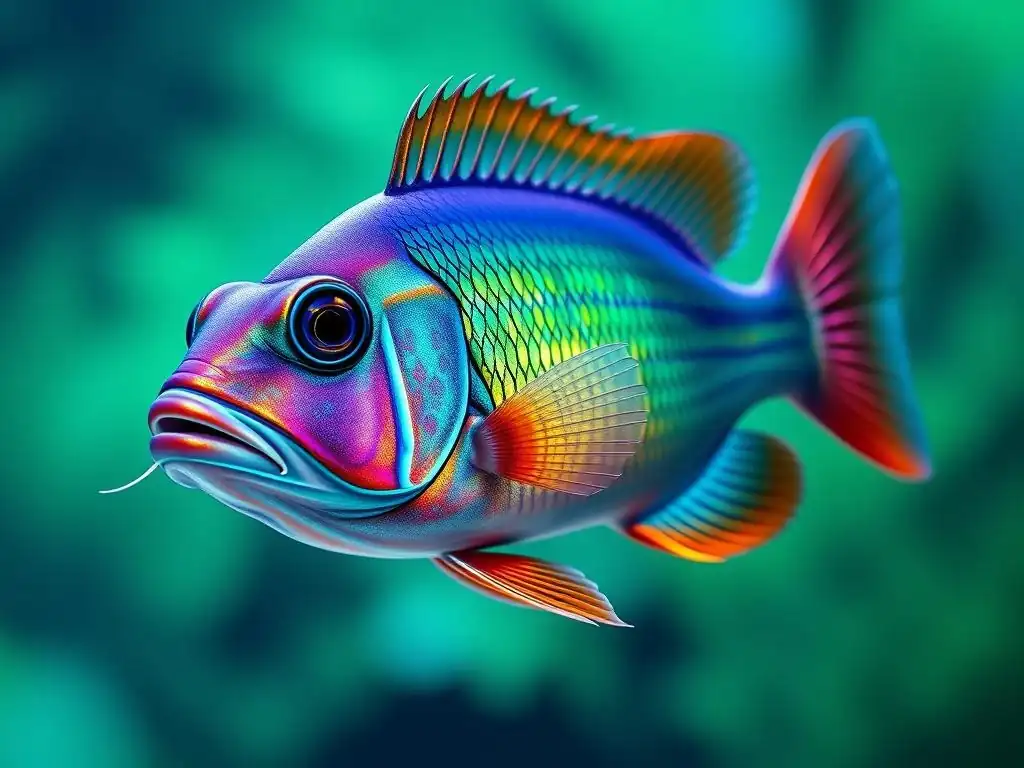
Wrasses are a vast and diverse family of marine fish, with over 500 species exhibiting a wide range of temperaments. While many wrasses are peaceful and beneficial additions to a saltwater aquarium, a significant number are known for their territorial and sometimes predatory behavior.
Identifying these more aggressive species is the first step in understanding potential conflicts. For instance, the Lunare Wrasse ( Thalassoma lunare) is a prime example, often reaching lengths of 10 to 12 inches and requiring tanks of 125 gallons or more due to its active and assertive nature.
Similarly, the Slingjaw Wrasse ( Epibulus insidiator) can grow to an astonishing 20 inches and is a highly predatory species, making it unsuitable for most community reef tanks as it will readily consume smaller fish and invertebrates. Other notable aggressive wrasses include certain Coris species like the Paddlefin Wrasse ( Coris aygula), which can also grow quite large and become highly territorial.
In contrast, many smaller wrasse species, such as the Six-Line Wrasse ( Pseudocheilinops hexataenia), which typically stays under 3 inches, or the Yellow Coris Wrasse ( Halichoeres chrysus), reaching about 4-5 inches, are generally considered peaceful and even beneficial for pest control in reef tanks. However, it's crucial to understand that even these usually docile species can display aggression if their specific needs are not met, or if they feel threatened.
Larger, more robust wrasses like the Lunare or Slingjaw often exhibit aggression due to their inherent predatory instincts and strong territorial drives, which are amplified in the confined space of an aquarium. Their size and active swimming patterns also contribute to their dominance, making effective wrasse aggression management strategies aquarium inhabitants can benefit from a critical aspect of husbandry.
Common Reasons for Wrasse Aggression
Wrasse aggression in a saltwater aquarium often stems from a combination of environmental stressors and natural behavioral patterns. A primary factor is insufficient tank size, which directly impacts the available territory for a wrasse. Many wrasse species are highly active swimmers and require ample space to establish their individual domains.
For example, a Lunare Wrasse, which needs at least 125 gallons, will become highly stressed and aggressive if housed in a smaller tank, leading to disputes over limited swimming and hiding areas. Overcrowding, even in larger tanks, exacerbates this issue, as too many fish vying for the same resources and space can trigger territorial disputes and heightened stress levels among all inhabitants. A general guideline of 1 inch of fish per 5 gallons often falls short for active wrasses, necessitating a more generous allocation of space to prevent such conflicts.
Beyond spatial limitations, social dynamics and resource competition are significant contributors to wrasse aggression. The introduction of new fish, particularly those that resemble or compete with the wrasse for food or territory, can instantly provoke an aggressive response. Wrasses, being highly visual creatures, might perceive similar body shapes or colors as direct threats.
For instance, adding another slender, brightly colored fish to a tank with an established Melanurus Wrasse ( Halichoeres melanurus) might lead to immediate chasing and nipping. Inadequate feeding can also lead to aggression, as wrasses, which are often voracious eaters, might become competitive for food sources. Ensuring a varied and sufficient diet is therefore a key component of wrasse aggression management strategies aquarium keepers should prioritize to maintain peace.
Frequently Asked Questions
What are some common signs of aggression in wrasses within an aquarium?
Common signs include chasing other fish, nipping fins, and hogging food. More severe cases might involve direct attacks that can lead to injury or death.
Why is my wrasse suddenly becoming aggressive after being peaceful for a while?
Changes in aggression can be caused by several factors, including maturity, territorial disputes as the fish grows, or introduction of new tank mates. The aquarium size and aquascape can also play a role.
What are some immediate steps I can take to reduce wrasse aggression?
Consider rearranging the aquarium decor to disrupt established territories. You can also try increasing feeding frequency to reduce competition for food and ensure everyone gets enough.
Are there specific types of fish that are more likely to be targeted by aggressive wrasses?
Generally, wrasses often target fish that are smaller, less assertive, or have similar body shapes or colorations. It's crucial to research compatibility before introducing new species.
When is it necessary to consider removing the aggressive wrasse from the aquarium?
If the wrasse's aggression is causing significant stress or injury to other fish despite other mitigation efforts, removal is necessary. This ensures the overall health and well-being of the remaining aquarium inhabitants.
The strategies outlined in this article, while focused on wrasse aggression management in aquariums, speak to a broader truth about managing complex social dynamics. Just as a reef ecosystem requires careful balance, so too do our own communities and relationships. Understanding the nuances of behavior and implementing thoughtful interventions is crucial, whether we're dealing with a territorial wrasse or navigating human interactions.
The challenge of maintaining harmony in a confined aquatic environment mirrors the ongoing struggle for peaceful coexistence in the wider world. This exploration of wrasse behavior has underscored the importance of empathy and proactive problem-solving in fostering positive interactions. The measure of intelligence is the ability to change.
- Albert Einstein. This quote resonates deeply when considering the need to adapt our strategies and perspectives to effectively manage aggression and promote a thriving environment, be it in an aquarium or beyond.
As you consider the lessons learned from managing wrasse aggression, I invite you to reflect on how you can apply these principles of observation, intervention, and environmental enrichment to your own life. How can you create a more balanced and harmonious environment for yourself and those around you? By understanding the dynamics at play and taking proactive steps, you can cultivate a more peaceful and fulfilling existence, one thoughtful action at a time.
Transform Your Tank: Take Action Now!
Thank you for diving into this guide on managing wrasse aggression! We hope you've gained valuable insights to create a more peaceful aquarium environment. Now, let's put that knowledge into action!
Here are a few things you can do immediately:
- Prioritize re-evaluating your tank's stocking density and rockwork layout to reduce territorial disputes - the single most impactful thing you can do right now.
- Explore providing enriched feeding opportunities to alleviate boredom and potentially redirect aggressive behaviors. Consider live foods or scatter feeding techniques.
- Share this article with fellow aquarists facing similar challenges and join the discussion on aquariummastery.com's forum to exchange experiences.
What specific changes will you implement in your aquarium this week to reduce aggression and create a healthier habitat for your fish?