
Encrusting Montipora: Creating Living Art & Dynamic Textures on Your Rockwork

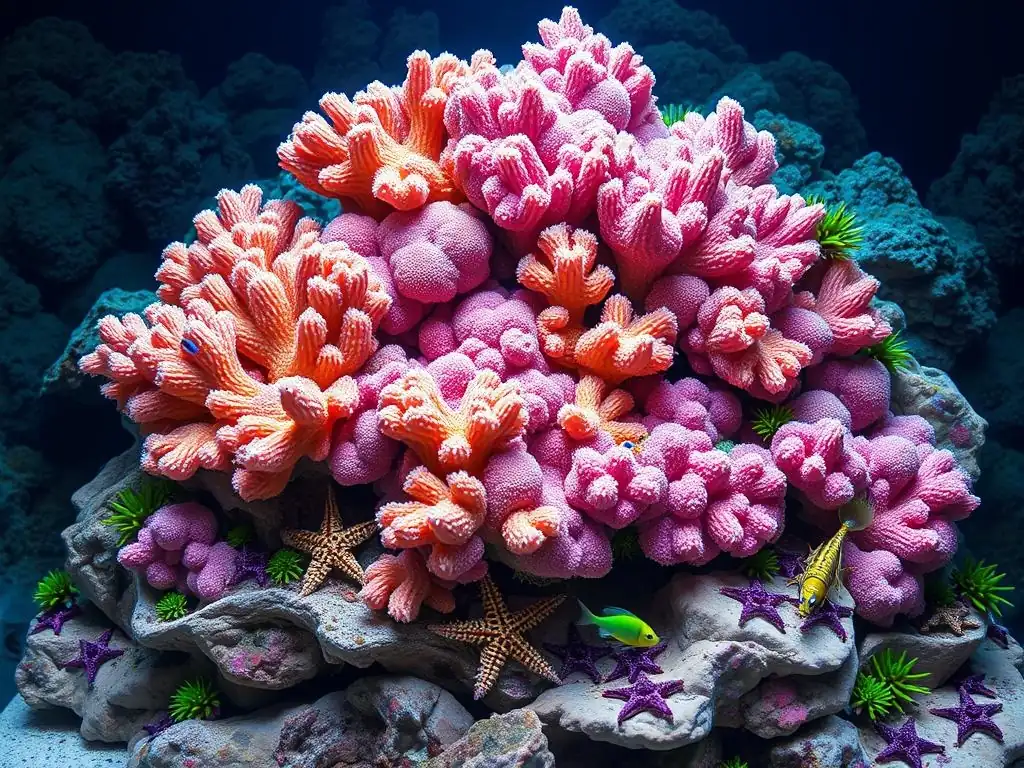
Welcome to Aquarium Mastery!
Ever dreamt of transforming your reef tank into a vibrant underwater canvas? Dive in and discover our Montipora coral growth guide and unlock the secrets to cultivating these captivating encrusting corals. Learn how to create stunning living art and dynamic textures on your rockwork, adding an incredible dimension to your saltwater aquarium. Ready to bring the beauty of Montipora to life? Let's explore!
- Understanding Encrusting Montipora Coral: A Beginner's Guide
- Optimizing Your Reef Tank for Montipora Coral Growth
- Planting and Attaching Encrusting Montipora to Rockwork
- Montipora Coral Growth Guide: Encouraging Rapid and Healthy Expansion
- Maintaining Your Encrusting Montipora: Long-Term Care Tips
- Troubleshooting Common Montipora Issues
- Showcasing the Living Art: Designing Your Reef with Encrusting Montipora
-
Frequently Asked Questions
- What is Montipora coral, and why is it a popular choice for reef aquariums?
- What are the ideal water parameters for optimal Montipora coral growth?
- How important is proper lighting and flow for Montipora coral health and growth?
- What are some common signs of unhealthy Montipora coral, and how can I address them?
- What are some tips for fragging and propagating Montipora coral to expand my reef aquarium?
- Final Reflection: Embracing the Living Canvas
- Cultivate Your Reef: Watch Your Montipora Explode with Color!
Understanding Encrusting Montipora Coral: A Beginner's Guide
What is Encrusting Montipora? Identifying Key Characteristics
Encrusting Montipora refers to a specific growth form within the Montipora genus, renowned for its ability to spread thinly and adhere tightly to the aquarium's rockwork, creating a vibrant, living skin. Unlike their branching or plating cousins, these corals develop a low-profile, often undulating or bumpy surface that follows the contours of the substrate.
Their calcareous skeleton is relatively porous, and their polyps are typically very small, giving the coral a smooth or finely textured appearance from a distance. This unique growth habit makes them excellent candidates for covering large areas and adding significant visual interest to a reef aquascape.
The defining characteristic of encrusting Montipora is its adherence to and spreading across surfaces. This growth pattern allows them to colonize vast expanses of live rock, creating an organic, dynamic texture that can transform a sterile rockscape into a thriving, colorful reef. The polyps, though small, can display a contrasting color to the base tissue, adding another layer of visual complexity.
For example, a "Superman Montipora" might have a vibrant red base with bright blue polyps, creating a striking contrast. Understanding this fundamental growth habit is crucial for aquarists aiming to master their Montipora coral growth guide and achieve a natural, thriving display.
Benefits of Adding Encrusting Montipora to Your Reef Tank
Adding encrusting Montipora to a reef tank offers numerous aesthetic and ecological benefits. Visually, these corals provide an unparalleled opportunity to introduce vibrant colors and unique textures, effectively turning plain rockwork into a living canvas. Their ability to encrust creates a seamless, natural look, mimicking the way corals colonize substrates in wild reefs. Popular varieties like the "Forest Fire Montipora" with its green base and fiery orange polyps, or the "Sunset Montipora" with its orange and yellow hues, can dramatically enhance the visual depth and appeal of any reef setup.
Beyond their beauty, encrusting Montipora contribute to the overall health and biodiversity of a reef ecosystem. As photosynthetic SPS (Small Polyp Stony) corals, they contribute to the biological filtration by consuming nitrates and phosphates, helping to maintain water quality. They also offer micro-habitats for various beneficial microorganisms and small invertebrates. Compared to some other SPS corals, many encrusting Montipora species are considered relatively hardy, making them an excellent choice for intermediate aquarists looking to expand their SPS collection and gain valuable experience with a robust Montipora coral growth guide.
Different Types of Encrusting Montipora: Colors and Growth Patterns
The diversity within encrusting Montipora is remarkable, offering a wide palette of colors and subtle variations in growth patterns. While all share the characteristic of spreading across a surface, some may exhibit a smoother, almost glassy texture, while others develop distinct verrucae (small, wart-like bumps) or ridges, adding to their tactile appeal. Coloration is a major draw, with common morphs including:
- Bright Orange Montipora: Often a solid orange, sometimes with contrasting polyps.
- Green Montipora: Ranging from lime green to deep forest green.
- Purple Montipora: From light lavender to deep violet.
- Multi-color strains: Such as the "Superman Montipora" (red base, blue polyps), "Forest Fire Montipora" (green base, orange/red polyps), and "Sunset Montipora" (orange/yellow base, contrasting polyps).
Each of these types brings a unique visual element to the reef tank. For instance, the "Poker Star Montipora" is recognized by its distinct green base with bright red or orange polyps, often developing a knobby texture as it matures. The texture and growth pattern can also be influenced by flow and light intensity; in higher flow, some verrucose types might develop more pronounced bumps. Understanding these variations is key to selecting the right species for your desired aesthetic and for developing a comprehensive Montipora coral growth guide that addresses species-specific nuances.
Optimizing Your Reef Tank for Montipora Coral Growth
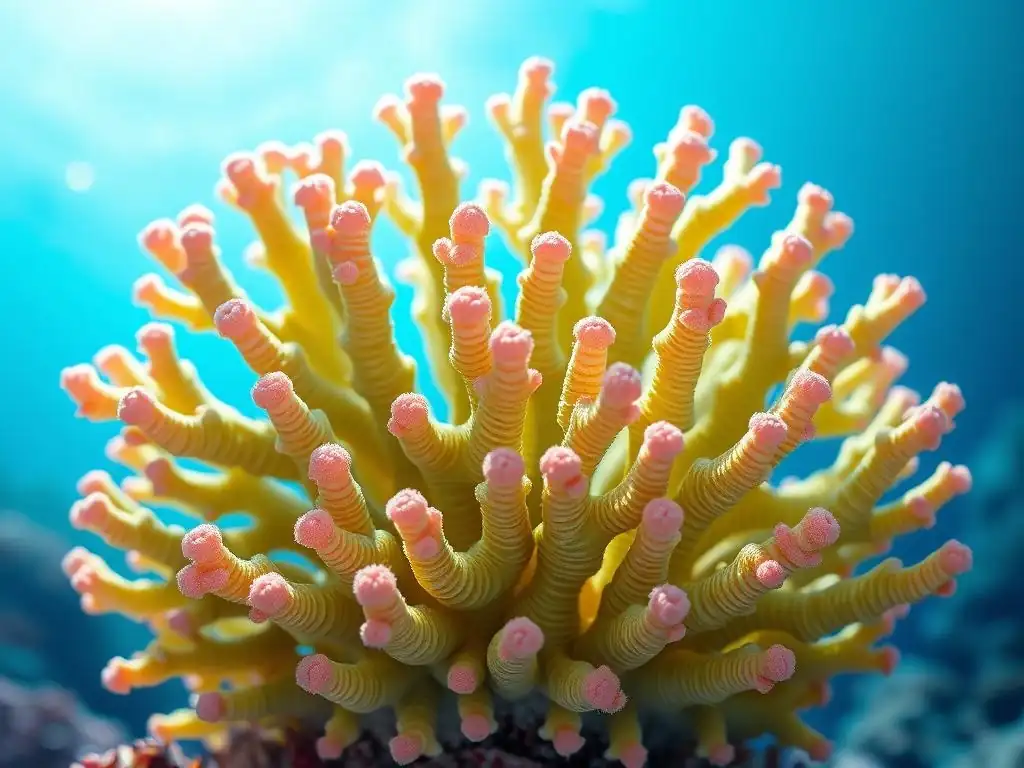
Water Chemistry Parameters for Thriving Montipora Colonies
Maintaining stable and optimal water chemistry parameters is paramount for robust Montipora coral growth guide and overall health. Encrusting Montipora, like all SPS corals, require consistent levels of calcium, alkalinity, and magnesium to build their stony skeletons. Calcium should ideally be maintained between 400-450 ppm (parts per million).
Levels below 380 ppm can significantly slow growth, while excessively high levels (above 480 ppm) can lead to precipitation issues. Alkalinity, which provides the carbonate ions necessary for calcification, should be stable between 7-9 dKH (degrees of carbonate hardness). Fluctuations in alkalinity, even by 0.5 dKH daily, can stress Montipora and lead to tissue recession or bleaching.
Magnesium plays a critical role in preventing calcium carbonate precipitation and ensuring the availability of calcium and alkalinity. It should be kept within the range of 1300-1400 ppm. If magnesium levels are low, calcium and alkalinity can become difficult to maintain, leading to stunted growth.
Beyond these three, salinity should be maintained at a specific gravity of 1.025-1.026, and temperature should remain stable between 76-78°F (24.4-25.5°C). Furthermore, keeping nitrates below 5-10 ppm and phosphates below 0.03-0.05 ppm is essential, as elevated nutrients can promote nuisance algae growth that competes with and smothers Montipora. Regular testing, at least 2-3 times per week for the core parameters, is critical for a successful Montipora coral growth guide.
Essential Lighting Requirements for Encrusting Montipora: PAR and Spectrum
Lighting is a critical factor for the photosynthetic processes of encrusting Montipora, directly influencing their growth rate and coloration. These corals thrive under moderate to high PAR (Photosynthetically Active Radiation) levels, typically ranging from 150 to 300 PAR. While some Montipora can tolerate higher PAR, careful acclimation is necessary to prevent bleaching. For instance, a frag placed initially at 150 PAR might be gradually moved to 250 PAR over several weeks. Too little light will result in browning, loss of vibrant color, and stunted Montipora coral growth guide efforts, as the zooxanthellae within their tissues cannot produce enough energy.
The spectrum of light is equally important. A full spectrum light source, whether LED, T5, or Metal Halide, is beneficial, but Montipora particularly benefit from blue and actinic wavelengths (420-470 nm). These wavelengths penetrate water most effectively and are highly utilized by zooxanthellae for photosynthesis, enhancing both growth and the vivid fluorescence often seen in Montipora.
A typical photoperiod of 10-12 hours is generally recommended. When introducing new Montipora to your tank, especially if your lighting is powerful, it's advisable to place them lower in the tank or in a shadier spot initially, gradually moving them to their final desired location over a period of 1-2 weeks to allow for proper light acclimation.
Importance of Water Flow for Montipora Health and Growth
Adequate water flow is indispensable for the health and vigorous Montipora coral growth guide of encrusting Montipora. These corals require moderate to strong, turbulent water movement rather than direct, laminar flow. Turbulent flow ensures that detritus and waste particles do not settle on the coral's delicate tissue, which can lead to tissue necrosis or provide a substrate for nuisance algae to grow. It also facilitates the efficient delivery of essential nutrients, such as calcium and alkalinity, to the coral polyps, and aids in the removal of metabolic waste products.
Without sufficient flow, Montipora can become covered in a thin film of detritus or develop "dead spots" where water stagnates, leading to localized tissue death. For example, a 60-gallon reef tank might benefit from a total flow turnover of 20-30 times the tank volume per hour, achieved through multiple powerheads strategically placed to create chaotic, multidirectional flow patterns.
Overly strong, direct flow can also be detrimental, potentially causing tissue damage or forcing the coral to retract its polyps excessively, hindering its feeding and growth. The goal is to create an environment where the polyps gently sway, indicating optimal water movement for a thriving Montipora coral growth guide.
Planting and Attaching Encrusting Montipora to Rockwork
Preparing the Rockwork: Creating an Ideal Surface for Montipora
Proper preparation of the rockwork is a crucial step in ensuring successful Montipora coral growth guide and long-term attachment. Encrusting Montipora need a clean, stable, and ideally rough surface to adhere to. Before attaching a frag, ensure the chosen piece of live rock is free from nuisance algae, detritus, or any competing organisms that could smother the developing coral.
Scrubbing the area with a stiff brush and siphoning away any debris can provide a pristine substrate. Porous or textured live rock is preferable, as it offers more microscopic nooks and crannies for the coral's base to grip onto and spread.
Furthermore, consider the long-term placement of the rockwork within the tank. Once the Montipora begins to encrust, moving the rock can stress the coral and potentially break its delicate attachment points. Therefore, select a permanent location that receives appropriate light and flow for Montipora, as outlined in previous sections.
For instance, if you plan to cover a large, flat shelf with a "Superman Montipora," ensure that shelf is stable and positioned optimally for light penetration. Curing new rockwork thoroughly before introducing corals is also essential to prevent nutrient spikes that could lead to algae outbreaks, hindering the Montipora's ability to settle and grow.
Safe Methods for Attaching Montipora Frags to Rock
Attaching Montipora frags securely to rockwork is a delicate process that requires patience and the right tools. The most common and effective method for smaller frags involves the use of cyanoacrylate gel glue, often referred to as "super glue gel." This thick, non-drip adhesive provides a strong, quick bond.
To use it, simply apply a generous dab of glue to the base of the Montipora frag, then firmly press it onto the desired spot on the rockwork for 15-30 seconds. It's often beneficial to remove the frag from the water briefly for this step, though some aquarists successfully glue underwater.
For larger frags or those with an uneven base, a combination of marine epoxy and cyanoacrylate glue can provide a more robust and permanent bond. First, mix a small amount of two-part marine epoxy until it's pliable, then mold it around the frag's base. Apply a layer of super glue gel to the epoxy, and then press the entire assembly onto the rockwork.
This method offers greater stability and can bridge small gaps between the frag and the rock, promoting better adhesion. Always ensure the frag is placed in a way that its delicate tissue is not directly glued, as this can cause tissue necrosis. Allow at least 24 hours for the glue to fully cure before subjecting the frag to strong flow, ensuring a successful start to your Montipora coral growth guide.
Positioning Montipora for Optimal Growth and Coloration
Strategic positioning of encrusting Montipora frags is critical for achieving optimal Montipora coral growth guide and vibrant coloration. As discussed, these corals thrive in moderate to high light and turbulent flow. When placing a frag, consider its final desired PAR level; a good starting point for a new frag might be in an area receiving 150-200 PAR, gradually moving it higher if needed after a few weeks of observation. Avoid placing Montipora directly under intense light spots immediately, as this can lead to bleaching, especially for corals not accustomed to such intensity.
Flow is equally important. Position the frag where it receives strong, indirect flow that gently sweeps across its surface, preventing detritus accumulation and ensuring nutrient delivery. Avoid areas with direct, blasting flow, which can cause tissue damage or prevent polyps from extending.
Also, consider the future growth of the colony. Encrusting Montipora can spread rapidly, so ensure there is ample space around the frag to prevent it from shading or growing over other corals that may require different light or flow conditions. For example, if you're placing a "Sunset Montipora" on a flat shelf, ensure it has several inches of clear rockwork to spread before encountering another coral or the tank glass, allowing it to truly become a living art piece.
Montipora Coral Growth Guide: Encouraging Rapid and Healthy Expansion
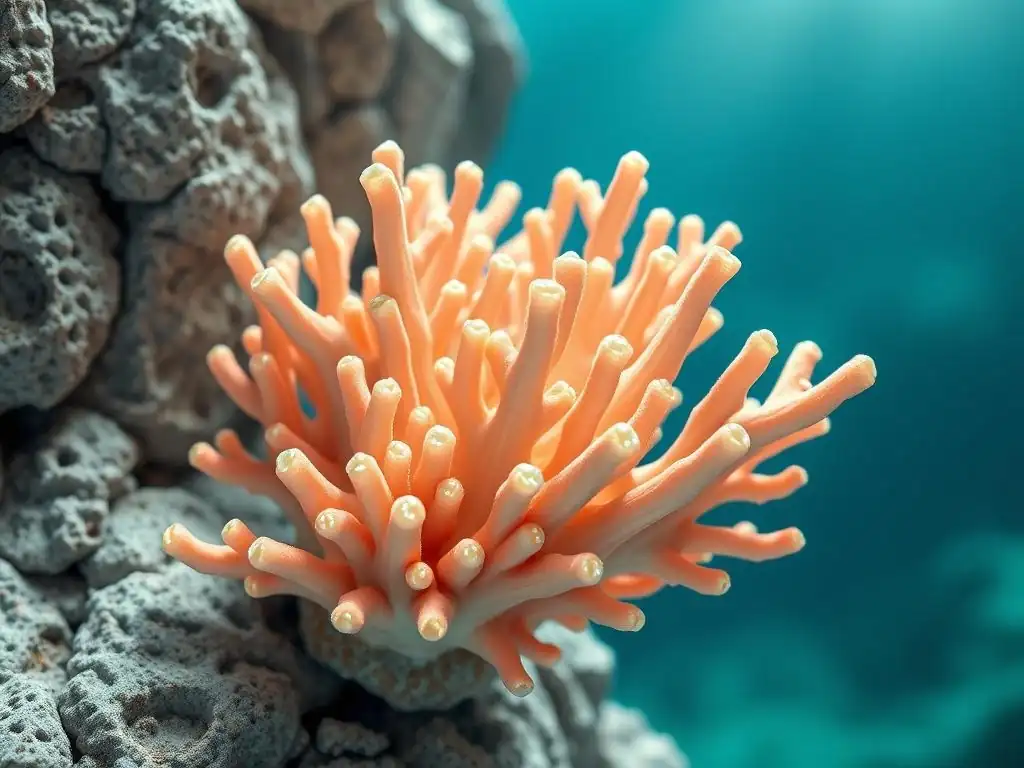
Feeding Strategies to Boost Montipora Growth Rates
While encrusting Montipora are primarily photosynthetic, deriving most of their energy from the symbiotic zooxanthellae within their tissues, supplemental feeding can significantly boost their Montipora coral growth guide and overall vitality. These corals are micro-feeders, capable of capturing very small particulate matter from the water column. Providing a diverse diet of fine particulate foods, such as marine snow, phytoplankton, and amino acid solutions, can enhance their metabolic processes. For example, dosing a high-quality amino acid solution 2-3 times per week can provide essential building blocks for tissue repair and growth, especially after fragging or during periods of rapid expansion.
Target feeding is generally not practical for encrusting Montipora due to their small polyps and spreading nature. Instead, broadcast feeding into the water column is more effective. Turning off circulation pumps for 15-30 minutes during feeding allows the food to remain suspended and accessible to the corals.
While some aquarists report enhanced color and faster growth with regular feeding, it's crucial to avoid overfeeding, which can lead to elevated nutrient levels (nitrates and phosphates) and encourage nuisance algae growth. A balanced approach, combining excellent lighting and water parameters with occasional, judicious feeding, will yield the best results for a healthy and rapidly expanding Montipora colony.
Maintaining Proper Alkalinity and Calcium Levels for Skeletal Growth
Consistent maintenance of alkalinity and calcium levels is the cornerstone of any successful Montipora coral growth guide, directly impacting the coral's ability to build and expand its stony skeleton. Montipora are calcifying organisms, meaning they extract calcium and carbonate ions from the water to form calcium carbonate, their primary skeletal material. A stable alkalinity level, ideally between 7-9 dKH, ensures a constant supply of carbonate ions. Daily consumption by corals can be significant; a mature 100-gallon reef tank with a dense SPS population might consume 0.5-1.0 dKH per day.
To counter this consumption, aquarists typically employ methods such as two-part dosing solutions, a calcium reactor, or kalkwasser. For example, a two-part solution involves adding separate calcium and alkalinity supplements daily, based on consumption rates determined by regular testing. Calcium should be maintained between 400-450 ppm.
Fluctuations in these parameters, even small ones, can stress the coral and lead to slowed growth or even tissue loss. Regular testing (daily for new tanks or tanks with high consumption, 2-3 times per week for stable tanks) and consistent dosing are paramount to providing the stable chemical environment necessary for robust skeletal development and achieving optimal Montipora coral growth guide results.
Preventing Algae Overgrowth on Encrusting Montipora
Preventing algae overgrowth on encrusting Montipora is critical, as nuisance algae can quickly smother and kill these delicate corals. Since Montipora grow by encrusting rockwork, they are particularly susceptible to competition from fast-growing algaes like bryopsis, hair algae, or even diatoms, especially when they are young frags or expanding into new territory. The primary strategy for prevention revolves around stringent nutrient control.
Keeping nitrates below 5 ppm and phosphates below 0.03 ppm is essential, as these are the primary fuel for algae growth. This can be achieved through regular water changes (e.g., 10-20% bi-weekly), effective protein skimming, and the use of phosphate-removing media like GFO (Granular Ferric Oxide) or biopellets.
Beyond nutrient control, strong and turbulent water flow plays a significant role by preventing detritus from settling on the coral's surface, which can otherwise act as a nutrient source for algae. Introducing a diverse clean-up crew, including various species of snails (e.g., Trochus, Turbo, Nassarius) and hermit crabs, can also help graze on nascent algae.
In cases where small patches of algae do appear, gentle manual removal with a soft brush (like a toothbrush) can be performed, taking extreme care not to damage the coral tissue. Consistently adhering to these practices is vital for maintaining a clean surface, allowing your Montipora coral growth guide efforts to flourish without competition.
Maintaining Your Encrusting Montipora: Long-Term Care Tips
Regular Observation: Identifying Potential Problems Early
Regular and meticulous observation is the cornerstone of long-term Montipora health and a successful Montipora coral growth guide. Daily visual inspections allow aquarists to identify subtle changes in the coral's appearance, which can be early indicators of stress, disease, or pest infestation. Look for:
- Color changes: Paling or browning can indicate issues with lighting, nutrients, or temperature.
- Tissue recession: A loss of flesh, often starting from the edges or base, can signal stress, disease, or predation.
- Polyp extension: Reduced or absent polyp extension might indicate poor water quality or irritation.
- Presence of pests: Small, unusual organisms on or near the coral.
For example, if a "Superman Montipora" begins to lose its vibrant blue polyp coloration and appears dull, it could be a sign of insufficient lighting or elevated nitrates. Early detection allows for prompt intervention, such as adjusting light intensity, performing a water change, or isolating the coral for closer inspection. Maintaining a consistent viewing routine, perhaps during daily feeding, provides familiarity with your Montipora's normal appearance, making deviations immediately noticeable.
Dealing with Common Montipora Pests and Diseases
Encrusting Montipora, despite their relative hardiness, are susceptible to several common pests and diseases that can quickly decimate a colony if left unchecked.
- Montipora-eating Nudibranchs (Phestilla spp.): These tiny, camouflaged sea slugs feed exclusively on Montipora, often matching the coral's color. Symptoms include localized tissue loss and visible eggs (small white spirals). Treatment typically involves manual removal with tweezers, combined with coral dips (e.g., Revive, Coral Rx) to kill eggs and remaining nudibranchs. Repeat dips every few days are often necessary for several weeks.
- Red Bugs (Tegastes acroporanus): These minute, reddish copepods irritate Montipora, leading to reduced polyp extension and stunted growth. They are best treated with specific medications like Interceptor (milbemycin oxime), following strict dosing protocols in a separate quarantine tank.
- Flatworms: While many flatworms are harmless, some can irritate corals. General coral dips can help eradicate them.
- Tissue Necrosis (RTN/STN): Rapid Tissue Necrosis (RTN) or Slow Tissue Necrosis (STN) involves rapid or gradual tissue loss. Often triggered by severe stress from water parameter swings, high nutrients, or infection, affected corals should be isolated, and water parameters stabilized. Fragging healthy tissue away from the necrosis can sometimes save parts of the colony.
Quarantining all new Montipora frags for at least 4-6 weeks and performing prophylactic dips is the most effective preventative measure against introducing these destructive pests and diseases, safeguarding your Montipora coral growth guide efforts.
Fragging Encrusting Montipora: Propagating for Trade or Expansion
Fragging encrusting Montipora is an effective way to propagate your colonies, manage their growth, or create new pieces for trade or sharing within the hobby. Unlike branching corals that can be easily snipped, encrusting Montipora require a more precise approach due to their close adherence to rockwork. The most common tools for fragging include bone cutters (for smaller, thinner sections) or a Dremel rotary tool with a diamond-coated cutting wheel (for larger, thicker colonies or those firmly attached to dense rock).
When fragging, select a healthy section of the colony, ensuring the piece you cut has a good amount of live tissue and at least a few polyps. For example, a 1-inch square piece is often sufficient. If using a Dremel, always perform cuts underwater to minimize coral dust and heat, and wear appropriate eye protection.
After the cut, allow the frag to heal in a low-stress, moderate-flow, moderate-light environment for a few days to a week before attempting to attach it to a new frag plug or rock. This healing period helps prevent infection and ensures the frag is robust enough for its new home, contributing positively to your overall Montipora coral growth guide strategy.
Troubleshooting Common Montipora Issues
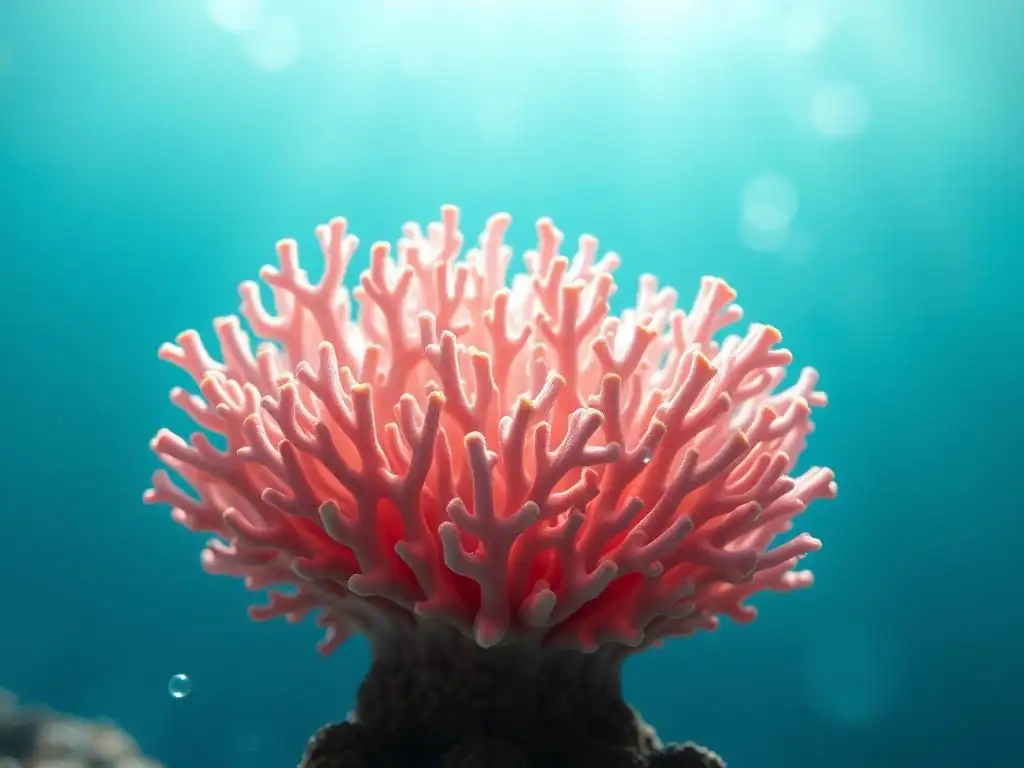
Identifying and Treating Montipora Bleaching
Montipora bleaching is a significant concern for aquarists and occurs when the coral expels its symbiotic zooxanthellae, leading to a loss of color and a translucent or stark white appearance. This phenomenon is primarily caused by severe stress. Common triggers include:
- Excessive light (high PAR): If a Montipora is suddenly exposed to PAR levels significantly higher than it's accustomed to (e.g., above 300-350 PAR for a prolonged period), it can bleach.
- Rapid temperature fluctuations: Swings of more than 2-3°F (1-1.5°C) within a day can induce stress.
- Poor water quality: Unstable or extreme parameters (e.g., dKH swings, very low alkalinity, high nitrates/phosphates).
- Disease or severe pest infestation: Though less common as a primary cause of full bleaching.
If bleaching is observed, immediate action is crucial. First, identify and rectify the underlying cause. If light is suspected, move the affected coral to a shadier, lower PAR area of the tank (e.g., 100-150 PAR) for several days to a week, gradually reintroducing it to higher light. Stabilize all water parameters to their optimal ranges. For example, if alkalinity has swung significantly, adjust it slowly over several days. While Montipora can recover from mild bleaching if the stressor is removed quickly, severe or prolonged bleaching can be fatal, highlighting the importance of a proactive Montipora coral growth guide.
Addressing Slow or Stunted Montipora Growth
Slow or stunted Montipora coral growth guide is a common frustration for reef keepers, often indicating that one or more environmental factors are not optimal. When growth lags, a systematic troubleshooting approach is necessary:
- Water Parameters: Re-test all core parameters (calcium, alkalinity, magnesium, salinity, temperature, nitrates, phosphates) with reliable test kits. Even slight deviations or inconsistencies can hinder calcification. For instance, if alkalinity dips below 6.5 dKH, Montipora growth will significantly slow or cease.
- Lighting: Verify PAR levels at the coral's location. Is it receiving sufficient light (150-300 PAR)? Has the light source degraded (e.g., old T5 bulbs, LEDs losing intensity)? Is the photoperiod appropriate (10-12 hours)?
- Water Flow: Assess the flow pattern around the coral. Is it receiving adequate, turbulent flow to prevent detritus buildup and ensure nutrient delivery? Dead spots can lead to stunted growth and algae competition.
- Feeding: While primarily photosynthetic, supplemental feeding of fine particulate foods or amino acids can sometimes kickstart growth if the coral is nutrient-deficient.
- Pests/Diseases: Conduct a thorough visual inspection for Montipora-eating nudibranchs, red bugs, or signs of tissue necrosis. Even a small, unnoticed pest population can divert the coral's energy from growth.
Addressing these factors systematically will often reveal the culprit behind slow growth, allowing you to fine-tune your tank environment for optimal Montipora coral growth guide.
Preventing Tissue Necrosis in Encrusting Montipora
Tissue necrosis, characterized by the rapid (RTN) or slow (STN) death and sloughing off of coral tissue, is a severe issue that can quickly destroy an encrusting Montipora colony. Prevention is far more effective than treatment, as once necrosis begins, it can be challenging to halt. Key preventative measures include:
- Maintain Absolute Parameter Stability: Avoid sudden swings in temperature (e.g., keep within a 1°F daily range), salinity, alkalinity, and calcium. Rapid drops or spikes are major stressors. For instance, an alkalinity drop of 2 dKH within 24 hours can trigger RTN.
- Optimal Water Quality: Consistently maintain ultra-low nitrates (below 5 ppm) and phosphates (below 0.03 ppm). High organic loads stress corals and can promote bacterial infections.
- Adequate Flow: Ensure strong, turbulent flow across the entire coral surface. Stagnant areas can lead to localized tissue death due to accumulated detritus or insufficient nutrient exchange.
- Prevent Physical Damage: Avoid bumping, scraping, or allowing other corals to sting or overgrow the Montipora. Even minor tissue damage can provide an entry point for bacterial infections.
- Quarantine New Corals: Always quarantine new Montipora frags and dip them to eliminate potential pests or pathogens before introducing them to your main display tank. This is a critical step in a comprehensive Montipora coral growth guide.
If necrosis is observed, fragging healthy tissue away from the affected area, if possible, can sometimes save a portion of the colony. However, the best approach is to create a stable, pristine environment where necrosis is unlikely to occur.
Showcasing the Living Art: Designing Your Reef with Encrusting Montipora
Creating Dynamic Textures with Montipora Placement
Encrusting Montipora offers unparalleled opportunities to transform the inert rockwork of a reef tank into a dynamic, living sculpture. Their ability to spread thinly over surfaces allows aquarists to create seamless transitions and unique textures that mimic natural reef formations. Instead of merely placing a frag on a flat surface, consider allowing an encrusting Montipora to grow over the edges of a shelf, creating a vibrant overhang. For example, a "Forest Fire Montipora" allowed to encrust a prominent arch can create a stunning, fiery bridge, adding depth and visual interest to the aquascape.
By strategically placing different encrusting Montipora species on various planes and angles of your rockwork, you can craft a multidimensional display. Imagine a deep purple Montipora spreading across a vertical face, contrasting with a bright orange Montipora encrusting a flat plateau below it. This approach leverages the coral's natural growth habit to enhance the overall aesthetic, making the rockwork itself a living component of the art. The slow, steady spread of these corals, guided by your initial placement, becomes a testament to a thoughtful Montipora coral growth guide and artistic vision.
Combining Different Montipora Species for Visual Appeal
The vast array of colors and subtle growth pattern variations within the Montipora genus makes them ideal for creating stunning visual compositions in a reef tank. By combining different encrusting Montipora species, you can achieve striking contrasts and harmonious blends of color that captivate the viewer. For instance, placing a vibrant "Superman Montipora" (red with blue polyps) adjacent to a "Sunset Montipora" (orange/yellow) on the same rock structure can create a fiery yet complementary visual effect. The key is to plan your layout, considering the mature size and spread of each colony.
When combining species, also consider their specific light and flow preferences, ensuring each chosen coral will thrive in its designated spot. While most encrusting Montipora share similar needs, slight variations in PAR requirements might necessitate careful positioning. Allow adequate space between different colonies initially, as their rapid Montipora coral growth guide can lead to them eventually growing into each other.
While some Montipora can co-exist without aggression, others may compete for space. Designing with Montipora is an ongoing process, allowing the aquarist to continually refine their living art as the colonies mature and interact, showcasing the full potential of a well-executed Montipora coral growth guide.
Frequently Asked Questions
What is Montipora coral, and why is it a popular choice for reef aquariums?
Montipora is a genus of small polyp stony (SPS) coral known for its diverse growth forms, including encrusting, plating, and branching varieties. It's popular because it adds color and texture to reef tanks and is generally easier to care for than some other SPS corals.
What are the ideal water parameters for optimal Montipora coral growth?
Montipora thrives in stable reef aquarium conditions. Key parameters include a temperature of 76-82°F (24-28°C), alkalinity between 8-11 dKH, calcium levels of 400-450 ppm, and magnesium levels of 1250-1350 ppm. Maintaining low nutrient levels (nitrates and phosphates) is also crucial.
How important is proper lighting and flow for Montipora coral health and growth?
Montipora corals generally require moderate to high lighting. Adequate water flow is essential to deliver nutrients, remove waste, and prevent detritus buildup, promoting healthy tissue and preventing bleaching.
What are some common signs of unhealthy Montipora coral, and how can I address them?
Signs of unhealthy Montipora include tissue recession, bleaching (loss of color), and slow growth. These issues can be caused by poor water quality, inadequate lighting, or pests. Addressing the root cause by improving water parameters, adjusting lighting, or treating for pests is essential for recovery.
What are some tips for fragging and propagating Montipora coral to expand my reef aquarium?
Montipora can be easily fragged using a coral saw or bone cutters. Secure the frag to a new rock or frag plug with coral glue or epoxy. Provide stable water conditions and adequate lighting for the new frag to thrive and encrust onto its new base.
Final Reflection: Embracing the Living Canvas
The journey of cultivating encrusting Montipora, as we've explored, is more than just coral husbandry; it's an active participation in the creation of living, breathing art. The vibrant textures and dynamic growth patterns these corals offer transform static rockwork into ever-evolving underwater landscapes, a testament to the beauty and resilience of the reef ecosystem we strive to replicate.
This delicate dance between aquarist and nature profoundly impacts our understanding of reef ecosystems. Observing the subtle nuances of Montipora growth, its response to light, flow, and water chemistry, fosters a deeper appreciation for the interconnectedness of life within our tanks and, by extension, the ocean itself. In every walk with nature, one receives far more than he seeks.
- John Muir. This sentiment perfectly encapsulates the rewarding experience of nurturing these corals and witnessing their transformative power.
Now, consider the potential within your own reef aquarium. How can you harness the unique characteristics of encrusting Montipora to craft a truly personalized underwater masterpiece? Embrace the challenge, experiment with placement and flow, and allow these vibrant corals to paint their own story upon your rockwork. The canvas awaits – will you answer the call to create?
Cultivate Your Reef: Watch Your Montipora Explode with Color!
Thanks for diving deep into the fascinating world of encrusting Montipora! Hopefully, you’re now armed with the knowledge to add some truly stunning, dynamic textures to your reef aquarium. Now, let's put that knowledge into action!
Here's how you can take the next step:
- Start Your Own Montipora Garden: Visit your local reef shop and select a vibrant encrusting Montipora frag to introduce into your aquarium. Prepare a suitable location on your rockwork and watch it flourish!
- Share Your Montipora Masterpiece: Take photos of your Montipora's progress and share them on reefing forums or social media using #AquariumMastery.
- Experiment with Placement: Try different lighting and flow conditions to see how they impact your Montipora's growth and coloration – you might discover some surprising results!
What unique spot on your rockwork are you envisioning for your first (or next!) encrusting Montipora colony?