
Top Food Choices for Vibrant and Healthy Dwarf Angelfish

Welcome to Aquarium Mastery!
Ever wondered about the secret to keeping your dwarf angelfish brilliantly colored and thriving? Dive in and discover the top food choices that will not only satisfy their appetites but also unlock their full potential. Get ready to transform your reef tank into a vibrant ecosystem!
- Understanding the Nutritional Needs of Dwarf Angelfish
- Best Food Options for Dwarf Angelfish in Reef Aquariums
- Reef-Safe Food Choices for Dwarf Angelfish
- Feeding Schedule and Portion Control for Dwarf Angelfish
- Supplementing Your Dwarf Angelfish Diet for Optimal Health
- Creating a Balanced Diet Plan for Your Dwarf Angelfish
- Common Feeding Mistakes to Avoid with Dwarf Angelfish
- Ensuring Water Quality for Healthy Feeding
- Recommended Brands: New Life Spectrum, Ocean Nutrition, LRS
- Troubleshooting: Refusal to Eat and Finicky Eaters
-
Frequently Asked Questions
- What are the best food types for dwarf angelfish to ensure vibrant colors?
- How often should I feed my dwarf angelfish?
- What are some good frozen food options for dwarf angelfish?
- Should I supplement my dwarf angelfish's diet with live food?
- What should I do if my dwarf angelfish is not eating the food I offer?
- Final Reflection: Nourishing the Reef's Jewels
- Nurture Your Angel's Radiance!
Understanding the Nutritional Needs of Dwarf Angelfish
Essential Nutrients: Protein, Lipids, Vitamins, and Minerals
Dwarf angelfish, belonging to the Centropyge genus, require a meticulously balanced diet rich in essential nutrients to thrive in a captive environment. Protein is paramount for growth, tissue repair, and overall vitality, ideally making up 35-50% of their diet, especially for juveniles. Lipids, or fats, provide concentrated energy and aid in the absorption of fat-soluble vitamins, typically comprising 8-15% of high-quality dwarf angelfish food choices. While carbohydrates are less crucial for marine fish, a small percentage can provide additional energy.
Beyond macronutrients, a comprehensive blend of vitamins and minerals is vital. Vitamins such as A, C, D, E, and the B-complex group support immune function, vision, bone development, and metabolic processes. Minerals like calcium and phosphorus are critical for skeletal structure, while trace elements such as iodine and selenium play roles in enzymatic reactions and overall physiological health. Deficiencies in these micronutrients can lead to stunted growth, faded coloration, and increased susceptibility to diseases, underscoring the importance of diverse dwarf angelfish food choices.
The Importance of a Varied Diet for Dwarf Angelfish
Relying on a single type of food, no matter how high-quality, will inevitably lead to nutritional imbalances or deficiencies over time for dwarf angelfish. In their natural habitats, these fish graze on a wide array of items, from various algae and detritus to small invertebrates like copepods and worms. Replicating this dietary diversity in the aquarium is crucial for providing a full spectrum of amino acids, fatty acids, vitamins, and minerals that no single food source can offer.
A varied diet not only ensures comprehensive nutrition but also stimulates natural foraging behaviors, reduces stress, and enhances overall health and coloration. For instance, a diet composed solely of brine shrimp, while palatable, is notoriously low in essential fatty acids and amino acids, potentially leading to conditions like Lateral Line Erosion (LLE) or weakened immune systems. Incorporating a mix of flakes, pellets, frozen foods, and even live options significantly improves the long-term well-being of your dwarf angelfish, making varied dwarf angelfish food choices paramount.
Best Food Options for Dwarf Angelfish in Reef Aquariums
High-Quality Marine Flakes and Pellets for Dwarf Angelfish
High-quality marine flakes and pellets serve as the cornerstone of many dwarf angelfish food choices due to their convenience, stability, and often fortified nutrient profiles. These commercial foods are specifically formulated to meet the dietary requirements of marine fish, containing a balance of protein, lipids, and essential vitamins and minerals. Look for products that list whole marine proteins (e.g., fish meal, krill, spirulina) as primary ingredients and avoid those with excessive fillers or terrestrial ingredients.
These foods are designed to be a complete daily diet, providing a consistent nutritional base. Many premium flakes and pellets incorporate natural color enhancers derived from ingredients like spirulina and astaxanthin, which can significantly boost the vibrant hues of species such as the Flame Angelfish ( Centropyge loriculus) or Lemonpeel Angelfish ( Centropyge flavissima). They are also typically fortified with stabilized Vitamin C, crucial for immune health in dwarf angelfish.
Selecting the Right Flake and Pellet Size: Considerations for Mouth Size
The relatively small mouth size of most dwarf angelfish species necessitates careful consideration of flake and pellet dimensions. For optimal ingestion and digestion, flakes should be easily crumbled into bite-sized pieces, and pellets should be micro-sized, typically ranging from 0.5mm to 1.5mm in diameter. Attempting to feed overly large food items can lead to the fish struggling to consume them, resulting in wasted food, reduced nutrient intake, and potential stress.
Using appropriately sized dwarf angelfish food choices ensures that all fish in the aquarium, including shyer individuals or those lower in the pecking order, can readily consume the food. When pellets are too large, they may be ignored or spat out, leading to uneaten food decaying in the tank and negatively impacting water quality. Proper sizing directly contributes to efficient feeding and overall health for your dwarf angelfish.
Top-Rated Commercial Foods: New Life Spectrum, Ocean Nutrition, and Reef Nutrition
Several brands consistently receive high marks for their quality and suitability as dwarf angelfish food choices. New Life Spectrum (NLS) is renowned for its high protein content (often exceeding 50%) and inclusion of spirulina and garlic, which are excellent for palatability and overall health. Their "Thrive" and "Marine Fish Formula" pellets are often a favorite among angelfish keepers.
Ocean Nutrition offers a diverse range of marine formulas, including "Formula One" and "Formula Two," which are popular for their balanced nutrient profiles and inclusion of various marine ingredients. Reef Nutrition specializes in highly concentrated, nutrient-dense products like "R.O.E." (fish eggs) and "Arcti-Pods," which are excellent for boosting the nutritional value of a dwarf angelfish diet. These brands prioritize quality ingredients and formulations designed for the specific needs of marine fish, making them reliable selections.
Frozen Foods: A Staple for Dwarf Angelfish Nutrition
Frozen foods are indispensable for a balanced dwarf angelfish diet, offering a level of freshness and natural nutrient content that dry foods cannot fully replicate. They are highly palatable, often enticing even finicky eaters, and provide essential fatty acids and proteins that are crucial for vibrant coloration, robust immune systems, and successful breeding. Frozen options also allow for greater dietary variety, mimicking the diverse natural prey of angelfish.
The texture and movement of thawed frozen foods can stimulate a strong feeding response, encouraging less active or newly introduced dwarf angelfish to eat. They are excellent for conditioning fish, aiding in recovery from stress or illness, and providing a significant boost of energy. Properly preparing and offering frozen dwarf angelfish food choices is key to maximizing their benefits while minimizing water quality impacts.
Brine Shrimp and Mysis Shrimp: Excellent Protein Sources
Brine shrimp ( Artemia salina) are a common frozen food, highly palatable and excellent for stimulating appetite. However, adult brine shrimp are nutritionally limited unless enriched (e.g., with spirulina or highly unsaturated fatty acids, HUFA). They are often used as an initial enticement for new or shy dwarf angelfish due to their irresistible movement and taste.
Mysis shrimp ( Mysis relicta or Mysidopsis bahia), by contrast, are far superior nutritionally. They are rich in protein (often around 60% dry weight) and essential fatty acids like Omega-3, which are vital for marine fish health. Mysis shrimp are an excellent primary frozen dwarf angelfish food choice, promoting robust growth, strong immune function, and vibrant colors. Most dwarf angelfish readily accept them.
Marine Algae Sheets: Supporting Herbivorous Needs
Many dwarf angelfish species, particularly those from the Centropyge genus, have a significant herbivorous component to their natural diet, grazing on various types of algae and detritus. Providing marine algae sheets, such as dried nori or spirulina sheets, is crucial to meet these needs and prevent nutritional deficiencies. This roughage aids in digestion and can help prevent issues like Lateral Line Erosion (LLE), which is often linked to dietary imbalances.
Algae sheets can be offered using a veggie clip attached to the aquarium glass, allowing the dwarf angelfish to graze naturally throughout the day. This provides continuous foraging opportunities, mimicking their behavior in the wild. Ensuring adequate herbivorous dwarf angelfish food choices helps maintain digestive health and contributes to their overall vitality and vibrant appearance.
Frozen Food Preparation and Feeding Tips: Thawing and Rinsing
Proper preparation of frozen foods is essential for both fish health and water quality. Always thaw frozen foods in a small cup of tank water or RO/DI water; never use a microwave, as this can destroy vital nutrients. Once thawed, it is highly recommended to rinse the food using a fine-mesh net under clean RO/DI water.
Rinsing helps remove phosphates, nitrates, and other dissolved organic compounds present in the packing liquid, which can otherwise contribute to nuisance algae blooms and degrade water quality in your reef tank. Only feed small portions at a time, ensuring all food is consumed within a few minutes to prevent waste and maintain pristine conditions for your dwarf angelfish.
Live Foods: Enhancing Natural Foraging Behaviors
Live foods offer unparalleled nutritional value and stimulate natural hunting and foraging behaviors in dwarf angelfish, often proving irresistible even to the most finicky eaters. While they require careful sourcing to avoid introducing pathogens, their benefits for conditioning, stimulating appetite, and providing peak freshness are significant. Live foods can be particularly beneficial for newly acquired fish or those recovering from stress.
The movement of live prey encourages dwarf angelfish to actively hunt and chase, providing mental stimulation and physical exercise. This can lead to more vibrant and active fish, mimicking their natural environment more closely than prepared foods alone. When considering live dwarf angelfish food choices, always prioritize reputable suppliers to minimize health risks.
Cultured Copepods: A Natural Food Source for Dwarf Angelfish
Cultured copepods are tiny crustaceans that are an excellent, natural food source for dwarf angelfish, especially for smaller species or juveniles. They are rich in highly unsaturated fatty acids (HUFA), which are crucial for marine fish development and health. Copepods are a primary food source for many marine fish in the wild, making them an ideal mimic of their natural diet.
Beyond their nutritional value as dwarf angelfish food choices, copepods also contribute to the overall health of a reef aquarium by grazing on nuisance algae and detritus. Regularly dosing copepods into your tank provides a continuous, natural foraging opportunity, encouraging your angelfish to graze throughout the day and providing a constant supply of fresh, nutritious prey.
Blackworms and Other Live Worms: Supplementing Protein Intake
Live blackworms can be a valuable supplement to the dwarf angelfish diet, offering a high-protein boost and a different texture that can entice reluctant eaters. While they are freshwater worms, they are generally accepted by marine fish and provide a good source of essential amino acids. They offer an engaging hunting experience for the angelfish, stimulating their predatory instincts.
However, blackworms should be offered sparingly and as a supplement, not a staple, to the dwarf angelfish diet. Always source them from reputable aquatic suppliers to minimize the risk of introducing parasites or diseases into your aquarium. Ensuring they are thoroughly rinsed before feeding is also important to maintain water quality.
Reef-Safe Food Choices for Dwarf Angelfish
Identifying Reef-Safe Food Options: Avoiding Copper-Based Additives
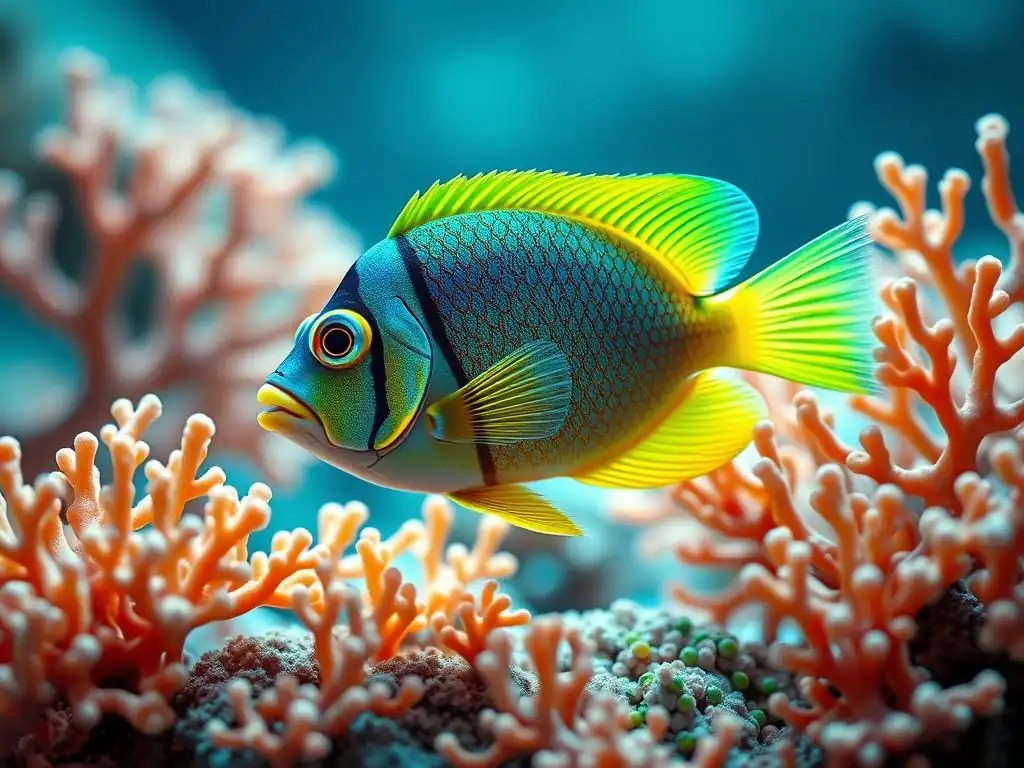
When selecting dwarf angelfish food choices for a reef aquarium, the term "reef-safe" extends beyond the fish itself to include corals and invertebrates. A critical consideration is avoiding foods that contain copper-based additives. Copper, even in trace amounts, is highly toxic to most invertebrates, including corals, shrimp, snails, and crabs. Some medicated fish foods or general fish foods not specifically designed for reef tanks may contain copper.
Always scrutinize the ingredient list of any commercial food product. If copper sulfate or any other copper compound is listed, it is unsuitable for a reef environment. Prioritizing foods explicitly labeled "reef-safe" or "invert-safe" ensures that your dwarf angelfish food choices will not inadvertently harm the delicate balance of your coral and invertebrate population.
Avoiding Foods That May Harm Corals and Invertebrates: Large Portion Sizes
While the food itself might be reef-safe, the quantity of food offered is equally important in a reef tank. Overfeeding, even with appropriate dwarf angelfish food choices, can lead to significant problems for corals and invertebrates. Uneaten food quickly breaks down, releasing nitrates and phosphates, which fuel nuisance algae blooms (e.g., hair algae, diatoms, cyanobacteria) that can smother and outcompete corals for light and space.
Furthermore, decaying food particles can directly settle on corals, causing irritation, tissue recession, and even necrosis. Large portions also contribute to overall poor water quality, stressing all inhabitants. Therefore, strict portion control and ensuring all food is consumed within a few minutes are crucial practices for maintaining a thriving reef environment, regardless of the specific dwarf angelfish food choices.
Feeding Schedule and Portion Control for Dwarf Angelfish
Establishing a Consistent Feeding Routine: Multiple Small Feedings Daily
Establishing a consistent feeding routine is vital for the health and well-being of dwarf angelfish. Instead of one large meal, it is far more beneficial to offer multiple small feedings throughout the day, typically 2-3 times. This approach mimics their natural grazing behavior in the wild, where they continuously pick at algae and small invertebrates. Smaller, more frequent meals allow for better nutrient absorption and reduce the amount of uneaten food decaying in the tank.
A consistent schedule also helps reduce stress for the fish, as they learn when to anticipate meals. This method minimizes spikes in water parameters that can occur from large food dumps, contributing to a more stable and healthy environment. Adopting this routine is a cornerstone of effective dwarf angelfish food choices and care.
Preventing Overfeeding in Your Reef Tank: Monitoring Nitrate Levels
Overfeeding is one of the most common mistakes in aquarium husbandry and a leading cause of poor water quality in reef tanks. When dwarf angelfish food choices are given in excess, uneaten portions rapidly decompose, releasing ammonia, which then converts to nitrite and finally to nitrates and phosphates. High levels of these compounds fuel unsightly nuisance algae blooms and can stress corals and invertebrates, making them susceptible to disease.
Regularly monitoring your nitrate levels (e.g., weekly or bi-weekly) with a reliable test kit is a key indicator of your feeding practices. If nitrates consistently rise above 10-20 ppm in a reef tank, it is a strong sign of overfeeding or insufficient water changes. Adjusting the quantity of dwarf angelfish food choices offered and ensuring all food is consumed within 1-2 minutes are crucial steps to maintain pristine water quality.
Supplementing Your Dwarf Angelfish Diet for Optimal Health
Vitamin and Mineral Supplements: Selcon and Vita-Chem
Even with a varied diet, some essential vitamins and minerals can degrade over time in prepared foods or be lost during thawing. Supplementing dwarf angelfish food choices with liquid vitamin and mineral solutions can significantly boost their nutritional value and help prevent deficiencies. Selcon is a popular supplement rich in highly unsaturated fatty acids (HUFA) and Vitamin C, crucial for marine fish health and vibrant coloration.
Vita-Chem is another widely used broad-spectrum vitamin supplement that provides a comprehensive array of vitamins. These supplements are typically used by soaking frozen or dry foods for 10-15 minutes before feeding. This fortification enhances the nutritional profile of the food, promoting stronger immune systems, better growth, and increased disease resistance in your dwarf angelfish.
Garlic Supplements: Promoting Appetite and Disease Resistance
Garlic has long been recognized in the aquarium hobby for its ability to act as an appetite stimulant, making it a valuable addition to dwarf angelfish food choices, especially for new or finicky eaters. Many fish are strongly attracted to the scent and taste of garlic, encouraging them to accept new foods or resume eating during times of stress or recovery from illness. Products like Seachem GarlicGuard are specifically designed for this purpose.
While scientific evidence on its direct immune-boosting properties in fish varies, anecdotal reports suggest it can contribute to overall vitality and disease resistance. Soaking foods in a garlic supplement prior to feeding can make them more palatable and enticing, ensuring that your dwarf angelfish receive the necessary nutrients even when their appetite is suppressed.
Creating a Balanced Diet Plan for Your Dwarf Angelfish
Combining Different Food Types for Comprehensive Nutrition
A truly balanced dwarf angelfish food choice plan integrates multiple food types to provide comprehensive nutrition. A typical weekly schedule might involve feeding high-quality marine pellets or flakes daily as a base. Frozen foods like mysis shrimp should be offered 3-4 times a week for essential proteins and fatty acids, while marine algae sheets should be available 2-3 times a week to satisfy their herbivorous needs and provide roughage.
Occasional additions of live copepods or blackworms can further enhance their diet, providing natural foraging opportunities and peak nutritional value. The key is to rotate these foods, ensuring that your dwarf angelfish receives a wide array of nutrients throughout the week, preventing deficiencies and promoting robust health.
Monitoring Your Dwarf Angelfish's Feeding Habits and Adjusting the Diet
Constant observation of your dwarf angelfish's feeding habits is crucial for fine-tuning their diet. Pay attention to how readily they accept different foods, their activity levels, coloration, and overall body condition. A healthy, well-fed dwarf angelfish will exhibit vibrant colors, be active and alert, and have a full, rounded belly after feeding.
If you notice signs of faded coloration, lethargy, or a lack of appetite, it may indicate a nutritional deficiency or other underlying issue requiring adjustment of their dwarf angelfish food choices. Experiment with different food types, sizes, and supplements to find the optimal combination that keeps your specific angelfish healthy and thriving. Patience and responsiveness to their needs are key.
Common Feeding Mistakes to Avoid with Dwarf Angelfish
Overfeeding and Its Consequences: Algae Blooms and Poor Water Quality
One of the most detrimental feeding mistakes is overfeeding. While it might seem harmless, providing excessive dwarf angelfish food choices leads to uneaten food accumulating and decaying rapidly in the aquarium. This decomposition releases ammonia, which converts into nitrates and phosphates, fueling aggressive nuisance algae blooms such as hair algae, diatoms, and cyanobacteria.
Beyond aesthetics, poor water quality from overfeeding stresses all inhabitants, including your dwarf angelfish, making them more susceptible to diseases and reducing their lifespan. High nutrient levels also directly harm sensitive corals and invertebrates in a reef tank. Always feed small amounts that can be consumed within 1-2 minutes to prevent these severe consequences.
Offering Inappropriate Food Items: Terrestrial Foods
A common mistake is offering food items not naturally found in a marine environment, particularly terrestrial foods. Items like peas, lettuce, or beef heart, while sometimes used for freshwater fish, are entirely unsuitable as dwarf angelfish food choices. Marine fish have digestive systems specifically adapted to process marine proteins, lipids, and carbohydrates.
Feeding terrestrial foods can lead to severe digestive upset, nutrient deficiencies, and long-term organ damage, as these foods lack the specific amino acid profiles and fatty acids required by marine species. Stick exclusively to marine-grade foods formulated for saltwater fish to ensure their specialized dietary needs are met.
Neglecting the Importance of a Varied Diet: Nutritional Deficiencies
Failing to provide a varied diet is a critical mistake that can lead to chronic nutritional deficiencies. Even if a single food item is high-quality, it cannot provide the full spectrum of nutrients found in a diverse diet. For example, feeding only frozen brine shrimp, while palatable, will eventually lead to deficiencies in essential fatty acids and certain vitamins.
These deficiencies can manifest in various ways, including faded coloration, fin erosion, Lateral Line Erosion (LLE), stunted growth, weakened immune systems, and increased susceptibility to common marine diseases. A monotonous diet compromises the long-term health and vitality of your dwarf angelfish, underscoring the absolute necessity of diverse dwarf angelfish food choices.
Ensuring Water Quality for Healthy Feeding
Maintaining Optimal Water Parameters for Dwarf Angelfish
Excellent water quality is the fundamental prerequisite for a healthy appetite and efficient nutrient absorption in dwarf angelfish. If water parameters are off, fish become stressed, their immune systems are compromised, and their desire to eat diminishes, regardless of the quality of dwarf angelfish food choices offered. Key parameters include stable salinity (1.023-1.026 specific gravity), consistent temperature (74-78°F), appropriate pH (8.0-8.4), and stable alkalinity (7-11 dKH), calcium (400-450 ppm), and magnesium (1250-1350 ppm) in reef systems.
Regular testing and diligent maintenance to keep these parameters within optimal ranges create a stable and comfortable environment. In such conditions, dwarf angelfish feel secure enough to feed vigorously, digest their food properly, and utilize nutrients effectively for growth and health.
Regular Water Changes and Their Impact on Feeding
Regular water changes are indispensable for maintaining pristine water quality and directly impact a dwarf angelfish's willingness to eat. Water changes (e.g., 10-20% bi-weekly or monthly, depending on tank size and stocking) remove accumulated nitrates, phosphates, and other dissolved organic compounds that can build up from fish waste and uneaten dwarf angelfish food choices.
By refreshing the water, trace elements are replenished, and overall water clarity and cleanliness are improved. A clean, stable environment reduces stress on the fish, encourages a strong appetite, and ensures that the nutrients from their food are absorbed efficiently, contributing significantly to their overall health and longevity.
Recommended Brands: New Life Spectrum, Ocean Nutrition, LRS
For high-quality commercial flakes and pellets that form excellent dwarf angelfish food choices, New Life Spectrum (NLS) is consistently recommended. Their formulas are known for high protein content, spirulina, and a lack of fillers, promoting vibrant colors and robust health. Ocean Nutrition also offers a reliable range, with products like Formula One and Two providing balanced nutrition for a variety of marine fish.
When it comes to premium frozen dwarf angelfish food choices, Larry's Reef Services (LRS) is a top-tier brand. Their frozen blends, such as "Reef Frenzy" and "Fish Frenzy," use fresh, whole ingredients like mysis shrimp, plankton, and spirulina, often in unique and highly palatable combinations that provide superior nutrition and are eagerly accepted by dwarf angelfish.
Troubleshooting: Refusal to Eat and Finicky Eaters
If your dwarf angelfish refuses to eat, the first step is always to check water parameters immediately. Poor water quality (e.g., high ammonia, nitrite, or nitrates) is a primary cause of appetite loss. Once water quality is confirmed to be optimal, consider other stressors such as new tank mates, aggression from existing fish, or the stress of a new environment.
For finicky eaters or those new to the tank, enticing them with highly palatable live or frozen foods is often effective. Try offering small amounts of frozen mysis shrimp, live copepods, or blackworms. Soaking their food in an appetite stimulant like garlic extract (e.g., Seachem GarlicGuard) or a vitamin supplement (e.g., Vita-Chem) can also encourage them to eat. Patience and persistence are key when introducing new dwarf angelfish food choices or dealing with reluctant feeders.
Frequently Asked Questions
What are the best food types for dwarf angelfish to ensure vibrant colors?
Dwarf angelfish thrive on a varied diet. Offer them a mix of high-quality flake food, frozen foods like mysis shrimp, and algae-based foods to enhance their coloration.
How often should I feed my dwarf angelfish?
Feed dwarf angelfish small amounts two to three times a day. This prevents overfeeding and helps maintain good water quality in your aquarium.
What are some good frozen food options for dwarf angelfish?
Excellent frozen food choices include mysis shrimp, brine shrimp, and cyclops. These provide essential nutrients and promote healthy growth and vibrant colors.
Should I supplement my dwarf angelfish's diet with live food?
While not essential, offering live foods like small worms occasionally can be beneficial. Live food provides enrichment and encourages natural feeding behaviors.
What should I do if my dwarf angelfish is not eating the food I offer?
If your dwarf angelfish is refusing food, check your water parameters and ensure they are within the ideal range. Also, consider offering a variety of foods to see if one is preferred.
Final Reflection: Nourishing the Reef's Jewels
The journey to understanding the optimal dwarf angelfish food choices is more than just a matter of aquarium maintenance; it's about preserving the delicate beauty and biodiversity of our simulated reef environments. By prioritizing nutrient-rich and species-appropriate diets, we actively contribute to the well-being of these captivating creatures and the overall health of our aquatic ecosystems.
This exploration into the dietary needs of dwarf angelfish has profoundly influenced my perspective on responsible reef keeping. It's a constant reminder that our actions, however small, have a direct impact on the lives of these animals and the intricate balance of their world. We are tied to the ocean. And when we go back to the sea, whether it is to sail or to watch it, we are going back from whence we came.
- John F. Kennedy. This quote resonates deeply, highlighting our inherent connection to the ocean and the responsibility we bear to protect its inhabitants, even within the confines of our aquariums.
Now, consider the power you hold as a reef enthusiast. By implementing these insights into your own aquariums, you're not just feeding fish; you're fostering a thriving ecosystem and contributing to the long-term health of these magnificent dwarf angelfish. Embrace the opportunity to become a steward of the reef, and let your dedication to providing optimal nutrition shine as brightly as the vibrant colors of your angelfish.
Nurture Your Angel's Radiance!
Thank you for diving into the dietary world of Dwarf Angelfish! We hope you've gained valuable insights into keeping your aquatic companions healthy and vibrant. Now, let's put that knowledge into action!
Here are a few things you can do to ensure your Dwarf Angelfish thrive:
- Immediately review your current feeding schedule and make sure it contains at least two high-quality foods from the list, and incorporate an occasional live food offering.
- Explore offering unique food sources, such as spirulina enriched brine shrimp, to add variety and boost their immune system.
- Share this article with fellow aquarists to spread the knowledge and help more Dwarf Angelfish thrive.
What is one specific food item you plan to introduce to your Dwarf Angelfish's diet this week?