
Quarantine Protocol for New Saltwater Angelfish: StepbyStep for Success

Welcome to Aquarium Mastery!
Considering adding a majestic saltwater angelfish to your reef tank? Think you're ready? Before you do, discover the crucial steps in our comprehensive saltwater angelfish quarantine protocol. Ensuring a healthy transition for your new fish is paramount, and skipping this process could lead to disaster. Dive in to learn our proven methods and protect your existing aquatic ecosystem. Let's get started!
- Why a Saltwater Angelfish Quarantine is Crucial
- Setting Up Your Saltwater Angelfish Quarantine Tank
-
Step-by-Step Saltwater Angelfish Quarantine Procedure
- Step 1: Acclimation to the Quarantine Tank
- Step 2: Initial Observation Period (Days 1-7)
- Step 3: Freshwater Dip (Optional, but Recommended)
- Step 4: Medication (If Necessary)
- Step 5: Gradual Weaning onto Prepared Foods
- Step 6: Extended Observation Period (Weeks 2-4)
- Step 7: Transfer to the Display Tank
- Common Saltwater Angelfish Diseases and Quarantine Treatment
- Troubleshooting Common Quarantine Issues
- Maintaining a Healthy Quarantine System for Future Angelfish
- Post-Quarantine: Ensuring Long-Term Angelfish Health
-
Frequently Asked Questions
- How long should I quarantine a new saltwater angelfish?
- What size quarantine tank is suitable for a saltwater angelfish?
- What water parameters should I maintain in the quarantine tank?
- What should I feed my angelfish during quarantine?
- What are some common diseases to watch for in quarantined angelfish?
- Final Reflection: Ensuring a Thriving Future for Saltwater Angelfish
- Ignite Your Angelfish Adventure!
Why a Saltwater Angelfish Quarantine is Crucial
Protecting Your Established Reef Tank
Introducing a new saltwater angelfish without proper quarantine poses a significant risk to your entire established reef tank. Even seemingly healthy fish can carry dormant pathogens such as Cryptocaryon irritans (Marine Ich), Amyloodinium ocellatum (Marine Velvet), or Brooklynella hostilis. These highly contagious diseases can rapidly spread to your existing fish population, invertebrates, and even some corals, leading to widespread illness and potentially devastating losses. The financial and emotional investment in a thriving reef tank, often valued from hundreds to thousands of dollars in livestock, demands a preventative approach.
A robust saltwater angelfish quarantine protocol acts as an essential biological barrier, safeguarding your carefully cultivated ecosystem. It prevents the introduction of these unseen threats, which, once established in the main display, are incredibly difficult and costly to eradicate without harming sensitive corals or beneficial bacteria. By isolating new additions, you protect your current inhabitants from stress, disease, and the need for potentially harmful in-tank treatments that can disrupt the delicate balance of a reef environment.
Preventing Disease Introduction: A Must for Angelfish
Angelfish, particularly species like the vibrant Flame Angelfish ( Centropyge loriculus) or the majestic Emperor Angelfish ( Pomacanthus imperator), are often subjected to significant stress during capture, shipping, and acclimation to new environments. This stress can compromise their immune systems, making them highly susceptible to developing and spreading diseases. A dedicated quarantine period allows these fish to recover from the rigors of transit in a controlled, isolated setting, where they can be closely monitored for any signs of illness.
Implementing a saltwater angelfish quarantine protocol provides a critical window for proactive disease management. Instead of waiting for an outbreak in your main tank, you can identify and treat any emergent infections in the contained environment of the quarantine tank. This targeted approach prevents the rapid proliferation of pathogens, ensuring that only healthy, disease-free angelfish are introduced to your display aquarium, thereby preserving the health and longevity of your entire aquatic community.
Understanding the Risks of Skipping Quarantine
The decision to skip a saltwater angelfish quarantine protocol is a gamble with potentially catastrophic consequences. Without a quarantine period, any pathogen carried by the new angelfish is immediately released into the main display tank.
This can trigger a rapid, system-wide outbreak of diseases like Marine Ich, which can spread to nearly all fish within days, or Marine Velvet, which can cause significant fatalities in less than 48 hours if highly virulent. Treating such an outbreak in a reef tank often necessitates removing all fish for external treatment, leaving the main tank fishless for weeks or months to break the parasite's life cycle.
Beyond the immediate threat to fish, many common marine fish medications, such as copper-based treatments, are highly toxic to corals and most invertebrates. This means that an outbreak in a reef tank might force you to choose between treating your fish and losing your invertebrate and coral inhabitants, or risking the loss of your fish.
The financial impact alone can be substantial; a single outbreak could lead to the loss of hundreds or even thousands of dollars in livestock, not to mention the emotional toll and the extensive time required to stabilize and restock the tank. A proper quarantine is an investment in prevention that far outweighs the risks of omission.
Setting Up Your Saltwater Angelfish Quarantine Tank
Choosing the Right Quarantine Tank Size for Angelfish
The appropriate size for a saltwater angelfish quarantine tank largely depends on the species and adult size of the angelfish you intend to house. For smaller dwarf angelfish, such as the Coral Beauty ( Centropyge bispinosa), a 10-20 gallon aquarium is generally sufficient to provide adequate swimming space and maintain stable water parameters throughout a typical 4-6 week quarantine period. However, for larger species like the Queen Angelfish ( Holacanthus ciliaris) or even a juvenile Emperor Angelfish, a 30-40 gallon tank, or even larger, would be necessary to reduce stress and allow for proper waste dilution.
Selecting an appropriately sized quarantine tank is crucial for the angelfish's well-being during the saltwater angelfish quarantine protocol. A tank that is too small will inevitably lead to increased stress, aggressive behavior, and rapid degradation of water quality, making the fish more susceptible to illness. Conversely, a larger volume provides greater stability for water parameters like temperature, salinity, and pH, which are vital for a fish recovering from transport stress and potentially undergoing medication. This stability minimizes additional stressors on the fish, promoting a smoother transition to health.
Essential Equipment for a Successful Quarantine Setup
Heater and Thermostat: Maintaining Stable Water Temperature
Maintaining a stable water temperature is paramount for the health and recovery of any new saltwater angelfish undergoing quarantine. Angelfish thrive within a narrow temperature range, typically between 76-80°F (24.4-26.7°C). Fluctuations outside this range, even by a few degrees, can significantly stress the fish, suppress its immune system, and make it more vulnerable to disease. A reliable, appropriately sized heater paired with an accurate, external thermostat is indispensable for consistently holding the desired temperature.
When selecting a heater, consider the volume of your quarantine tank. For instance, a 20-gallon tank might require a 50-100 watt heater, while a 40-gallon setup would benefit from a 150-200 watt unit. Always use a separate, calibrated thermometer to verify the temperature reading, as built-in heater thermostats can sometimes be inaccurate. This dual monitoring ensures precise temperature control, a critical factor in the success of any saltwater angelfish quarantine protocol, especially if medications are temperature-sensitive.
Filtration: Biological and Mechanical Filtration for Quarantine
Effective filtration in a quarantine tank is essential for maintaining pristine water quality, which is crucial for a recovering angelfish. You will need both biological and mechanical filtration. Biological filtration, often provided by a sponge filter or a small hang-on-back (HOB) filter containing bio-media, is responsible for the nitrification cycle, converting toxic ammonia and nitrite into less harmful nitrate. Mechanical filtration, typically achieved with filter floss or sponges, removes particulate matter and uneaten food, preventing the buildup of organic waste.
Ideally, your quarantine tank should be cycled before the angelfish arrives. This can be achieved by transferring established bio-media from your main display tank's sump or using a high-quality bottled beneficial bacteria product. An uncycled quarantine tank will experience dangerous ammonia and nitrite spikes as the angelfish produces waste, severely stressing the fish and potentially leading to death. Regular maintenance of these filters, including rinsing mechanical media in old tank water, ensures they function optimally throughout the saltwater angelfish quarantine protocol.
Lighting: Providing Appropriate Lighting for Angelfish
The primary purpose of lighting in a quarantine tank is to facilitate observation of the angelfish and establish a regular day/night cycle. Unlike a display tank, there is no need for high-intensity, full-spectrum reef lighting. A simple LED strip light or even ambient room light is perfectly adequate. The goal is to provide enough illumination to clearly see the fish and detect any signs of disease or unusual behavior, without adding unnecessary stress.
In fact, dimmer lighting can be beneficial for newly introduced angelfish. Many species are shy or stressed after transport and will acclimate more comfortably in a less brightly lit environment. Reduced light levels can encourage them to come out of hiding more readily, allowing for better observation of their feeding habits and overall behavior. This subtle approach to lighting helps create a low-stress environment, which is a key component of a successful saltwater angelfish quarantine protocol.
Substrate: Bare Bottom vs. Substrate in Quarantine
For a saltwater angelfish quarantine protocol, a bare-bottom tank is almost universally recommended over one with substrate. A bare bottom significantly simplifies cleaning and maintenance. It allows for easy siphoning of uneaten food, fish waste, and any visible parasites that may fall off the fish, preventing the buildup of detritus that can degrade water quality and harbor pathogens. This enhanced hygiene is critical in a small, contained environment where fish are potentially stressed or undergoing medication.
Furthermore, many common medications used in quarantine, particularly copper-based treatments, can be absorbed by calcareous substrates like aragonite or crushed coral. This absorption reduces the medication's effectiveness and makes it difficult to maintain a consistent therapeutic dose. A bare-bottom tank ensures that medications remain in the water column at their intended concentration, maximizing their efficacy. The absence of substrate also makes it easier to observe the angelfish's natural waste production, which can be an indicator of internal health.
Water Parameters: Maintaining Optimal Water Quality
Maintaining optimal and stable water parameters is paramount throughout the entire saltwater angelfish quarantine protocol. For marine angelfish, this typically means a specific gravity of 1.020-1.025, a pH between 8.1-8.4, alkalinity (dKH) between 7-12, and crucially, ammonia and nitrite levels at 0 ppm. Nitrate levels should be kept as low as possible, ideally below 20 ppm, and preferably under 10 ppm, to minimize stress on the fish's immune system. Regular and accurate testing using reliable test kits is absolutely non-negotiable.
Consistency in these parameters is just as important as the target values. Sudden fluctuations in salinity, pH, or temperature can be highly stressful for angelfish, particularly those already recovering from shipping or battling an illness. To achieve this stability, perform small, frequent water changes (e.g., 10-20% every 3-5 days) using properly mixed, de-chlorinated, and temperature-matched saltwater. This proactive approach to water quality management provides the best possible environment for the angelfish to recover and thrive during its isolation period.
Step-by-Step Saltwater Angelfish Quarantine Procedure
Step 1: Acclimation to the Quarantine Tank
Drip Acclimation Method for Delicate Angelfish
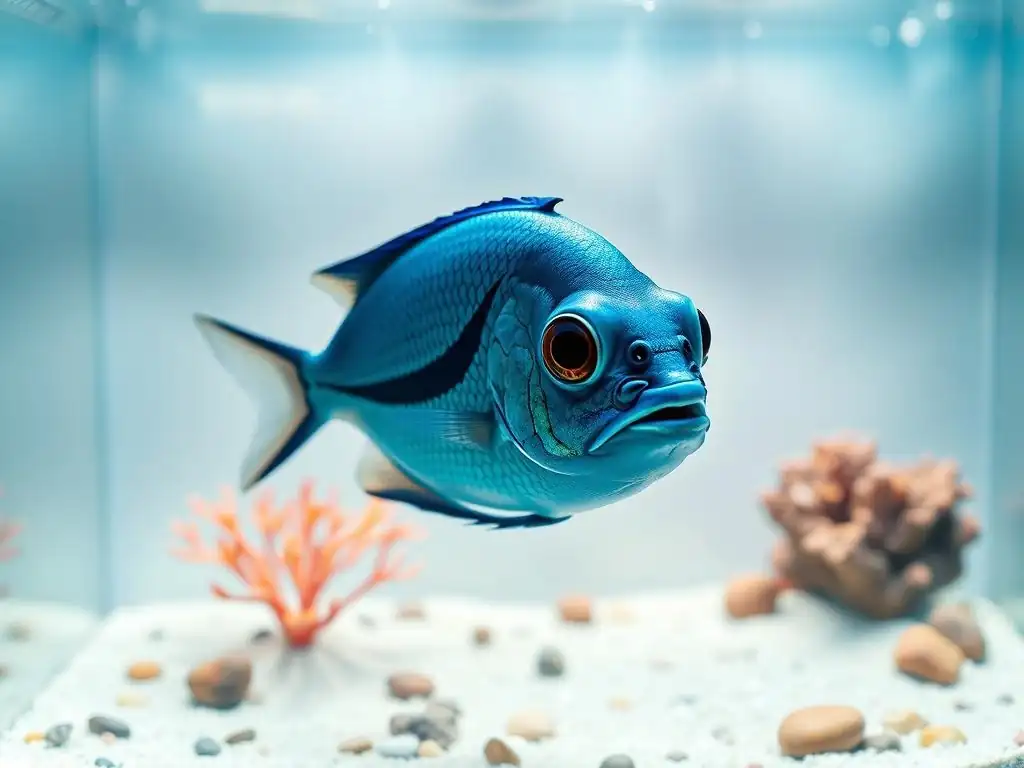
The acclimation process is a critical first step in any saltwater angelfish quarantine protocol, especially for delicate species. Drip acclimation is highly recommended because it slowly introduces the quarantine tank's water to the water the angelfish arrived in, minimizing osmotic shock. This gradual mixing helps the fish adjust to differences in salinity, pH, and temperature, which can vary significantly between the transport bag and the quarantine system. Rapid changes in these parameters are a major source of stress and can weaken the fish's immune response, making it more vulnerable to disease.
To perform drip acclimation, place the angelfish (still in its bag water) into a clean, appropriately sized container. Use a length of airline tubing to siphon water from the quarantine tank into the container. Tie a loose knot in the tubing or use an airline valve to control the drip rate, aiming for approximately 1-2 drips per second.
Allow the volume of water in the container to slowly double over a period of 30-60 minutes. Once acclimated, gently net the angelfish and transfer it to the quarantine tank, discarding all the water from the container to prevent introducing any potential pathogens from the shipping water.
Step 2: Initial Observation Period (Days 1-7)
Monitoring for Signs of Stress or Disease
The first week in quarantine is a crucial observation period where daily, meticulous monitoring is essential. Upon introduction, closely watch your angelfish for any immediate signs of stress such as rapid or labored breathing (gilling), clamped fins held tightly against the body, hiding excessively, or erratic, darting movements. Beyond behavioral cues, carefully inspect the fish's body, fins, and eyes for visible signs of disease. Look for white spots resembling grains of salt (Marine Ich), a fine, dusty film (Marine Velvet), frayed or deteriorating fins, cloudy eyes, open sores, or excessive slime coat production.
This phase of the saltwater angelfish quarantine protocol requires multiple observations throughout the day, not just a quick glance. Note any changes in color intensity, particularly dulling or darkening, which can indicate stress or illness. Pay attention to how the angelfish interacts with its environment and any available hiding spots. Early detection of symptoms allows for prompt intervention, significantly increasing the chances of successful treatment and preventing the disease from progressing to a more severe stage.
Observing Angelfish Behavior and Appetite
Beyond physical symptoms, observing the angelfish's general behavior and appetite provides invaluable insights into its health and acclimation progress. A healthy, acclimating angelfish should exhibit curiosity, exploring its new surroundings, albeit cautiously at first. It should swim smoothly and purposefully. Conversely, an angelfish that remains constantly hidden, stays motionless at the bottom, or exhibits erratic, disoriented swimming patterns is likely under severe stress or battling an illness.
Encouraging the angelfish to eat is a primary goal during this initial week. Offer small amounts of high-quality, varied foods such as frozen Mysis shrimp, spirulina-enriched flakes, or small pellets a few times a day. A strong, consistent feeding response is one of the most reliable indicators of a fish's well-being and successful adjustment to its new environment. If the angelfish refuses to eat for more than 2-3 days, it's a significant red flag that warrants closer inspection for underlying issues, potentially requiring immediate intervention within the saltwater angelfish quarantine protocol.
Step 3: Freshwater Dip (Optional, but Recommended)
Preparing a Freshwater Dip for Saltwater Angelfish
A freshwater dip, while optional, is a highly recommended and effective initial step in a saltwater angelfish quarantine protocol for dislodging external parasites. The principle behind it is osmotic shock: marine parasites cannot tolerate the sudden change from saltwater to freshwater, causing them to swell and detach from the fish. This provides immediate, albeit temporary, relief. To prepare the dip, use Reverse Osmosis Deionized (RODI) water that is precisely temperature-matched to your quarantine tank (e.g., 78°F or 25.5°C).
It is crucial that the freshwater is also pH-buffered to match the pH of your quarantine tank water as closely as possible, typically around 8.0-8.2, to minimize additional pH shock. Do not add any salt to this water. For safety, always aerate the freshwater dip vigorously with an air stone to ensure adequate oxygen levels during the brief procedure. Having everything prepared in advance allows for a swift and less stressful transition for the angelfish.
Performing the Freshwater Dip Safely
Performing a freshwater dip requires careful attention and constant observation to ensure the angelfish's safety. Gently net the angelfish from the quarantine tank and immediately place it into the prepared freshwater dip. Observe the fish continuously during the dip. The typical duration is 3-5 minutes, or until the fish shows signs of extreme stress, such as rolling over, losing balance, or rapidly trying to jump out. If these signs appear, immediately return the fish to the quarantine tank.
During the dip, you might observe small white specs falling off the fish, which are often the parasites detaching. Do not exceed the recommended time, as prolonged exposure can be fatal. This procedure is generally performed once or twice at the very beginning of the saltwater angelfish quarantine protocol to reduce the initial parasite load. It's a stressful but often highly beneficial step that can significantly aid in the fish's recovery before any other treatments are initiated.
Step 4: Medication (If Necessary)
Identifying Common Angelfish Diseases
Accurate identification of diseases is the cornerstone of effective treatment within a saltwater angelfish quarantine protocol. Marine Ich ( Cryptocaryon irritans) is characterized by tiny, white spots resembling salt grains scattered across the fish's body and fins, often accompanied by flashing (scratching against surfaces). Marine Velvet ( Amyloodinium ocellatum) presents as a fine, dusty, yellowish-brown film on the skin, often causing rapid breathing and lethargy, and can progress very quickly.
Brooklynella ( Brooklynella hostilis) leads to excessive slime coat production, skin sloughing, and labored breathing, and is highly fatal. Internal parasites may cause emaciation despite eating, white stringy feces, or bloating.
Visual cues are paramount, but sometimes symptoms can be subtle or overlap. For instance, clamped fins can indicate stress from various causes, not just disease. It is vital to consult reliable aquatic veterinary resources or experienced aquarists if you are unsure of a diagnosis. Misdiagnosis can lead to the use of ineffective medications, prolonging the fish's suffering, wasting valuable time, and potentially causing further stress or harm to the angelfish.
Choosing the Right Medication for Treatment
Once a disease is accurately identified, selecting the appropriate medication is critical. For external parasites like Marine Ich and Velvet, copper-based medications (e.g., Cupramine or Copper Power) are highly effective when dosed correctly. Cupramine is typically maintained at 0.2-0.5 ppm, while Copper Power often requires 2.0-2.5 ppm, both for 14-21 days to break the parasite's life cycle. Chloroquine Phosphate is another broad-spectrum option for these parasites. For Brooklynella, Formalin dips (e.g., 30-60 minutes at 1 ml per gallon) or extended baths are the primary treatment, often combined with Metronidazole.
For suspected internal parasites, medications like Metronidazole (for flagellates) or Praziquantel (for worms) are commonly used. These are best administered by soaking food, ensuring the angelfish ingests the medication directly. Always purchase medications from reputable sources and ensure they are specifically formulated for marine fish. Never use medications intended for freshwater fish in a saltwater environment without explicit confirmation, as they can be ineffective or harmful.
Administering Medication Properly
Proper administration of medication is crucial for its effectiveness and the angelfish's safety during the saltwater angelfish quarantine protocol. Always follow the manufacturer's instructions precisely regarding dosage, dilution, and duration of treatment. Use a precise measuring device (e.g., a dosing syringe) to ensure accurate concentration, as underdosing can lead to ineffective treatment and resistance, while overdosing can be fatal. Many medications require a specific treatment period (e.g., 10-14 days for copper) to eradicate all stages of a parasite's life cycle.
During treatment, perform water changes as recommended by the medication's instructions to maintain water quality and remove accumulated waste. Be aware that some medications can negatively impact the beneficial bacteria in your biofilter, potentially leading to ammonia or nitrite spikes; monitor these parameters diligently. For medications like copper, regularly test the water to ensure the therapeutic concentration is maintained, adjusting doses as needed. Remove any activated carbon or chemical filtration media during treatment, as they can absorb medications, rendering them ineffective.
Step 5: Gradual Weaning onto Prepared Foods
Encouraging Angelfish to Eat in Quarantine
Many newly acquired angelfish, particularly after the stress of shipping and potential medication, may be reluctant to eat. Encouraging them to feed is a vital step in their recovery during the saltwater angelfish quarantine protocol. Start by offering a variety of highly palatable foods. Frozen Mysis shrimp, enriched brine shrimp, spirulina-based flakes, and small pellets are excellent choices. Try soaking foods in appetite stimulants like garlic extract (e.g., Seachem GarlicGuard) to make them more enticing.
Offer food in small quantities multiple times a day, perhaps 3-4 times, to avoid fouling the water. Promptly remove any uneaten food to prevent ammonia spikes. Patience is key; it may take several days for a stressed or shy angelfish to become comfortable enough to feed consistently. Providing a small piece of PVC pipe or a plastic plant for hiding can also reduce stress, making the fish feel more secure and thus more likely to venture out and eat.
Offering a Variety of Nutritious Foods
Once the angelfish starts eating consistently, it's crucial to offer a varied and nutritious diet. A diverse diet ensures the angelfish receives all essential vitamins, minerals, and amino acids, which are vital for strengthening its immune system and promoting overall health. This should include a balance of meaty foods (e.g., Mysis shrimp, enriched brine shrimp, finely chopped seafood) and spirulina or algae-based preparations (e.g., spirulina flakes, nori).
A well-nourished angelfish is more resilient to stress, more vibrant in coloration, and better equipped to fight off any potential future illnesses. This proactive approach to nutrition in quarantine lays the foundation for the angelfish's long-term health and vitality once it transitions to the main display tank. Consistent, high-quality feeding is a non-negotiable component of a successful saltwater angelfish quarantine protocol.
Step 6: Extended Observation Period (Weeks 2-4)
Monitoring Water Parameters and Adjusting as Needed
Even after any initial treatments have concluded, the extended observation period (typically weeks 2-4, or longer) requires continued vigilance over water parameters. Regular testing of salinity, pH, ammonia, nitrite, and nitrate remains crucial. While the fish may appear healthy, subtle fluctuations in these parameters can still cause stress, potentially leading to a relapse or new health issues. Aim to keep all parameters within their optimal ranges for marine angelfish (e.g., specific gravity 1.023, pH 8.2, ammonia/nitrite 0 ppm).
Proactive adjustments are key during this phase of the saltwater angelfish quarantine protocol. If parameters begin to drift, perform small, targeted water changes using properly mixed and temperature-matched saltwater. For instance, if nitrates creep up, a 10-15% water change might suffice. If pH shows signs of instability, a buffering product can be carefully introduced. Consistent, stable water quality provides the ideal environment for the angelfish to fully recover and regain its strength before transfer to the main display.
Continuing to Observe for Signs of Disease
The extended observation period is critical for ensuring that any potential parasites or diseases, especially those with complex life cycles like Marine Ich, have been completely eradicated. Even if no overt disease was observed or treated initially, this phase allows for the full incubation period of many common pathogens to pass. Continue to meticulously observe the angelfish daily for any reappearance of white spots, dusty films, clamped fins, labored breathing, or changes in behavior such as lethargy or refusal to eat.
The angelfish should exhibit consistently normal, active behavior, robust coloration, and a strong, consistent appetite throughout these weeks. Any regression in health or the appearance of new symptoms warrants immediate investigation and potential re-initiation of treatment. A full 4-6 week quarantine period, encompassing both initial treatment (if needed) and extended observation, is considered the gold standard for a comprehensive saltwater angelfish quarantine protocol to ensure a truly disease-free introduction to your main display.
Step 7: Transfer to the Display Tank
Ensuring Compatibility with Existing Tank Mates
Before the final transfer of your angelfish from quarantine to the main display tank, it is paramount to ensure compatibility with your existing tank mates. Some angelfish species can be territorial or aggressive, and others may nip at corals or invertebrates. Research the specific temperament and dietary habits of your angelfish species and compare them with your current inhabitants. Consider the size difference between the new angelfish and established fish; introducing a much smaller fish into a tank with larger, dominant species can lead to bullying.
To help gauge potential aggression, you can temporarily place a mirror against the side of the quarantine tank for a few minutes. Observe how the angelfish reacts to its own reflection; excessive flaring or aggressive posturing might indicate a territorial nature. For species known to be semi-aggressive, it's often best to introduce them last into a community tank, or ensure plenty of hiding spots are available. This careful assessment is a vital, often overlooked, aspect of the saltwater angelfish quarantine protocol.
Gradual Introduction to the Main Aquarium
Even after weeks in quarantine, a gradual introduction to the main aquarium is beneficial to minimize stress for the angelfish. Although the angelfish has been in optimal quarantine water, the main display tank's specific parameters (e.g., trace elements, subtle pH differences) and microbial environment will be slightly different. A slow acclimation process, similar to the initial drip acclimation, for 30-60 minutes using water from the display tank, can help the angelfish adjust smoothly to its new home.
To further reduce stress during the transfer, consider dimming or turning off the display tank lights for a few hours after introduction. This allows the angelfish to explore its new surroundings without the immediate pressure of established fish. Ensure there are plenty of hiding spots available, such as rockwork or caves, where the angelfish can retreat if feeling threatened. Introducing the fish at night or when other fish are less active can also minimize initial harassment. This final, careful step completes the saltwater angelfish quarantine protocol and sets the stage for the angelfish's successful integration.
Common Saltwater Angelfish Diseases and Quarantine Treatment
Marine Ich (White Spot Disease)
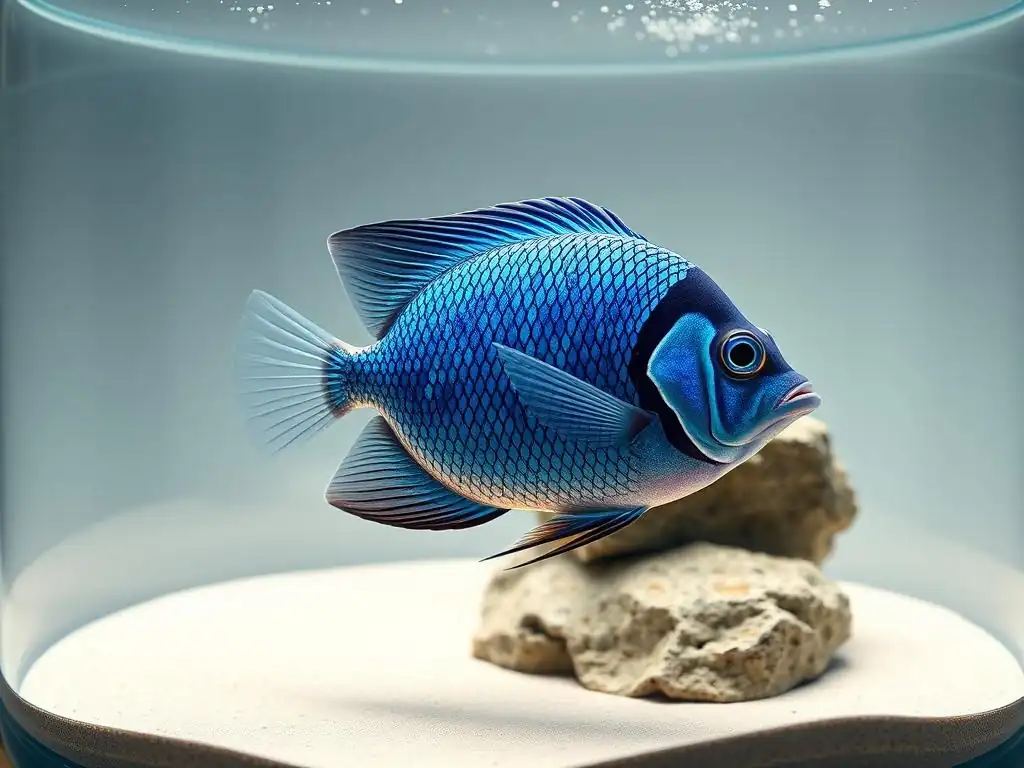
Marine Ich, caused by the ciliate parasite Cryptocaryon irritans, is one of the most common and feared diseases in saltwater aquariums. It manifests as tiny, distinct white spots, resembling grains of salt, appearing on the angelfish's fins, body, and sometimes gills. Infected angelfish may also exhibit rapid breathing (gilling), scratching against rocks or substrate (flashing), lethargy, and loss of appetite. The parasite has a complex life cycle with free-swimming infective stages (theronts) that can rapidly spread throughout the tank.
Effective treatment for Marine Ich within a saltwater angelfish quarantine protocol typically involves copper-based medications. Products like Cupramine or Copper Power are widely used, maintained at a therapeutic concentration (e.g., Cupramine at 0.2-0.5 ppm, Copper Power at 2.0-2.5 ppm) for a minimum of 14-21 days. This extended duration is crucial to ensure all life stages of the parasite are eradicated. Chloroquine Phosphate is another highly effective alternative. If the main display tank is infected, removing all fish for quarantine treatment and allowing the display tank to remain fishless for 72 days will break the parasite's life cycle.
Velvet Disease (Amyloodinium)
Marine Velvet, caused by the dinoflagellate parasite Amyloodinium ocellatum, is an extremely virulent and fast-acting disease that can decimate an entire marine fish population, including angelfish, within a matter of days if left untreated. Symptoms include a fine, dusty, yellowish-brown film or "velvet" coating on the fish's body, often accompanied by rapid and labored breathing, lethargy, and clamped fins. The disease progresses much more rapidly than Ich, and fish fatalities can occur suddenly.
Treatment for Marine Velvet in a saltwater angelfish quarantine protocol often relies on copper-based medications, similar to Ich, but sometimes at slightly higher concentrations (e.g., Cupramine 0.5-0.75 ppm, Copper Power 2.5-3.0 ppm). The treatment duration should still be at least 14-21 days to ensure full eradication. Formalin (formaldehyde solution) dips can also provide immediate relief by killing external parasites, but they are not a standalone cure and should be followed by a full course of copper or Chloroquine Phosphate treatment. Given its rapid progression, immediate identification and treatment are critical for Velvet.
Brooklynella
Brooklynella hostilis is a ciliate parasite famously known as "Clownfish Disease," but it can affect a wide range of marine fish, including angelfish. This disease causes significant damage to the fish's skin and gill tissue. Symptoms include excessive slime coat production, giving the fish a hazy or cloudy appearance, followed by patches of peeling skin. Affected angelfish will also exhibit labored breathing, lethargy, loss of appetite, and often congregate near the water surface or bottom. Brooklynella is highly contagious and fatal if not treated promptly.
The primary treatment for Brooklynella in a saltwater angelfish quarantine protocol is Formalin (formaldehyde solution). This can be administered as short-term dips (e.g., 30-60 minutes at 1 ml per gallon) or as extended baths (e.g., 0.15 ml per gallon for 3-5 days, with daily water changes). Metronidazole is often used in conjunction with Formalin, either as a food soak or dosed directly into the water, to provide a broader spectrum of treatment. Given the aggressive nature of Brooklynella, swift and accurate diagnosis followed by immediate, consistent treatment is crucial for the angelfish's survival.
Internal Parasites
Internal parasites, which include various types of worms (nematodes, cestodes, trematodes) and protozoans (like flagellates), are common in wild-caught angelfish and can manifest in several ways. Symptoms are often less obvious than external parasites but can include chronic emaciation despite consistent eating, a distended or bloated abdomen, white stringy feces, lethargy, and a general decline in health. These parasites reside within the angelfish's digestive tract or other internal organs, robbing them of nutrients and causing systemic issues.
Treatment for internal parasites within a saltwater angelfish quarantine protocol typically involves medicated foods. For flagellates, Metronidazole-soaked food (e.g., 1/4 teaspoon per tablespoon of food, fed daily for 5-10 days) is effective. For various types of worms, Praziquantel (e.g., Prazipro) is commonly used, also by soaking food or sometimes as a waterborne treatment. The key is to ensure the angelfish ingests the medication directly. Multiple rounds of treatment, with breaks in between, may be necessary to fully eradicate persistent internal parasites.
Troubleshooting Common Quarantine Issues
Angelfish Not Eating in Quarantine
An angelfish refusing to eat in quarantine is a common but concerning issue that requires prompt attention. The primary reasons are often stress from transport, a new environment, or an underlying illness. First, meticulously check all water parameters: ensure ammonia and nitrite are 0 ppm, nitrates are low (below 20 ppm), and salinity and temperature are stable and within optimal ranges (e.g., 1.023 specific gravity, 78°F). Any deviation can cause stress.
If parameters are optimal, focus on tempting the angelfish with a variety of highly palatable foods. Try live brine shrimp, which often stimulate a feeding response, or enrich frozen Mysis shrimp and other frozen foods with appetite stimulants like garlic extract. Offer food in very small amounts multiple times throughout the day, and promptly remove any uneaten food to maintain water quality.
Providing a hiding spot, like a PVC pipe, can reduce stress and encourage the fish to feel secure enough to feed. If the angelfish still refuses to eat after several days, consider if it's due to an undiagnosed illness that requires specific medication.
Cloudy Water in the Quarantine Tank
Cloudy water in a saltwater angelfish quarantine tank typically signals a bacterial bloom, often a consequence of an uncycled tank, overfeeding, or a sudden increase in the biological load. This cloudiness indicates an imbalance in the water column and is frequently associated with elevated ammonia and nitrite levels, both of which are highly toxic to angelfish. The bloom occurs as beneficial bacteria struggle to process the organic waste, leading to a proliferation of heterotrophic bacteria.
To address cloudy water, the most immediate and effective action is to perform a significant water change, typically 20-30%, using properly mixed and temperature-matched saltwater. Simultaneously, thoroughly siphon any uneaten food or detritus from the bare bottom of the tank. Ensure your mechanical filtration (e.g., filter floss in a HOB filter) is clean and functioning optimally to remove particulate matter. If the tank is newly set up or uncycled, dose with a high-quality bottled beneficial bacteria product to accelerate the nitrogen cycle. Temporarily reduce or cease feeding to minimize waste production until the water clears and parameters stabilize.
Ammonia Spikes During Quarantine
Ammonia spikes are a critical concern in any saltwater angelfish quarantine protocol, particularly in newly set up or uncycled tanks. Ammonia (NH3/NH4+) is a highly toxic waste product produced by fish respiration and decaying organic matter. In a new system, the beneficial bacteria responsible for converting ammonia to less toxic nitrite and then nitrate are not yet established, leading to dangerous accumulations. Even in cycled tanks, medication or overfeeding can sometimes disrupt the biofilter, causing a spike.
Mitigating ammonia spikes requires immediate and diligent action. Perform daily 25-50% water changes using temperature and salinity-matched saltwater to dilute the ammonia concentration. Concurrently, use an ammonia-detoxifying product (e.g., Seachem Prime or AmGuard) which temporarily neutralizes ammonia's toxicity while the biofilter recovers. Dose with a reputable bottled beneficial bacteria product to help re-establish or boost the nitrogen cycle. Reduce or cease feeding altogether until both ammonia and nitrite levels consistently read zero. Maintaining a vigilant testing schedule is paramount to catch and address spikes before they harm the angelfish.
Maintaining a Healthy Quarantine System for Future Angelfish
Proper Cleaning and Disinfection Procedures
After each successful saltwater angelfish quarantine protocol, thorough cleaning and disinfection of the tank and all equipment are absolutely critical. This step ensures that no lingering pathogens, parasites, or medication residues are present, preventing cross-contamination for future new arrivals. Begin by completely draining the tank and removing all equipment (heater, filter, air stone, thermometer). Scrub the tank's interior surfaces to remove any biofilm or algae.
For disinfection, prepare a dilute bleach solution, typically 1 part unscented household bleach to 10 parts water. Submerge all equipment that can be safely bleached (e.g., powerheads, filter housings, air stones, plastic decor) and fill the tank with the solution, allowing it to soak for several hours (e.g., 4-6 hours). Bleach is a powerful disinfectant that effectively kills bacteria, viruses, and parasites.
After soaking, rinse everything meticulously with fresh, dechlorinated water, and then allow all items to air dry completely for several days. This extensive drying process ensures any residual chlorine evaporates, leaving the system safe for the next angelfish.
Regularly Testing Water Parameters
Maintaining a healthy quarantine system, even when it's empty and awaiting a new angelfish, involves a proactive approach to water quality. While the tank itself may be dry and disinfected, it's good practice to regularly test the water you intend to use for future quarantine setups. This means testing your RODI (Reverse Osmosis Deionized) water for purity, and routinely mixing a small batch of saltwater to verify its specific gravity, pH, and alkalinity. This ensures your salt mix is consistent and your water source is reliable.
Before introducing any new angelfish, the absolute first step should be to fill the quarantine tank with freshly mixed saltwater and allow it to circulate with the heater and filter for at least 24 hours. Then, perform a full suite of water parameter tests (salinity, pH, ammonia, nitrite, nitrate). This pre-emptive check ensures that the environment is perfectly dialed in and stable before the angelfish arrives, minimizing stress and providing the best possible start to the next saltwater angelfish quarantine protocol.
Keeping Detailed Records of Quarantine
Keeping detailed and accurate records of each saltwater angelfish quarantine protocol is an invaluable practice that significantly enhances your ability to care for future fish. For each angelfish, document the date of arrival, its species, and supplier. Note down initial observations, any symptoms developed, the specific medications used (including brand, dosage, and duration), and the angelfish's feeding response throughout the process. Crucially, record all daily or every-other-day water parameter readings (ammonia, nitrite, nitrate, pH, salinity, temperature).
These meticulously kept records serve as a powerful reference tool. They allow you to track the effectiveness of different medications and treatments, understand typical acclimation periods for various angelfish species, and identify patterns in fish behavior or susceptibility to certain diseases. If an issue arises later in the main tank, these records can help pinpoint potential causes or previous health events. This systematic approach to record-keeping transforms each quarantine experience into a learning opportunity, refining your overall saltwater angelfish quarantine protocol for optimal success.
Post-Quarantine: Ensuring Long-Term Angelfish Health
Continued Observation in the Main Tank
Even after a successful saltwater angelfish quarantine protocol and transfer to the main display tank, continued observation is crucial for the angelfish's long-term health and successful integration. For the first few weeks, closely monitor its behavior, feeding habits, and interactions with existing tank mates. Look for any signs of stress, such as hiding excessively, clamped fins, or bullying from other fish. Ensure it is actively seeking food and consuming a varied diet.
A healthy, well-adjusted angelfish will typically explore its new surroundings, establish a territory, and integrate into the existing social hierarchy. Its coloration should remain vibrant, and its breathing should be calm and regular. Any re-emergence of symptoms, even subtle ones like slight fin nipping by tank mates or a temporary decrease in appetite, should be noted. This ongoing vigilance allows for early intervention if any issues arise, ensuring the angelfish thrives in its new, permanent home.
Providing a Balanced Diet and Optimal Water Quality
Ensuring the long-term health of your angelfish post-quarantine hinges on two critical factors: providing a consistently balanced and nutritious diet, and maintaining optimal water quality in the main display tank. A varied diet, including high-quality frozen foods (e.g., Mysis shrimp, spirulina-enriched brine shrimp), marine pellets, and flake foods, is essential to supply all necessary vitamins and minerals, bolstering the angelfish's immune system and promoting vibrant coloration.
Regular water changes (e.g., 10-20% bi-weekly or monthly depending on bioload) and diligent monitoring of key water parameters (salinity, pH, alkalinity, calcium, magnesium, and nitrates) are paramount. Consistent water quality minimizes stress and prevents the accumulation of harmful pollutants. This proactive approach to husbandry, combined with the foundational benefits of a thorough saltwater angelfish quarantine protocol, provides the best possible environment for your angelfish to live a long, healthy, and thriving life in your reef aquarium.
Frequently Asked Questions
How long should I quarantine a new saltwater angelfish?
The recommended quarantine period for new saltwater angelfish is typically 4 to 6 weeks. This allows sufficient time to observe for signs of disease and administer treatment if necessary.
What size quarantine tank is suitable for a saltwater angelfish?
The size of the quarantine tank depends on the size of the angelfish, but a minimum of 20 gallons is generally recommended for smaller species. Larger angelfish may require a 40-gallon or larger tank.
What water parameters should I maintain in the quarantine tank?
Maintain stable water parameters similar to your display tank, including a salinity of 1.024-1.026, a temperature of 76-82°F, and proper levels of ammonia, nitrite, and nitrate (ideally 0 ppm for ammonia and nitrite, and <20 ppm for nitrate). Regular water changes are crucial.
What should I feed my angelfish during quarantine?
Offer a varied diet of high-quality marine flakes or pellets, frozen foods like mysis shrimp and brine shrimp, and algae sheets. Observe the angelfish's eating habits to ensure it's eating well and receiving the necessary nutrients.
What are some common diseases to watch for in quarantined angelfish?
Common diseases include marine ich (white spot disease), velvet disease, and internal parasites. Look for symptoms such as white spots, rapid breathing, cloudy eyes, and loss of appetite.
Final Reflection: Ensuring a Thriving Future for Saltwater Angelfish
The meticulous steps outlined in this article, detailing a comprehensive saltwater angelfish quarantine protocol, are more crucial now than ever. With increasing pressures on wild populations and the delicate nature of these magnificent creatures, ensuring their health and survival in our aquariums is not just a hobby, but a responsibility. A robust quarantine process is the first, and often most critical, step in guaranteeing a long and vibrant life for these reef inhabitants.
The practice of responsible angelfish keeping, underscored by a diligent quarantine process, profoundly impacts the broader aquarium hobby and the health of our oceans. My own experiences with these fish have shown me the fragility and resilience they possess, making proactive care all the more vital. In the end, we will conserve only what we love; we will love only what we understand; and we will understand only what we are taught.
- Baba Dioum. This quote perfectly encapsulates the importance of education and responsible practices in preserving these beautiful creatures for generations to come.
Now, as you consider bringing a new saltwater angelfish into your home, remember the lessons shared here. Embrace the quarantine protocol not as a burden, but as an act of love and respect. By diligently following these steps, you are not only ensuring the health of your new fish but also contributing to a more sustainable and ethical future for the entire saltwater aquarium hobby. Let's all commit to being responsible stewards of these underwater wonders.
Ignite Your Angelfish Adventure!
Thanks for diving into the world of saltwater angelfish! We hope you've found valuable insights to kickstart your journey. Now, let's put that knowledge into action!
Here's how you can ensure your new angelfish thrives:
- Immediately implement a strict 6-week quarantine protocol, following the steps outlined above, to proactively address potential health issues.
- Share this article with fellow reefing enthusiasts to spread awareness about responsible angelfish introduction practices.
- Research specific dietary needs for Pomacanthus and Apolemichthys angelfish and begin sourcing high-quality food to have ready when your new fish arrives.
What's the first step you'll take to prepare your quarantine tank today?