
The Beginner's Guide to Schooling Fish: Starting with Cardinalfish or Anthias?

Welcome to Aquarium Mastery!
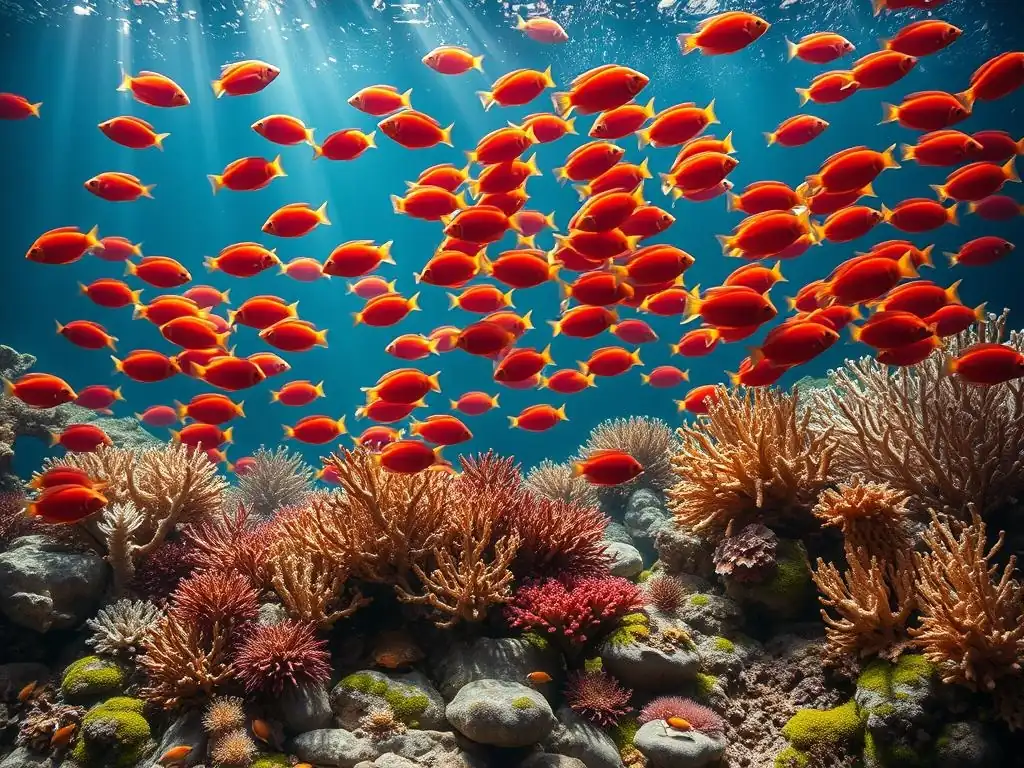
Ever wondered how to create a mesmerizing underwater ballet in your own home aquarium? Dive in as we explore the captivating world of schooling fish. This article, "The Beginner's Guide to Schooling Fish," focuses on species perfect for beginners, like the radiant Cardinalfish or the vibrant Anthias. But which is right for you, and how do you ensure their thriving community? Let's unlock the secrets to a healthy and harmonious saltwater aquarium!
- Introduction: Why Schooling Fish Enhance Your Reef Aquarium
- Understanding Schooling Behavior in Reef Fish: A Beginner's Perspective
- Choosing the Right Schooling Fish for Beginners: Cardinalfish vs. Anthias
- Setting Up Your Aquarium for Schooling Fish: Essential Considerations
- Feeding Schooling Fish: Nutritional Needs and Best Practices
- Introducing Schooling Fish to Your Aquarium: A Step-by-Step Guide
- Common Problems with Schooling Fish: Troubleshooting and Prevention
- Maintaining a Healthy Schooling Fish Aquarium: Long-Term Care
- Conclusion: Enjoying the Beauty and Benefits of Schooling Fish in Your Reef Tank
-
Frequently Asked Questions
- What are the benefits of keeping schooling fish in an aquarium?
- What are some good beginner-friendly schooling fish besides Cardinal Tetras and Anthias?
- How many schooling fish should I keep in my tank for optimal schooling behavior?
- What size tank do I need for a school of Cardinal Tetras or Anthias?
- What are some important water parameters to consider when keeping schooling fish?
- Final Reflection: Embracing the Symphony of the Aquarium
- Dive Deeper into the Schooling Fish World!
Introduction: Why Schooling Fish Enhance Your Reef Aquarium
Schooling fish are a captivating addition to any saltwater aquarium, bringing a dynamic sense of movement and natural beauty that can transform a static tank into a vibrant underwater ecosystem. Their synchronized swimming patterns and collective behavior not only mesmerize observers but also replicate a crucial aspect of natural reef environments. For aquarists looking to add a sense of scale and activity, a well-established school of fish can significantly elevate the aesthetic appeal and perceived health of their reef tank.
Beyond their visual appeal, schooling fish often exhibit more natural behaviors when kept in appropriate groups, reducing individual stress and encouraging bolder personalities. This guide aims to provide a comprehensive schooling fish beginner guide, focusing on two popular choices: Cardinalfish and Anthias. We will explore their suitability for novice aquarists, essential care requirements, and how to successfully integrate them into your marine setup, ensuring a thriving and harmonious community.
Understanding Schooling Behavior in Reef Fish: A Beginner's Perspective
What Defines a Schooling Fish? Key Characteristics
A schooling fish is typically defined by its instinctual behavior to swim in highly coordinated, synchronized groups. This collective movement is not random but purposeful, primarily serving as a defense mechanism against predators. When threatened, the school moves as one, creating a confusing target that makes it difficult for a predator to single out an individual. Beyond defense, schooling also aids in foraging efficiency and reproductive success, allowing individuals to find food and mates more easily within the safety of the group.
Key characteristics include uniform spacing between individuals, simultaneous changes in direction, and a strong reliance on visual cues and the lateral line system to maintain cohesion. For a true school to form and thrive in an aquarium, a minimum number of individuals is crucial, often cited as at least six to eight of the same species. Maintaining fewer can lead to stress, aggression, or a complete lack of schooling behavior, defeating the purpose of adding these fascinating creatures to your tank.
Benefits of Keeping Schooling Fish in a Saltwater Aquarium
Incorporating schooling fish into a saltwater aquarium offers numerous advantages beyond their undeniable beauty. From an aesthetic standpoint, the synchronized movement of a large group creates a living, breathing spectacle that adds depth and vibrancy to the entire tank. This dynamic element can transform a relatively static aquascape into a lively, engaging display, mimicking the bustling energy of a natural coral reef.
From a behavioral perspective, keeping schooling fish in appropriate numbers significantly reduces individual stress levels. In the wild, safety in numbers is paramount, and recreating this environment in an aquarium allows these fish to exhibit more natural behaviors, such as bolder swimming and more relaxed foraging. This reduced stress often translates to healthier fish with more vibrant coloration and a greater likelihood of long-term survival, making a schooling fish beginner guide essential for success.
Schooling vs. Shoaling: Understanding the Differences
While often used interchangeably, the terms "schooling" and "shoaling" describe distinct behaviors in fish, and understanding the difference is crucial for any schooling fish beginner guide. Shoaling refers to a loose aggregation of fish that swim together in a group, often for social reasons or to find food, but without the highly coordinated, synchronized movement characteristic of a school. Think of a casual gathering where individuals maintain their own trajectory but stay close to the group.
Schooling, on the other hand, involves a much more organized and synchronized movement where individuals maintain precise distances from each other and move as a single, cohesive unit. Every fish in a school responds almost instantaneously to the movements of its neighbors, changing direction and speed in unison. This highly coordinated behavior is primarily a defense mechanism against predators. For example, a group of Yellow Tangs might shoal together while grazing, but a group of Cardinalfish will school tightly when sensing danger.
Choosing the Right Schooling Fish for Beginners: Cardinalfish vs. Anthias
Cardinalfish: A Gentle Introduction to Schooling Fish
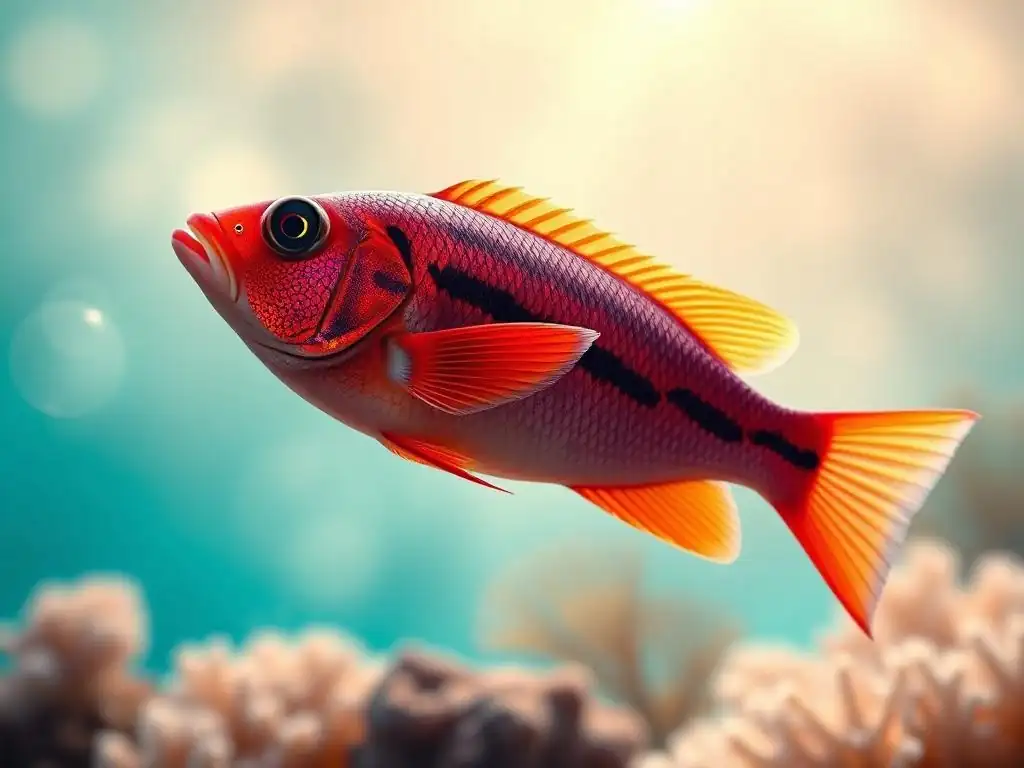
Cardinalfish are widely regarded as one of the best choices for a schooling fish beginner guide due to their peaceful temperament, relatively small size, and adaptability to aquarium life. These nocturnal fish are generally undemanding, making them an excellent starting point for aquarists looking to introduce the dynamic beauty of a schooling display without significant challenges. Their calm demeanor ensures they typically coexist well with a wide variety of other peaceful reef inhabitants.
While some species are more active at night, many cardinalfish, especially popular aquarium varieties, will readily adapt to daytime activity in a well-lit tank, particularly during feeding times. Their striking patterns and often subtle, yet elegant, coloration provide a sophisticated touch to any reef setup. Their resilience and ease of care make them a top recommendation for anyone compiling a schooling fish beginner guide.
Cardinalfish Species for Beginner Reef Tanks: Pajama Cardinal (Sphaeramia nematoptera), Banggai Cardinalfish (Pterapogon kauderni)
The Pajama Cardinal ( Sphaeramia nematoptera ) is arguably the most popular choice for beginner reef tanks due to its distinctive appearance and hardy nature. Growing to about 3 inches (7.5 cm), it features a striking yellow face, a broad black band across its midsection, and a spotted rear. These fish are relatively easy to care for and typically form loose schools, especially when young or in larger groups. They prefer quiet areas of the tank with plenty of hiding spots.
The Banggai Cardinalfish ( Pterapogon kauderni ) is another excellent option, known for its elegant striped pattern and long, flowing fins. While equally peaceful, Banggai Cardinals are mouthbrooders and can be somewhat territorial with their own kind, especially in smaller tanks. A group of 6-8 individuals is ideal to diffuse aggression, though a breeding pair can also be kept. They reach about 3 inches (7.5 cm) and prefer calm waters with ample rockwork and even sea urchins for shelter. Both species are excellent for a schooling fish beginner guide due to their hardiness and unique appeal.
Cardinalfish Care Guide: Tank Size, Water Parameters, and Diet
Cardinalfish are relatively undemanding in terms of care, making them ideal for a schooling fish beginner guide. For a small school of 6-8 Pajama or Banggai Cardinals, a minimum tank size of 30 gallons (approximately 115 liters) is recommended, though larger tanks (40+ gallons) are always preferable to provide more swimming space and reduce potential aggression. They thrive in stable reef parameters: a temperature range of 74-78°F (23-26°C), salinity of 1.023-1.026 specific gravity, pH between 8.1 and 8.4, and alkalinity (dKH) of 8-12.
Their diet primarily consists of small, meaty foods. In the wild, they are opportunistic feeders on small invertebrates. In the aquarium, they readily accept a variety of frozen foods such as Mysis shrimp, brine shrimp, and finely chopped seafood. High-quality marine flakes and pellets can also be offered, but frozen foods should constitute the bulk of their diet to ensure proper nutrition. Feeding them small amounts twice a day is generally sufficient.
Cardinalfish Compatibility: Choosing the Right Tank Mates
Cardinalfish are known for their peaceful temperament, which makes them highly compatible with a wide range of other reef inhabitants. They are generally non-aggressive towards other fish species and will not bother corals or invertebrates, including shrimp, snails, and crabs. This makes them an excellent choice for a mixed reef aquarium. Their gentle nature means they should not be housed with overly aggressive or large predatory fish that might view them as food.
Good tank mates include other peaceful community fish such as clownfish, gobies, blennies, and certain wrasses. It is crucial to avoid keeping them with triggers, lionfish, or groupers, as these predators will quickly decimate a cardinalfish school. When adding new fish, always observe for any signs of aggression, although cardinalfish are rarely the instigators. For a successful schooling fish beginner guide, ensuring proper tank mate selection is paramount to their long-term well-being.
Anthias: Adding Color and Activity to Your Reef
Anthias are renowned for their vibrant coloration and constant activity, making them a stunning addition to any reef aquarium. They typically exhibit strong sexual dimorphism, with males often displaying more intense colors and elaborate finnage than females. Unlike the more subdued Cardinalfish, Anthias are pelagic swimmers, spending most of their time in the water column, adding a dynamic and lively element to the tank. Their schooling behavior, combined with their striking appearance, makes them highly sought after by aquarists.
However, Anthias are generally considered more challenging than Cardinalfish, primarily due to their demanding feeding requirements and specific social structures. While they bring incredible beauty and energy, they are not typically recommended for absolute beginners. Instead, they are better suited for aquarists with some experience in maintaining a stable reef environment and who can commit to frequent feedings and careful observation, making them a more advanced topic for a schooling fish beginner guide.
Anthias Species for Intermediate Aquarists: Lyretail Anthias (Pseudanthias squamipinnis), Dispar Anthias (Pseudanthias dispar)
The Lyretail Anthias ( Pseudanthias squamipinnis ), also known as the Scalefin Anthias, is one of the most common and relatively hardy Anthias species for the home aquarium. Males are typically bright orange-red with an elongated third ray on the dorsal fin, while females are orange-yellow. They grow up to 6 inches (15 cm) and are best kept in a harem of one male and several females (at least 5-7 individuals) in tanks of 75 gallons (280 liters) or more. They are active swimmers and require numerous hiding spots.
The Dispar Anthias ( Pseudanthias dispar ), or Madder Seaperch, is another popular choice, though slightly more delicate. They are smaller, reaching about 3.5 inches (9 cm), and are characterized by their orange body with a distinctive red band along the top of their dorsal fin. Dispar Anthias also thrive in groups (at least 6-8 individuals) and require a minimum tank size of 50 gallons (190 liters). Both species are protogynous hermaphrodites, meaning the dominant female in a group can change sex to become a male if the existing male dies or is removed.
Anthias Care Challenges: Feeding, Social Hierarchy, and Tank Size Requirements
Anthias present several care challenges that differentiate them from easier schooling fish beginner guide options like Cardinalfish. Their most significant challenge is their high metabolic rate, which necessitates frequent feedings. In the wild, Anthias constantly pick zooplankton from the water column. In an aquarium, they require at least 3-5 small feedings per day to thrive. Skipping meals can quickly lead to malnourishment, loss of color, and ultimately, death. This demanding feeding schedule is a primary reason they are not suited for novice aquarists.
Their complex social hierarchy is another critical factor. Anthias typically live in harems, with one dominant male overseeing multiple females. Introducing multiple males or an insufficient number of females can lead to severe aggression, stress, and even death. A large tank (75 gallons for Lyretails, 50 gallons for Dispars, and even larger for bigger schools) is essential to provide ample swimming space and diffuse potential territorial disputes. Adequate rockwork with plenty of crevices and caves is also vital for resting and retreating.
Anthias Compatibility: Considerations for a Peaceful Reef Environment
Anthias are generally peaceful towards other fish species, but their active nature and need for frequent feeding mean they can sometimes outcompete slower-moving, shyer tank mates for food. They are reef-safe and will not harm corals or invertebrates. However, due to their delicate nature and constant need for food, they should not be housed with aggressive or boisterous fish that might harass them or prevent them from feeding adequately.
Compatible tank mates include other peaceful community fish like clownfish, gobies, blennies, and certain wrasses. It is crucial to avoid housing them with large predators such as triggers, lionfish, or large groupers, as Anthias will quickly become prey. Similarly, avoid very territorial or fin-nipping species that could stress the Anthias. When planning your tank, ensure that the chosen tank mates will not add undue stress or competition to these already sensitive fish, making careful consideration a key part of any advanced schooling fish beginner guide.
Setting Up Your Aquarium for Schooling Fish: Essential Considerations
Tank Size and Shape: Providing Adequate Swimming Space
The success of a schooling fish display heavily relies on providing an appropriately sized and shaped aquarium. While individual species have minimum tank size requirements (e.g., 30 gallons for a small school of Cardinalfish, 75 gallons for Lyretail Anthias), it's generally true that larger tanks are always better for schooling fish. A larger volume of water provides more stable parameters and dilutes waste more effectively. More importantly, schooling fish require ample horizontal swimming space to exhibit their natural behaviors.
Longer, rectangular tanks are often preferred over tall, narrow ones, as they offer more linear swimming distance for the school to move together. For a large school of active fish, a tank of 100 gallons or more can create a truly spectacular display. Adequate space reduces stress, aggression, and allows the fish to form natural schooling patterns, which is a core objective for any schooling fish beginner guide.
Water Chemistry: Maintaining a Stable and Healthy Environment
Maintaining pristine and stable water chemistry is paramount for the health and longevity of schooling fish, as it is for all marine inhabitants. Consistent water parameters reduce stress, bolster the fish's immune system, and prevent disease. Key parameters to monitor regularly include temperature, salinity, pH, alkalinity (dKH), calcium, and magnesium. For most reef fish, target ranges are: Temperature 74-78°F (23-26°C), Salinity 1.023-1.026 SG, pH 8.1-8.4, Alkalinity 8-12 dKH, Calcium 400-450 ppm, and Magnesium 1250-1350 ppm.
Beyond these core parameters, it is critical to keep ammonia, nitrite, and nitrate levels as close to zero as possible. Ammonia and nitrite should always be undetectable. While some nitrate is tolerable, keeping it below 10-20 ppm is ideal, especially in reef systems. Regular testing with reliable test kits is non-negotiable. Sudden fluctuations in any parameter can be highly detrimental, leading to stress, disease, and even death, emphasizing the need for diligent monitoring in a schooling fish beginner guide.
Filtration and Water Flow: Ensuring Optimal Water Quality
Effective filtration and appropriate water flow are critical components for a healthy schooling fish aquarium. A robust filtration system, typically comprising mechanical, chemical, and biological filtration, is essential for removing waste products and maintaining water clarity. Mechanical filtration (filter socks, sponges) removes particulate matter, while chemical filtration (activated carbon, GFO) absorbs dissolved organic compounds and phosphates. Biological filtration (live rock, bio-media) converts toxic ammonia and nitrite into less harmful nitrate.
Adequate water flow is also vital, especially for active schooling fish like Anthias. While Cardinalfish prefer more subdued flow, Anthias thrive in moderate to strong currents that mimic their natural pelagic environment. Powerheads or wavemakers strategically placed can create varied flow patterns throughout the tank, ensuring oxygenation and preventing dead spots where detritus can accumulate. The specific flow requirements will vary by species, but generally, a turnover rate of 10-20 times the tank volume per hour is a good starting point for a schooling fish beginner guide.
Aquascaping for Schooling Fish: Creating a Natural Habitat
Thoughtful aquascaping is crucial for creating a natural and stress-free environment for schooling fish. While these fish spend a lot of time in the open water column, they also need ample rockwork, caves, and crevices for security, resting, and retreat. For species like Cardinalfish, which are more nocturnal and prefer dimmer light, providing plenty of shady overhangs and deep caves is essential. Anthias, while active, also appreciate areas to hide or rest, especially when newly introduced or feeling stressed.
Design your aquascape to include both open swimming areas and complex rock structures. Ensure that the rockwork is stable and secure, as active fish can sometimes dislodge loose pieces. Consider creating 'islands' or 'walls' of live rock that provide visual breaks and territory boundaries, which can help diffuse aggression in more socially complex schools like Anthias. A well-designed aquascape enhances the natural beauty of the tank and contributes significantly to the well-being and natural behavior of your schooling fish beginner guide inhabitants.
Feeding Schooling Fish: Nutritional Needs and Best Practices
Cardinalfish Diet: Small, Frequent Feedings
Cardinalfish are generally opportunistic carnivores, feeding on small invertebrates in their natural habitat. In the aquarium, their diet should primarily consist of small, meaty frozen foods. High-quality frozen Mysis shrimp and brine shrimp are excellent staples, providing essential proteins and fatty acids. Finely chopped frozen seafood, such as krill or squid, can also be offered periodically to vary their diet.
Due to their relatively small mouths, the food offered must be appropriately sized. Feeding them two times a day is usually sufficient. It's important to provide enough food for the entire school to get its share without overfeeding the tank. Observe their feeding response closely to ensure all individuals are eating. A balanced and consistent diet is crucial for maintaining their health and vibrant coloration, a key aspect of a schooling fish beginner guide.
Anthias Diet: Meeting Their High Energy Demands
Anthias have a significantly higher metabolic rate than Cardinalfish, necessitating a more rigorous feeding regimen. In the wild, they constantly graze on zooplankton in the water column. In the aquarium, this translates to feeding them at least three to five small meals per day. Some advanced aquarists even opt for automated feeders to ensure consistent small feedings throughout the day when they are not available.
Their diet should primarily consist of small, nutrient-rich frozen foods such as enriched Mysis shrimp, copepods, and cyclop-eeze. High-quality marine flakes and pellets designed for carnivorous fish can supplement their diet, but frozen foods should form the bulk of their intake. It is crucial to ensure all individuals in the school are getting enough food, as dominant fish can sometimes outcompete others. Consistent, frequent feeding is the single most critical factor for successful Anthias keeping.
Choosing the Right Food: Flakes, Pellets, and Frozen Options
Selecting the right food is vital for the long-term health of your schooling fish. For both Cardinalfish and Anthias, a varied diet is key.
- Frozen Foods: These are often the best choice as they are highly palatable and nutritious. Enriched Mysis shrimp, brine shrimp (especially enriched), copepods, and cyclop-eeze are excellent. Finely chopped krill, squid, or fish flesh can also be offered as treats. Always thaw frozen foods thoroughly before feeding.
- Flakes and Pellets: High-quality marine flakes and small pellets can be used as supplementary food. Look for brands with a high protein content and essential vitamins. Pellets are often preferred for their slower descent, allowing all fish a chance to feed.
- Live Foods: While not always necessary, live foods like copepods or newly hatched brine shrimp can provide an excellent nutritional boost and stimulate natural hunting behaviors, especially for finicky eaters or newly introduced fish.
Varying the diet ensures a full spectrum of nutrients and keeps the fish engaged in feeding.
Preventing Overfeeding: Maintaining Water Quality
While ensuring your schooling fish get enough food is crucial, preventing overfeeding is equally important for maintaining pristine water quality. Excess food that goes uneaten will decompose, leading to a rapid increase in nitrates, phosphates, and other undesirable compounds. This can fuel nuisance algae growth, stress fish, and even lead to dangerous ammonia and nitrite spikes if filtration is insufficient.
To prevent overfeeding:
- Feed small amounts at a time, observing how quickly the fish consume it.
- Only feed what the fish can consume within 2-3 minutes.
- If using frozen foods, ensure they are thoroughly thawed and rinsed to remove any nutrient-poor packing liquid.
- Consider a feeding schedule that includes "fasting" days or reduced feedings once a week for non-Anthias species.
- Ensure your filtration system is robust enough to handle the bioload, and perform regular water changes.
Finding the right balance is key to a healthy and thriving schooling fish aquarium.
Introducing Schooling Fish to Your Aquarium: A Step-by-Step Guide
Quarantine Procedures: Preventing Disease Outbreaks
Quarantining new fish is a non-negotiable step for any responsible aquarist, particularly when adding schooling fish to an existing system. A quarantine tank (QT) should be a simple setup with basic filtration, a heater, and some PVC pipes for hiding. New fish should spend a minimum of 2-4 weeks in quarantine. During this period, observe them closely for any signs of disease, parasites, or unusual behavior.
Treat any observed issues in the QT, not in your main display tank. Common treatments include freshwater dips for external parasites or specific medications for bacterial infections. Quarantining protects your established fish and invertebrates from potential pathogens introduced by new arrivals. Skipping this step is a common cause of widespread disease outbreaks in home aquariums, making it a critical aspect of a schooling fish beginner guide.
Acclimation Process: Gradually Adjusting to Tank Water
Proper acclimation is essential to minimize stress when introducing new schooling fish to your display tank after quarantine. Fish are sensitive to sudden changes in water parameters such as temperature, pH, and salinity. The drip acclimation method is highly recommended for marine fish.
Here's a step-by-step process:
- Turn off aquarium lights to reduce stress.
- Float the bag containing the fish in your aquarium for 15-20 minutes to equalize temperature.
- Carefully open the bag and roll down the edges to create a float.
- Using airline tubing and a control valve, set up a drip line from your display tank into the bag. Aim for a slow drip, about 1-2 drops per second.
- Allow the water volume in the bag to slowly double over 30-60 minutes.
- Once acclimated, gently net the fish and place it into your display tank, discarding the water from the bag (do not add it to your display).
This gradual process minimizes shock and significantly improves the fish's chances of successful integration.
Monitoring Behavior: Observing for Signs of Stress or Illness
After introducing your new schooling fish, continuous monitoring of their behavior is crucial. For the first few days to weeks, observe them closely for any signs of stress, illness, or aggression from existing tank mates. Healthy schooling fish should exhibit natural behaviors: swimming actively, foraging, and maintaining their schooling formation.
Signs of stress or illness include:
- Clamped fins: Fins held tightly against the body.
- Rapid breathing: Gills moving quickly.
- Loss of color: Fish appearing pale or dull.
- Hiding excessively: Constantly staying in rockwork, refusing to come out.
- Erratic swimming: Jerky movements, darting, or rubbing against objects.
- Lack of appetite: Refusing to eat.
- White spots (Ich) or cloudy eyes.
Early detection allows for prompt intervention, whether it's adjusting water parameters, treating a disease, or addressing tank mate compatibility issues. Regular observation is a cornerstone of successful fishkeeping and a vital part of any schooling fish beginner guide.
Common Problems with Schooling Fish: Troubleshooting and Prevention
Disease Prevention: Maintaining Optimal Water Quality
Disease is a common problem in aquariums, and schooling fish are not immune. The best defense against disease is prevention, which primarily revolves around maintaining optimal water quality and stable parameters. Poor water quality, characterized by high nitrates, phosphates, or fluctuating pH/salinity, directly stresses fish, weakening their immune systems and making them susceptible to pathogens.
Regular partial water changes (e.g., 10-20% weekly or bi-weekly), consistent parameter testing, and effective filtration are essential. Overfeeding should be avoided as it contributes to water degradation. Quarantining all new fish for at least four weeks is also paramount to prevent the introduction of common diseases like marine Ich ( Cryptocaryon irritans) or velvet ( Amyloodinium ocellatum) into your main display, a crucial step for any schooling fish beginner guide.
Aggression and Bullying: Identifying and Addressing Issues
While schooling fish are generally peaceful, aggression and bullying can still occur, especially within the school itself or from incompatible tank mates. In Anthias, internal aggression can arise from an imbalance in the male-to-female ratio or insufficient space. A single dominant male may harass less dominant males or females, leading to stress and even death.
To address aggression:
- Ensure adequate space: A larger tank often diffuses aggression.
- Maintain proper school size: Too few individuals can lead to increased stress and direct aggression.
- Provide ample hiding spots: Rockwork with many caves and crevices allows weaker individuals to retreat.
- Review tank mate compatibility: Remove any overtly aggressive species that are harassing the schooling fish.
- Rearrange aquascape: Sometimes, simply moving rocks can break up established territories and reduce aggression.
Early identification of bullying behavior (e.g., chasing, nipping, or one fish constantly hiding) is key to preventing serious harm.
Loss of Color: Understanding Environmental Factors
A noticeable loss of color in schooling fish is often an early indicator of stress or an underlying environmental issue. Healthy fish display vibrant, full coloration. When stressed, ill, or living in suboptimal conditions, their colors may fade or become dull.
Common environmental factors contributing to color loss include:
- Poor Water Quality: Elevated nitrates, ammonia, or inconsistent pH can directly impact fish health and coloration.
- Inadequate Diet: A lack of essential nutrients, particularly carotenoids found in certain foods (e.g., spirulina, enriched Mysis shrimp), can lead to faded colors.
- Stress: This can be caused by aggressive tank mates, insufficient hiding spots, or improper tank size.
- Disease: Many diseases, even in their early stages, can manifest as a loss of vibrancy.
- Lighting: While less common for color loss, inappropriate lighting can sometimes affect how colors are perceived.
Addressing the root cause—whether it's improving water parameters, enhancing diet, or reducing stress—is crucial for restoring their natural beauty, a key aspect of any comprehensive schooling fish beginner guide.
Maintaining a Healthy School: Regular Observation and Intervention
Maintaining a healthy school of fish requires continuous, proactive engagement from the aquarist. It's not enough to simply set up the tank and add fish; regular observation and timely intervention are paramount. Dedicate a few minutes each day to simply watch your school. Are they swimming naturally? Are all individuals accounted for? Are they eating enthusiastically?
If you notice any fish separating from the school, exhibiting unusual swimming patterns, or showing signs of disease, immediate action is warranted. This might involve isolating the affected fish in a quarantine tank for observation and treatment, performing an emergency water change, or adjusting feeding practices. Proactive maintenance, including consistent water changes and parameter monitoring, combined with attentive observation, is the cornerstone of a thriving schooling fish aquarium.
Maintaining a Healthy Schooling Fish Aquarium: Long-Term Care
Regular Water Changes: Maintaining Water Quality
Regular water changes are arguably the most fundamental and effective long-term maintenance practice for any saltwater aquarium, especially one housing schooling fish. Even with robust filtration, organic waste products, nitrates, and phosphates accumulate over time, while essential trace elements are depleted. Partial water changes replenish vital minerals and remove accumulated pollutants, directly contributing to stable water parameters and overall fish health.
For most established reef tanks, a 10-20% water change every one to two weeks is a good starting point. The exact frequency and volume may vary depending on bioload, feeding habits, and filtration efficiency. Always use high-quality salt mix and RO/DI water, ensuring the new saltwater is properly mixed, aerated, and temperature/salinity matched to the display tank before adding it. Consistent water changes are a non-negotiable part of a successful schooling fish beginner guide.
Monitoring Water Parameters: Ensuring Stability
Consistent monitoring of water parameters is crucial for the long-term stability and health of a schooling fish aquarium. While regular water changes help, they do not negate the need for testing. Parameters such as temperature, salinity, pH, alkalinity, calcium, and magnesium should be tested weekly or bi-weekly. Ammonia and nitrite should be tested periodically, especially if there are signs of trouble, though they should ideally always be undetectable in an established tank.
Keeping a log of your test results can help identify trends and predict potential issues before they become critical. For example, a gradual decline in alkalinity might indicate insufficient buffering, while consistently high nitrates could point to overfeeding or inadequate biological filtration. Stable parameters reduce stress on fish, promote natural behavior, and prevent many common health issues, making diligent monitoring a core component of any comprehensive schooling fish beginner guide.
Observing Fish Behavior: Identifying Potential Problems Early
Ongoing observation of your schooling fish's behavior is perhaps the most powerful tool in long-term care. Fish often show subtle signs of stress or illness before obvious symptoms appear. Learn what "normal" behavior looks like for your specific species: their typical swimming patterns, social interactions, feeding enthusiasm, and resting habits.
Any deviation from this normal behavior should prompt further investigation. Is a fish separating from the school? Is it refusing food? Are its colors faded? Is it scratching against rocks? These subtle cues can be early warnings of disease, aggression, or environmental issues. Prompt identification and intervention can prevent minor problems from escalating into widespread tank disasters, underscoring the importance of attentive observation in a schooling fish beginner guide.
Conclusion: Enjoying the Beauty and Benefits of Schooling Fish in Your Reef Tank
Adding schooling fish to your reef aquarium can be one of the most rewarding aspects of the hobby. The synchronized movements, vibrant colors, and natural behaviors they exhibit transform a static tank into a dynamic, living ecosystem, mirroring the bustling activity of a natural coral reef. Whether you choose the peaceful and adaptable Cardinalfish as a gentle introduction or the active and colorful Anthias for a more advanced challenge, the visual impact and sense of natural wonder they bring are unparalleled.
This schooling fish beginner guide has provided the foundational knowledge necessary to successfully select, introduce, and maintain these fascinating creatures. From understanding their unique needs for tank size and water parameters to mastering feeding techniques and proactive troubleshooting, a commitment to consistent care and observation will ensure your schooling fish thrive for years to come. Embrace the journey, and enjoy the captivating beauty and endless fascination that a healthy school of fish brings to your personal underwater world.
Further Resources for Schooling Fish Care
For aquarists seeking to deepen their understanding and continue their journey with schooling fish, several areas warrant further exploration. Advanced topics include the nuances of specific Anthias species beyond the Lyretail and Dispar, such as the more challenging but equally stunning Randall's Anthias ( Pseudanthias randalli) or Sunburst Anthias ( Serranocirrhitus latus), which often require even more specialized care or larger group sizes.
Additionally, researching the specific zooplankton and invertebrate diets of wild schooling fish can help refine aquarium feeding regimens, potentially leading to even more vibrant coloration and robust health. Understanding the role of water flow in replicating natural currents for pelagic species is also beneficial. Finally, exploring the breeding habits of certain schooling fish, such as the mouthbrooding Banggai Cardinalfish, can offer an exciting and advanced dimension to the hobby, allowing aquarists to contribute to sustainable practices.
Frequently Asked Questions
What are the benefits of keeping schooling fish in an aquarium?
Schooling fish provide a more natural and visually appealing display. They also exhibit more natural behaviors and can help to reduce stress levels in individual fish by providing a sense of security in numbers.
What are some good beginner-friendly schooling fish besides Cardinal Tetras and Anthias?
Some other excellent options for beginners include Harlequin Rasboras, Ember Tetras, and Glowlight Tetras. These are generally hardy and adaptable to various water conditions.
How many schooling fish should I keep in my tank for optimal schooling behavior?
A good rule of thumb is to keep at least 6-8 individuals of the same species. Larger schools, with 10 or more, typically display more natural and captivating schooling behavior.
What size tank do I need for a school of Cardinal Tetras or Anthias?
For a school of Cardinal Tetras (8-10 fish), a tank of at least 20 gallons is recommended. Anthias, depending on the species, often require much larger tanks, generally 55 gallons or more, due to their size and activity level.
What are some important water parameters to consider when keeping schooling fish?
Maintaining stable and appropriate water parameters is crucial. This includes monitoring temperature, pH, ammonia, nitrite, and nitrate levels, ensuring they fall within the species' preferred range.
Final Reflection: Embracing the Symphony of the Aquarium
The journey into the world of aquariums, especially with schooling fish, is more than just setting up a tank; it's about creating a vibrant, living ecosystem. Understanding the nuances of species compatibility and care, as highlighted in this guide, is crucial for ensuring the well-being of these delicate creatures and fostering a truly rewarding experience. The principles outlined here extend beyond just cardinalfish and anthias; they represent a foundational approach to responsible fishkeeping.
The allure of a thriving school of fish lies in its dynamic beauty and the intricate social behaviors on display. This guide, I hope, has demystified the process and empowered you to embark on this enriching hobby, understanding that patience and careful planning are paramount. The best time to plant a tree was 20 years ago. The second best time is now.
This ancient proverb resonates deeply with the commitment required for successful fishkeeping; the sooner you start learning and preparing, the more fulfilling your journey will be.
Now, armed with this knowledge, I encourage you to reflect on the potential impact you can have on these miniature ecosystems. Consider the responsibility that comes with creating a home for these creatures and the joy of witnessing their natural behaviors unfold. Let this guide be a stepping stone, not an endpoint. Dive deeper, explore further, and create a thriving underwater world that reflects your passion and dedication. Your aquarium awaits, ready to become a testament to your commitment to the beauty and balance of nature.
Dive Deeper into the Schooling Fish World!
Thank you for exploring the fascinating world of schooling fish with us! We hope this guide has sparked your excitement to create a thriving aquatic community. Ready to take the plunge?
Here are a few ways to continue your journey:
- Start Small, Dream Big: Consider setting up a quarantine tank and beginning your schooling journey with a small group of six Cardinal Tetras. Observe their behavior closely and learn about their specific needs before expanding your school or introducing other species.
- Share Your Vision: Create a sketch or digital mock-up of your ideal schooling fish aquarium. Share it with fellow enthusiasts on aquarium forums or social media groups to gather feedback and inspiration.
- Research Uncommon Species: Delve into lesser-known schooling fish species beyond the typical choices. You might discover a hidden gem perfectly suited for your aquarium and water parameters!
What unique schooling fish are you most excited to research, and why do they appeal to you?