
RedLined Cardinalfish: Adding a Striking Dash of Crimson to Your Tank

Welcome to Aquarium Mastery!
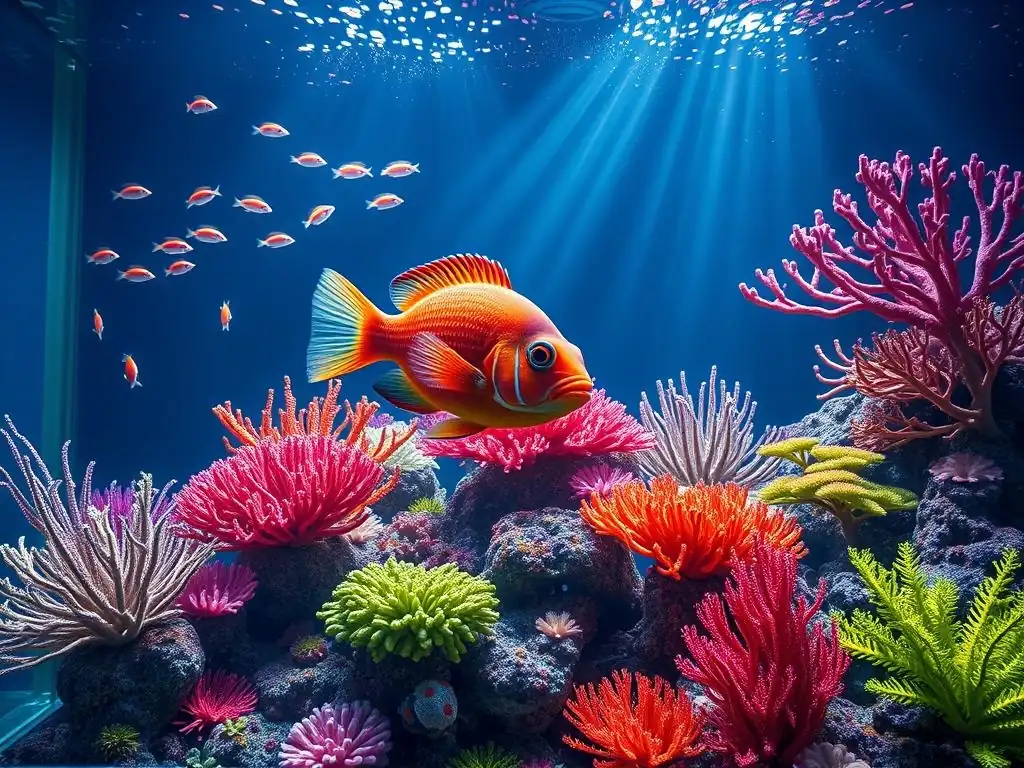
Ever dreamt of adding a vibrant splash of color and captivating movement to your saltwater aquarium? The Redline Cardinalfish might be the perfect choice! Dive into our comprehensive Redline Cardinalfish Care Guide and discover everything you need to know about successfully keeping these stunning fish. From their unique social behavior to ideal tank conditions, we'll unveil the secrets to ensuring they thrive in your care. Ready to transform your tank into a mesmerizing underwater paradise? Let's get started!
- Introduction to the Redline Cardinalfish
- Redline Cardinalfish Care Guide: Essential Information
- Setting Up the Ideal Aquarium for Redline Cardinalfish
- Redline Cardinalfish Diet and Feeding
- Redline Cardinalfish Tank Mates: Compatibility and Considerations
- Redline Cardinalfish: Identifying and Treating Common Diseases
- Redline Cardinalfish Breeding: A Challenging but Rewarding Endeavor
- Redline Cardinalfish vs. Other Cardinalfish Species: A Comparison
- Where to Buy Redline Cardinalfish
- Conclusion: Enjoying the Beauty of Redline Cardinalfish in Your Aquarium
- Frequently Asked Questions
- Final Reflection: Embracing the Crimson Tide
- Unleash the Crimson Tide: Transform Your Aquarium Today!
Introduction to the Redline Cardinalfish
What is a Redline Cardinalfish? A Quick Overview
The Redline Cardinalfish, scientifically known as Apogon leptacanthus, is a captivating small marine fish highly sought after by saltwater aquarists for its vibrant appearance and peaceful demeanor. Typically reaching an adult size of about 2 to 3 inches (approximately 5 to 7.5 cm), this species features a sleek, silvery body adorned with a prominent, striking red or orange stripe that runs horizontally from its snout, through its eye, and extends towards its caudal fin. Some individuals may also display a small, distinctive black spot at the base of the caudal fin, enhancing their unique appeal.
These fascinating fish are part of the Apogonidae family, commonly known as cardinalfish, and are native to the Indo-Pacific region. They are often found inhabiting coral reefs, rocky crevices, and sheltered lagoons, preferring areas with plenty of hiding spots. Their nocturnal nature means they are more active during the twilight hours and after the main aquarium lights are off, although in a home aquarium, they often adapt to feeding during the day, especially if kept in a dimly lit environment. Understanding their natural habits is a key component of effective Redline cardinalfish care.
Why Choose Redline Cardinalfish for Your Saltwater Aquarium?
Choosing Redline Cardinalfish for your saltwater aquarium offers numerous benefits, making them an excellent addition for both novice and experienced aquarists. Their most appealing attribute is undoubtedly their striking coloration, which adds a vibrant dash of crimson to any reef or fish-only tank. This visual appeal is complemented by their generally peaceful temperament, allowing them to coexist harmoniously with a wide variety of other non-aggressive marine species, making them ideal inhabitants for community aquariums.
Furthermore, Redline Cardinalfish are considered relatively hardy once acclimated to a stable aquarium environment, provided that a comprehensive Redline cardinalfish care guide is meticulously followed. They adapt well to captive diets and are less prone to certain common marine ailments compared to some more delicate species. Their tendency to school, especially when kept in groups of three or more, creates a dynamic and visually engaging display, enhancing the natural feel of your aquatic ecosystem. For instance, a group of five Redline Cardinalfish in a 40-gallon reef tank can provide a stunning, synchronized swimming exhibit.
Redline Cardinalfish Care Guide: Essential Information
Understanding Redline Cardinalfish Needs for Optimal Health
Ensuring optimal health for your Redline Cardinalfish requires a diligent approach to their specific environmental and dietary needs. Water parameters are paramount: they thrive in stable temperatures ranging from 72 to 78°F (22-26°C), a specific gravity of 1.020 to 1.025, and a pH level between 8.1 and 8.4. Fluctuations in these parameters can cause significant stress, leading to compromised immune systems and susceptibility to disease. Regular testing using reliable kits, perhaps twice weekly, helps maintain these crucial conditions for proper Redline cardinalfish care.
Beyond water chemistry, providing a well-structured environment is vital. As naturally nocturnal fish that prefer shaded areas, they require ample hiding spots and subdued lighting. A varied diet of small, meaty foods is also critical for their nutritional well-being. For example, feeding high-quality frozen mysis shrimp or enriched brine shrimp 1-2 times daily ensures they receive necessary proteins and nutrients. Neglecting any of these core requirements can quickly lead to health issues, demonstrating the importance of a detailed Redline cardinalfish care guide.
Redline Cardinalfish: Natural Habitat and Behavior
In their natural habitat, Redline Cardinalfish are predominantly found in the clear, warm waters of the Western Pacific, ranging from Indonesia to the Great Barrier Reef. They typically inhabit shallow to moderate depths, often observed congregating around intricate coral formations, rocky overhangs, and sheltered lagoons. These environments provide them with essential protection from predators and offer numerous nooks and crannies for daytime retreat. Their preference for these specific structures directly informs the aquascaping recommendations for their captive environments, emphasizing the need for ample live rock with many crevices.
Behaviorally, Apogon leptacanthus are known for their shy and peaceful disposition. While they are primarily nocturnal, often emerging from their hiding spots as dusk approaches, they will adapt to daytime feeding in a home aquarium, especially if provided with dim lighting or kept in a tank with ample shade. In the wild, they often form loose aggregations or schools, a behavior that provides a sense of security.
In an aquarium, keeping them in groups of three or more is highly recommended, as this reduces stress and encourages their natural schooling behavior, making them feel more secure and active. This schooling instinct is a key aspect of their Redline cardinalfish care.
Setting Up the Ideal Aquarium for Redline Cardinalfish
Tank Size Requirements for Redline Cardinalfish
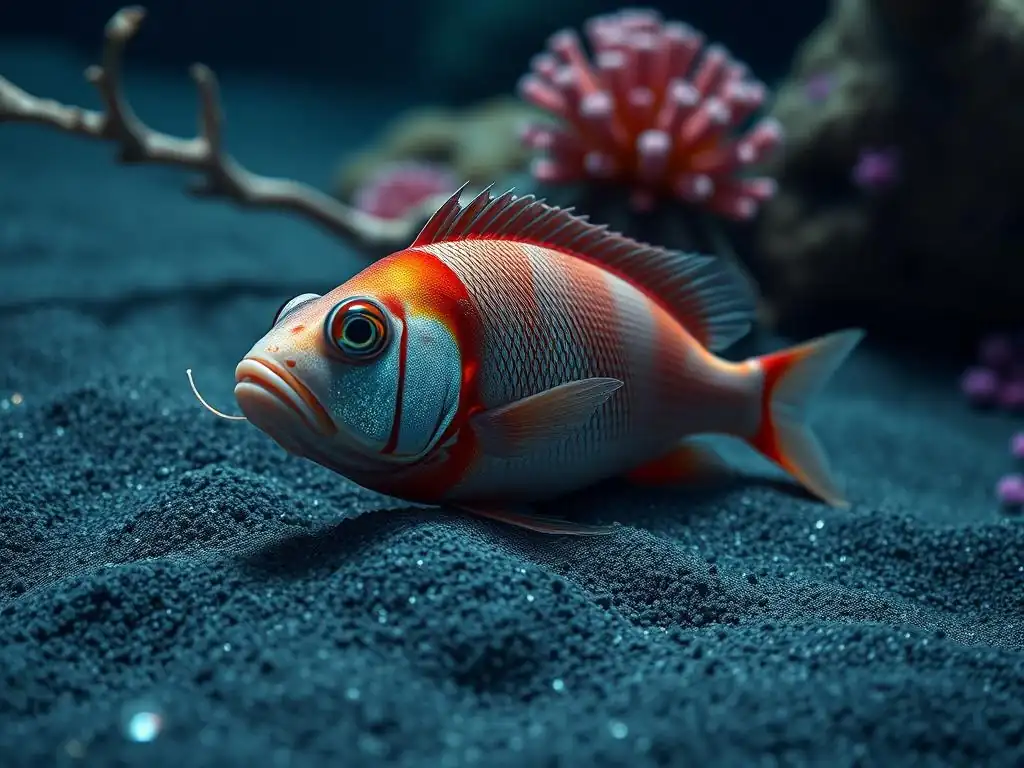
For a small group of Redline Cardinalfish, a minimum tank size of 20 gallons (approximately 75 liters) is recommended. While a single specimen might survive in a slightly smaller tank, these fish thrive and exhibit their natural schooling behavior when kept in groups of three or more. For a group of 3-5 Redline Cardinalfish, a 30-gallon (around 113 liters) or larger aquarium provides ample space for swimming and establishing individual territories, even within a schooling context. This larger volume also offers greater stability in water parameters, which is crucial for their long-term health.
When considering tank size, it's also important to account for potential tank mates and the overall bioload. A 40-gallon breeder tank, for instance, offers a larger footprint than a standard 40-gallon tall tank, providing more horizontal swimming space which is beneficial for schooling species. Adequate space minimizes stress and aggression, particularly if you plan to introduce other peaceful fish species. A well-sized tank is a foundational element in any comprehensive Redline cardinalfish care guide.
Essential Equipment for a Redline Cardinalfish Tank
Filtration and Water Quality for Cardinalfish
Maintaining pristine water quality is non-negotiable for the health of Redline Cardinalfish. A robust filtration system is essential, typically comprising mechanical, biological, and chemical filtration. For a 30-gallon tank, a high-quality hang-on-back filter with a strong flow rate (e.g., 200-300 GPH) or a small sump system can provide excellent mechanical filtration to remove particulate matter and biological filtration to convert ammonia and nitrite. A protein skimmer is highly recommended for saltwater tanks to efficiently remove organic waste before it breaks down, significantly reducing nitrate levels.
Regular partial water changes are also critical for long-term Redline cardinalfish care. A 10-20% water change every two weeks, or 20-25% monthly, helps replenish essential trace elements and further reduces accumulated nitrates. Ideal water parameters should consistently show 0 ppm ammonia, 0 ppm nitrite, and nitrates below 10-20 ppm. Using RODI (Reverse Osmosis Deionized) water for mixing saltwater is strongly advised to prevent the introduction of unwanted contaminants.
Lighting and Substrate Considerations
Given their nocturnal nature and preference for shaded environments, Redline Cardinalfish do not require intense lighting. Moderate to dim LED lighting is generally sufficient, especially in a reef tank where corals might demand brighter illumination. Excessive light can cause stress and encourage them to hide excessively. If your tank has very bright lighting for corals, ensure there are ample shaded areas created by live rock structures where the cardinalfish can retreat during the day.
For substrate, a sand bed of 1-3 inches (2.5-7.5 cm) of aragonite sand or crushed coral is suitable. While Redline Cardinalfish do not typically burrow, a natural-looking substrate contributes to the overall aesthetic and provides a comfortable environment. More importantly, the substrate, particularly aragonite sand, helps buffer pH and alkalinity, contributing to the stability of water parameters. Ensure that any rockwork placed on the substrate is stable and rests directly on the tank bottom to prevent collapses.
Creating a Redline Cardinalfish-Friendly Aquascape
Live Rock Placement and Hiding Spots
The aquascape for Redline Cardinalfish should prioritize the creation of numerous hiding spots, caves, and crevices, mimicking their natural reef habitat. Live rock is an excellent choice for this purpose, providing not only essential biological filtration but also the structural complexity these fish crave. Arrange the live rock to form stable, interconnected caves and overhangs where the cardinalfish can retreat during the day or when feeling threatened. A good rule of thumb is to use 1 to 1.5 pounds of live rock per gallon of tank volume for optimal biological filtration and habitat creation.
Ensure that the live rock structures are securely stacked and stable to prevent accidental collapses, which could injure or trap fish. Providing multiple hiding spots also reduces potential territorial disputes among tank inhabitants, even within a peaceful schooling species like the Redline Cardinalfish. This strategic placement of live rock is a cornerstone of effective Redline cardinalfish care, promoting security and natural behavior.
Compatible Corals and Invertebrates
Redline Cardinalfish are generally considered reef-safe, making them excellent candidates for mixed reef aquariums. They do not typically nip at corals or invertebrates, allowing for a wide range of compatible additions. Suitable corals include various LPS (Large Polyp Stony) corals such as Blastomussa, Duncanopsammia, and Euphyllia species, which often thrive under moderate lighting. Soft corals like zoanthids, mushrooms, and leathers are also excellent choices, providing additional texture and color without posing a threat to the cardinalfish.
When selecting invertebrates, peaceful species like cleaner shrimp ( Lysmata amboinensis), various snails (e.g., turbo, nassarius), and hermit crabs are highly compatible and contribute to the tank's ecosystem by cleaning algae and detritus. Avoid aggressive invertebrates such as certain types of crabs or mantis shrimp that could potentially harm or prey upon the smaller Redline Cardinalfish. A balanced selection of corals and invertebrates enhances the beauty and ecological stability of the Redline cardinalfish habitat.
Redline Cardinalfish Diet and Feeding
What Do Redline Cardinalfish Eat? A Nutritional Guide
In their natural environment, Redline Cardinalfish are micro-predators, primarily feeding on small crustaceans and zooplankton found drifting in the water column. In a home aquarium, replicating this diet with high-quality, meaty frozen foods is crucial for their long-term health and vibrant coloration. The cornerstone of their diet should include frozen Mysis shrimp, which are highly nutritious and readily accepted. Other excellent options include enriched brine shrimp, finely chopped krill, and small pieces of other marine-based frozen foods.
It's important to offer a varied diet to ensure they receive a full spectrum of essential nutrients. For instance, alternating between Mysis shrimp one day and enriched brine shrimp the next, perhaps with occasional finely chopped clam or squid, provides a comprehensive nutritional profile. Dry foods like high-quality marine pellets or flakes can be offered, but they are often less preferred by Redline Cardinalfish and should not form the bulk of their diet. This varied approach to feeding is a vital part of a complete Redline cardinalfish care guide.
Recommended Feeding Schedule for Redline Cardinalfish
Redline Cardinalfish, like many smaller marine fish, benefit from frequent, small feedings rather than large, infrequent meals. A recommended feeding schedule is 1-2 times per day, offering an amount of food that they can consume within 2-3 minutes. This approach helps prevent overfeeding, which can quickly degrade water quality by introducing excess nutrients and uneaten food particles. Given their somewhat shy nature and nocturnal tendencies, feeding them during periods of lower light, such as just after the main aquarium lights dim or just before they fully come on, can encourage them to feed more readily.
If you have other more aggressive feeders in the tank, it may be beneficial to spot-feed the Redline Cardinalfish using a turkey baster to ensure they get enough food. This technique allows you to direct food specifically to their hiding spots or where they congregate, preventing faster fish from consuming all the offerings. Consistent feeding times also help establish a routine, reducing stress and promoting healthy eating habits.
Supplementing Your Redline Cardinalfish's Diet
While high-quality frozen foods provide a good nutritional base, supplementing your Redline Cardinalfish's diet can further enhance their health, immune system, and coloration. Vitamin enrichment solutions, such as Selcon or Vita-Chem, can be soaked into frozen foods prior to feeding. These supplements provide essential vitamins, including Vitamin C and Omega-3 fatty acids, which are crucial for immune function and overall vitality. Soaking food for 10-15 minutes before feeding ensures optimal absorption.
Additionally, some aquarists find that adding a few drops of garlic guard to their frozen foods can increase palatability and entice finicky eaters. Garlic is also believed to have mild immune-boosting properties. However, it's important not to rely solely on supplements; they should complement a primary diet of varied, high-quality meaty foods. Regular supplementation, perhaps 2-3 times per week, can significantly contribute to the long-term vigor and beauty of your Redline Cardinalfish, reinforcing good Redline cardinalfish care.
Redline Cardinalfish Tank Mates: Compatibility and Considerations
Best Tank Mates for Redline Cardinalfish
Choosing appropriate tank mates is crucial for maintaining a peaceful and thriving aquarium environment for Redline Cardinalfish. Due to their docile nature and relatively small size, they fare best with other similarly peaceful and non-aggressive species. Excellent companions include various species of gobies (e.g., watchman gobies, diamond gobies), blennies (e.g., lawnmower blennies, tailspot blennies), and firefish (e.g., purple firefish, red firefish). These fish typically occupy different niches within the aquarium, minimizing direct competition for space or food.
Other peaceful cardinalfish species, such as Pajama Cardinalfish ( Sphaeramia nematoptera) or Banggai Cardinalfish ( Pterapogon kauderni), can also be compatible, although it's important to monitor for any conspecific aggression, especially if space is limited. Small, peaceful wrasses like the six-line wrasse ( Pseudocheilinus hexataenia) can also be considered, though some wrasses might outcompete the cardinalfish for food. The key is to select fish that are not overly boisterous or predatory, ensuring the Redline Cardinalfish feel secure in their shared habitat.
Fish to Avoid Housing with Redline Cardinalfish
To prevent stress, injury, or predation, certain fish species should be strictly avoided when housing Redline Cardinalfish. Any large or overtly aggressive fish, such as triggers (e.g., Picasso triggerfish, Clown triggerfish), large angelfish (e.g., Emperor angelfish, Queen angelfish), or large predatory wrasses (e.g., Hogfish, certain larger Halichoeres wrasses), pose a significant threat. Their aggressive nature or sheer size can intimidate, harass, or even prey upon the smaller, more timid cardinalfish.
Similarly, fish known for fin-nipping, such as certain damselfish species (e.g., Blue Devil Damselfish, Yellowtail Damselfish), should also be avoided. While some damselfish are small, their territorial and aggressive tendencies can cause undue stress to the peaceful cardinalfish. Any fish that requires a highly competitive feeding environment or is known to be territorial over hiding spots could also lead to issues. Adhering to these guidelines is a critical aspect of successful Redline cardinalfish care in a community setting.
Maintaining Harmony in Your Saltwater Aquarium
Maintaining harmony in a saltwater aquarium housing Redline Cardinalfish involves more than just selecting compatible tank mates; it requires strategic planning and ongoing observation. Providing adequate space for all inhabitants is paramount. A larger tank (e.g., 50 gallons or more) allows for more distinct territories and reduces the likelihood of conflict, even among peaceful species. Introducing new fish gradually, one or two at a time, allows the existing inhabitants to adjust and reduces stress for the newcomers.
It's also beneficial to introduce the most docile fish, like the Redline Cardinalfish, first, allowing them to establish themselves before adding more active or potentially dominant species. Creating a complex aquascape with numerous hiding spots, as discussed earlier, further aids in reducing aggression by offering escape routes and private spaces. Regular monitoring for any signs of stress, aggression, or bullying among tank mates is essential. If issues arise, be prepared to re-home aggressive individuals to ensure the well-being of your Redline Cardinalfish.
Redline Cardinalfish: Identifying and Treating Common Diseases
Recognizing Signs of Illness in Redline Cardinalfish
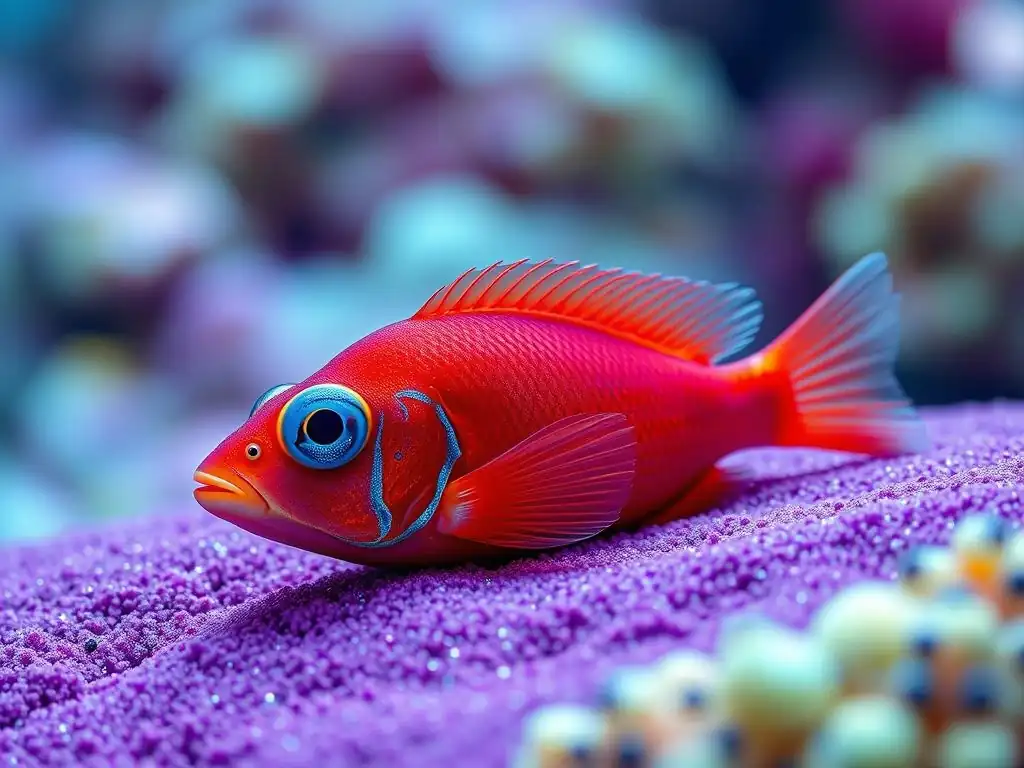
Early detection of illness is crucial for successful Redline cardinalfish care and treatment. Healthy Redline Cardinalfish are typically active, exhibiting their characteristic schooling behavior (if in a group), and show a keen interest in food. Any deviation from these normal behaviors can be a sign of underlying health issues. Key indicators of illness include lethargy, spending excessive time hiding, or erratic swimming patterns such as darting or rubbing against tank decorations.
Physical signs to look for include the appearance of white spots (Ich), cloudy eyes, fin rot (frayed or deteriorating fins), discolored patches on the body, or a generally faded appearance. A bloated or emaciated body, labored breathing (rapid gill movement), or refusal to eat are also serious warning signs. Regularly observing your fish during feeding times and throughout the day helps you quickly identify these subtle changes.
Common Diseases Affecting Redline Cardinalfish and Their Treatment
Redline Cardinalfish, while relatively hardy, can still fall victim to common saltwater aquarium diseases if water quality is poor or stress levels are high. The most prevalent diseases include Ich (White Spot Disease), Marine Velvet, and various bacterial infections. Ich, caused by the parasite Cryptocaryon irritans, manifests as small white spots resembling salt grains on the body and fins. Marine Velvet, caused by Amyloodinium ocellatum, appears as a fine, dusty, yellowish film and is often more rapidly fatal. Bacterial infections can present as fin rot, cloudy eyes, ulcers, or general malaise.
Treatment often requires the use of a separate quarantine or hospital tank to avoid medicating the main display tank, which could harm corals and invertebrates. For parasitic infections like Ich, copper-based medications (e.g., Cupramine) or hyposalinity (gradually reducing specific gravity to 1.009-1.010) are common treatments. For bacterial infections, broad-spectrum antibiotics (e.g., Maracyn 2, Furan-2) may be necessary. Always follow medication instructions precisely and monitor water parameters closely during treatment.
Treating Ich (White Spot Disease) in Cardinalfish
Ich is one of the most common and persistent parasitic diseases in marine aquariums. When treating Ich in Redline Cardinalfish, the most effective methods typically involve a hospital tank to isolate the infected fish and prevent reinfection of the main display tank. One widely used method is hyposalinity, which involves gradually reducing the specific gravity of the water to 1.009-1.010 over 24-48 hours and maintaining it for 2-4 weeks. This osmotic shock disrupts the parasite's life cycle.
Another effective treatment is the use of copper-based medications. Products like Seachem Cupramine are effective against Ich, but careful monitoring of copper levels with a reliable test kit is essential to avoid overdosing, which can be fatal to fish. Treatment usually lasts for 14-21 days. Freshwater dips (5-10 minutes in dechlorinated freshwater matched for pH and temperature) can provide temporary relief by dislodging some parasites, but they are not a cure. UV sterilizers can also help reduce free-swimming Ich trophonts in the display tank, but they do not eliminate the parasite from the fish themselves.
Addressing Bacterial Infections in Cardinalfish
Bacterial infections in Redline Cardinalfish often manifest as red sores, fin erosion (fin rot), cloudy eyes, white patches, or internal bloating. These infections are frequently secondary to stress, poor water quality, or parasitic infestations. Prompt treatment in a hospital tank is crucial. Broad-spectrum antibiotics, such as those containing erythromycin, nitrofurazone, or minocycline, are typically used. For example, Maracyn 2 is effective against gram-negative bacteria, while Furan-2 targets a broader range.
Administering antibiotics requires precise dosing according to the manufacturer's instructions, often involving daily treatments for 5-7 days with water changes before each dose. During treatment, maintaining pristine water quality in the hospital tank is paramount to support the fish's recovery. Post-treatment, continue to monitor the fish for several days before reintroducing it to the main display. Addressing the underlying cause, such as improving filtration, reducing overcrowding, or correcting water parameters, is essential to prevent recurrence of bacterial infections.
Quarantine Procedures for New and Sick Redline Cardinalfish
Implementing a strict quarantine procedure is perhaps the single most effective measure to prevent the introduction and spread of diseases in your main aquarium, a vital aspect of Redline cardinalfish care. All new Redline Cardinalfish, or any new marine fish, should undergo a quarantine period of at least 2 to 4 weeks in a separate, dedicated quarantine tank (QT) before being introduced to the display tank. This QT should be equipped with a heater, a simple sponge filter or hang-on-back filter, and PVC pipes or other non-porous decorations for hiding spots.
During the quarantine period, observe the fish closely for any signs of illness, such as spots, abnormal swimming, or changes in appetite. This is also an ideal time to pre-emptively treat for common parasites like Ich and Velvet, even if no symptoms are visible, as these diseases can have a dormant phase. If a fish in your main tank shows signs of illness, immediately transfer it to the QT for diagnosis and treatment. This isolation prevents the disease from spreading to other tank inhabitants and allows for targeted medication without affecting corals or invertebrates in the main system.
Redline Cardinalfish Breeding: A Challenging but Rewarding Endeavor
Creating Breeding Conditions for Redline Cardinalfish
Breeding Redline Cardinalfish in a home aquarium can be a challenging yet highly rewarding experience. To encourage spawning, the primary goal is to provide a stable, pristine environment that mimics their natural breeding conditions. This includes maintaining excellent water quality with stable parameters (temperature 76-78°F, specific gravity 1.023-1.025, pH 8.1-8.4), as any fluctuation can deter spawning. A mature pair or a small group (e.g., 5-6 individuals) should be kept in a dedicated breeding tank, ideally 20-30 gallons, with ample hiding spots and subdued lighting to minimize stress.
A critical factor is a highly nutritious diet, rich in varied live and frozen foods. Offering live brine shrimp, copepods, and enriched Mysis shrimp several times a day will condition the fish for spawning by providing the necessary energy and nutrients for egg production. Some aquarists also report success with a slightly elevated feeding regimen leading up to spawning. A quiet environment with minimal disturbances is also crucial, as these shy fish can be easily stressed.
Redline Cardinalfish Breeding Behavior
Redline Cardinalfish are paternal mouthbrooders, a fascinating reproductive strategy where the male carries the eggs in his mouth until they hatch. Spawning typically occurs in the evening or early morning, often after a period of courtship where the male may display to the female. The female will lay a small cluster of eggs, usually numbering between 50 to 200, which are then quickly fertilized by the male and immediately taken into his mouth. The eggs are relatively small, often pale yellow or translucent.
During the incubation period, which typically lasts 7 to 10 days depending on water temperature, the male will not eat. He will protect the eggs diligently, occasionally "rolling" them within his mouth to ensure proper aeration. It's crucial to ensure the male is not overly stressed during this period, as stress can lead to him swallowing or abandoning the clutch. Observing this unique behavior is a highlight for any aquarist committed to Redline cardinalfish care and breeding.
Raising Redline Cardinalfish Fry: A Step-by-Step Guide
Raising Redline Cardinalfish fry requires dedication and specific resources due to their small size and delicate nature. Once the male releases the fry (usually after 7-10 days), they are very tiny, typically only a few millimeters long. It is crucial to separate the male from the fry, either by moving him to a different tank or by carefully siphoning the fry into a dedicated rearing tank (e.g., a 5-10 gallon bare-bottom tank). This prevents the male from accidentally consuming the fry.
Initial feeding for the fry must consist of extremely small live foods. Newly hatched rotifers are the ideal first food for the first few days, as the fry are too small to consume newly hatched brine shrimp. After about 3-5 days, once the fry have grown slightly, newly hatched brine shrimp can be introduced.
Feeding should be frequent, 3-5 times a day, in small amounts to maintain water quality. Frequent, small water changes (10-20% daily or every other day) using pre-aged, temperature-matched saltwater are essential to remove waste and maintain pristine conditions, critical for fry survival. High mortality rates are common without meticulous care.
Redline Cardinalfish vs. Other Cardinalfish Species: A Comparison
Distinguishing Features of Redline Cardinalfish
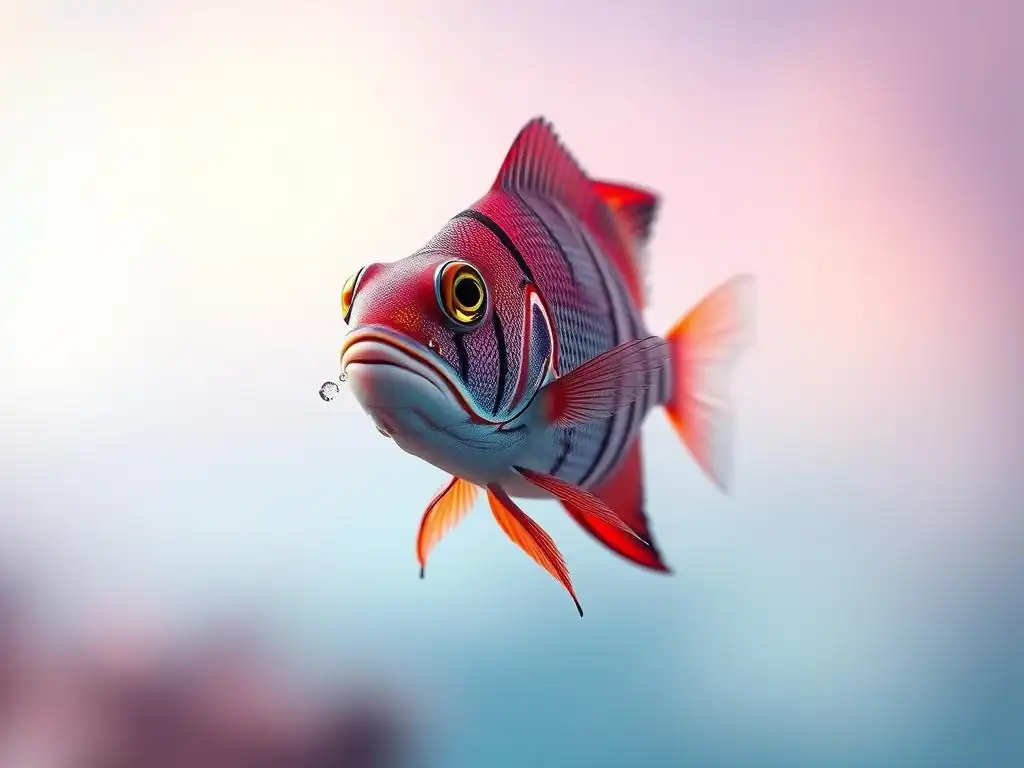
The Redline Cardinalfish ( Apogon leptacanthus) possesses several distinct features that set it apart from other cardinalfish species, making it easily identifiable. Its most prominent characteristic is the vivid, continuous red or orange stripe that extends horizontally from its snout, through its eye, and along its flank to the base of its caudal fin. This "redline" gives the fish its common name and is a clear differentiator. The body itself is typically a shimmering silver or translucent white, providing a stark contrast to the brilliant stripe.
Another distinguishing feature is its slender, elongated body shape, which is more streamlined compared to some other cardinalfish species that might have a more robust or oval body. They generally remain on the smaller side, usually not exceeding 3 inches (7.5 cm) in length. While some individuals may exhibit a small black spot at the caudal fin base, it is the prominent red stripe that truly defines the Redline Cardinalfish's unique aesthetic, making it a striking addition to any aquarium and central to its Redline cardinalfish care appeal.
Comparing Redline Cardinalfish with Banggai Cardinalfish
The Redline Cardinalfish ( Apogon leptacanthus) and the Banggai Cardinalfish ( Pterapogon kauderni) are both popular choices for saltwater aquariums, but they exhibit clear differences in appearance, behavior, and care. The Banggai Cardinalfish is instantly recognizable by its distinctive black and white striped pattern, elongated dorsal and anal fins, and a more triangular body shape. It also typically grows larger, reaching up to 4 inches (10 cm), compared to the Redline's 2-3 inches.
Behaviorally, while both are peaceful mouthbrooders, Banggai Cardinalfish can be more territorial towards conspecifics, especially in smaller tanks, whereas Redline Cardinalfish are generally more tolerant of their own kind and prefer to school. Breeding in captivity is also significantly easier and more common with Banggai Cardinalfish. In terms of Redline cardinalfish care versus Banggai cardinalfish care, both require stable water parameters and meaty diets, but the Banggai's unique finnage can sometimes be prone to fin rot if water quality is not impeccable.
Exploring Other Cardinalfish Options for Your Reef Tank
Beyond the Redline and Banggai Cardinalfish, there are several other captivating cardinalfish species that can make excellent additions to a reef tank, each with its own unique appeal and Redline cardinalfish care considerations. The Pajama Cardinalfish ( Sphaeramia nematoptera) is widely popular for its distinctive appearance: a yellow face, a broad black vertical band across its body, and a tail covered in red polka dots. They are peaceful, hardy, and also tend to school.
Another notable species is the Spotted Cardinalfish ( Sphaeramia orbicularis), which is larger, reaching up to 6 inches, and features a pattern of small black spots over a brownish-silver body. The Blue-eyed Cardinalfish ( Apogon compressus) offers a subtle beauty with its bluish hue and sometimes faint vertical bands. Each of these species shares the general peaceful temperament and preference for hiding spots common to cardinalfish, but researching their specific adult size, schooling tendencies, and dietary nuances is always recommended to ensure they are the right fit for your aquarium's ecosystem.
Where to Buy Redline Cardinalfish
Finding Reputable Redline Cardinalfish Suppliers
When looking to acquire Redline Cardinalfish, selecting a reputable supplier is paramount to ensuring you bring home healthy, disease-free specimens. Start by checking your local fish stores. A good local fish store will have knowledgeable staff, clean tanks, and fish that appear active and well-fed. They should be able to provide information on where their fish are sourced from and how long they have been in their care. Ask about their quarantine procedures and return policies.
If local options are limited, consider reputable online retailers specializing in marine fish. The best online suppliers will have strong customer reviews, clear live arrival guarantees, and detailed descriptions of their fish. They often employ advanced packing techniques to minimize stress during shipping. Look for suppliers who prioritize the health of their livestock, often indicated by their willingness to answer detailed questions about their fish's origins and acclimation processes. Avoid impulse buys from unknown sources, as this significantly increases the risk of introducing disease to your established aquarium.
Selecting Healthy Redline Cardinalfish Specimens
Once you've identified a reputable supplier, the next crucial step in Redline cardinalfish care is to carefully select healthy specimens. Spend time observing the fish in the store's tank before making a purchase. A healthy Redline Cardinalfish will be active and alert, swimming freely (often in a loose school if multiple are present), and not constantly hiding or gasping at the surface. Their fins should be fully extended, without any signs of fraying, tears, or clamping.
Examine their body for any visible spots (e.g., white spots from Ich), lesions, red patches, or excessive sliminess, which are all indicators of illness. Their eyes should be clear and bright, not cloudy or sunken. The fish should appear well-fed, with a full body, not emaciated or bloated. Ask the staff if the fish are eating and what they are currently being fed. A fish that is actively feeding is a good sign of health and easier acclimation to your tank. Remember, even a single sick fish can introduce pathogens to your entire system.
Conclusion: Enjoying the Beauty of Redline Cardinalfish in Your Aquarium
The Joys of Keeping Redline Cardinalfish
Keeping Redline Cardinalfish in your saltwater aquarium brings a unique blend of aesthetic appeal and serene observation. Their striking crimson stripe against a silvery body provides an undeniable visual pop, adding a vibrant splash of color to any reef or fish-only setup. Beyond their beauty, their peaceful temperament makes them ideal community fish, allowing them to coexist harmoniously with a wide array of other non-aggressive marine species. Watching a small school of Redline Cardinalfish gracefully navigate through live rock formations, particularly as dusk settles, offers a truly captivating and calming experience.
These fish are also relatively hardy once established, proving to be a rewarding choice for aquarists who prioritize stability and beauty. Their nocturnal habits, while sometimes making them shy during peak light hours, add an intriguing dimension, encouraging observation during different times of the day. The satisfaction of providing a thriving environment where these beautiful creatures can flourish is immense, making the effort involved in their Redline cardinalfish care truly worthwhile.
Tips for Long-Term Redline Cardinalfish Care and Success
Achieving long-term success with Redline Cardinalfish hinges on consistent adherence to key care principles. Firstly, maintaining impeccable water quality is paramount; this means regular testing of parameters (ammonia, nitrite, nitrate, pH, salinity, temperature) and performing consistent partial water changes (e.g., 10-20% bi-weekly). Stability is more crucial than absolute perfection, so avoid drastic fluctuations. Secondly, provide a varied and high-quality diet of meaty frozen foods, feeding small amounts 1-2 times daily to ensure proper nutrition without overfeeding.
Thirdly, ensure their environment is rich in hiding spots, particularly live rock with numerous caves and crevices, to provide security and reduce stress. This is especially important given their shy and nocturnal nature. Lastly, vigilant observation for any changes in behavior or physical appearance will allow for early detection and treatment of potential health issues, preventing minor problems from escalating. By following this comprehensive Redline cardinalfish care guide, aquarists can enjoy the stunning beauty and peaceful presence of these captivating fish for many years.
Frequently Asked Questions
How difficult are Redline Cardinalfish to care for?
Redline Cardinalfish are generally considered moderately easy to care for, making them suitable for intermediate aquarists. They require stable water parameters and peaceful tank mates.
What is the ideal tank size for Redline Cardinalfish?
A minimum tank size of 30 gallons is recommended for a small group of Redline Cardinalfish. This provides them with enough space to swim and establish a comfortable social hierarchy.
What type of diet do Redline Cardinalfish require?
Redline Cardinalfish are carnivores and require a diet of small meaty foods. This can include frozen mysis shrimp, brine shrimp, and high-quality flake food. Variety is key to their overall health.
Are Redline Cardinalfish reef safe?
Yes, Redline Cardinalfish are generally considered reef safe. They do not typically bother corals or invertebrates, making them a good addition to a reef aquarium setup.
What are common health issues affecting Redline Cardinalfish?
Common health issues include ich (white spot disease) and other parasitic infections. Maintaining good water quality and quarantining new fish are essential for preventing these problems.
Final Reflection: Embracing the Crimson Tide
The journey into the world of Apogon margaritophorus, the Redlined Cardinalfish, reveals more than just aquarium husbandry; it highlights the delicate balance between appreciating nature's beauty and responsibly maintaining its integrity. As we've explored the intricacies of their care, from water parameters to social dynamics, it becomes clear that keeping these vibrant creatures is a commitment to their well-being, not just an aesthetic pursuit.
The allure of the Redlined Cardinalfish lies not only in its striking crimson stripes but also in the responsibility we undertake to provide a thriving environment for them. Their presence in our tanks serves as a constant reminder of the larger, interconnected ecosystems they originate from. In the end, we will conserve only what we love; we will love only what we understand; and we will understand only what we are taught.
- Baba Dioum's words resonate deeply, urging us to continue learning and sharing our knowledge to ensure the future of these captivating fish.
Now, as you consider adding a Redlined Cardinalfish to your aquarium, or perhaps simply admire them from afar, remember that you are part of a larger story. A story of conservation, responsibility, and appreciation for the delicate wonders of our planet. Let the vibrant crimson of the Redlined Cardinalfish inspire you to become a more informed, compassionate, and proactive steward of the aquatic world.
Unleash the Crimson Tide: Transform Your Aquarium Today!
Thank you for diving deep into the vibrant world of RedLined Cardinalfish! We hope this article has sparked a new appreciation for these captivating creatures and equipped you with the knowledge to care for them responsibly. Now, let's turn that inspiration into action!
Here are a few ways to bring the magic of RedLined Cardinalfish to life:
- Boldly introduce a small school (5-7) of RedLined Cardinalfish to your established reef aquarium, ensuring you've met all their environmental needs for a thriving habitat.
- Share this article with fellow aquarium enthusiasts on social media to spread the word about these stunning, peaceful fish. Let's cultivate a community of informed caretakers!
- Explore the possibilities of creating a dedicated biotope aquarium focused on the Red Sea, showcasing RedLined Cardinalfish alongside other compatible species.
What unique aquascaping elements will you incorporate to mimic their natural habitat and provide your RedLined Cardinalfish with the perfect crimson home?