
Ideal Tank Mates for Peaceful Cardinalfish: Building a Harmonious Reef Community

Welcome to Aquarium Mastery!
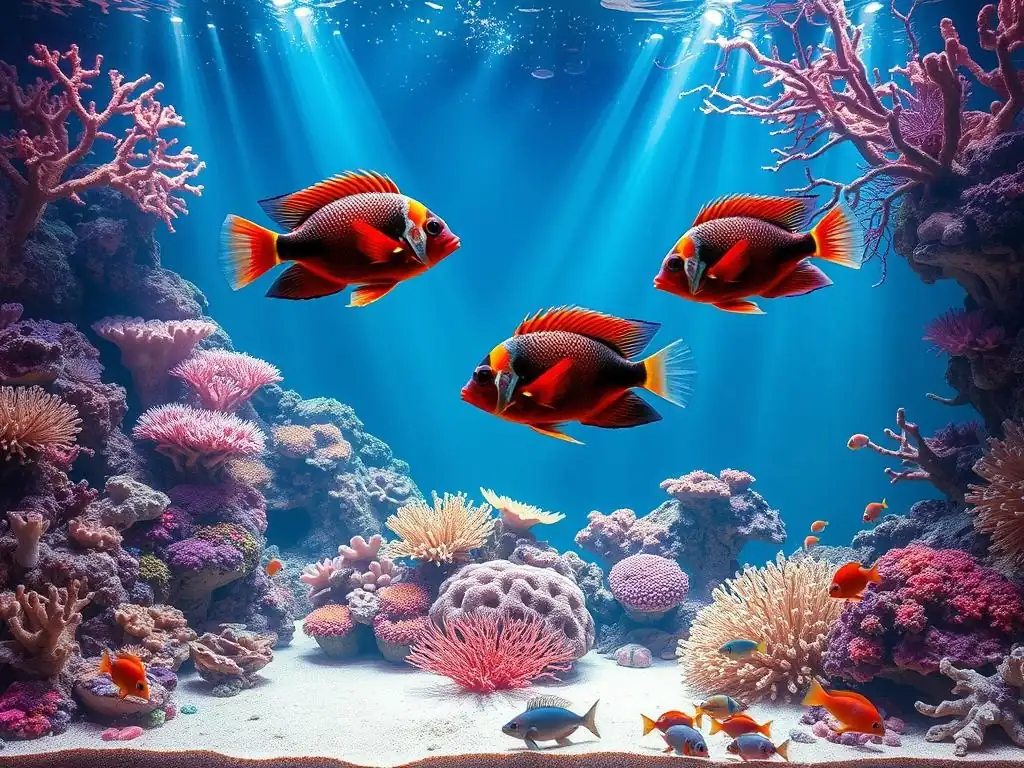
Ever wondered how to create the perfect, peaceful reef environment where your cardinalfish thrive? Dive in and discover the secrets to selecting peaceful cardinalfish tank mates that will ensure a harmonious and vibrant community. Learn which species complement these gentle fish and avoid common pitfalls that can disrupt your aquarium's delicate balance. Ready to build your ideal underwater paradise? Let's explore!
- Understanding Cardinalfish Temperament for Successful Reef Keeping
- Selecting Compatible Tank Mates for Cardinalfish
- Top Peaceful Tank Mate Options for Cardinalfish
- Creating a Harmonious Reef Environment for Cardinalfish and Tank Mates
- Introducing New Fish to a Cardinalfish Aquarium
- Troubleshooting Tank Mate Compatibility Issues
- Long-Term Care and Compatibility
- Conclusion: Building a Thriving Reef Community with Peaceful Cardinalfish Tank Mates
-
Frequently Asked Questions
- How do I choose ideal tank mates for my Cardinalfish?
- What are some good examples of peaceful tank mates for Cardinalfish?
- Are there any specific fish I should avoid putting with Cardinalfish?
- How important is tank size when selecting tank mates for Cardinalfish?
- What should I do if I notice aggression between my Cardinalfish and its tank mates?
- Final Reflection: Cultivating Harmony in the Reef
- Dive Deeper: Start Your Cardinalfish Community Today!
Understanding Cardinalfish Temperament for Successful Reef Keeping
Cardinalfish: Peaceful Nature and Reef Compatibility
Cardinalfish, particularly popular species like the Banggai Cardinalfish ( Pterapogon kauderni) and the Pajama Cardinalfish ( Sphaeramia nematoptera), are renowned for their remarkably peaceful temperament, making them excellent candidates for a harmonious reef aquarium. These fish typically grow to a modest size, often between 2 to 5 inches, and exhibit calm, deliberate swimming patterns. Their non-aggressive nature extends not only to other fish but also to corals and invertebrates, ensuring they will not nip at polyps or disturb sessile organisms, which is crucial for the health and aesthetics of a delicate reef ecosystem.
Furthermore, many cardinalfish species are schooling fish, preferring to live in groups of five or more individuals. This schooling behavior not only enhances their sense of security but also adds a dynamic visual element to the aquarium. When kept in appropriate numbers, their peaceful disposition shines, making them far less prone to stress or territorial disputes compared to more boisterous species. Their adaptability to various tank conditions, combined with their striking appearance, firmly establishes them as a cornerstone for building a thriving and tranquil reef community.
Identifying Signs of Stress in Cardinalfish
Recognizing signs of stress in your cardinalfish is paramount for maintaining their health and the overall well-being of your reef tank. Stressed cardinalfish may exhibit several tell-tale symptoms, including rapid gill movement, indicating labored breathing, or clamped fins held tightly against their body. A noticeable loss of vibrant coloration, often appearing faded or dull, is another common indicator, as is excessive hiding behavior, where the fish constantly retreats into rockwork and avoids open water.
Beyond physical signs, behavioral changes are also critical to observe. A stressed cardinalfish might refuse to eat, even when offered preferred foods, or display erratic swimming patterns, such as darting aimlessly or bumping into tank decorations. These symptoms often point to underlying issues like poor water quality, the presence of aggressive tank mates, insufficient hiding spots, or being kept in too small a group, which can diminish their natural schooling comfort. Prompt identification and mitigation of these stressors are essential to ensure the longevity and vitality of your peaceful cardinalfish tank mates.
Selecting Compatible Tank Mates for Cardinalfish
Key Considerations for Choosing Cardinalfish Companions
When selecting tank mates for your cardinalfish, several key considerations must be prioritized to ensure a harmonious environment. Firstly, size compatibility is crucial; avoid any fish that could potentially view your cardinalfish as prey, or vice versa. Cardinalfish, being relatively small and peaceful, are vulnerable to larger, predatory species. Secondly, temperament matching is paramount. Opt for other peaceful or semi-aggressive fish that share a similar calm disposition, steering clear of highly territorial or fin-nipping species.
Thirdly, consider niche partitioning within the aquarium. Choose tank mates that occupy different areas of the water column or have distinct feeding habits to minimize competition for resources and space. For instance, bottom-dwelling gobies or mid-water schooling fish complement cardinalfish, which typically inhabit the open water or sheltered areas. Finally, all chosen species must thrive under the same saltwater parameters—stable salinity (around 1.023-1.026 specific gravity), temperature (75-80°F), and pristine water quality are non-negotiable for a healthy reef.
Avoiding Aggressive Fish Species in a Cardinalfish Tank
To maintain the peaceful nature of a cardinalfish aquarium, it is imperative to steer clear of aggressive fish species that can cause undue stress or harm. Large angelfish, such as Emperor Angelfish ( Pomacanthus imperator) or Queen Angelfish ( Holacanthus ciliaris), while beautiful, can grow quite large and may become territorial or even nip at smaller, slower-moving fish like cardinalfish. Similarly, triggerfish, including the commonly available Picasso Triggerfish ( Rhinecanthus aculeatus), are notorious for their aggressive and predatory nature, making them completely unsuitable companions.
Puffers, such as the Valentini Puffer ( Canthigaster valentini), and certain larger wrasses like the Lunar Wrasse ( Thalassoma lunare), can also pose a significant threat due to their potential for fin-nipping or outright predation on smaller, more docile species. Even some seemingly benign species, if they grow large or are introduced to an already established community, can display unexpected aggression. Prioritizing the safety and well-being of your peaceful cardinalfish tank mates means diligently researching and strictly avoiding any species known for their territoriality, predatory instincts, or aggressive tendencies towards smaller, calmer inhabitants.
Top Peaceful Tank Mate Options for Cardinalfish
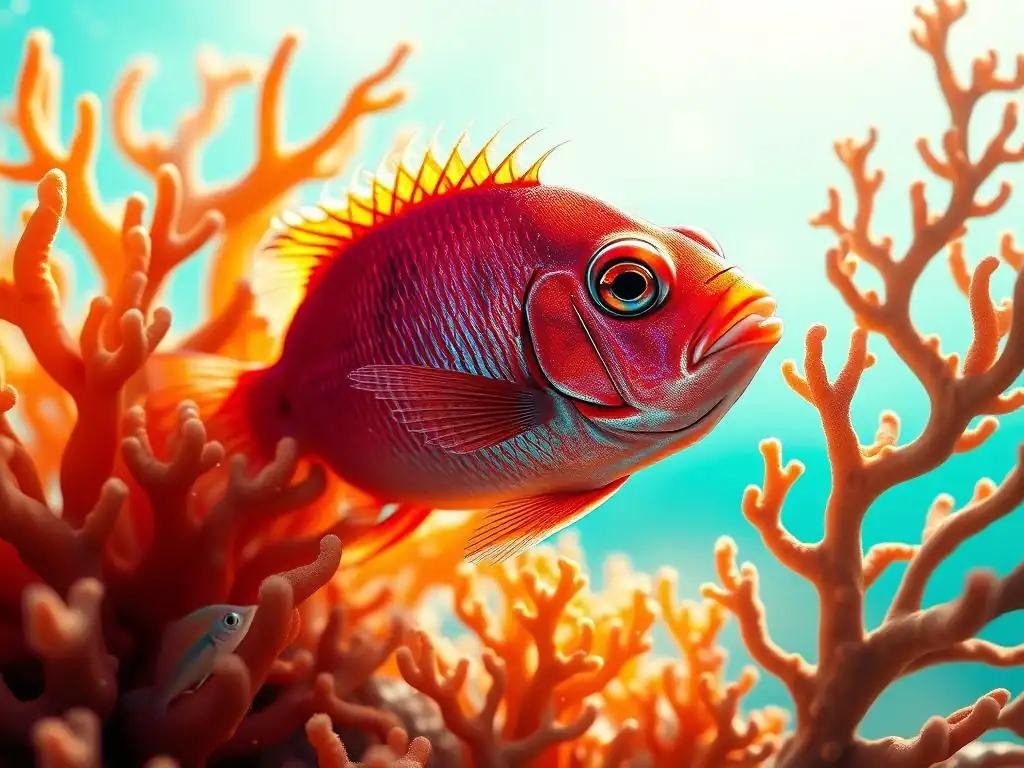
Small Gobies: Ideal Peaceful Cardinalfish Tank Mates
Small gobies are among the most ideal peaceful cardinalfish tank mates, perfectly complementing their calm demeanor and mid-water presence. These charming bottom-dwellers typically remain under 3 inches in length, occupying the sand bed or perching on live rock, thus avoiding direct competition for swimming space with cardinalfish. Their non-aggressive nature ensures they pose no threat, and their unique behaviors, such as sifting sand or darting between crevices, add visual interest without disrupting the tank's tranquility.
Their specialized habitat requirements mean they thrive in different zones of the aquarium, reducing stress and territorial disputes. Moreover, many small goby species are hardy and adaptable, making them robust additions to a well-maintained reef environment. Their small size and quiet temperament make them excellent choices for ensuring a harmonious community alongside your cardinalfish.
Examples: Clown Gobies, Goby/Shrimp Pairs
Two excellent examples of small gobies that serve as perfect peaceful cardinalfish tank mates are Clown Gobies and symbiotic Goby/Shrimp pairs. Clown Gobies ( Gobiodon spp.), vibrant and tiny, rarely exceed 1.5 inches. They are known for perching on and around SPS corals, exhibiting a truly non-aggressive temperament towards other fish. Their unique coloration and habit of resting on coral branches add a delightful splash of color and personality without any risk to your cardinalfish.
Goby/Shrimp pairs, such as the Watchman Goby ( Cryptocentrus cinctus) and Pistol Shrimp ( Alpheus spp.), offer a fascinating symbiotic relationship that adds dynamic behavior to the sand bed. The goby stands guard while the nearly blind shrimp maintains their shared burrow, and neither species interacts negatively with mid-water swimming cardinalfish. This unique partnership provides an engaging spectacle while ensuring complete compatibility with your peaceful cardinalfish tank mates, as they occupy entirely different ecological niches within the aquarium.
Firefish: A Colorful and Peaceful Addition
Firefish, including species like the Purple Firefish ( Nemateleotris decora) and the Red Firefish ( Nemateleotris magnifica), are outstanding choices for colorful and peaceful cardinalfish tank mates. These slender, elegant fish typically grow to about 3 inches and are known for their striking coloration and long, flowing fins. They are generally mid-water swimmers, often hovering gracefully or darting into rockwork if startled, a behavior that adds a lively yet non-disruptive element to the tank.
Their peaceful disposition means they rarely, if ever, show aggression towards other fish, making them highly compatible with the calm nature of cardinalfish. Firefish are also relatively shy and appreciate plenty of hiding spots, which helps them feel secure in a community setting. Their unique appearance and tranquil demeanor make them a beautiful and stress-free addition to any reef aquarium aiming for a harmonious balance.
Basslets: Adding Variety Without Aggression
Basslets, particularly species like the Royal Gramma ( Gramma loreto) and the Blackcap Basslet ( Gramma melacara), can add striking color and variety to a cardinalfish tank without introducing aggression. These fish typically remain relatively small, often between 3 to 4 inches, and are known for their vibrant hues and often territorial, but generally non-aggressive, behavior towards other species. They tend to stake out a small cave or crevice and defend it, but rarely venture out to harass other fish that do not directly infringe upon their chosen territory.
Their preference for rocky overhangs and caves means they primarily occupy a different niche from the open-water schooling cardinalfish, minimizing direct competition. Basslets are also hardy and relatively easy to care for, making them suitable for mixed reef environments. With careful selection, they can be a visually appealing and compatible addition, contributing to the overall diversity and beauty of your peaceful cardinalfish community.
Caveat: Careful Basslet Selection is Crucial
While many basslets are excellent peaceful cardinalfish tank mates, careful selection is crucial, as not all species within this family share the same temperament. Some larger or more robust basslet species, particularly those from the Liopropoma genus, can be more territorial or even predatory towards very small or timid fish, especially in smaller aquariums. For example, the Candy Basslet ( Liopropoma carmabi), while stunning, can sometimes show more aggression than a Royal Gramma if not given ample space and hiding spots.
It is essential to thoroughly research the specific temperament and adult size of any basslet before introducing it to a cardinalfish tank. Prioritize species that are known for their calm demeanor and smaller adult sizes. Overcrowding can also exacerbate any latent aggression, so ensure the tank provides sufficient space and rockwork for all inhabitants to establish their own territories without conflict. This diligent approach will help maintain the serene environment ideal for your peaceful cardinalfish.
Dartfish: Peaceful Schooling Companions for Cardinalfish
Dartfish, such as the Scissortail Dartfish ( Ptereleotris evides) and the Zebra Dartfish ( Ptereleotris zebra), are excellent choices as peaceful schooling companions for cardinalfish. These elegant, elongated fish share a similar peaceful temperament and a preference for open water, often hovering gracefully or darting quickly into the safety of rockwork when startled. They typically grow to about 4-5 inches, making them a good size match for most cardinalfish species without posing a threat.
Their schooling tendencies, much like cardinalfish, contribute to a sense of security and add a dynamic visual element to the tank. Dartfish are not known for aggression towards other fish and generally coexist well with other calm, reef-safe species. Their sleek forms and often iridescent colors provide a lovely contrast to the more rounded cardinalfish, enhancing the overall aesthetic and ensuring a truly harmonious community of peaceful cardinalfish tank mates.
Invertebrates: Shrimp, Snails, and Crabs as Tank Mates
Most invertebrates, including various species of shrimp, snails, and certain crabs, are generally excellent and highly beneficial peaceful cardinalfish tank mates. These creatures play vital roles in the reef ecosystem, acting as part of the clean-up crew by consuming detritus, algae, and uneaten food. They occupy different niches within the tank, typically dwelling on the substrate or rockwork, ensuring they do not compete with or harass the mid-water swimming cardinalfish.
Their presence adds significant biodiversity and natural processes to the aquarium, contributing to its overall health and stability. From controlling nuisance algae to scavenging for leftover food, invertebrates are indispensable members of a thriving reef community. Their docile nature ensures they pose no threat to the peaceful cardinalfish, making them ideal companions that enhance the tank's cleanliness and ecological balance.
Cleaner Shrimp: Beneficial Reef Inhabitants
Cleaner shrimp, such as the Skunk Cleaner Shrimp ( Lysmata amboinensis) and the Peppermint Shrimp ( Lysmata wurdemanni), are particularly beneficial and highly compatible peaceful cardinalfish tank mates. Skunk Cleaner Shrimp are renowned for their symbiotic behavior, setting up "cleaning stations" where fish will approach them to have parasites and dead skin removed. This not only provides a fascinating interaction to observe but also contributes to the health of your fish.
Peppermint Shrimp are often employed for their effectiveness in controlling Aiptasia anemones, a common pest in reef tanks. Both species are completely non-aggressive towards fish and corals, making them safe and valuable additions. They scavenge for food, helping to keep the tank clean, and their active, curious nature adds life and interest to the aquarium without any risk to your cardinalfish or other delicate inhabitants.
Avoid: Aggressive Crabs that may harass Cardinalfish
While many crabs are reef-safe, it is crucial to avoid aggressive crab species that may harass or even prey upon your peaceful cardinalfish tank mates. Large Emerald Crabs ( Mithraculus sculptus), while often sold as algae eaters, can sometimes become opportunistic predators, especially as they grow larger, and may attempt to catch small, slow-moving fish like cardinalfish, particularly at night. Similarly, larger hermit crabs, especially those that outgrow their shells and become more predatory, can pose a risk.
Other species like Gorilla Crabs ( Xanthidae family) or certain types of Sally Lightfoot Crabs ( Percnon gibbesi) are known for their more aggressive or predatory tendencies and should be strictly excluded from a cardinalfish community tank. Always research the specific crab species thoroughly before introduction to ensure it is genuinely reef-safe and poses no threat to your docile fish. Prioritizing known peaceful species will prevent potential harm and maintain the harmonious environment your cardinalfish thrive in.
Creating a Harmonious Reef Environment for Cardinalfish and Tank Mates
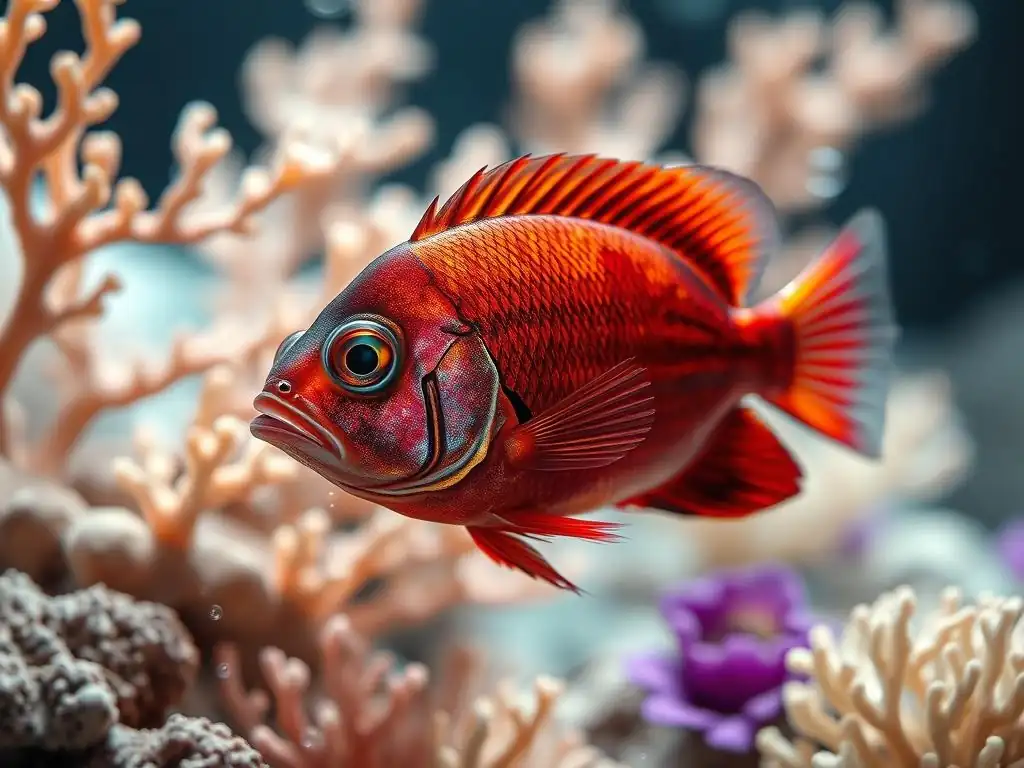
Tank Size and Aquascaping Considerations
Creating a harmonious reef environment for peaceful cardinalfish tank mates begins with appropriate tank size and thoughtful aquascaping. For a small group of 5-7 cardinalfish, a minimum tank size of 30 gallons is often recommended, though a 50-gallon or larger aquarium is ideal for a more diverse community. Ample space is crucial to disperse any potential territoriality among tank mates and to allow cardinalfish to school naturally without feeling confined.
Aquascaping should incorporate a generous amount of live rock, creating numerous caves, overhangs, and crevices. These structures serve multiple purposes: they provide essential hiding places for cardinalfish when they feel stressed or need to rest, offer distinct territories for other peaceful inhabitants, and create visual barriers that can break up lines of sight, reducing potential aggression. Additionally, ensure there are open swimming spaces, particularly in the mid-water column, where cardinalfish can school freely and display their natural behaviors. A well-structured aquascape contributes significantly to the long-term well-being and stability of the entire reef community.
Providing Ample Hiding Places for Cardinalfish
Providing ample hiding places is absolutely critical for the well-being and security of peaceful cardinalfish tank mates. Cardinalfish, despite their calm demeanor, can be quite shy and are prone to stress if they feel exposed or threatened. A network of caves, overhangs, and crevices within the live rock structure offers them immediate refuge from perceived threats, whether it's a new tank mate, sudden movement outside the tank, or simply a desire for solitude.
These hiding spots reduce stress levels significantly, which in turn boosts their immune system and overall health. When cardinalfish feel secure and have easy access to shelter, they are more likely to exhibit their natural behaviors, such as schooling and feeding in the open. Without sufficient hiding spots, they may become withdrawn, refuse to eat, or even succumb to disease due to chronic stress. Therefore, a thoughtfully designed aquascape rich in safe havens is non-negotiable for a thriving cardinalfish aquarium.
Maintaining Optimal Water Parameters for a Thriving Reef
Maintaining optimal water parameters is the cornerstone of a thriving reef environment for peaceful cardinalfish tank mates and all other inhabitants. Consistent water quality directly impacts the health, coloration, and longevity of your fish and corals. Key parameters to monitor include salinity, which should be stable between 1.023 and 1.026 specific gravity, mimicking natural ocean conditions. Temperature should be kept steady within the range of 75-80°F (24-27°C), as fluctuations can cause significant stress.
pH levels should ideally remain between 8.1 and 8.4. Crucially, ammonia and nitrite levels must always be at zero, as even trace amounts are highly toxic. Nitrate levels should be kept as low as possible, ideally below 10-20 ppm, to prevent algae blooms and maintain a healthy environment. Regular testing using reliable kits, coupled with consistent partial water changes (typically 10-20% weekly or bi-weekly), are essential practices to ensure these parameters remain stable and pristine, fostering a robust and harmonious reef ecosystem.
Introducing New Fish to a Cardinalfish Aquarium
Quarantine Procedures for New Additions
Implementing strict quarantine procedures for new additions is a non-negotiable step to protect your existing peaceful cardinalfish tank mates and the entire reef system from potential diseases and parasites. A dedicated quarantine tank (QT) should be set up with basic filtration, a heater, and some PVC pipes or simple rockwork for hiding. All new fish, regardless of their source, should spend a minimum of 3-4 weeks in this QT.
During the quarantine period, observe the new fish closely for any signs of illness, such as white spots (Ich), velvet, fin rot, or unusual behavior. This allows for isolated treatment if necessary, preventing the introduction of pathogens into your main display tank, where treating disease can be far more challenging and stressful for established inhabitants. This proactive measure significantly reduces the risk of wiping out your healthy cardinalfish and other tank mates, saving time, money, and heartache in the long run.
Gradual Acclimation to Minimize Stress
Once a new fish has completed its quarantine period, gradual acclimation to the main display tank is crucial to minimize stress and ensure a smooth transition for your peaceful cardinalfish tank mates. The most effective method is drip acclimation, which slowly equalizes the temperature, salinity, and pH between the quarantine tank water and the main tank water. This process can take 30 minutes to an hour or more, depending on the differences in parameters.
After the drip acclimation, gently transfer the new fish into the main tank, ideally by netting it and discarding the acclimation water, to avoid introducing any remaining quarantine water into your display. Introducing new fish during the evening or with the lights dimmed can also reduce initial stress and allow them to explore their new environment more calmly before the full activity of the tank begins. This careful, measured approach significantly improves the chances of successful integration and reduces shock to the new arrival.
Monitoring Behavior After Introduction
After introducing new fish to your cardinalfish aquarium, diligent monitoring of their behavior is essential for the first few days to weeks. Observe both the newly introduced fish and your existing peaceful cardinalfish tank mates for any signs of stress or aggression. Look for chasing, fin-nipping, or excessive hiding from the new fish, which could indicate they are being harassed. Conversely, notice if the new fish is showing signs of stress like rapid breathing, clamped fins, or refusal to eat.
Ensure all fish are actively seeking and consuming food during feeding times. Pay attention to how the new fish interacts with the cardinalfish and other tank mates—are they integrating smoothly into the community, or are there persistent territorial disputes? Early detection of compatibility issues allows for prompt intervention, such as rearranging rockwork, increasing feeding frequency, or, in severe cases, separating problematic fish, preventing prolonged stress or harm to any inhabitants.
Troubleshooting Tank Mate Compatibility Issues
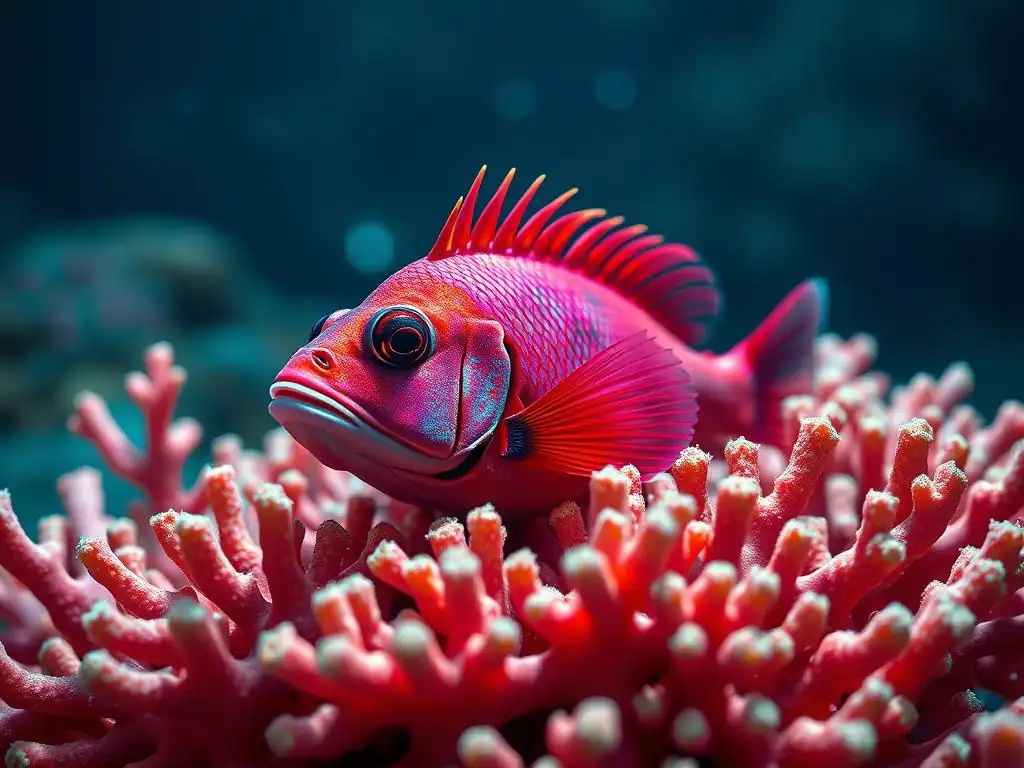
Identifying and Addressing Aggression
Identifying and addressing aggression is a critical step in troubleshooting tank mate compatibility issues within your cardinalfish aquarium. Aggression can manifest in various ways, from overt chasing and fin-nipping to more subtle forms like constant intimidation, preventing a fish from accessing food or hiding spots. Observe closely to determine the aggressor and the target: is one specific fish constantly harassing others? Are there particular times of day or areas of the tank where aggression is more prevalent?
Once identified, addressing the aggression can involve several strategies. Sometimes, simply rearranging the aquascape can break up established territories and reduce conflict. Increasing feeding frequency or offering multiple feeding spots can alleviate competition over food. If the aggression is persistent and causing significant stress or injury, temporary separation using a clear breeding box or a tank divider for a few days might allow the aggressor to "forget" its territory, or the target to recover.
Separating Problematic Fish
If aggression persists despite initial interventions, separating problematic fish may become a necessary measure to protect your peaceful cardinalfish tank mates and maintain the harmony of your aquarium. This can involve using a fish trap to catch the aggressor and either placing it in a separate quarantine tank, a refugium, or a dedicated "time-out" section of the main display using a clear acrylic divider. This temporary separation allows the targeted fish to recover from stress and injuries, and the aggressor to calm down.
In some cases, if a fish proves to be consistently aggressive and unsuitable for the community, permanent rehoming may be the only solution. While this can be a difficult decision, the well-being of the entire tank community, especially the more docile cardinalfish, must take precedence. Prompt action in separating problematic fish prevents chronic stress, disease outbreaks, and potential fatalities among your cherished tank inhabitants.
Re-evaluating Tank Mate Choices
If repeated attempts to mitigate aggression or persistent stress among your peaceful cardinalfish tank mates fail, it's crucial to re-evaluate your initial tank mate choices. Sometimes, despite thorough research, a particular species or individual fish may simply not be compatible with the existing community's dynamics or the tank's size. This re-evaluation should involve a critical look at the temperament profiles of all inhabitants, their adult sizes, and their spatial requirements.
Consider whether the tank is overcrowded, which can often lead to increased aggression due to limited resources and territory. Research alternative species that are known for their exceptionally peaceful nature and smaller adult sizes, ensuring they perfectly align with the calm disposition of cardinalfish. Replacing an incompatible fish with a more suitable one can dramatically transform a stressful environment into a thriving, harmonious reef community, ensuring the long-term well-being of all inhabitants.
Long-Term Care and Compatibility
Ensuring Continued Harmony in Your Reef Tank
Ensuring continued harmony in your reef tank with peaceful cardinalfish tank mates requires ongoing vigilance and proactive management. The dynamics of a community aquarium can evolve over time as fish grow, mature, or new additions are introduced. Regularly observe the interactions between all inhabitants, paying attention to subtle shifts in behavior, feeding patterns, or signs of stress. A fish that was once peaceful might become territorial as it ages, or a new introduction might disrupt established hierarchies.
Maintaining excellent water quality through consistent testing and regular water changes is also paramount, as pristine conditions reduce overall stress and minimize triggers for aggression. Providing a stable environment, adequate nutrition, and sufficient hiding spaces will contribute significantly to the long-term well-being and peaceful coexistence of all your reef inhabitants. Proactive care and attention to detail are key to fostering a thriving and harmonious ecosystem for years to come.
Regular Observation and Maintenance
Regular observation and maintenance are the bedrock of long-term care and continued compatibility within your reef tank, especially for peaceful cardinalfish tank mates. Make it a daily habit to spend a few minutes simply watching your fish. Look for any changes in behavior, such as unusual swimming patterns, hiding more than usual, or signs of illness like clamped fins or faded coloration. Observe feeding behaviors to ensure all fish are getting enough food and are not being outcompeted.
Beyond daily checks, adhere to a consistent maintenance schedule. This includes weekly or bi-weekly water parameter testing (salinity, temperature, pH, ammonia, nitrite, nitrate) and performing partial water changes (typically 10-20% of the tank volume). Regular cleaning of filtration media, protein skimmers, and glass surfaces prevents the buildup of detritus and maintains water clarity. This diligent routine not only keeps your water parameters stable but also allows you to catch and address potential issues early, ensuring the sustained health and harmony of your cardinalfish and their companions.
Conclusion: Building a Thriving Reef Community with Peaceful Cardinalfish Tank Mates
Building a thriving reef community with peaceful cardinalfish tank mates is an incredibly rewarding endeavor that hinges on careful planning, diligent care, and continuous observation. By understanding the inherently calm nature of cardinalfish and recognizing their signs of stress, aquarists can lay a strong foundation for a harmonious environment. Selecting compatible tank mates—such as small gobies, firefish, certain basslets, dartfish, and various invertebrates—is crucial, always prioritizing species that mirror the cardinalfish's docile temperament and do not compete for vital resources.
The success of such a community also relies heavily on providing an optimally sized tank with well-structured aquascaping that offers ample hiding places, coupled with the unwavering maintenance of pristine water parameters. Furthermore, implementing strict quarantine procedures for new additions and monitoring their integration ensures that the established peace is not disrupted. By adhering to these principles and committing to regular observation and maintenance, aquarists can create a beautiful, stable, and truly harmonious reef ecosystem where peaceful cardinalfish and their carefully chosen companions can flourish for years to come.
Frequently Asked Questions
How do I choose ideal tank mates for my Cardinalfish?
Consider temperament, size, and dietary needs. Aim for other peaceful, non-aggressive species that won't compete for resources or harass the Cardinalfish. Ensure they share similar water parameters to ensure compatibility.
What are some good examples of peaceful tank mates for Cardinalfish?
Small gobies, firefish, and some types of docile clownfish can be good choices. Avoid aggressive fish like damsels or larger predatory species that might stress or eat the Cardinalfish.
Are there any specific fish I should avoid putting with Cardinalfish?
Definitely avoid any fish known for being aggressive, territorial, or predatory, such as triggers, lionfish, and many types of angelfish. These fish can bully or consume Cardinalfish.
How important is tank size when selecting tank mates for Cardinalfish?
Tank size is crucial. Overcrowding can lead to aggression and poor water quality. A larger tank provides ample space for fish to establish territories and reduce competition for resources.
What should I do if I notice aggression between my Cardinalfish and its tank mates?
Observe carefully to identify the aggressor. Consider rehoming the aggressive fish or providing more hiding places and visual barriers in the tank to reduce stress and promote a harmonious environment.
Final Reflection: Cultivating Harmony in the Reef
The delicate balance of a reef ecosystem, as we've explored in finding peaceful cardinalfish tank mates, is a microcosm of the larger world, demanding careful consideration and thoughtful choices. The success of a reef aquarium, much like the success of any community, hinges on the compatibility and respect among its inhabitants. Understanding the nuanced needs of cardinalfish and their potential companions is not just about aesthetics; it's about fostering a thriving, sustainable environment.
This journey into the world of reef aquariums has underscored the profound impact of our decisions on the lives of these creatures. Witnessing the vibrant interactions within a well-balanced reef tank is a constant reminder of the beauty and fragility of nature. In the end, we will conserve only what we love; we will love only what we understand; and we will understand only what we are taught.
- Baba Dioum. This quote resonates deeply, highlighting the importance of education and understanding in our efforts to create harmonious aquatic environments.
Now, consider the lessons learned about compatibility and peaceful coexistence. How can you apply these principles to your own life, fostering understanding and harmony in your own communities? Let the careful planning and mindful selection of tank mates for your peaceful cardinalfish inspire you to cultivate a more compassionate and balanced world, one thoughtful decision at a time.
Dive Deeper: Start Your Cardinalfish Community Today!
Thank you for exploring the fascinating world of cardinalfish! Now that you understand the secrets to a peaceful reef environment, it's time to put your knowledge into action and create a thriving habitat for these beautiful fish.
Here’s how you can get started:
- Strategically plan your reef tank: Consider the size and temperament of each species before introducing them to ensure a harmonious community with your cardinalfish. This is the single most important thing you can do to have success.
- Document your reef-building journey! Share photos and updates on social media using #AquariumMasteryCardinalfish to connect with other enthusiasts and inspire them to create their own peaceful reef communities.
- Research one uncommon peaceful fish species you've never considered and see if it would make a good addition to your future tank!
What surprising combination of fish do you think would thrive alongside cardinalfish in a vibrant reef ecosystem?