
Breeding Otocinclus: The Ultimate Challenge for Dedicated Aquarists

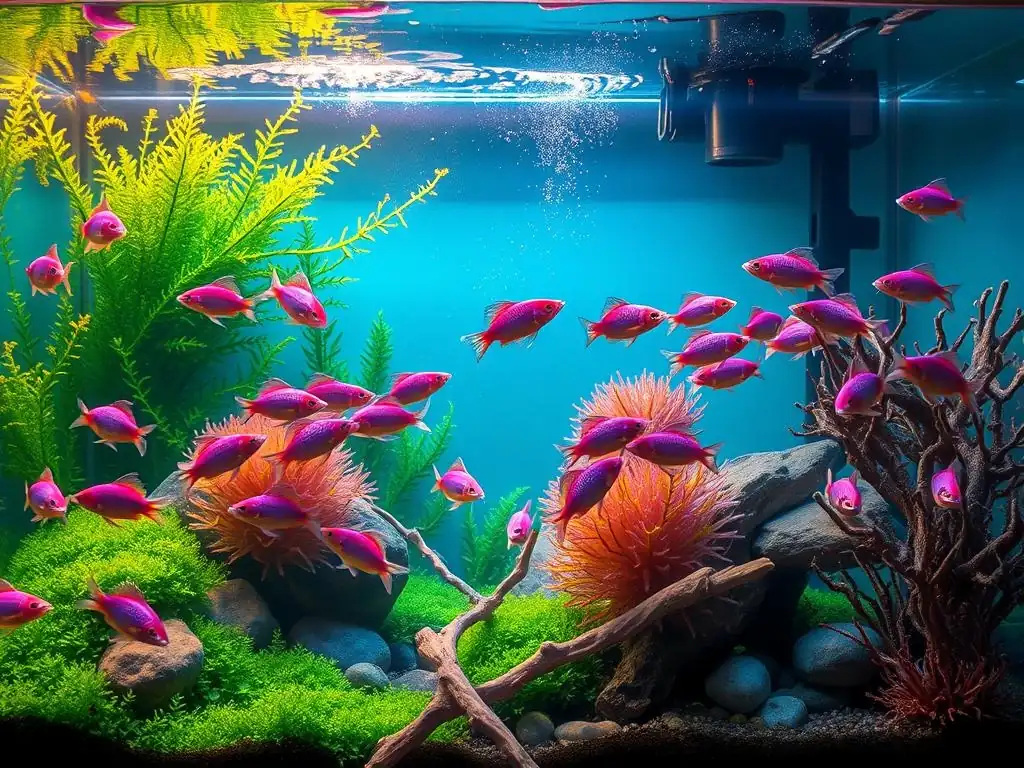
Welcome to Aquarium Mastery, where your passion for aquatic life takes center stage!
Ever dreamt of witnessing the elusive miracle of Otocinclus breeding in your own aquarium? It's a challenge, to be sure, but also one of the most rewarding experiences for a dedicated aquarist. Dive into our guide, "Breeding Otocinclus: The Ultimate Challenge for Dedicated Aquarists," and unlock the secrets to creating the perfect environment for these fascinating algae eaters to thrive and reproduce. Are you ready to become an Otocinclus breeding master? Let's explore the journey together!
- Understanding Otocinclus: Essential Knowledge for Breeding
- Setting Up the Ideal Breeding Tank for Otocinclus
- Triggering Spawning in Otocinclus: Key Environmental Factors
- The Otocinclus Breeding Process: Observation and Intervention
- Raising Otocinclus Fry: From Hatching to Maturity
- Troubleshooting Common Otocinclus Breeding Problems
- Otocinclus Breeding Success Tips: Expert Strategies and Techniques
- Beyond Breeding: General Otocinclus Care for Healthy Fish
-
Frequently Asked Questions
- What are the main challenges to achieving Otocinclus breeding success?
- What type of aquarium setup promotes Otocinclus breeding?
- What specific water parameters are necessary for Otocinclus to breed?
- How can I encourage algae growth in my aquarium to support Otocinclus breeding?
- What are some signs that my Otocinclus are ready to breed?
- Final Reflection: The Silent Symphony of Success
- Unlock the Secrets of Otocinclus Breeding!
Understanding Otocinclus: Essential Knowledge for Breeding
The Allure of Breeding Otocinclus: Why is it so Challenging?
Otocinclus catfish, often affectionately called "Otos," are highly prized in the aquarium hobby for their voracious appetite for algae and their peaceful, diminutive nature. Unlike many larger plecos, Otos remain small, typically reaching only 1.5 to 2 inches (3.8 to 5 cm) in length, making them perfect inhabitants for smaller community tanks.
However, while their presence is widely appreciated for natural algae control, successfully breeding them in a home aquarium remains one of the most significant challenges for even seasoned aquarists, setting them apart from more commonly bred species like guppies or platies. The allure lies in overcoming this difficulty and contributing to sustainable aquaculture.
The primary reason for the difficulty in achieving consistent Otocinclus breeding success tips lies in their highly specific environmental and dietary requirements, coupled with their inherent sensitivity to water quality fluctuations. Most Otocinclus available in the hobby are wild-caught, which means they often arrive stressed and debilitated, making acclimation and long-term survival challenging, let alone reproduction.
Their secretive breeding behavior and the tiny, vulnerable fry further complicate matters. While some hobbyists report accidental spawns, intentional, repeatable breeding is a rare feat, with success rates often cited in the single digits for dedicated attempts, a stark contrast to the near 100% success rate often seen with robust livebearers.
Otocinclus Species Overview: Identifying Ideal Breeding Candidates
The genus Otocinclus encompasses over 18 recognized species, with Otocinclus vittatus, Otocinclus macrospilus, and Otocinclus affinis (though O. affinis is often misidentified, the fish commonly sold under this name is often O. vittatus or O. macrospilus) being among the most commonly encountered in the aquarium trade. While their appearance can be quite similar, subtle differences in body patterns, fin markings, and overall coloration exist. For breeding purposes, selecting healthy, robust individuals is paramount, regardless of the exact species. Look for active fish with full, rounded bellies, clear eyes, and vibrant, natural coloration, indicating good health and proper nutrition.
Identifying sex in Otocinclus can be notoriously difficult outside of spawning periods. Generally, mature females tend to be noticeably plumper and broader in the body, especially when gravid (carrying eggs), while males are typically slimmer and more streamlined. To increase the likelihood of having both sexes and encouraging natural pairing, it's highly recommended to start with a group of at least 6 to 8 individuals. This also helps distribute potential aggression and allows for natural social dynamics, which can be crucial for triggering spawning behaviors and achieving Otocinclus breeding success tips.
Natural Habitat & Breeding Behavior of Otocinclus in the Wild
In their native South American habitats, Otocinclus thrive in clear, well-oxygenated, fast-flowing waters of tributaries and floodplains, particularly in the Amazon and Orinoco river basins. These environments are typically characterized by dense submerged vegetation, driftwood, and leaf litter, which provide ample surfaces for biofilm and algae growth, their primary food source. Water parameters in these regions are generally soft and slightly acidic, with temperatures ranging from 72-78°F (22-26°C), and remarkably stable due to the vast water volumes and consistent rainfall patterns. This stability is a key factor in their natural well-being and reproductive cycles.
Wild Otocinclus are believed to be seasonal breeders, with spawning often triggered by environmental cues such as the onset of the rainy season. This period brings a decrease in water temperature, an increase in water flow, and a dilution of dissolved minerals, mimicking a "fresh" influx of water. They are substrate spawners, laying small, adhesive eggs on broad plant leaves, smooth rocks, or even submerged wood.
A single female can lay anywhere from 30 to over 100 eggs per spawn, though observations in captivity often report smaller numbers, perhaps 20-50 eggs. Parental care is non-existent; once laid, the eggs are left to hatch on their own, a common strategy among many small, schooling catfish species.
Setting Up the Ideal Breeding Tank for Otocinclus
Tank Size and Setup: Creating a Breeding-Friendly Environment
For Otocinclus breeding success tips, a dedicated breeding tank is highly recommended. This allows for precise control over water parameters, minimizes stress from other tank inhabitants, and significantly increases the chances of fry survival. A 10-gallon (approximately 38 liters) to 15-gallon (approximately 57 liters) aquarium is often sufficient for a breeding group of 6-8 Otocinclus.
While larger tanks can house more fish, they can make observing spawning behavior, locating eggs, and managing fry feeding more challenging. The tank should be mature, having been fully cycled for several weeks or months, ensuring a stable nitrogen cycle and a healthy biofilm layer on surfaces, which is crucial for the fish's well-being.
The choice of substrate and decor is critical. Many successful breeders opt for a bare bottom tank or a very thin layer of fine sand to facilitate cleaning and make it easier to spot eggs and fry. The primary decor should consist of broad-leafed plants, smooth rocks, or even spawning mops, providing ample surfaces for egg deposition. Driftwood can also be beneficial as it provides additional surface area for biofilm growth and offers hiding spots for the fish, reducing stress. Ensuring the tank is well-established with a healthy microbial community is more important than elaborate aquascaping.
Water Parameters for Otocinclus Breeding: Achieving Optimal Conditions
Achieving and maintaining pristine and stable water parameters is arguably the most crucial factor for Otocinclus breeding success tips. Otocinclus are exceptionally sensitive to poor water quality, especially elevated nitrates, ammonia, and nitrites. Ammonia and nitrite levels must consistently be at 0 ppm, and nitrates should be kept as low as possible, ideally below 5 ppm. Regular, small (10-20%) daily or every-other-day water changes using aged or reverse osmosis (RO) water remineralized to target parameters are often more effective than larger, less frequent changes for maintaining stability.
Specific target ranges for breeding Otocinclus closely mimic their natural soft, slightly acidic, and warm water environments. The temperature should be maintained between 72-78°F (22-26°C), with slight, controlled drops used as a spawning trigger. The pH should be slightly acidic to neutral, ideally within the range of 6.5-7.5. General Hardness (GH) should be soft to moderately soft, 2-10 dGH (35-175 ppm), and Carbonate Hardness (KH) low to moderate, 2-6 dKH (35-105 ppm). Consistent monitoring with reliable test kits is indispensable to ensure these conditions are met and maintained.
Essential Equipment for Breeding Otocinclus: Filtration, Lighting, and Heating
The filtration system for an Otocinclus breeding tank must be gentle yet highly effective. Sponge filters are often the preferred choice due to their excellent biological filtration capabilities, minimal current, and the fact that they pose no risk of sucking in tiny fry. If a hang-on-back (HOB) or canister filter is used, it should be equipped with a pre-filter sponge over the intake to protect fry.
Adequate water circulation is important to prevent stagnant areas, but strong currents can stress Otocinclus; aim for gentle flow. An air stone can be beneficial to increase dissolved oxygen levels, which Otocinclus appreciate, especially in warmer water.
Lighting should be moderate, sufficient for the growth of any live plants in the tank, as Otocinclus prefer subdued conditions. A reliable aquarium heater is absolutely essential to maintain stable temperatures within the optimal range and to facilitate controlled temperature drops when attempting to trigger spawning. A high-quality digital thermometer should be used to monitor the water temperature accurately. It is also wise to have a backup heater, given the sensitivity of these fish to temperature fluctuations.
Plant Selection for Otocinclus Spawning: Providing Suitable Surfaces
The careful selection of plants is a key component of Otocinclus breeding success tips, as they serve as the primary sites for egg deposition. Broad-leafed, sturdy plants are ideal for this purpose. Anubias barteri varieties, such as Anubias nana, are excellent choices due to their robust, leathery leaves that provide ample surface area and their ability to thrive in a wide range of water conditions and light levels.
Java Fern ( Microsorum pteropus) is another superb option, offering similar advantages with its resilient fronds. Both of these plants are also relatively low-maintenance and can be attached to driftwood or rocks, rather than planted in the substrate.
Other beneficial plants that can contribute to a healthy breeding environment include Amazon Swords ( Echinodorus amazonicus) and various Cryptocoryne species. Beyond providing spawning surfaces, live plants contribute significantly to water quality by absorbing nitrates and providing additional surface area for the growth of biofilm and microalgae, which are vital food sources for both adult Otocinclus and their fry. Ensure that any plants introduced are healthy, pest-free, and thoroughly rinsed to prevent introducing unwanted organisms or chemicals into the sensitive breeding setup.
Triggering Spawning in Otocinclus: Key Environmental Factors
Simulating the Rainy Season: Lowering Temperature and Water Changes
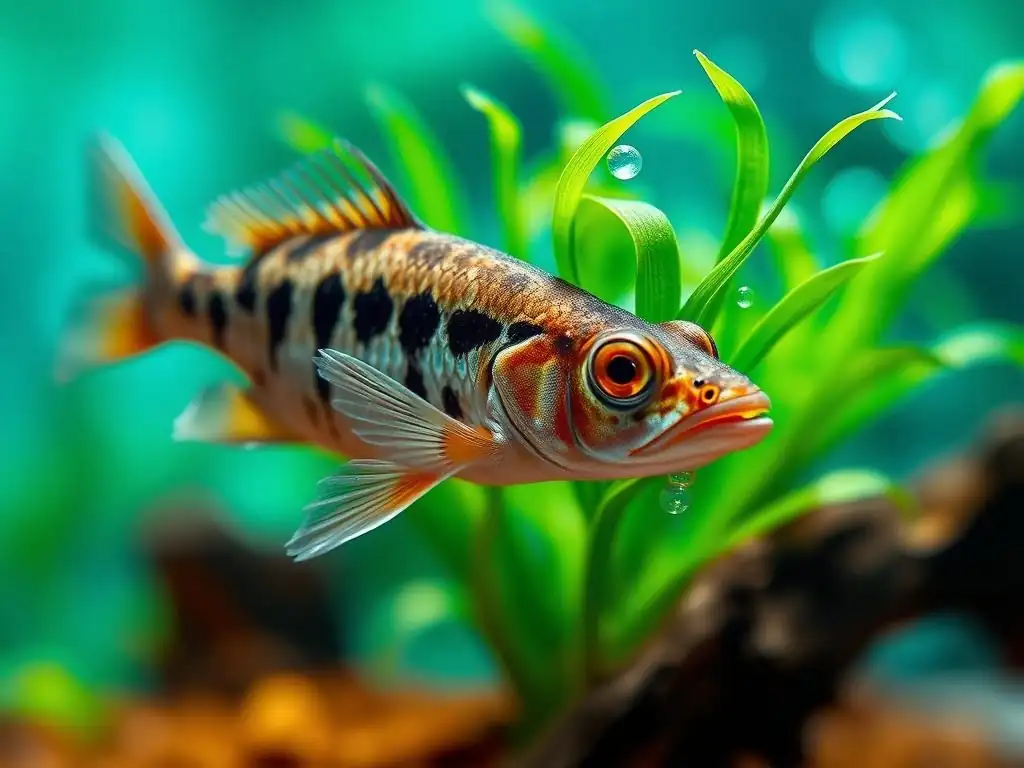
Successfully triggering spawning in Otocinclus often hinges on mimicking the environmental cues of their natural rainy season. One of the most effective Otocinclus breeding success tips involves performing large, cool water changes. This typically entails replacing 50-70% of the tank water with water that is 2-5°F (1-3°C) cooler than the tank's ambient temperature. This drop in temperature, combined with the influx of fresh, soft water, simulates the sudden downpours and increased flow characteristic of the rainy season in their native South American rivers.
These cool, large water changes should be performed daily or every other day for several days to a week. The new water should ideally be reverse osmosis (RO) water, remineralized to a very low GH and KH, further mimicking the diluted water of floodplains. The combination of temperature drop, increased flow, and softened water acts as a powerful stimulus, signaling to the fish that conditions are favorable for reproduction and fry survival. Consistency in this regimen is key, as sporadic changes may not be enough to induce spawning.
Optimizing Water Chemistry: GH, KH, and pH Levels for Otocinclus Reproduction
Beyond temperature, precise control over water chemistry, specifically General Hardness (GH), Carbonate Hardness (KH), and pH, is paramount for Otocinclus breeding success tips. Otocinclus are known to prefer soft, slightly acidic water for breeding, mirroring their natural Amazonian and Orinoco basin origins. Aim for a GH between 2-6 dGH (35-105 ppm) and a KH between 1-3 dKH (18-54 ppm). This low hardness ensures that the eggs remain permeable and the fry develop properly.
The pH should be maintained in the slightly acidic to neutral range, typically between 6.5 and 7.0. While Otocinclus can tolerate a broader range in general care, the lower pH within this spectrum is often cited as more conducive to breeding. Using RO water and carefully remineralizing it with products like Seachem Equilibrium or specific GH/KH boosters allows for precise control over these parameters. Avoid using pH-down chemicals that can cause rapid fluctuations, which are detrimental to these sensitive fish. Stability within the target ranges is always more important than hitting exact numbers.
Diet and Conditioning: Preparing Otocinclus for Breeding
Proper diet and conditioning are fundamental Otocinclus breeding success tips. A varied and highly nutritious diet prepares the adult fish for spawning, ensuring they have the energy reserves and nutrient stores necessary for egg production and healthy fry. While Otocinclus are primarily algae eaters, relying solely on tank algae is often insufficient for conditioning. Supplement their diet with high-quality prepared foods and natural sources.
Excellent conditioning foods include blanched zucchini, cucumber, and spinach, which can be weighted down for easy grazing. Specialized algae wafers or spirulina tablets that sink quickly are also beneficial. Furthermore, offering small, live foods such as newly hatched brine shrimp or microworms can provide essential proteins and fats, though Otocinclus are not primarily carnivorous. Feed small amounts multiple times a day to ensure all fish get enough, and remove any uneaten food promptly to maintain water quality. A well-fed, healthy group of Otocinclus is significantly more likely to attempt spawning.
The Otocinclus Breeding Process: Observation and Intervention
Identifying Spawning Behavior: Recognizing the Signs
Observing Otocinclus spawning behavior can be challenging due to their small size and often secretive nature. However, recognizing the signs is a crucial Otocinclus breeding success tip. Before spawning, females will appear noticeably plumper, their bellies distended with eggs. Males may become more active, chasing females around the tank. The actual spawning often occurs in the early morning hours, typically shortly after the lights come on or even before.
The most distinctive behavior is the "T-position" or "T-formation." The male will approach the female, often nudging her head or side. The female will then position herself with her head against the male's flank, forming a "T" shape. During this embrace, the female releases a small cluster of eggs, which are then fertilized by the male. This process is repeated multiple times, with the female depositing eggs in various locations around the tank. The entire spawning event can last for several hours, with eggs being laid in batches.
Egg Deposition and Fertilization: Understanding the Process
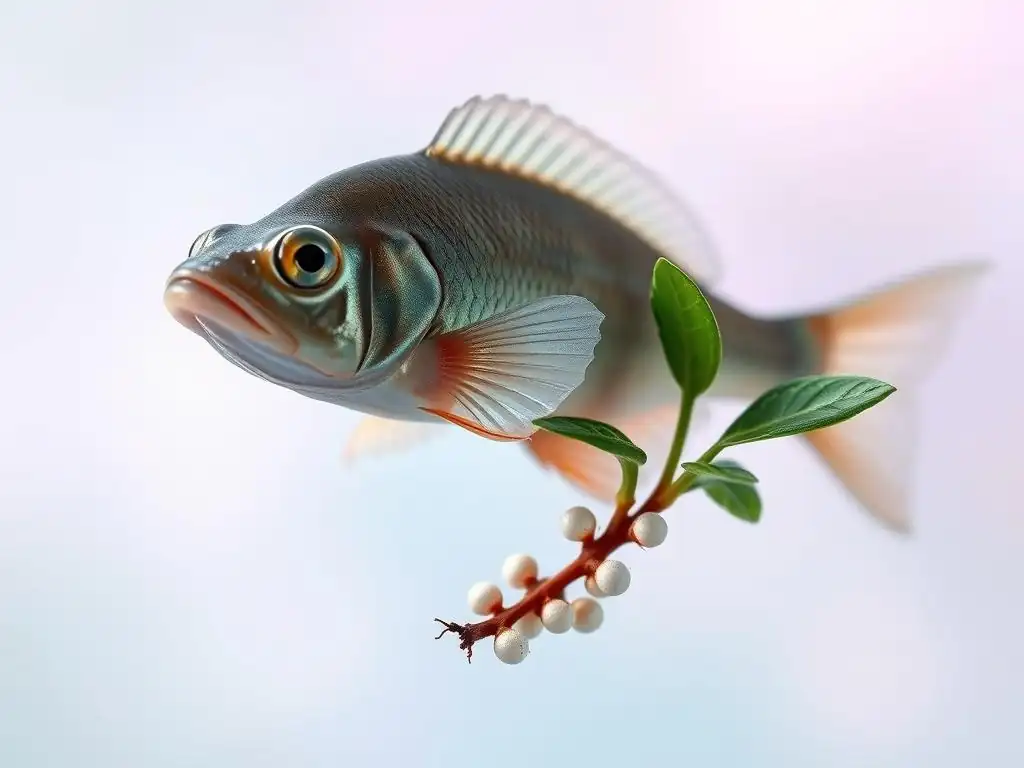
Otocinclus are adhesive egg layers, meaning their eggs are sticky and will adhere to surfaces. Females will meticulously attach small clusters of eggs, typically 2-6 eggs per cluster, to broad plant leaves (like Anubias or Java Fern), smooth rocks, or even the glass walls of the aquarium. The eggs are tiny, usually around 1mm in diameter, and clear to slightly opaque. They are often laid in inconspicuous places, requiring careful observation to locate them.
After the eggs are deposited, the male immediately fertilizes them. The success of fertilization depends on water parameters and the health of the adult fish. Healthy, viable eggs will remain clear, while unfertilized or fungal-infected eggs may turn opaque white within 24-48 hours. The number of eggs laid per spawn can vary significantly, ranging from as few as 10 to over 100, though larger spawns are less common in captivity. The eggs typically hatch within 2-4 days, depending on the water temperature; warmer temperatures accelerate hatching.
Protecting Otocinclus Eggs from Predators: Removing Adult Fish and Using Spawning Mops
Once eggs are observed, protecting them from potential predators, including the parent fish themselves, is a critical Otocinclus breeding success tip. While Otocinclus are not typically aggressive egg eaters, accidental consumption can occur, and other tank mates (if any are present) will readily feast on the eggs. The most effective strategy is to gently remove the adult Otocinclus from the breeding tank after spawning has concluded and transfer them back to their main display tank or a separate conditioning tank.
Alternatively, if using spawning mops or small, removable objects as spawning surfaces, these can be carefully transferred to a separate, smaller "hatching" tank (e.g., a 2.5-gallon or 10-liter tank) filled with water from the breeding tank. This dedicated hatching tank should have stable parameters, gentle aeration (an air stone with very fine bubbles), and no substrate or strong filtration that could harm the delicate fry. This isolation significantly increases the hatch rate and survival of the vulnerable eggs and newly hatched fry.
Raising Otocinclus Fry: From Hatching to Maturity
Hatching and Initial Care: First Days of Otocinclus Fry
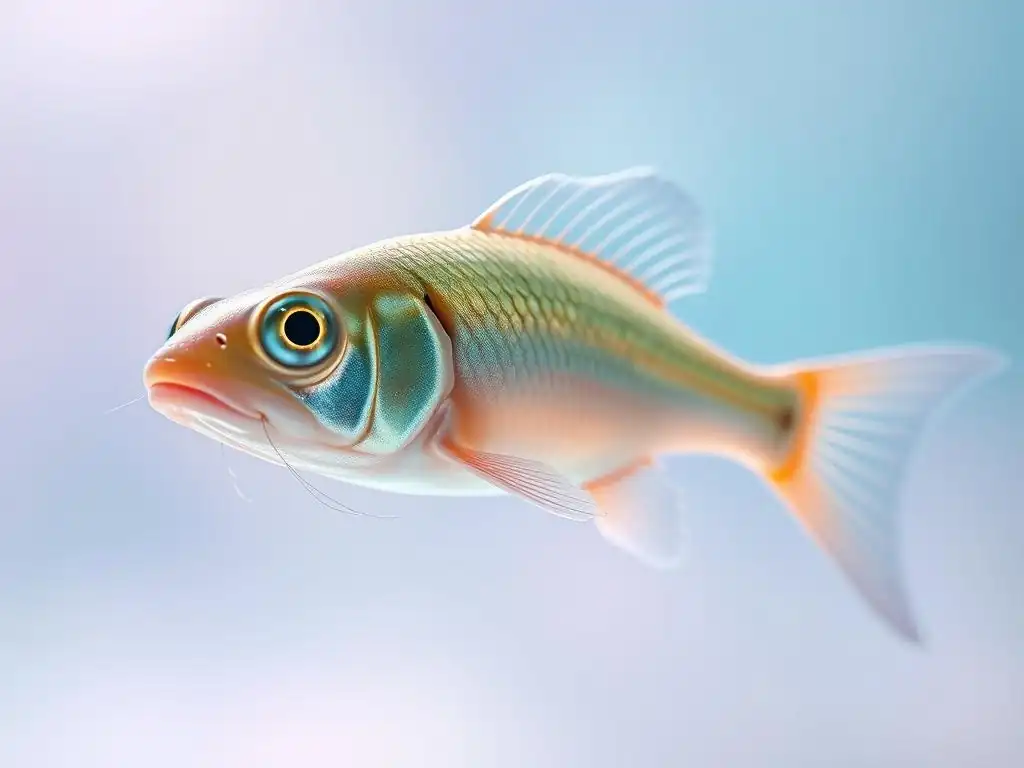
Otocinclus fry are incredibly small and delicate upon hatching, typically emerging within 2 to 4 days post-spawning, depending on water temperature. They are almost microscopic, often appearing as tiny slivers with relatively large yolk sacs. For the first 24-48 hours, they will subsist on their yolk sac, remaining largely immobile, often clinging to surfaces or resting on the bottom. During this period, it's crucial to maintain pristine water quality and stability, as they are extremely sensitive to any fluctuations or pollutants.
Once the yolk sac is absorbed, which usually takes about two days, the fry will become free-swimming and begin their search for food. This is the most critical stage for Otocinclus breeding success tips, as starvation is a common cause of high mortality. Their initial diet consists primarily of microscopic algae and biofilm. Ensuring the hatching tank has a healthy growth of established biofilm on its surfaces (glass, plants, decor) is paramount before the fry begin actively feeding.
Feeding Otocinclus Fry: Specialized Diets for Optimal Growth
Feeding Otocinclus fry is perhaps the most challenging aspect of their rearing. Their tiny size and specialized diet mean they cannot consume standard fry foods. Their primary food source must be microscopic algae and biofilm. Before the fry hatch, it is highly beneficial to "green up" the hatching tank by exposing it to indirect sunlight or a low-wattage light for several days, encouraging diatom and green algae growth on all surfaces. This provides a natural grazing ground for the fry.
Supplementing this natural diet is crucial. Infusoria, a culture of microscopic organisms, is an excellent first food. Liquid fry foods designed for egg-layers, which often contain spirulina and other algae, can also be used. Some breeders have success with very finely powdered spirulina flakes or algae wafers, crushed to a dust-like consistency and sprinkled sparingly. Small amounts of blanched zucchini or cucumber can also be introduced, as the fry will graze on the soft, microscopic film that develops on these vegetables. Feeding should occur multiple times a day (3-5 times) in very small quantities to avoid fouling the water.
Maintaining Water Quality for Otocinclus Fry: Preventing Losses
Maintaining impeccable water quality is absolutely non-negotiable for Otocinclus breeding success tips when raising fry. Due to their minuscule size and high metabolism, fry are incredibly susceptible to even trace amounts of ammonia, nitrite, or nitrate. A mature, fully cycled sponge filter is essential, providing gentle filtration without posing a threat to the fry. Avoid strong currents, as these can exhaust and stress the delicate fry.
Daily, small water changes (5-10% of the tank volume) using aged, temperature-matched, and parameter-matched water are critical. A turkey baster or airline tubing can be used to carefully siphon out any uneaten food or detritus from the bottom of the tank, ensuring the water remains pristine. Consistent monitoring of ammonia, nitrite, and nitrate levels is vital. Any detectable levels of ammonia or nitrite indicate a problem and require immediate, larger water changes.
Preventing Diseases in Otocinclus Fry: Common Issues and Solutions
Otocinclus fry are particularly vulnerable to diseases, primarily due to their delicate nature and the stress induced by fluctuating water quality or improper diet. The most common issues are bacterial infections and fungal growth, often exacerbated by poor sanitation or overfeeding. Symptoms can include lethargy, clamped fins, white spots, or a general "fading" of color. The best Otocinclus breeding success tips for disease prevention revolve around proactive measures rather than reactive treatments.
Firstly, maintaining perfect water quality and a consistent feeding regimen with appropriate foods is the strongest defense. Secondly, avoid overcrowding the fry tank. Thirdly, ensure that any new water or equipment introduced is sterile and free of contaminants. If fungal growth appears on unhatched eggs, a very mild methylene blue solution (used carefully and sparingly) can sometimes help prevent its spread, but it's often a sign of unfertilized eggs or poor water flow. Treating sick fry with medications is extremely difficult due to their size and sensitivity; prevention is always the superior strategy.
Troubleshooting Common Otocinclus Breeding Problems
Unsuccessful Spawning Attempts: Identifying Potential Causes
One of the most frustrating aspects of breeding Otocinclus is when spawning attempts repeatedly fail. Identifying the root cause is a crucial Otocinclus breeding success tip. Several factors can contribute to a lack of spawning. The most common culprits include:
- Inadequate conditioning: Fish may not be healthy or well-fed enough to produce eggs. Ensure a varied, nutritious diet for several weeks.
- Incorrect sex ratio or lack of mature pairs: It can be hard to sex Otocinclus, so having a group of at least 6-8 increases the odds. Ensure the fish are truly mature (typically at least 6-8 months old).
- Insufficient or inconsistent spawning triggers: The cool water changes and soft water parameters may not be dramatic or consistent enough to mimic the rainy season effectively. Review your water change schedule and water chemistry.
- Stress: Poor water quality, aggressive tank mates (if not in a dedicated tank), or excessive disturbances can inhibit spawning.
Addressing these issues systematically, one by one, while maintaining patience, is key to eventual success.
Low Hatch Rates: Improving Egg Viability
Even if spawning occurs, a low hatch rate can be disheartening. Improving egg viability is another important Otocinclus breeding success tip. Common reasons for low hatch rates include:
- Unfertilized eggs: This can be due to a lack of mature males, infertile males, or conditions that prevent successful fertilization (e.g., poor water flow around eggs).
- Fungal infections: Fungi can quickly spread and smother viable eggs, especially in stagnant water or if there's decaying organic matter nearby. Ensure good water circulation around the eggs and remove any white, opaque eggs promptly.
- Poor water quality: Even slight ammonia or nitrite spikes, or unstable pH/temperature, can be lethal to developing embryos. Maintain pristine and stable conditions in the hatching tank.
- Predation: Other tank inhabitants, including the parent fish if not removed, may consume eggs.
Carefully observe the eggs; healthy eggs remain clear and translucent, while unfertilized or infected ones turn opaque white. Gentle aeration near the eggs can improve circulation and reduce fungal growth.
High Fry Mortality: Understanding and Addressing Losses
High fry mortality is a significant hurdle in Otocinclus breeding. Even after successful hatching, losing most or all fry is a common experience. Addressing this is a critical aspect of Otocinclus breeding success tips. Primary causes include:
- Starvation: This is arguably the most common cause. Fry are incredibly small and need constant access to microscopic food sources like biofilm and infusoria. If the tank isn't "green" enough with natural algae or if supplemental feeding isn't consistent and appropriate, they will starve.
- Poor water quality: Fry are even more sensitive than adults to pollutants. Ammonia, nitrite, and even moderate nitrate levels are lethal. Daily small water changes and diligent tank cleaning are essential.
- Overfeeding: Paradoxically, overfeeding can also lead to high mortality by fouling the water and promoting bacterial blooms, which consume oxygen and produce toxins. Feed tiny amounts frequently.
- Lack of suitable hiding places: While not directly lethal, a lack of cover can stress fry, making them more susceptible to other issues. Fine-leafed plants or moss can provide refuge.
A detailed log of daily observations, feeding schedules, and water parameters can help identify patterns and pinpoint the exact cause of losses.
Algae Control in the Breeding Tank: Maintaining a Healthy Environment
While Otocinclus are algae eaters, managing algae in a breeding tank presents a unique challenge, especially given the need for biofilm for fry. The goal is not to eliminate all algae but to control undesirable types and ensure beneficial biofilm growth. Excessive green hair algae or black beard algae can outcompete desirable biofilm and even trap fry.
For Otocinclus breeding success tips, focus on fostering beneficial microscopic algae and biofilm. This means providing adequate, but not excessive, lighting. If undesirable algae become problematic, manual removal is often the safest method in a breeding tank to avoid chemicals. Siphon out any large accumulations during water changes. Ensuring good water circulation and avoiding overfeeding will naturally help control nuisance algae by limiting excess nutrients. A balanced approach that provides grazing surfaces without allowing rampant, suffocating algae growth is ideal.
Otocinclus Breeding Success Tips: Expert Strategies and Techniques
Achieving Consistent Otocinclus Breeding: Long-Term Strategies
Achieving consistent Otocinclus breeding success tips requires a dedicated, long-term approach that goes beyond a single spawning event. The key is to establish a stable breeding environment and a routine that mimics their natural cycles. This involves maintaining a separate, mature breeding tank with highly stable water parameters that are consistently soft, slightly acidic, and warm, with regular, precise cool water changes to act as triggers.
Furthermore, a consistent and high-quality diet for the adult breeding group is paramount. Rotating between blanched vegetables, high-quality spirulina-based foods, and occasional live foods ensures they remain in peak condition. Over time, you may even identify specific pairs that are more prone to spawning. Documenting your process, including water parameters, feeding schedules, and observations, will allow you to refine your techniques and consistently reproduce the conditions that lead to successful spawns. This methodical approach transforms accidental spawns into repeatable achievements.
Advanced Techniques for Otocinclus Breeding: Using Rain Barrels for Water Changes
For the truly dedicated aquarist seeking advanced Otocinclus breeding success tips, mimicking natural rainwater as closely as possible can yield superior results. While RO water is excellent, some experienced breeders go a step further by collecting natural rainwater in clean rain barrels. Rainwater is naturally soft, devoid of chlorine and chloramines, and often has a slightly acidic pH, perfectly replicating the conditions that trigger spawning in the wild.
When using rainwater, ensure it is collected from a clean source, free from roof contaminants or pollutants. It should be filtered (e.g., through a fine mesh to remove debris) and then aged or aerated for 24-48 hours to ensure gas exchange. This natural, pristine water, when used for large, cool water changes, can provide an unparalleled stimulus for Otocinclus to spawn, often surpassing the effectiveness of even carefully remineralized RO water. This technique requires careful planning and access to clean rainwater, but it can be a game-changer for elusive species like Otocinclus.
Documenting Your Otocinclus Breeding Journey: Learning from Experience
One of the most overlooked yet vital Otocinclus breeding success tips is meticulous documentation. Keeping a detailed logbook or digital record of your breeding journey provides invaluable data for learning and refining your methods. Record everything:
- Water parameters: Daily readings of temperature, pH, GH, KH, ammonia, nitrite, and nitrate.
- Water change details: Volume, temperature, and source of new water.
- Feeding schedule: Types and amounts of food offered.
- Observations: Any behavioral changes, signs of spawning, egg deposition locations, number of eggs, hatching dates, and fry development stages.
- Mortality: Number of fry lost and any suspected causes.
By analyzing this data, you can identify correlations between specific actions (e.g., a particular water change routine) and successful spawning or fry survival rates. This empirical approach allows you to systematically refine your techniques, moving from trial and error to a more scientific, reproducible method, ultimately leading to greater and more consistent Otocinclus breeding success tips.
Beyond Breeding: General Otocinclus Care for Healthy Fish
Maintaining a Thriving Otocinclus Community
Even beyond breeding, understanding general Otocinclus breeding success tips applicable to their overall care is crucial for maintaining a thriving community. Otocinclus are social fish and do best in groups of at least 6-8 individuals. This schooling behavior reduces stress and encourages natural interactions. They are peaceful and make excellent tank mates for other small, non-aggressive fish like small tetras, rasboras, and dwarf gouramis. Avoid keeping them with large or boisterous fish that might outcompete them for food or stress them.
The aquarium environment should mimic their natural habitat: well-planted, with plenty of surfaces for algae growth (driftwood, smooth rocks). Filtration should be gentle but effective, ensuring high oxygen levels and pristine water. Regular small water changes (10-20% weekly) are essential to maintain low nitrate levels. A varied diet, supplementing natural algae with blanched vegetables and spirulina wafers, is vital, as tank algae alone are rarely sufficient for their long-term health.
Ensuring the Health and Longevity of your Otocinclus
Ensuring the health and longevity of your Otocinclus, whether breeding or not, revolves around consistent, high-quality care. A common issue is their sensitivity during the initial acclimation period; slow drip acclimation over several hours is highly recommended for new arrivals. Once established, maintaining stable water parameters within their preferred ranges (temperature 72-78°F, pH 6.5-7.5, soft to moderately hard water) is paramount. Sudden fluctuations can be fatal.
Monitor their behavior and appearance regularly. Healthy Otocinclus are active grazers, constantly sifting surfaces for food, and their coloration is typically vibrant. Any signs of lethargy, faded color, clamped fins, or unusual spots should prompt immediate investigation of water parameters and potential disease. Proactive care, including a balanced diet, pristine water, and a stress-free environment, is the best defense against common ailments and contributes significantly to their lifespan, which can be 3-5 years or even longer in optimal conditions. These fundamental care principles underpin all Otocinclus breeding success tips.
Frequently Asked Questions
What are the main challenges to achieving Otocinclus breeding success?
The biggest challenges are replicating their natural environment and providing the specific water parameters they need to spawn. Ensuring a stable and mature tank is also crucial.
What type of aquarium setup promotes Otocinclus breeding?
A heavily planted tank with soft, acidic water is ideal. Consider using RO or distilled water to achieve the correct parameters, and include plenty of algae growth for them to graze on.
What specific water parameters are necessary for Otocinclus to breed?
They require a pH between 6.0 and 7.0, a KH (carbonate hardness) of 1-4 dKH, and a GH (general hardness) of 4-8 dGH. Maintaining a stable temperature around 72-78°F (22-26°C) is also important.
How can I encourage algae growth in my aquarium to support Otocinclus breeding?
Provide ample light, but avoid excessive nutrients that can lead to unwanted algae blooms. Introduce a small amount of fertilizer specifically designed for aquatic plants, and allow natural sunlight to indirectly reach the tank.
What are some signs that my Otocinclus are ready to breed?
Females will appear plumper with eggs, and the males will become more active in their pursuit. You might also observe them cleaning specific surfaces in the tank, preparing them for egg deposition.
Final Reflection: The Silent Symphony of Success
The journey of breeding Otocinclus, as we've explored, is far from simple, demanding patience and a deep understanding of these delicate creatures. But the rewards, as we've seen, are immeasurable. Today, the need for sustainable practices in the aquarium hobby is more critical than ever, and successful Otocinclus breeding represents a significant step towards reducing reliance on wild-caught populations, ensuring the long-term health of both the species and the hobby itself.
This pursuit of Otocinclus breeding success is more than just a technical challenge; it's a testament to our dedication and connection to the natural world. The quiet satisfaction of witnessing these tiny algae eaters thrive in a captive environment underscores the importance of responsible aquascaping and ethical fishkeeping. In the end, we will conserve only what we love; we will love only what we understand; and we will understand only what we are taught.
- Baba Dioum's words resonate deeply, reminding us that knowledge and empathy are the cornerstones of conservation.
As you embark on, or continue, your own Otocinclus breeding adventure, remember that every observation, every adjustment, and every success contributes to a larger understanding. Let the insights shared here serve as a guide, but more importantly, let your passion and dedication fuel your journey. Embrace the challenge, learn from your experiences, and contribute to a future where the silent symphony of Otocinclus thrives, both in our aquariums and in the wild.
Unlock the Secrets of Otocinclus Breeding!
Thank you for delving into the intricacies of breeding Otocinclus! We hope this guide has empowered you with the knowledge to embark on this challenging yet rewarding endeavor. Now, let's turn that knowledge into action.
Here are your next steps:
- Start by meticulously preparing your breeding tank: Mimic their natural environment with soft water, leaf litter, and gentle filtration.
- Consider joining the Aquarium Mastery community forum to share your experiences and learn from fellow Otocinclus enthusiasts.
- Document your breeding attempts, noting water parameters, feeding schedules, and observed behaviors.
Ready to take on the Otocinclus breeding challenge and contribute to the aquarium hobby's collective knowledge?