
Large Angelfish in a Reef Tank: Dream or Disaster?

Welcome to Aquarium Mastery!
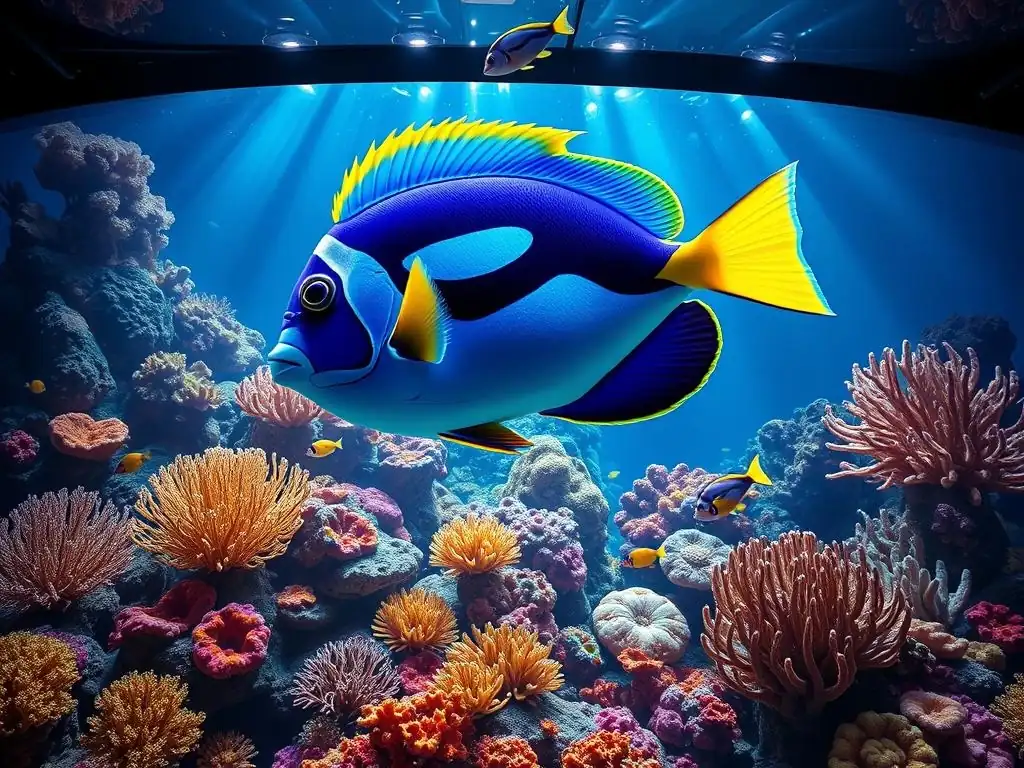
Ever dreamt of a large angelfish gracefully gliding through your vibrant reef tank? It's a captivating vision, but is it truly achievable? Dive into our latest article, "Large Angelfish in a Reef Tank: Dream or Disaster? ", where we unravel the complexities and considerations for successfully integrating these majestic creatures into your saltwater paradise. Prepare to explore the delicate balance between beauty and compatibility – discover if your reef is ready for an angelfish!
- Introduction: The Allure of Large Angelfish in Reef Aquariums
- The Reef Tank Environment: A Delicate Ecosystem
- Potential Problems: Why Large Angelfish and Reefs Often Clash
-
Mitigating the Risks: Strategies for Keeping Large Angelfish in Reef Tanks
- Careful Species Selection: Reef-Safe Large Angelfish Options
- Acclimation Techniques: Minimizing Stress and Aggression
- Providing Ample Food and Grazing Opportunities: Reducing Coral Interest
- Strategic Coral Placement: Protecting Vulnerable Species
- The Importance of a Well-Established Reef Tank: Stability is Key
- Reef-Safe Large Angelfish Species: Profiles and Considerations
- Angelfish to Avoid: Species Known for Reef Destruction
- Case Studies: Successes and Failures of Large Angelfish in Reefs
- Alternatives to Large Angelfish: Reef-Friendly Options
- Conclusion: Making an Informed Decision About Large Angelfish in Your Reef
-
Frequently Asked Questions
- Can large angelfish be kept in reef tanks?
- What are the biggest risks of keeping large angelfish in a reef tank?
- Which large angelfish species are considered least likely to damage corals?
- What size tank is generally recommended for keeping a large angelfish in a reef environment?
- What can I do to minimize the risk of coral damage if I want to keep a large angelfish in a reef tank?
- Final Reflection: Navigating the Angelfish Reef Dream
- Unlock the Secret to a Thriving Reef with Angels!
Introduction: The Allure of Large Angelfish in Reef Aquariums
Defining "Large" Angelfish: Species and Size Considerations
When considering a large angelfish reef tank, it's crucial to first define what constitutes a "large" angelfish. Generally, these are species from the Pomacanthidae family that can reach or exceed 8 inches (approximately 20 cm) in adult length, with some growing significantly larger. Prominent examples include the Emperor Angelfish ( Pomacanthus imperator), which can reach an impressive 15 inches (38 cm), the Queen Angelfish ( Holacanthus ciliaris) growing up to 18 inches (45 cm), and the Blueface Angelfish ( Pomacanthus xanthometopon) also reaching around 15 inches (38 cm).
These substantial sizes differentiate them from their "dwarf" counterparts, such as the Flame Angelfish ( Centropyge loriculus) which typically maxes out at 4 inches (10 cm). The sheer adult size of a large angelfish dramatically impacts the required tank volume, bioload management, and potential interactions within a delicate reef ecosystem, making careful planning essential for any aspiring large angelfish reef tank setup. Their growth rate can also be quite significant, with many species reaching a considerable size within their first few years if provided with optimal conditions.
Natural Habitat and Behavior of Popular Large Angelfish Species
Large angelfish species are predominantly found in the tropical waters of the Indo-Pacific and Atlantic oceans, inhabiting coral reefs, rocky outcrops, and lagoons. Their natural diet is incredibly varied, consisting primarily of sponges, tunicates, algae, and small benthic invertebrates. This varied diet is a critical factor when assessing their suitability for a large angelfish reef tank, as many species will readily graze on corals and other desirable invertebrates if their natural food sources are not adequately met or if they develop a taste for polyp tissues.
Behaviorally, many large angelfish are known for their territorial nature, especially as they mature. They often establish a specific area within the reef and can become quite dominant, particularly towards new additions or fish of similar size and shape. While some species exhibit more peaceful temperaments, the potential for aggression and their natural foraging habits means that their introduction into a complex reef environment, especially a large angelfish reef tank, requires thorough research and careful consideration of tank mates and coral types.
Dietary Needs of Large Angelfish: Essential for Reef Tank Success
Meeting the precise dietary needs of large angelfish is paramount for their health and, crucially, for minimizing their inclination to nip at corals in a large angelfish reef tank. Their natural diet, rich in sponges and tunicates, is often difficult to replicate precisely in captivity. Therefore, a diverse and high-quality captive diet is essential, including spirulina-based flakes and pellets, marine algae sheets (such as nori), frozen foods like mysis shrimp, brine shrimp, and specialized angelfish preparations that often contain sponge matter.
It is highly recommended to feed large angelfish multiple times a day—at least 3-4 small feedings—to keep them satiated and reduce their foraging on corals. Providing ample live rock with natural algal growth also offers grazing opportunities, mimicking their natural behavior. Neglecting their nutritional requirements is a primary driver for coral nipping, turning a potentially harmonious large angelfish reef tank into a destructive environment. A well-fed angelfish is generally less likely to seek alternative food sources from your precious corals.
The Reef Tank Environment: A Delicate Ecosystem
Coral Compatibility: The Key to a Thriving Reef
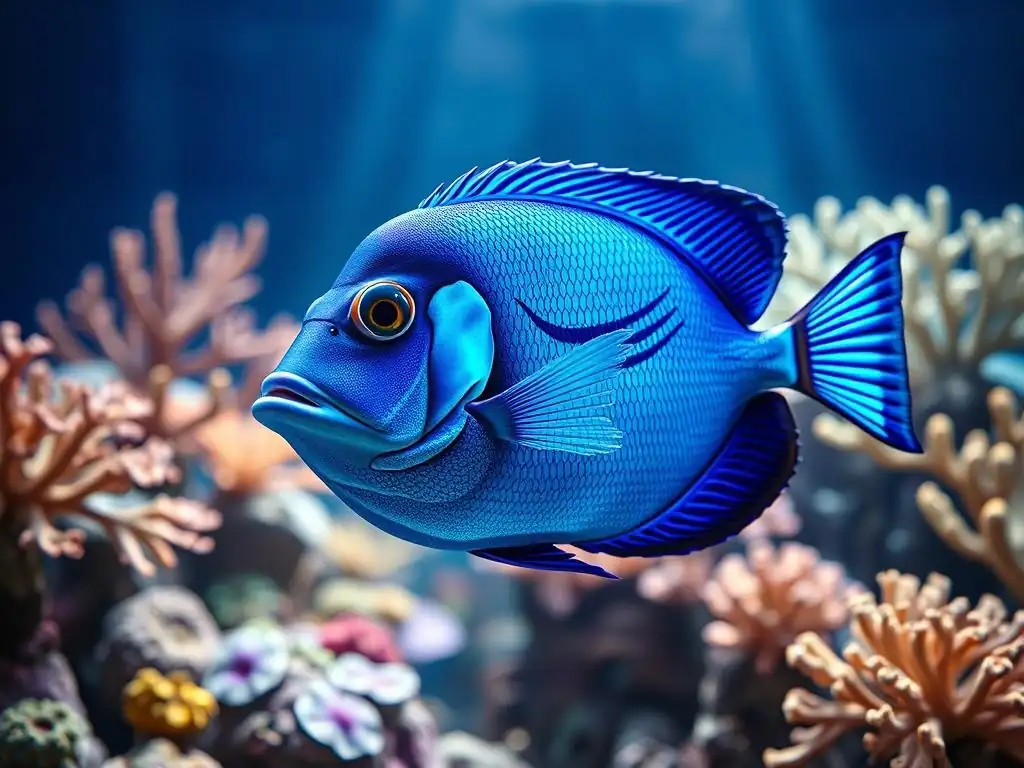
The cornerstone of a successful large angelfish reef tank lies in understanding coral compatibility. Corals, being living animals, are susceptible to predation or damage from various fish species, including angelfish. While some corals possess stinging capabilities or unpalatable textures that deter fish, many are vulnerable. Soft corals like Xenia, Zoanthids, and Ricordea are often among the first targets, along with Large Polyp Stony (LPS) corals such as Euphyllia (Torch, Hammer, Frogspawn), Acanthastrea, and Blastomussa, due to their fleshy polyps.
Small Polyp Stony (SPS) corals, like Acropora and Montipora, are generally considered more resilient to angelfish nipping due to their hard, less fleshy polyps, but even these can be irritated or damaged over time. The "reef-safe" label for any large angelfish is always relative and never absolute; an individual angelfish's personality can vary, and what one ignores, another may decimate. Therefore, a large angelfish reef tank requires careful selection of both the angelfish species and the coral inhabitants, leaning towards more robust or less palatable coral types where possible.
Water Parameters and Stability: Crucial for Angelfish and Coral Health
Maintaining precise and stable water parameters is non-negotiable for a thriving large angelfish reef tank, as both angelfish and corals demand specific environmental conditions to flourish. Optimal salinity should be maintained within a narrow range of 1.025 to 1.026 specific gravity, mimicking natural seawater. Temperature is also critical, ideally between 76°F and 82°F (24.4°C - 27.8°C), with minimal daily fluctuations.
Beyond these basics, parameters vital for coral growth—such as alkalinity (8-12 dKH), calcium (400-450 ppm), and magnesium (1200-1350 ppm)—must be consistently monitored and supplemented. High water quality, characterized by undetectable levels of ammonia and nitrite, and very low nitrates (ideally below 10 ppm), is essential to prevent stress-related diseases in angelfish and maintain vibrant coral health. Regular water changes, typically 10-20% bi-weekly, are fundamental to replenishing trace elements and removing accumulated wastes, ensuring the long-term success of a large angelfish reef tank.
Tank Size Requirements for Large Angelfish in a Reef Setting
The successful integration of a large angelfish into a reef environment hinges significantly on providing an adequately sized aquarium. Given their adult size, active swimming habits, and substantial bioload, a minimum tank volume of 180 gallons (approximately 680 liters) is generally considered the absolute starting point for smaller large angelfish species like the Regal Angelfish.
However, for truly massive species such as the Queen Angelfish or Emperor Angelfish, a large angelfish reef tank of 240 gallons (900 liters) or even 300 gallons (1135 liters) or more is strongly recommended to accommodate their growth, provide sufficient swimming space, and dilute their waste output.
An undersized tank can lead to stunted growth, increased aggression, heightened stress, and a much higher risk of water quality issues that jeopardize both the angelfish and the corals. Furthermore, a larger tank offers more territory, which can help mitigate aggression towards other tank inhabitants, and provides more surface area for live rock, which offers both grazing opportunities and hiding places. Investing in a generously sized aquarium from the outset is a critical factor in the long-term viability and harmony of a large angelfish reef tank.
Potential Problems: Why Large Angelfish and Reefs Often Clash
Coral Nipping and Consumption: A Common Angelfish Behavior
One of the most significant hurdles in establishing a large angelfish reef tank is the inherent tendency of many angelfish species to nip at or outright consume corals. This behavior stems from their natural diet, which often includes sponges and tunicates that share structural or chemical similarities with coral polyps. While some angelfish might only "test" corals, others can develop a persistent habit, leading to significant damage or even the complete destruction of coral colonies.
Specific coral types are particularly vulnerable. Fleshy LPS corals like Euphyllia (Torch, Hammer) and Acanthastrea are frequently targeted due to their large polyps, which resemble food items. Similarly, soft corals such as Zoanthids, Palythoa, and Xenia are often irresistibly appealing to angelfish. Even if an angelfish is initially "reef-safe," hunger, boredom, or a change in diet can trigger nipping behavior, turning a dream large angelfish reef tank into a source of constant frustration for the aquarist.
Invertebrate Predation: Shrimp, Clams, and Other Reef Dwellers
Beyond corals, many large angelfish pose a direct threat to a wide array of desirable invertebrates in a large angelfish reef tank. Their natural diet often includes small crustaceans, worms, and mollusks, making ornamental shrimp (e.g., Peppermint Shrimp, Skunk Cleaner Shrimp), small crabs (e.g., Emerald Crabs), and even some snails highly susceptible to predation. It's not uncommon for a newly introduced angelfish to quickly decimate a clean-up crew or ornamental shrimp population within days.
Furthermore, bivalves like clams ( Tridacna species) are frequently targeted. Angelfish are known to nip at the fleshy mantles of clams, causing stress, injury, and often leading to the clam's demise. Feather dusters and other sedentary filter feeders are also at risk. Therefore, when planning a large angelfish reef tank, aquarists must be prepared for the potential loss of these valuable reef inhabitants or opt for angelfish species with a documented lower propensity for invertebrate predation.
Aggression Towards Other Fish: Establishing Tank Dominance
Large angelfish, particularly mature specimens, can exhibit significant aggression towards other fish, a factor that must be carefully considered in a large angelfish reef tank. This territorial behavior is often directed at new additions, fish of similar size or body shape, or even smaller, more timid species. They may chase, nip, and stress out tank mates, leading to inhibited feeding, disease, and potentially death.
Species like the Blueface Angelfish ( Pomacanthus xanthometopon) or Emperor Angelfish ( Pomacanthus imperator) are known for their assertive personalities. While a very large tank (e.g., 250+ gallons) can help diffuse aggression by providing ample territory and hiding spots, it does not eliminate the risk entirely. Introducing the angelfish last into a well-established community, or using a "time-out" box for new additions, can sometimes mitigate initial aggression, but careful observation and readiness to intervene are always necessary in a large angelfish reef tank with a dominant angelfish.
Mitigating the Risks: Strategies for Keeping Large Angelfish in Reef Tanks
Careful Species Selection: Reef-Safe Large Angelfish Options
The most critical step in creating a successful large angelfish reef tank is the careful selection of the angelfish species itself. While no large angelfish is 100% "reef-safe," some species have a significantly lower propensity to nip at corals than others. Species generally considered to be among the more reef-compatible large angelfish include the Regal Angelfish ( Pygoplites diacanthus), the Goldflake Angelfish ( Apolemichthys xanthopunctatus), and the Masked Angelfish ( Genicanthus personatus), though the latter is rare and expensive.
Even with these species, individual temperament can vary, and a risk of coral nipping always remains. It is vital to research the specific dietary preferences and known behaviors of any chosen angelfish. Opting for a juvenile specimen can also be beneficial, as they are often more adaptable to captive diets and may be less inclined to develop destructive habits compared to a wild-caught adult with established feeding preferences.
Acclimation Techniques: Minimizing Stress and Aggression
Proper acclimation is crucial for the successful introduction of any fish, but especially a large angelfish into a large angelfish reef tank. Stress from poor acclimation can weaken the fish, making it susceptible to disease, and can also exacerbate aggressive tendencies. The drip acclimation method is highly recommended, allowing the fish to slowly adjust to the tank's specific gravity, pH, and temperature over an hour or more.
Once acclimated, introducing the angelfish into a dark tank (lights off for several hours or even a full day) can help reduce initial stress and prevent existing tank inhabitants from immediately harassing the new arrival. For particularly aggressive angelfish, or if other tank mates are already present, using a clear acclimation box within the display tank for a few days can allow the fish to observe its new environment and tank mates without direct interaction, gradually integrating it into the large angelfish reef tank community.
Providing Ample Food and Grazing Opportunities: Reducing Coral Interest
A well-fed angelfish is a less destructive angelfish, especially in a large angelfish reef tank. Providing a rich and varied diet frequently throughout the day is a primary strategy to deter coral nipping. Instead of one or two large meals, aim for 3-5 smaller feedings daily. The diet should include high-quality flakes and pellets, frozen foods like mysis shrimp and spirulina brine shrimp, and marine algae sheets (nori) offered via an algae clip.
Beyond prepared foods, ensuring an abundance of live rock with natural algal growth and detritus provides constant grazing opportunities, mimicking their natural foraging behavior. This constant access to food can significantly reduce the angelfish's motivation to seek out coral polyps as an alternative food source. A consistent feeding regimen is arguably one of the most effective ways to manage a large angelfish reef tank successfully.
Strategic Coral Placement: Protecting Vulnerable Species
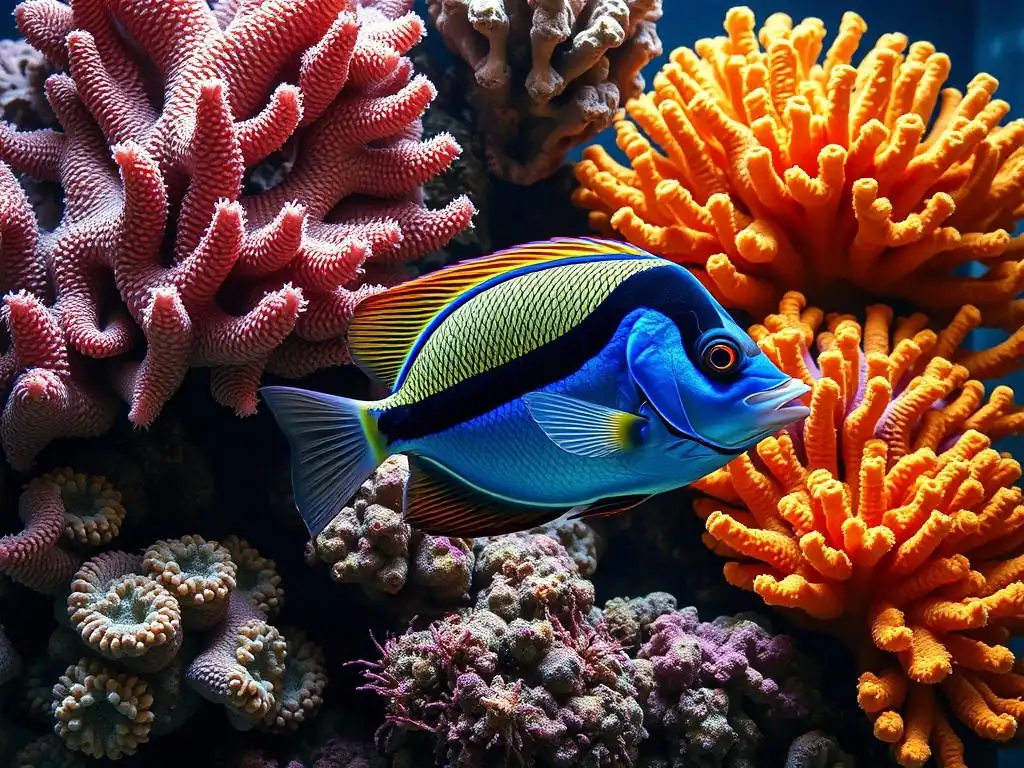
For aquarists determined to house a large angelfish in a reef tank, strategic coral placement can offer a degree of protection for more vulnerable species. Corals known to be highly palatable to angelfish, such as Euphyllia and Zoanthids, can be placed in areas that are less accessible to the angelfish, perhaps in higher, more turbulent flow areas, or nestled within protective rockwork.
Conversely, less palatable or more robust corals, such as many SPS species ( Acropora, Montipora) or harder LPS corals like Favia or Brain corals (which have tougher polyps), can be placed in more exposed areas. While this strategy doesn't guarantee complete safety, it can minimize the damage inflicted on the most prized or vulnerable corals in a large angelfish reef tank. Regular observation of the angelfish's behavior towards specific corals is crucial for ongoing management.
The Importance of a Well-Established Reef Tank: Stability is Key
Introducing a large angelfish into a newly set up or unstable reef tank significantly increases the risk of problems. A well-established reef tank, typically one that has been running successfully for at least 6-12 months, offers a much more stable and forgiving environment. This maturity allows beneficial bacterial colonies to fully develop, ensuring robust nitrification and stable water parameters (pH, alkalinity, calcium, magnesium).
A mature tank also has an established ecosystem of microfauna and algae, providing natural grazing opportunities for the angelfish, which can help satisfy their foraging instincts. The stable environment reduces stress on both the angelfish and the corals, making the transition smoother and increasing the chances of long-term success. Attempting a large angelfish reef tank in an immature system is an invitation for instability and potential disaster.
Reef-Safe Large Angelfish Species: Profiles and Considerations
Regal Angelfish (Pygoplites diacanthus): Care and Compatibility
The Regal Angelfish, Pygoplites diacanthus, is often considered one of the most beautiful and, relatively speaking, one of the more reef-safe large angelfish. Reaching an adult size of up to 10 inches (25 cm), its striking blue and orange vertical stripes make it a highly desirable addition to a large angelfish reef tank. In the wild, their diet consists primarily of sponges and tunicates.
In captivity, a diverse diet of sponge-based angelfish foods, spirulina, mysis shrimp, and marine algae is crucial to keep them healthy and less inclined to nip at corals. While generally considered safer than other large angelfish, individual Regals can still develop a taste for certain LPS or soft corals, particularly Zoanthids and Xenia. A spacious tank, at least 120-180 gallons, with ample live rock and frequent feedings, is essential for their well-being and to minimize risks in a large angelfish reef tank.
Goldflake Angelfish (Apolemichthys xanthopunctatus): Care and Compatibility
The Goldflake Angelfish, Apolemichthys xanthopunctatus, is another popular choice for a large angelfish reef tank due to its generally more peaceful nature and lower propensity for coral nipping compared to some of its larger cousins. This species reaches an adult size of approximately 10 inches (25 cm) and is distinguished by its dark body covered in bright yellow spots. Their natural diet includes sponges, tunicates, and algae.
To ensure their success in a reef environment, a varied diet rich in high-quality angelfish preparations, frozen foods, and marine algae is vital. They appreciate ample live rock for grazing and hiding. While the Goldflake is considered one of the "safer" large angelfish for reef tanks, it's important to remember that any angelfish can potentially nip corals, and close observation is always advised. A minimum tank size of 180 gallons is recommended for a healthy and thriving large angelfish reef tank with this species.
Blueface Angelfish (Pomacanthus xanthometopon): Care and Compatibility
The Blueface Angelfish, Pomacanthus xanthometopon, is a stunning and highly sought-after species, known for its vibrant blue face and yellow body. However, its suitability for a large angelfish reef tank is significantly more debatable than the Regal or Goldflake. Reaching an impressive adult size of up to 15 inches (38 cm), they require a very large aquarium, ideally 240 gallons (900 liters) or more, to thrive and reduce aggression.
While some aquarists have successfully kept Blueface Angelfish in reef tanks, they carry a higher risk of nipping at LPS corals, soft corals, and clam mantles. Their natural diet includes sponges, tunicates, and algae, and providing a constant supply of varied, high-quality foods is crucial to divert their attention from corals. Introducing them as juveniles and ensuring they are consistently well-fed can increase the chances of success, but their inclusion in a large angelfish reef tank should be approached with caution and a clear understanding of the risks involved.
Angelfish to Avoid: Species Known for Reef Destruction
Emperor Angelfish (Pomacanthus imperator): Why They're a Poor Choice
The Emperor Angelfish, Pomacanthus imperator, is undeniably one of the most majestic and recognizable angelfish species, known for its dramatic color transformation from juvenile to adult. However, despite its beauty, it is almost universally considered a very poor choice for a large angelfish reef tank. Reaching up to 15 inches (38 cm) in length, Emperors are notorious for their strong propensity to nip at and consume a wide variety of corals.
Their natural diet includes a significant portion of sponges and tunicates, but in captivity, they frequently turn their attention to soft corals, LPS corals (such as Euphyllia, Acanthastrea), and even the polyps of some SPS corals. While individual temperaments vary, the risk of significant coral damage is extremely high with an Emperor Angelfish. Therefore, for the integrity of a diverse coral collection, an Emperor Angelfish is best housed in a fish-only or FOWLR (Fish Only With Live Rock) system rather than a large angelfish reef tank.
Queen Angelfish (Holacanthus ciliaris): Why They're a Poor Choice
The Queen Angelfish, Holacanthus ciliaris, is another incredibly beautiful and large angelfish, native to the Atlantic Ocean, capable of reaching an astounding 18 inches (45 cm) in length. While its vibrant colors and flowing fins are captivating, the Queen Angelfish is unequivocally a species to avoid for any large angelfish reef tank. Its dietary preferences and aggressive foraging habits make it highly destructive to corals and many invertebrates.
Queen Angelfish are known to voraciously consume soft corals, LPS corals, and are particularly fond of nipping at the mantles of Tridacna clams, often leading to their demise. They also pose a significant threat to ornamental shrimp, crabs, and other small invertebrates. Given their immense size and highly destructive potential, Queen Angelfish are best suited for very large fish-only or FOWLR aquariums, where their beauty can be appreciated without jeopardizing a delicate coral ecosystem. Attempting to integrate one into a large angelfish reef tank is almost certain to result in extensive coral loss.
Case Studies: Successes and Failures of Large Angelfish in Reefs
A Successful Reef with a Blueface Angelfish (Pomacanthus xanthometopon)
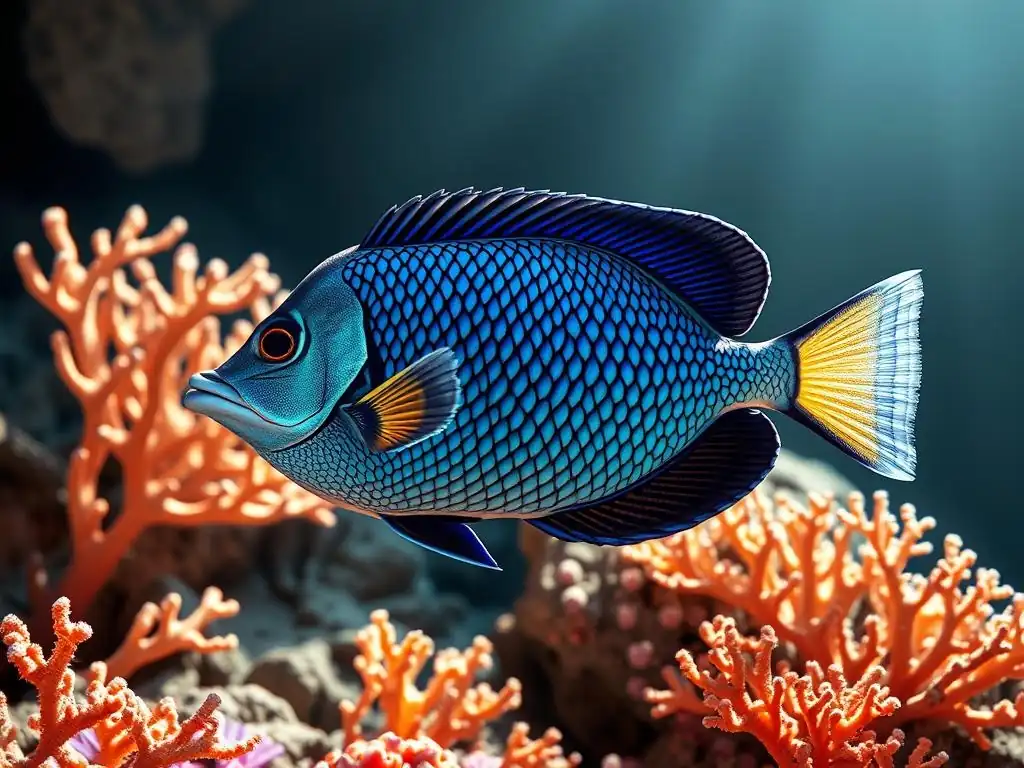
Consider the case of a 350-gallon large angelfish reef tank owned by an experienced aquarist, Marcus, who successfully housed a Blueface Angelfish ( Pomacanthus xanthometopon) for over five years alongside a diverse collection of corals. Marcus acquired the Blueface as a juvenile, approximately 4 inches in length, and introduced it into an already well-established, mature reef system dominated by SPS corals ( Acropora, Montipora) and some more robust LPS like Favia and Blastomussa.
Marcus's strategy involved feeding the angelfish 4-5 times daily with a varied diet of high-quality pellets, frozen mysis, spirulina brine shrimp, and frequent nori sheets. He observed the angelfish closely for any nipping behavior. While the Blueface occasionally showed curiosity towards some of the soft corals (e.g., Sarcophyton), it never caused significant damage.
Marcus attributed his success to the immense tank volume providing ample space, the consistent and abundant feeding schedule, and the initial selection of a juvenile specimen that adapted well to captive foods before developing strong preferences for coral polyps. This scenario highlights that with extreme diligence and a large enough system, a large angelfish reef tank with a moderate-risk species can be achieved.
Lessons Learned from a Reef Tank with an Emperor Angelfish (Pomacanthus imperator)
In contrast, Sarah's experience with an Emperor Angelfish ( Pomacanthus imperator) in her 180-gallon large angelfish reef tank serves as a cautionary tale. Sarah introduced a sub-adult Emperor (around 8 inches) to her mixed reef, which included a variety of LPS corals ( Euphyllia, Duncanopsammia), soft corals ( Zoanthids, Xenia), and a few SPS fragments. For the first few weeks, the Emperor seemed to settle in without issue, grazing on algae and readily accepting prepared foods.
However, after about a month, Sarah noticed localized tissue recession on her Euphyllia and Zoanthid colonies. Closer observation revealed the Emperor was systematically nipping at the polyps, particularly during the evening. Despite increasing feeding frequency and offering more varied foods, the behavior persisted and escalated, leading to irreversible damage to several coral colonies over the next two months.
Ultimately, Sarah had to make the difficult decision to rehome the Emperor Angelfish to a FOWLR system. This case underscores the high risk associated with highly non-reef-safe species like the Emperor in a large angelfish reef tank, even with efforts to mitigate aggression, and the potential for a species to turn "bad" over time.
Alternatives to Large Angelfish: Reef-Friendly Options
Dwarf Angelfish: Smaller Angelfish for Nano and Larger Reefs
For aquarists desiring the vibrant colors and characteristic shape of angelfish without the significant reef risk associated with larger species, dwarf angelfish (genus Centropyge) offer an excellent alternative. These smaller angelfish typically max out at 3 to 6 inches (7.5-15 cm) in length, making them suitable for a wider range of tank sizes, including some larger nano reefs. While no angelfish is 100% reef-safe, dwarf species are generally less prone to coral nipping than their larger counterparts.
Popular reef-friendly dwarf angelfish include the Flame Angelfish ( Centropyge loriculus), Coral Beauty Angelfish ( Centropyge bispinosa), Lemonpeel Angelfish ( Centropyge flavissima), and Cherub Angelfish ( Centropyge argi). While occasional nipping can still occur, particularly with Centropyge species known for being more prone to it (like the Lemonpeel), the damage is often less severe due, in part, to their smaller size. They are a much safer bet for a successful reef aquarium than attempting a risky large angelfish reef tank.
Other Reef-Safe Fish Species: Exploring Diverse Options
If the risks associated with even the "safer" large angelfish are too high for a prized coral collection, a vast array of other beautiful and genuinely reef-safe fish species can populate a vibrant reef tank. These alternatives allow for a diverse and active display without the constant worry of coral predation, offering a more predictable and often less stressful experience than a large angelfish reef tank.
Excellent reef-safe options include:
- Tangs/Surgeonfish: Many species (e.g., Yellow Tang, Blue Tang, Kole Tang) are primarily herbivorous and excellent algae grazers, adding color and activity.
- Clownfish: Iconic and peaceful, they are excellent tank inhabitants and can form symbiotic relationships with anemones.
- Gobies: Many small, peaceful gobies (e.g., Watchman Goby, Diamond Watchman Goby, various shrimp gobies) are fascinating to observe and beneficial for sand sifting.
- Blennies: Diverse in form and behavior (e.g., Lawnmower Blenny for algae control, Starry Blenny for character), most are reef-safe.
- Wrasses: Many wrasse species, particularly from the Halichoeres and Macropharyngodon genera, are excellent pest control (e.g., flatworms, pyramid snails) and add dynamic movement.
These species, among many others, offer stunning aesthetics and engaging behaviors, ensuring a thriving and beautiful reef without the inherent challenges of a large angelfish reef tank.
Conclusion: Making an Informed Decision About Large Angelfish in Your Reef
Weighing the Risks and Rewards: Is a Large Angelfish Right for Your Reef?
The decision to introduce a large angelfish into a reef tank is a complex one, requiring a careful weighing of potential risks against the undeniable aesthetic rewards. While the allure of a majestic angelfish swimming gracefully among corals is strong, the reality is that many large angelfish species are simply not compatible with a thriving, diverse coral ecosystem. The primary risks include direct coral consumption, predation on desirable invertebrates, and potential aggression towards other fish.
However, for the dedicated and experienced aquarist with a very large, mature system, and a willingness to accept some level of risk, certain species (like the Regal or Goldflake Angelfish) can potentially be housed with success. This success hinges on meticulous care, including providing an expansive tank, a highly varied and frequent feeding regimen, and careful coral selection. It's crucial to understand that even with the "safest" large angelfish, there's always an individual personality factor at play; what works for one aquarist may not work for another.
Responsible Reef Keeping: Prioritizing the Health of Your Ecosystem
Ultimately, responsible reef keeping prioritizes the long-term health and stability of the entire aquarium ecosystem. While the desire to keep a specific fish species is understandable, it should not come at the expense of the well-being of corals and other inhabitants. If the potential for coral damage or invertebrate loss is too high, or if the necessary tank size and dedication to feeding cannot be met, then a large angelfish reef tank is likely not the right choice.
Instead, aquarists can explore the numerous reef-safe alternatives, including the beautiful dwarf angelfish species or a vast array of other compatible fish. Making an informed decision based on thorough research, honest self-assessment of one's resources and commitment, and a willingness to adapt plans is paramount. A truly successful reef tank is one where all inhabitants can thrive, not just survive, in a harmonious and stable environment.
Frequently Asked Questions
Can large angelfish be kept in reef tanks?
It's a complex question. While some aquarists have success, many large angelfish are notorious for nipping at corals and invertebrates. The success often depends on the specific angelfish species and the individual fish's temperament.
What are the biggest risks of keeping large angelfish in a reef tank?
The main risk is damage to your corals. Large angelfish are known to nip at coral polyps, potentially stressing or killing them. They can also disturb other invertebrates in the tank.
Which large angelfish species are considered least likely to damage corals?
Certain species, like the Pomacanthus navarchus (Blue Girdled Angelfish), are sometimes considered reef-safe with caution. However, it's crucial to remember that individual behavior can vary greatly, and no angelfish is guaranteed to be completely reef-safe.
What size tank is generally recommended for keeping a large angelfish in a reef environment?
A very large tank is essential. Generally, a tank of at least 180 gallons is recommended, but larger is always better. This provides ample swimming space and helps dilute the impact of any potential coral nipping.
What can I do to minimize the risk of coral damage if I want to keep a large angelfish in a reef tank?
Quarantine the angelfish first to observe its behavior. Provide a varied and plentiful diet to reduce the likelihood of it turning to corals for food. Introducing the angelfish last to an established reef tank can also help.
The allure of a majestic large angelfish gracing a reef tank remains a powerful draw for many aquarists, yet as we've explored, the reality can be fraught with challenges. The delicate balance of a thriving reef ecosystem demands careful consideration, and introducing a potentially disruptive element like a large angelfish requires a deep understanding of their behavior and needs. The dream of a vibrant, diverse reef aquarium must be weighed against the potential for nipped corals and a disrupted ecosystem.
The decision to introduce a large angelfish into a reef tank isn't just about aesthetics; it's about responsibility. It's about understanding the inherent risks and committing to providing the best possible environment for all inhabitants. The ongoing debate within the aquascaping community highlights the complexities involved, reminding us that success hinges on informed choices and diligent observation. The key to keeping any fish successfully is to understand its natural history and provide an environment that meets its needs.
- Julian Sprung. This quote underscores the fundamental principle that should guide every aquarist's decision.
Ultimately, the success of a large angelfish in a reef tank rests in your hands. Consider the knowledge shared, the potential pitfalls outlined, and the commitment required. Are you prepared to dedicate the time, resources, and unwavering attention necessary to create a harmonious environment? Let this exploration serve as a catalyst for thoughtful planning and responsible aquascaping, ensuring that your reef tank remains a testament to beauty, balance, and the well-being of all its inhabitants.
Unlock the Secret to a Thriving Reef with Angels!
Thank you for exploring the fascinating world of large angelfish and their place in reef aquariums. Now that you're armed with the knowledge to make an informed decision, let's turn that information into action and elevate your reef keeping experience.
Here are some steps you can take to further your understanding and prepare for success:
- Define your reef's ecosystem. Before bringing in a large angel, take the time to analyze the current inhabitants of your aquarium. Understanding their needs will ensure the new fish will be able to thrive without disrupting the system.
- Reach out to experienced reef keepers and share your plans! Their real-world insights can be invaluable for avoiding potential pitfalls.
- Share your experience or question in the comments below. What are the other factors that need to be considered before purchasing a large angelfish?