
Understanding Anthias Social Structure: Harems, Hierarchy, and Harmony

Welcome to Aquarium Mastery!
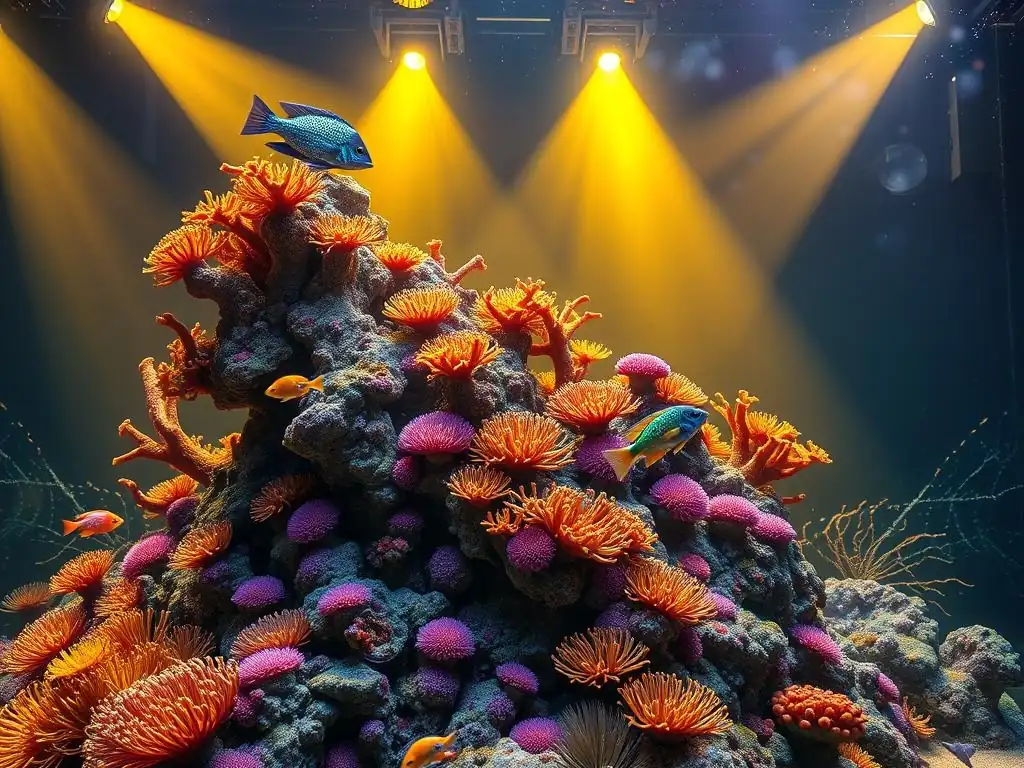
Ever wondered how those shimmering schools of Anthias maintain their intricate social dance? Dive into Understanding Anthias Social Structure: Harems, Hierarchy, and Harmony and unlock the secrets of their fascinating Anthias social behavior hierarchy. Discover how these colorful reef inhabitants establish dominance, navigate their complex social lives, and thrive in your saltwater aquarium. Ready to unravel the mysteries of the Anthias world? Let's begin!
- Introduction to Anthias Social Dynamics in Reef Aquariums
- Anthias Harems: The Foundation of Anthias Society
- Anthias Social Behavior Hierarchy: Establishing Order
- Anthias Aggression: Managing Conflict in the Aquarium
- Maintaining Harmony in Your Anthias School: Best Practices
- Sex Change in Anthias: Protogynous Hermaphroditism Explained
- Choosing the Right Anthias Species for Your Reef Tank
- Troubleshooting Anthias Social Issues: Identifying and Resolving Problems
- Conclusion: Creating a Thriving Anthias Community in Your Aquarium
-
Frequently Asked Questions
- How does the social structure of Anthias typically function in an aquarium setting?
- What is the "hierarchy" within an Anthias group, and how does it affect their behavior?
- Can Anthias change sex, and how does this relate to their social structure?
- What are the potential challenges of keeping Anthias in a community aquarium environment?
- How can aquarists promote harmony and minimize aggression within an Anthias group?
- Final Reflection: The Delicate Dance of Anthias Society
- Dive Deeper: Unlock the Secrets of Anthias Harmony!
Anthias are among the most captivating and sought-after inhabitants for reef aquariums, celebrated for their vibrant colors and graceful schooling behavior. However, successfully keeping these beautiful fish hinges on a deep understanding of their intricate social dynamics. Ignoring their natural predispositions can lead to stress, aggression, and even premature loss, turning a potentially harmonious display into a chaotic one.
Understanding the unique Anthias social behavior hierarchy is paramount for any aquarist aiming to create a thriving reef environment. Most Anthias species are protogynous hermaphrodites, meaning they are born female and can change sex to male under specific social cues. This adaptability profoundly influences their social structure, which typically revolves around a dominant male overseeing a harem of females. Recognizing these inherent social needs is crucial for ensuring the well-being and longevity of your Anthias population within the confines of an aquarium.
Anthias Harems: The Foundation of Anthias Society
The social organization of most Anthias species in the wild, and ideally in the aquarium, is centered around a harem structure. This typically consists of a single, larger, and more brilliantly colored dominant male overseeing a group of several smaller, less intensely colored females. This social unit is fundamental to their survival and reproductive success in their natural coral reef habitats.
The dominant male Anthias plays a pivotal role within the harem. He is responsible for defending the group's territory, which can range from a few square meters to larger areas depending on the species and available resources. His presence maintains order, suppresses male characteristics in other females, and initiates spawning rituals. The females, in turn, form the core of the group, feeding and moving cohesively, often in close proximity to their male leader.
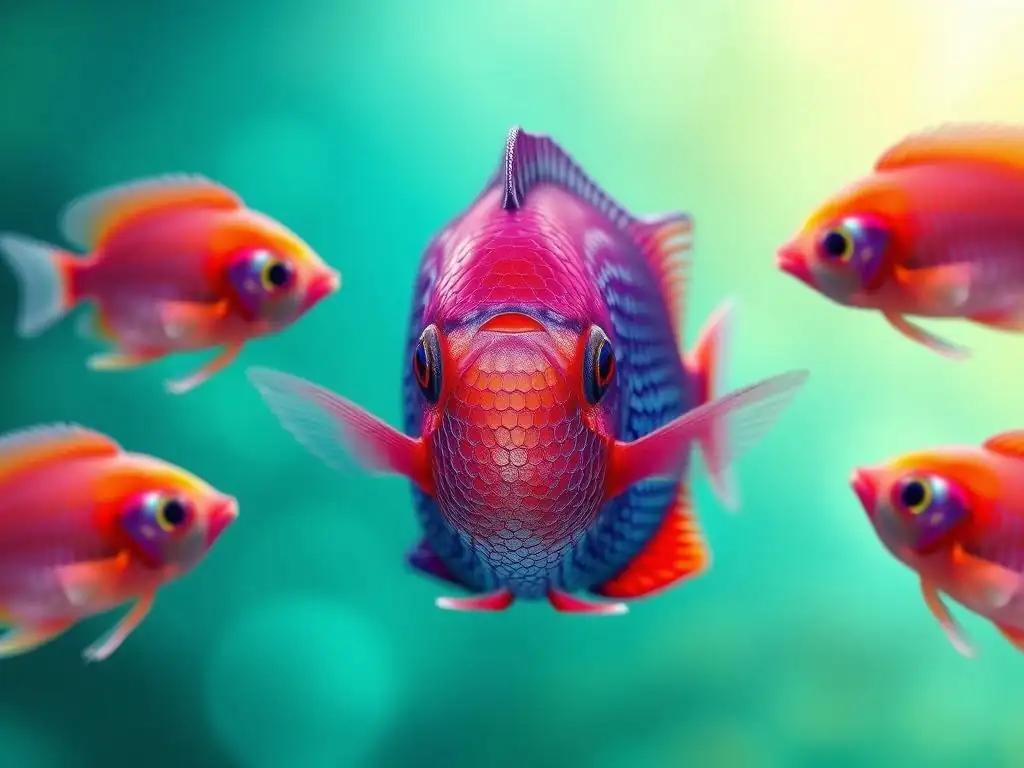
Within an Anthias harem, a clear pecking order or Anthias social behavior hierarchy is established and maintained. This hierarchy dictates access to food, prime resting spots, and even reproductive opportunities. Typically, the largest and most robust individuals, especially the dominant male, sit at the top, with dominance gradually decreasing with size and age among the females.
Several factors influence an individual Anthias's position within this hierarchy. Size is often the most significant determinant; larger fish tend to be more dominant. Age also plays a role, as older fish have had more time to establish their position. Aggression, while generally low within a well-structured harem, can be used by higher-ranking individuals to assert their dominance, often through subtle nips or chases, particularly during feeding or territorial disputes.
How Anthias communicate their social standing is primarily through visual cues and displays. Males often perform elaborate swimming patterns, fin extensions, and body posturing to signal their dominance, particularly when interacting with other males or during courtship. Females also use subtle body language and schooling patterns to acknowledge the hierarchy and avoid conflict.
Coloration in Anthias is not merely for aesthetic appeal; it serves as a dynamic indicator of an individual's social status, health, and reproductive readiness within the Anthias social behavior hierarchy. Dominant males, particularly during courtship rituals or when asserting territorial claims, will intensify their colors dramatically. For instance, a male Lyretail Anthias ( Pseudanthias squamipinnis) might display deeper, richer shades of purple and orange, with elongated fin rays becoming more pronounced, signaling his virility and dominance to both females and potential rivals. This vibrant display is crucial for maintaining his leadership role and attracting females for spawning.
Conversely, female Anthias also exhibit color changes, though often more subtle, which can indicate their health, stress levels, or readiness to transition within the harem. When a dominant male is lost or removed from an aquarium, the largest and most robust female will typically begin the process of sex change.
During this transition, which can take several weeks to a few months depending on the species and individual, her coloration may fluctuate, gradually adopting the more intense and distinctive hues of a male. This remarkable transformation ensures the continuity of the harem structure, demonstrating the innate adaptability of the Anthias social behavior hierarchy to maintain stability.
Anthias Aggression: Managing Conflict in the Aquarium
While Anthias are generally peaceful schooling fish, aggression can arise, particularly when their social needs are not met in the aquarium environment. Common causes include insufficient tank size, which limits swimming space and escape routes; inadequate rockwork, leading to a lack of hiding spots; and improper stocking density, such as having too few females for a dominant male or attempting to keep multiple males in a smaller tank.
To minimize aggression, strategic planning is essential. Provide a generously sized aquarium; for a small harem of 5-7 Lyretail Anthias, a tank of at least 75 to 100 gallons is recommended to allow ample swimming room and diffuse potential conflicts. Incorporate complex rock structures with numerous caves and crevices, offering plenty of visual breaks and hiding spots for submissive individuals. Stocking density is also critical: aim for a ratio of one male to at least 5-7 females to spread out the male's attention and reduce stress on any single female.
Introducing new Anthias to an established group requires careful consideration. Gradual acclimation techniques, such as using an acclimation box for a few days to allow existing residents to get used to the new fish's presence without direct interaction, can significantly reduce aggression. Alternatively, introducing the entire group simultaneously, if possible, can help them establish a new pecking order together.
Maintaining Harmony in Your Anthias School: Best Practices
Ensuring a harmonious Anthias school in your reef tank involves meticulous attention to their environmental needs. Proper tank size is paramount; Anthias are active swimmers and require ample horizontal space. For a small harem, a tank of 75 gallons is a minimum, but 120 gallons or more is ideal for larger groups or more active species, allowing them to establish territories and diffuse aggression naturally.
Maintaining optimal water parameters is crucial for Anthias health and well-being, as stress can exacerbate social conflicts. Keep temperature stable between 74-80°F (23-27°C), salinity at 1.023-1.026 specific gravity, pH between 8.1-8.4, and nitrates below 10 ppm. Consistent water quality reduces stress, making the fish less prone to aggression.
Effective feeding strategies also play a significant role in reducing competition. Anthias have high metabolisms and should be fed multiple small meals throughout the day (e.g., 3-5 times). Spreading food across the tank rather than in one spot can prevent a dominant fish from monopolizing the food source, ensuring all members of the Anthias social behavior hierarchy receive adequate nutrition.
The diet provided to Anthias in an aquarium has a direct impact on their overall health, vitality, and consequently, their social dynamics. As obligate planktivores in their natural habitat, Anthias require a varied and nutritious diet rich in protein and essential fatty acids. This translates to offering high-quality frozen foods such as enriched mysis shrimp, brine shrimp, cyclop-eeze, and finely chopped seafood.
For instance, a group of 10 Dispar Anthias ( Pseudanthias dispar) in a 150-gallon tank might consume a full cube of frozen mysis shrimp and a half cube of copepods spread across three daily feedings. A well-fed Anthias group is less likely to exhibit aggression stemming from nutritional deficiencies or intense competition for limited food resources, contributing to a more stable Anthias social behavior hierarchy.
Beyond the type of food, the frequency and method of feeding are equally important for minimizing aggression. Anthias possess a high metabolism and benefit significantly from multiple small feedings throughout the day, rather than one or two large meals. Feeding them 3 to 5 times daily helps maintain their energy levels and reduces the urgency and competition associated with fewer, larger meals.
Additionally, scattering the food across the entire water column ensures that even the more submissive individuals have an opportunity to feed, preventing dominant fish from monopolizing the food supply. This approach effectively mitigates food-related squabbles and promotes a more harmonious environment within the Anthias school.
Sex Change in Anthias: Protogynous Hermaphroditism Explained
One of the most fascinating aspects of Anthias biology, and a key element of their Anthias social behavior hierarchy, is their protogynous hermaphroditism. This means that all Anthias are born female, and under specific social circumstances, the largest and most dominant female can undergo a sex change to become a functional male. This remarkable biological adaptation ensures the continuity of the harem structure.
The transformation from female to male typically occurs when the dominant male of a harem is removed or dies. In the absence of a male, the largest and most dominant female in the group will begin to develop male characteristics, including changes in coloration, fin elongation, and the ability to produce sperm. This process can take several weeks to a few months, during which the transitioning fish may exhibit fluctuating colors and behaviors.
The impact of this sex change on the Anthias social structure is profound. It allows the harem to quickly re-establish a stable social order, preventing a power vacuum that could lead to widespread aggression and instability. The newly transformed male assumes the leadership role, maintaining territory, defending the group, and engaging in spawning behaviors with the remaining females, thereby preserving the fundamental Anthias social behavior hierarchy.
Choosing the Right Anthias Species for Your Reef Tank
Selecting the appropriate Anthias species for your reef tank is crucial for establishing a harmonious social dynamic. Not all Anthias species exhibit the same level of social compatibility or aggression. It's essential to research the specific social requirements of each species before purchase. Some species are more prone to aggression, especially if kept in insufficient numbers or with incompatible tank mates.
Popular Anthias species include the Lyretail Anthias ( Pseudanthias squamipinnis), which are generally peaceful and well-suited for larger harems, often thriving in groups of 6 or more. Dispar Anthias ( Pseudanthias dispar) are smaller and also do well in larger groups, making them excellent choices for tanks over 100 gallons.
On the other hand, species like the Squareback Anthias ( Pseudanthias pleurotaenia) can be more aggressive, particularly the males, and may be better suited for very large tanks or as a single male with a very large group of females to diffuse aggression. Understanding these nuances is key to a successful Anthias social behavior hierarchy in your aquarium.
Even with careful planning, social issues can arise within an Anthias school. Recognizing the signs of stress and social imbalance early is crucial for intervention. These signs can include faded or dull colors, clamped fins, excessive hiding, rapid breathing, reluctance to feed, or physical damage such as fin nips or body scrapes. If one or more Anthias are constantly being chased or show these signs, it's a clear indication of a problem within the Anthias social behavior hierarchy.
Addressing common problems requires a systematic approach. If bullying is observed, consider adding more females to the group to diffuse the dominant male's attention. Increasing the amount of complex rockwork and hiding spots can provide refuge for submissive individuals. In severe cases of persistent aggression, where one fish is clearly being targeted and harmed, the removal of the aggressive individual may be necessary. Sometimes, simply rearranging the rockwork can disrupt established territories and help reset the social dynamics, allowing the group to re-establish a new, more peaceful pecking order.
Conclusion: Creating a Thriving Anthias Community in Your Aquarium
Successfully maintaining a vibrant Anthias community in your reef aquarium is a rewarding endeavor that relies heavily on understanding their complex social structure. Key takeaways for successful Anthias keeping include providing an adequately sized tank with ample swimming space and complex rockwork, maintaining stable and optimal water parameters, and implementing a consistent, multi-feeding schedule with varied, nutritious foods. Crucially, selecting Anthias species known for their compatibility and stocking them in appropriate harem ratios are fundamental to preventing aggression and fostering a harmonious environment.
The long-term benefits of understanding and respecting the Anthias social behavior hierarchy are immense. A well-managed Anthias group will not only display their spectacular natural colors and graceful schooling behaviors but will also exhibit reduced stress, improved health, and a greater lifespan. By catering to their inherent social needs, aquarists can enjoy the dynamic beauty of these captivating fish, transforming their reef tank into a truly thriving and visually stunning ecosystem.
Frequently Asked Questions
Anthias often form harems consisting of a dominant male and a group of females. Maintaining this structure in an aquarium requires providing ample space and ensuring the dominant male is not overly aggressive.
What is the "hierarchy" within an Anthias group, and how does it affect their behavior?
The hierarchy determines access to resources and mates. The dominant male controls breeding, while females establish a pecking order affecting feeding and territory.
Yes, Anthias are protogynous hermaphrodites, meaning females can transition to males if the dominant male dies. This change maintains the harem's structure and ensures reproductive success.
What are the potential challenges of keeping Anthias in a community aquarium environment?
Aggression from other fish, inadequate feeding, and poor water quality can disrupt their social structure and overall health. It's crucial to choose compatible tank mates and maintain pristine water conditions.
How can aquarists promote harmony and minimize aggression within an Anthias group?
Providing ample hiding places, maintaining a stable environment, and offering frequent feedings can help reduce stress and aggression. Careful observation is key to identifying and addressing potential problems early on.
Final Reflection: The Delicate Dance of Anthias Society
The intricate social dynamics of Anthias, as explored in this article, are not merely a fascinating biological study, but a powerful lens through which to understand the complexities of social organization and resource allocation in any context. The delicate balance of harems, the subtle nuances of their hierarchy, and the overall harmony they strive for offer valuable insights into the challenges and rewards of collective living, even far beyond the coral reef.
The enduring fascination with Anthias social behavior stems from its reflection of our own societal structures. Observing these vibrant fish navigate their complex relationships reminds us that hierarchy, while often perceived negatively, can also be a mechanism for stability and resource management. The beauty of the Anthias society lies not just in its visual appeal, but in its demonstration that even within a hierarchical structure, cooperation and harmony are essential for survival and prosperity.
This understanding encourages us to critically examine our own social systems and strive for a more equitable and balanced approach to leadership and resource distribution.
As you reflect on the Anthias' intricate social dance, consider how its lessons can inform your own interactions and contributions to the world around you. Are you fostering harmony within your own "reef," whether it be your workplace, community, or family? Let the Anthias' example inspire you to cultivate a deeper understanding of social dynamics, to embrace the power of cooperation, and to actively contribute to a more balanced and harmonious future for all.
Dive Deeper: Unlock the Secrets of Anthias Harmony!
Thank you for exploring the fascinating world of Anthias social structures with us. Now that you understand the intricacies of their harems, hierarchies, and the delicate balance they maintain, it's time to put that knowledge into action!
Here are a few ways you can further explore the wonders of Anthias:
- Carefully observe your Anthias school (if you have one) for a week and document any behavioral shifts or subtle interactions within their social dynamic. This firsthand observation will solidify your understanding.
- Share this article with fellow aquarium enthusiasts and spark a discussion about the challenges and rewards of keeping Anthias in a thriving, harmonious environment.
- Consider researching compatible tank mates that can contribute to a stable and stress-free environment for your Anthias, promoting their natural social behaviors.
What fascinating Anthias behavior have you observed in your own aquarium, and what steps did you take to ensure their social harmony?