
Anthias: The Vibrant, Schooling Jewels of the Saltwater Reef Aquarium

Welcome to Aquarium Mastery!
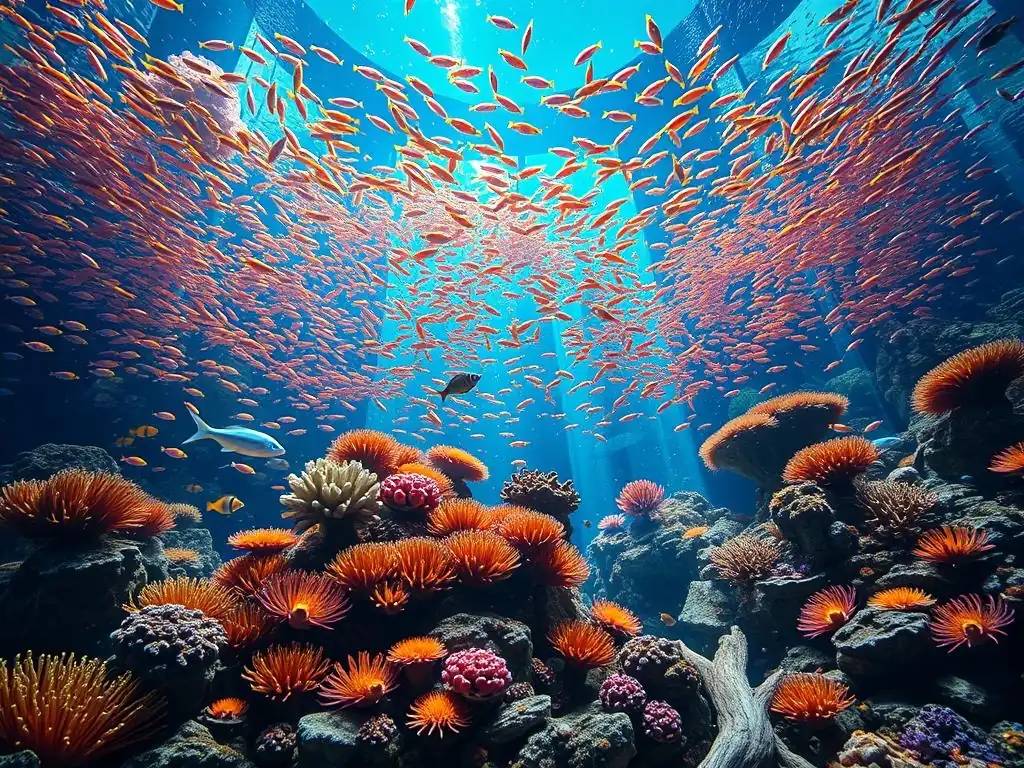
Ever been captivated by the dazzling colors and graceful movements of a school of anthias? These vibrant fish can truly transform a saltwater reef aquarium into a living masterpiece. But are you ready to unlock the secrets to their successful care? Dive in and discover our comprehensive Saltwater Anthias Care Tips, where we'll guide you through everything you need to know to keep these schooling jewels thriving in your home aquarium. What hidden challenges await, and how can you overcome them? Let's explore!
- Understanding Anthias: A Comprehensive Guide for Reef Aquarists
- Saltwater Anthias Care Tips: Essential Considerations for a Healthy School
- Anthias Tank Setup: Creating the Ideal Environment
- Feeding Anthias: Nutritional Needs and Feeding Strategies
- Anthias Compatibility: Choosing the Right Tank Mates
- Anthias Health and Disease Prevention
- Anthias Breeding: Challenges and Possibilities
- Specific Anthias Species Profiles: Care and Characteristics
- Troubleshooting Common Anthias Care Problems
- Advanced Anthias Care: Tips for Experienced Reef Keepers
-
Frequently Asked Questions
- What are the key considerations when choosing Anthias for a saltwater aquarium?
- What are the specific water parameter requirements for keeping Anthias healthy?
- How frequently and what should I feed my Anthias to ensure their well-being?
- What are some common health issues that Anthias are susceptible to, and how can I prevent them?
- Are Anthias compatible with other reef inhabitants, and what should I avoid keeping with them?
- Final Reflection: Embracing the Anthias' Radiant Legacy
- Ignite Your Reef: Bring Anthias' Beauty Home!
Understanding Anthias: A Comprehensive Guide for Reef Aquarists
What are Anthias? Introduction to the Anthias Genus
Anthias are a captivating group of marine fish belonging primarily to the subfamily Anthiinae, which is part of the larger Serranidae family (sea basses and groupers). Renowned for their brilliant, iridescent colors ranging from fiery oranges and reds to delicate pinks and purples, these fish are native to the vast Indo-Pacific and Red Sea regions, inhabiting deep reef slopes and outer reef walls.
They typically occupy depths from just a few meters down to over 60 meters, forming large, active schools that constantly dart and weave through the water column. Their average adult size varies significantly by species, from smaller Dispar Anthias at 3 inches to Lyretail Anthias reaching up to 6 inches.
A fascinating aspect of Anthias biology is their protogynous hermaphroditism. This means all Anthias are born female, and the dominant female in a social group will change sex to become a male if the existing male is removed or dies. Males are often larger and more vibrantly colored than females, displaying distinct sexual dimorphism. In their natural habitat, Anthias play a crucial ecological role as obligate planktivores, continuously feeding on microscopic zooplankton drifting in the water currents. This constant feeding behavior is a key consideration for their care in a home aquarium.
Why Anthias are Popular in Saltwater Aquariums
Anthias have become immensely popular among saltwater aquarists due to their unparalleled aesthetic appeal and dynamic schooling behavior. Their jewel-like coloration adds an explosion of vibrant hues to any reef tank, transforming it into a living kaleidoscope. Unlike some other reef inhabitants that may spend much of their time hidden, Anthias are constantly active, swimming gracefully in the open water column, which provides continuous visual interest and a sense of bustling life to the aquarium. This active, visible presence makes them a focal point, especially in larger setups designed to showcase their schooling tendencies.
Beyond their beauty, Anthias are generally considered "reef-safe," meaning they typically do not bother corals, anemones, or other invertebrates. This compatibility makes them an ideal choice for the increasingly popular mixed reef aquariums, where the health and safety of diverse coral populations are paramount. Their relatively peaceful nature, when housed appropriately, allows them to coexist harmoniously with a wide range of other non-aggressive marine species. The challenge and reward of providing optimal saltwater anthias care tips also appeal to dedicated hobbyists looking to elevate their aquascaping and husbandry skills.
Saltwater Anthias Care Tips: Essential Considerations for a Healthy School
Choosing the Right Anthias Species for Your Reef Tank
Selecting the appropriate Anthias species is the first critical step in ensuring their long-term health and success in your reef aquarium. There are numerous species available, each with varying adult sizes, temperament levels, and specific care requirements. For beginners, hardier species like the Lyretail Anthias ( Pseudanthias squamipinnis) or Dispar Anthias ( Pseudanthias dispar) are often recommended due to their adaptability and generally robust nature. Lyretail Anthias can grow up to 6 inches, requiring larger tanks and more swimming space, while Dispar Anthias typically stay around 3-4 inches, making them suitable for slightly smaller setups.
More advanced aquarists might consider species like the Bartlett's Anthias ( Pseudanthias bartlettorum) or the Sunburst Anthias ( Serranocirrhitus latus), which may have more specific dietary needs or require even more pristine water conditions. It is crucial to research the adult size, typical schooling behavior (some species are more prone to aggression within the group), and preferred diet of any species before purchase. Understanding these nuances is a fundamental aspect of providing effective saltwater anthias care tips and ensures compatibility with your existing tank size and inhabitants.
Acclimation and Introduction of Anthias to Your Aquarium
Anthias are notoriously sensitive to changes in water parameters and stress, making their acclimation process paramount. A slow drip acclimation method is highly recommended to gradually equalize the water temperature, pH, and salinity between the transport bag and your aquarium. This process should ideally last for at least 1-2 hours, allowing the fish to slowly adjust to their new environment. During acclimation, dimming the lights in your main display tank can significantly reduce stress on both the new arrivals and existing tank inhabitants, facilitating a smoother transition.
Once acclimated, gently transfer the Anthias into your aquarium, avoiding the introduction of the transport water. It is advisable to introduce new Anthias into a quiet, low-traffic area of the tank, away from high flow areas or known territories of more aggressive tank mates.
Closely monitor their behavior for the first 24-48 hours; signs of stress such as rapid breathing (gilling rate over 60 breaths per minute), clamped fins, or excessive hiding warrant immediate attention. A dedicated quarantine tank, as detailed later, is an invaluable tool for observing new fish for at least three to four weeks before introducing them to the main display.
Maintaining Optimal Water Parameters for Anthias Health
Maintaining stable and pristine water parameters is perhaps the most critical aspect of saltwater anthias care tips. These fish are highly sensitive to fluctuations, and poor water quality can quickly lead to stress and disease. Ideal water parameters for Anthias include:
- Temperature: 74-78°F (23.3-25.5°C)
- Salinity: 1.023-1.026 specific gravity
- pH: 8.1-8.4
- Alkalinity: 8-12 dKH
- Calcium: 400-450 ppm
- Magnesium: 1250-1350 ppm
Beyond these core parameters, nutrient levels must be kept exceptionally low. Ammonia and nitrite should always be at zero, while nitrates should ideally be below 10 ppm. Regular weekly water changes, typically 10-20% of the tank volume, are essential for diluting accumulated nitrates, replenishing vital trace elements, and ensuring overall water quality. Using a high-quality salt mix and performing routine tests with reliable kits will help you maintain these conditions consistently, providing a stable and healthy habitat for your vibrant Anthias.
Anthias Tank Setup: Creating the Ideal Environment
Minimum Tank Size Requirements for Anthias Schools
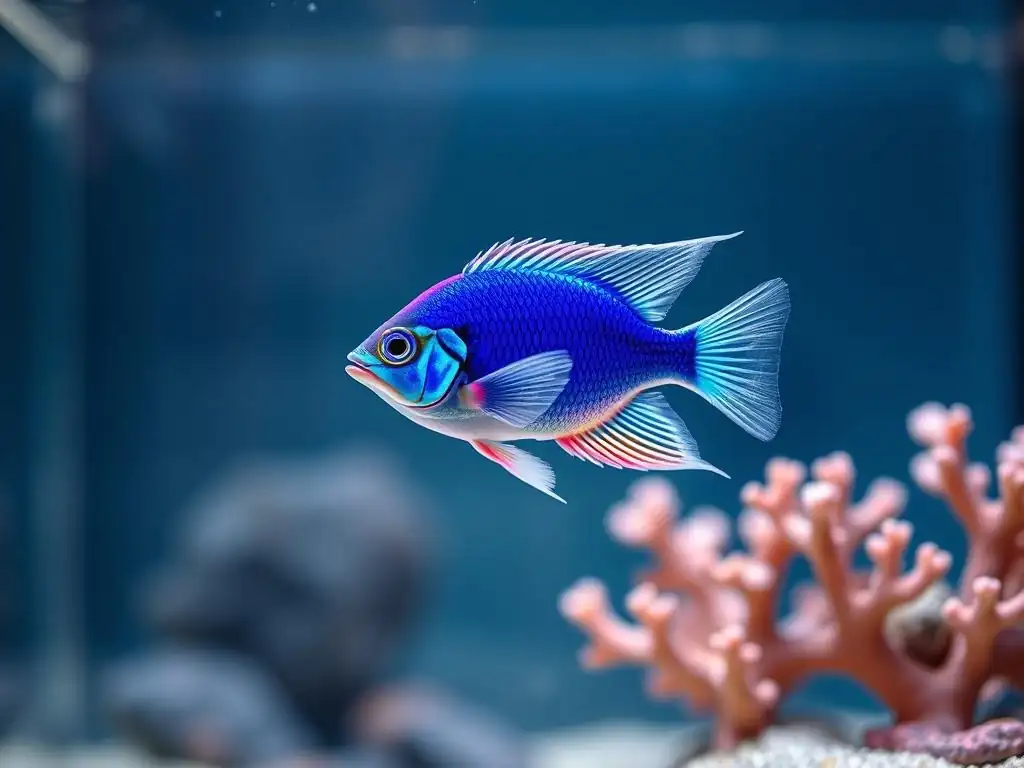
Given their schooling nature and active swimming habits, Anthias require ample space to thrive. Keeping them in groups is crucial for their well-being, as solitary Anthias often become stressed and withdrawn. For a small school of 3-5 smaller species like Dispar or Ignitus Anthias, a minimum tank size of 75 gallons (approximately 300 liters) is generally recommended. This size provides sufficient swimming room and helps to diffuse potential minor aggression within the group.
For larger species, such as the Lyretail Anthias, or for more substantial schools of 5-7 individuals, a tank of 125 gallons (approximately 470 liters) or more is advisable. Larger tanks not only offer more swimming territory but also contribute to greater water volume stability, which is highly beneficial for these sensitive fish. A 180-gallon tank, for instance, can comfortably house a diverse school of 8-10 Anthias, allowing for natural schooling behaviors and providing adequate territory for individual fish without excessive competition.
Essential Equipment for an Anthias-Specific Setup
A robust and efficient equipment setup is vital for successful saltwater anthias care tips. Due to their active metabolism and frequent feeding requirements, Anthias contribute significantly to the bioload, necessitating excellent filtration. A high-quality protein skimmer is indispensable for nutrient export, effectively removing organic waste before it breaks down into harmful nitrates. Adequate water flow is also crucial, mimicking the currents of their natural reef habitat. Multiple powerheads creating turbulent, indirect flow are preferred over a single, strong current source, ensuring oxygenation and preventing dead spots.
Lighting requirements for Anthias are generally aligned with typical reef tank setups, as they do not have specific light intensity needs beyond what corals might demand. However, reliable heating systems are paramount to maintain a stable temperature within their preferred range of 74-78°F (23.3-25.5°C). An automatic top-off (ATO) system is also highly recommended to consistently maintain stable salinity levels, as even minor fluctuations can cause stress to these delicate fish. Regular maintenance of all equipment, including cleaning skimmer cups and powerheads, ensures optimal performance.
Aquascaping for Anthias: Providing Shelter and Swimming Space
The ideal aquascape for Anthias balances open swimming areas with plenty of intricate live rock structures. While Anthias are primarily open-water swimmers, they require numerous caves, crevices, and overhangs to retreat to when they feel threatened, during nighttime hours, or to establish individual territories within the school. Think of their natural environment: a reef face with both exposed areas and hidden nooks.
Design your aquascape with verticality and multiple levels to provide varied environments. This allows different Anthias to establish small perching spots or temporary territories without constant conflict, which is particularly important in a harem setup. Ensure that hiding spots are easily accessible but not so numerous or deep that fish disappear entirely, making feeding or observation difficult. For example, a large central rock structure with several smaller satellite rocks and branching corals can create an ideal balance of open space and secure retreats, contributing to successful saltwater anthias care tips.
Feeding Anthias: Nutritional Needs and Feeding Strategies
What Do Anthias Eat? Natural Diet vs. Aquarium Food
In their natural reef environment, Anthias are obligate planktivores, meaning their diet consists almost exclusively of zooplankton suspended in the water column. This includes copepods, amphipods, and various larval stages of other marine organisms. Replicating this diet in an aquarium is crucial for their long-term health and vibrant coloration. High-quality frozen foods are excellent staples and should form the bulk of their diet. These include enriched mysis shrimp, enriched brine shrimp, cyclop-eeze, and finely chopped krill or rotifers.
While frozen foods are primary, supplementing with high-quality flake or pellet foods formulated for marine carnivores can also be beneficial, provided the Anthias accept them. It is important to note that newly acquired Anthias can be finicky eaters and may initially only accept live foods. Training them to accept prepared foods quickly is vital. For example, offering live enriched brine shrimp initially and then gradually transitioning to frozen options can help them adapt to an aquarium diet.
Feeding Frequency and Methods for Anthias Health
Anthias have incredibly high metabolisms, a characteristic stemming from their constant feeding on plankton in the wild. This high metabolic rate means they require frequent feedings throughout the day to maintain their energy levels and prevent malnourishment. Ideally, Anthias should be fed at least 3-5 small meals per day. This constant availability of food closely mimics their natural grazing behavior and is a cornerstone of effective saltwater anthias care tips.
Feeding methods should ensure that all individuals in a school receive adequate nutrition, especially if more robust or aggressive tank mates are present. Using a turkey baster or a feeding pipette allows for targeted feeding, ensuring that smaller or more timid Anthias get their share. Spreading the food widely across the tank can also encourage all fish to feed simultaneously. For very large tanks or busy schedules, an automatic feeder dispensing small amounts of high-quality pellets can supplement frozen food feedings, providing consistent nourishment.
Preventing Malnutrition in Anthias
Malnutrition is a common issue with Anthias if their specific dietary needs and feeding frequency are not met. Signs of malnutrition include faded colors, a pinched or sunken belly, lethargy, and a general loss of vigor. To prevent this, ensure a varied diet that includes multiple types of high-quality frozen foods. Avoid relying on just one food source, as this can lead to nutritional deficiencies over time.
Fortifying frozen foods with liquid vitamin supplements, such as Selcon or Vita-Chem, a few times a week can significantly enhance their nutritional intake and overall vitality. Observe your Anthias closely during feeding times to ensure all individuals are actively eating. If certain fish appear to be consistently missing out, consider target feeding them or increasing the overall feeding frequency. Addressing any underlying issues like bullying from tank mates that might prevent them from accessing food is also crucial.
Anthias Compatibility: Choosing the Right Tank Mates
Best Tank Mates for Anthias in a Reef Aquarium
Choosing appropriate tank mates is crucial for the peaceful coexistence and long-term health of your Anthias. The best companions are peaceful, non-aggressive species that do not directly compete for the same food sources or territory. Excellent choices include other peaceful schooling fish such as certain species of cardinalfish, small tangs (in appropriately large tanks), and various types of fairy and flasher wrasses. These fish typically share the open water column with Anthias without conflict.
Anthias are generally reef-safe, making them compatible with most invertebrates like ornamental shrimp, snails, hermit crabs, and a wide variety of corals. For instance, a small group of five Dispar Anthias can thrive alongside a pair of Ocellaris Clownfish and a peaceful Royal Gramma in a 75-gallon reef tank. The key is to select fish that are similar in temperament and size, ensuring a harmonious community. Prioritizing peaceful species is a fundamental aspect of successful saltwater anthias care tips.
Fish to Avoid Keeping with Anthias
To prevent stress, injury, or even death, certain fish species should be avoided as tank mates for Anthias. Highly aggressive or predatory fish are unsuitable, as they will harass or consume Anthias. This category includes large angelfish, triggers, puffers, lionfish, and larger species of groupers. Even semi-aggressive species, such as many damselfish, can be problematic in smaller confines, constantly nipping at and stressing Anthias.
Furthermore, avoid fish that are overly boisterous or directly compete for planktonic food sources, especially if they are more robust or faster eaters. While not predatory, such competition can lead to starvation for the more delicate Anthias. For example, a single, very active Tang in a moderately sized tank might outcompete Anthias for food, even if it doesn't display direct aggression. Always research the temperament and dietary needs of potential tank mates thoroughly.
Anthias exhibit complex social dynamics, primarily due to their protogynous hermaphroditism. In the wild and in captivity, they typically form harems consisting of one dominant male and multiple females. All Anthias are born female, and if the dominant male is removed or dies, the largest and most dominant female in the group will undergo a sex change to become the new male.
When introducing Anthias to an aquarium, it is best to aim for a single male with multiple females (e.g., 1 male to 3-5 females) to establish a stable social structure. Introducing multiple males of the same species, especially in tanks under 200 gallons, can lead to severe aggression and territorial disputes. While minor squabbles are normal as a pecking order is established, persistent chasing, nipping, or hiding by subordinate individuals indicates a problem. A larger tank with ample hiding spots can significantly help mitigate aggression by providing escape routes for less dominant fish.
Anthias Health and Disease Prevention
Common Anthias Diseases and Treatments
Anthias, like many marine fish, are susceptible to common saltwater aquarium diseases, often exacerbated by stress from shipping, poor water quality, or improper acclimation. The most prevalent parasitic diseases are marine ich ( Cryptocaryon irritans) and marine velvet ( Amyloodinium ocellatum). Symptoms include visible white spots (ich) or a dusty, velvet-like coating (velvet) on the body and fins, rapid breathing, and scratching against decor. Treatment often involves copper-based medications (e.g., Cupramine) or the Tank Transfer Method, always administered in a dedicated hospital tank.
Bacterial infections, often secondary to stress or parasitic infestations, can manifest as fin rot, cloudy eyes, or body lesions. Antibiotics like Maracyn 2 or Furan-2 may be necessary. Internal parasites can cause wasting, lethargy, and loss of appetite, requiring deworming medications (e.g., MetroPlex, PraziPro). Accurate diagnosis is crucial before treatment, and all medications should be used in a separate quarantine or hospital tank to avoid harming the main display's beneficial bacteria or invertebrates.
Recognizing Signs of Stress or Illness in Anthias
Early detection of stress or illness is paramount for successful saltwater anthias care tips. A healthy Anthias is typically active, swims confidently in the open water column, maintains vibrant coloration, and readily accepts food. Any deviation from these normal behaviors should be a cause for concern. Key signs to watch for include:
- Clamped fins: Fins held tightly against the body.
- Rapid gilling: Breathing rate significantly faster than normal (e.g., over 80 breaths per minute).
- Darting movements or scratching: Rubbing against rocks or substrate to relieve irritation.
- Fading colors: Loss of vibrancy or dullness in coloration.
- Refusal to eat: Persistent lack of appetite.
- Prolonged hiding: Spending excessive time in caves or behind rocks.
- Visible spots, lesions, or growths: Any unusual marks on the body.
Regular daily observation of your Anthias' behavior and appearance allows for prompt identification of these signs, enabling quick intervention before conditions worsen.
Quarantine Procedures for New Anthias
Implementing a strict quarantine procedure for all new Anthias is the single most effective way to prevent the introduction of diseases into your main display tank. A dedicated quarantine tank (QT) should be set up, typically a 20-40 gallon tank, equipped with a heater, a small powerhead for circulation, and cycled filtration (e.g., sponge filter or hang-on-back filter with biomedia). PVC pipes or small non-porous decorations can provide essential hiding spots.
New Anthias should be drip acclimated to the QT water and observed for a minimum of 3-4 weeks. During this period, perform daily visual inspections for any signs of disease. Many aquarists opt for prophylactic treatments during quarantine, such as a freshwater dip upon arrival to dislodge external parasites, followed by a full course of copper treatment or the Tank Transfer Method to eradicate common parasites like ich and velvet. Consistent feeding and stable water parameters in the QT are also critical to minimize stress and allow the fish to recover from shipping.
Anthias Breeding: Challenges and Possibilities
The Complex Reproductive Behavior of Anthias
The reproductive behavior of Anthias is intricately linked to their protogynous hermaphroditism and social hierarchy. In a harem, the dominant male typically oversees a group of females. Spawning usually occurs at dusk, with the male and a receptive female performing a "spawning rush" where they ascend into the water column, releasing eggs and sperm simultaneously. The eggs are pelagic, meaning they are buoyant and drift freely with the water currents.
While spawning events have been observed in very large, mature home aquariums, particularly with hardier species like Lyretail Anthias ( Pseudanthias squamipinnis) in tanks exceeding 200 gallons, successful rearing of Anthias fry is exceedingly rare in captivity. This is primarily due to the minute size of the eggs and larvae, which require highly specialized live food cultures and extremely precise environmental conditions for survival.
Creating Conditions for Anthias Spawning [If possible in captivity]
For aquarists aspiring to witness Anthias spawning, creating an environment that closely mimics their natural habitat is crucial, though success is not guaranteed. This typically involves a very large, mature reef tank, often 500 gallons or more, to provide ample space for a stable harem and natural behaviors. Pristine water quality, consistent parameters, and abundant live food sources (e.g., a thriving population of copepods in a connected refugium) are paramount.
Providing a diverse aquascape with both open water for spawning rushes and numerous hiding spots for the females is beneficial. Gradually dimming the lights at dusk can also help encourage natural spawning rituals. While challenging, some dedicated hobbyists have reported observations of spawning behavior from species such as Lyretail Anthias and Dispar Anthias, suggesting that with optimal conditions and a bit of luck, it is within the realm of possibility, even if raising the fry remains an immense challenge.
Raising Anthias Fry: A Detailed Guide [If applicable]
Raising Anthias fry is one of the most demanding challenges in marine aquaculture. The fry are incredibly small, often less than 2 millimeters upon hatching, and possess very tiny mouths. This necessitates a specific and highly specialized feeding regimen. For their initial days, they require microscopic live foods such as L-type and S-type rotifers, which must be cultured continuously and enriched with nutritional supplements.
As the fry grow, their diet can transition to newly hatched artemia nauplii and various sizes of copepod nauplii. A dedicated larval rearing tank with very gentle aeration, extremely stable water parameters, and meticulous cleanliness is essential. High mortality rates are common, even in professional breeding facilities, due to their delicate nature and precise feeding requirements. This endeavor is typically reserved for experienced aquaculturists or research institutions due to the significant investment in time, equipment, and expertise required.
Specific Anthias Species Profiles: Care and Characteristics
Lyretail Anthias (Pseudanthias squamipinnis): Care Guide
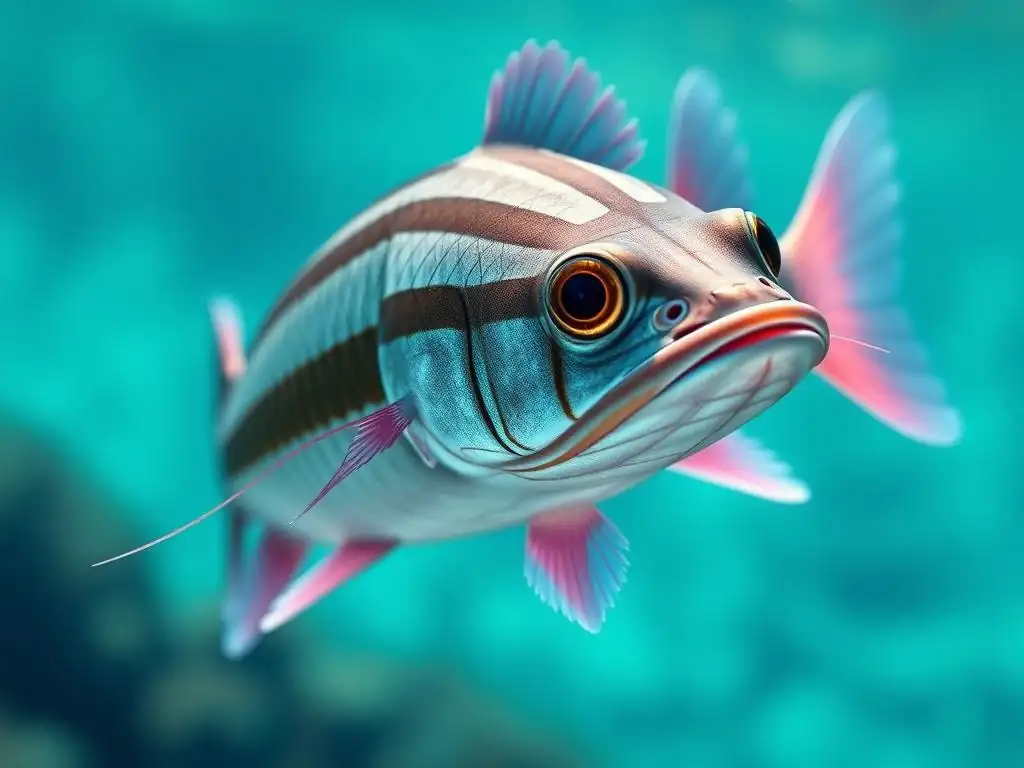
The Lyretail Anthias, also known as the Scalefin Anthias, is one of the most commonly encountered and relatively hardy Anthias species available to hobbyists. Males are striking, displaying vibrant purple-red bodies with an elongated, lyre-shaped caudal fin, while females are typically bright orange with a more rounded tail. They can reach an adult size of approximately 5-6 inches, making them a significant presence in the aquarium. For a small group (1 male, 3-4 females), a minimum tank size of 75-100 gallons is recommended.
Lyretail Anthias thrive on frequent feedings of high-quality frozen foods such as mysis shrimp, enriched brine shrimp, and copepods, offered 3-5 times daily. They are generally peaceful but males can be territorial with other male Lyretails or very similar-looking Anthias. Providing ample live rock for hiding and open swimming space is crucial. Maintaining stable water parameters (Temperature: 74-78°F, Salinity: 1.023-1.026) is paramount for their long-term health and vibrant coloration, making them an excellent choice for those seeking active saltwater anthias care tips.
Dispar Anthias (Pseudanthias dispar): Care Guide
The Dispar Anthias, also known as the Peach Anthias, is a smaller and arguably more active species, reaching an adult size of about 3-4 inches. Males exhibit a beautiful orange body with a distinctive reddish dorsal fin, while females are a more uniform bright orange. Their smaller size makes them suitable for slightly smaller reef tanks compared to Lyretails, with a minimum of 75 gallons being appropriate for a group of 5-7 individuals.
These Anthias are continuous feeders and require frequent small meals, ideally 4-5 times per day, of small, meaty frozen foods like cyclop-eeze, enriched brine shrimp, and finely chopped mysis shrimp. They are relatively peaceful and make excellent community fish, adding a constant flash of color and dynamic movement to the mid-water column of the aquarium. Their hardiness and active nature make them a popular choice for reef aquarists looking for vibrant, schooling fish.
Carberryi Anthias (Nemanthias carberryi): Care Guide
The Carberryi Anthias is a slender and graceful species, typically growing to about 4 inches in length. They are characterized by a distinctive yellow body adorned with a prominent purple stripe running along the dorsal fin, creating a unique visual appeal. Carberryi Anthias are known for their relatively good hardiness and adaptability to aquarium life, making them a suitable choice for aquarists looking for a slightly different Anthias species. A minimum tank size of 75 gallons is recommended for a small group.
These Anthias are active swimmers and benefit from moderate to strong water flow within the aquarium. Their diet should consist of various small, meaty frozen foods, including mysis shrimp, enriched brine shrimp, and other planktonic preparations, fed multiple times throughout the day to support their high metabolism. They are generally peaceful and coexist well with other reef-safe fish, adding an elegant and active presence to the reef environment.
Bartlett's Anthias (Pseudanthias bartlettorum): Care Guide
Bartlett's Anthias are highly sought after for their stunning coloration, featuring a vibrant purple body that transitions to a bright yellow on the dorsal and caudal fins. They typically grow to about 3-4 inches, making them a mid-sized Anthias species. They are known for their relatively peaceful nature compared to some other Anthias species, making them excellent candidates for community reef tanks. A group of 5-7 individuals will thrive in a tank of at least 75-100 gallons.
Like other Anthias, Bartlett's Anthias are active planktivores and require frequent feedings of small, meaty frozen foods such as mysis shrimp, cyclop-eeze, and enriched brine shrimp. They adapt well to aquarium life if provided with stable water parameters (Temperature: 74-78°F, Salinity: 1.023-1.026) and a well-designed aquascape that offers both open swimming space and numerous hiding spots. Their striking and unique coloration makes them a prized and eye-catching addition to any well-maintained reef aquarium.
Troubleshooting Common Anthias Care Problems
Anthias Not Eating: Identifying and Addressing the Issue
One of the most common and concerning issues with Anthias is their refusal to eat, which can quickly lead to wasting and death due to their high metabolism. This behavior is a primary indicator of stress or illness. Causes can include poor water quality (e.g., elevated nitrates above 20 ppm, or detectable ammonia/nitrite), bullying from more aggressive tank mates, internal parasites, or simply stress from the shipping process or new environment.
Immediately check all water parameters to rule out environmental issues. If parameters are stable, try offering a variety of high-quality foods, including live options like enriched brine shrimp or copepods, as these are often more enticing to finicky eaters. Target feeding with a pipette can ensure food reaches the specific fish. If the issue persists, consider moving the affected Anthias to a hospital tank for closer observation, potential treatment for parasites, and to ensure it's not being outcompeted for food by other tank inhabitants.
Anthias Showing Signs of Stress: Causes and Solutions
Anthias are highly sensitive fish, and signs of stress are often the first indicators of an underlying problem. Common stress symptoms include rapid breathing (gilling rate significantly above 60 breaths per minute), clamped fins held tightly against the body, darting movements or scratching against decor, fading or dull coloration, and prolonged hiding. The primary causes of stress typically involve unstable water parameters, aggressive tank mates, inadequate hiding spots, or insufficient feeding frequency.
To address stress, first, perform small water changes (e.g., 10-15%) to improve water quality and stability. Reassess tank mate compatibility and consider removing any overly aggressive fish. Ensure your aquascape provides ample hiding spots and visual barriers. Most importantly, review your feeding schedule: Anthias require multiple small meals throughout the day. A stable, clean, and well-maintained environment with appropriate tank mates is the best defense against stress for Anthias, aligning with optimal saltwater anthias care tips.
Preventing Aggression in Anthias Schools
While Anthias are generally peaceful, intraspecific aggression, particularly among males or during sex change, can occur. Preventing aggression is key to maintaining a healthy and cohesive school. The most effective strategy is to introduce a single male with multiple females from the outset. Avoid introducing multiple males of the same or very similar species in tanks under 200 gallons, as this almost invariably leads to severe and potentially fatal aggression as they vie for dominance.
Providing ample space and numerous hiding spots is crucial. A larger tank (e.g., 125+ gallons for most schools) helps diffuse aggression by allowing subordinate individuals to retreat and establish small territories. Introducing all Anthias simultaneously, if possible, can also help establish a pecking order more smoothly than staggered introductions, reducing the likelihood of a single fish being constantly harassed. Consistent feeding also helps reduce competitive aggression over resources.
Advanced Anthias Care: Tips for Experienced Reef Keepers
Maintaining a Stable Reef Environment for Anthias Long-Term Health
For the long-term health and vibrancy of Anthias, maintaining an exceptionally stable reef environment is paramount. Consistency in water parameters is far more important than hitting exact numbers, though staying within recommended ranges is crucial. This involves implementing a diligent maintenance schedule, including regular water changes (e.g., 10-15% weekly or 20% bi-weekly) to export nutrients and replenish trace elements. Utilizing a high-quality salt mix and ensuring proper mixing to avoid swings in salinity or alkalinity is also critical.
Experienced reef keepers often employ advanced monitoring techniques, such as using high-precision test kits (e.g., Hanna Checkers for alkalinity, calcium, magnesium) or even automated testing systems, to detect subtle deviations in parameters promptly. Maintaining a stable temperature (e.g., 76°F ± 1°F) using reliable heaters and temperature controllers prevents thermal stress, which can significantly weaken Anthias over time. A robust filtration system, including a properly sized protein skimmer and refugium, further contributes to this stability.
Implementing Advanced Feeding Techniques
For experienced reef keepers aiming for optimal Anthias health and potentially even breeding, advanced feeding techniques can make a significant difference. While frequent manual feedings are essential, an automatic feeder programmed to dispense small amounts of high-quality pellets or granular foods several times a day can supplement frozen food feedings, ensuring a consistent nutrient supply throughout the entire day. This constant grazing mimics their natural feeding behavior more closely.
Cultivating live copepods directly in a refugium or a dedicated culture system provides a continuous, natural food source that is highly beneficial for Anthias. These live foods are not only nutritionally superior but also stimulate natural hunting behaviors, keeping the fish active and engaged. This approach is particularly valuable for conditioning Anthias for potential spawning or for enticing finicky eaters to accept food, representing a pinnacle of saltwater anthias care tips.
Understanding Anthias Coloration and Behavior
An experienced aquarist learns to "read" their Anthias by understanding the subtle nuances of their coloration and behavior. Anthias coloration can fluctuate based on mood, health, dominance within the school, and even breeding status. Fading colors, dullness, or a lack of vibrancy often indicate stress, illness, or malnutrition. Conversely, vibrant, intense colors are a strong sign of a healthy, well-fed, and comfortable fish that is thriving in its environment.
Observing behavioral cues is equally important. A healthy Anthias is typically active, swims confidently in the open water column, and interacts naturally with its tank mates and environment. Any sudden change from this active state to prolonged hiding, lethargy, rapid breathing, or unusual swimming patterns is a significant warning sign that requires immediate investigation. Consistent daily observation allows for early detection of problems, enabling prompt intervention and ensuring the long-term well-being of these beautiful fish.
Frequently Asked Questions
What are the key considerations when choosing Anthias for a saltwater aquarium?
Choosing Anthias requires careful planning as they are sensitive fish. Consider tank size (at least 75 gallons), stable water parameters, and their need for a mature reef environment with plenty of hiding places.
What are the specific water parameter requirements for keeping Anthias healthy?
Anthias require pristine water conditions. Aim for a salinity of 1.024-1.026, a stable temperature between 72-78°F, and low levels of nitrates and phosphates. Regular water changes are crucial.
How frequently and what should I feed my Anthias to ensure their well-being?
Anthias need to be fed multiple times a day, at least 3-4 times, with small portions of high-quality frozen or live foods. A varied diet including mysis shrimp and copepods is ideal.
What are some common health issues that Anthias are susceptible to, and how can I prevent them?
Anthias are prone to stress-related diseases like ich and velvet. Quarantine new arrivals, maintain excellent water quality, and provide a stress-free environment to prevent outbreaks.
Are Anthias compatible with other reef inhabitants, and what should I avoid keeping with them?
Anthias are generally peaceful but can be bullied by aggressive tank mates. Avoid keeping them with large predators or overly territorial fish. They thrive in larger schools within a reef environment.
Final Reflection: Embracing the Anthias' Radiant Legacy
The journey into understanding saltwater anthias care reveals more than just the technicalities of aquarium keeping; it unveils a profound appreciation for the delicate balance of reef ecosystems and the responsibility we bear as custodians of these vibrant creatures. The knowledge shared here, from water parameters to social dynamics, serves not only to enhance the lives of anthias in captivity but also to foster a deeper connection with the natural world they represent.
This exploration of anthias has underscored the enduring power of informed stewardship in shaping our relationship with the ocean. The commitment to providing proper care for these fish reflects a broader dedication to preserving the beauty and biodiversity of coral reefs, a commitment that resonates deeply with anyone who has witnessed their splendor. In the end, we will conserve only what we love; we will love only what we understand; and we will understand only what we are taught.
- Baba Dioum. This quote encapsulates the essence of responsible aquarism: understanding breeds love, and love inspires conservation.
Now, as you embark on your own journey with these schooling jewels, remember that your dedication to learning and applying these care tips extends far beyond the confines of your aquarium. It is an invitation to become an ambassador for the reef, a champion for responsible practices, and a beacon of hope for the future of these magnificent ecosystems. Let the vibrant colors and graceful movements of your anthias inspire you to protect the oceans that sustain us all.
Ignite Your Reef: Bring Anthias' Beauty Home!
Thanks for diving into the captivating world of Anthias! We hope this article has illuminated their unique charm and helped you understand their care needs. Now, let's turn that knowledge into action and make your reef aquarium even more spectacular.
Here are some steps to consider:
- Take the plunge and research which Anthias species will thrive in your specific reef environment. Consider tank size, existing inhabitants, and your experience level.
- Explore local reefing communities or online forums to connect with experienced Anthias keepers. Share your plans and learn from their successes (and challenges! ).
- Unexpected Action: Document your Anthias journey! Start a photo or video diary to track their growth, behavior, and the overall health of your reef. Share your findings with the Aquarium Mastery community!
Ready to transform your reef with the radiant colors of Anthias? What's the first step you'll take to bring these jewels into your aquarium?