
Creating the Perfect Shell Dweller Habitat: Substrate, Shells & Layout

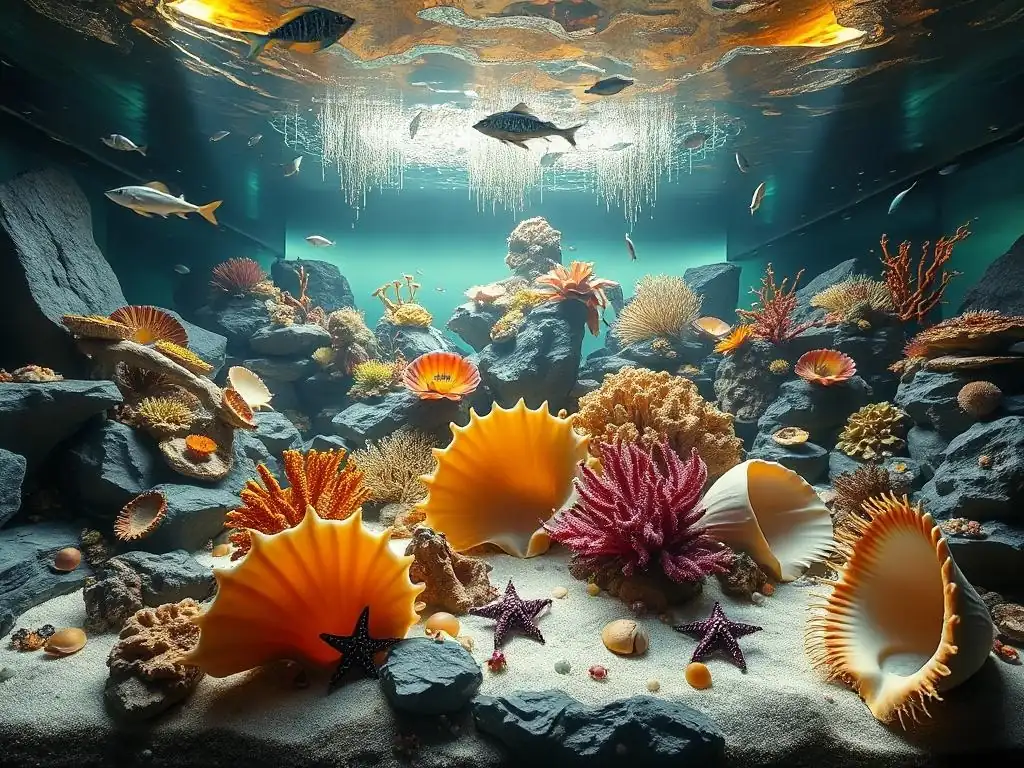
Welcome to Aquarium Mastery!
Ever wondered how to create the perfect underwater paradise for your shell dwellers? You're in the right place! This article dives deep into the crucial element of shell dweller aquarium substrate, offering expert advice on choosing the right materials, arranging shells for maximum comfort, and designing a layout that will have your shellies thriving. Get ready to unlock the secrets to a happy and healthy shell dweller colony – let's explore!
- Understanding Shell Dwellers and Their Habitat Needs
- Choosing the Right Shell Dweller Aquarium Substrate
- Selecting the Perfect Shells for Your Shell Dwellers
- Designing the Ideal Shell Dweller Aquarium Layout
- Water Parameters and Maintenance for a Thriving Shell Dweller Tank
- Common Mistakes to Avoid When Setting Up a Shell Dweller Aquarium
- Troubleshooting Common Shell Dweller Aquarium Problems
- Conclusion: Creating a Happy and Healthy Home for Your Shell Dwellers
-
Frequently Asked Questions
- What is the best type of substrate for a shell dweller aquarium?
- How deep should the substrate be in a shell dweller aquarium?
- What kind of shells are suitable for shell dweller aquariums?
- How should I arrange the shells and substrate in my shell dweller aquarium?
- Can I use other decorations besides substrate and shells in a shell dweller aquarium?
- Final Reflection: Nurturing Miniature Worlds
- Design Your Dream Shell Dweller Home Today!
Understanding Shell Dwellers and Their Habitat Needs
What are Shell Dwellers? A Brief Introduction
Shell dwellers are a fascinating group of dwarf cichlids native to Lake Tanganyika in East Africa. Unlike many other cichlid species, these fish, primarily from genera such as Neolamprologus, Lamprologus, and Altolamprologus, have evolved a unique behavior centered around empty snail shells. They utilize these shells for shelter, breeding, and territorial defense, making the availability and type of shells, along with the right shell dweller aquarium substrate, paramount to their well-being.
Common examples include the "Multies" ( Neolamprologus multifasciatus), known for their prolific breeding and colony-forming habits, and the "Ocellatus" ( Lamprologus ocellatus), which are smaller and often prefer to inhabit a single shell. Their natural habitat in Lake Tanganyika features vast expanses of sandy bottom littered with millions of empty Neothauma tanganyicense snail shells, which directly influences their specific environmental requirements in an aquarium setting.
The Importance of a Species-Appropriate Environment for Shell Dwellers
Providing a species-appropriate environment for shell dwellers is not merely about aesthetics; it is fundamental to their health, behavior, and reproductive success. A tank that accurately mimics their natural sandy, shell-rich habitat significantly reduces stress, encourages natural social interactions, and allows these fish to exhibit their full range of fascinating behaviors, such as digging, burying shells, and defending their chosen territory. Without the correct setup, shell dwellers can become stressed, aggressive, or fail to thrive.
For instance, a lack of sufficient shells or an unsuitable shell dweller aquarium substrate can lead to increased aggression as fish compete for limited resources, or prevent breeding entirely. Conversely, a well-designed habitat encourages natural breeding cycles, allowing aquarists to witness the intricate parental care and colony dynamics for which these cichlids are famous. Ensuring the environment meets their specific needs is the cornerstone of successful shell dweller husbandry.
Key Considerations for a Shell Dweller Aquarium
Setting up a successful shell dweller aquarium requires careful consideration of several interconnected elements, all designed to replicate their natural Lake Tanganyika environment. The primary considerations include tank size, water parameters, suitable shell dweller aquarium substrate, and the quantity and type of shells. For a small colony of Neolamprologus multifasciatus, a 10-gallon (approx. 38 liters) tank might suffice, but a 20-gallon (approx. 75 liters) or larger tank is generally recommended for increased stability and to accommodate larger colonies or species like Lamprologus brevis.
Water parameters are critical, as Lake Tanganyika water is hard and alkaline, typically ranging from pH 7.8 to 9.0, with a general hardness (GH) between 10-20 dGH and carbonate hardness (KH) between 10-20 dKH. These specific parameters are crucial for the long-term health of shell dwellers and are often supported by the choice of shell dweller aquarium substrate. Furthermore, sufficient filtration and consistent maintenance are vital to keep these specialized water conditions stable and pristine.
Choosing the Right Shell Dweller Aquarium Substrate
The Role of Substrate in a Shell Dweller Tank
The shell dweller aquarium substrate is arguably the most critical component of their habitat, beyond the shells themselves. It is not merely a decorative element but serves multiple vital functions that directly impact the fish's well-being and natural behaviors. Primarily, the substrate provides the medium for digging, a fundamental activity for almost all shell dweller species. These fish constantly excavate, bury, and rearrange shells, creating intricate burrows and territorial boundaries. A suitable substrate allows them to perform these natural actions without injury or stress.
Beyond digging, the substrate also acts as an anchor for the shells, preventing them from being easily displaced by the fish's activities or water flow. Furthermore, certain types of shell dweller aquarium substrate can contribute to maintaining the specific hard, alkaline water parameters essential for Tanganyikan cichlids, by slowly dissolving and releasing carbonates and other minerals. This buffering capacity is a significant advantage in replicating their natural environment and ensuring stable water chemistry.
Best Substrate Options for Shell Dweller Aquariums: A Detailed Comparison
When selecting the ideal shell dweller aquarium substrate, the primary goal is to provide a soft, fine-grained material that allows for easy digging and does not harm the fish's delicate mouths or fins. Several options are popular among aquarists, each with its own set of advantages and disadvantages regarding cost, appearance, and chemical buffering capabilities. The choice often comes down to balancing these factors to create the optimal environment for your specific shell dweller species.
The most commonly recommended substrates include fine sand (such as play sand or pool filter sand), aragonite, and crushed coral. While all these options can work, their specific properties influence water chemistry and maintenance routines. Understanding the nuances of each will help you make an informed decision for your shell dweller aquarium substrate, ensuring it supports the unique needs of these fascinating fish.
Sand Substrate for Shell Dwellers: Pros and Cons
Fine sand is widely considered the best shell dweller aquarium substrate due to its remarkable similarity to the natural lakebed of Tanganyika. Its soft, fine texture, typically with grain sizes ranging from 0.5mm to 1.5mm, allows shell dwellers to easily dig, sift, and rearrange shells without damaging their mouths or gill plates. This natural behavior is crucial for their mental and physical health, as it mirrors their innate instincts. Sand is also generally affordable and comes in various natural colors, from light beige to darker browns, allowing for an aesthetically pleasing setup.
However, sand does have some considerations. If the sand is too fine or the water flow is insufficient, it can compact over time, potentially leading to anaerobic pockets where harmful gases can accumulate. Regular, gentle stirring of the top layer or the introduction of sand-sifting snails (if compatible) can help mitigate this. Additionally, sand can be challenging to clean during water changes, as it can easily be siphoned out if not done carefully. Despite these minor drawbacks, the benefits of using sand as a shell dweller aquarium substrate for promoting natural behaviors often outweigh the challenges.
Aragonite Substrate for Shell Dwellers: Buffering Capacity and Benefits
Aragonite is another excellent choice for shell dweller aquarium substrate, particularly valued for its natural buffering capabilities. Composed primarily of calcium carbonate, aragonite slowly dissolves over time, releasing calcium and carbonate ions into the water. This process naturally helps to maintain the high pH (7.8-9.0) and alkalinity (KH 10-20 dKH) levels that are essential for Tanganyikan cichlids. For aquarists living in areas with soft, acidic tap water, aragonite can significantly reduce the need for chemical buffers, providing a more stable and natural environment.
Beyond its chemical benefits, aragonite also provides a fine, soft texture suitable for digging, similar to sand. It often comes in a light, natural color that mimics the sandy bottom of Lake Tanganyika. While generally more expensive than play sand, the long-term benefits of stable water chemistry can justify the initial investment. When using aragonite as a shell dweller aquarium substrate, it's still crucial to rinse it thoroughly before use to remove dust and fine particles that could cloud the water.
Crushed Coral Substrate for Shell Dwellers: Buffering and Natural Look
Crushed coral is another viable option for a shell dweller aquarium substrate, often used in combination with sand to achieve specific buffering effects and textures. Like aragonite, crushed coral is rich in calcium carbonate and provides excellent buffering capacity, helping to maintain the high pH and hardness levels required by shell dwellers. It can be particularly useful for bolstering water parameters if mixed with inert sand, offering a balance between buffering and the fine texture preferred by digging fish.
However, crushed coral tends to be coarser and can have sharper edges compared to fine sand or aragonite. While some varieties are fine enough for shell dwellers, very coarse crushed coral might be abrasive to their delicate mouths as they sift through it. It can also trap more detritus due to its larger particle size, requiring more diligent cleaning. Many aquarists opt for a mix of crushed coral (e.g., 20-30%) with fine sand (70-80%) to get the best of both worlds: the buffering power of coral and the soft, diggable nature of sand for their shell dweller aquarium substrate.
Shell Dweller Aquarium Substrate Depth: Finding the Sweet Spot
The depth of your shell dweller aquarium substrate is a critical factor influencing the fish's ability to exhibit their natural digging and shell-burying behaviors. For most shell dweller species, a substrate depth of at least 2 to 4 inches (approximately 5 to 10 cm) is highly recommended. This range provides ample material for them to excavate, create burrows, and completely bury their chosen shells, which is a common and essential behavior for security and breeding.
If the shell dweller aquarium substrate is too shallow, the fish may become frustrated or stressed as they cannot perform their natural digging instincts. This can lead to increased aggression or a reluctance to breed. Conversely, while a very deep substrate might seem beneficial, excessive depth (e.g., more than 4-5 inches) can potentially lead to the formation of anaerobic pockets in areas with poor water circulation, especially if the substrate is not regularly disturbed by the fish or gentle vacuuming. Finding this "sweet spot" ensures both behavioral enrichment and a healthy tank environment.
Preparing Your Shell Dweller Aquarium Substrate: Cleaning and Rinsing
Proper preparation of your shell dweller aquarium substrate before adding it to the tank is an essential step that should not be overlooked. Whether you choose sand, aragonite, or crushed coral, all new substrates contain fine dust and impurities from packaging and transportation. Failing to rinse the substrate thoroughly will result in cloudy water for days or even weeks, potentially stressing your fish and making it difficult to maintain water clarity.
The best method for cleaning your shell dweller aquarium substrate is to place small batches (e.g., 5-10 pounds or 2-4 kg) into a clean bucket and rinse it under running water. Stir the substrate vigorously with your hands or a stirring stick, allowing the cloudy water to overflow. Continue this process until the water running off the substrate is completely clear. This can take several rinses per batch but is crucial for a clean, healthy start to your shell dweller habitat.
Selecting the Perfect Shells for Your Shell Dwellers
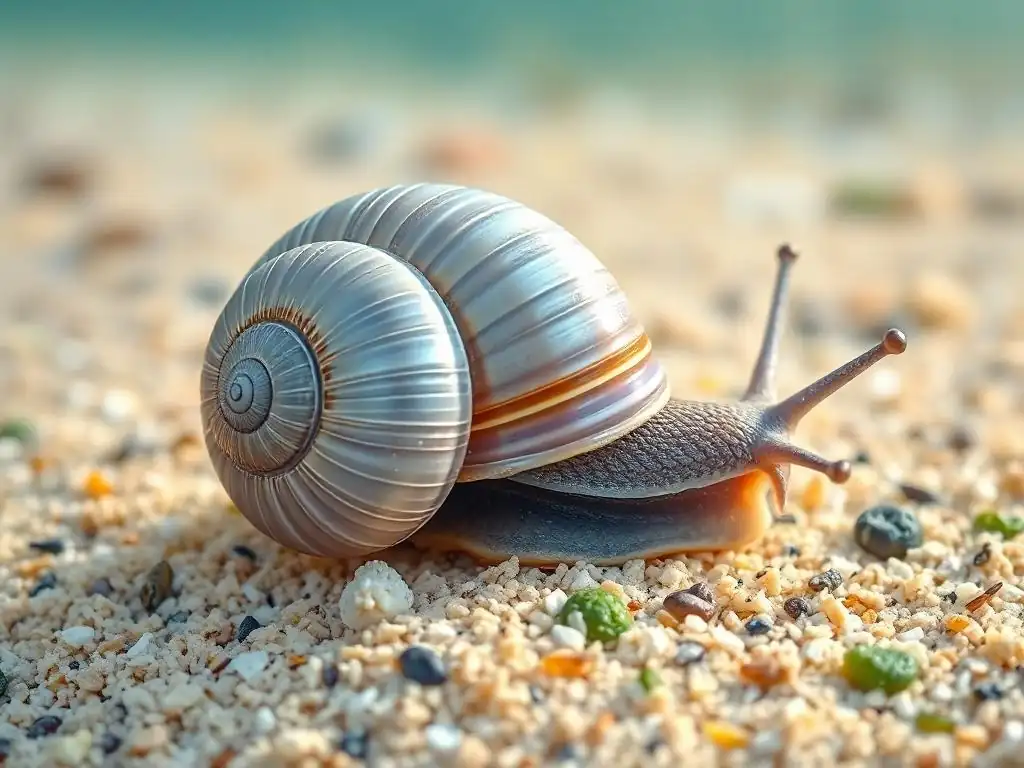
Why Shells are Essential for Shell Dwellers
For shell dwellers, shells are not merely decorative elements; they are the absolute cornerstone of their existence and the defining feature of their habitat. These empty snail shells serve as primary shelters, providing security from perceived threats and offering a safe refuge for rest and sleep. More importantly, shells are indispensable for breeding. Female shell dwellers will lay their eggs inside the shells, and both parents (or sometimes just the female, depending on the species) will guard the entrance, ensuring the safety of their fry.
Beyond shelter and breeding, shells also play a crucial role in territorial establishment and social structure. Each shell dweller will typically claim one or more shells as its personal territory, leading to intricate interactions and fascinating displays of behavior as they defend their space. Without an ample supply of suitable shells, shell dwellers cannot exhibit their natural behaviors, leading to stress, aggression, and a complete lack of breeding activity. Therefore, providing the right shells, in conjunction with a suitable shell dweller aquarium substrate, is non-negotiable for their well-being.
Types of Shells Suitable for Shell Dweller Aquariums
When selecting shells for your shell dweller aquarium, the primary criteria are size, shape, and safety. The shells must be large enough for the fish to enter comfortably but not so large that they feel exposed or unable to defend the entrance. They should also be free of sharp edges and made of a material that will not leach harmful chemicals into the water. Several types of shells are commonly used, each with its own characteristics.
The most authentic and preferred option is natural Neothauma tanganyicense snail shells, which are precisely what shell dwellers inhabit in Lake Tanganyika. However, these can be expensive and difficult to source. More readily available alternatives include escargot shells and, for very small species or fry, ramshorn snail shells. The choice of shell will depend on the specific species of shell dweller you are keeping and your budget.
Escargot Shells: A Popular Choice for Shell Dwellers
Escargot shells, typically from the common garden snail Helix aspersa, are an extremely popular and practical choice for shell dweller aquariums. They are widely available from culinary supply stores, relatively inexpensive, and come in a size range that is suitable for many common shell dweller species, such as Neolamprologus multifasciatus and Lamprologus brevis. These shells typically measure between 1.5 to 2 inches (approximately 3.8 to 5 cm) in diameter, providing ample space for an adult shell dweller to enter and turn around.
Their natural spiral shape and relatively smooth interior make them comfortable and safe for the fish. While not native to Lake Tanganyika, their size and form closely mimic the functionality of natural Neothauma shells. It is crucial to ensure that any escargot shells purchased for an aquarium are unglazed and free of any food residue or chemicals, requiring thorough cleaning and sterilization before introduction to the tank.
Neothauma Shells: A Natural and Preferred Option
For the ultimate authentic shell dweller habitat, Neothauma tanganyicense snail shells are the natural and preferred option. These are the actual shells found in Lake Tanganyika, which shell dwellers inhabit in the wild. Their unique elongated, spiral shape and robust structure are perfectly adapted to the needs of these cichlids, providing ideal shelter and breeding sites. Using Neothauma shells can also contribute to the overall aesthetic of a biotope tank, accurately replicating a slice of the Lake Tanganyika ecosystem.
However, Neothauma shells are typically more expensive than escargot shells and can be harder to source, often requiring specialized aquarium suppliers. They vary in size, generally ranging from 1 to 3 inches (approximately 2.5 to 7.5 cm) in length, allowing for selection based on the specific shell dweller species being kept, from smaller Lamprologus ocellatus to larger Lamprologus callipterus. Despite the higher cost and availability challenges, the authenticity and ideal fit make them a top choice for dedicated aquarists.
Ramshorn Snail Shells: A Smaller Alternative
Ramshorn snail shells, typically from species like Planorbarius corneus, offer a smaller alternative that can be useful for very young shell dwellers or for specific dwarf species that remain exceptionally small. These shells are usually much smaller than escargot or Neothauma shells, often measuring only 0.5 to 1 inch (approximately 1.2 to 2.5 cm) in diameter. While too diminutive for most adult shell dwellers, they can provide excellent temporary shelter for newly hatched fry or serve as additional, smaller hiding spots within a larger shell dweller aquarium substrate landscape.
They are often readily available from other aquarists who keep ramshorn snails, making them a free or very low-cost option. Similar to other shells, it is vital to ensure they are thoroughly cleaned and sterilized before being introduced into the aquarium to prevent the transfer of diseases or unwanted organisms. While not a primary shell choice for adult shell dwellers, they can complement a larger collection of shells for a more diverse habitat.
Shell Size and Quantity: Providing Enough Homes
Providing the correct size and an ample quantity of shells is critical for the well-being and social dynamics of shell dwellers. The size of the shell should be appropriate for the adult size of the fish, allowing them to comfortably enter, turn around, and effectively guard the opening. For instance, a Neolamprologus multifasciatus colony would thrive with escargot shells or smaller Neothauma shells, whereas a larger species like Lamprologus brevis might prefer slightly larger options.
Regarding quantity, it is generally recommended to provide at least 2-3 shells per fish, and ideally even more, especially if you plan to keep a colony or encourage breeding. For a colony of 10 Neolamprologus multifasciatus, providing 20-30 shells scattered across the shell dweller aquarium substrate would be a good starting point. This abundance minimizes aggression by ensuring every fish has multiple options for shelter and territory, and allows subordinate fish to find refuge without constant conflict. More shells create more complex territories and encourage natural behaviors.
Preparing Shells for Your Shell Dweller Tank: Cleaning and Safety
Before introducing any shells into your shell dweller aquarium, thorough cleaning and sterilization are absolutely essential to ensure the safety of your fish and the health of your tank. Shells, especially those purchased from culinary sources or collected from natural environments, can harbor bacteria, parasites, or chemical residues that could be harmful to your aquatic inhabitants. Skipping this crucial step can lead to devastating consequences for your fish's health.
The recommended method for preparing shells is to boil them in plain water for at least 10-15 minutes. This high temperature effectively sterilizes the shells, killing off any bacteria, algae, or other unwanted organisms. After boiling, allow the shells to cool completely before placing them into the aquarium. Additionally, inspect each shell for any sharp edges or rough spots that could potentially injure your fish as they enter or exit. If found, these can often be gently smoothed with fine-grit sandpaper.
Designing the Ideal Shell Dweller Aquarium Layout
Creating Territories and Visual Barriers in a Shell Dweller Tank
Designing the layout of a shell dweller aquarium goes beyond simply scattering shells across the shell dweller aquarium substrate. The strategic placement of shells, rockwork, and other decorations is crucial for creating distinct territories and visual barriers, which are essential for minimizing aggression and promoting natural behaviors within a shell dweller colony. Shell dwellers are highly territorial, and without clear boundaries, conflicts can arise frequently, leading to stress, injury, or even death among tank inhabitants.
By arranging shells in clusters or rows, separated by open sandy areas or small pieces of rock, you can define individual territories. Visual barriers, such as small piles of rocks or strategically placed driftwood (if compatible with water parameters), break up the line of sight across the tank. This prevents dominant fish from constantly seeing and harassing their subordinates, allowing weaker individuals to establish their own safe zones. A well-planned layout, leveraging the shell dweller aquarium substrate and decor, mimics the natural complexity of their lakebed habitat.
Rockwork and Decorations: Enhancing the Shell Dweller Environment
While shells are the primary focus, strategic use of rockwork and other decorations can significantly enhance the shell dweller environment, providing additional hiding spots, visual interest, and further aiding in territorial division. However, it's important to select safe and appropriate materials that complement the fish's needs and the tank's water chemistry. The aim is to create a multi-layered habitat that feels secure and natural for these unique cichlids.
Carefully chosen rockwork can be integrated with the shell dweller aquarium substrate to create more intricate landscapes. For example, flat pieces of slate can form ledges, or small, inert rocks can be stacked to create caves that offer additional shelter. When placing heavy rocks, always ensure they are placed directly on the bottom glass of the tank, before adding the shell dweller aquarium substrate, to prevent them from shifting or collapsing due to the fish's extensive digging activities.
Choosing Safe and Appropriate Rockwork for Shell Dwellers
When selecting rockwork for a shell dweller aquarium, safety and inertness are paramount. Rocks should be non-porous and not contain any minerals that could leach harmful substances or drastically alter water parameters. Good choices include lava rock, slate, quartz, and certain types of limestone or Texas Holey Rock, which can also contribute to buffering water hardness, a beneficial trait for Tanganyikan cichlids. Avoid rocks with sharp edges that could injure the fish, and never use rocks collected from unknown sources without proper cleaning and testing.
Before adding any rock to the tank, thoroughly clean it by scrubbing off any dirt or debris, and then boil it for at least 15-20 minutes to sterilize it. This prevents the introduction of unwanted bacteria, algae, or parasites. Remember to place heavier rocks directly on the tank bottom before adding your shell dweller aquarium substrate to ensure stability and prevent any potential collapse from the fish's enthusiastic digging.
Minimizing Aggression Through Strategic Layout
Aggression is a common concern in shell dweller tanks, particularly if the habitat is not designed correctly. Strategic layout, integrating shells, rockwork, and the shell dweller aquarium substrate, is key to minimizing these territorial disputes. The goal is to break up lines of sight and provide ample hiding spots and territories for all inhabitants, especially for subordinate fish. Instead of placing all shells in one large cluster, spread them out across the tank floor, creating multiple distinct zones.
For instance, if you have a colony of Neolamprologus multifasciatus, scattering shells over a wide area of the shell dweller aquarium substrate, with small rock formations or driftwood dividing these areas, allows individual pairs or small groups to establish their own breeding territories without constant visual contact with their neighbors. Providing more shells than fish also gives individuals choices and reduces competition. A well-designed landscape provides both refuge and opportunities for natural social interactions without undue stress.
Plant Selection for Shell Dweller Aquariums: Compatibility and Benefits
While shell dwellers are primarily associated with a barren, sandy, shell-filled environment, certain plant species can be successfully integrated into their aquarium, offering aesthetic benefits and some minor water quality advantages. However, due to the specific water parameters (high pH, hard water) and the shell dwellers' digging habits, plant selection is limited. Most typical freshwater plants struggle in these conditions or will be uprooted by the fish.
Compatible plants are typically those that can tolerate hard, alkaline water and do not require planting in the shell dweller aquarium substrate. Examples include various species of Anubias ( Anubias barteri, Anubias nana), Java Fern ( Microsorum pteropus), and Bolbitis ( Bolbitis heudelotii), which can be attached to rocks or driftwood. Vallisneria species can sometimes thrive if deeply rooted in the shell dweller aquarium substrate, as their strong root systems can withstand some digging. These plants contribute to water quality by absorbing nitrates and add a touch of natural beauty without interfering with the shell dwellers' primary habitat needs.
Maintaining a Clean and Healthy Shell Dweller Substrate
Maintaining a clean and healthy shell dweller aquarium substrate is crucial for preventing the buildup of detritus, uneaten food, and fish waste, which can lead to elevated nitrate levels and poor water quality. While shell dwellers themselves contribute to turning over the top layer of the substrate through their digging, regular maintenance by the aquarist is still necessary. Neglecting substrate hygiene can result in cloudy water, algae blooms, and an increased risk of fish diseases.
During regular water changes, use an aquarium gravel vacuum to gently siphon over the surface of the shell dweller aquarium substrate. Focus on areas where waste tends to accumulate, such as open patches of sand or around decorations. Avoid deep vacuuming into the substrate unless absolutely necessary, as this can disturb beneficial bacterial colonies that reside there. For very fine sand, simply hovering the vacuum just above the substrate surface is often sufficient to pick up debris without removing too much sand.
Water Parameters and Maintenance for a Thriving Shell Dweller Tank
The Importance of Water Chemistry for Shell Dwellers
The water chemistry in a shell dweller aquarium is paramount to the long-term health and well-being of these specific Tanganyikan cichlids. Their natural habitat, Lake Tanganyika, is characterized by very stable and unique water parameters: high pH, high general hardness (GH), and high carbonate hardness (KH). Replicating these conditions is not merely a suggestion but a necessity for their survival and thriving. Shell dwellers are sensitive to fluctuations and deviations from these parameters, which can lead to stress, weakened immune systems, and susceptibility to various diseases.
Ideal parameters typically fall within a pH range of 7.8 to 9.0, a GH of 10-20 dGH (179-358 ppm), and a KH of 10-20 dKH (179-358 ppm). Maintaining consistency within these ranges is more important than hitting exact numbers. The right shell dweller aquarium substrate, such as aragonite or crushed coral, plays a significant role in buffering these parameters naturally, but regular monitoring and adjustments are still vital to ensure a stable environment that mimics their natural lake home.
Regular Water Changes and Substrate Vacuuming
Regular water changes are fundamental to maintaining excellent water quality for shell dwellers, just as they are for any aquarium. Weekly water changes of 25-30% are generally recommended to dilute nitrates, replenish essential minerals, and remove dissolved organic compounds that can accumulate over time. Consistent water changes prevent the buildup of toxins and contribute significantly to the overall stability of the tank's environment, which is crucial for sensitive cichlids.
In conjunction with water changes, gentle vacuuming of the shell dweller aquarium substrate is necessary. While shell dwellers do a great job of sifting and aerating the top layers of the sand, uneaten food and fish waste can still accumulate, particularly in less disturbed areas. Use an aquarium gravel vacuum to lightly skim the surface of the shell dweller aquarium substrate, removing visible detritus without disturbing the deeper layers where beneficial bacteria thrive. This dual approach ensures both water column and substrate cleanliness.
Monitoring and Adjusting Water Parameters for Optimal Shell Dweller Health
Consistent monitoring of water parameters is an indispensable practice for any shell dweller aquarist. Regular testing for pH, ammonia, nitrite, nitrate, GH, and KH provides crucial insights into the tank's health and allows for timely adjustments before problems escalate. Ammonia and nitrite should always be at zero, while nitrates should be kept below 20 ppm through regular water changes. pH, GH, and KH should remain stable within their optimal ranges.
If parameters begin to drift, especially pH or hardness, adjustments may be necessary. Buffering shell dweller aquarium substrate like aragonite or crushed coral will help, but additional measures might include adding Tanganyika buffer salts or small amounts of baking soda (sodium bicarbonate) to slowly increase KH and pH. Always make adjustments gradually to avoid shocking the fish, as sudden changes are far more detrimental than slightly off but stable parameters. Regular testing empowers the aquarist to maintain the pristine, stable conditions that shell dwellers require.
Common Mistakes to Avoid When Setting Up a Shell Dweller Aquarium
Overcrowding and Territorial Issues
One of the most common and detrimental mistakes made in shell dweller aquariums is overcrowding. While many shell dweller species are small, they are highly territorial, and cramming too many fish into an undersized tank or failing to provide sufficient territories will inevitably lead to severe aggression, stress, and even fatalities. For instance, attempting to house a large colony of Neolamprologus multifasciatus in a 10-gallon tank can result in constant fighting and stunted growth due to limited space.
Each shell dweller, particularly males, will claim a specific area around their chosen shell or cluster of shells as their territory. If these territories overlap too much without sufficient visual barriers or escape routes, dominant fish will relentlessly harass weaker ones. This chronic stress weakens their immune systems, making them susceptible to disease. Proper tank sizing, combined with an abundance of shells and a well-designed layout using the shell dweller aquarium substrate to create visual breaks, is essential to prevent overcrowding and its associated territorial issues.
Incompatible Tank Mates
Another significant mistake is introducing incompatible tank mates into a shell dweller aquarium. While shell dwellers are fascinating, their specific water parameter requirements and territorial nature limit their compatibility with many other freshwater fish. Attempting to house them with species that prefer soft, acidic water (like South American cichlids or tetras) will lead to long-term health issues for one or both groups. Furthermore, highly aggressive or fin-nipping species can stress and injure the relatively peaceful shell dwellers.
Ideal tank mates are typically other Tanganyikan cichlids that occupy different niches within the water column and are tolerant of similar hard, alkaline conditions. Examples include certain species of Cyprichromis (featherfins) that stay in the open water, or specific dwarf Tanganyikan gobies. Avoid large, boisterous cichlids or those known for extreme aggression. Researching the specific needs and temperament of any potential tank mate before introduction is crucial to maintaining a harmonious shell dweller environment.
Poor Substrate Choice and Maintenance
A frequently overlooked, yet critical, mistake is making a poor shell dweller aquarium substrate choice or neglecting its maintenance. Using coarse gravel instead of fine sand or aragonite is a common error. Gravel prevents shell dwellers from performing their natural digging and sifting behaviors, which are vital for their well-being and can cause damage to their delicate mouths as they attempt to excavate. This lack of appropriate shell dweller aquarium substrate can lead to stress, unnatural behaviors, and a reluctance to breed.
Furthermore, neglecting regular maintenance of the shell dweller aquarium substrate can lead to serious water quality issues. Accumulated detritus, uneaten food, and waste can decompose, leading to elevated nitrate levels and potentially dangerous anaerobic pockets if the substrate is too deep and not disturbed. While shell dwellers do some sifting, regular, gentle vacuuming of the top layer is essential to remove organic waste and maintain a healthy, clean environment. A poorly chosen or maintained shell dweller aquarium substrate can quickly turn a thriving tank into a problematic one.
Troubleshooting Common Shell Dweller Aquarium Problems
Aggression and Territorial Disputes
Aggression and territorial disputes are among the most common problems encountered in shell dweller aquariums, stemming primarily from insufficient space, too few shells, or an unbalanced male-to-female ratio. Symptoms include constant chasing, nipped fins, or even physical injury and death to weaker fish. For instance, a single dominant male might harass all other tank inhabitants if he perceives a lack of adequate territory or hiding spots for subordinates.
To troubleshoot aggression, first assess the tank size and stocking density. If the tank is too small for the number of fish, consider upgrading. Next, ensure there is an abundance of shells – at least 2-3 per fish, scattered widely across the shell dweller aquarium substrate to create multiple territories and break up lines of sight. Rearranging the layout of shells and rockwork can sometimes reset territories. If a specific fish is overly aggressive, temporarily removing it for a few days can allow others to establish themselves, or in extreme cases, permanent removal may be necessary.
Shell dwellers, like all fish, are susceptible to various health issues, many of which can be directly linked to suboptimal shell dweller aquarium substrate or poor water quality. Symptoms might include lethargy, clamped fins, loss of appetite, faded coloration, labored breathing, or signs of bacterial infections like fin rot or bloat. For example, consistently high nitrates from neglected water changes or a dirty shell dweller aquarium substrate can lead to chronic stress and a weakened immune system, making fish vulnerable to diseases.
To troubleshoot, immediately perform a large water change (50% or more) and test all water parameters (pH, ammonia, nitrite, nitrate, GH, KH). Address any deviations from the ideal ranges. If the shell dweller aquarium substrate appears excessively dirty, perform gentle surface vacuuming to remove accumulated detritus. Ensure your filtration is adequate and functioning correctly. Often, improving water quality and ensuring the shell dweller aquarium substrate is clean and appropriate will resolve many health-related issues and prevent future occurrences.
Algae Blooms and Water Clarity Issues
Algae blooms and persistent water clarity issues, such as cloudy or green water, are common aquarium problems that can also affect shell dweller tanks. While not directly harmful to the fish themselves in most cases, they indicate an imbalance in the aquarium ecosystem and detract from the aesthetic appeal. Green water is typically caused by free-floating algae, while cloudy water can result from bacterial blooms or suspended particulate matter.
To troubleshoot, first assess potential causes: overfeeding (leading to excess nutrients), too much light (prolonged photoperiod or direct sunlight), or insufficient water changes and shell dweller aquarium substrate maintenance. Reduce feeding amounts to only what the fish can consume in a few minutes. Shorten the light cycle to 8-10 hours per day. Increase the frequency and volume of water changes (e.g., 50% every other day for a few days) and perform thorough, gentle vacuuming of the shell dweller aquarium substrate to remove nutrient-rich detritus. Ensuring robust filtration is also key to maintaining crystal-clear water.
Conclusion: Creating a Happy and Healthy Home for Your Shell Dwellers
Creating the perfect habitat for shell dwellers is a rewarding endeavor that culminates in a thriving, active aquarium showcasing their unique behaviors. The foundation of this ideal environment lies in understanding their specific needs, particularly concerning the shell dweller aquarium substrate, the abundance and type of shells, and the strategic layout of the tank. Fine, soft sand or aragonite as the shell dweller aquarium substrate allows for essential digging and burrowing, while a generous supply of appropriately sized shells provides crucial shelter and breeding sites.
Beyond these core elements, maintaining stable, hard, and alkaline water parameters through regular water changes and diligent monitoring is paramount. By avoiding common pitfalls like overcrowding, incompatible tank mates, or neglecting shell dweller aquarium substrate maintenance, aquarists can prevent most problems. Ultimately, a well-designed shell dweller aquarium, rich in shells and featuring the right shell dweller aquarium substrate, offers a glimpse into the fascinating world of Lake Tanganyika's most charming cichlids, ensuring a happy and healthy home for these incredible fish.
Frequently Asked Questions
What is the best type of substrate for a shell dweller aquarium?
The best substrate is typically fine sand, as it allows shell dwellers to dig and move shells easily. Avoid coarse gravel which can be difficult for them to manipulate.
How deep should the substrate be in a shell dweller aquarium?
A depth of at least 2-3 inches is recommended. This allows the shell dwellers to bury their shells partially and create secure burrows.
What kind of shells are suitable for shell dweller aquariums?
Empty snail shells like Neothauma or Escargot are ideal. Ensure they are appropriately sized for the species of shell dweller you are keeping.
How should I arrange the shells and substrate in my shell dweller aquarium?
Create small mounds of substrate and arrange shells around them. This provides multiple options for shell dwellers to claim territories.
Can I use other decorations besides substrate and shells in a shell dweller aquarium?
Yes, but keep it minimal. Rocks and caves can be used sparingly, but avoid anything that would obstruct the shell dwellers' access to their shells or digging areas.
Final Reflection: Nurturing Miniature Worlds
The principles of creating a thriving shell dweller aquarium, meticulously detailed in this article, extend far beyond the glass walls of a tank. Understanding the importance of substrate composition, shell selection, and thoughtful layout is not just about keeping fish alive; it's about fostering a balanced ecosystem, a microcosm reflecting the delicate interconnectedness of the natural world. The care we invest in these miniature worlds mirrors the responsibility we have to the larger environment around us.
This journey into the intricacies of shell dweller habitats has profoundly underscored the power of observation and intentional design. The act of recreating a natural environment, even on a small scale, fosters a deeper appreciation for the complexities of aquatic ecosystems and the specific needs of its inhabitants. In the end, we will conserve only what we love; we will love only what we understand; and we will understand only what we are taught.
- Baba Dioum. This quote resonates deeply, reminding us that education and understanding are the cornerstones of conservation, starting perhaps, with the humble shell dweller aquarium.
Now, consider the lessons learned in creating the perfect shell dweller habitat. Think about the importance of creating a balanced environment, of providing the right resources for life to flourish. How can you apply these principles to your own life, to your own community? Let the dedication you've seen in crafting a thriving aquarium inspire you to cultivate a more nurturing and sustainable world around you, one shell at a time.
Design Your Dream Shell Dweller Home Today!
Thanks for diving into the world of shell dwellers! We hope you've found this guide helpful in understanding the key elements of creating a thriving habitat for these fascinating fish. Now, let's put that knowledge into action!
Here's how you can get started:
- Transform your aquarium: Start by selecting and preparing the perfect substrate mix for your shell dwellers. Experiment with different sand ratios for optimal digging and shell placement.
- Explore shell varieties: Visit a local fish store or online supplier and look at different shell types and sizes. Note what is locally available to you and compare the advantages of buying shells of buying locally sourced shell materials.
- Share your Aquascape: Snap a photo of your newly designed shell dweller habitat and share it with the Aquarium Mastery community on social media using #ShellDwellerSetup. We’d love to see your unique designs.
What creative aquascaping ideas are you eager to try out in your shell dweller tank?