
Hybrid Livebearers: Exploring Crosses Between Guppies, Mollies & Platies

Welcome to Aquarium Mastery!
Ever wondered what happens when the vibrant worlds of guppies, mollies, and platies collide? Dive into our comprehensive Guppy Mollie Platies Breeding Guide and unlock the secrets of hybrid livebearers. Discover the surprising possibilities and potential pitfalls of cross-breeding these popular freshwater fish, and prepare to be amazed by the colorful offspring that can emerge! Intrigued? Let's explore this fascinating realm together...
- Understanding Hybridization in Livebearing Fish: A Guppy Mollie Platies Breeding Guide
- Guppy Hybrids: Crossing Guppies with Other Livebearer Species
- Mollie Hybrids: Exploring Crosses with Guppies and Platies
- Platy Hybrids: Crossing Platies with Guppies and Mollies
- Identifying Hybrid Livebearers: Recognizing Signs of Crossbreeding
- The Ethics and Implications of Hybrid Livebearer Breeding
- Creating a Hybrid Livebearer Breeding Program: A Step-by-Step Guide
- The Future of Hybrid Livebearers: Trends and Considerations
-
Frequently Asked Questions
- What are the chances of successfully breeding a guppy with a mollie or platy?
- What are the potential physical characteristics of hybrid guppy, mollie, or platy fry?
- What are the ethical considerations when attempting to create hybrid livebearers?
- Where can I find more in-depth information about guppy, mollie, and platy genetics and breeding?
- Why is it generally discouraged to try to crossbreed guppies, mollies, and platies?
- Final Reflection: The Boundless Potential of Life
- Unleash Your Inner Fish Geneticist!
Understanding Hybridization in Livebearing Fish: A Guppy Mollie Platies Breeding Guide
What is Hybridization and Why Does it Occur in Aquarium Livebearers?
Hybridization, in the context of aquarium fish, refers to the process of breeding two different species or distinct genetic strains to produce offspring. This phenomenon occurs when sexually compatible individuals from different species interbreed, resulting in hybrid fry. For livebearing fish such as guppies ( Poecilia reticulata), mollies ( Poecilia sphenops and other Poecilia species), and platies ( Xiphophorus maculatus and other Xiphophorus species), hybridization is a relatively common occurrence in captive environments, much more so than in their natural habitats.
The primary reason for increased hybridization in home aquariums stems from the confined space and limited choice of mates. In the wild, geographical barriers and distinct behavioral patterns typically prevent extensive interspecies breeding, even among closely related species. However, when different livebearer species are housed together in a tank, these natural barriers are removed, and the fish may resort to breeding with available, genetically similar partners, leading to the creation of hybrid livebearers. This is a crucial aspect to understand for any comprehensive guppy mollie platies breeding guide.
Genetic Compatibility Between Guppies, Mollies, and Platies: The Key to Hybridization
The ability of guppies, mollies, and platies to hybridize is rooted in their genetic compatibility, despite belonging to different genera within the Poeciliidae family. Guppies and mollies are both members of the Poecilia genus, making them genetically closer and thus more prone to successful cross-breeding. Platies, on the other hand, belong to the Xiphophorus genus, which means their genetic distance from Poecilia species is greater, leading to lower rates of successful hybridization and often infertile offspring.
While all three can potentially crossbreed, the success rate varies significantly. For instance, the chromosome number for Poecilia reticulata (guppy) and Poecilia sphenops (molly) is typically 46, whereas Xiphophorus maculatus (platy) has 48 chromosomes. This difference in chromosome count is a major factor influencing the viability and fertility of hybrid offspring. Crosses within the Poecilia genus (guppy x molly) tend to yield more viable and often fertile F1 generation hybrids, while crosses between Poecilia and Xiphophorus genera (guppy x platy or molly x platy) are much less successful, frequently resulting in sterile or even deformed fry.
Guppy Hybrids: Crossing Guppies with Other Livebearer Species
Guppy-Mollie Hybrids: Success Rates and Characteristics
Crossing guppies ( Poecilia reticulata) with mollies ( Poecilia sphenops and other Poecilia species) is among the most common and relatively successful livebearer hybridizations. The genetic closeness between these two species, both belonging to the Poecilia genus, contributes to a higher rate of viable offspring compared to crosses involving platies. Anecdotal evidence from experienced aquarists suggests a success rate of approximately 15-20% for successful fertilization leading to viable, healthy fry when conditions are optimal and a male guppy is paired with a female molly, or vice versa.
The characteristics of guppy-molly hybrids often present a fascinating blend of both parent species. Typically, the hybrid offspring will exhibit a body shape that falls between the slender guppy and the more robust molly, perhaps reaching an adult size of 1.5 to 2.5 inches (3.8 to 6.3 cm). Fin development can be particularly interesting, with hybrids sometimes displaying the flowing, elaborate caudal fins characteristic of fancy guppies, but on a sturdier, molly-like body.
Coloration can also be a mix, showing patterns and hues not seen in either purebred parent, creating unique aesthetic variations. The F1 generation of these hybrids is frequently fertile, allowing for further breeding, though subsequent generations (F2 and beyond) may experience reduced fertility or increased genetic instability.
Guppy-Platy Hybrids: Viability and Appearance
The hybridization of guppies ( Poecilia reticulata) with platies ( Xiphophorus maculatus) is significantly more challenging and less successful than guppy-molly crosses, primarily due to their greater genetic divergence, as they belong to different genera. When attempting to create guppy-platy hybrids, the viability rate of fry is considerably low, often less than 5% for viable, non-deformed offspring. Many attempts result in no fry at all, or fry that are stillborn, deformed, or fail to thrive past a few weeks. The genetic incompatibility often leads to issues during embryonic development.
If viable guppy-platy hybrids are produced, their appearance can be quite varied but generally shows a blend of both parent species. They might possess a slightly more elongated body than a typical platy, but without the elaborate finnage often seen in fancy guppies. Coloration tends to be muted or a mixed pattern, often lacking the vibrancy of purebred platies or the intricate designs of guppies.
A significant characteristic of these hybrids is their high likelihood of sterility, meaning the F1 generation is often unable to reproduce, effectively ending the hybrid line. This makes intentional breeding of guppy-platy crosses generally unrewarding for those seeking fertile lines.
Mollie Hybrids: Exploring Crosses with Guppies and Platies
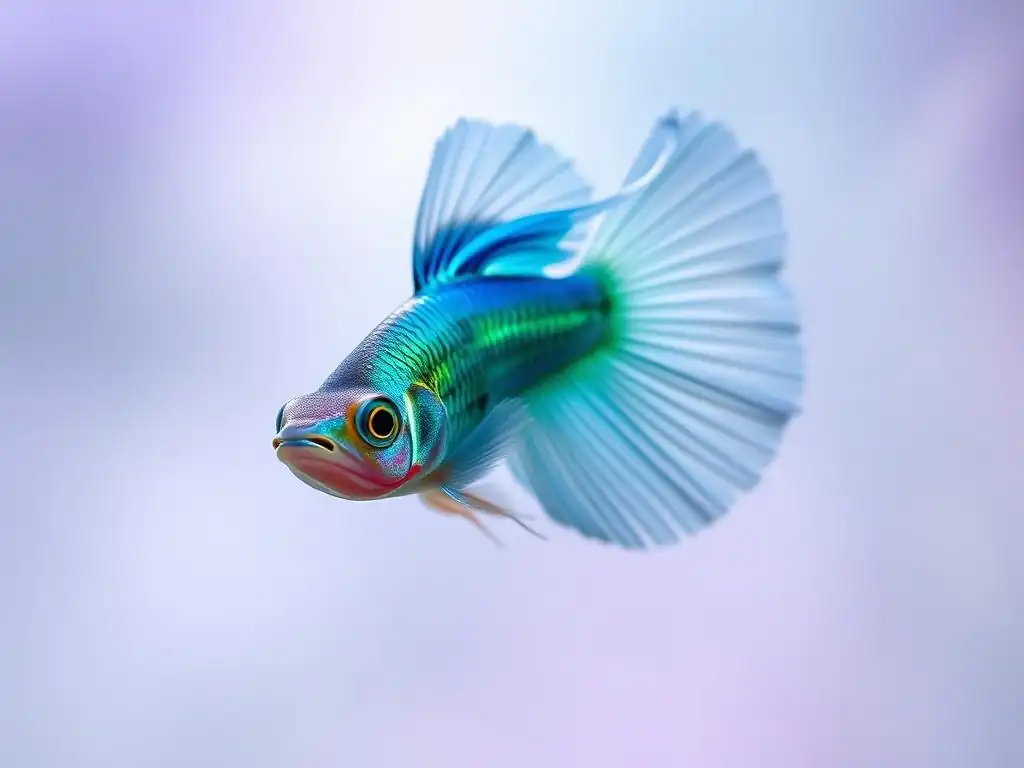
Mollie-Guppy Hybrids: Breeding Challenges and Offspring Traits
When focusing on mollie hybrids, crossing a female molly with a male guppy is often considered the most successful pairing for producing mollie-guppy hybrids. This is largely due to the female molly's larger size, which can more easily accommodate the guppy's sperm and the subsequent development of hybrid fry. While successful, these crosses can still present challenges in terms of fry viability compared to purebred livebearer breeding. The offspring, when healthy, tend to be robust, displaying traits from both parents.
The offspring traits of mollie-guppy hybrids frequently lean towards the molly's physical characteristics, such as a more substantial body and broader fins, but often incorporate the vibrant coloration and intricate patterns typical of guppies. For instance, a hybrid might exhibit the robust body of a black molly but with the striking red and blue caudal fin patterns of a fancy guppy.
Adult size typically ranges from 1.5 to 2.5 inches (3.8 to 6.3 cm). While the F1 generation can be fertile, subsequent generations might experience a decline in fertility or exhibit more pronounced genetic abnormalities, a common observation in livebearer hybridization.
Mollie-Platy Hybrids: A Closer Look at Their Unique Features
The creation of mollie-platy hybrids, involving a molly ( Poecilia sphenops) and a platy ( Xiphophorus maculatus), is a more challenging endeavor due to the genetic differences between the two genera. While not as rare as guppy-platy crosses, the success rate for producing viable and healthy offspring remains considerably lower than inter-genus crosses, perhaps yielding only 1-2 viable fry per birth event compared to the dozens typical of purebred livebearers. This reduced viability is a key consideration for any comprehensive guppy mollie platies breeding guide.
When successful, mollie-platy hybrids can exhibit unique features that distinguish them from either parent. They might have a body shape that is a distinct intermediate, perhaps more robust than a platy but less elongated than a molly. Coloration can be particularly fascinating, with hybrids sometimes displaying unique mottled patterns or a blend of the platy's vibrant reds, oranges, or yellows with the molly's more subdued silvers, blacks, or golds.
Fin characteristics can also be a mix, potentially showing the dorsal fin of a molly combined with a platy's caudal fin. However, a significant drawback is that the F1 generation of mollie-platy hybrids is often sterile, limiting the ability to establish a stable breeding line.
Platy Hybrids: Crossing Platies with Guppies and Mollies
Platy-Guppy Hybrids: Understanding the Hybridization Process
The hybridization process between platies ( Xiphophorus maculatus) and guppies ( Poecilia reticulata) is notably difficult and yields very low success rates. This challenge stems from the significant genetic divergence between the two genera, Xiphophorus and Poecilia. While both are livebearers, their distinct evolutionary paths have resulted in genetic differences that often prevent successful fertilization or lead to non-viable embryos. Even under ideal conditions, the chances of producing healthy, viable platy-guppy hybrid fry are slim, with many attempts resulting in no offspring at all or fry that are malformed and short-lived.
If viable platy-guppy hybrids are produced, they typically present a mix of traits from both parents, though often with less vibrancy or robustness than purebred individuals. The body shape might be a slight compromise between the more compact platy and the slender guppy. Fin development can be irregular, sometimes lacking the full development seen in purebred guppies or the distinct fin shapes of platies.
A critical aspect to understand is that these hybrids are almost universally sterile. This means that even if a few hybrid fry survive to maturity, they will be unable to reproduce, preventing the establishment of a breeding line and making this cross generally undesirable for intentional breeding programs.
Platy-Mollie Hybrids: Identifying Key Hybrid Characteristics
When platies ( Xiphophorus maculatus) are crossed with mollies ( Poecilia sphenops), the hybridization process, while challenging, can sometimes yield unique offspring. As with other inter-genus crosses involving platies, the genetic barrier means that successful breeding is less frequent than guppy-molly crosses, and the resulting F1 generation is often sterile. However, the specific characteristics of these platy-molly hybrids can be quite distinct, making them recognizable to a keen observer.
Key hybrid characteristics often include a body shape that is stockier than a purebred platy but perhaps not as elongated as some molly varieties. Their size at maturity can be an intermediate, potentially reaching 1.5 to 2 inches (3.8 to 5 cm), larger than a platy but smaller than a full-grown molly. Coloration can be particularly interesting, with hybrids displaying a blend of the platy's vibrant reds, oranges, or yellows with the molly's iridescent scales or solid black hues.
For instance, a platy-molly hybrid might exhibit a deep red base color with a subtle, metallic sheen inherited from the molly. Fin morphology can also be a mix, such as the rounded caudal fin of a platy combined with the larger, more flowing dorsal fin often seen in mollies. The primary limitation for these hybrids, however, is their high probability of being infertile.
Identifying Hybrid Livebearers: Recognizing Signs of Crossbreeding
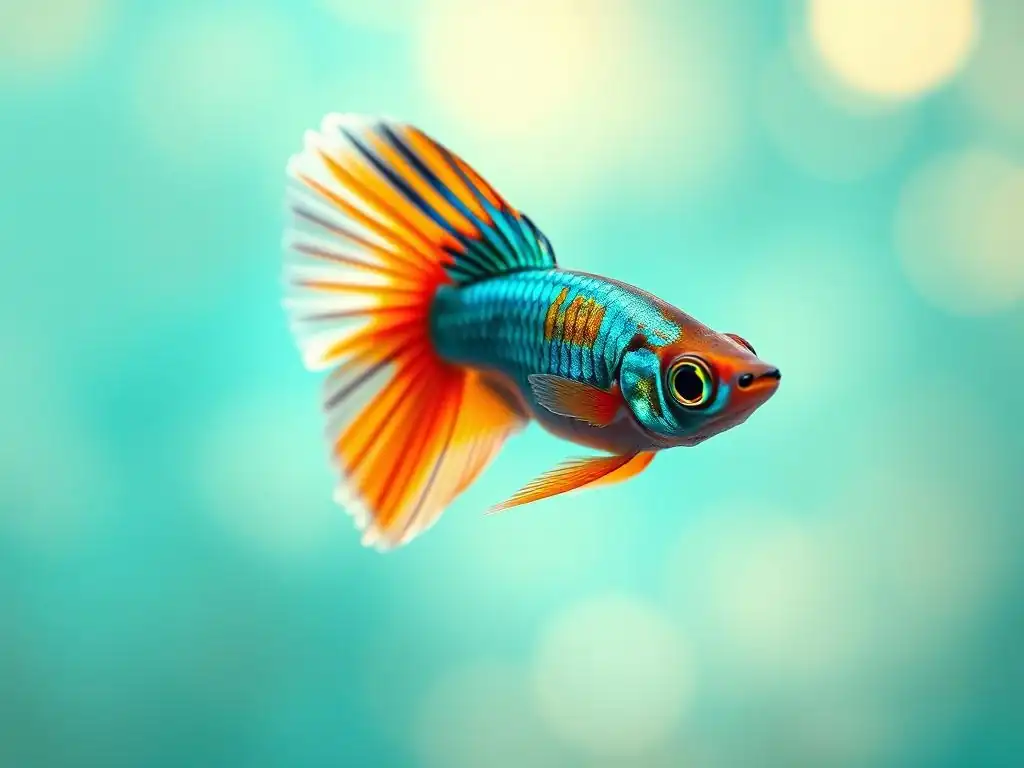
Physical Traits: Identifying Hybrid Features in Guppies, Mollies, and Platies
Identifying hybrid livebearers often relies on observing a combination of physical traits that are not typical of purebred guppies, mollies, or platies. One of the most apparent indicators is an intermediate body shape. For example, a guppy-molly hybrid might possess a body that is more robust than a guppy but more streamlined than a molly. Similarly, finnage can be a strong clue; a hybrid might display the elaborate, flowing caudal fin of a fancy guppy but on a body that clearly resembles a molly, or a platy's compact body with the larger, more prominent dorsal fin of a molly.
Coloration and patterns also provide significant clues. Hybrids often exhibit unique color combinations or patterns that are not found in established purebred strains of either parent species. This could manifest as a mottled appearance, unusual spots, or a blend of hues that are distinctly "off" compared to known varieties.
For instance, a hybrid might have the vibrant red of a platy combined with the iridescent scales of a molly, creating a novel aesthetic. Size can also be an indicator; hybrids often grow to an intermediate size between their parent species. For example, a guppy-molly hybrid might reach 2 inches (5 cm) at maturity, larger than a guppy (1-1.5 inches) but smaller than a molly (2.5-4 inches).
Behavioral Patterns: Recognizing Differences in Hybrid Behavior
While less distinct and harder to definitively identify than physical traits, behavioral patterns can sometimes offer subtle hints towards the hybrid nature of livebearers. Purebred guppies, mollies, and platies each exhibit characteristic schooling, feeding, and breeding behaviors. Deviations from these established norms might suggest crossbreeding. For example, a guppy-molly hybrid might display a slightly more robust or even assertive feeding behavior than pure guppies, potentially inheriting traits from the generally bolder mollies.
Furthermore, the social dynamics within a tank can sometimes reveal hybrid presence. Purebred guppies tend to be active and constantly darting, while mollies can be more sedate. A hybrid might show a mix of these activity levels or interact differently with tank mates compared to either parent species.
Their schooling patterns might also be less cohesive than purebred guppies, showing a mix of individual exploration and group activity. However, it is crucial to note that environmental factors, tank size, and the presence of other species can also influence fish behavior, making behavioral identification less reliable than physical observation for a comprehensive guppy mollie platies breeding guide.
The Ethics and Implications of Hybrid Livebearer Breeding
The Impact of Hybridization on Genetic Diversity
The practice of hybridizing livebearers, whether intentional or unintentional, carries significant implications for genetic diversity. While creating novel forms can be appealing, uncontrolled crossbreeding can lead to the dilution or even loss of distinct genetic lines. Each purebred strain of guppy, molly, or platy possesses unique genetic markers, including specific color genes, fin shapes, and even resistances to certain diseases. When these species hybridize indiscriminately, these unique genetic traits can be diluted across generations, potentially leading to a loss of genetic purity and distinct characteristics.
This dilution can have long-term consequences for the species in captivity. For example, specific disease resistance genes found in a pure wild type population could be lost if widespread hybridization occurs, making the general captive population more vulnerable. Furthermore, the creation of sterile hybrids, particularly in inter-genus crosses like guppy-platy, means that these individuals cannot contribute to the gene pool, effectively ending that specific genetic line. Responsible aquarists, therefore, must consider the broader impact on the genetic integrity of these popular livebearer species.
Responsible Breeding Practices for Livebearers: Preventing Unintentional Hybrids
To mitigate the negative impacts of hybridization on genetic diversity, responsible breeding practices are paramount for livebearer enthusiasts. The most effective way to prevent unintentional hybrids is to house different livebearer species in separate aquariums, especially if breeding is not the primary goal. This ensures that guppies, mollies, and platies do not have the opportunity to interbreed. For instance, a 10-gallon (38-liter) tank is sufficient to house a small group of guppies or platies, effectively preventing cross-species interaction.
For those intentionally breeding specific purebred lines, maintaining a strict breeding program is essential. This involves carefully identifying and selecting only purebred individuals for reproduction, sourcing fish from reputable breeders who maintain documented pure lines, and avoiding the introduction of fish with unknown parentage into breeding tanks. Regular culling of any offspring that show signs of hybrid traits or deformities is also a practice employed by serious breeders to maintain the purity and health of their lines. Adhering to these guidelines is a critical component of any ethical guppy mollie platies breeding guide.
Creating a Hybrid Livebearer Breeding Program: A Step-by-Step Guide
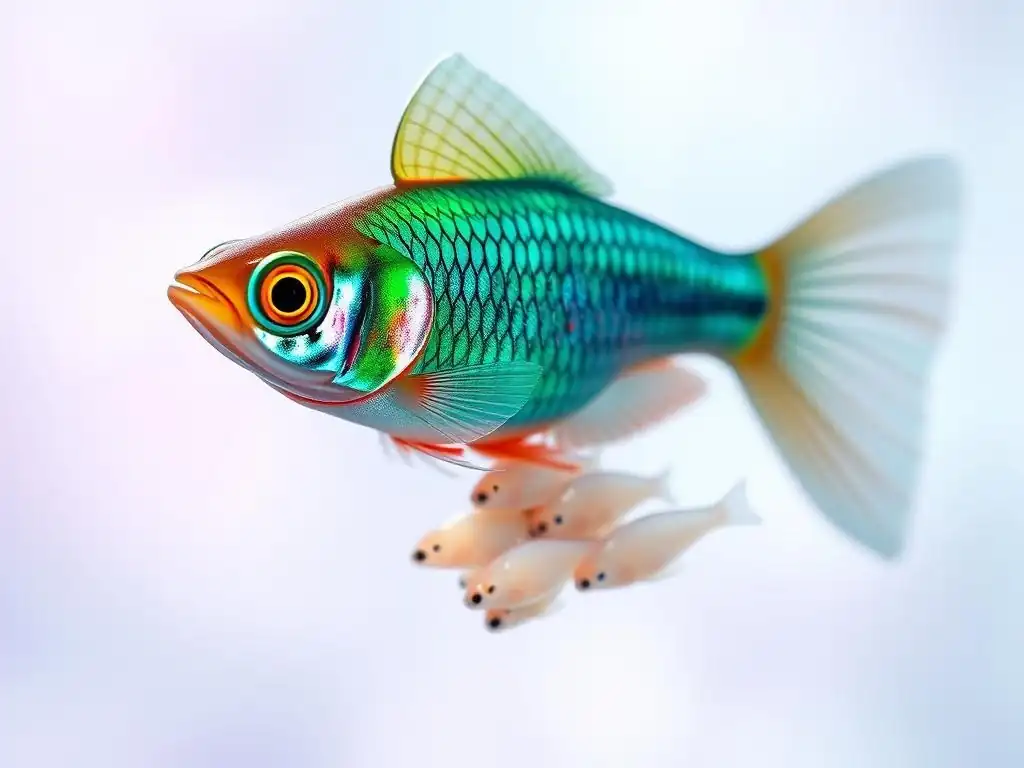
Selecting Compatible Guppy, Mollie, and Platy Breeding Pairs
Creating an intentional hybrid livebearer breeding program requires careful selection of compatible pairs to maximize success and achieve desired traits. The most successful crosses typically involve a male guppy with a female molly, or vice versa, due to their closer genetic relationship within the Poecilia genus. For these crosses, select healthy, vibrant individuals that exhibit the strongest traits you wish to combine. For example, choose a male guppy with exceptional caudal finnage and a female molly with a robust body and desirable coloration.
When considering crosses between different genera, such as guppy x platy or molly x platy, it is crucial to understand the significantly lower success rates and the high likelihood of sterile offspring. If attempting these more challenging crosses, select the largest, healthiest female possible (e.g., a female molly for a molly-platy cross) as the female's size can sometimes aid in the development of hybrid fry. Always ensure both parent fish are free of disease and stress, as their overall health directly impacts breeding success and fry viability, which is a key consideration for any guppy mollie platies breeding guide.
Setting Up the Breeding Tank for Hybridization
Setting up a dedicated breeding tank is a critical step for any intentional livebearer hybridization program, providing controlled conditions to optimize success and protect delicate fry. A tank size of at least 10-20 gallons (38-76 liters) is recommended, as it offers sufficient space for the breeding pair and subsequent fry. The tank should be equipped with a reliable heater to maintain a stable temperature, ideally between 75-78°F (24-26°C), which encourages breeding and healthy development.
Water parameters should be consistent and within the preferred range for most livebearers: a pH of 7.0-8.0 and moderate to hard water (GH 10-20 dGH). Gentle filtration, such as a sponge filter, is ideal as it provides biological filtration without creating strong currents that could harm delicate fry. Crucially, the tank should be heavily planted with live plants like Java moss, hornwort, or guppy grass. These plants serve as essential hiding places for the newborn fry, protecting them from parental predation, as adult livebearers will often consume their own offspring.
Monitoring and Caring for Hybrid Fry: Ensuring Healthy Development
Once the hybrid livebearers begin to drop fry, diligent monitoring and specialized care are essential to ensure their healthy development and maximize survival rates. Livebearer fry are born fully formed and immediately capable of swimming and feeding, but they are tiny and vulnerable. It is imperative to either remove the parents from the breeding tank or transfer the fry to a separate grow-out tank to prevent predation.
Feeding the hybrid fry frequently with appropriate, high-quality food is crucial for rapid growth. Options include finely crushed flake food, specialized fry formulas, or live foods such as newly hatched brine shrimp nauplii. Feeding small amounts 3-4 times a day is often recommended.
Maintaining pristine water quality is equally important; daily or every-other-day small water changes (10-15%) are vital to remove waste and provide fresh water, as hybrid fry can be more sensitive to poor water conditions than purebreds. While survival rates for some hybrids might be lower (e.g., 30-50% to maturity for certain crosses compared to higher rates for purebreds), consistent care significantly improves their chances.
The Future of Hybrid Livebearers: Trends and Considerations
New Hybrid Varieties and Their Potential Impact on the Aquarium Hobby
The future of hybrid livebearers holds the potential for the emergence of new and unique varieties, which could significantly impact the aquarium hobby. As aquarists continue to experiment with different crosses, especially within genetically compatible species like guppies and mollies, there is an ongoing possibility of developing aesthetically novel fish. These new hybrid varieties might display never-before-seen combinations of colors, patterns, and fin shapes, offering fresh appeal to enthusiasts seeking something distinct from traditional purebred strains.
If a stable and fertile hybrid line with desirable characteristics can be established, it could potentially command premium prices in the market, possibly 2-3 times the cost of common purebred livebearers, depending on its uniqueness and demand. This economic incentive can drive further experimentation. However, the impact also includes a consideration of the hobby's focus. While new hybrids add variety, they also necessitate a clear understanding of their genetic origins and long-term viability, ensuring that the pursuit of novelty does not inadvertently compromise the health or genetic integrity of established species.
The Role of Selective Breeding in Shaping Hybrid Livebearers
Selective breeding plays a crucial role in shaping the future of hybrid livebearers, particularly in stabilizing desired traits and creating viable, reproducible lines. While initial crosses might produce a wide range of characteristics, consistent selective breeding over multiple generations can isolate and enhance specific features. This involves carefully selecting only those hybrid offspring that exhibit the most desirable traits (e.g., specific coloration, finnage, or body shape) to be the parents of the next generation.
This process is a long-term commitment, often requiring several years and the breeding of hundreds of F1 generation fish to select a small percentage (e.g., the top 5-10%) for the F2 generation. The goal is to move beyond random crosses to establish a truly stable and fertile "strain" of hybrid livebearers that consistently passes on its unique characteristics. This methodical approach ensures that any new hybrid varieties introduced to the hobby are not only aesthetically pleasing but also robust and capable of reproduction, contributing positively to the diversity of available aquarium fish while maintaining ethical breeding standards for livebearers.
Frequently Asked Questions
What are the chances of successfully breeding a guppy with a mollie or platy?
While technically possible under specific conditions, hybridization is extremely rare in home aquariums. The success rate is very low and often results in sterile offspring.
What are the potential physical characteristics of hybrid guppy, mollie, or platy fry?
Hybrid fry can exhibit a mix of traits from both parent species, leading to unpredictable appearances. These can include variations in coloration, body shape, and fin structure.
What are the ethical considerations when attempting to create hybrid livebearers?
Ethically, it's important to consider the well-being of the fish. Hybridization can lead to health problems and deformities in the offspring, and often results in sterile offspring.
Where can I find more in-depth information about guppy, mollie, and platy genetics and breeding?
AquariumMastery.com offers detailed guides on the specific needs of each species. You can find articles on species profiles, breeding practices, and genetics within each species.
Why is it generally discouraged to try to crossbreed guppies, mollies, and platies?
Crossbreeding often leads to infertile or weak offspring. It can also contribute to the dilution of pure bloodlines and negatively impact the hobby.
Final Reflection: The Boundless Potential of Life
The journey into the world of hybrid livebearers, as we've explored, reveals not just the complexities of genetics, but also the inherent adaptability and resilience of life itself. Understanding the nuances of Guppy, Molly, and Platy crosses isn't just about creating new color morphs or fin shapes; it's about appreciating the intricate dance of evolution unfolding before our very eyes, a dance that continues to shape the aquatic world, and by extension, our understanding of the natural world.
This exploration has profoundly deepened my appreciation for the delicate balance within ecosystems and the surprising ways species can interact, even across perceived boundaries. It reminds us that the rules we often impose on nature are frequently challenged and redefined by the very organisms we seek to understand. The only constant is change.
This ancient wisdom rings particularly true when observing the dynamic interplay of genetics and environment in the creation of hybrid life.
Now, consider the implications of this knowledge. How can a deeper understanding of hybridisation inform our conservation efforts? How can it inspire us to appreciate the beauty and fragility of biodiversity? Let us not simply observe these fascinating creatures, but actively engage in responsible breeding practices, ensuring the health and well-being of these fish and contributing to a more informed and sustainable future for the aquarium hobby. Let the lessons learned from the Guppy, Molly, and Platy guide us towards a greater respect for the boundless potential of life, in all its diverse and wondrous forms.
Unleash Your Inner Fish Geneticist!
Thanks for diving deep into the fascinating world of hybrid livebearers! We hope you found some inspiration (and maybe a healthy dose of caution!) in exploring the possibilities of crossing guppies, mollies, and platies. Now, it's time to take that knowledge and put it into action!
- Dive Deeper: Research the specific genetics of your fish species to understand the potential outcomes of hybridization and ensure responsible breeding practices.
- Share your knowledge! Post your thoughts, experiences, and insights in the comments below – let's learn from each other!
- Consider ethically sourcing and rescuing fish instead of breeding hybrids, supporting conservation efforts.
Ready to share your thoughts on the ethics and possibilities of hybrid livebearers?