
Acclimating New Dwarf Cichlids: The Gentle Introduction Method

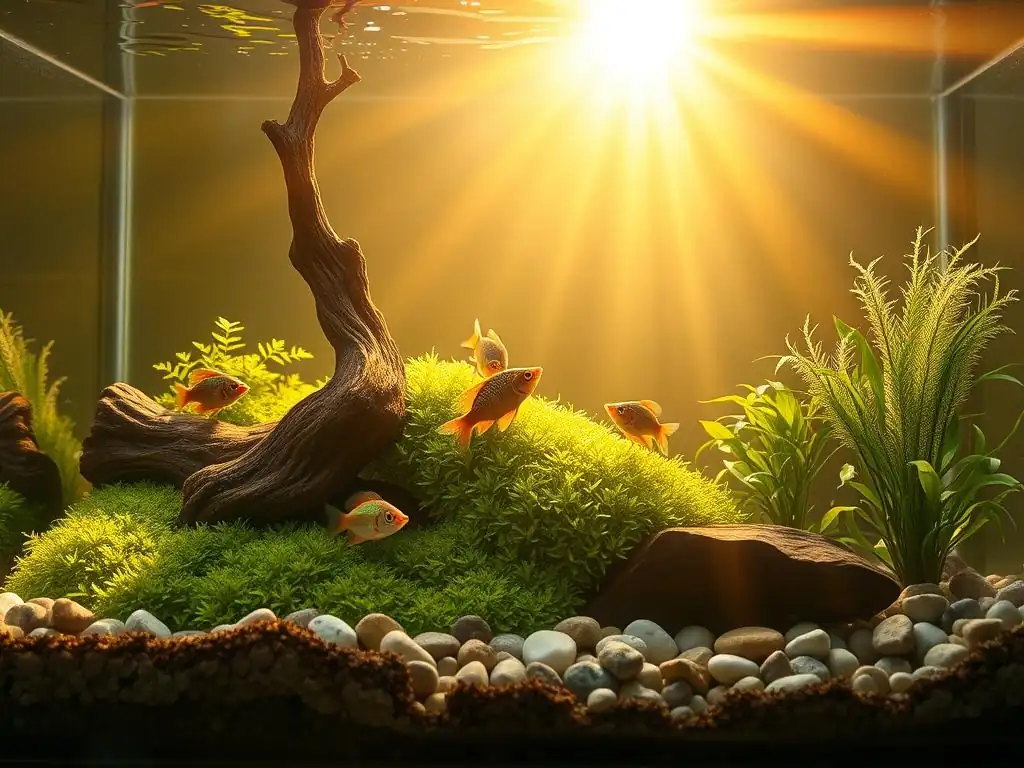
Welcome to Aquarium Mastery, where your aquatic dreams come to life! Ever wondered how to ensure your new dwarf cichlids not only survive, but thrive in their new home? Discover the secrets to gentle acclimation and unlock the key to a happy, healthy aquarium. Intrigued? Let's dive in!
- Acclimating New Dwarf Cichlids: The Gentle Introduction Method for Thriving Fish
- Why Gentle Acclimation is Crucial for Dwarf Cichlids
- Step-by-Step Guide to the Gentle Acclimation Method for Dwarf Cichlids
- Post-Acclimation Care for New Dwarf Cichlids
- Troubleshooting Common Acclimation Issues with Dwarf Cichlids
- Long-Term Success: Creating a Thriving Environment for Your Dwarf Cichlids
- Conclusion: Gentle Acclimation for Thriving Dwarf Cichlids in Your Aquarium
-
Frequently Asked Questions
- How important is gentle acclimation for dwarf cichlids?
- What is the recommended method for gentle acclimation of dwarf cichlids?
- How long should the acclimation process take when introducing new dwarf cichlids?
- What water parameters are most critical to match during acclimation for dwarf cichlids?
- What are some signs that a dwarf cichlid is not acclimating well and experiencing stress?
- Final Reflection: Nurturing Life Through Patience
- Unlock the Vibrant World of Cichlids in *Your* Tank!
Acclimating New Dwarf Cichlids: The Gentle Introduction Method for Thriving Fish
Why Gentle Acclimation is Crucial for Dwarf Cichlids
Understanding the Stress Factors Affecting New Dwarf Cichlids
When new dwarf cichlids are transported from a breeder or local fish store to your home, they undergo immense stress. This journey often involves significant fluctuations in temperature, confinement in a small bag, and rapid changes in water chemistry, including pH, general hardness (GH), and carbonate hardness (KH). These stressors weaken their immune systems, making them highly susceptible to diseases such as Ich (white spot disease) or bacterial infections. Common indicators of stress in fish include clamped fins, rapid gill movement (indicating respiratory distress), and a noticeable loss of vibrant coloration.
Furthermore, the water in the transport bag quickly accumulates ammonia, a toxic byproduct of fish waste, especially during longer journeys. While the low pH in a sealed bag can temporarily convert toxic ammonia (NH3) into less harmful ammonium (NH4+), opening the bag or introducing it to higher pH water can cause a rapid, dangerous shift back to toxic ammonia, leading to severe ammonia poisoning. A sudden change in pH of even 0.5 to 1.0 units can induce osmotic shock, where the fish's internal systems struggle to regulate water balance, potentially leading to organ damage or death.
The Importance of Gradual Adjustment for Sensitive Species
Dwarf cichlids, such as Apistogramma species, German Blue Rams, and Kribensis cichlids, are particularly sensitive to environmental changes. Many originate from stable, soft, and acidic blackwater environments in South America or West Africa, making them less tolerant of abrupt shifts in water parameters compared to hardier species. Their delicate physiology requires a slow, controlled transition to a new environment to prevent shock and ensure their long-term health.
A gentle acclimation process allows these sensitive fish to gradually adapt their internal osmoregulation to the new water chemistry. This methodical approach significantly reduces the risk of osmotic shock, minimizes stress-induced disease outbreaks, and prevents irreversible damage to their gills and other organs. By taking the time for a thorough gentle acclimation, dwarf cichlids thrive, exhibiting their natural colors, active behaviors, and overall vitality much sooner in their new home.
Step-by-Step Guide to the Gentle Acclimation Method for Dwarf Cichlids
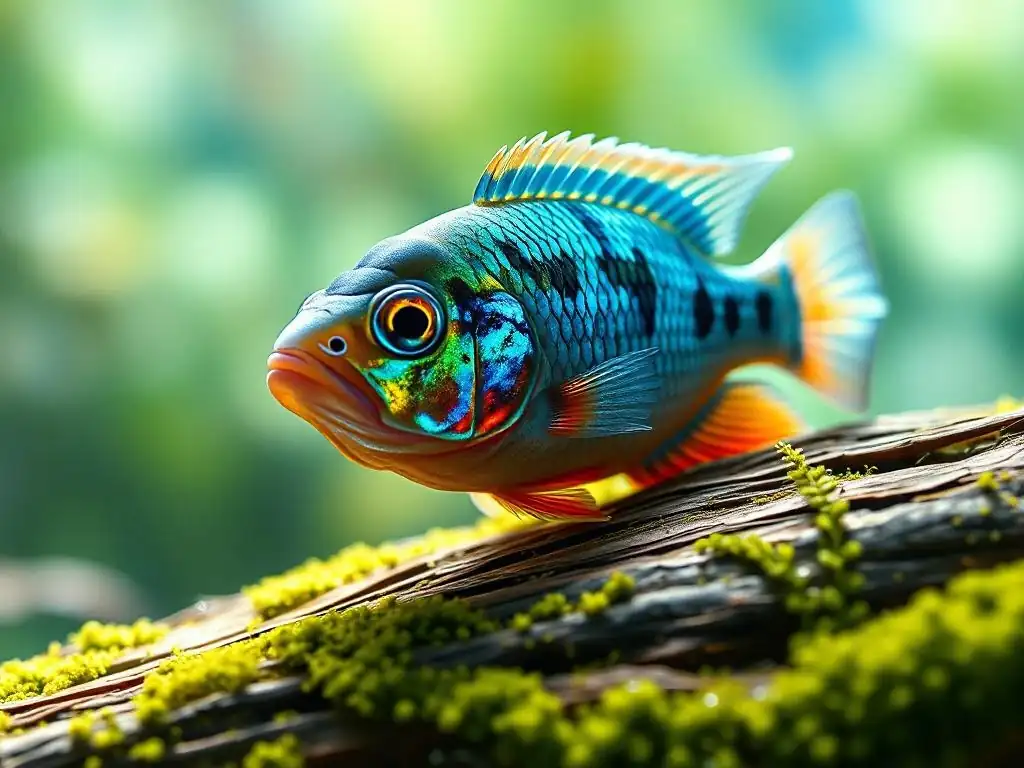
Step 1: Preparing for Your New Dwarf Cichlids' Arrival
Setting Up the Quarantine Tank: A Safe Haven for New Arrivals
Before your new dwarf cichlids even arrive, it is crucial to have a dedicated quarantine tank (QT) fully prepared. A 10-gallon to 20-gallon tank is typically sufficient for most dwarf cichlid species, providing enough space for observation without being overly large. This tank should be equipped with a reliable heater set to the target temperature (e.g., 76-80°F or 24-27°C), a gentle filter (a sponge filter is ideal as it provides biological filtration without strong currents), a thermometer, and ample hiding spots such as PVC pipes, terracotta pots, or dense artificial plants.
Crucially, the quarantine tank should be fully cycled and stable, meaning its biological filter is established and capable of processing ammonia and nitrite. This can be achieved by cycling it in advance, perhaps by moving a mature sponge filter from an existing tank or by using a bacterial starter product. The water parameters in the quarantine tank, particularly temperature, pH, and hardness, should be matched as closely as possible to the conditions you intend to keep your dwarf cichlids in long-term, typically softer (e.g., 3-8 dGH) and slightly acidic (e.g., pH 6.0-7.0) for most species.
Gathering Essential Acclimation Supplies: What You'll Need
Having all necessary supplies on hand before the fish arrive will streamline the acclimation process and reduce potential stress. You will need a clean, food-grade bucket (preferably new or dedicated solely to aquarium use) large enough to hold several gallons of water, a length of airline tubing (approximately 3-5 feet), an airline control valve or clip to regulate water flow, and a reliable aquarium thermometer.
Additionally, a comprehensive liquid-based water test kit for pH, ammonia, nitrite, and nitrate is indispensable for monitoring water parameters throughout the process. A soft, fine-mesh fish net will be needed for transferring the fish, and a timer will help you keep track of crucial acclimation durations. Ensure all equipment is clean and free of any soap or chemical residues.
Step 2: Floating the Bag: Initial Temperature Acclimation
Equalizing the Temperature: A Gentle Start
Upon receiving your dwarf cichlids, immediately dim the lights in the room and turn off the lights of the quarantine tank. Place the sealed transport bag containing the fish directly into the quarantine tank. The goal of this initial step is to slowly equalize the water temperature inside the bag with the water temperature of the quarantine tank. This typically takes 15 to 30 minutes, depending on the temperature difference.
It is paramount not to open the bag during this phase. Opening the bag allows atmospheric air to mix with the bag water, causing a rapid release of dissolved carbon dioxide (CO2). This sudden CO2 loss can lead to a drastic and dangerous increase in pH within minutes, potentially inducing severe pH shock in the fish. Allow the bag to float undisturbed for the full recommended duration.
Monitoring the Bag: Avoiding Overheating or Overcooling
While the bag is floating, it's important to monitor the surrounding environment. Avoid placing the bag in direct sunlight or near strong heat sources that could cause the water inside to heat up too quickly. Conversely, ensure the room temperature is stable to prevent the tank water from cooling down excessively, which could hinder the temperature equalization process.
Set a timer for the recommended 15-30 minutes to prevent forgetting the bag. Leaving fish in a sealed bag for too long, especially after a prolonged journey, can lead to dangerously low oxygen levels, particularly if the fish are active or if the bag contains a significant amount of waste. This gentle start is vital for the overall success of the gentle acclimation, ensuring your dwarf cichlids thrive in their new environment.
Step 3: Drip Acclimation: The Key to Gradual Water Chemistry Adjustment
Setting Up the Drip System: A Slow and Steady Approach
After temperature equalization, carefully open the transport bag and gently pour its contents (fish and water) into your clean acclimation bucket. Ensure the fish are fully submerged. Next, take the airline tubing and secure one end in the quarantine tank with a clip or knot, ensuring it stays submerged. Create a siphon by sucking on the other end of the tubing (or use a turkey baster to start the flow) until water from the quarantine tank begins to flow into the bucket.
Use the airline control valve or by tying a loose knot in the tubing to regulate the flow, aiming for a slow, consistent drip. The objective here is to gradually mix the quarantine tank water with the transport bag water, allowing the fish to slowly adapt to the new water parameters over an extended period. This method is far superior to simply adding cups of water, as it ensures a truly gentle and continuous transition.
Adjusting the Drip Rate: Finding the Right Balance
For most dwarf cichlids, a drip rate of approximately 1 to 3 drips per second is recommended. For extremely sensitive species, such as wild-caught Apistogramma or if there's a significant difference in water parameters (e.g., pH difference of more than 1.0 unit or vastly different hardness levels), slowing the drip rate to one drip every 2-3 seconds might be necessary. Continue the drip until the volume of water in the bucket has quadrupled or quintupled its original volume.
This process typically takes between 1 to 3 hours for most dwarf cichlids. However, for highly delicate species or if the parameter differences are extreme, extending the drip acclimation to 4-6 hours can further minimize stress and improve survival rates. This extended, gentle acclimation helps ensure dwarf cichlids thrive by allowing their internal systems ample time to adjust to the new water chemistry.
Monitoring Water Parameters: Ensuring Stability During Acclimation
Throughout the drip acclimation process, it is crucial to periodically test the water parameters in the acclimation bucket. Use your liquid test kit to measure pH, GH, and KH at regular intervals, perhaps every 30 minutes to an hour. Compare these readings to the baseline parameters of your quarantine tank water.
As the drip acclimation progresses, you should observe the parameters in the bucket gradually shifting closer to those of the quarantine tank. This provides tangible evidence that the water chemistry is slowly changing, allowing the fish to adapt. If at any point the fish show severe signs of distress (e.g., rapid erratic swimming, gasping at the surface, listing), immediately stop the drip and proceed to the next step, as further acclimation might be detrimental. This vigilant monitoring is a key factor in ensuring gentle acclimation dwarf cichlids thrive.
Step 4: Releasing Your Dwarf Cichlids into the Quarantine Tank
Netting vs. Pouring: Minimizing Stress During Transfer
Once the drip acclimation is complete and the water parameters in the bucket closely match those of the quarantine tank, it's time to transfer your new dwarf cichlids. Using a soft, fine-mesh fish net, carefully scoop each fish out of the acclimation bucket and gently place it into the quarantine tank. It is critically important not to pour the water from the acclimation bucket into your quarantine tank.
The water in the acclimation bucket, despite being diluted, still contains high levels of ammonia and other waste products from the fish's journey. It may also harbor parasites or pathogens from the source water. By netting only the fish and discarding the bucket water, you significantly reduce the risk of introducing harmful substances or diseases into your quarantine environment, protecting both your new fish and any existing inhabitants in your main display tank later on.
Observing for Signs of Stress: Identifying Potential Problems Early
After releasing your dwarf cichlids into the quarantine tank, immediately turn off the tank lights and dim the room lights. Allow the fish to settle for at least an hour, observing them from a distance without disturbing them. Initial shyness and hiding are normal as they explore their new surroundings. However, be vigilant for more serious signs of stress or shock.
Look for symptoms such as prolonged hiding, clamped fins, rapid and labored breathing, erratic swimming, swimming into the glass, or lying motionless at the bottom or surface. If these signs persist for more than a few hours, re-test the quarantine tank's water parameters (ammonia, nitrite, nitrate, pH, temperature) to ensure they are stable and optimal. Sometimes, simply leaving the lights off for 24 hours can help reduce stress and allow the fish to recover. A successful gentle acclimation means dwarf cichlids thrive and begin to show curiosity and normal behavior relatively quickly.
Post-Acclimation Care for New Dwarf Cichlids
Quarantine Period: Observing for Disease and Parasites
Following the gentle acclimation, a mandatory quarantine period of 2 to 4 weeks is essential for all new dwarf cichlids. This dedicated time in the quarantine tank allows you to closely observe the fish for any signs of disease, parasites, or stress-related issues without risking the health of your established main display tank. Many diseases, such as Ich, velvet, or fin rot, can take several days or even a week to manifest, especially when fish are initially stressed.
During this period, conduct daily visual inspections of your dwarf cichlids for symptoms like white spots, frayed fins, unusual growths, rapid respiration, or abnormal swimming patterns. If any signs of illness appear, the quarantine tank allows for targeted treatment without exposing your main tank's inhabitants (including beneficial bacteria, plants, and invertebrates) to medications. This proactive approach is critical for ensuring the long-term health of your entire aquatic ecosystem.
Feeding Your New Dwarf Cichlids: Encouraging Healthy Eating Habits
After the initial release into the quarantine tank, wait at least 12 to 24 hours before attempting to feed your new dwarf cichlids. This allows them time to recover from the stress of transport and acclimation. When you do offer food, start with a very small amount of high-quality, easily digestible food, such as finely crushed flakes or small pellets. Observe their response closely.
Once they begin to eat readily, gradually introduce a varied diet that includes frozen foods like bloodworms, brine shrimp, daphnia, or Mysis shrimp. Live foods, such as blackworms or daphnia, can also be excellent for encouraging a feeding response in shy or stressed fish. Feed once or twice daily, offering only what they can consume within 2-3 minutes to avoid overfeeding, which can quickly foul the water in a smaller quarantine tank. A robust appetite is a strong indicator that your gentle acclimation dwarf cichlids thrive.
Monitoring Water Quality: Maintaining Optimal Conditions
Consistent monitoring of water quality in the quarantine tank is paramount during the post-acclimation period. Test the water daily or every other day for ammonia, nitrite, and nitrate using a reliable liquid test kit. Even in a cycled tank, the bioload from new fish can sometimes cause minor spikes, especially if they are not eating well or if the filter is still establishing.
Perform small, frequent water changes (e.g., 10-20% daily or every other day) as needed, particularly if ammonia or nitrite levels are detectable. Always use dechlorinated, temperature-matched water for these changes to avoid further stress. Maintaining pristine and stable water conditions throughout the quarantine period is crucial for the fish's recovery, bolstering their immune system, and ensuring that the gentle acclimation dwarf cichlids thrive in their temporary home before moving to the main display.
Troubleshooting Common Acclimation Issues with Dwarf Cichlids
Dealing with Shocked or Stressed Fish: Immediate Action Steps
Despite the most careful gentle acclimation, some dwarf cichlids may still exhibit signs of severe shock or prolonged stress after release. Symptoms can include lying on their side, rapid and shallow gill movements, erratic darting, or severe loss of color. If you observe these critical signs, immediate action is necessary. First, ensure the tank lights are off and the room is dimly lit to minimize visual disturbances.
Double-check all water parameters (temperature, pH, ammonia, nitrite, nitrate) to confirm they are within optimal and stable ranges. If using tap water, a water conditioner that includes a stress-reducing agent (like aloe vera) can be beneficial. Avoid disturbing the fish further for several hours. In some cases, adding a dark towel over the tank can provide a sense of security, allowing the fish to calm down and recover from the ordeal.
Preventing Ammonia Spikes: Maintaining a Healthy Biological Filter
Ammonia spikes are a common and dangerous issue in new or under-cycled quarantine tanks. Even with a pre-cycled filter, the addition of new fish can sometimes overwhelm the beneficial bacteria temporarily. If your water tests show any detectable ammonia (e.g., 0.25 ppm or higher) or nitrite, immediate action is required. Perform a significant water change, typically 25-50%, using temperature-matched and thoroughly dechlorinated water.
Consider using an ammonia-detoxifying product as an emergency measure, but remember this is a temporary fix, not a solution to an inadequate biological filter. Focus on ensuring your quarantine tank's filter is fully cycled and mature. Avoid overfeeding, as uneaten food rapidly decomposes into ammonia. Regular testing and proactive water changes are the best defense against ammonia spikes, ensuring a healthy environment where gentle acclimation dwarf cichlids thrive.
Recognizing and Treating Diseases: Early Intervention is Key
The quarantine period is your primary defense against introducing diseases into your main aquarium. Be highly vigilant for any signs of illness. Common diseases affecting new dwarf cichlids include Ich (small white spots resembling salt grains), fin rot (frayed or decaying fins), columnaris (fuzzy white patches, often around the mouth), and internal parasites (indicated by emaciation despite eating, or stringy white feces).
If disease is suspected, confirm the diagnosis if possible through visual observation or by consulting reliable resources. Begin appropriate treatment immediately in the quarantine tank, following medication instructions precisely. Early detection and intervention significantly improve the chances of successful recovery and prevent the spread of disease to other fish. A healthy quarantine process is crucial for long-term success and to ensure that gentle acclimation dwarf cichlids thrive in your care.
Long-Term Success: Creating a Thriving Environment for Your Dwarf Cichlids
Choosing Compatible Tank Mates: Avoiding Aggression and Competition
Once your dwarf cichlids have successfully completed their quarantine period and are healthy, integrating them into a community tank requires careful consideration of tank mates. While generally peaceful, dwarf cichlids can be territorial, especially during breeding or if space is limited. Choose fish that occupy different levels of the water column and are not known fin-nippers or overly boisterous.
Excellent choices for tank mates include small, peaceful schooling fish like Neon Tetras, Cardinal Tetras, Ember Tetras, or various Rasbora species (e.g., Harlequin Rasboras). Bottom dwellers such as Corydoras catfish or Otocinclus catfish are also good companions. Avoid aggressive fish like certain barbs or larger, fast-moving species that might outcompete dwarf cichlids for food or stress them out. Providing ample hiding spots and visual barriers with plants and decor is crucial to minimize potential aggression and ensure your gentle acclimation dwarf cichlids thrive.
Maintaining Optimal Water Parameters: Ensuring Long-Term Health
Long-term success with dwarf cichlids hinges on consistently maintaining stable and optimal water parameters. Most popular dwarf cichlids, such as Apistogramma and Rams, prefer soft to moderately soft water (General Hardness typically 3-10 dGH) and slightly acidic to neutral pH (ranging from 5.5 to 7.2, depending on the species). Temperature should generally be kept between 74-82°F (23-28°C).
Regular weekly water testing (pH, ammonia, nitrite, nitrate) is non-negotiable. Perform consistent partial water changes, typically 20-30% weekly, using dechlorinated water that is temperature-matched to the aquarium. This helps replenish essential minerals, remove accumulated nitrates, and maintain overall water stability. A robust but gentle filtration system, such as sponge filters or well-baffled hang-on-back filters, is ideal to keep the water clean without creating strong currents that can stress these fish. Stable water conditions are the foundation for long-term health and vibrant dwarf cichlids thrive.
Providing a Varied Diet: Meeting Nutritional Needs
A diverse and high-quality diet is fundamental for the long-term health, vibrant coloration, and breeding success of your dwarf cichlids. While good quality flakes or small pellets can serve as a staple, they should be regularly supplemented with a variety of frozen and, if possible, live foods. Frozen options like bloodworms, brine shrimp, daphnia, and Mysis shrimp are excellent sources of protein and essential nutrients.
Offer these frozen foods 2-3 times per week. Live foods such as blackworms, grindal worms, or daphnia are highly palatable and can stimulate natural hunting behaviors, providing enrichment and boosting their overall vitality. A varied diet ensures they receive all necessary vitamins, minerals, and amino acids, strengthening their immune system and promoting natural behaviors. This comprehensive nutritional approach, combined with the initial gentle acclimation, ensures your dwarf cichlids thrive and display their full beauty in your aquarium.
Conclusion: Gentle Acclimation for Thriving Dwarf Cichlids in Your Aquarium
Acclimating new dwarf cichlids is a critical step that often determines their long-term health and success in your aquarium. By understanding the significant stress factors they endure during transport and recognizing their inherent sensitivity to environmental changes, aquarists can implement a methodical, gentle approach. The detailed step-by-step method, encompassing careful preparation, precise temperature equalization, slow drip acclimation, and proper release, minimizes shock and allows these delicate fish to gradually adapt to their new aquatic home.
Furthermore, diligent post-acclimation care, including a crucial quarantine period, attentive feeding, and consistent water quality monitoring, reinforces their resilience. Troubleshooting common issues with prompt action ensures any initial setbacks are quickly addressed. Ultimately, by committing to this gentle acclimation method and providing a well-maintained, compatible environment with a varied diet, you create the ideal conditions where your dwarf cichlids thrive, exhibiting their stunning colors and engaging behaviors for years to come. This careful introduction truly sets the foundation for a flourishing dwarf cichlid aquarium.
Frequently Asked Questions
How important is gentle acclimation for dwarf cichlids?
Gentle acclimation is crucial for dwarf cichlids. They are particularly sensitive to water parameter changes, and a sudden shift can cause significant stress, leading to illness or even death.
What is the recommended method for gentle acclimation of dwarf cichlids?
The drip acclimation method is highly recommended. It involves slowly introducing tank water into the bag containing the dwarf cichlid, allowing them to gradually adjust to the new water chemistry.
How long should the acclimation process take when introducing new dwarf cichlids?
Ideally, the entire acclimation process should take at least one to two hours. This allows for a very slow and gradual adjustment, minimizing stress on the fish.
What water parameters are most critical to match during acclimation for dwarf cichlids?
Key parameters to match include temperature, pH, and general hardness (GH). Use test kits to ensure your tank water is suitable before introducing the fish.
What are some signs that a dwarf cichlid is not acclimating well and experiencing stress?
Signs of stress can include rapid breathing, clamped fins, and erratic swimming. If you observe these, slow down the acclimation process further and monitor the fish closely.
Final Reflection: Nurturing Life Through Patience
The journey of introducing delicate dwarf cichlids into a new aquarium environment is a testament to the power of patience and observation. The "Gentle Introduction Method" is not merely a technique, but a philosophy of respect for life, reminding us that even the smallest creatures deserve our utmost care and consideration as they transition into our aquariums. This approach, prioritizing gradual adjustment, directly impacts the long-term health and vitality of these captivating fish.
This method has profoundly influenced the way I approach aquarium keeping, shifting my focus from immediate gratification to a deeper understanding of the delicate ecosystems we create. It's a reminder that success in aquascaping isn't just about aesthetics, but about fostering a thriving environment for all its inhabitants. The best way to observe a fish is to become a part of its world.
This quote encapsulates the essence of gentle acclimation – immersing ourselves in the needs of our aquatic companions.
Now, as you embark on your own journey with dwarf cichlids, I urge you to embrace the principles of gentle acclimation. Let patience be your guide, observation your tool, and empathy your motivation. By prioritizing the well-being of these fascinating creatures, you'll not only witness their vibrant colors and captivating behaviors, but also contribute to a more sustainable and ethical approach to aquarium keeping. Let's all strive to create thriving aquatic havens, one gentle introduction at a time.
Unlock the Vibrant World of Cichlids in *Your* Tank!
Thank you for diving deep into the art of acclimating dwarf cichlids! Now that you're armed with the gentle introduction method, it's time to bring these colorful characters into your aquarium. Here are a few next steps to ensure their smooth transition and long-term happiness.
- Start Acclimating Today: Gently introduce your new cichlids using the drip acclimation method. Remember to observe them closely during the first few days for any signs of stress.
- Share Your Success: Post photos and updates of your acclimation process and new cichlids on our Aquarium Mastery community forum.
- Explore Advanced Care: Research specialized diets and tank setups that can enhance the colors and breeding behavior of your specific dwarf cichlid species.
What unique aquascaping element will you introduce to your tank to make your new cichlids feel truly at home?