
Undulated Triggerfish (Balistapus undulatus): Handle With Extreme Caution! Profile & Care

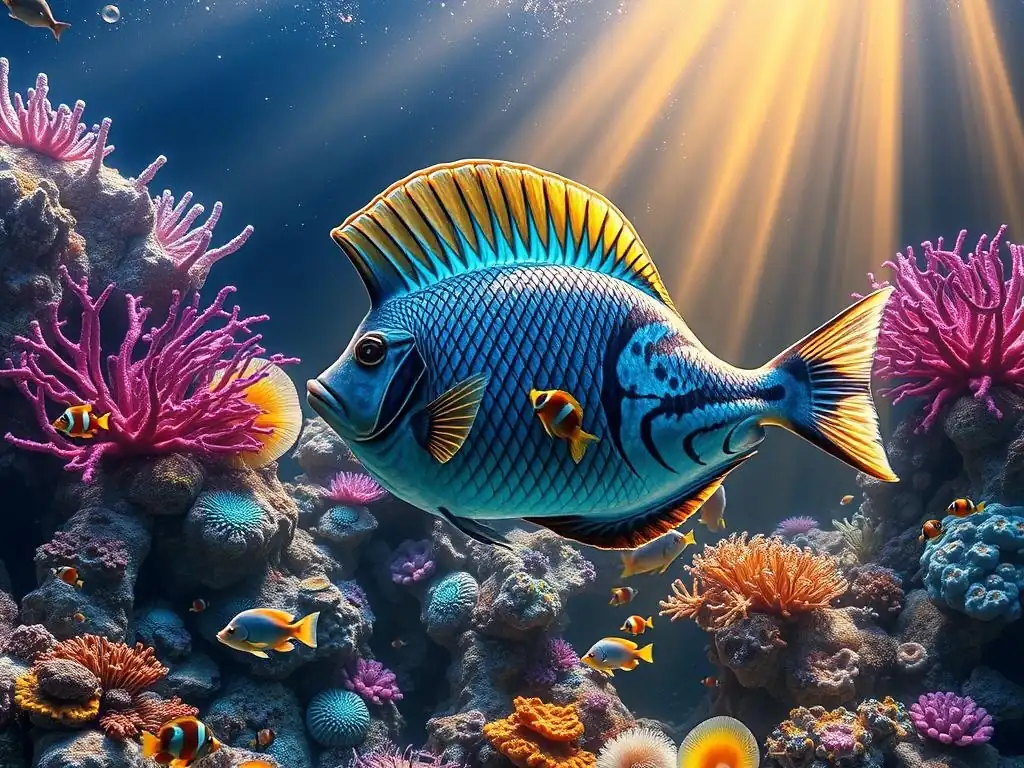
Welcome to Aquarium Mastery!
Intrigued by the vibrant, yet potentially volatile, world of saltwater aquariums? Then you've come to the right place! Ever wondered if you have what it takes to handle the stunning, but often misunderstood, Undulated Triggerfish? Dive into our comprehensive Undulated Triggerfish care guide below and discover everything you need to know – from their unique needs and potential dangers, to creating a thriving environment for these captivating creatures. Are you ready to unlock the secrets to successfully keeping this extraordinary fish? Let's begin!
- An In-Depth Undulated Triggerfish Care Guide for Saltwater Aquariums
- Understanding the Undulated Triggerfish: A Profile
- Setting Up the Ideal Aquarium for an Undulated Triggerfish
- Undulated Triggerfish Diet and Feeding
- Undulated Triggerfish Tank Mates: Compatibility Considerations
- Undulated Triggerfish Health and Disease
- Undulated Triggerfish Breeding: Challenges and Possibilities
- The Undulated Triggerfish: A Rewarding, But Demanding, Saltwater Aquarium Inhabitant
- Frequently Asked Questions
- Final Reflection: Respecting the Wild Beauty
- Unleash Your Inner Aquarist: Dive Deeper into Triggerfish Keeping!
An In-Depth Undulated Triggerfish Care Guide for Saltwater Aquariums
The Undulated Triggerfish (Balistapus undulatus), often simply called the Orange-Lined Triggerfish, is a remarkably striking marine species known for its vibrant patterns and distinct personality. However, its beauty comes with a significant caveat: an exceptionally aggressive and territorial nature. This comprehensive Undulated Triggerfish care guide provides essential information for experienced aquarists considering this demanding, yet rewarding, fish for their saltwater aquarium.
This guide will delve into the specific requirements for keeping a thriving Balistapus undulatus, from identifying its unique features and understanding its natural behaviors to setting up the optimal tank environment, providing a proper diet, and navigating the complexities of tank mate compatibility. Due to its potent aggression and specialized needs, proper Undulated Triggerfish care is paramount for the well-being of the fish and the safety of other tank inhabitants.
Understanding the Undulated Triggerfish: A Profile
The Undulated Triggerfish is a fascinating member of the Balistidae family, renowned for its intelligence and formidable presence. Its common name perfectly describes its appearance, characterized by intricate, wavy lines that adorn its body. Understanding its natural profile is the first step in providing excellent Undulated Triggerfish care.
Identifying the Undulated Triggerfish: Distinctive Features & Appearance
The Undulated Triggerfish is easily identifiable by its vibrant and intricate pattern. Its body is typically a base color of dark green to brown, overlaid with numerous undulating, bright yellow to orange stripes that run horizontally across its body and fins. These lines often extend onto its face, creating a mask-like appearance around its eyes. A key characteristic of all triggerfish is their unique "trigger" mechanism, a locking first dorsal spine that can be erected and locked into place, allowing them to wedge themselves into crevices as a defense mechanism or for resting.
Adult Undulated Triggerfish typically reach an average size of 10-12 inches (25-30 cm) in captivity, though larger specimens up to 14 inches (35 cm) have been observed in the wild. Their tough, leathery skin and powerful, small mouth equipped with strong, crushing teeth are adapted for their natural diet. While the undulating pattern is consistent, slight variations in color intensity can occur based on the fish's mood, health, or geographical origin, with some individuals exhibiting more greenish or brownish tones depending on their specific environment.
Natural Habitat and Behavior of the Undulated Triggerfish
The Undulated Triggerfish is native to the vast Indo-Pacific region, with its range extending from the Red Sea and East Africa, across the Indian Ocean to Samoa, and northwards to southern Japan. These fish typically inhabit coral reefs and rocky areas, preferring depths ranging from shallow waters of 6 feet (2 meters) down to about 165 feet (50 meters). They are frequently found near ledges, caves, and rubble zones, where they can seek refuge or forage for food.
In their natural environment, Undulated Triggerfish are highly territorial and exhibit significant aggression, especially towards conspecifics and other fish perceived as threats or food competitors. They are diurnal, actively foraging for food during daylight hours. Their diet in the wild primarily consists of benthic invertebrates such as crustaceans (crabs, shrimp), mollusks (snails, clams), and sea urchins, which they expertly extract from crevices or crush with their powerful jaws. This natural predatory behavior underscores the importance of a well-planned Undulated Triggerfish care guide for captive environments.
Is the Undulated Triggerfish Right for Your Saltwater Tank? Temperament & Compatibility
The Undulated Triggerfish is infamous for its aggressive and highly territorial nature, making it one of the most challenging marine fish to house in a community setting. It is unequivocally suitable only for highly experienced aquarists who can provide a specialized environment. These fish are known to harass, injure, and even kill tank mates, particularly those that are smaller, less aggressive, or possess long fins. Their aggression often intensifies as they mature and grow larger.
Due to their volatile temperament, Undulated Triggerfish are generally not recommended for typical reef tanks or mixed community aquariums. While rare individual variations in aggression exist, relying on such an exception is highly imprudent. Prospective owners must be fully prepared to manage a dominant and potentially destructive fish, which frequently necessitates a species-specific tank or an exceptionally large system with only the most robust and carefully selected tank mates, if any. The challenges associated with their temperament are a central aspect of Undulated Triggerfish care.
Setting Up the Ideal Aquarium for an Undulated Triggerfish
Establishing the correct environment is critical for successful Undulated Triggerfish care. Their size, activity level, and aggressive tendencies dictate specific requirements for tank size, water parameters, and aquascaping.
Minimum Tank Size Requirements for Balistapus undulatus
Given their impressive adult size and inherently aggressive disposition, an Undulated Triggerfish demands a significantly large aquarium. For a single adult specimen, a minimum tank size of 180 gallons (approximately 680 liters) is strongly recommended. This substantial volume provides ample swimming space, which is crucial for an active fish, and helps to somewhat diffuse their territorial aggression by allowing them to establish their own distinct zones.
For larger individuals, or if an aquarist dares to attempt housing them with very carefully chosen and equally robust tank mates, a tank of 250 gallons (about 946 liters) or more would be even more appropriate. Housing an Undulated Triggerfish in an undersized aquarium will inevitably lead to heightened stress, exacerbated aggression towards any tank mates, stunted growth, and an overall decline in the fish's health and lifespan. Proper tank size is a foundational element of effective Undulated Triggerfish care.
Essential Water Parameters for Undulated Triggerfish Health
Maintaining stable and pristine water parameters is absolutely paramount for the long-term health and vitality of an Undulated Triggerfish. These fish, like most marine species, are sensitive to fluctuations and poor water quality. Consistent monitoring and adjustment are key components of their care.
Maintaining Optimal Water Quality: Temperature, Salinity, and pH Levels
The ideal water temperature for an Undulated Triggerfish should consistently fall within the range of 75-82°F (24-28°C), with stability being more important than hitting an exact number within this range. Salinity should be maintained at a stable specific gravity between 1.020-1.025, with many experienced aquarists targeting the narrower range of 1.023-1.024. The pH level must remain stable and within the alkaline range of 8.1-8.4.
Regular testing of these parameters, ideally at least once a week, is crucial to detect any deviations promptly. Sudden or significant fluctuations in temperature, salinity, or pH can induce severe stress in the fish, making them highly susceptible to various diseases, including parasitic infections. Consistent adherence to these parameters is a cornerstone of responsible Undulated Triggerfish care.
Creating a Suitable Environment: Substrate, Rockwork, and Hiding Places
When designing the aquascape for an Undulated Triggerfish, it's essential to mimic aspects of their natural reef habitat. A sand or crushed coral substrate is generally suitable, but the primary focus should be on creating a robust and complex rock structure. These intelligent fish thrive with numerous caves, crevices, and overhangs that they can explore, retreat into when feeling threatened, or use as resting spots during the night.
Ensure that all rockwork is securely stacked and stable, preferably using epoxy or aquarium-safe cement, as Undulated Triggerfish are powerful swimmers and can be quite active, potentially dislodging smaller or unstable rocks. Providing ample hiding spots is crucial for their psychological well-being, as it offers security and helps reduce stress, especially if other large fish are present. However, avoid creating too many confined spaces that could become points of territorial contention in a multi-fish setup. Thoughtful aquascaping greatly contributes to effective Undulated Triggerfish care.
Filtration and Water Flow for a Healthy Triggerfish Habitat
Given their substantial bioload and sometimes messy eating habits, powerful and highly efficient filtration is an absolute necessity for an aquarium housing an Undulated Triggerfish. A comprehensive filtration system combining mechanical, biological, and chemical filtration is strongly recommended. Large, appropriately sized protein skimmers are critical for efficiently removing organic waste, while robust canister filters or sumps equipped with high-quality bio-media are essential for converting harmful ammonia and nitrite.
Moderate to strong water flow is beneficial for Undulated Triggerfish, as it replicates the currents found in their natural reef environment and aids in oxygenation. This can be achieved through the strategic placement of powerheads or wavemakers, aiming for a total turnover rate of 10-15 times the tank volume per hour. Adequate water movement ensures good oxygenation throughout the tank and prevents the accumulation of detritus in dead spots, which can degrade water quality. Optimal filtration and flow are indispensable aspects of thorough Undulated Triggerfish care.
Undulated Triggerfish Diet and Feeding
A proper and varied diet is fundamental to maintaining the health, vibrant coloration, and overall vitality of an Undulated Triggerfish. As carnivores, their feeding regimen requires specific attention.
What to Feed Your Undulated Triggerfish: A Varied Diet
The Undulated Triggerfish is a voracious carnivore with a powerful appetite, and a diverse diet is crucial for its long-term health and to maintain its striking coloration. In their natural habitat, they consume a wide array of crustaceans like crabs and shrimp, mollusks, and sea urchins. In captivity, offer a varied mix of high-quality frozen marine foods such as krill, mysis shrimp, silversides, clams, squid, and finely chopped fresh fish flesh.
It is highly beneficial to occasionally incorporate foods with hard shells or exoskeletons, such as whole small crabs or snails. This practice helps to naturally wear down their continuously growing teeth, preventing overgrowth that can lead to difficulties in feeding and overall health issues. While high-quality pelleted and flake foods formulated for marine carnivores can be offered as supplements, they should never constitute the majority of their diet. A rich, varied diet is a cornerstone of effective Undulated Triggerfish care.
Feeding Schedule and Portion Sizes for Optimal Health
For optimal health and to prevent water quality degradation, Undulated Triggerfish should typically be fed 2-3 times per day. Each feeding portion should be small enough to be consumed entirely within a few minutes. Overfeeding can lead to significant issues with water quality, including elevated nitrates and phosphates, and can also contribute to internal health problems for the fish.
It is important to monitor the fish's body condition and adjust portion sizes accordingly; a healthy Undulated Triggerfish should appear full but not bloated after eating. For example, a typical feeding might consist of 3-4 pieces of krill or a quarter of a silverside, depending on the fish's size and activity level. Establishing a consistent feeding schedule can also help reduce stress and encourage a healthy appetite. Careful attention to feeding schedules is a vital part of comprehensive Undulated Triggerfish care.
Foods to Avoid: Preventing Health Problems
To prevent potential health problems, certain foods should be avoided or severely restricted in the diet of an Undulated Triggerfish. High-fat mammalian meats, such as beef heart or chicken, should not be fed, as they are difficult for marine fish to digest and can lead to fatty liver disease and other internal organ issues. Similarly, feeder fish from unknown sources should be avoided, as they can introduce parasites or diseases into the aquarium.
Minimize the use of highly processed or low-quality dry foods, as they often lack essential nutrients and can contain excessive binders or artificial additives. While some triggerfish might grudgingly accept them, they do not provide the comprehensive nutritional profile found in whole, frozen marine foods. Sticking to a diverse diet of natural, marine-based foods is paramount for preventing nutritional deficiencies and maintaining the fish's long-term vitality, ensuring robust Undulated Triggerfish care.
Undulated Triggerfish Tank Mates: Compatibility Considerations
Given the Undulated Triggerfish's extreme aggression, selecting appropriate tank mates is arguably the most challenging aspect of its care. In many cases, a solitary setup is the safest and most successful approach.
Potential Tank Mates: Fish That Can Coexist (Carefully!)
Due to their notorious aggression, finding suitable tank mates for an Undulated Triggerfish is an exceptionally high-risk endeavor, and success is never guaranteed. If attempted, only highly robust, very large, and equally aggressive species should be considered. Potential, albeit still risky, examples might include certain large angelfish (such as the Emperor Angelfish or Queen Angelfish), large groupers, or other large, aggressive triggerfish species (e.g., Clown Triggerfish or Titan Triggerfish), provided they are introduced simultaneously into a very large tank and with extreme caution.
Even with these choices, the tank must be significantly oversized, ideally 300 gallons (1135 liters) or more, with an abundance of secure rockwork and clearly defined territories to minimize conflict. The order of introduction is critical; the Undulated Triggerfish should often be added last, or simultaneously with other large, aggressive fish, to prevent it from establishing unchallenged dominance. This delicate balance highlights the difficulty in providing optimal Undulated Triggerfish care in a community setting.
Fish to Avoid: Aggression and Predation Risks
The list of fish to avoid housing with an Undulated Triggerfish is extensive and includes almost all typical reef aquarium inhabitants. Any small, docile, slow-moving, or long-finned fish are at extreme risk of harassment, severe injury, or outright consumption. This encompasses nearly all species commonly found in community reef tanks, such as tangs, wrasses, gobies, blennies, cardinalfish, and most clownfish. Furthermore, invertebrates like ornamental shrimp, crabs, snails, and even corals are highly vulnerable to predation or damage from their powerful jaws.
Even larger, semi-aggressive fish like certain puffers or hawkfish can become targets of aggression. The Undulated Triggerfish's powerful jaws and sharp teeth are capable of inflicting devastating damage, making it a credible threat to almost any tank mate that isn't large enough, robust enough, or sufficiently aggressive to defend itself. Housing an Undulated Triggerfish alone is often the most successful and safest strategy for long-term Undulated Triggerfish care.
Introducing New Fish: Minimizing Stress and Aggression
Introducing any new fish into an aquarium already inhabited by an established Undulated Triggerfish is a high-risk operation that requires meticulous planning. If new tank mates are absolutely deemed necessary, they must be robust, perfectly healthy, and preferably larger than the triggerfish. Proper acclimation, using a slow drip method, is essential to minimize stress for the new arrival, and all new fish should undergo a thorough quarantine period beforehand to ensure they are disease-free.
Consider significantly rearranging the existing rockwork and tank decor before introducing the new fish. This disrupts the triggerfish's established territory, forcing it to redefine its space and potentially reducing initial aggression towards the newcomer. Feeding the triggerfish heavily just before introducing the new fish can sometimes serve as a distraction, though this is not a guaranteed solution. Constant vigilance during the initial days and weeks is vital to intervene if aggression escalates, a critical part of advanced Undulated Triggerfish care.
Undulated Triggerfish Health and Disease
While generally hardy once established in a suitable environment, Undulated Triggerfish are not immune to common marine aquarium diseases. Proactive measures and early detection are key to their well-being.
Common Diseases Affecting Undulated Triggerfish
Undulated Triggerfish, despite their robust appearance, are susceptible to common saltwater diseases, particularly if water quality is compromised, or they are subjected to significant stress. Ich (Cryptocaryon irritans), a parasitic infection causing visible white spots, and marine velvet (Amyloodinium ocellatum), which presents as a dusty, golden-brown film, are prevalent and can rapidly spread throughout a closed system.
Bacterial infections, often manifesting as fin rot, cloudy eyes, skin lesions, or internal issues, can also occur, especially if the fish has sustained an injury or its immune system is weakened. While less common with a consistently proper diet, nutritional deficiencies can lead to problems such as Lateral Line Erosion (LLE) or other systemic health concerns. Understanding these potential ailments is crucial for comprehensive Undulated Triggerfish care.
Recognizing Symptoms of Illness: Early Detection is Key
Vigilant daily observation is paramount for the early detection of illness in an Undulated Triggerfish. Aquarists should look for any changes in the fish's normal behavior, such as lethargy, a sudden loss of appetite, abnormal swimming patterns (e.g., darting, rubbing against decor), or excessive hiding. Physical symptoms to watch for include the appearance of white spots (Ich), a dusty or velvety film on the body (marine velvet), frayed or clamped fins, visible lesions or sores, cloudy eyes, or rapid breathing (increased gilling).
Any noticeable changes in coloration, particularly a dulling of their vibrant hues or unusual darkening, can also indicate stress or underlying disease. It is important to differentiate between temporary color changes due to mood or sleep and persistent changes that signal a health issue. A healthy Undulated Triggerfish should be active, alert, responsive to its surroundings, and display its characteristic vibrant coloration. Early recognition of these signs is a vital component of effective Undulated Triggerfish care.
Quarantine Procedures for New and Sick Fish
A dedicated quarantine tank (QT) is an indispensable tool for any serious marine aquarist, especially when keeping an Undulated Triggerfish. All new arrivals, whether fish or invertebrates, should undergo a minimum 4-6 week quarantine period in the QT. This allows for thorough observation, pre-emptive treatment for common parasites like Ich and marine velvet, and ensures that no pathogens are introduced into the established main display tank.
If an established Undulated Triggerfish shows any signs of illness, it should be promptly moved to the QT for isolated treatment. This prevents the potential spread of disease to any other tank mates and allows for precise medication dosages without affecting the beneficial bacteria in the main system's biological filter or harming sensitive invertebrates. The QT itself should be simple, equipped with minimal decor, an air stone, and a heater, to facilitate easy cleaning and treatment. Implementing robust quarantine protocols is a cornerstone of responsible Undulated Triggerfish care.
Treatment Options for Common Triggerfish Ailments
Treatment options for common Undulated Triggerfish ailments vary depending on the specific disease. For parasitic infections like Ich and marine velvet, copper-based medications are often effective, but precise dosing and careful monitoring of copper levels using a reliable test kit are absolutely vital, as copper can be toxic if overdosed. Formalin dips or hyposalinity (gradually lowering the salinity) can also be considered, though hyposalinity must be executed with extreme care and only if the fish can tolerate the osmotic stress.
Bacterial infections typically necessitate the use of broad-spectrum antibiotics, which can be administered either through medicated food or as a bath treatment in the quarantine tank. Always adhere meticulously to the product instructions and recommended dosages. Consulting with a marine veterinarian or a highly experienced aquarist is strongly advised if you are unsure about diagnosis or treatment protocols. Maintaining excellent water quality and a stress-free environment throughout the treatment period significantly enhances the fish's chances of recovery and is integral to comprehensive Undulated Triggerfish care.
Undulated Triggerfish Breeding: Challenges and Possibilities
Breeding Undulated Triggerfish in a home aquarium is an extremely rare and largely undocumented feat, posing significant challenges even for professional aquaculture facilities.
Breeding Behavior and Requirements
In their natural habitat, Undulated Triggerfish are egg-layers, exhibiting specific breeding behaviors. They typically form pairs and prepare nests, often by clearing a circular depression in the sandy substrate. The female then lays her eggs within this nest, and the male aggressively guards the eggs until they hatch. This parental care is intense and territorial, even by triggerfish standards.
Mimicking these conditions in captivity would necessitate an exceptionally large, dedicated breeding tank, likely several hundred gallons, to accommodate a pair and their aggressive tendencies. Specific environmental cues, stable and pristine water parameters, and crucially, a perfectly compatible and non-aggressive pair are required. The inherent aggression of the species makes successful pair formation and subsequent spawning an incredibly formidable challenge for even the most advanced aquarists, highlighting the extreme difficulty in attempting Undulated Triggerfish care for breeding purposes.
Raising Undulated Triggerfish Fry
Should spawning miraculously occur in a captive environment, raising Undulated Triggerfish fry presents another monumental hurdle. Marine fish larvae are typically planktonic, microscopic, and extremely delicate, requiring highly specialized and continuously cultured live foods, such as rotifers and various sizes of copepods, for their initial stages of development. This demands advanced aquaculture techniques, including dedicated live food cultures and meticulous feeding regimens around the clock.
The survival rate of marine fish fry in general captivity is notoriously low, and without extensive research, specialized equipment, and a deep understanding of larval rearing, the chances of successfully raising Undulated Triggerfish fry to maturity are negligible. This complex endeavor remains primarily within the realm of professional aquaculture facilities and research institutions rather than the home aquarist, making this aspect of Undulated Triggerfish care virtually impossible for most enthusiasts.
The Undulated Triggerfish: A Rewarding, But Demanding, Saltwater Aquarium Inhabitant
The Undulated Triggerfish is a fish that commands respect and requires significant commitment. Its vibrant beauty and captivating intelligence make it a unique addition, but its demanding nature means it's not for everyone.
The Joys and Challenges of Keeping an Undulated Triggerfish
Keeping an Undulated Triggerfish can be a profoundly rewarding experience for the truly dedicated and experienced aquarist. Their striking coloration, intelligent behavior, and strong, individual personalities make them incredibly captivating display animals. Witnessing their unique swimming style, their problem-solving abilities, and even their tendency to rearrange tank decor can be endlessly fascinating. They often develop a distinct connection with their owner, recognizing them and reacting to their presence.
However, the challenges associated with their care are considerable and cannot be overstated. Their extreme aggression necessitates meticulous tank mate selection (often resulting in a solitary setup), a substantial tank size (180 gallons minimum), and exceptionally robust filtration. Their powerful jaws and potential to damage equipment or inflict serious injury during tank maintenance require constant vigilance and caution. This species demands a significant commitment in terms of financial resources, time, and advanced expertise, making Undulated Triggerfish care a serious undertaking.
Expert Tips for Undulated Triggerfish Care and Maintenance
For optimal Undulated Triggerfish care, prioritizing pristine water quality above all else is paramount. Implement a rigorous maintenance schedule that includes weekly water changes of 10-20% of the tank volume, regular testing of all essential water parameters (temperature, salinity, pH, ammonia, nitrite, nitrate), and the continuous operation of a high-capacity protein skimmer. Ensure all rockwork within the aquarium is extremely stable and securely stacked to prevent injury or damage from their powerful movements and potential digging.
Always use a heavy-duty, tightly fitting tank lid, as Undulated Triggerfish are known jumpers, especially when startled or stressed. When performing tank maintenance, be acutely aware of their aggressive nature; using a barrier (like a piece of acrylic) or distraction feeding can sometimes help, but direct contact with their mouth should always be avoided. Provide a diverse, high-quality diet to maintain their health and vibrant colors, and regularly inspect their teeth for overgrowth, which may require manual trimming by a professional if it becomes severe.
Is the Undulated Triggerfish Right for YOU? Making an Informed Decision
Deciding whether an Undulated Triggerfish is the right addition to your aquarium requires a brutally honest assessment of your experience level, available resources, and long-term commitment. This is unequivocally not a beginner's fish, nor is it suitable for a typical community reef tank. It thrives best in a very large, species-specific display or with a very select few, equally robust and aggressive tank mates, introduced with extreme caution.
If you possess a very large aquarium (180+ gallons), are an experienced saltwater aquarist with a deep understanding of marine fish behavior, are fully prepared for and capable of managing extreme aggression, and are committed to providing meticulous Undulated Triggerfish care for potentially over a decade, then this magnificent, albeit challenging, species might be a captivating and rewarding addition to your aquatic world. Otherwise, it is wise to consider other, less demanding marine fish species.
Frequently Asked Questions
How difficult is it to care for an Undulated Triggerfish?
Undulated Triggerfish are considered very difficult to care for. They require a large tank and are aggressive, making them unsuitable for beginner aquarists.
What size tank does an Undulated Triggerfish need?
These fish need a minimum tank size of 180 gallons, and preferably larger. This is due to their large size and active swimming habits.
What kind of temperament does the Undulated Triggerfish have?
They are known to be extremely aggressive and territorial. They will often attack other fish, even those larger than themselves, making compatible tankmates difficult to find.
What do Undulated Triggerfish eat?
They are carnivores and require a varied diet including meaty foods like shrimp, squid, and crab. Providing a nutritious diet is crucial for their health and vibrant colors.
Are Undulated Triggerfish reef safe?
No, Undulated Triggerfish are not reef safe. They will readily eat corals, invertebrates, and other reef inhabitants, making them unsuitable for reef aquariums.
Final Reflection: Respecting the Wild Beauty
The preceding exploration of the Undulated Triggerfish, Balistapus undulatus, serves as a stark reminder that beauty in nature often comes with responsibility and inherent risks. Understanding the specific needs and potential dangers associated with this captivating creature is not merely academic; it's a crucial ethical consideration for anyone contemplating its inclusion in a home aquarium.
This journey into the world of the Undulated Triggerfish underscores the delicate balance between our fascination with the exotic and the imperative to act responsibly. The allure of owning such a vibrant and powerful fish can easily overshadow the significant commitment required to provide proper care, and the potential consequences of underestimating its aggressive nature. In the end, we will conserve only what we love; we will love only what we understand; and we will understand only what we are taught.
- Baba Dioum. This quote perfectly encapsulates the need for thorough education before bringing any wild animal into our care.
So, as you consider the Undulated Triggerfish, or any creature from the wild, I urge you to look beyond the captivating colors and intriguing behaviors. Reflect on the true cost – not just in dollars, but in time, effort, and the potential impact on the animal's well-being and the broader ecosystem. Choose knowledge, choose responsibility, and choose to admire the wild beauty of the Undulated Triggerfish with the respect it deserves.
Unleash Your Inner Aquarist: Dive Deeper into Triggerfish Keeping!
Thank you for exploring the fascinating world of Undulated Triggerfish with us! We hope you’ve gained valuable insights into the unique challenges and rewards of keeping these captivating creatures. Now, let's translate that knowledge into action.
- Start planning your ultimate triggerfish setup! Research suitable tank sizes, filtration systems, and tankmates now to ensure a thriving environment.
- Share this profile with fellow aquarists and discuss your favorite triggerfish facts. Let's learn from each other!
- Think you're ready for the challenge? Carefully explore the compatibility of other fish in your existing or planned aquarium with triggerfish.
What aspect of triggerfish keeping excites or concerns you the most? Let's discuss in the comments below!