
Beyond Filtration: The Many Benefits of Macroalgae in Your Saltwater Ecosystem

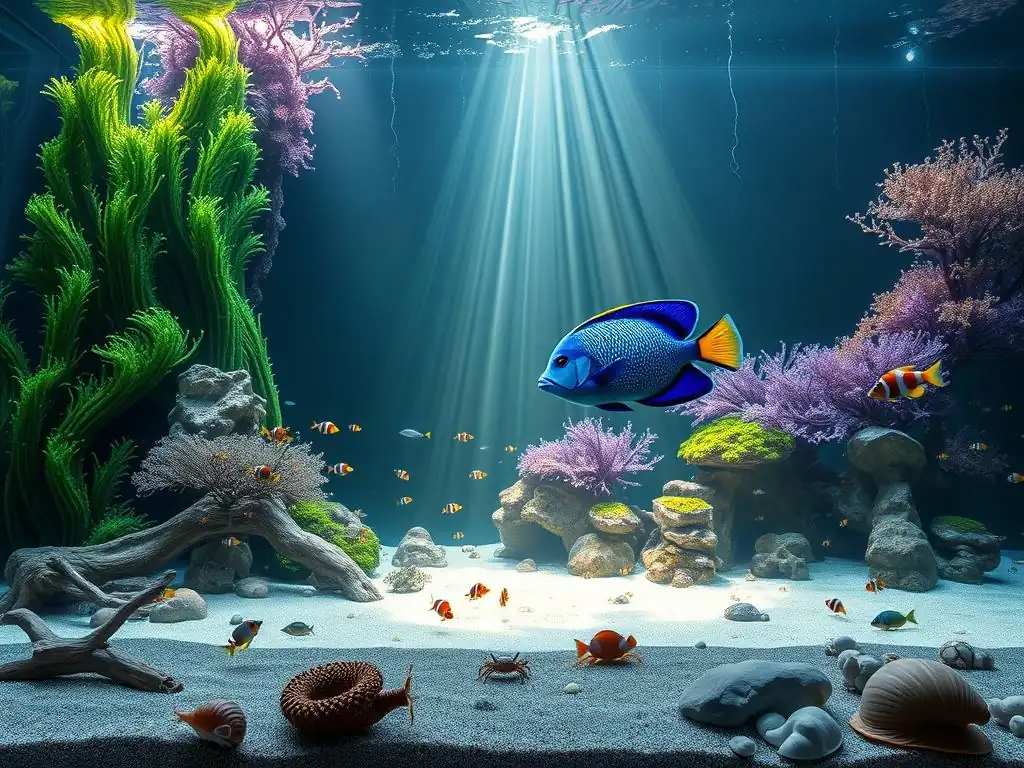
Welcome to Aquarium Mastery!
Dive into the fascinating world of saltwater aquariums, where vibrant ecosystems thrive. Are you ready to unlock the secrets to a healthier, more balanced tank? This article explores the often-overlooked, yet incredibly powerful, saltwater aquarium macroalgae benefits. Prepare to be amazed by how these aquatic plants can transform your aquarium from a simple display into a thriving, self-sustaining masterpiece. Let's begin!
- Beyond Filtration: The Multifaceted Benefits of Macroalgae in Saltwater Reef Aquariums
- Introduction: Harnessing Macroalgae for a Thriving Reef Ecosystem
- The Core Benefit: Natural Nutrient Export via Macroalgae
- Beyond Filtration: Secondary Advantages of Macroalgae in Reef Tanks
- Popular Types of Saltwater Macroalgae and Their Specific Benefits
-
Implementing Macroalgae Effectively: Tips for Success
- Choosing the Right Macroalgae Species for Your Tank Parameters
- Lighting Requirements: Providing Appropriate PAR for Photosynthesis
- Flow and Placement: Optimizing Growth and Nutrient Absorption
- Nutrient Levels: Monitoring and Maintaining Optimal NO3 and PO4
- Harvesting and Pruning: Managing Algae Growth for Optimal Export
- Avoiding Common Pitfalls When Using Macroalgae in Reef Aquariums
- Saltwater Aquarium Macroalgae: A Sustainable Approach to Reef Keeping
- Conclusion: Embrace Macroalgae for a Healthier, More Vibrant Reef Aquarium
-
Frequently Asked Questions
- What are the primary filtration benefits of using macroalgae in a saltwater aquarium?
- How does macroalgae contribute to a healthier ecosystem within a saltwater aquarium?
- What types of saltwater aquarium setups benefit the most from macroalgae?
- Besides filtration, what other aesthetic or practical advantages does macroalgae offer?
- What are some common mistakes to avoid when introducing macroalgae to a saltwater aquarium?
- Final Reflection: Embracing the Green Tide
- Cultivate a Thriving Reef: Your Next Adventure Awaits!
Beyond Filtration: The Multifaceted Benefits of Macroalgae in Saltwater Reef Aquariums
Introduction: Harnessing Macroalgae for a Thriving Reef Ecosystem
Saltwater aquariums, particularly vibrant reef ecosystems, demand meticulous attention to water quality. While mechanical and chemical filtration are cornerstones of successful reef keeping, the often-underestimated power of macroalgae offers a natural, sustainable, and highly effective biological filtration method. Far more than just decorative additions, macroalgae serve as dynamic living filters that contribute profoundly to the stability and health of a marine environment.
Integrating macroalgae into a reef system, typically within a dedicated refugium or sump, introduces a myriad of benefits that extend well beyond simple nutrient removal. These photosynthetic powerhouses naturally process undesirable compounds, foster beneficial microfauna, and even provide a natural food source for various inhabitants, creating a more resilient and balanced ecosystem that mimics natural reef conditions.
The Core Benefit: Natural Nutrient Export via Macroalgae
Nitrate Reduction Through Nitrogen Assimilation in Macroalgae
Macroalgae are exceptionally efficient at absorbing nitrates (NO3) directly from the water column, utilizing them as a primary nitrogen source for growth. This process, known as nitrogen assimilation, converts dissolved, potentially harmful nitrogenous waste into inert algal biomass. Maintaining low nitrate levels is crucial for sensitive reef inhabitants; for instance, while fish may tolerate nitrates up to 20 ppm, many SPS (small polyp stony) corals exhibit reduced growth and diminished coloration at levels consistently above 5-10 ppm. Macroalgae act as a continuous biological sponge, preventing these levels from accumulating.
The efficiency of this nitrate reduction is directly proportional to the macroalgae's growth rate and biomass. A dense, actively growing bed of macroalgae like Chaetomorpha in a 20-gallon refugium, plumbed to a 100-gallon display tank, can realistically reduce nitrate concentrations by 5 to 10 ppm per week, depending on the tank's bioload and feeding regimen. This natural, ongoing removal significantly lessens the reliance on chemical nitrate removers or frequent, large-volume water changes solely for nitrate management, contributing to the many saltwater aquarium macroalgae benefits.
Phosphate Control: Macroalgae's Role in Preventing Nuisance Algae Blooms
Beyond nitrates, macroalgae are also highly effective at absorbing phosphates (PO4), another critical nutrient that fuels their growth. High phosphate levels, even as low as 0.03 ppm for sensitive corals or consistently above 0.1 ppm for general reef tanks, are a notorious trigger for unsightly nuisance algae outbreaks, including green hair algae, bryopsis, and cyanobacteria. Macroalgae directly compete with these undesirable forms for available phosphates, effectively starving them out and preventing their proliferation.
This competitive advantage makes macroalgae an invaluable tool in the fight against nuisance algae. In many reef systems, introducing a thriving macroalgae refugium has been observed to visibly suppress and reduce existing nuisance algae growth within several weeks to months. A healthy patch of Gracilaria or Chaetomorpha can consistently keep phosphate levels below 0.05 ppm in a moderately stocked reef system, providing a sustainable and natural approach to maintaining crystal-clear water and fostering a vibrant, nuisance-algae-free display.
Enhanced Water Clarity: A Holistic Approach to Reef Aquarium Health
Macroalgae contribute significantly to enhanced water clarity, not solely through nutrient removal but also by actively absorbing dissolved organic compounds (DOCs). These organic compounds, if allowed to accumulate, can contribute to a yellowish tint in the water, reducing light penetration and diminishing the aesthetic appeal of the aquarium. As macroalgae grow, they sequester these DOCs into their biomass, leading to a visibly clearer and more vibrant water column.
This holistic approach to water quality means that macroalgae reduce the overall organic load in the system. By keeping nutrient and DOC levels low, they also mitigate the likelihood of bacterial blooms that can cause cloudy water. Many hobbyists report that tanks with robust macroalgae refugiums possess a unique "sparkle" and clarity that can be challenging to achieve with mechanical and chemical filtration alone, highlighting the comprehensive saltwater aquarium macroalgae benefits.
Beyond Filtration: Secondary Advantages of Macroalgae in Reef Tanks
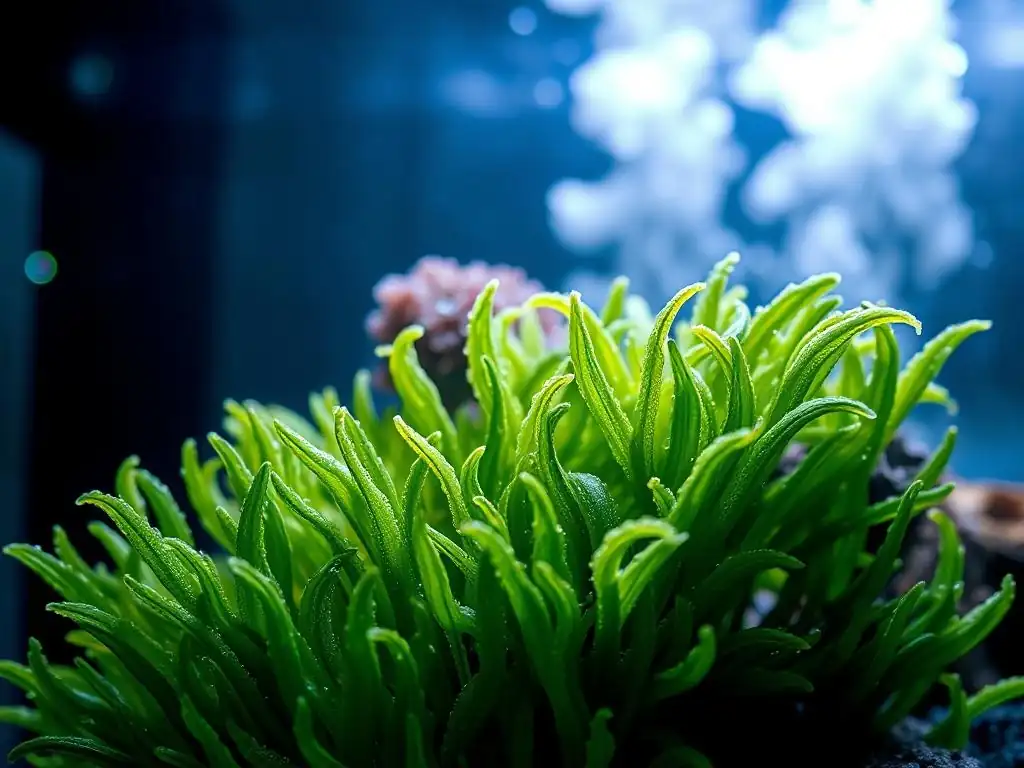
Enhanced Biological Stability in the Marine Environment
The presence of macroalgae significantly contributes to the overall biological stability of a marine aquarium. During their photosynthetic cycle, particularly during the day, macroalgae consume carbon dioxide (CO2) and release oxygen (O2) into the water. This process helps to buffer pH fluctuations, mitigating the natural pH drop that occurs overnight due to respiration from all tank inhabitants. Maintaining a stable pH is vital for the health and calcification of corals and other invertebrates.
Furthermore, the intricate structure of a macroalgae bed provides a vast surface area for the colonization of beneficial nitrifying and denitrifying bacteria. These bacteria are essential for completing the nitrogen cycle, further enhancing the system's ability to process waste. A stable macroalgae population thus fosters a more resilient and robust ecosystem, making the tank less susceptible to sudden shifts in water parameters that can stress or harm sensitive marine life.
Natural Food Source for Tangs, Rabbitfish, and Invertebrates
Many popular herbivorous marine fish, such as Tangs (e.g., Yellow Tang, Zebrasoma flavescens) and Rabbitfish (e.g., Foxface Lo, Siganus vulpinus), naturally graze on macroalgae as a significant part of their diet in the wild. Incorporating edible macroalgae species like Gracilaria or Ulva into a refugium or even the display tank can provide a continuous, natural, and highly nutritious food source. This constant access to fresh vegetation supplements their prepared diets, promoting healthier digestion, vibrant coloration, and overall vitality.
Direct grazing on macroalgae can also alleviate aggression among herbivorous tank mates by providing ample foraging opportunities. For example, a healthy Yellow Tang can consume several grams of fresh macroalgae daily, providing essential vitamins, minerals, and fiber that are often less bioavailable in dried foods. This natural food source contributes significantly to the well-being and natural behaviors of these fish, showcasing another of the saltwater aquarium macroalgae benefits.
Creating a Refuge for Copepods, Amphipods, and Other Microfauna
The dense, intricate structure of macroalgae beds provides an ideal habitat, breeding ground, and protective refuge for a diverse array of beneficial microfauna, including copepods, amphipods, and other small crustaceans. These tiny organisms are crucial components of the reef ecosystem's natural food web, serving as a continuous, live food source for many corals (particularly LPS and soft corals) and small, specialized feeders like Mandarin Dragonets ( Synchiropus splendidus).
A thriving population of copepods and amphipods, often supported by a large ball of Chaetomorpha, can significantly reduce or even eliminate the need for supplemental live food additions for demanding species. For instance, a well-established 30-gallon refugium densely packed with Chaetomorpha can support a copepod population substantial enough to sustain a Mandarin Dragonet for months without additional target feeding, provided the population is allowed to mature and reproduce without excessive predation.
Oxygen Production: Contributing to a Stable pH Environment
Through the process of photosynthesis during the daily light cycle, macroalgae actively produce and release significant amounts of dissolved oxygen (O2) into the aquarium water. This constant oxygenation is critically important for the health and metabolic processes of all aerobic organisms within the tank, including fish, corals, invertebrates, and the beneficial bacteria that drive the nitrogen cycle. Higher dissolved oxygen levels contribute to a more robust and resilient marine environment.
The consumption of carbon dioxide (CO2) during photosynthesis, coupled with the release of oxygen, also directly contributes to raising and stabilizing the water's pH during the photoperiod. While natural diurnal pH swings are normal in reef tanks, a healthy macroalgae bed can help mitigate drastic overnight pH drops, which occur as CO2 accumulates from respiration. A thriving macroalgae system can help maintain a daily pH swing of less than 0.2 pH units, providing greater stability for sensitive reef inhabitants.
Popular Types of Saltwater Macroalgae and Their Specific Benefits
Chaetomorpha (Chaeto): The Efficient Nutrient Export Algae
Chaetomorpha linum, commonly known as Chaeto, is arguably the most popular and widely recommended macroalgae for saltwater refugiums. Its tangled, spaghetti-like structure makes it non-invasive, as it does not attach to rockwork, and it provides an exceptional surface area for the colonization of beneficial bacteria and microfauna. Chaeto's primary advantage lies in its highly efficient and consistent nutrient uptake, particularly for nitrates and phosphates, without the risk of going "sexual" (a process where some algae release spores and die off, releasing stored nutrients).
Chaeto is favored for its ease of maintenance and predictable growth rate. Under optimal lighting and nutrient conditions, a healthy clump of Chaeto can double its biomass in as little as two to four weeks. This rapid, consistent growth necessitates regular harvesting—typically removing 25-50% of the biomass weekly or bi-weekly—to effectively export the absorbed nutrients from the system. A tennis-ball sized clump of Chaeto is often sufficient to begin processing nutrients in a 50-gallon tank, making it a cornerstone for many hobbyists seeking saltwater aquarium macroalgae benefits.
Caulerpa prolifera: Fast Growth and Nutrient Uptake
Caulerpa prolifera is a fast-growing, blade-like macroalgae known for its exceptional efficiency in nutrient uptake. It can rapidly absorb both nitrates and phosphates, making it a powerful tool for aggressive nutrient control in a reef system. Its quick growth rate means it can effectively outcompete undesirable nuisance algae for available nutrients, contributing to a cleaner, healthier display tank.
While highly effective, Caulerpa species, including C. prolifera, are known for their invasive nature; they can send out rhizoids that attach to and spread across rockwork, potentially overgrowing corals if not strictly contained. For this reason, Caulerpa is typically cultivated in dedicated refugiums where its growth can be meticulously managed. Consistent and significant harvesting, often 30-50% every week or two, is crucial to prevent the algae from going "sexual" and releasing stored nutrients back into the water, which can trigger nutrient spikes.
Gracilaria Hayi (Ogo): Palatable and Effective for Nutrient Control
Gracilaria hayi, often referred to as Ogo, is a highly desirable macroalgae due to its striking red coloration and its high palatability to a wide range of herbivorous marine fish. It serves as an excellent dual-purpose macroalgae: a robust nutrient exporter, effectively absorbing nitrates and phosphates, and a continuous, natural food source for tank inhabitants. Its branching, bushy structure also provides excellent shelter and breeding grounds for beneficial microfauna.
Gracilaria grows at a moderate to fast rate and is generally less prone to "going sexual" or sudden die-offs compared to some Caulerpa species, making it a more stable and forgiving choice for many systems. It can be successfully cultured in a refugium or even directly in the display tank if grazing fish are present and managed appropriately. A healthy 10-gallon cluster of Gracilaria can significantly contribute to nutrient export in a 75-gallon reef tank, thriving in moderate flow and lighting conditions.
Ulva lactuca (Sea Lettuce): Effective Nutrient Uptake and Palatability
Ulva lactuca, commonly known as Sea Lettuce, is a thin, leafy green macroalgae characterized by its broad, translucent fronds. It is exceptionally efficient at absorbing nutrients, particularly nitrates, due to its large surface area. Its delicate texture and high nutritional value also make it extremely palatable to a broad spectrum of herbivorous fish and invertebrates, providing a valuable and readily consumed dietary supplement.
Sea Lettuce exhibits rapid growth and can be a prolific nutrient exporter when provided with adequate light and nutrients. It is often cultivated in sumps or refugiums, but its palatability also makes it suitable for placement directly in the display tank for active grazing by fish. Regular harvesting, often every few days to a week, is essential to manage its rapid growth and prevent any decaying matter from releasing nutrients. Its ability to quickly absorb nutrients makes it a strong contender for tanks with higher bioloads or persistent nutrient imbalances.
Implementing Macroalgae Effectively: Tips for Success
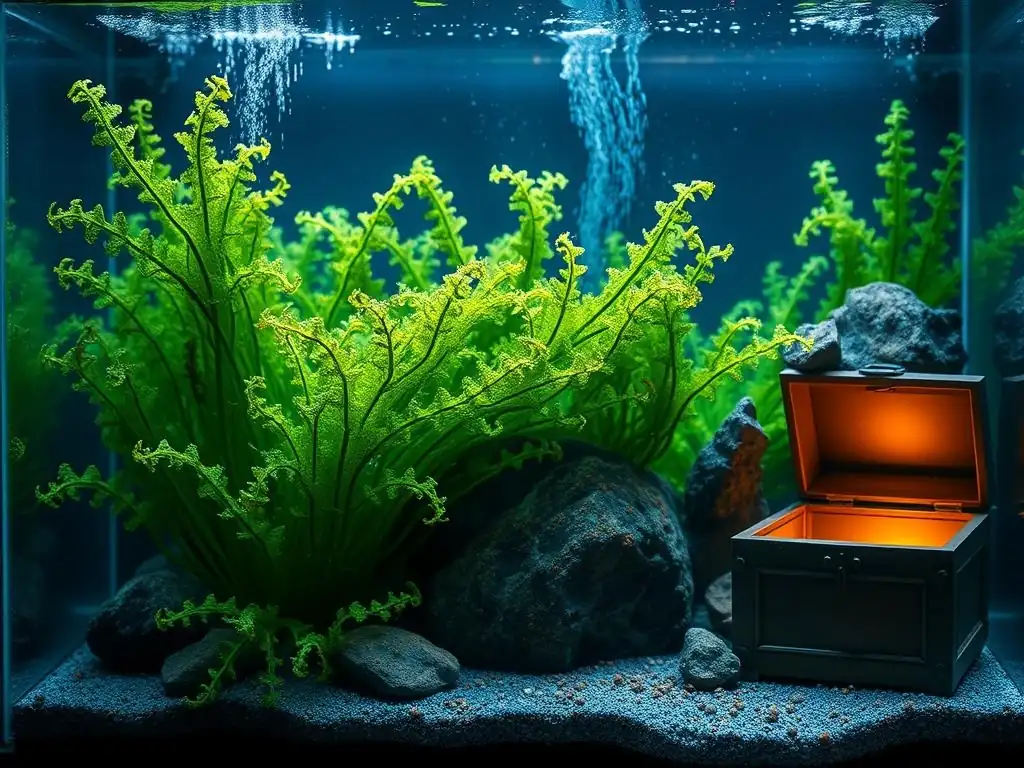
Choosing the Right Macroalgae Species for Your Tank Parameters
Selecting the appropriate macroalgae species is fundamental to achieving the desired saltwater aquarium macroalgae benefits. Your choice should be dictated by your specific tank's nutrient levels, available space (sump, refugium, or display), lighting capabilities, and the presence of herbivorous inhabitants. For instance, beginners often find Chaetomorpha to be an excellent starting point due to its hardiness, non-invasive nature, and ease of maintenance in a standard refugium.
Consider your primary objective: is it aggressive nutrient export, providing a food source for specific fish, or fostering a robust microfauna population? If you have a Tang-heavy tank, Gracilaria might offer dual benefits. For maximum nutrient reduction in a dedicated sump, Caulerpa can be highly effective, provided you are committed to rigorous harvesting. Thoroughly researching the specific growth habits, light requirements, and potential invasiveness of each species is crucial before introduction.
Lighting Requirements: Providing Appropriate PAR for Photosynthesis
Macroalgae, like all photosynthetic organisms, require specific light parameters to grow vigorously and effectively absorb nutrients. Most common refugium macroalgae thrive under a Photosynthetically Active Radiation (PAR) range of 50-150 µmol·m⁻²·s⁻¹, though optimal ranges can vary by species. Refugium lights are typically designed with a spectrum emphasizing red and blue wavelengths (e.g., around 660nm and 450nm) to maximize chlorophyll absorption and promote robust algal growth.
An appropriate photoperiod, often set to run opposite to the display tank's main lighting (e.g., 8-12 hours during the nocturnal cycle), can further enhance tank stability. This "reverse photoperiod" helps to offset the natural pH drop that occurs overnight due to the respiration of tank inhabitants. Insufficient light will lead to stunted growth and poor nutrient uptake, while excessive or improper light can cause rapid die-off if nutrients are depleted too quickly, or even encourage nuisance algae growth.
Flow and Placement: Optimizing Growth and Nutrient Absorption
Optimal water flow is critical for macroalgae health and efficient nutrient absorption. Moderate to high flow ensures that nutrient-rich water is constantly delivered to the surface of the algae, facilitating efficient uptake and preventing the accumulation of detritus within the macroalgae bed. For species like Chaetomorpha, a tumbling motion in a dedicated algae reactor or a designated section of the sump can maximize exposure to nutrients and light, promoting denser growth.
Strategic placement within the sump or refugium is also paramount. Ensure the macroalgae are situated in an area of robust flow, ideally downstream from the main tank's overflow to capture freshly exported nutrients. Avoid placing them directly in the outflow of a protein skimmer, as this can strip beneficial gases and micronutrients essential for macroalgae growth. Some species, like Gracilaria, can be secured to rockwork directly in the display tank if desired and compatible with tank inhabitants.
Nutrient Levels: Monitoring and Maintaining Optimal NO3 and PO4
Regularly testing your aquarium water for nitrates (NO3) and phosphates (PO4) is an indispensable practice for assessing the effectiveness of your macroalgae system and making necessary adjustments to your husbandry. For most reef tanks with sensitive corals, the goal is to maintain very low or undetectable levels (e.g., NO3 below 5 ppm, PO4 below 0.03 ppm). If these nutrient levels remain consistently high despite a healthy macroalgae bed, it may indicate a need for more aggressive harvesting, increased macroalgae biomass, or a reduction in nutrient input (e.g., less feeding).
Conversely, if nutrient levels become excessively low (e.g., NO3 below 0.5 ppm, PO4 below 0.01 ppm), macroalgae growth can stall, potentially leading to a die-off and the release of stored nutrients. In such scenarios, a slight increase in feeding or a reduction in harvesting frequency might be necessary to sustain the macroalgae. Maintaining a delicate balance is key to ensuring continuous, stable saltwater aquarium macroalgae benefits.
Harvesting and Pruning: Managing Algae Growth for Optimal Export
Regular harvesting is arguably the most critical step for maximizing the nutrient export capabilities of macroalgae. As macroalgae photosynthesize and grow, they absorb nitrates and phosphates, locking these undesirable compounds within their biomass. By physically removing a portion of this growth (e.g., 20-50% weekly or bi-weekly for fast-growing species), you are effectively exporting these accumulated nutrients from your aquarium system.
Failure to harvest consistently can lead to the macroalgae becoming nutrient-limited, which can cause stunted growth, or in the case of some species like Caulerpa, trigger a "sexual" event where the algae release spores and rapidly die off. This die-off can unfortunately release all the stored nutrients back into the water, negating their benefit and potentially causing a nutrient spike. For clump-forming species like Chaetomorpha, simply pulling out a portion is effective, while attached species like Gracilaria require pruning with scissors to maintain a healthy, actively growing colony.
Avoiding Common Pitfalls When Using Macroalgae in Reef Aquariums
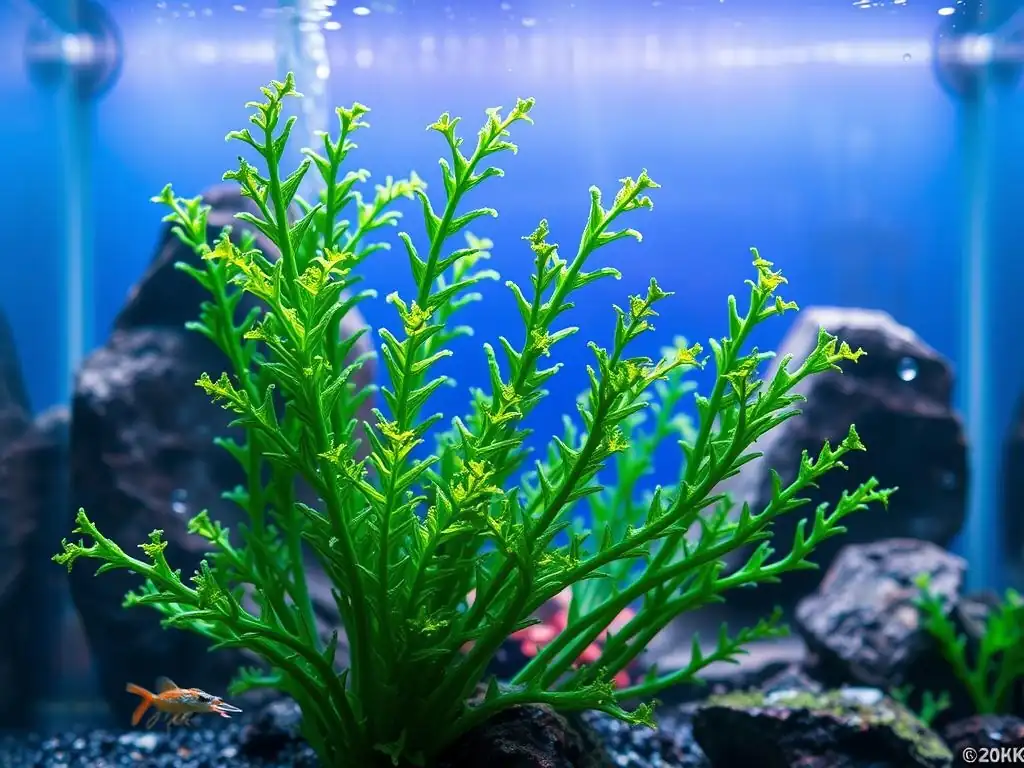
Preventing Algae Outbreaks: Maintaining Nutrient Balance
While macroalgae are powerful tools for nutrient export, they are not a standalone solution for preventing all algae outbreaks. Overfeeding, infrequent water changes, insufficient flow, or neglecting other essential filtration methods can easily overwhelm even the most robust macroalgae system, leading to persistent nuisance algae issues. The primary goal is to achieve and maintain a consistent, low level of nutrients, rather than striving for absolute zero, which can starve beneficial organisms.
Ensure your macroalgae are growing vigorously and not showing signs of stress or stunted growth, which could indicate a lack of essential trace elements or insufficient lighting. If nuisance algae still appear despite a healthy macroalgae refugium, re-evaluate your feeding habits, confirm the purity of your RO/DI water, and consider if your macroalgae biomass is sufficient for your tank's bioload. A balanced and holistic approach to reef husbandry is essential to fully realize saltwater aquarium macroalgae benefits.
Dealing with Macroalgae Die-Off: Identifying and Addressing Causes
Macroalgae die-off can be detrimental to a reef aquarium, as it results in the rapid release of stored nitrates and phosphates back into the water column, potentially causing a significant nutrient spike and subsequent nuisance algae bloom. Common causes include sudden or drastic changes in lighting intensity or photoperiod, prolonged periods of nutrient starvation (if levels drop too low too quickly), extended periods of high water temperature, or a deficiency in essential trace elements like iron or iodine.
If you observe signs of macroalgae decay or die-off, it is crucial to immediately remove any decaying biomass from the system to prevent further nutrient release. Subsequently, test your water parameters thoroughly to identify the underlying cause. If nutrient levels are too low, consider a slight increase in feeding or a reduction in harvesting frequency. If lighting is insufficient, upgrade your refugium light. Swiftly addressing the root cause is paramount to prevent further issues and maintain the desired saltwater aquarium macroalgae benefits.
Compatibility with Tank Inhabitants: Ensuring a Balanced Ecosystem
While many macroalgae are highly beneficial, it's important to consider the compatibility of certain species with your tank inhabitants. Some Caulerpa species, for example, can be highly invasive and spread aggressively into the display tank, potentially overgrowing corals and rockwork if not strictly contained within a dedicated refugium. Even non-invasive types require adequate space within a sump or refugium to thrive without impeding water flow or obstructing equipment.
Furthermore, consider the feeding habits of your tank's inhabitants. Many herbivorous fish, certain crabs, and some snail species will readily graze on desirable macroalgae, potentially consuming your nutrient export system. If your intention is to cultivate macroalgae primarily as a food source, ensure you have sufficient biomass to sustain both the grazing pressure and the nutrient export function. If not, housing your macroalgae in a dedicated, fish-free refugium is often the best strategy to maintain a balanced ecosystem.
Saltwater Aquarium Macroalgae: A Sustainable Approach to Reef Keeping
The integration of macroalgae into a saltwater aquarium represents a highly sustainable and environmentally conscious approach to reef keeping. By leveraging the natural processes of photosynthesis and nutrient assimilation, hobbyists can significantly reduce their reliance on chemical filtration media, which often require frequent replacement and contribute to waste. Macroalgae provide a continuous, self-sustaining method of nutrient export, converting undesirable dissolved compounds into biomass that can be easily removed.
This biological filtration method mimics the natural nutrient cycling processes found on wild coral reefs, contributing to a more stable and resilient captive ecosystem. The cultivation and harvesting of macroalgae offer a practical and eco-friendly alternative, reducing the chemical footprint of aquarium maintenance and fostering a healthier, more balanced marine environment for the long term. Embracing saltwater aquarium macroalgae benefits aligns with responsible and sustainable reef husbandry practices.
Conclusion: Embrace Macroalgae for a Healthier, More Vibrant Reef Aquarium
The extensive benefits of incorporating macroalgae into a saltwater reef aquarium extend far beyond simple nutrient export. From their unparalleled ability to naturally reduce nitrates and phosphates, thereby combating nuisance algae, to their crucial role in enhancing water clarity and stabilizing pH, macroalgae are truly multifaceted assets. They provide natural food sources for herbivorous fish, create vital refugia for beneficial microfauna, and significantly contribute to the overall biological stability of the marine environment.
By understanding the specific benefits of popular macroalgae types like Chaetomorpha, Caulerpa, and Gracilaria, and by implementing effective husbandry practices, hobbyists can unlock the full potential of these photosynthetic powerhouses. While vigilance against common pitfalls like die-off or invasive growth is necessary, the rewards of a macroalgae-rich system—a healthier, more vibrant, and more resilient reef aquarium—are undeniable. Embrace the natural power of saltwater aquarium macroalgae benefits and witness your marine ecosystem thrive.
Frequently Asked Questions
What are the primary filtration benefits of using macroalgae in a saltwater aquarium?
Macroalgae act as a natural filter, consuming excess nutrients like nitrates and phosphates. This helps maintain water quality and reduces the risk of algae blooms. They essentially compete with nuisance algae for resources.
How does macroalgae contribute to a healthier ecosystem within a saltwater aquarium?
Macroalgae provide a natural food source and shelter for small invertebrates. These invertebrates, in turn, become food for fish, creating a more balanced and thriving aquarium ecosystem.
What types of saltwater aquarium setups benefit the most from macroalgae?
Refugiums are specifically designed to house macroalgae and provide ideal conditions for growth. Display tanks with herbivorous fish can also benefit, but grazing needs to be managed.
Besides filtration, what other aesthetic or practical advantages does macroalgae offer?
Macroalgae can add visual appeal and create a more natural-looking aquarium. Some varieties are also known to release beneficial compounds into the water, promoting fish health.
What are some common mistakes to avoid when introducing macroalgae to a saltwater aquarium?
Failing to quarantine new macroalgae can introduce unwanted pests or parasites. Also, providing inadequate lighting or nutrient levels can hinder growth and lead to die-off.
Final Reflection: Embracing the Green Tide
The journey into understanding the saltwater aquarium macroalgae benefits reveals more than just efficient filtration; it unveils a pathway to a healthier, more vibrant, and ecologically balanced ecosystem within our glass boxes. The insights shared throughout this article highlight the profound impact these often-overlooked organisms can have, not only on water quality but also on the overall well-being of the inhabitants within. This understanding is particularly crucial today, as we strive for more sustainable and natural approaches to aquarium keeping.
The influence of macroalgae extends far beyond the practicalities of nutrient control. It represents a shift in perspective, moving away from purely mechanical solutions towards embracing the natural processes that underpin a thriving marine environment. The aesthetic appeal and the provision of shelter and food for various creatures are just the beginning. In nature, nothing exists alone.
- Rachel Carson. This quote perfectly encapsulates the interconnectedness that macroalgae brings to our aquariums, fostering a miniature reef ecosystem where each element supports the others.
Now, it's your turn to cultivate this understanding. Consider the potential of integrating macroalgae into your own saltwater aquarium. Experiment with different species, observe their growth, and witness firsthand the transformative power they possess. Embrace the green tide, and you'll discover a more rewarding and sustainable approach to saltwater aquarium keeping, enriching both your aquarium and your appreciation for the delicate balance of marine life.
Cultivate a Thriving Reef: Your Next Adventure Awaits!
Thank you for diving deep into the world of macroalgae and its incredible benefits for your saltwater aquarium. Now that you're equipped with this knowledge, it's time to transform your aquarium into a vibrant, balanced ecosystem.
Here are a few ways you can take action:
- Start your own macroalgae refugium: Implement a refugium setup within the next month, selecting 2-3 types of algae discussed that best suit your existing aquarium’s needs.
- Explore local aquarium clubs or online forums to trade macroalgae trimmings and support a community of sustainable aquarists.
- Experiment with preparing a small sample of dried macroalgae as a supplementary food for your herbivorous fish, carefully observing their reaction and preferences.
What's one small change you can make today to incorporate the power of macroalgae into your aquarium setup, and how will you track its impact?