
Quarantine Protocol: The First Line of Defense for Healthy, DiseaseFree Tangs

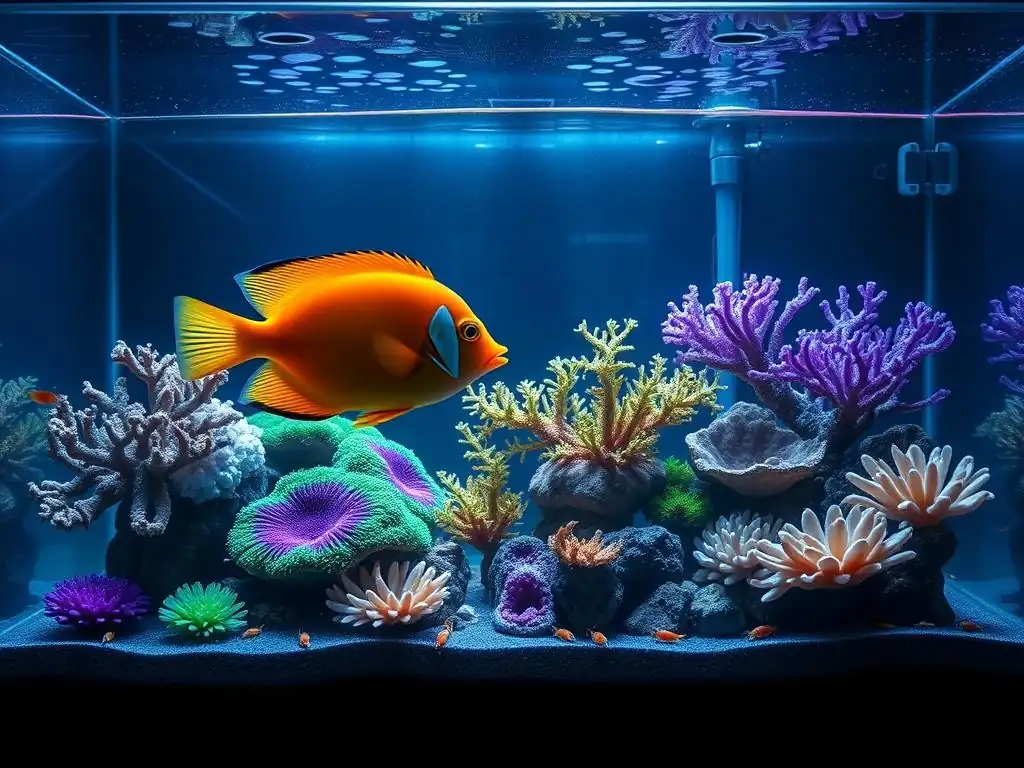
Welcome to Aquarium Mastery!
Ever wonder how to ensure your vibrant Tang thrives in its new home, free from the hidden threats that can plague even the most experienced aquarist? Dive into our comprehensive guide on Healthy Tang Quarantine Protocol Setup. We'll unlock the secrets to a successful quarantine, giving you the knowledge to protect your prized fish and create a thriving, disease-free saltwater aquarium. Ready to safeguard your investment and witness your Tang flourish? Let's get started!
- Quarantine Protocol: The First Line of Defense for Healthy, Disease-Free Fish
- Why a Healthy Fish Quarantine Protocol is Essential for Saltwater Aquariums
- Setting Up Your Fish Quarantine Tank: A Step-by-Step Guide
- The Fish Quarantine Process: A Detailed Walkthrough
- Post-Quarantine Integration: Introducing Your Healthy Fish to the Main Tank
- Troubleshooting Common Quarantine Issues for Fish
- Maintaining a Healthy Fish Quarantine System: Best Practices
- Advanced Quarantine Techniques for Sensitive Fish Species
-
Frequently Asked Questions
- What is the primary benefit of using a quarantine protocol for Tangs?
- How long should I quarantine a new Tang before introducing it to my main aquarium?
- What key elements should be included in a quarantine tank setup for Tangs?
- What are some common diseases Tangs are susceptible to, and how can quarantine help?
- Why is a dedicated quarantine tank preferred over treating the main display tank directly?
- Final Reflection: Safeguarding the Reef's Jewels
- Empower Your Tank: Secure Your Tangs' Health!
Quarantine Protocol: The First Line of Defense for Healthy, Disease-Free Fish
Why a Healthy Fish Quarantine Protocol is Essential for Saltwater Aquariums
Protecting Your Existing Fish Population with Quarantine
Implementing a robust healthy fish quarantine protocol setup is the single most effective measure an aquarist can take to safeguard their established marine ecosystem. When new fish, even seemingly healthy ones, are introduced directly into a main display tank, they carry the significant risk of introducing pathogens that can devastate an entire existing fish population.
These pathogens, ranging from parasitic protozoa like Cryptocaryon irritans (marine Ich) to bacterial infections, can rapidly spread through a confined environment, leading to widespread illness and potentially mass fatalities. The stress of capture and transport often weakens a fish's immune system, making it more susceptible to developing active infections once in a new tank.
The financial and emotional toll of a disease outbreak in a main display tank is substantial. Treating an entire large reef system for parasitic infections, for example, often requires the removal of sensitive invertebrates and corals, which can be a complex and stressful process.
Medications can impact beneficial bacteria, leading to ammonia spikes, and some treatments are outright harmful to invertebrates. A proper healthy tang quarantine protocol setup, therefore, acts as an impenetrable barrier, confining any potential diseases to a smaller, more manageable environment where they can be observed and treated without jeopardizing years of investment and care in the main aquarium.
Preventing Disease Introduction: The Importance of Isolation
The primary goal of a healthy fish quarantine protocol setup is to prevent the introduction of diseases into your established saltwater aquarium. Many common marine fish diseases, such as Marine Velvet ( Amyloodinium ocellatum), Brooklynella ( Brooklynella hostilis), and Ich, have a free-swimming stage that can easily infect every susceptible fish in a main tank.
A newly acquired fish might appear perfectly healthy, but it could be a carrier of these pathogens, shedding them into the water without showing any outward symptoms for days or even weeks. This subclinical infection can then explode into a full-blown outbreak once the fish is stressed or its immune system is compromised.
By isolating new fish in a separate quarantine tank, you create a controlled environment where any latent diseases can manifest. This isolation period allows you to observe the fish closely for signs of illness and, if necessary, administer targeted treatments without affecting the delicate balance of your main display.
For example, a new Yellow Tang that has undergone a thorough healthy tang quarantine protocol setup might reveal a hidden Ich infestation after a week, which can then be treated with copper in the quarantine tank, preventing the parasite from ever reaching your prized clownfish or angelfish in the main system. This proactive approach significantly reduces the risk of widespread epidemics, saving you considerable time, money, and heartache.
Ensuring Long-Term Fish Health and Well-being
Beyond disease prevention, a well-executed healthy fish quarantine protocol setup contributes significantly to the long-term health and well-being of your aquatic inhabitants. The journey from collection to your local fish store, and then to your home, is incredibly stressful for fish. They endure crowded conditions, fluctuating water parameters, and often go without food for extended periods. A quarantine tank provides a calm, stable environment where new arrivals can recover from this stress, regain their strength, and acclimate to captivity without the added pressure of competing with established tank mates or navigating a complex reef structure.
During the quarantine period, fish can be observed for proper feeding habits, monitored for any signs of nutritional deficiencies, and slowly introduced to a varied and healthy diet. This period also allows for proactive deworming or treatment for external parasites that might not cause immediate symptoms but can weaken the fish over time. A tang that emerges from a comprehensive healthy tang quarantine protocol setup is not just disease-free; it is also physically stronger, mentally less stressed, and better prepared to thrive in its new permanent home, leading to a significantly longer and healthier life span in your aquarium.
Setting Up Your Fish Quarantine Tank: A Step-by-Step Guide
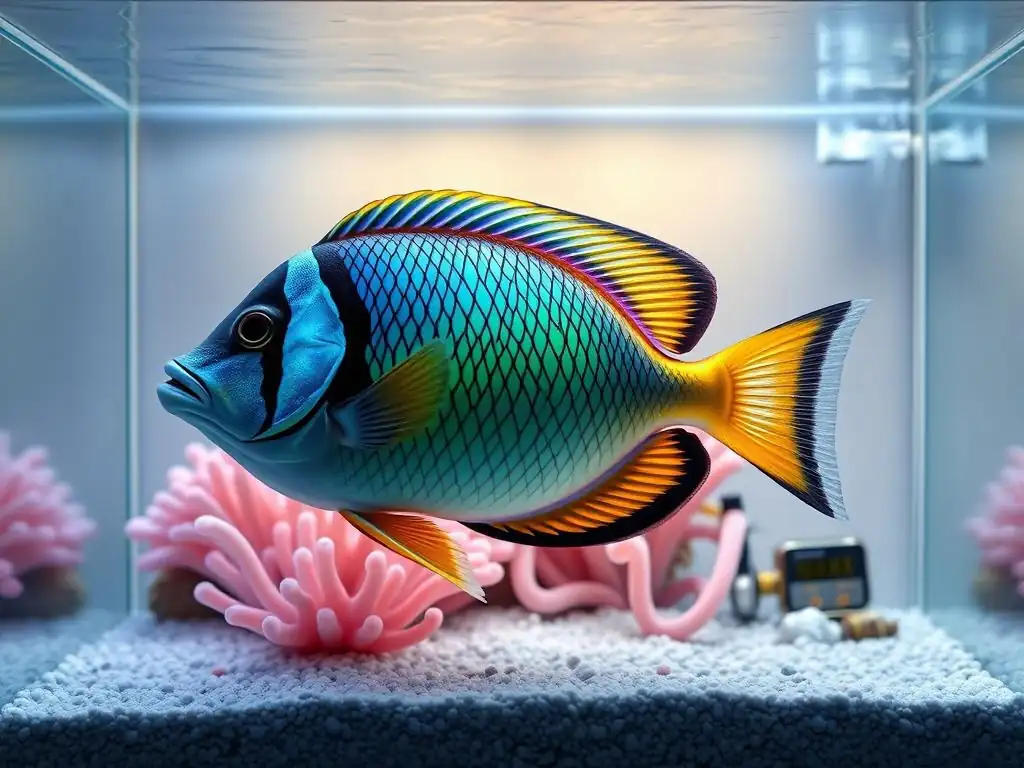
Choosing the Right Quarantine Tank Size for Fish
Selecting the appropriate size for your quarantine tank is a critical first step in a successful healthy fish quarantine protocol setup. While a quarantine tank doesn't need to be as large as a main display, it must be spacious enough to allow the fish to swim comfortably, reduce stress, and prevent aggression if multiple fish are quarantined together.
For most smaller to medium-sized marine fish, such as a single Yellow Tang or a pair of Clownfish, a 10-gallon to 20-gallon aquarium is often sufficient. However, for larger species, like a Naso Tang or multiple juvenile fish, a 30-gallon or even a 40-gallon breeder tank would be more appropriate to provide adequate swimming room and maintain stable water quality during the healthy tang quarantine protocol setup.
It's generally recommended to use a bare-bottom aquarium for quarantine. This simplifies cleaning, allows for easy observation of waste and parasites, and prevents the trapping of medications or pathogens in a substrate. The tank should be dedicated solely to quarantine purposes to avoid cross-contamination. Having a slightly oversized tank for your intended fish can also provide a buffer against rapid water parameter changes, which is beneficial when performing treatments or frequent water changes as part of a healthy fish quarantine protocol setup.
Essential Equipment for a Fish Quarantine System
A successful healthy fish quarantine protocol setup relies on a few key pieces of equipment to maintain optimal conditions and facilitate observation and treatment.
Heater and Thermostat for Stable Temperature
Maintaining a stable water temperature is paramount for reducing stress and ensuring the efficacy of many treatments in a fish quarantine system. A reliable submersible heater, paired with an accurate thermostat, is essential. For most marine fish, including tangs, a temperature range of 78-80°F (25.5-26.7°C) is ideal.
Fluctuations in temperature can weaken a fish's immune system, making it more susceptible to illness and hindering its recovery. It's advisable to use a heater with sufficient wattage for the tank size (e.g., 50-75 watts for a 10-20 gallon tank) and to consider a secondary thermometer to verify the thermostat's reading, ensuring precise temperature control throughout the healthy tang quarantine protocol setup.
Filtration System: Sponge Filter vs. Protein Skimmer
For filtration in a quarantine tank, simplicity and effectiveness are key. A sponge filter, driven by an air pump, is an excellent choice.
It provides both mechanical filtration (trapping particulate matter) and biological filtration (housing beneficial bacteria that convert ammonia and nitrite). Sponge filters are inexpensive, easy to clean, and crucially, they do not remove medications from the water, which is a common issue with carbon-based filters or protein skimmers.
For larger quarantine tanks or when dealing with fish that produce a lot of waste, a small hang-on-back (HOB) filter with bio-media (like ceramic rings) and minimal mechanical media can also be used, provided carbon is removed during medication. While protein skimmers are highly effective at removing organic waste, they can also strip certain medications from the water column, making them less ideal for a healthy fish quarantine protocol setup unless careful consideration is given to the type of medication used.
Lighting: Providing a Natural Day/Night Cycle
Simple lighting is sufficient for a quarantine tank. A small LED or fluorescent fixture that provides a natural day/night cycle (typically 8-10 hours of light per day) is adequate. The primary purpose of lighting in a quarantine tank is to allow for easy observation of the fish and its behavior, as well as to establish a natural routine that reduces stress.
Intense or specialized lighting, like that used for corals, is unnecessary and can even be detrimental by causing undue stress to a fish already under duress. Soft, ambient lighting helps fish settle in and makes it easier to spot subtle changes in coloration, breathing, or the appearance of parasites during the daily checks of your healthy fish quarantine protocol setup.
Substrate: Bare Bottom for Easy Cleaning
A bare-bottom quarantine tank is highly recommended for optimal healthy fish quarantine protocol setup. Unlike a display tank, a quarantine tank should not have any sand, gravel, or decorative rocks that could trap detritus, parasites, or medications. A bare bottom allows for extremely easy cleaning and siphoning of waste, which is crucial for maintaining pristine water quality.
It also makes it much simpler to observe the fish for any parasites that might fall off their bodies, such as Ich trophonts, or to spot uneaten food quickly. Furthermore, porous substrates can absorb certain medications, making it difficult to maintain therapeutic levels and potentially requiring higher doses, which can be stressful for the fish. The simplicity of a bare bottom design significantly enhances the effectiveness and ease of managing a healthy tang quarantine protocol setup.
Water Parameters for Fish Quarantine: Maintaining Optimal Conditions
Maintaining stable and appropriate water parameters is fundamental to the success of any healthy fish quarantine protocol setup, as it directly impacts the fish's immune system and ability to recover.
Salinity Levels for Fish in Quarantine
For most marine fish, the salinity in the quarantine tank should match that of the main display tank, typically around 1.025-1.026 specific gravity (SG) or 35 parts per thousand (ppt). This consistency minimizes osmotic stress when fish are eventually transferred. However, some specific treatment protocols, such as hyposalinity for Ich, involve intentionally lowering the salinity.
If such a treatment is planned, the salinity reduction must be gradual (e.g., 0.001-0.002 SG per day) to avoid shocking the fish. Regardless of the target, stability is paramount. Frequent testing with a calibrated refractometer is essential to ensure the salinity remains constant throughout the healthy fish quarantine protocol setup.
Ammonia, Nitrite, and Nitrate Management
Managing nitrogenous waste is critical in a small, potentially uncycled quarantine tank. Ammonia and nitrite are highly toxic to fish, even at low concentrations, causing gill damage and stress. Nitrate is less toxic but should still be kept low. Daily testing for ammonia and nitrite is non-negotiable.
Since a quarantine tank may not have a fully established biological filter, frequent small water changes (e.g., 25% daily or every other day) are often necessary to keep these levels at zero. Using an ammonia-neutralizing product like Seachem Prime can provide temporary relief, but it's important to ensure compatibility with any medications being used. For a robust healthy tang quarantine protocol setup, it's ideal to seed the quarantine filter with beneficial bacteria from an established tank or use a bacterial supplement to help establish a cycle quickly, though this can be challenging with certain medications.
pH and Alkalinity in the Quarantine Tank
While ammonia and nitrite are immediate concerns, pH and alkalinity (dKH) also play a role in overall fish health during quarantine. The pH should be maintained within the standard marine range of 8.0-8.4, and alkalinity between 7-12 dKH. These parameters contribute to the stability of the water chemistry and the fish's physiological well-being.
Regular water changes, using properly mixed saltwater, are typically sufficient to maintain stable pH and alkalinity. Significant deviations can cause stress, impacting the fish's ability to fight off disease or recover from treatments. Monitoring these parameters periodically, perhaps every few days, as part of your healthy fish quarantine protocol setup, helps ensure a consistently healthy environment.
The Fish Quarantine Process: A Detailed Walkthrough
Acclimation to the Quarantine Tank: Minimizing Stress
The successful start of a healthy fish quarantine protocol setup begins with proper acclimation to the quarantine tank. Upon arrival, the fish has already endured significant stress from shipping. The goal is to minimize further shock.
The drip acclimation method is highly recommended: slowly drip water from the quarantine tank into the fish's transport bag or container over 30-60 minutes until the water volume has tripled or quadrupled. This gradual process allows the fish to slowly adjust to the new temperature, salinity, and pH. During acclimation, keep the lights in the quarantine room dim or off to reduce visual stress.
Once acclimated, gently net the fish and place it into the quarantine tank, discarding the bag water to prevent the introduction of any pathogens from the shipping water. Providing a few PVC pipes or inert plastic decor for hiding spots immediately can also help the fish feel secure and reduce initial stress, which is vital for any healthy tang quarantine protocol setup.
Observation Period: Monitoring for Signs of Disease
The observation period is the cornerstone of any healthy fish quarantine protocol setup. A minimum of 4-6 weeks is generally recommended for most marine fish, with some aquarists extending this to 8 weeks for species highly susceptible to Ich or Velvet, such as tangs. During this time, the fish should be observed daily, several times a day, for any subtle changes in appearance or behavior.
Look for specific symptoms of common diseases and any general signs of distress. This vigilant monitoring allows for early detection and prompt treatment, which significantly increases the chances of a successful outcome for your healthy tang quarantine protocol setup.
Identifying Common Fish Diseases: Ich, Marine Velvet, Brooklynella
Knowledge of common saltwater fish diseases is crucial for effective observation. Cryptocaryon irritans, or marine Ich, manifests as small, white, salt-grain-like spots on the body and fins, often accompanied by flashing or scratching against tank surfaces. Marine Velvet ( Amyloodinium ocellatum) presents as a fine, dusty, yellowish-brown coating, often with rapid breathing and lethargy.
It is highly contagious and progresses quickly. Brooklynella ( Brooklynella hostilis), common in clownfish but affecting other species, appears as white patches or excessive slime coat, often leading to rapid breathing and listlessness. Recognizing these distinct symptoms early is vital for initiating the correct treatment under your healthy fish quarantine protocol setup.
Recognizing Behavioral Changes Indicative of Illness
Beyond visible lesions, behavioral changes are often the first indicators of illness. A healthy fish is typically active, alert, and curious. Signs of distress or disease include lethargy, spending excessive time at the bottom or surface, rapid or labored breathing (gilling), clamped fins, loss of appetite, abnormal swimming patterns (e.g., erratic swimming, spiraling), or constant flashing/scratching against objects.
Changes in coloration, such as darkening or paling, can also signal stress or illness. Any deviation from normal behavior warrants closer inspection and potentially immediate action within your healthy fish quarantine protocol setup. Early recognition of these subtle cues can make the difference between a minor issue and a full-blown crisis.
Treatment Protocols for Fish Diseases in Quarantine
Should disease be detected during the observation period, the quarantine tank becomes a treatment facility. Having a plan for common ailments is part of a robust healthy fish quarantine protocol setup.
Copper Treatment for Parasitic Infections
Copper-based medications are highly effective against external parasites like Ich and Marine Velvet, which are prevalent issues for new tangs. Products like Cupramine or Coppersafe are commonly used. The therapeutic range for most copper treatments is generally between 0.5-0.75 ppm (parts per million).
It is absolutely critical to use a reliable copper test kit daily to monitor and maintain the correct concentration, as too little copper will be ineffective, and too much can be lethal. Treatment typically lasts for a minimum of 30 days to ensure all life stages of the parasite are eradicated, even if symptoms disappear earlier. Tangs, while generally tolerant, should be monitored closely for any signs of stress during copper treatment in their healthy tang quarantine protocol setup.
Hyposalinity Treatment: When and How to Use It
Hyposalinity involves gradually reducing the salinity of the quarantine water to a specific gravity of 1.008-1.009. This low salinity level disrupts the osmotic balance of many saltwater parasites, such as Ich, causing them to swell and burst, while healthy fish can tolerate it for a limited period. This method is an alternative to copper for sensitive fish species or those that react poorly to medications.
The reduction must be slow, typically over 24-48 hours, and maintaining a stable low salinity is crucial. However, hyposalinity is not effective against all parasites (e.g., Marine Velvet) and can be stressful for some fish, particularly tangs if not managed carefully. It's essential to research if your specific fish species can tolerate hyposalinity before initiating this treatment as part of your healthy fish quarantine protocol setup.
Antibiotic Treatments for Bacterial Infections: Maracyn, Kanaplex
Bacterial infections, such as fin rot, cloudy eyes, or body sores, require antibiotic treatments. Common broad-spectrum antibiotics for aquarium use include Maracyn (Erythromycin) and Kanaplex (Kanamycin). These medications should only be used when a bacterial infection is strongly suspected, as their overuse can lead to antibiotic resistance and harm beneficial bacteria.
Follow the manufacturer's instructions precisely for dosage and duration. Be aware that some antibiotics can negatively impact biological filtration, so increased water changes and diligent monitoring of ammonia and nitrite are necessary during treatment. Always remove activated carbon before administering antibiotics in your healthy fish quarantine protocol setup, as it will absorb the medication.
Feeding Your Fish During Quarantine: Ensuring Proper Nutrition
Proper nutrition is a cornerstone of a successful healthy fish quarantine protocol setup, aiding in recovery from stress, boosting the immune system, and promoting overall vitality.
Offering a Variety of Appropriate Foods
During quarantine, it's crucial to offer a diverse diet that meets the specific nutritional needs of the fish. For tangs, which are primarily herbivores, this means a consistent supply of marine algae, such as dried nori sheets (often clipped to the side of the tank), spirulina flakes, and specialized herbivore pellets. Supplement this with high-quality frozen foods like mysis shrimp, brine shrimp (enriched), and finely chopped seafood for omnivorous or carnivorous species.
A varied diet ensures the fish receives all necessary vitamins and minerals, promoting a strong immune system capable of fighting off potential pathogens. Offering a wide range of foods also helps entice picky eaters and encourages the fish to feed confidently.
Supplementing with Vitamins and Minerals (e.g., Selcon)
To further bolster the fish's health and recovery, especially after the stress of shipping or during treatment, supplementing their food with vitamins and minerals is highly beneficial. Products like Selcon (highly concentrated fatty acids and vitamins) or Vita-Chem can be soaked into frozen or dry foods a few times a week.
These supplements provide essential nutrients that might be lacking in a basic diet and help to improve coloration, boost immune function, and aid in tissue repair. This additional nutritional support is a critical component of a comprehensive healthy tang quarantine protocol setup, helping the fish regain optimal health before introduction to the main display.
Monitoring Feeding Habits and Adjusting as Needed
Closely observing your fish's feeding habits during quarantine is as important as the food itself. A healthy appetite is a strong indicator of well-being. Offer small amounts of food multiple times a day rather than one large feeding, as this helps maintain water quality and encourages consistent feeding. If a fish is not eating, try different food types, sizes, or presentation methods.
Uneaten food should be siphoned out promptly to prevent ammonia spikes. Adjust the quantity of food based on consumption to avoid overfeeding and subsequent water quality issues. Consistent monitoring and adjustment ensure the fish receives adequate nutrition without compromising the pristine water conditions necessary for a successful healthy fish quarantine protocol setup.
Post-Quarantine Integration: Introducing Your Healthy Fish to the Main Tank
After successfully completing a rigorous healthy fish quarantine protocol setup, the final step is to carefully introduce your new, healthy fish to its permanent home in the main display tank. This transition, if not handled properly, can still induce stress and potentially lead to new health issues.
Gradual Acclimation to Main Tank Parameters
Even though the quarantine tank parameters were meticulously maintained, there might be subtle differences between the QT and the main tank. To minimize shock, a gradual acclimation process is crucial. The most effective method is drip acclimation, where water from the main display tank is slowly dripped into the fish's temporary container (e.g., a bucket or acclimation box) at a rate of 1-2 drips per second.
This process should ideally take 1-2 hours, allowing the fish to slowly adjust to the main tank's specific gravity, temperature, and pH. Once acclimated, gently net the fish and introduce it to the main tank, discarding the acclimation water to prevent any residual pathogens or medications from entering your established system.
Observation Period in the Main Tank
While the healthy tang quarantine protocol setup has significantly reduced the risk of disease, the initial days in the main tank are still a critical observation period. New fish may experience stress from the change in environment, the presence of new tank mates, and the sheer size of the new space. Continue to observe the fish closely for any signs of stress, such as hiding excessively, rapid breathing, clamped fins, or refusal to eat.
Also, monitor for any signs of aggression from existing tank mates. This post-quarantine observation helps ensure a smooth transition and allows for prompt intervention if any issues arise, solidifying the success of your comprehensive quarantine efforts.
Minimizing Stress During Introduction: Using an Acclimation Box
For certain fish, especially those prone to aggression or those being introduced into an established community, using an acclimation box can be highly beneficial. An acclimation box is a clear, perforated container that floats in the main tank. It allows the new fish to gradually become accustomed to the main tank's environment, its inhabitants, and the social dynamics without direct interaction.
This reduces immediate stress and aggression from established fish, giving the new arrival time to settle in and observe its surroundings safely. For a new tang, an acclimation box can be particularly useful as tangs can sometimes be bullied by existing tangs or aggressive species. After a few days (or up to a week) in the acclimation box, the fish can be released into the main tank, often integrating more smoothly.
Troubleshooting Common Quarantine Issues for Fish
Even with a meticulous healthy fish quarantine protocol setup, issues can arise. Knowing how to troubleshoot common problems ensures the process remains effective.
Dealing with Ammonia Spikes in the Quarantine Tank
Ammonia spikes are a frequent challenge in uncycled or newly set up quarantine tanks, especially with larger or multiple fish. Since ammonia is highly toxic, prompt action is essential. The primary solution is performing daily or even twice-daily partial water changes (25-50%) using freshly mixed, properly conditioned saltwater. This physically removes ammonia from the water.
Ammonia-neutralizing products like Seachem Prime can provide temporary relief by detoxifying ammonia and nitrite, but they do not remove them from the system. For a more robust healthy fish quarantine protocol setup, consider seeding the quarantine filter with a small piece of established bio-media from a healthy, disease-free main tank or using a high-quality bacterial supplement to help establish a biological filter more quickly. Always verify compatibility with any medications being used.
Addressing Fin Rot and Other Secondary Infections
Fin rot, cloudy eyes, and other secondary bacterial infections often manifest in stressed fish or those recovering from parasitic infestations. These are typically opportunistic infections that take hold when a fish's immune system is compromised. The first line of defense is always to improve water quality through diligent water changes and ensure stable parameters. If the infection is mild, pristine water conditions and good nutrition may be enough for the fish to recover.
However, if the infection is progressing, broad-spectrum antibiotic treatments like Maracyn or Furan-2 may be necessary. Always follow the medication instructions carefully and monitor the fish closely. Ensuring a clean environment and reducing stressors are key to preventing and treating these issues during a healthy tang quarantine protocol setup.
Managing Aggression During Quarantine
Aggression can occur in a quarantine tank, particularly if multiple fish are housed together or if a fish is highly territorial. Signs include chasing, nipping, or bullying, which can lead to stress, injuries, and secondary infections. If aggression becomes a significant problem, consider adding more inert hiding spots (PVC pipes, plastic plants) to break up lines of sight and provide refuge.
If aggression persists and is causing harm, the best solution is often to separate the aggressive fish into its own individual quarantine tank or use a tank divider to create distinct territories. For a successful healthy tang quarantine protocol setup, ensuring adequate space and minimizing social stress is paramount for the well-being of all quarantined fish.
Maintaining a Healthy Fish Quarantine System: Best Practices
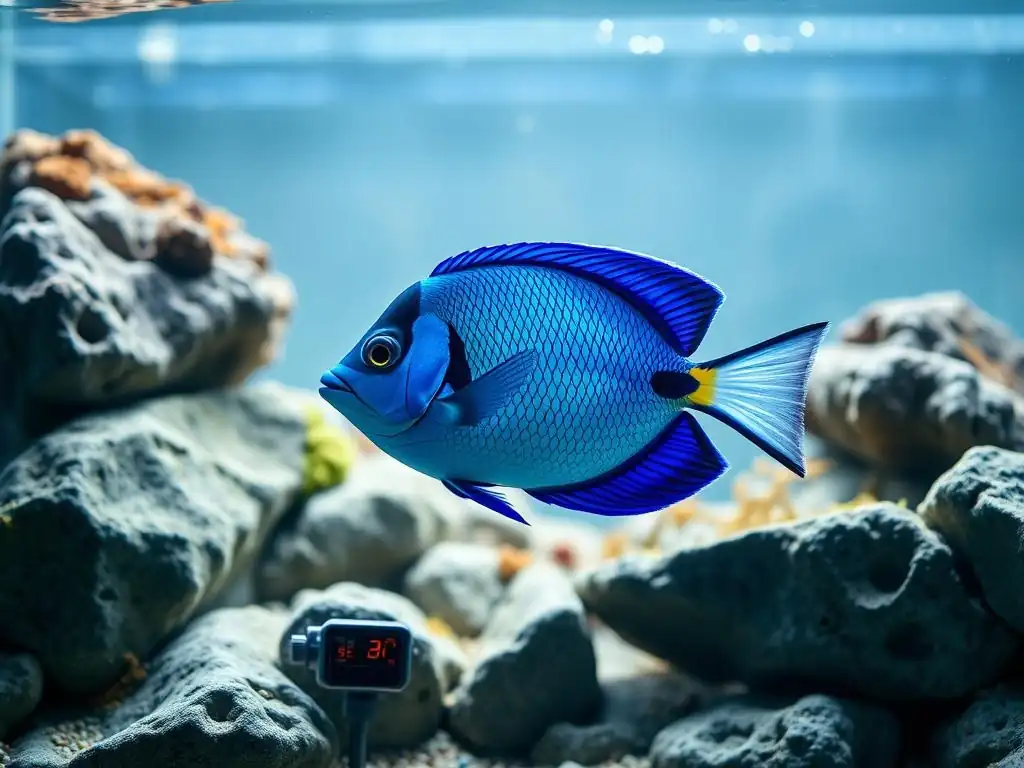
A well-maintained quarantine system is crucial for the success of any healthy fish quarantine protocol setup. Consistency and cleanliness are key.
Regular Water Changes and Testing
Regular water changes are the backbone of maintaining pristine water quality in a quarantine tank, especially since biological filtration might be limited or impacted by medications. Performing daily or every-other-day partial water changes (25-50%) helps to dilute and remove accumulated waste, toxins (ammonia, nitrite, nitrate), and any residual medications. Simultaneously, daily testing for ammonia, nitrite, and nitrate is non-negotiable, along with periodic checks for pH and salinity. This diligent testing allows for immediate corrective action if parameters begin to drift, ensuring a stable and healthy environment for the fish throughout the entire healthy tang quarantine protocol setup.
Cleaning and Disinfecting Quarantine Equipment
After each quarantine cycle, thorough cleaning and disinfection of all equipment are essential to prevent cross-contamination. Never use soaps or detergents, as their residues are toxic to fish. Instead, a dilute bleach solution (e.g., 1 part bleach to 9 parts water) or white vinegar can be used to soak the tank, filters, heaters, and tubing.
After soaking, rinse all equipment meticulously with fresh water, then allow it to air dry completely. For bleach-treated items, a final soak in a dechlorinator solution (like Seachem Prime) is recommended to neutralize any remaining chlorine. Proper disinfection ensures that no pathogens from a previous occupant are transferred to the next, maintaining the integrity of your healthy fish quarantine protocol setup.
Record Keeping: Tracking Treatments and Observations
Detailed record keeping is an often-overlooked but invaluable best practice for any healthy fish quarantine protocol setup. Maintain a logbook or digital file for each quarantined fish. Record the date of arrival, species, initial observations, and any significant behavioral changes.
Document all water parameter readings (ammonia, nitrite, nitrate, pH, salinity), the type and quantity of food offered, and, crucially, any medications administered. For treatments, note the medication name, dosage, start and end dates, and the fish's response. This meticulous record helps track progress, informs future decisions, and serves as a valuable reference for improving your healthy tang quarantine protocol setup over time, providing insights into what works best for different species or conditions.
Advanced Quarantine Techniques for Sensitive Fish Species
While the standard healthy fish quarantine protocol setup is effective for many species, some delicate or specialized fish require more nuanced approaches.
Alternative Treatment Options for Delicate Fish
Certain fish species, such as some wrasses, clownfish, or mandarins, can be highly sensitive to traditional copper-based medications. For these delicate species, alternative treatment options become crucial. Formalin dips (short-term, highly concentrated baths) can be used for severe external parasitic infestations but require careful timing and observation. Praziquantel-based medications (e.g., PraziPro) are effective against internal and external flukes and some worms and are generally much gentler on fish.
Chloroquine Phosphate is another broad-spectrum anti-parasitic that can be used in the quarantine tank and is often better tolerated by copper-sensitive species. For a healthy tang quarantine protocol setup involving a sensitive tang, exploring these alternatives or using them in conjunction with extended observation periods can significantly improve outcomes. UV sterilizers, while not a standalone treatment, can help reduce the number of free-swimming parasites in the water column, complementing other treatments.
Specialized Quarantine Protocols for Specific Fish Species (e.g., Copper Sensitivity)
Beyond general alternatives, some species benefit from highly specialized healthy fish quarantine protocol setups. For instance, while many tangs tolerate copper well, some individuals or specific species (like some surgeonfish) might show signs of stress at standard therapeutic levels.
In such cases, a lower copper concentration might be used for an extended period, or a different treatment like Chloroquine Phosphate might be preferred. For obligate feeders like Mandarins or Dragonets, the quarantine tank must be established with a stable population of copepods and amphipods to ensure they have a constant food source, as they often refuse prepared foods.
Prophylactic treatments for internal parasites, using medications like Metronidazole or Praziquantel, might be incorporated into the healthy fish quarantine protocol setup for species known to commonly harbor these parasites upon import, even if no symptoms are immediately visible. Tailoring the protocol to the specific needs and sensitivities of the fish species is key to maximizing success.
Frequently Asked Questions
What is the primary benefit of using a quarantine protocol for Tangs?
A quarantine protocol is crucial for preventing the introduction of diseases and parasites into your main display tank. This helps to ensure the long-term health of your existing fish population.
How long should I quarantine a new Tang before introducing it to my main aquarium?
The recommended quarantine period is generally 4-6 weeks. This allows sufficient time to observe the Tang for any signs of illness and administer appropriate treatment if needed.
What key elements should be included in a quarantine tank setup for Tangs?
A quarantine tank should include a stable biological filter, appropriate water parameters for Tangs (temperature, salinity, pH), and hiding places to reduce stress.
What are some common diseases Tangs are susceptible to, and how can quarantine help?
Tangs are often susceptible to Ich (white spot disease) and marine velvet. Quarantine allows for early detection and targeted treatment before these diseases spread to the main tank.
Why is a dedicated quarantine tank preferred over treating the main display tank directly?
Treating the main display tank can disrupt the established biological balance and harm invertebrates or sensitive corals. A dedicated quarantine tank allows for focused treatment without risking the health of the entire ecosystem.
Final Reflection: Safeguarding the Reef's Jewels
The principles outlined in this article, detailing a healthy tang quarantine protocol setup, are more critical now than ever. The increasing interconnectedness of the global aquarium trade means that diseases can spread rapidly, devastating entire reef ecosystems, both in our tanks and in the wild. A proactive approach to quarantine isn't just best practice; it's a vital responsibility for every aquarist committed to the health and longevity of these magnificent creatures.
This journey into quarantine protocols has profoundly impacted my own understanding of responsible reef keeping. It's shifted my perspective from simply acquiring beautiful fish to actively participating in their well-being and the overall health of the aquatic environment. The dedication and patience required for a proper quarantine period are a testament to the respect we should have for these complex animals. The greatness of a nation and its moral progress can be judged by the way its animals are treated.
- Mahatma Gandhi. This quote, while broader in scope, resonates deeply with the ethical considerations inherent in keeping any animal, especially those as vulnerable as tangs.
As you close this article, I invite you to reflect on your own role in preserving the health of our reefs. Consider how you can implement or refine your quarantine procedures, not just for the benefit of your own tank, but as a contribution to the wider reef keeping community and the delicate ecosystems we strive to emulate. Embrace the challenge of creating a truly healthy and disease-free environment for your tangs, and in doing so, become a steward of the ocean's vibrant future.
Empower Your Tank: Secure Your Tangs' Health!
Thanks for diving into the world of tang health with us! We hope you've gained valuable insights into the crucial role of quarantine in ensuring your new tangs thrive. Now, let's put that knowledge into action.
Here's how you can take the next steps to safeguard your aquatic ecosystem:
- Commit to a strict quarantine protocol for every new tang you introduce. This is the single most important step you can take.
- Explore alternative natural treatments, such as herbal remedies and probiotics, to bolster your tang's immune system during quarantine.
- Share this article with fellow reef keepers and start a conversation about best quarantine practices within your local aquarium club.
What specific challenges have you faced when quarantining tangs, and what creative solutions did you discover?