
Tailspot Blenny: Nano Reef's Little Comedian with a Big Algae Appetite

Welcome to Aquarium Mastery!
Ever wondered if a tiny fish could be the key to a pristine reef tank? Dive in and discover the Tailspot Blenny, a nano reef comedian with a surprisingly big appetite for algae. Could this charming little character be the solution to your algae woes? Explore our detailed profile and learn everything you need to know about caring for, feeding, and keeping your Tailspot Blenny happy and healthy! Let's unlock the secrets to a thriving reef together...
- Introduction to the Tailspot Blenny: A Nano Reef Star
- Tailspot Blenny Care: Ensuring a Thriving Environment
- Tailspot Blenny Algae Eating Habits: A Natural Solution
- Tailspot Blenny Tank Mates: Compatibility and Considerations
- Identifying a Healthy Tailspot Blenny: Choosing the Right Fish
- Tailspot Blenny Behavior: Understanding Their Quirks
- Breeding Tailspot Blennies: Challenges and Opportunities
- Troubleshooting Common Tailspot Blenny Problems
- Conclusion: The Tailspot Blenny - A Rewarding Addition to Your Nano Reef
-
Frequently Asked Questions
- What makes the Tailspot Blenny a good choice for a nano reef aquarium?
- Is the Tailspot Blenny exclusively an algae eater?
- What are the ideal water parameters for a Tailspot Blenny in a reef tank?
- What kind of tank environment does a Tailspot Blenny prefer?
- What are some common health issues to watch out for with Tailspot Blennies?
- Final Reflection: The Tiny Hero's Enduring Impact
- Dive Deeper: Cultivate Your Nano Reef Dream!
Introduction to the Tailspot Blenny: A Nano Reef Star
Why the Tailspot Blenny is Perfect for Small Saltwater Aquariums
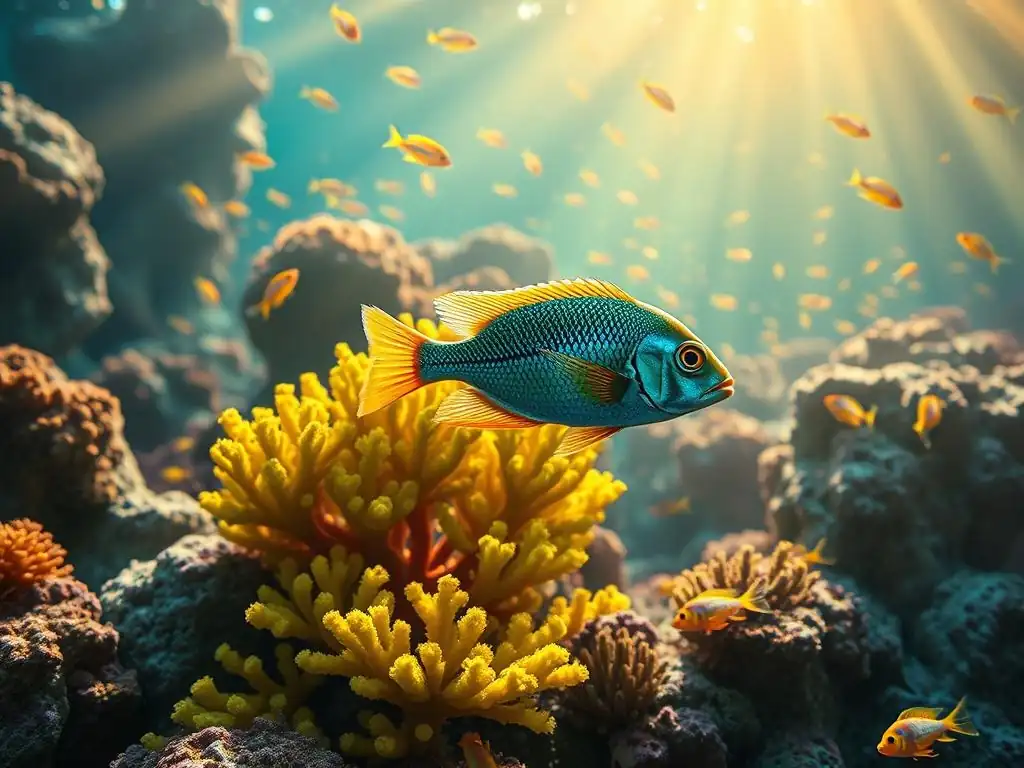
The Tailspot Blenny ( Ecsenius stigmatura) is an ideal inhabitant for smaller saltwater aquarium setups, commonly referred to as nano reefs. Growing typically to a modest size of 2 to 3 inches (approximately 5-7.5 cm), their diminutive stature ensures they will not outgrow tanks ranging from 10 to 30 gallons. Their peaceful disposition and low bioload make them an excellent choice for aquarists looking to add character and utility without compromising water quality in a confined space.
Beyond their size, Tailspot Blennies are remarkably hardy and adaptable, making them suitable even for beginner marine aquarists. They navigate the intricate rockwork of a nano reef with ease, constantly exploring and interacting with their environment. Their distinct appearance and active, yet non-disruptive, behavior contribute significantly to the visual appeal and ecological balance of a small marine ecosystem.
Understanding the Popularity of Ecsenius stigmatura
The scientific name Ecsenius stigmatura points to the blenny's most distinguishing feature: "stigma" meaning mark, and "ura" referring to the tail, highlighting the prominent black spot at the base of its caudal fin. This unique marking, coupled with their generally tan to reddish-brown bodies, makes them easily identifiable and highly sought after. Their popularity has surged with the rise of nano reef keeping, as they offer both aesthetic charm and practical benefits.
Aquarists are drawn to their endearing "blenny bounce" – a characteristic bobbing motion – and their habit of perching on rocks, observing their surroundings with curious eyes. More than just an attractive fish, their significant contribution to tank maintenance, particularly their tailspot blenny algae eating habits, has cemented their status as a nano reef favorite. They bring a lively, comical presence to the tank while actively contributing to its cleanliness.
Tailspot Blenny Care: Ensuring a Thriving Environment
Optimal Tank Size for Tailspot Blennies: Creating a Comfortable Home
While some sources suggest a 10-gallon tank as a minimum for a Tailspot Blenny, a more robust and stable environment is provided by a tank of 20 gallons or larger. This increased volume offers greater water stability, dilutes waste more effectively, and provides ample space for varied rockwork, which is crucial for the blenny's well-being. A 20-gallon long tank, for instance, offers excellent horizontal swimming and perching space.
The aquascape within the tank is equally important. Tailspot Blennies thrive in environments rich with live rock, offering numerous caves, crevices, and perching spots. These structures serve as essential hiding places, particularly when the blenny feels threatened or needs to rest, and also provide surfaces for algae growth, which is a key component of their natural diet. Mimicking their natural rocky, reef-associated habitat reduces stress and encourages natural behaviors.
Tailspot Blenny Water Parameters: Maintaining Ideal Conditions
Temperature, Salinity, and pH for Blenny Health
Maintaining stable and appropriate water parameters is paramount for the health and longevity of Tailspot Blennies. The ideal temperature range for these blennies is between 72-78°F (22-26°C), with consistency being more important than hitting an exact number. Salinity should be kept within the specific gravity range of 1.023-1.026, mirroring natural reef conditions. The pH level should consistently hover between 8.1 and 8.4. Regular water changes, typically 10-20% every two weeks, are vital to replenish essential elements and export accumulated nitrates and other undesirable compounds, ensuring these parameters remain stable.
Fluctuations outside these ranges, even minor ones, can induce significant stress on the blenny's immune system, making them susceptible to various diseases. For example, a sudden drop in salinity or temperature can lead to osmotic shock or compromise their ability to fight off parasites. Consistent monitoring with reliable test kits for ammonia, nitrite, nitrate, pH, and salinity is strongly recommended to identify and correct any deviations promptly, safeguarding the blenny's health.
Essential Equipment for a Tailspot Blenny Tank
Filtration, Lighting, and Substrate Recommendations
For a Tailspot Blenny tank, robust filtration is essential to maintain pristine water quality, especially in smaller nano setups. A hang-on-back (HOB) filter equipped with mechanical, chemical (like activated carbon or GFO), and biological media is a good starting point for tanks under 20 gallons. For larger nano tanks (20+ gallons), a small sump system can provide superior filtration, allowing for the inclusion of a protein skimmer, which is highly beneficial for removing organic waste before it breaks down into nitrates.
Lighting requirements for a blenny-only tank are moderate; standard LED aquarium lights are generally sufficient. However, if corals are part of the setup, the lighting intensity and spectrum should be chosen based on the specific coral needs. As for substrate, a sand bed of 1-2 inches (2.5-5 cm) is suitable. While Tailspot Blennies are not significant burrowers, a fine to medium-grain sand or crushed coral mix allows for beneficial bacteria colonization and provides a natural aesthetic. The most critical aspect of the aquascape is ample, stable live rock providing numerous perching spots and hiding caves.
Tailspot Blenny Algae Eating Habits: A Natural Solution
The Tailspot Blenny's Role in Algae Control
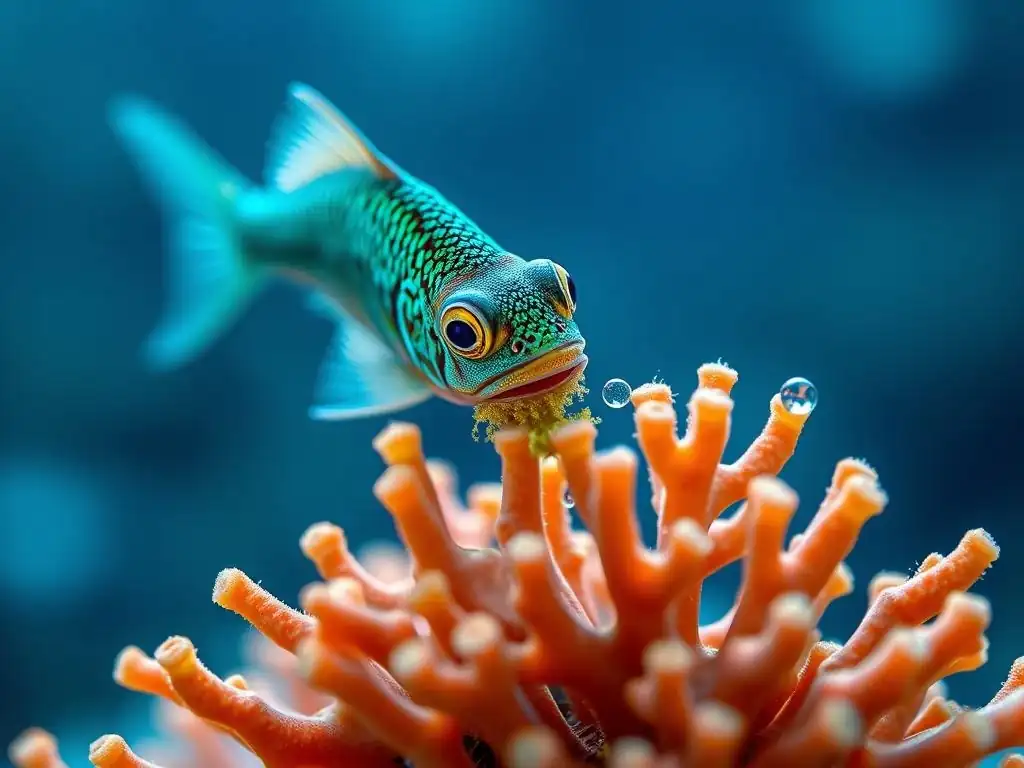
The Tailspot Blenny is highly valued in the reef aquarium hobby for its diligent and effective tailspot blenny algae eating habits. Unlike some larger algae eaters that might become destructive or outgrow nano tanks, the Tailspot Blenny's small size and constant grazing make it an ideal natural solution for maintaining a cleaner tank environment. They spend a significant portion of their day meticulously picking at algae on rocks, glass, and even equipment, helping to prevent unsightly algal blooms.
Their continuous foraging behavior not only contributes to the aesthetic appeal of the aquarium but also plays a role in the overall health of the ecosystem by keeping nuisance algae in check. While they are excellent for day-to-day algae management, it's important to note that a single Tailspot Blenny is not a miracle cure for severe, established algae outbreaks. Instead, they are best utilized as a proactive clean-up crew member, preventing minor algae growth from becoming major problems.
Types of Algae Tailspot Blennies Consume
Hair Algae, Film Algae, and Diatoms: A Blenny's Diet
Tailspot Blennies primarily target softer, filamentous algae types that commonly plague reef tanks. Their small, comb-like teeth are perfectly adapted for scraping hair algae (filamentous green algae) from various surfaces. Many aquarists report a noticeable reduction in hair algae after introducing a Tailspot Blenny, showcasing their efficiency in this regard.
Beyond hair algae, they also readily consume film algae, which appears as a thin, often green or brownish layer on aquarium glass and rocks, and diatoms, the brown, dusty algae often seen in newer tanks or those with excess silicates. While their tailspot blenny algae eating prowess is excellent for these softer varieties, they typically do not consume tougher, calcified algae like coralline algae or macroalgae, nor are they effective against bubble algae. Their diet is focused on the more common, nuisance types of microalgae.
Supplementing the Tailspot Blenny Diet: Beyond Algae
Prepared Foods, Frozen Foods, and Live Foods: Ensuring a Balanced Diet
While Tailspot Blennies are enthusiastic algae eaters, relying solely on natural algae growth in the aquarium is insufficient for their long-term health and nutritional needs. It is crucial to supplement their diet with high-quality prepared foods. Marine-based flake foods or small pellets formulated for herbivores, rich in spirulina or other plant matter, should be offered daily in small amounts.
To ensure a balanced diet and provide essential vitamins and minerals, frozen foods are highly recommended. Offer spirulina-enriched brine shrimp, mysis shrimp, or finely chopped nori (seaweed sheets, specifically marine varieties) a few times a week. Occasional treats of live foods, such as enriched brine shrimp or copepods, can stimulate their hunting instincts and provide additional nutritional benefits. A varied diet ensures that despite their robust tailspot blenny algae eating habits, they receive all necessary nutrients for vibrant health.
Tailspot Blenny Tank Mates: Compatibility and Considerations
Best Tank Mates for Tailspot Blennies in a Nano Reef
Peaceful Fish and Invertebrates That Coexist Well
Tailspot Blennies are generally peaceful and make excellent additions to community nano reef tanks, provided their tank mates are chosen carefully. Ideal fish companions include other small, non-aggressive species such as small gobies (e.g., Yellow Watchman Goby, Clown Goby), firefish, royal grammas, and smaller, peaceful wrasses like the Six-Line Wrasse (in tanks 20 gallons or larger). Clownfish, particularly Ocellaris or Percula varieties, can also coexist peacefully, though ensure the tank provides enough space for both species.
Invertebrates are generally safe additions with Tailspot Blennies. Cleaner shrimp (Peppermint or Skunk Cleaner Shrimp), various types of snails (Nassarius, Trochus, Turbo), and small hermit crabs (e.g., Dwarf Blue Leg Hermit Crabs) make excellent clean-up crew members and will not bother the blenny. Most corals are also compatible, as Tailspot Blennies are not known to nip at polyps or consume coral tissue.
Fish to Avoid: Aggressive Tank Mates That Can Stress Blennies
To ensure the well-being of your Tailspot Blenny, it is crucial to avoid housing them with aggressive or overly territorial fish. Larger angelfish, triggerfish, puffers, and most larger species of damselfish are generally unsuitable tank mates. These fish can intimidate, harass, or even prey upon the relatively small and docile blenny, leading to chronic stress, injuries, or even death.
Furthermore, caution should be exercised when considering other blenny species or fish with similar body shapes and dietary needs. While Tailspot Blennies are not overly aggressive, they can exhibit territoriality towards conspecifics or similar-looking fish, especially in smaller tanks. Unless you have a very large aquarium (50+ gallons) with ample hiding spots and distinct territories, it is generally recommended to keep only one Tailspot Blenny per tank to prevent potential disputes over prime perching and grazing areas.
Identifying a Healthy Tailspot Blenny: Choosing the Right Fish
Physical Characteristics of a Healthy Blenny
Vibrant Colors, Active Behavior, and Clear Eyes
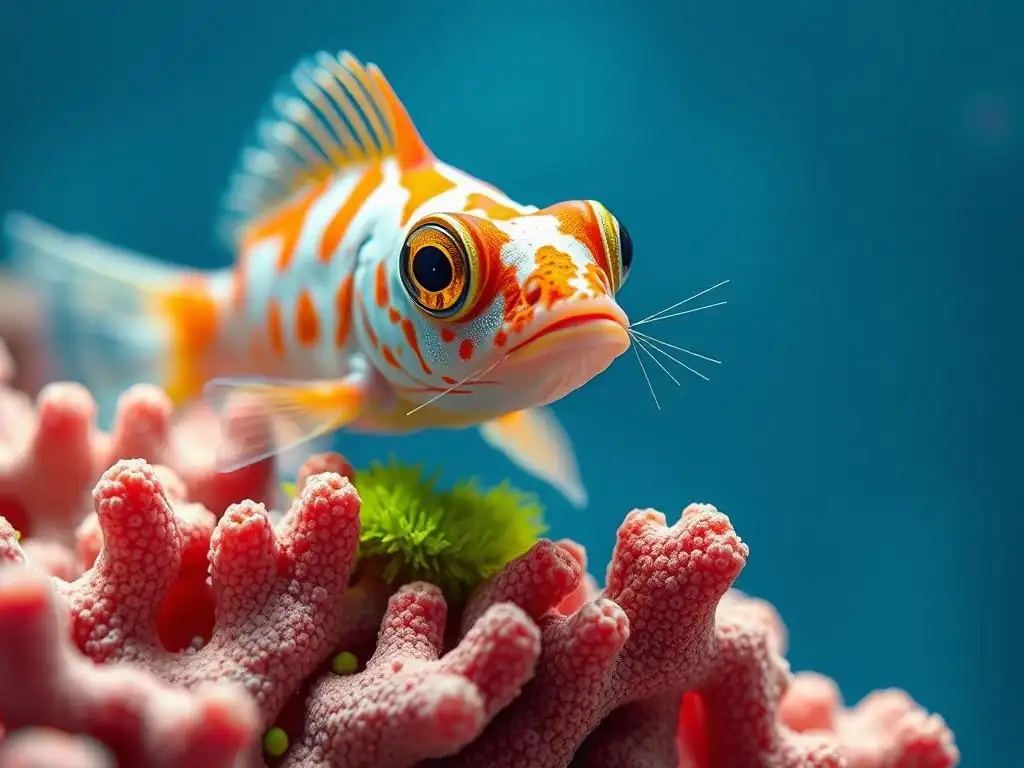
When selecting a Tailspot Blenny for your aquarium, observing its physical characteristics is crucial for identifying a healthy specimen. A healthy blenny will exhibit vibrant and consistent coloration, typically a pleasing tan to reddish-brown body with the distinct, sharply defined black spot at the base of its tail. Its fins should be intact, without any tears, nips, or signs of erosion, and held erect. The eyes should be clear, bright, and free of cloudiness or haziness, indicating good internal health.
Beyond appearance, observe its behavior in the dealer's tank. A healthy Tailspot Blenny will be active, alert, and curious. It should be seen perching on rocks, darting between crevices, and actively grazing on surfaces, demonstrating its natural tailspot blenny algae eating behavior. Avoid fish that are listless, consistently hiding, have clamped fins, or show signs of labored breathing, as these are indicators of stress or illness.
Signs of Illness in Tailspot Blennies: What to Watch For
Ich, Marine Velvet, and Fin Rot: Common Diseases and Treatments
Tailspot Blennies, like all marine fish, can be susceptible to common saltwater diseases if water quality is poor or stress levels are high. Ich ( Cryptocaryon irritans), presenting as small, white salt-like spots on the body and fins, and Marine Velvet ( Amyloodinium ocellatum), appearing as a fine, dusty, shimmering coating, are two highly contagious and potentially fatal parasitic infections. Both require prompt treatment, often involving copper-based medications or hyposalinity in a separate quarantine tank.
Other signs of illness include frayed or deteriorating fins (fin rot, often a bacterial infection), cloudy eyes, loss of appetite, rapid breathing, abnormal swimming patterns, or faded coloration. Any of these symptoms warrant immediate attention. It is highly recommended to quarantine all new fish for at least 3 to 4 weeks in a separate tank. This allows for observation, deworming, and treatment if necessary, preventing the introduction of diseases into your main display aquarium.
Tailspot Blenny Behavior: Understanding Their Quirks
The Comical Personalities of Tailspot Blennies
Tailspot Blennies are renowned for their endearing and often comical personalities, which make them a joy to observe in a nano reef. They are characteristically curious, constantly exploring their environment and observing the goings-on outside the tank. Their unique perching habit, where they use their pectoral fins to prop themselves up on rocks, or even the sand, gives them a distinct and charming posture.
They also exhibit what aquarists affectionately call the "blenny bounce" – a sudden, jerky darting movement, often followed by an abrupt stop and curious stare. This combination of constant grazing, quirky movements, and watchful eyes gives them a truly engaging presence. Their consistent foraging for algae, even when not actively hungry, is not just beneficial for the tank but also adds to their amusing demeanor, reinforcing their reputation as a diligent tailspot blenny algae eating machine.
Burrowing and Hiding: Natural Blenny Behaviors
While some blenny species are known for extensive burrowing, the Tailspot Blenny is not a primary sand-digger. Instead, they exhibit a natural inclination to seek out and inhabit small crevices, caves, and overhangs within the rockwork. These sheltered spots serve as their primary hiding places during perceived threats, resting periods, and especially overnight. Providing ample, secure rockwork with numerous such retreats is crucial for their sense of security and overall well-being.
They might occasionally dig small depressions under rocks or shift small amounts of sand around their chosen perching spots, but this is minimal compared to the elaborate burrows created by some gobies or pistol shrimp. Their reliance on existing rock structures for shelter underscores the importance of a well-aquascaped tank that offers plenty of secure and easily accessible hiding opportunities, minimizing stress and allowing them to exhibit their natural behaviors.
Tailspot Blenny Territoriality: Managing Aggression
Tailspot Blennies are generally considered peaceful community fish, but like many blennies, they can exhibit mild territoriality, particularly towards conspecifics or fish of similar body shape and diet. This territorial behavior is typically limited to chasing or posturing rather than outright aggression or physical harm. They may guard a favorite crevice or a prime grazing spot from perceived competitors.
To mitigate potential territorial disputes, especially in a nano reef, it is usually advisable to keep only one Tailspot Blenny per tank unless the aquarium is significantly large (e.g., 30 gallons or more) and offers abundant, distinct territories with multiple hiding spots. If aggression is observed towards other tank mates, it often stems from insufficient space or an overabundance of similar-looking fish. Rearranging rockwork to create new visual barriers or adding more hiding spots can often alleviate such issues.
Breeding Tailspot Blennies: Challenges and Opportunities
Creating a Breeding Environment for Tailspot Blennies
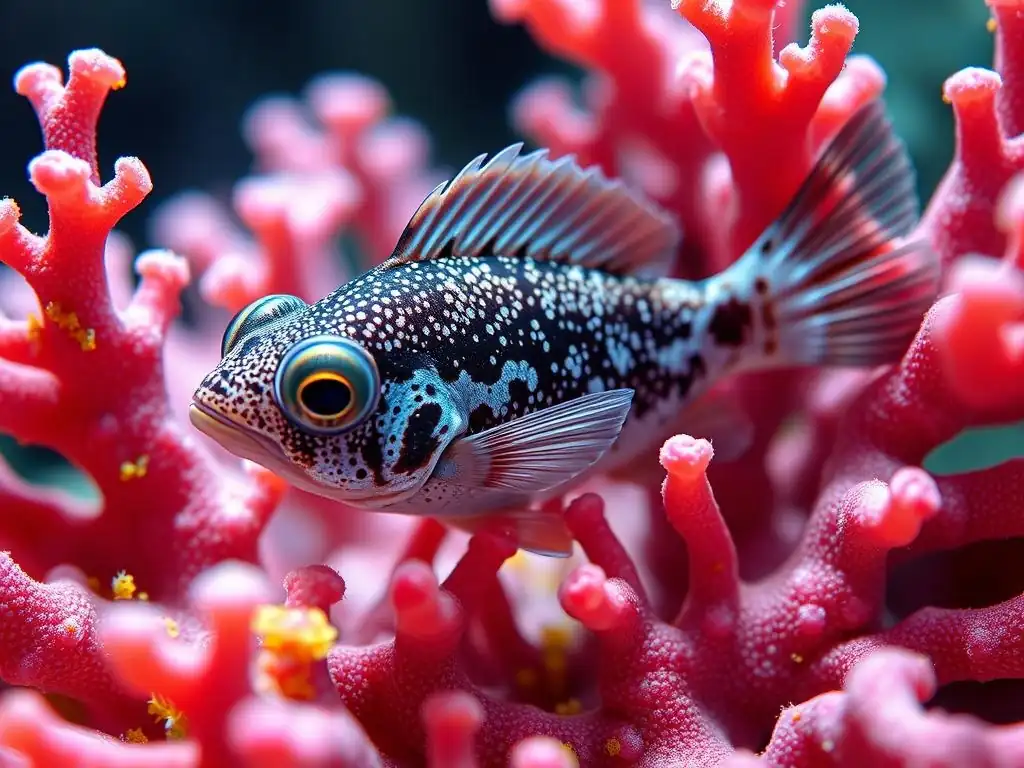
Breeding Tailspot Blennies in a home aquarium setting is challenging, yet it has been achieved by dedicated aquarists. Success typically requires a dedicated breeding tank, ideally a 10 to 20-gallon setup, to provide a controlled environment. Stable and pristine water parameters are even more critical in a breeding setup than in a display tank. The tank should be furnished with numerous small caves, ceramic tubes, or PVC pipes, as blennies are cave spawners and prefer secluded spots for egg deposition.
Conditioning the pair for spawning involves providing a rich and varied diet, abundant in protein and essential fatty acids. Live foods such as enriched brine shrimp, mysis shrimp, and copepods, alongside high-quality frozen and prepared foods, can encourage reproductive readiness. Dim lighting and a calm, undisturbed environment can also contribute to creating an optimal breeding atmosphere.
Breeding in Captivity: Details on Spawning and Raising Fry
When a Tailspot Blenny pair decides to spawn, the female will typically deposit a clutch of adhesive eggs inside a chosen crevice or tube. The male then takes on the primary role of guarding the eggs, fanning them with his fins to ensure proper oxygenation and keeping them clean. Spawning usually occurs every few weeks under ideal conditions.
The most formidable challenge in breeding Tailspot Blennies lies in raising the fry. The newly hatched larvae are incredibly small, often less than 2mm, and require microscopic live foods like rotifers as their initial diet. As they grow, they can be transitioned to newly hatched brine shrimp. Maintaining impeccable water quality in the larval rearing tank is paramount, as the tiny fry are highly sensitive to even minute fluctuations in parameters. Success rates for raising Tailspot Blenny fry at home remain relatively low, demanding significant dedication and specialized equipment.
Troubleshooting Common Tailspot Blenny Problems
Common Health Issues and How to Address Them
Beyond the common parasitic infections like Ich and Marine Velvet, Tailspot Blennies can face other health challenges. Fin nipping by aggressive tank mates can lead to stress and secondary bacterial infections, manifesting as fin rot. Poor water quality, characterized by elevated nitrates or ammonia, is a primary stressor that weakens their immune system, making them susceptible to various ailments. Stress can also lead to faded coloration or a lack of appetite.
Addressing health issues promptly is crucial. For fin nipping, identify and remove the aggressor or provide more hiding spots. For bacterial infections like fin rot, treatment with appropriate antibiotics, often in a quarantine tank, is necessary. Always prioritize maintaining pristine water parameters through regular testing and consistent water changes. A well-maintained tank with stable conditions is the best defense against most health problems.
Dealing with Aggression or Bullying
While generally peaceful, a Tailspot Blenny might occasionally exhibit aggression towards other tank mates, or conversely, become a target of bullying. If your blenny is displaying aggression, it typically stems from territorial disputes over limited space or prime perching spots, especially if other blennies or similar-looking fish are present. This behavior is usually mild, involving chasing or posturing.
If your blenny is being bullied, it could be due to overly aggressive tank mates, or it may not have enough secure hiding spots. Solutions include:
- Rearranging rockwork: This can break up established territories and create new hiding places.
- Adding more cover: Provide additional caves, crevices, or even appropriately sized PVC pipes for shelter.
- Reassessing tank mates: If a specific fish is consistently aggressive, consider rehoming it to a more suitable environment.
- Ensuring adequate space: Confirm the tank is not overstocked, which can lead to increased stress and aggression among inhabitants.
Conclusion: The Tailspot Blenny - A Rewarding Addition to Your Nano Reef
Recap of Tailspot Blenny Care and Benefits
The Tailspot Blenny is an exceptional choice for the dedicated nano reef aquarist, offering a delightful combination of personality and practical utility. Successful care hinges on providing a stable environment with appropriate water parameters: temperatures between 72-78°F (22-26°C), salinity of 1.023-1.026, and a pH of 8.1-8.4, all maintained through consistent monitoring and regular water changes. A minimum tank size of 20 gallons, rich with live rock for ample hiding and perching spots, is highly recommended to ensure their comfort and long-term well-being.
Their robust tailspot blenny algae eating habits make them an invaluable member of the clean-up crew, diligently grazing on nuisance hair algae, film algae, and diatoms, contributing significantly to a cleaner and healthier aquarium. Coupled with their comical behaviors and peaceful disposition towards most tank mates, they are truly a rewarding addition, bringing both vibrant activity and ecological balance to your miniature reef ecosystem.
Further Resources for Tailspot Blenny Keepers
For those embarking on the journey of keeping a Tailspot Blenny or seeking to deepen their understanding, continuous learning and observation are key. Aquarium Mastery offers a wealth of detailed articles on various aspects of saltwater aquarium keeping, from water chemistry to species profiles and troubleshooting guides. Consulting these resources can provide in-depth insights into specific challenges or advanced care techniques.
Additionally, engaging with reputable online forums and local fish store experts can offer valuable perspectives and real-world advice from experienced aquarists. Staying informed about the latest advancements in marine aquarium husbandry and being attentive to your blenny's specific needs will ensure a thriving and captivating nano reef for years to come.
Frequently Asked Questions
What makes the Tailspot Blenny a good choice for a nano reef aquarium?
The Tailspot Blenny is ideal for nano reefs due to its small size, typically reaching only around 2 inches. They are also excellent algae eaters, helping to maintain a clean tank, and possess a peaceful temperament.
Is the Tailspot Blenny exclusively an algae eater?
While the Tailspot Blenny is known for its appetite for algae, they are not exclusively algae eaters. They will also consume small invertebrates and benefit from supplemental feedings of small meaty foods like frozen mysis shrimp.
What are the ideal water parameters for a Tailspot Blenny in a reef tank?
Tailspot Blennies thrive in stable reef tank conditions. Aim for a temperature between 72-78°F, a specific gravity of 1.023-1.025, and a pH of 8.1-8.4. Maintaining stable water parameters is crucial for their health.
What kind of tank environment does a Tailspot Blenny prefer?
Tailspot Blennies need plenty of rockwork and hiding places. They are bottom-dwelling fish that enjoy perching on rocks and exploring crevices. This provides a sense of security and replicates their natural habitat.
What are some common health issues to watch out for with Tailspot Blennies?
While generally hardy, Tailspot Blennies can be susceptible to common aquarium diseases like ich and velvet. Quarantine new arrivals and maintain excellent water quality to minimize the risk of illness.
Final Reflection: The Tiny Hero's Enduring Impact
The journey of understanding the Tailspot Blenny, as we've explored, is more than just learning about a small fish; it's about recognizing the powerful impact even the smallest creatures can have on maintaining balance and beauty within a complex ecosystem. In a world increasingly focused on large-scale solutions, remembering the value of these miniature custodians is crucial for the future of our reefs and our understanding of symbiotic relationships.
This tiny comedian, with its insatiable appetite for algae, reminds us that true impact often comes from unexpected places, and that even seemingly insignificant contributions can ripple outwards, creating profound change. Never underestimate the power of a small group of committed people to change the world. Indeed, it is the only thing that ever has.
- Margaret Mead. This quote resonates deeply when considering the Tailspot Blenny's role; a single fish, diligently grazing, contributes to the health and vibrancy of an entire reef environment.
So, as you consider the lessons learned about the Tailspot Blenny and its algae-eating prowess, I invite you to reflect on your own potential for positive impact. What small, consistent actions can you take to contribute to the health and beauty of the world around you? Just like the Tailspot Blenny, your efforts, however small they may seem, can have a surprisingly large and lasting effect.
Dive Deeper: Cultivate Your Nano Reef Dream!
Thanks for exploring the quirky world of Tailspot Blennies with us! We hope this article has equipped you with the knowledge to appreciate and potentially care for these delightful little algae eaters. Now, it's time to bring that inspiration to life.
Here's how you can take the next step:
- Plan Your Perfect Nano Reef: Start designing a habitat where a Tailspot Blenny can thrive. Consider tank size, aquascaping, and compatible tank mates.
- Share the Blenny Love:Forward this article to a fellow reef enthusiast who might be captivated by the Tailspot Blenny's charm.
- Challenge: Attempt to photograph your Tailspot doing its best 'comedian' impression! Post it on a reef forum!
Ready to start planning your Nano Reef today?