
Head and Tail Light Tetra: Illuminating Your Tank with Subtle Beacons – Care

Welcome to Aquarium Mastery!
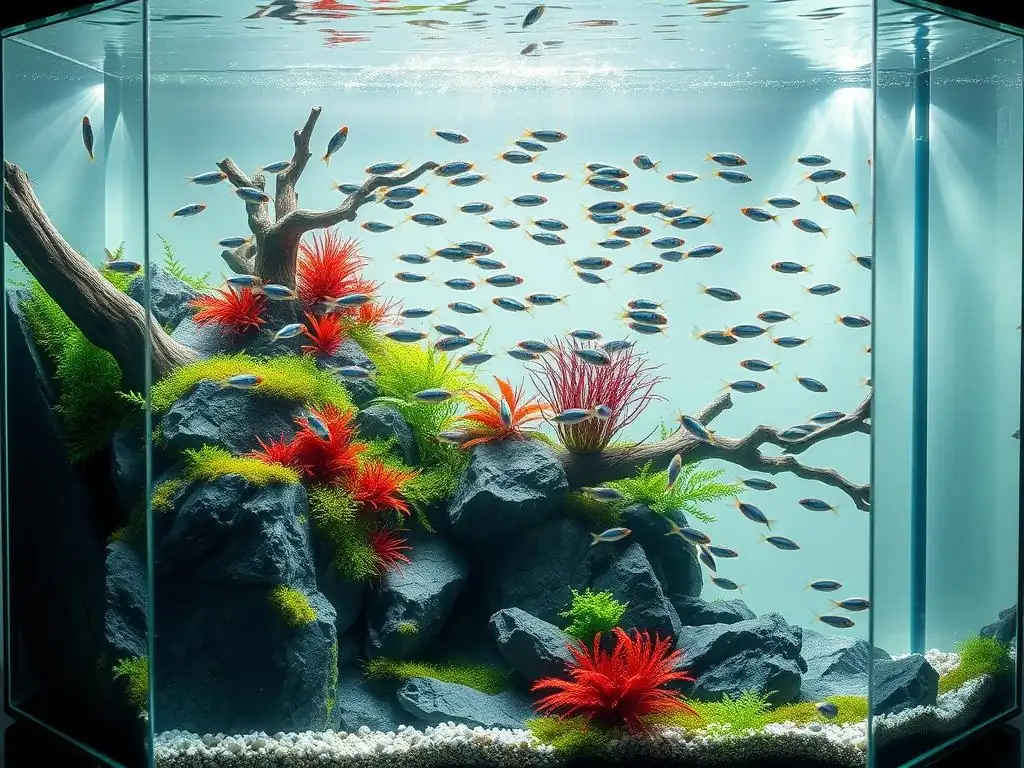
Ever wondered how to bring a touch of understated elegance to your freshwater aquarium? Dive in and discover the secrets to thriving Head and Tail Light Tetras. These shimmering beauties can truly transform your tank, but understanding their specific needs is key. Keep reading to unlock expert tips on Head and Tail Light Tetra care, and learn how to create the perfect environment for these captivating fish to flourish. Curious about their ideal tank mates or how to keep them healthy? The answers await below!
- Introduction to Head and Tail Light Tetras: A Comprehensive Guide
- Head and Tail Light Tetra Care: Essential Guidelines
- Head and Tail Light Tetra Tank Mates: Creating a Peaceful Community
- Head and Tail Light Tetra Health and Disease Prevention
- Breeding Head and Tail Light Tetras: A Step-by-Step Guide
- Troubleshooting Common Head and Tail Light Tetra Care Issues
- Head and Tail Light Tetra: Advanced Care Tips for Experienced Aquarists
- Conclusion: Mastering Head and Tail Light Tetra Care
-
Frequently Asked Questions
- How difficult are Head and Tail Light Tetras to care for?
- What is the ideal tank size for a school of Head and Tail Light Tetras?
- What type of water parameters do Head and Tail Light Tetras prefer?
- What should I feed my Head and Tail Light Tetras?
- Are Head and Tail Light Tetras compatible with other fish?
- Final Reflection: Embracing the Subtle Glow
- Ignite Your Aquarium Journey: Start Your Tetra Transformation!
Introduction to Head and Tail Light Tetras: A Comprehensive Guide
Discovering the Hemigrammus ocellifer: An Overview
The Head and Tail Light Tetra, scientifically known as Hemigrammus ocellifer, is a captivating freshwater fish native to the clear and blackwater rivers of South America, particularly found in regions of Brazil, Guyana, and Suriname. These small, schooling fish typically reach an adult size of about 1.5 to 2 inches (3.8 to 5 cm), making them an ideal choice for community aquariums. Their name is derived from the distinctive, iridescent orange-red spots located on their caudal peduncle (near the tail fin) and just behind their operculum (gill cover), resembling tiny, glowing beacons.
Beyond their unique markings, Hemigrammus ocellifer are known for their peaceful temperament and active swimming patterns. They exhibit a strong schooling instinct, preferring to move together in a cohesive group, which not only provides them a sense of security but also creates a dynamic and visually appealing display within the aquarium. Their generally robust nature and adaptability to a range of water conditions contribute to their popularity among aquarists seeking vibrant yet manageable inhabitants.
Why Choose Head and Tail Light Tetras for Your Aquarium?
Head and Tail Light Tetras are an excellent choice for both novice and experienced aquarists looking to add subtle beauty and consistent activity to their freshwater setups. One of their primary appeals lies in their hardiness compared to some other tetra species; they are generally less sensitive to minor fluctuations in water parameters once established, making them forgiving for those new to the hobby. Their small size means they have a relatively low bioload, which helps maintain stable water quality in appropriately sized tanks.
Furthermore, their schooling behavior is a significant draw. A group of six to ten Head and Tail Light Tetras moving in unison can transform a static tank into a lively, mesmerizing aquatic landscape. Their subtle coloration, featuring silvery bodies accented by their signature "lights," provides a beautiful contrast against lush green plants and dark substrates, enhancing the overall aesthetic of a planted aquarium. This combination of ease of care, peaceful disposition, and engaging behavior makes them a rewarding addition to many community tank setups, embodying exemplary Head and Tail Light Tetra care.
Head and Tail Light Tetra Care: Essential Guidelines
Optimal Tank Conditions for Head and Tail Light Tetras
Ideal Water Parameters: Temperature, pH, and Hardness
Maintaining precise and stable water parameters is fundamental to successful Head and Tail Light Tetra care. These fish thrive in soft to moderately hard water with a slightly acidic to neutral pH, mimicking their natural Amazonian habitats. Ideal temperature ranges from 23°C to 27°C (73°F to 81°F), which promotes active metabolism and overall well-being. A pH level between 5.5 and 7.5 is generally well-tolerated, though they show a preference for the slightly acidic side, around pH 6.0-6.8.
Water hardness, measured in dGH (degrees of General Hardness), should ideally be kept between 2 and 15 dGH. While they can adapt to slightly harder water, prolonged exposure to very hard conditions can stress them and impact their long-term health. Regular water testing, at least once a week, for ammonia, nitrite, nitrate, pH, and temperature is crucial to monitor these parameters and ensure the environment remains optimal for your Head and Tail Light Tetras.
Substrate and Decor Recommendations for a Thriving Tetra Habitat
The choice of substrate and decor plays a vital role in creating a comfortable and natural environment for Head and Tail Light Tetras, directly impacting their stress levels and coloration. A dark-colored substrate, such as fine-grained gravel or sand, is highly recommended as it not only helps to bring out their subtle iridescence and "head and tail lights" but also mimics the riverbeds they inhabit, providing a sense of security. Light-colored substrates can sometimes make them appear washed out or stressed.
Incorporating dense live plants is paramount for excellent Head and Tail Light Tetra care. Species like Java Fern ( Microsorum pteropus), Anubias, and various stem plants offer ample hiding spots and shaded areas where these fish can retreat when feeling threatened or simply rest. Additionally, driftwood branches and root structures can be added to further replicate their natural habitat, providing both visual interest and additional cover. The decomposition of natural leaf litter, such as Indian almond leaves, can also be beneficial, releasing tannins that slightly lower pH and create a blackwater effect, which is highly appreciated by Hemigrammus ocellifer.
Head and Tail Light Tetra Diet and Feeding Habits
What to Feed Your Tetras: A Nutritional Breakdown
Head and Tail Light Tetras are omnivorous, meaning their diet in the wild consists of small invertebrates, algae, and detritus. To ensure optimal health and vibrant coloration in the aquarium, a varied and balanced diet is crucial for effective Head and Tail Light Tetra care. A high-quality flake food or micro-pellet designed for small tropical fish should form the staple of their diet, providing essential vitamins and minerals. Look for brands that list fish meal, spirulina, and various plant extracts among their primary ingredients.
Supplementing their staple diet with live or frozen foods is highly beneficial and encourages natural foraging behaviors. Excellent choices include brine shrimp, daphnia, and bloodworms, which provide valuable protein and fat. Offering these supplementary foods two to three times a week can significantly improve their overall condition, enhance their immune system, and bring out their natural colors. Small, crushed pieces of freeze-dried foods can also be offered, but always ensure the food particles are small enough for their mouths.
Feeding Schedule and Portion Control: Preventing Overfeeding
Establishing a proper feeding schedule and exercising strict portion control are critical aspects of Head and Tail Light Tetra care, directly impacting water quality and fish health. It is recommended to feed Head and Tail Light Tetras small amounts 2 to 3 times a day, rather than one large meal. Each feeding portion should be consumed entirely within 2 to 3 minutes; any food remaining after this time indicates overfeeding.
Overfeeding is a common mistake that can lead to a cascade of problems in an aquarium. Excess food decomposes, leading to elevated ammonia and nitrite levels, which are highly toxic to fish. It also contributes to algae blooms and can cause digestive issues and obesity in the fish themselves, shortening their lifespan. By adhering to a sensible feeding regimen, you not only keep your tetras healthy but also maintain pristine water conditions, which is paramount for their well-being.
Maintaining a Healthy Head and Tail Light Tetra Aquarium
Regular Water Changes: The Key to Water Quality
Regular water changes are arguably the single most important aspect of maintaining a healthy environment for Head and Tail Light Tetras. Despite efficient filtration, nitrates and other dissolved organic compounds accumulate over time, degrading water quality. For optimal Head and Tail Light Tetra care, a weekly water change of 25-30% of the tank volume is highly recommended. This routine helps to dilute pollutants, replenish essential trace minerals, and maintain the chemical stability necessary for their health.
When performing water changes, always use dechlorinated water that is temperature-matched to the aquarium water to prevent shocking the fish. A gravel vacuum should be used to remove detritus and uneaten food from the substrate, further contributing to water clarity and reducing the build-up of harmful substances. Consistent water changes are a proactive measure that prevents many common aquarium problems and ensures your tetras thrive.
Filtration and Aeration: Ensuring a Balanced Ecosystem
Effective filtration and adequate aeration are indispensable for a balanced and healthy Head and Tail Light Tetra aquarium. A good filtration system, whether it's a sponge filter, hang-on-back (HOB) filter, or canister filter, should provide mechanical, chemical, and biological filtration.
Mechanical filtration removes particulate matter, chemical filtration removes dissolved pollutants and odors, and biological filtration, the most crucial, converts toxic ammonia and nitrite into less harmful nitrates through beneficial bacteria. For a 10-gallon tank housing a school of Head and Tail Light Tetras, a small HOB filter rated for 10-20 gallons is often sufficient, providing a flow rate of about 100 GPH.
While Head and Tail Light Tetras prefer calmer waters, proper aeration is still vital to ensure sufficient dissolved oxygen levels. Surface agitation, often created by the filter outflow, is usually enough to facilitate gas exchange. If the filter flow is too gentle or if the tank is heavily planted, an air stone connected to an air pump can be added to increase oxygenation, though care should be taken to avoid creating strong currents that might stress these small fish. A well-filtered and oxygenated tank is fundamental to long-term Head and Tail Light Tetra care.
Head and Tail Light Tetra Tank Mates: Creating a Peaceful Community
Compatible Fish Species for a Tetra Community Tank
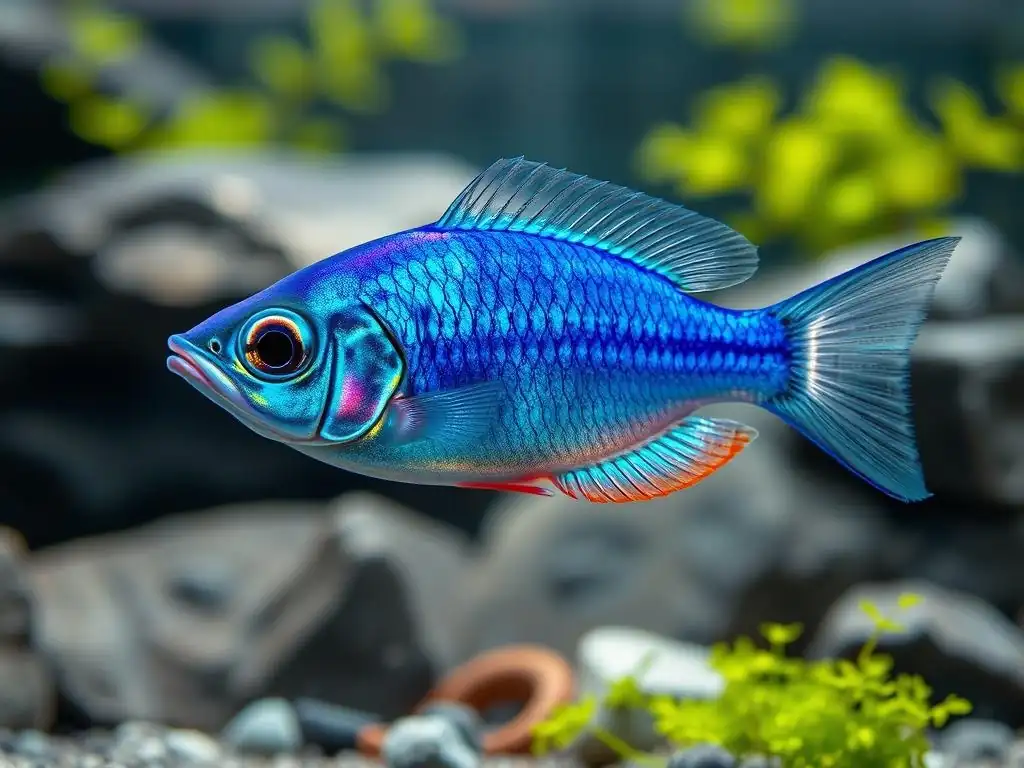
Head and Tail Light Tetras are renowned for their peaceful nature, making them excellent candidates for a diverse community aquarium. When selecting tank mates, it's crucial to choose species that share similar water parameter requirements and a calm temperament to ensure a harmonious environment. Ideal companions include other small, peaceful schooling fish such as Neon Tetras ( Paracheirodon innesi), Ember Tetras ( Hyphessobrycon amandae), Rummy-nose Tetras ( Hemigrammus rhodostomus), and various Rasbora species like Harlequin Rasboras ( Trigonostigma heteromorpha).
Bottom-dwelling fish such as Corydoras catfish (e.g., Panda Corydoras, Corydoras panda) and Otocinclus catfish ( Otocinclus affinis) are also excellent choices, as they occupy different levels of the water column and are non-aggressive. Small, peaceful dwarf cichlids like German Blue Rams ( Mikrogeophagus ramirezi) can also coexist, provided the tank is large enough (at least 20 gallons for a pair) and offers plenty of hiding spots. Avoid large, aggressive, or fin-nipping species that could intimidate or harm your Head and Tail Light Tetras.
Invertebrates and Plants That Complement Head and Tail Light Tetras
Beyond fish, certain invertebrates and a variety of live plants can significantly enhance a Head and Tail Light Tetra community tank, contributing to both aesthetics and ecological balance. Peaceful invertebrates like Amano Shrimp ( Caridina multidentata) and Nerite Snails ( Neritina natalensis) are excellent tank cleaners, consuming algae and detritus without posing any threat to the tetras. Cherry Shrimp ( Neocaridina davidi) can also be kept, though their fry might occasionally be preyed upon by adult tetras, especially if the tank lacks dense vegetation for cover.
Live plants are indispensable for a thriving Head and Tail Light Tetra setup. They provide essential cover, reduce stress, improve water quality by absorbing nitrates, and contribute to oxygenation. Ideal plant choices include Java Moss ( Taxiphyllum barbieri), Anubias varieties, Bucephalandra, Amazon Swords ( Echinodorus amazonicus), and various stem plants like Ludwigia or Rotala. These plants create a naturalistic environment that mimics their native habitat, encouraging natural behaviors and enhancing the overall well-being of the Head and Tail Light Tetras.
Head and Tail Light Tetra Health and Disease Prevention
Common Diseases Affecting Head and Tail Light Tetras
Identifying Early Signs of Illness in Your Tetras
Vigilant observation is a cornerstone of effective Head and Tail Light Tetra care, as early detection of illness can significantly improve treatment outcomes. Common diseases affecting these tetras include Ich (white spot disease), fin rot, fungal infections, and bacterial infections. Signs of Ich, caused by the parasite Ichthyophthirius multifiliis, manifest as small, white spots resembling grains of salt on the body and fins, often accompanied by flashing against tank decor or lethargy.
Fin rot typically presents as frayed, discolored, or disintegrating fins, often a symptom of poor water quality or bacterial infection. Fungal infections appear as cotton-like growths on the body or fins. Other general signs of illness include clamped fins, loss of appetite, abnormal swimming patterns (e.g., darting, spiraling), rapid breathing, faded coloration, or visible sores and lesions. Any deviation from their normal behavior or appearance warrants immediate investigation.
Treatment Options for Sick Head and Tail Light Tetras
Upon identifying signs of illness, prompt action is crucial for effective Head and Tail Light Tetra care. For diseases like Ich, increasing the water temperature gradually to 28-30°C (82-86°F) (if tank mates can tolerate it) combined with an Ich-specific medication (e.g., malachite green or formalin-based treatments) can be effective. Fin rot and bacterial infections often respond well to broad-spectrum antibacterial medications, while fungal infections require antifungal treatments.
It is highly recommended to move sick fish to a separate "hospital tank" for treatment. This prevents medication from affecting beneficial bacteria in the main tank's filter and allows for targeted treatment without stressing healthy fish. Always follow medication instructions carefully and ensure excellent water quality in the hospital tank through frequent small water changes. Addressing the root cause, such as poor water quality or stress, is also vital for long-term recovery and preventing recurrence.
Preventing Disease Outbreaks: Quarantine and Best Practices
Preventing disease is far more effective and less stressful than treating it, making preventative measures a key component of Head and Tail Light Tetra care. The most critical preventative step is quarantining all new fish for a period of 2 to 4 weeks before introducing them to the main aquarium. During quarantine, observe new fish closely for any signs of illness and treat if necessary. This practice minimizes the risk of introducing pathogens to your established tank.
Beyond quarantine, maintaining consistently stable and optimal water parameters is paramount. Regular water changes, appropriate filtration, and avoiding overfeeding or overstocking contribute significantly to a low-stress, healthy environment where fish are less susceptible to disease. Providing a varied, nutritious diet also boosts their immune system. By adhering to these best practices, aquarists can significantly reduce the likelihood of disease outbreaks and ensure the long-term health of their Head and Tail Light Tetras.
Breeding Head and Tail Light Tetras: A Step-by-Step Guide
Setting Up a Breeding Tank for Hemigrammus ocellifer
Breeding Head and Tail Light Tetras can be a rewarding experience, though it requires specific conditions to encourage spawning and protect the delicate eggs and fry. A dedicated breeding tank, typically 5 to 10 gallons in size, is essential. This tank should be bare-bottom for easy cleaning and to prevent eggs from being lost in substrate. To provide a spawning medium, fill the tank with fine-leaved plants like Java Moss or use artificial spawning mops (made from nylon yarn). These provide surfaces for the fish to lay their adhesive eggs and offer some protection from adult predation.
The breeding tank water should be soft (2-5 dGH) and acidic (pH 5.5-6.5), mimicking their natural breeding grounds. Reverse osmosis (RO) water mixed with a small amount of tap water to achieve desired parameters is often used. Dim lighting is preferred, as bright light can harm the eggs. A small sponge filter provides gentle filtration and aeration without creating strong currents that could disturb the eggs or fry.
Encouraging Spawning: Water Parameters and Diet
Once the breeding tank is prepared, select a healthy, well-conditioned pair or a small group (e.g., one female and two males) of Head and Tail Light Tetras. Condition the prospective parents in their main tank for a week or two with a rich diet of live and frozen foods such as bloodworms, daphnia, and brine shrimp. This high-protein diet promotes egg development in females and increases male vigor.
To trigger spawning in the breeding tank, gradually raise the temperature to 26-28°C (79-82°F) over a day or two. Perform small, daily water changes (about 10-20%) using even softer and slightly more acidic water. Spawning typically occurs in the early morning, with the female scattering up to 200-300 adhesive eggs among the plants or spawning mops, which the male then fertilizes. Once spawning is complete (usually indicated by the female appearing slimmer), remove the adult fish promptly, as they will readily consume their own eggs.
Raising Head and Tail Light Tetra Fry: Care and Feeding
Raising Head and Tail Light Tetra fry demands meticulous care, especially in their initial days. The eggs are tiny and hatch within 24-36 hours at optimal temperatures. The fry are even tinier and will be free-swimming after another 3-5 days, at which point they will need their first food. For the first few days post-hatching, the fry feed on their yolk sacs. Once free-swimming, they require microscopic food sources like infusoria, which can be cultured or purchased.
After about a week, when the fry have grown slightly, they can be transitioned to newly hatched brine shrimp or microworms, which are highly nutritious and appropriately sized. Feed the fry several times a day in very small quantities to ensure they always have access to food. Maintaining pristine water quality is absolutely critical; perform small, daily water changes (5-10%) using a small airline tube to avoid siphoning out the delicate fry. A stable temperature and gentle aeration are also vital for their survival and healthy growth.
Troubleshooting Common Head and Tail Light Tetra Care Issues
Addressing Fading Colors and Loss of Appetite
Fading colors and a sudden loss of appetite in Head and Tail Light Tetras are common indicators of underlying stress or illness, demanding immediate attention for effective Head and Tail Light Tetra care. The primary causes often relate to poor water quality, unsuitable tank conditions, or an inadequate diet. Begin by performing comprehensive water tests for ammonia, nitrite, and nitrate; elevated levels of these toxins are frequent culprits. A partial water change (25-30%) should be implemented if parameters are off.
Additionally, assess the tank environment: is the school size sufficient (at least 6-8 individuals)? A small school can lead to stress and shyness, impacting their vibrancy. Review their diet to ensure it's varied and nutritious, including high-quality flakes supplemented with live or frozen foods. If water parameters and schooling numbers are optimal, observe for signs of bullying from tank mates or the onset of disease, which might require further investigation and potentially a hospital tank.
Dealing with Aggression or Fin Nipping
While Head and Tail Light Tetras are generally peaceful, instances of aggression or fin nipping can occur, though they are relatively rare for this species. This behavior is usually a symptom of environmental stress or inappropriate tank dynamics. One common cause is an insufficient school size; when kept in groups smaller than six, these fish can become stressed and may nip at each other or other tank mates due of a lack of security within their school. Increasing the school size to eight or more individuals often resolves this issue by distributing social interactions more broadly.
Another potential factor is overcrowding or a lack of hiding spots. A crowded tank can lead to territorial disputes, even among typically peaceful fish. Ensure the tank provides ample space (at least 10 gallons for a small school, 20 gallons or more for a larger one) and plenty of dense planting or decor for all fish to retreat to.
Lastly, review tank mates; while Head and Tail Light Tetras are peaceful, some other species, even those considered generally compatible, might occasionally be fin nippers, especially if they are larger or more boisterous. Separating the aggressive fish or re-evaluating the community composition might be necessary.
Preventing Algae Blooms and Maintaining Water Clarity
Algae blooms and cloudy water are common frustrations for aquarists and indicate an imbalance in the aquarium ecosystem, directly impacting the quality of Head and Tail Light Tetra care. Algae blooms, characterized by green, brown, or black growths on surfaces, are typically caused by an excess of nutrients (nitrates, phosphates) and/or too much light. Cloudy water can result from bacterial blooms (often due to overfeeding or new tank syndrome), suspended particulate matter, or decaying organic material.
To prevent and address these issues, first, reduce feeding portions to ensure all food is consumed within minutes, thereby minimizing uneaten food that contributes to nutrient load. Control lighting by limiting it to 8-10 hours per day, and consider using a timer. Increase the frequency and volume of water changes (e.g., 30-40% weekly) to remove excess nutrients.
Ensure your filtration system is adequately sized and well-maintained, with regular cleaning of filter media. Adding fast-growing live plants (e.g., Hornwort, Water Sprite) can also help by outcompeting algae for nutrients, contributing significantly to maintaining water clarity and a healthy environment for your Head and Tail Light Tetras.
Head and Tail Light Tetra: Advanced Care Tips for Experienced Aquarists
Enhancing Coloration Through Diet and Lighting
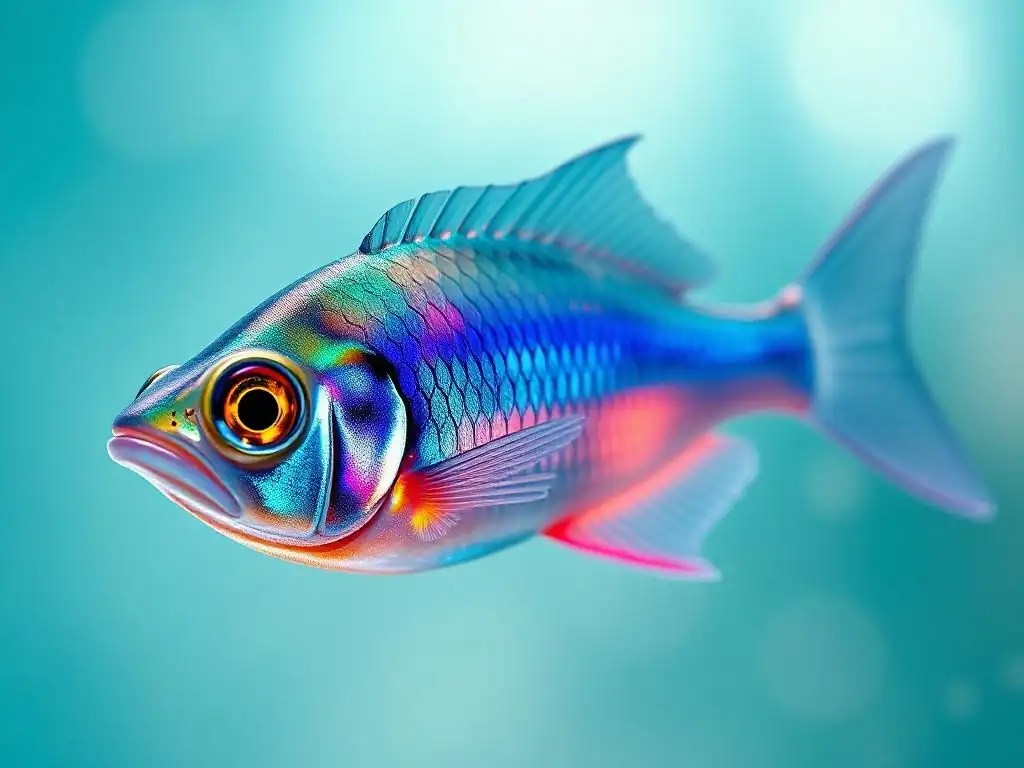
For experienced aquarists seeking to truly bring out the subtle yet striking coloration of their Head and Tail Light Tetras, advanced Head and Tail Light Tetra care involves optimizing both diet and lighting. While their primary colors are silvery with distinct red-orange spots, a high-quality diet can intensify these hues and promote overall vibrancy. Incorporate foods rich in carotenoids and astaxanthin, which are natural color enhancers.
Examples include spirulina flakes, specialized color-enhancing pellets, and natural foods like krill or cyclops. Feeding these supplements two to three times a week can make a noticeable difference in their "head and tail lights" and the underlying shimmer of their bodies.
Lighting also plays a crucial role. Full-spectrum LED lighting with adjustable intensity and color temperature allows for fine-tuning the visual environment. Using a slightly warmer color temperature (around 6500K) can help to make their red-orange spots pop, while providing a balanced spectrum supports plant growth, which in turn creates a more natural and less stressful environment for the fish. Positioning the light to create areas of both bright and subdued illumination can also encourage more natural behavior and allow their reflective scales to truly shine.
Creating a Biotope Aquarium for Head and Tail Light Tetras
Creating a biotope aquarium is an advanced Head and Tail Light Tetra care technique that aims to replicate their natural habitat as closely as possible, providing an optimal environment for their long-term health and natural behaviors. Hemigrammus ocellifer originates from slow-moving, often blackwater tributaries of the Amazon basin. A biotope setup would involve very soft (2-5 dGH) and acidic (pH 5.5-6.5) water, achieved through RO water and the use of natural buffering agents like peat or Indian almond leaves.
The substrate should be dark, fine sand, mimicking the riverbed. Decor should include numerous pieces of driftwood, root structures, and abundant leaf litter (e.g., dried oak or Indian almond leaves) which release tannins, staining the water a tea-like color. This dark, tannin-rich water not only mimics their natural environment but also provides antibacterial properties and reduces stress.
Dense planting with species found in South America, such as Amazon Swords, Cryptocorynes, and various floating plants like Dwarf Water Lettuce, would complete the biotope, offering ample hiding spots and further contributing to water quality. Such a setup encourages natural schooling, foraging, and even breeding behaviors, leading to truly thriving Head and Tail Light Tetras.
Conclusion: Mastering Head and Tail Light Tetra Care
Ensuring the Long-Term Health and Happiness of Your Tetras
Mastering Head and Tail Light Tetra care is a rewarding journey that culminates in a vibrant and thriving aquatic display. The cornerstone of their long-term health and happiness lies in consistent attention to their fundamental needs: stable and appropriate water parameters, a varied and nutritious diet, and a peaceful, well-structured environment. By maintaining pristine water quality through regular testing and diligent water changes, providing a balanced diet of high-quality flakes supplemented with live or frozen foods, and ensuring they are kept in a sufficiently sized school with compatible tank mates, aquarists can significantly enhance their well-being.
Proactive measures, such as quarantining new fish and promptly addressing any signs of illness, are also crucial for preventing widespread health issues. The distinct "head and tail lights" of these tetras serve as subtle beacons, not just visually, but also as indicators of their health; vibrant colors and active schooling behaviors are clear signs of a well-cared-for fish. Through dedicated Head and Tail Light Tetra care, these captivating fish will illuminate your aquarium for years to come.
Further Resources for Tetra Enthusiasts at AquariumMastery.com
For those eager to delve deeper into the fascinating world of tetras and other freshwater species, AquariumMastery.com offers a wealth of detailed guides and resources. Explore comprehensive profiles on various tetra species, advanced care techniques, breeding strategies, and troubleshooting tips for common aquarium challenges. Whether you're a beginner seeking foundational knowledge or an experienced aquarist looking to refine your skills, AquariumMastery.com is your go-to resource for ensuring the continued success and enjoyment of your aquatic hobby.
Frequently Asked Questions
How difficult are Head and Tail Light Tetras to care for?
Head and Tail Light Tetras are generally considered easy to care for, making them a great choice for beginners. They are relatively hardy and adaptable to various water conditions. However, maintaining a stable environment is still crucial.
What is the ideal tank size for a school of Head and Tail Light Tetras?
A minimum of 10 gallons is recommended for a small school (6-8) of Head and Tail Light Tetras. A larger tank, around 20 gallons or more, would be even better as it allows them more space to swim and reduces stress.
What type of water parameters do Head and Tail Light Tetras prefer?
They thrive in slightly acidic to neutral water with a pH between 6.0 and 7.5. Maintain a water temperature of 72-82°F (22-28°C) and keep the water clean through regular water changes.
What should I feed my Head and Tail Light Tetras?
Head and Tail Light Tetras are omnivores and readily accept a variety of foods. Offer them a high-quality flake food as a staple, supplemented with small live or frozen foods like daphnia and brine shrimp for optimal health.
Are Head and Tail Light Tetras compatible with other fish?
Yes, they are peaceful community fish and get along well with other similarly sized, non-aggressive species. Avoid keeping them with fin-nipping or overly boisterous fish that could stress them out.
Final Reflection: Embracing the Subtle Glow
The journey into understanding the nuances of Head and Tail Light Tetra care reveals more than just aquarium maintenance; it highlights our responsibility as stewards of delicate ecosystems, even within the confines of a glass tank. These tiny beacons of light, though seemingly simple, demand a commitment to creating a thriving environment, mirroring the complexities of their natural habitat.
The enduring appeal of the Head and Tail Light Tetra lies not only in their captivating appearance but also in their ability to connect us to the intricate web of life. Their well-being serves as a microcosm of our broader environmental concerns, reminding us that even small actions can have a significant impact. In the end, we will conserve only what we love; we will love only what we understand; and we will understand only what we are taught.
- Baba Dioum. This quote resonates deeply, urging us to cultivate a deeper understanding and appreciation for the creatures we choose to bring into our lives.
Now, as you consider the information shared about Head and Tail Light Tetra care, I invite you to reflect on your own capacity to create a nurturing environment, not just for these captivating fish, but for all living things. Let their subtle glow inspire you to illuminate your own corner of the world with compassion, knowledge, and a commitment to responsible stewardship.
Ignite Your Aquarium Journey: Start Your Tetra Transformation!
Thank you for diving into the fascinating world of Head and Tail Light Tetras! We hope this guide has illuminated the path to successfully caring for these captivating creatures. Now it's time to take the next step and bring that knowledge to life.
Here's how you can get started:
- Embark on your Tetra adventure: Visit your local aquarium store and select a healthy school of Head and Tail Light Tetras, ensuring they have vibrant colors and are actively swimming.
- Share your Tetra insights: Post pictures of your Head and Tail Light Tetras in their new home on social media, and tag other Aquarium lovers and write about one thing that surprised you when learning about them.
- Research and plan for your dream aquarium, considering not only the needs of your Tetras but also other compatible species to create a thriving ecosystem.
What's one specific way you plan to create a captivating aquarium environment for your Head and Tail Light Tetras?