
Dwarf Gourami Lifespan: How to Maximize Their Years in Your Tank

Welcome to Aquarium Mastery!
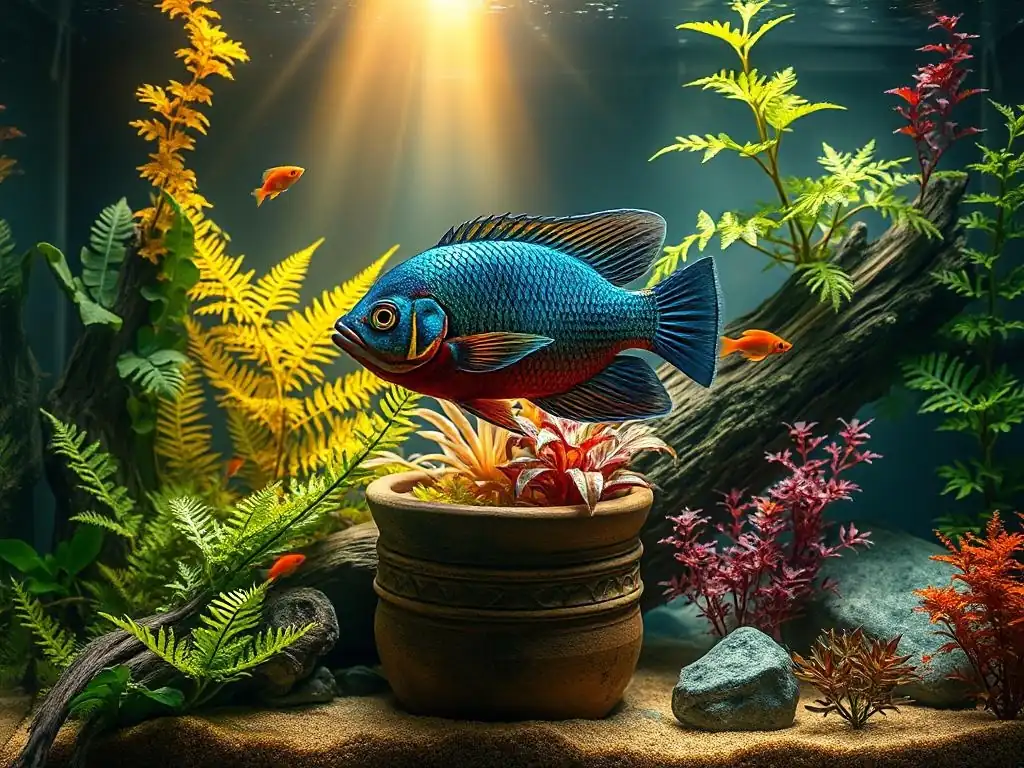
Ever wondered how to ensure your vibrant Dwarf Gourami thrives for years to come? Dive into our comprehensive guide, " Dwarf Gourami Lifespan: How to Maximize Their Years in Your Tank," and unlock the secrets to a long and healthy life for these captivating freshwater fish. Discover everything you need to know about their care, from optimal tank conditions to essential feeding tips, and prepare to be amazed by the potential lifespan you can unlock! Curious to learn more? Let's get started!
- Understanding Dwarf Gourami Lifespan
- Water Parameters and Their Impact
- Diet and Nutrition for a Healthy Gourami
- Disease Prevention and Treatment
- Tank Mates and Compatibility
- Stress Reduction Strategies
- Care Tips for Longevity
- Maximizing Lifespan: Best Practices
-
Frequently Asked Questions
- What is the average lifespan of a Dwarf Gourami in a home aquarium?
- What are some key factors that can affect a Dwarf Gourami's lifespan?
- What are some common diseases that can shorten a Dwarf Gourami's life?
- What are some important care tips to maximize the lifespan of a Dwarf Gourami?
- How can I identify a healthy Dwarf Gourami when purchasing one?
- Final Reflection: Nurturing Life in Miniature
- Cultivate a Thriving Life for Your Gourami!
Understanding Dwarf Gourami Lifespan
Average Lifespan in Captivity
The average Dwarf Gourami lifespan in a well-maintained aquarium typically ranges from 2 to 4 years. While some exceptionally healthy individuals, given optimal conditions, might reach 5 years, this is less common. This range is a general guideline, as various factors can significantly influence how long these vibrant fish live in a home aquarium. Understanding this typical lifespan helps aquarists set realistic expectations and focus on providing the best possible care.
Compared to their wild counterparts, Dwarf Gouramis in captivity often have the potential for a longer and more stable life, primarily due to the absence of natural predators, consistent food sources, and controlled environmental conditions. However, this potential is only realized if aquarists adhere to meticulous Dwarf Gourami lifespan care tips, ensuring stable water parameters, a stress-free environment, and a nutritious diet. Neglecting these aspects can drastically shorten their time in your tank, sometimes to less than a year.
Factors Influencing Life Expectancy
Several critical factors collectively determine the life expectancy of a Dwarf Gourami. Genetics play an inherent role, as some fish may simply be predisposed to a shorter or longer life, often influenced by the quality of the breeding stock from which they originated. However, environmental factors within the aquarium are far more controllable and impactful.
The most significant influences on Dwarf Gourami lifespan include water quality, diet, stress levels, and the prevention and prompt treatment of diseases. Poor water conditions, an inadequate diet lacking essential nutrients, persistent stress from incompatible tank mates or an unsuitable environment, and untreated illnesses are common culprits that prematurely end the life of these beautiful fish. Conversely, providing an enriched, stable habitat with excellent Dwarf Gourami lifespan care tips can significantly extend their years.
Water Parameters and Their Impact
Optimal Water Temperature
Maintaining an optimal water temperature is crucial for the health and longevity of Dwarf Gouramis. These tropical fish thrive in temperatures ranging from 72°F to 82°F (approximately 22°C to 28°C), with a stable temperature around 76°F (24°C) often being ideal. Fluctuations of more than 2-3 degrees within a day can cause significant stress, weakening their immune system and making them susceptible to disease, thereby directly impacting their Dwarf Gourami lifespan.
Consistent temperature ensures that their metabolic processes function correctly, from digestion to immune response. Temperatures outside this range, particularly prolonged exposure to colder water, can slow their metabolism, leading to lethargy, susceptibility to common ailments like Ich, and a reduced lifespan. Conversely, excessively warm water can decrease dissolved oxygen levels and increase their metabolic rate to an unhealthy degree, also shortening the Dwarf Gourami lifespan.
Ideal pH Levels
Dwarf Gouramis prefer slightly acidic to neutral water conditions. An ideal pH range for these fish is between 6.0 and 7.5. Maintaining this specific pH is vital because it influences the bioavailability of nutrients and the toxicity of certain compounds in the water. For instance, ammonia, a common waste product, becomes significantly more toxic at higher pH levels, even in small concentrations.
Sudden or drastic shifts in pH can lead to pH shock, a severe and often fatal condition for fish. Even minor, consistent deviations from their preferred range can cause chronic stress, impairing their ability to absorb essential minerals and function optimally. Regular testing of your aquarium's pH, ideally weekly, is a fundamental part of Dwarf Gourami lifespan care tips, helping to ensure a stable and healthy environment.
Water Hardness Considerations
Water hardness, specifically general hardness (GH) and carbonate hardness (KH), also plays a role in the long-term health of Dwarf Gouramis. They prefer soft to moderately hard water, with a GH range of 5-15 dGH (degrees of general hardness) and a KH of 3-8 dKH (degrees of carbonate hardness). KH is particularly important as it acts as a buffer, stabilizing the pH and preventing dangerous fluctuations.
Extremely hard or soft water can stress Dwarf Gouramis, as their bodies are adapted to specific mineral concentrations. Very soft water might lack essential minerals, while very hard water can lead to kidney issues or difficulty with osmoregulation over time, shortening the Dwarf Gourami lifespan. Using a reliable test kit for GH and KH and making gradual adjustments if necessary are crucial elements of effective Dwarf Gourami lifespan care tips.
Importance of Tank Size
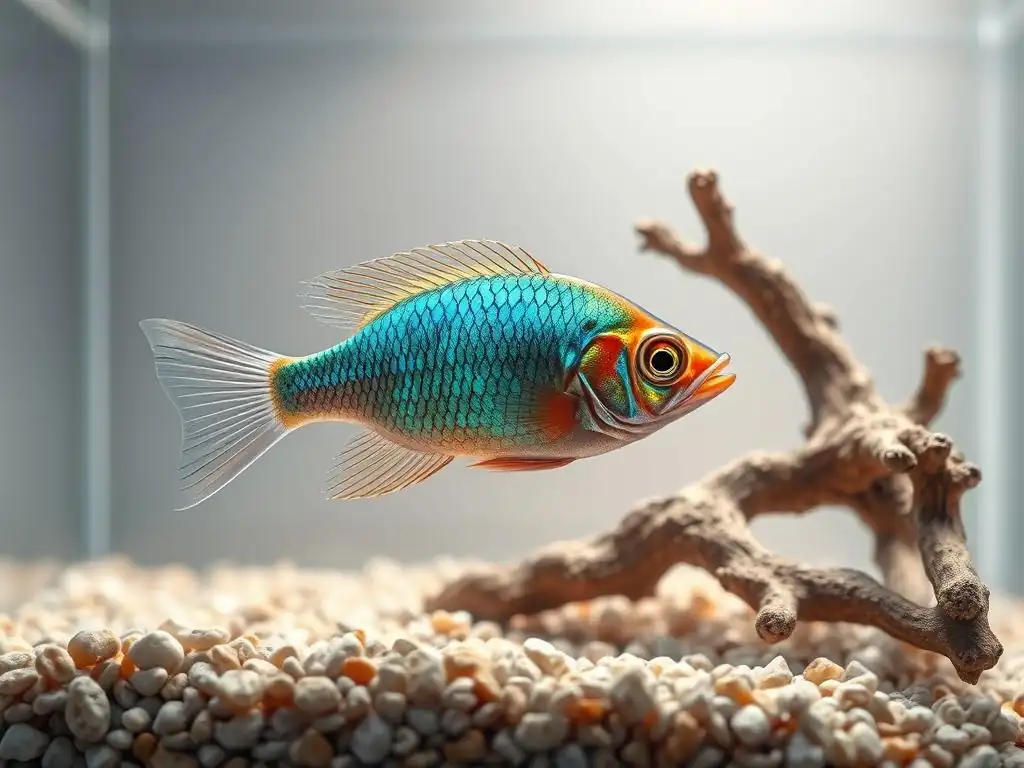
The size of the aquarium directly impacts water quality stability and the stress levels of Dwarf Gouramis. A single Dwarf Gourami requires a minimum of a 10-gallon tank (approximately 38 liters) to thrive. For a pair or a small group, a 20-gallon tank (around 76 liters) or larger is recommended to provide ample swimming space and reduce territorial disputes.
Overcrowding is a significant stressor and detriment to Dwarf Gourami lifespan. In smaller, overstocked tanks, waste products accumulate more rapidly, leading to poor water quality, higher ammonia/nitrite levels, and increased disease risk. Additionally, insufficient space can lead to aggression among gouramis or between gouramis and other tank mates, causing chronic stress and injuries that drastically reduce their overall lifespan.
Filtration and Water Changes
Effective filtration and regular water changes are perhaps the most critical aspects of maintaining excellent water quality, directly influencing the Dwarf Gourami lifespan. A high-quality filter system (e.g., hang-on-back, canister, or sponge filter, depending on tank size) provides mechanical filtration to remove particulate matter, chemical filtration to absorb toxins like chlorine, and most importantly, biological filtration to convert harmful ammonia and nitrites into less toxic nitrates.
Despite efficient filtration, nitrates still accumulate, and essential minerals deplete over time. Therefore, routine partial water changes are indispensable. A common guideline is to replace 25% of the tank water weekly, or 50% bi-weekly, using dechlorinated water that matches the tank's temperature and pH as closely as possible. This consistent practice dilutes nitrates, replenishes vital trace elements, and is a cornerstone of Dwarf Gourami lifespan care tips, preventing chronic stress and disease.
Diet and Nutrition for a Healthy Gourami
Balanced Diet Recommendations
A balanced and varied diet is fundamental to maximizing the Dwarf Gourami lifespan. Their natural diet consists of small insects, larvae, and some plant matter, making them omnivores. In captivity, a high-quality flake or small pellet food specifically designed for tropical fish should form the staple of their diet, providing essential proteins, fats, and vitamins.
Supplementing this staple with a variety of frozen or freeze-dried foods such as bloodworms, brine shrimp, daphnia, and spirulina-enriched foods is crucial for providing a full spectrum of nutrients and encouraging vibrant coloration. Offering a diverse diet not only ensures complete nutrition but also stimulates their natural foraging behaviors, contributing to their overall well-being and a longer Dwarf Gourami lifespan.
Live vs. Prepared Foods
Both live and prepared foods have their place in a Dwarf Gourami's diet. High-quality prepared foods, like flakes and pellets, offer convenience and are formulated to provide comprehensive nutrition, often fortified with vitamins and minerals necessary for robust health. They are also generally free from parasites and diseases, making them a safe primary food source.
Live foods, such as small amounts of live brine shrimp, daphnia, or blackworms, can be excellent supplements. They provide natural stimulation for foraging, are highly palatable, and can boost color and vigor. However, live foods carry a small risk of introducing parasites or diseases into the aquarium. If feeding live foods, source them from reputable suppliers or cultivate them yourself to minimize this risk, ensuring they contribute positively to the Dwarf Gourami lifespan.
Preventing Overfeeding
Overfeeding is a common mistake among aquarists and can severely impact the Dwarf Gourami lifespan. When fish are fed too much, uneaten food decomposes, leading to a rapid deterioration of water quality through spikes in ammonia, nitrite, and nitrate levels. This poor water quality directly stresses the fish, weakens their immune system, and can lead to various health issues, including fin rot and internal bacterial infections.
Furthermore, overfeeding can cause digestive problems and obesity in the fish themselves, leading to a host of internal health issues that shorten their life. A good rule of thumb is to feed your Dwarf Gouramis small amounts of food one to two times a day, only what they can consume entirely within 2-3 minutes. If food remains after this time, you are feeding too much. This simple Dwarf Gourami lifespan care tip can prevent many common health problems.
Disease Prevention and Treatment
Recognizing Early Signs of Illness
Early detection of illness is paramount to effectively treating diseases and extending the Dwarf Gourami lifespan. Aquarists should observe their fish daily for any changes in behavior or physical appearance. Signs of illness can include lethargy, loss of appetite, clamped fins (held close to the body), rapid or labored breathing, unusual swimming patterns (e.g., darting, rubbing against tank decor), and changes in coloration, such as fading or the appearance of spots, lesions, or growths.
Physical symptoms like frayed fins, white spots (Ich), fuzzy growths (fungus), or a dusty appearance (Velvet) are clear indicators of health issues. By recognizing these early signs, aquarists can often intervene before the disease progresses too far, preventing widespread infection in the tank and significantly improving the chances of recovery for the affected Dwarf Gourami, thus preserving its potential lifespan.
Common Diseases and Treatments
Dwarf Gourami Iridovirus (DGIV)
Dwarf Gourami Iridovirus (DGIV) is a highly contagious and often fatal viral disease specific to gouramis and related anabantoids. Symptoms typically include lethargy, loss of appetite, internal organ damage, and eventually visible lesions or ulcers on the body. Unfortunately, there is currently no known cure for DGIV, and affected fish usually succumb to the illness within weeks or months.
Due to its incurable nature and high transmissibility, prevention is the only effective strategy to protect your Dwarf Gourami lifespan from DGIV. This involves purchasing fish from reputable breeders or stores known for healthy stock, and rigorously quarantining all new gouramis for at least 4-6 weeks before introducing them to the main aquarium. If a fish is confirmed to have DGIV, humane euthanasia is often recommended to prevent the spread to other susceptible fish in the tank.
Bacterial Infections: Fin Rot
Bacterial infections, such as fin rot, are common ailments in aquariums, often triggered by poor water quality, stress, or physical injury. Fin rot manifests as frayed, ragged, or disintegrating fins, sometimes with a red or white inflamed edge. If left untreated, the infection can spread to the body, leading to more severe systemic issues and significantly shortening the Dwarf Gourami lifespan.
Treatment for fin rot typically involves a two-pronged approach: immediate improvement of water quality through partial water changes and thorough gravel vacuuming, coupled with the use of broad-spectrum antibacterial medications. Antibiotics like erythromycin or tetracycline, specifically formulated for aquarium use, can be effective. Addressing the underlying cause, such as overcrowding or insufficient filtration, is crucial to prevent recurrence and ensure the long-term health of your Dwarf Gourami.
Parasitic Infections
Dwarf Gouramis are susceptible to various parasitic infections, both external and internal. Common external parasites include Ich (Ichthyophthirius multifiliis), characterized by small white spots resembling salt grains on the body and fins, and Velvet (Oodinium), which appears as a fine, dusty, yellowish or brownish coating. Internal parasites, though less visible, can cause emaciation, lethargy, and white, stringy feces.
Treatment varies depending on the parasite. For Ich, slowly raising the water temperature to 82-84°F (28-29°C) and using Ich-specific medications containing malachite green or formalin is often effective. Velvet typically responds to copper-based medications or acriflavine. Internal parasites usually require medicated foods containing antiparasitic agents like metronidazole or praziquantel. Prompt identification and treatment are crucial to prevent the spread of parasites and safeguard the Dwarf Gourami lifespan.
Quarantine Procedures
Implementing a strict quarantine procedure for all new fish is one of the most effective Dwarf Gourami lifespan care tips for preventing the introduction of diseases into your main display tank. A separate quarantine tank, ideally 10-20 gallons, equipped with a heater and filter, should be set up specifically for this purpose.
New Dwarf Gouramis, or any new fish, should be placed in the quarantine tank for a period of 2-4 weeks. During this time, observe them closely for any signs of illness, feed them a nutritious diet, and perform regular water changes. If any signs of disease appear, treat them in the quarantine tank, preventing potential infection of your established fish population and protecting the long-term health and Dwarf Gourami lifespan of your existing community.
Tank Mates and Compatibility
Compatible Tank Mates
Choosing appropriate tank mates is vital for a peaceful aquarium environment and directly impacts the Dwarf Gourami lifespan. These fish are generally peaceful but can be shy and sometimes territorial, especially males. Ideal tank mates are similarly sized, non-aggressive, and prefer similar water parameters. Good choices include various species of tetras (e.g., Neon Tetras, Cardinal Tetras, Rummy-nose Tetras), rasboras (e.g., Harlequin Rasboras), and smaller, peaceful bottom dwellers like Corydoras catfish or Bristlenose Plecos.
Other peaceful fish such as Otocinclus catfish or even other small, non-aggressive gourami species (if the tank is large enough) can also be suitable. The key is to select fish that will not nip at the Dwarf Gourami's delicate ventral fins and will not outcompete them for food or space. A harmonious community reduces stress, which is a major factor in extending the Dwarf Gourami lifespan.
Fish to Avoid
Certain fish species should be strictly avoided as tank mates for Dwarf Gouramis, as they can cause stress, injury, or even death, significantly shortening the Dwarf Gourami lifespan. Highly aggressive or fin-nipping species, such as Tiger Barbs, most cichlids (with the exception of some very small, peaceful dwarf cichlids in very large tanks), and larger, predatory fish, are unsuitable.
Additionally, very boisterous or fast-moving fish can intimidate Dwarf Gouramis, causing them to hide constantly and become stressed. Overly large fish, even if not aggressive, can also be a source of stress due to their sheer size. Researching the temperament and adult size of any potential tank mate before introduction is a critical Dwarf Gourami lifespan care tip.
Peaceful Aquarium Environment
Creating a peaceful aquarium environment goes beyond just selecting compatible tank mates; it involves thoughtful tank design and management. Dwarf Gouramis, being relatively shy fish, thrive in tanks that offer plenty of hiding places and visual barriers. Dense planting, especially with tall plants like Vallisneria or Amazon Swords, and the inclusion of driftwood or rock caves, provides safe havens where they can retreat when feeling threatened or stressed.
Avoiding overstocking is paramount, as it leads to increased aggression, competition for resources, and poor water quality. A calm, well-structured environment minimizes stress, allows Dwarf Gouramis to exhibit natural behaviors, and significantly contributes to their overall well-being and a longer Dwarf Gourami lifespan.
Stress Reduction Strategies
Hiding Places and Plants
Providing ample hiding places and dense live plants is one of the most effective strategies for reducing stress in Dwarf Gouramis. These fish are naturally somewhat reclusive and appreciate having areas where they can feel secure and escape from the activity of the main tank. Caves, driftwood, rock formations, and even ceramic decorations can serve as excellent retreats.
Live plants, such as Java Fern, Anubias, Hornwort, or various stem plants, are particularly beneficial. They not only offer visual barriers and hiding spots but also help to improve water quality by absorbing nitrates and providing oxygen. A heavily planted tank mimics their natural habitat, making them feel more at ease, reducing chronic stress, and thereby directly supporting a healthy Dwarf Gourami lifespan.
Minimizing Disturbances
Minimizing external disturbances is crucial for maintaining a low-stress environment for Dwarf Gouramis. Sudden movements near the tank, loud noises, or abrupt changes in lighting can startle and stress these sensitive fish. Placing the aquarium in a quiet area of the home, away from high-traffic zones or direct sunlight, can significantly contribute to their calm.
Establishing a consistent routine for feeding, lighting cycles, and maintenance also helps reduce stress. For instance, using a timer for aquarium lights ensures a predictable day/night cycle, which is important for their biological rhythm. These seemingly small adjustments are vital Dwarf Gourami lifespan care tips that create a stable and predictable world for your fish.
Consistent Tank Environment
Maintaining a consistent tank environment is perhaps the most fundamental stress reduction strategy. This means keeping water parameters – temperature, pH, and hardness – as stable as possible, avoiding sudden fluctuations. Regular testing and gradual adjustments are key, as rapid changes can induce severe stress and even osmotic shock.
Beyond water chemistry, consistency in feeding times, lighting cycles, and even the aquascape itself contributes to a sense of security for your Dwarf Gouramis. A stable environment allows their immune system to function optimally and prevents the chronic stress that can lead to disease and a significantly shortened Dwarf Gourami lifespan.
Care Tips for Longevity
Regular Observation
Regular, ideally daily, observation of your Dwarf Gouramis is a simple yet powerful Dwarf Gourami lifespan care tip. Spending a few minutes each day watching your fish allows you to become familiar with their normal behaviors, swimming patterns, and appearance. This familiarity makes it much easier to spot subtle changes that could indicate the onset of stress or illness.
Early detection of issues, such as changes in appetite, clamped fins, unusual spots, or lethargy, means you can intervene quickly. Addressing problems in their nascent stages, whether it's adjusting water parameters, treating a developing infection, or resolving an aggression issue, dramatically increases the chances of successful resolution and safeguards the Dwarf Gourami lifespan.
Proactive Maintenance
Proactive maintenance is the cornerstone of a healthy and long-lived Dwarf Gourami. This means not just reacting to problems but actively preventing them. Regular partial water changes (e.g., 25% weekly), routine cleaning of filter media, and vacuuming the substrate to remove accumulated waste are non-negotiable tasks. These actions prevent the buildup of harmful nitrates and maintain pristine water quality, which is crucial for fish health.
Beyond water quality, proactive maintenance includes checking equipment like heaters and filters regularly to ensure they are functioning correctly. Pruning plants to prevent overgrowth and ensuring good water circulation are also important. This consistent, forward-thinking approach minimizes stress and disease risk, directly contributing to the maximum potential Dwarf Gourami lifespan.
Thriving Habitat
Creating a truly thriving habitat for your Dwarf Gouramis involves integrating all the previously discussed elements into a cohesive whole. It means providing stable, optimal water parameters; offering a diverse and nutritious diet; selecting compatible, peaceful tank mates; and furnishing the tank with ample hiding places and live plants. It's about designing an environment that mimics their natural preferences as closely as possible.
A thriving habitat is one where the fish feel secure, are well-fed, and are not subjected to chronic stress. In such an environment, their immune systems are robust, their colors are vibrant, and they exhibit natural behaviors. This holistic approach to Dwarf Gourami lifespan care tips allows these beautiful fish to live out their full potential and enjoy many years in your aquarium.
Maximizing Lifespan: Best Practices
Key Care Tips Recap
To truly maximize the Dwarf Gourami lifespan, aquarists must consistently apply a combination of key care tips. Foremost among these is maintaining impeccable water quality through regular partial water changes, effective filtration, and stable water parameters (temperature 72-82°F, pH 6.0-7.5, GH 5-15 dGH). Equally important is providing a balanced and varied diet, including high-quality flakes supplemented with frozen or live foods, and strictly avoiding overfeeding.
Stress reduction is another critical pillar, achieved by providing ample hiding places, selecting peaceful tank mates, and minimizing external disturbances. Finally, proactive disease prevention through strict quarantine protocols for new fish and daily observation for early signs of illness are essential. These integrated Dwarf Gourami lifespan care tips form the foundation for a long and healthy life for your fish.
Importance of Consistent Care
The longevity of a Dwarf Gourami is not the result of a one-time setup or occasional attention, but rather the cumulative outcome of consistent, dedicated care over time. Sporadic maintenance or fluctuating water conditions will inevitably lead to stress and health problems, regardless of initial efforts. It is the daily vigilance, weekly water changes, and ongoing commitment to providing an ideal environment that truly makes the difference in a Dwarf Gourami lifespan.
Aquarists who commit to these best practices will be rewarded with vibrant, active Dwarf Gouramis that thrive for years, showcasing their full beauty and personality. Understanding and applying these comprehensive Dwarf Gourami lifespan care tips transforms an aquarium from a mere tank of water into a thriving ecosystem where these charming fish can reach their maximum potential lifespan.
Frequently Asked Questions
What is the average lifespan of a Dwarf Gourami in a home aquarium?
The average Dwarf Gourami lifespan in a well-maintained aquarium is typically 4 to 6 years. However, this can be shorter if optimal care is not provided or if the fish is already stressed upon purchase.
What are some key factors that can affect a Dwarf Gourami's lifespan?
Several factors influence their lifespan, including water quality, diet, and stress levels. Maintaining a stable environment with proper filtration and a varied diet is crucial.
What are some common diseases that can shorten a Dwarf Gourami's life?
Dwarf Gourami Iridovirus (DGIV) is a significant threat, often leading to early mortality. Other common issues include bacterial infections and parasitic infestations.
What are some important care tips to maximize the lifespan of a Dwarf Gourami?
Ensure a properly cycled tank, maintain consistent water parameters, and provide a varied diet. Also, quarantine new fish to prevent the spread of disease.
How can I identify a healthy Dwarf Gourami when purchasing one?
Look for bright coloration, active swimming behavior, and a healthy appetite. Avoid fish with signs of disease, such as clamped fins or lesions.
Final Reflection: Nurturing Life in Miniature
The journey of understanding and extending the Dwarf Gourami lifespan is more than just a technical exercise in aquarium care; it's a testament to our ability to create thriving ecosystems within our homes. By applying the care tips discussed, we actively participate in the well-being of these vibrant creatures, transforming a simple tank into a sanctuary where they can flourish. This dedication to responsible pet ownership elevates the hobby beyond mere aesthetics, making it a deeply rewarding experience.
This commitment to providing optimal conditions profoundly impacts the lives of these delicate fish, shaping their health and happiness. The act of nurturing a Dwarf Gourami, observing its unique personality, and witnessing its vibrant colors is a constant reminder of the interconnectedness of life. The greatness of a nation and its moral progress can be judged by the way its animals are treated.
- Mahatma Gandhi. This quote resonates deeply when considering the responsibility we undertake when bringing any animal, especially one as sensitive as the Dwarf Gourami, into our care.
Now, consider the impact of your actions. Take a moment to reflect on the knowledge you've gained and how you can apply these Dwarf Gourami lifespan care tips to create a truly enriching environment for your own aquatic companions. Let us all strive to be conscientious custodians, ensuring that these miniature jewels of the aquarium world live long, healthy, and vibrant lives, bringing joy and wonder to our homes for years to come.
Cultivate a Thriving Life for Your Gourami!
Thanks for diving into the world of Dwarf Gouramis! We hope you've gained valuable insights into extending their lifespan and ensuring a happy life for your scaled friend. Now, let’s put that knowledge into action!
Here are a few things you can do to ensure your Gourami thrives:
- Immediately review your tank parameters! Check the temperature, pH, and ammonia levels to ensure they are within the ideal range for Dwarf Gouramis. This is the single most important step for their well-being.
- Share this article with a fellow aquarium enthusiast! Help them discover the secrets to a long and healthy life for their Dwarf Gouramis too.
- Consider setting up a quarantine tank. This provides a stress-free environment where your fish can recover without facing competition or the risk of disease transmission.
What's one small change you'll implement this week to boost your Dwarf Gourami's happiness and longevity?