
Understanding Shrimp Grades: From Culls to ShowQuality Specimens Explained

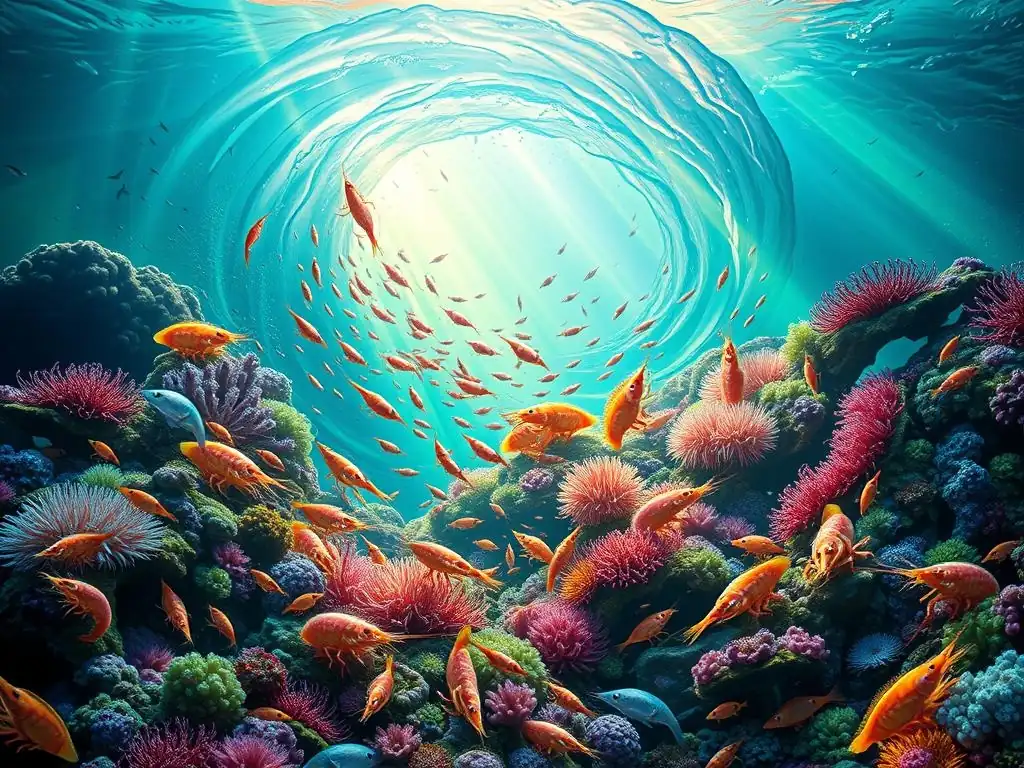
Welcome to Aquarium Mastery! Ever wondered what truly separates a show-quality shrimp from a humble cull? Our in-depth guide, " Understanding Shrimp Grades: From Culls to ShowQuality Specimens Explained," dives deep into the fascinating world of shrimp grading. Prepare to unlock the secrets behind color intensity, pattern perfection, and overall health, and learn how to identify the true gems of the freshwater shrimp world. Ready to become a shrimp grading expert? Let's get started!
- Introduction to Shrimp Grading in Freshwater Aquariums
- Defining Shrimp Grades: A Comprehensive Overview
-
The Shrimp Grading System Explained: From Lowest to Highest
- Cull Grade Shrimp: Identifying and Understanding the Lowest Quality
- Low Grade Shrimp: Identifying Features and Characteristics
- Mid Grade Shrimp: Achieving a Balance of Quality and Value
- High Grade Shrimp: Defining Superior Quality and Desirability
- Show Quality Shrimp: The Pinnacle of Shrimp Breeding
- Specific Shrimp Species and Their Grading Nuances
- Factors Affecting Shrimp Grade Quality in Your Aquarium
- How to Improve Shrimp Grade Quality Through Selective Breeding
- Buying and Selling Shrimp Based on Grade Quality
- Conclusion: Mastering Shrimp Grade Quality for a Thriving Aquarium
- Frequently Asked Questions
- Final Reflection: Appreciating the Nuances of Shrimp Quality
- Ignite Your Shrimp Keeping Journey!
Introduction to Shrimp Grading in Freshwater Aquariums
Why Shrimp Grade Quality Matters for Aquarium Enthusiasts
For many aquarium enthusiasts, the allure of freshwater shrimp lies not only in their fascinating behaviors but also in their vibrant colors and intricate patterns. Understanding shrimp grade quality is paramount because it directly impacts the aesthetic appeal of an aquarium, the potential for successful selective breeding, and even the financial investment involved. When hobbyists delve into the world of Neocaridina or Caridina shrimp, knowing the nuances of "shrimp grade quality explained" helps them make informed purchasing decisions, ensuring they acquire specimens that align with their vision for their tank.
Furthermore, higher-grade shrimp often exhibit more stable genetics, which is crucial for those interested in breeding. A colony started with high-quality, genetically sound individuals is more likely to produce offspring that maintain or even improve upon desired traits, leading to a more rewarding breeding experience. Conversely, starting with lower-grade shrimp might result in a significant number of culls, requiring more effort in selective breeding to achieve desired outcomes.
The Importance of Understanding Shrimp Grading Standards
Shrimp grading standards are not arbitrary; they are established benchmarks developed by experienced breeders and the wider aquarist community to classify shrimp based on their visual characteristics. Comprehending these standards is vital for both buyers and sellers, as it provides a common language for describing the quality of a specific shrimp or an entire batch. This standardization helps to prevent miscommunication and ensures transparency in transactions, particularly when dealing with rare or high-value specimens.
Beyond commercial aspects, understanding grading standards empowers hobbyists to set clear, achievable goals for their breeding projects. For instance, a breeder aiming for "Painted Fire Red" Neocaridina shrimp knows exactly what level of color saturation and coverage is expected, allowing them to diligently cull and select individuals that move their colony closer to that ideal. This detailed knowledge of "shrimp grade quality explained" fosters a deeper appreciation for the genetic artistry involved in shrimp keeping.
Defining Shrimp Grades: A Comprehensive Overview
What are Shrimp Grades and How are They Determined?
Shrimp grades refer to a classification system used to categorize individual shrimp based on their aesthetic qualities, primarily focusing on color intensity, pattern definition, and overall body conformation. These grades are determined through meticulous visual assessment, often conducted by experienced breeders who compare specimens against established photographic charts or community-accepted benchmarks. The primary goal is to objectively evaluate how closely a shrimp matches the ideal characteristics for its specific variety.
The determination process typically involves observing mature shrimp, usually around 3-4 months old, as their coloration and patterns become fully developed by this stage. Breeders will examine various angles and lighting conditions to accurately assess traits such as the opacity of color, the sharpness of pattern edges, and the absence of undesirable markings or deformities. Consistency in this assessment is key to accurately representing the "shrimp grade quality explained" for any given specimen.
Key Factors Influencing Shrimp Grade Quality
Several key factors consistently influence a shrimp's grade, irrespective of the specific species or variety. These elements are universally applied in the grading process, providing a comprehensive framework for evaluation. While the emphasis on each factor may vary slightly between Neocaridina and Caridina species, their collective assessment forms the backbone of the grading system.
The primary attributes scrutinized include the vibrancy and coverage of coloration, the clarity and precision of any patterns, the overall shape and proportion of the body, and the condition of the shell. A comprehensive understanding of these factors is essential for anyone looking to accurately assess "shrimp grade quality explained" in their own tanks or when acquiring new specimens.
Color Intensity and Pattern Definition
Color intensity refers to the depth, saturation, and opacity of a shrimp's pigmentation. For solid-colored varieties like Cherry or Blue Dream Neocaridina, a higher grade signifies a more opaque and uniform color that covers the entire body, including the legs and antennae. For example, a high-grade Cherry shrimp will exhibit a deep, blood-red hue with no translucent patches, appearing almost "painted" on.
Pattern definition, conversely, is crucial for patterned varieties such as Crystal Red or Black Bee shrimp. This factor assesses how crisp, distinct, and symmetrical the colored and white bands or markings are. A show-quality Crystal Red shrimp, for instance, will boast razor-sharp edges between its red and white segments, with no bleeding or blurring, clearly demonstrating superior "shrimp grade quality explained."
Body Shape and Conformation
The body shape and overall conformation of a shrimp play a significant role in its grade, reflecting not only aesthetic appeal but also underlying genetic health. An ideal shrimp should possess a robust, well-proportioned body with a smooth, unbroken carapace and abdomen. The antennae should be intact and of appropriate length, and the legs should appear strong and functional.
Any visible deformities, such as a bent rostrum (nose), a curved spine, missing limbs, or unusually small size for its age, will typically result in a lower grade, regardless of coloration. These physical imperfections can indicate genetic issues or developmental problems, making the shrimp less desirable for breeding purposes and diminishing its "shrimp grade quality explained" in the eyes of a discerning hobbyist.
Shell Quality and Markings
Shell quality is another critical aspect of shrimp grading. A high-grade shrimp should have a clean, unblemished exoskeleton free from nicks, scratches, or mineral deposits that can obscure its natural color or pattern. A healthy, well-molted shell contributes significantly to the overall vibrant appearance of the shrimp.
Furthermore, specific markings, or the absence thereof, are often part of a variety's grading criteria. For example, some Crystal Red Shrimp grades are defined by specific patterns like "Hinomaru" (a solid red circle on a white body) or "Mosura" (red only on the head and tail, with the rest of the body white). Conversely, unwanted black spots on a pure red shrimp or irregular patches on a solid-colored variety would typically lower its "shrimp grade quality explained."
The Shrimp Grading System Explained: From Lowest to Highest
Cull Grade Shrimp: Identifying and Understanding the Lowest Quality
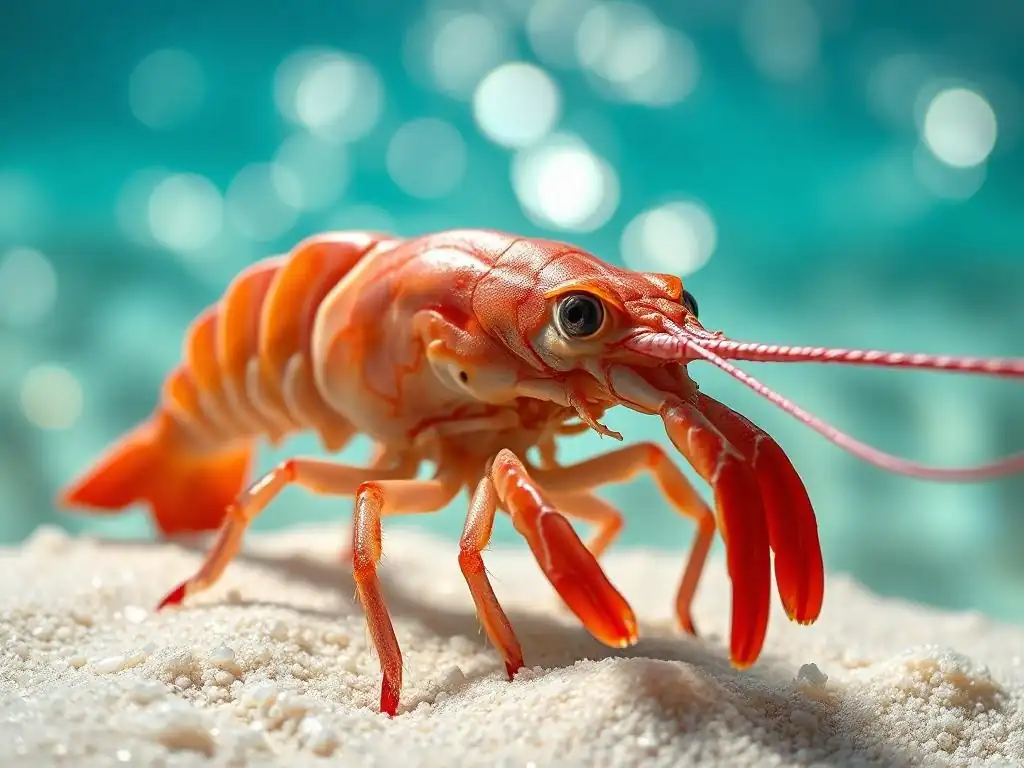
Cull grade shrimp represent the lowest tier in the grading system. These are individuals that exhibit significant deviations from the desired traits of their species or variety, often displaying poor coloration, incomplete patterns, or physical deformities. They are intentionally removed from breeding programs to prevent the propagation of undesirable genes and to maintain the overall quality of the breeding line.
While cull grade shrimp are not suitable for improving a genetic line, they are typically healthy and can still serve as fascinating inhabitants for a general community tank or as a cost-effective option for beginners. They are often sold at significantly lower prices, sometimes even given away, making them accessible but not ideal for those focused on specific aesthetic goals or selective breeding to achieve higher "shrimp grade quality explained."
Characteristics of Cull Grade Shrimp
The visual characteristics of cull grade shrimp are quite distinct. For Neocaridina varieties like Cherry shrimp, a cull might appear almost entirely clear or have only a faint, patchy blush of red, lacking the solid, opaque coloration. For patterned Caridina shrimp, culls often show very little white, blurry or incomplete patterns, and generally dull colors.
Beyond coloration, culls may also exhibit physical abnormalities such as stunted growth, bent backs, or misshapen rostrums. These traits indicate a departure from the ideal form and genetic stability. While they can live full lives, their presence in a breeding tank would dilute the efforts to enhance "shrimp grade quality explained" in subsequent generations.
Reasons for Culling Shrimp in Breeding Programs
Culling is a fundamental practice in selective breeding, ensuring that only the best individuals are chosen to reproduce. The primary reason for culling is to eliminate shrimp that carry undesirable genetic traits, such as poor color intensity, inconsistent patterns, or genetic deformities, thereby preventing these traits from being passed on.
By systematically removing these individuals, breeders can gradually improve the overall "shrimp grade quality explained" of their colony over multiple generations. This rigorous selection process concentrates the genes responsible for desired characteristics, leading to a more consistent and higher-quality population that meets specific grading standards.
Low Grade Shrimp: Identifying Features and Characteristics
Low grade shrimp represent a step up from culls, possessing some of the desired coloration or patterns but still falling short of mid-grade standards. They are characterized by noticeable imperfections that prevent them from being considered "clean" or "solid" examples of their variety.
These shrimp are typically more affordable than higher grades and can still add visual interest to an aquarium, particularly for hobbyists who are not focused on rigorous selective breeding. While they may not be ideal for improving a high-end line, they are perfectly suitable as attractive and active pets.
Common Traits of Low Grade Neocaridina Shrimp
For Neocaridina varieties, low-grade specimens often display faded or inconsistent coloration. A low-grade Cherry shrimp, for example, might have a pale red body with significant clear patches, especially on the underside or legs, lacking the deep, uniform opacity of higher grades. Similarly, a low-grade Blue Dream shrimp might be a light, patchy blue with translucent areas, rather than a solid, deep hue.
These traits indicate a lesser genetic predisposition for intense color expression compared to their higher-grade counterparts. While they are still vibrant and active, their "shrimp grade quality explained" is marked by this lack of full pigment saturation and coverage.
Faded Coloration and Incomplete Patterns
Faded coloration in low-grade shrimp means the pigment is not dense enough to create a solid, opaque appearance. The color might appear washed out or thin, allowing some of the underlying clear shell to show through. This contrasts sharply with the rich, dense color of high-grade specimens.
In patterned shrimp, low grade often manifests as incomplete or blurry patterns. For instance, a low-grade Rili shrimp might have indistinct boundaries between its clear and colored sections, or the colored patches might be sparse and unevenly distributed, failing to form the crisp, well-defined pattern seen in mid or high-grade Rilis.
Mid Grade Shrimp: Achieving a Balance of Quality and Value
Mid grade shrimp strike an excellent balance between aesthetic quality and affordability, making them a popular choice for many hobbyists. These specimens exhibit solid coloration or clear patterns, but may possess minor imperfections that prevent them from reaching high-grade status.
They offer a significant visual upgrade from low-grade shrimp and are often stable enough for breeding projects aimed at gradually improving a line. Their attractive appearance combined with a reasonable price point makes them highly desirable for general display tanks and for those starting their journey into selective breeding, providing a good baseline for "shrimp grade quality explained."
Features of Mid Grade Shrimp
Mid-grade shrimp typically feature solid and consistent color coverage across most of their body for solid-colored varieties. For example, a mid-grade Cherry shrimp will display a vibrant, uniform red over the majority of its body, though it might still have very small translucent spots, perhaps on the underside or tips of the legs, that are only noticeable upon close inspection.
For patterned shrimp, mid-grade specimens will have generally well-defined patterns, with clear separation between colors, even if the symmetry isn't absolutely perfect or the color isn't as intensely opaque as a high-grade. They present a pleasing visual without the premium cost.
Solid Coloration with Minor Imperfections
Mid-grade shrimp are characterized by solid coloration that is largely opaque and vibrant, but with minor, often subtle imperfections. These imperfections might include a slight variation in color intensity across the body, or very small clear patches that do not significantly detract from the shrimp's overall appearance.
For instance, a mid-grade Blue Dream shrimp will be a noticeable and consistent blue, but perhaps not the deep, velvety indigo of a high-grade specimen. These small flaws are generally overlooked by the casual observer and represent excellent value for the "shrimp grade quality explained" offered.
High Grade Shrimp: Defining Superior Quality and Desirability
High grade shrimp are specimens that approach perfection in terms of color, pattern, and form, representing a significant achievement in selective breeding. They are highly sought after by serious hobbyists and breeders due to their superior aesthetics and genetic stability.
These shrimp command higher prices because of the dedicated effort and careful selection involved in their production. They are considered top-tier for most hobbyist collections and are prime candidates for breeding programs aimed at producing show-quality offspring, embodying a high standard of "shrimp grade quality explained."
Characteristics of High Grade Neocaridina Shrimp
For high-grade Neocaridina varieties like Fire Red or Painted Fire Red Cherry shrimp, the defining characteristic is intense, opaque red coloration that covers nearly the entire body, including the legs and antennae, with minimal to no clear spots. A high-grade Blue Dream will exhibit a deep, uniform sapphire or indigo blue that is consistent across its entire body.
These shrimp maintain their vibrant coloration even under varying aquarium lighting conditions, reflecting their strong genetic predisposition for pigment expression. Their robust appearance makes them ideal for showcasing in a dedicated shrimp tank and as breeding stock to further refine a line.
Intense Coloration and Well-Defined Patterns
High-grade shrimp are distinguished by their incredibly intense coloration, which appears dense and almost velvety, with no translucency. For patterned varieties such as Rili shrimp, the distinction between the colored and clear sections is razor-sharp, with no bleeding or blurring.
The patterns themselves are well-formed, symmetrical, and cover the expected areas according to the variety's standards. This level of clarity and saturation is a hallmark of superior genetics and diligent selective breeding, setting the benchmark for what "shrimp grade quality explained" means in the upper echelons of the hobby.
Show Quality Shrimp: The Pinnacle of Shrimp Breeding
Show quality shrimp represent the absolute zenith of freshwater shrimp breeding. These are rare specimens that exhibit perfect or near-perfect traits according to the most stringent species-specific standards, encompassing flawless coloration, impeccable pattern symmetry, and ideal body conformation.
These highly prized individuals are the result of many generations of rigorous selective breeding, often spanning years of dedicated effort. They are typically used by elite breeders to set new standards, win competitions, and command premium prices, sometimes hundreds of dollars for a single specimen, embodying the ultimate "shrimp grade quality explained."
Defining Traits of Show Quality Shrimp
The defining traits of show quality shrimp are their uncompromising perfection. For solid-colored varieties, this means absolutely flawless, opaque coloration that is uniformly intense across the entire body, including the most subtle areas like the tips of antennae and the underside of the tail. There are no clear spots, fading, or inconsistencies whatsoever.
For patterned shrimp, the patterns are not just well-defined but perfectly symmetrical, vibrant, and adhere precisely to the ideal form for their variety (e.g., specific band ratios for Crystal Reds, or unique patterns for Taiwan Bees). Their body conformation is impeccable, with no deformities, and they exhibit exceptional vitality and health.
Perfect Coloration, Pattern Symmetry, and Body Conformation
To illustrate perfect coloration and pattern symmetry, consider a show-quality Crystal Red Shrimp (CRS). It might be classified as an "SS" or "SSS" grade, featuring brilliant, snow-white bands that are perfectly opaque and form distinct, highly desirable patterns such as "Hinomaru" (a solid red circle on a white body) or "Mosura" (red limited to only the head and tail, with the rest of the body being pristine white). The red is equally intense and well-defined.
The body conformation of a show-quality shrimp is equally flawless – robust, well-proportioned, and free from any genetic or physical imperfections. These shrimp are visual masterpieces, reflecting the highest possible standard of "shrimp grade quality explained" and serving as the ideal representation for their species.
Specific Shrimp Species and Their Grading Nuances
Neocaridina davidi (Cherry Shrimp, etc.) Grading Explained
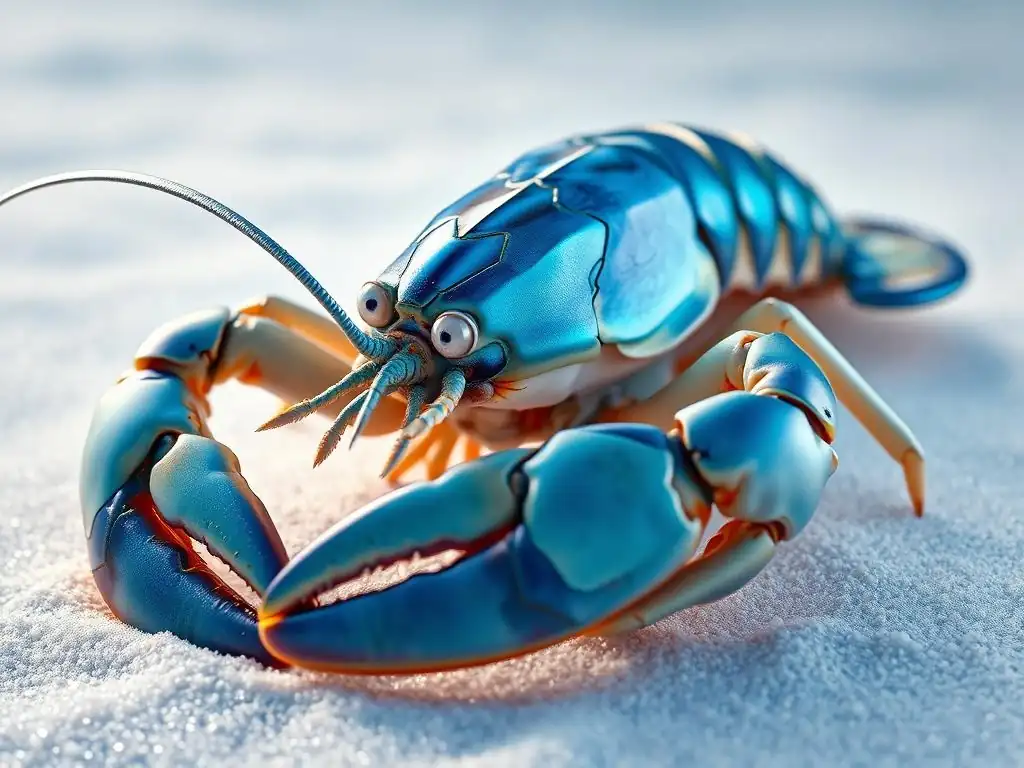
Neocaridina davidi, commonly known as Cherry Shrimp and its many color morphs (e.g., Blue Dream, Yellow Goldenback), are graded primarily on the intensity, opacity, and coverage of their color. Unlike Caridina shrimp, complex patterns are less common, with exceptions like the Rili variety which features clear mid-sections.
The grading progression for Neocaridina typically moves from translucent or wild-type individuals to specimens with increasingly dense, opaque coloration. Understanding this straightforward system helps hobbyists quickly assess "shrimp grade quality explained" for these popular and hardy shrimp.
Cherry Shrimp Grade Quality Considerations
The grading of Cherry Shrimp (Red Cherry, Sakura, Fire Red, Painted Fire Red, Bloody Mary) is a clear example of increasing color density. A basic Red Cherry shrimp might have patchy, translucent red color. A Sakura grade shows more solid red, but often with clear areas on the legs or underside.
Fire Red and Painted Fire Red grades exhibit progressively more opaque and uniform red coverage, with Painted Fire Red being almost entirely opaque, including the legs. The highest grade, Bloody Mary, typically developed from a chocolate Neocaridina lineage, boasts an incredibly deep, rich, and completely opaque red that covers every part of the shrimp, including the often-translucent underside, setting a very high bar for "shrimp grade quality explained."
Blue Dream Shrimp Grade Quality Considerations
For Blue Dream shrimp, the grading hinges on the depth and uniformity of their blue coloration. A low-grade Blue Dream might appear as a pale, patchy blue, often with clear or grayish spots, lacking the desired vibrancy.
Mid-grade Blue Dream shrimp will display a more consistent and noticeable blue, while high-grade and show-quality specimens are characterized by an exceptionally deep, opaque indigo or sapphire blue that covers their entire body without any translucent areas. The deeper and more uniform the blue, the higher the "shrimp grade quality explained" for this variety.
Yellow Goldenback Shrimp Grade Quality Considerations
The primary grading factor for Yellow Goldenback shrimp is the intensity and coverage of their yellow coloration, combined with the prominence of the characteristic "goldenback" stripe. Low-grade specimens may have a pale yellow hue and a faint or broken stripe.
High-grade Yellow Goldenback shrimp, conversely, exhibit a vibrant, opaque yellow that covers their entire body, complemented by a distinct, unbroken, iridescent golden stripe running down their back. The brilliance of both the yellow and the stripe are key indicators of superior "shrimp grade quality explained" in this eye-catching variety.
Caridina cantonensis (Crystal Shrimp, Taiwan Bee) Grading Explained
Caridina cantonensis, encompassing varieties like Crystal Red Shrimp (CRS), Black Bee Shrimp (CBS), and Taiwan Bee Shrimp, feature a more complex grading system than Neocaridina. Their grading often involves precise patterns, specific band ratios, and extreme color purity in addition to intensity. These shrimp are generally more sensitive to water parameters, making their successful breeding and grading a testament to aquarist skill.
The grading scales for Caridina, such as the common C to SSS system for Crystal Red/Black, reflect increasing white coverage and the formation of highly specific, desirable patterns. This detailed and nuanced system is crucial for understanding "shrimp grade quality explained" within the Caridina world, where subtle differences can dramatically impact a shrimp's value.
Crystal Red Shrimp (CRS) Grade Quality Considerations
Crystal Red Shrimp (CRS) are typically graded from C to SSS. A C-grade CRS has minimal white, often with blurry red and white bands. B-grade shows more distinct red and white, but still with irregular patterns. A-grade features clear, well-defined red and white bands, often with 30-40% white coverage.
S-grade CRS displays stronger white coverage (50-60%) and clearer bands. SS-grade (or S+) boasts very strong white (60-70%) and specific patterns like "Hinomaru" (a solid red circle on a white body) or "No-Entry" (a red cross on a white body).
SSS-grade (or SSS+) is the pinnacle, with exceptional white coverage (70-80% or more), brilliant white and red, and highly prized patterns such as "Mosura" (red limited to only the head and tail, with the rest of the body pristine white) or "Red Bolt" (an almost entirely white shrimp with a single, vivid red stripe), representing the ultimate "shrimp grade quality explained" for CRS.
Black Bee Shrimp (CBS) Grade Quality Considerations
Similar to CRS, Black Bee Shrimp (CBS) are graded on the intensity of their black and white coloration, and the clarity of their patterns. Grades range from C to SSS. A C-grade CBS will have weak black and minimal white. An A-grade will feature clearer, more defined black and white bands.
S-grade CBS exhibits strong black and good white coverage. SS and SSS grades are characterized by intense, opaque black and brilliant white, with patterns mirroring those of CRS, such as "Panda" (mostly white with black head and tail), "King Kong" (more black than white), and "Hinomaru" or "Mosura" patterns, demonstrating the highest "shrimp grade quality explained" for this variety.
Taiwan Bee Shrimp (Panda, King Kong, etc.) Grade Quality Considerations
Taiwan Bee shrimp, including varieties like Panda, King Kong, Red Wine, Black King Kong, and Blue Bolt, are often considered the apex of Caridina breeding, known for their unique opaque colors and highly sought-after patterns. Their grading is extremely stringent and often focuses on the specific characteristics unique to each type.
For example, a Black King Kong (BKK) is graded on the depth and opacity of its black, with higher grades being a solid, intense, and uniform black that covers the entire body. A Red Wine is assessed on its deep, opaque red color. Blue Bolt shrimp are graded on the intensity and coverage of their blue. These grades often do not follow the simple A-SSS scale as strictly as CRS/CBS, instead emphasizing the specific pattern and color saturation unique to each Taiwan Bee type, representing the ultimate "shrimp grade quality explained" in the Caridina world.
Factors Affecting Shrimp Grade Quality in Your Aquarium
Water Parameters and Their Impact on Shrimp Color and Health
Maintaining stable and appropriate water parameters is paramount for ensuring optimal shrimp health and, consequently, their grade quality. Fluctuations or incorrect levels of pH, General Hardness (GH), Carbonate Hardness (KH), and Total Dissolved Solids (TDS) can cause significant stress to shrimp, leading to faded colors, poor molts, and reduced vitality. This directly impacts their perceived "shrimp grade quality explained."
For Neocaridina shrimp, a pH of 6.5-7.5, GH of 6-8 dGH, and KH of 3-5 dKH are generally ideal. Caridina shrimp, particularly the more sensitive varieties like Crystal and Taiwan Bees, typically require softer, more acidic water, with a pH of 5.5-6.5, GH of 4-6 dGH, and very low KH (0-1 dKH). Deviations from these optimal ranges can cause shrimp to dull in color; for instance, high nitrate levels, even below toxic levels, have been observed to significantly reduce the intensity of red and blue pigments in shrimp.
Diet and Nutrition for Optimal Shrimp Grade Quality
A varied and balanced diet is essential for promoting vibrant colors and robust growth, both of which are critical for achieving high shrimp grade quality. High-quality commercial shrimp foods are often fortified with natural color enhancers like astaxanthin, spirulina, and various carotenoids, which are directly metabolized by shrimp to intensify their red, orange, and yellow pigments.
Insufficient or poor nutrition can lead to dull coloration, stunted growth, and general poor health, visibly lowering a shrimp's grade. Supplementing a staple diet with blanched vegetables (e.g., spinach, zucchini), specialized mineral supplements, and occasional protein-rich foods ensures that shrimp receive all necessary vitamins, minerals, and trace elements required for optimal health and color expression.
Substrate and Environment for Enhancing Shrimp Appearance
The choice of substrate can significantly influence a shrimp's perceived color intensity. Shrimp, particularly Neocaridina, have a natural instinct to blend into their surroundings. Therefore, keeping them on a darker substrate, such as black or dark brown aquarium gravel or specialized active soil, often encourages them to intensify their own pigments to better camouflage themselves. This results in their colors appearing more vibrant and saturated.
Conversely, a lighter-colored substrate can cause shrimp to appear paler as they attempt to lighten their coloration to match their environment. Beyond substrate, a well-planted tank with plenty of hiding spots, such as driftwood, rocks, and mosses, reduces stress levels in shrimp. A stress-free environment allows shrimp to display their full genetic potential in terms of color and pattern, thereby enhancing their overall "shrimp grade quality explained."
How to Improve Shrimp Grade Quality Through Selective Breeding
Understanding the Principles of Selective Breeding for Shrimp
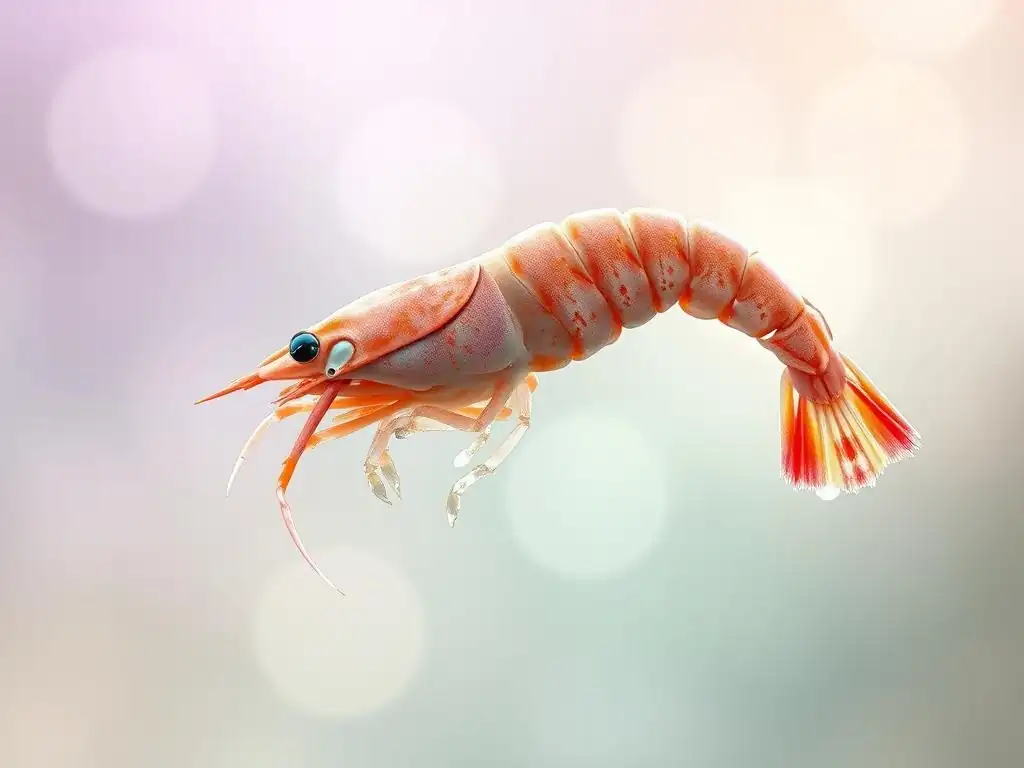
Selective breeding is a deliberate and systematic process where aquarists choose individuals with desirable traits to reproduce, with the aim of enhancing those specific characteristics in successive generations. For shrimp, this means focusing on traits like color intensity, pattern definition, body conformation, and overall health. This practice is fundamental for improving "shrimp grade quality explained" within a colony.
The process involves setting clear, achievable breeding goals, such as aiming for a deeper red in Cherry shrimp or more opaque white bands in Crystal Reds. By consistently selecting the best individuals for breeding and removing those that do not meet the desired standards, breeders can gradually concentrate the genes responsible for these preferred traits, leading to a higher percentage of high-grade offspring.
Identifying Desirable Traits and Culling Undesirable Ones
To effectively improve shrimp grade quality, breeders must regularly and meticulously inspect their shrimp colony. The first step is to identify and isolate or mark shrimp that consistently exhibit the most desirable traits – the deepest color, the sharpest patterns, the ideal body shape, and robust health. These individuals are designated as "breeders" for the next generation.
Simultaneously, it is crucial to identify and remove (cull) any shrimp that display undesirable characteristics, such as translucent bodies, faded colors, inconsistent patterns, deformities, or stunted growth. Culling prevents these less desirable genes from being passed on to future generations, thereby slowly but surely improving the overall "shrimp grade quality explained" of the entire colony.
Maintaining Genetic Diversity in Your Shrimp Colony
While selective breeding is essential for enhancing specific traits, it is equally important to maintain genetic diversity within your shrimp colony. Excessive inbreeding, where closely related individuals are repeatedly bred, can lead to a phenomenon known as "inbreeding depression." This can manifest as reduced vigor, increased susceptibility to diseases, smaller brood sizes, and even genetic deformities over time, ultimately hindering efforts to improve "shrimp grade quality explained."
To counteract this, breeders can employ strategies such as occasionally introducing new, high-quality bloodlines from different breeders (after rigorous quarantine to ensure they are disease-free). Another approach is to maintain multiple, slightly varied breeding lines within the same facility, allowing for controlled outcrossing when necessary. This balanced approach ensures genetic improvement while safeguarding the overall health and resilience of the shrimp colony.
Buying and Selling Shrimp Based on Grade Quality
What to Look for When Purchasing Shrimp
When purchasing shrimp, especially higher-grade specimens, it is crucial for buyers to be well-informed and discerning. Always ask the seller about the specific grade of the shrimp being offered and request clear, recent photos or videos of the actual shrimp for sale. Look for active, healthy-looking shrimp with vibrant colors and no visible deformities or signs of stress. Verifying that the "shrimp grade quality explained" by the seller matches your expectations is key.
It is also advisable to inquire about the water parameters in which the shrimp were kept. This information is vital for proper acclimation to your aquarium, as sudden changes in water chemistry can cause significant stress. Purchasing from reputable breeders who have a clear understanding of and adhere to established grading standards is often the best way to ensure you receive the quality you pay for.
Pricing Considerations Based on Shrimp Grade Quality
There is a direct and significant correlation between a shrimp's grade quality and its market price. Cull grade shrimp, which are typically translucent or have very poor coloration, might be sold for as little as $1-3 each. Low to mid-grade Neocaridina, offering some color but with minor imperfections, generally range from $3-8. High-grade Neocaridina, with intense and opaque coloration, can command prices of $5-15 per shrimp.
For Caridina shrimp, the price differential is even more pronounced due to their stricter grading and often more challenging breeding. A-grade Crystal Red Shrimp might be $10-20, while SS and SSS grades, with their brilliant white and specific patterns, can range from $20 to over $100 per shrimp, depending on rarity and demand. This pricing reflects the extensive breeding effort, time, and genetic stability invested in producing superior "shrimp grade quality explained."
Ethical Considerations in Shrimp Trading
Ethical considerations are paramount in the shrimp trading community, fostering trust and ensuring fair practices for both buyers and sellers. Sellers have a responsibility to honestly and accurately represent the grade of their shrimp. This includes providing truthful descriptions and clear, unedited photos or videos that genuinely depict the "shrimp grade quality explained" of the specimens for sale. Any known issues, such as a batch being prone to fading under certain conditions, should be disclosed.
Buyers, in turn, should be realistic about what a specific grade entails and avoid unreasonable expectations for lower-priced shrimp. Mislabeling, knowingly selling low-grade shrimp as higher grades, or failing to disclose health issues undermines the integrity of the hobby. Ethical trading practices build a strong, reputable community where hobbyists can confidently buy, sell, and exchange these fascinating invertebrates.
Conclusion: Mastering Shrimp Grade Quality for a Thriving Aquarium
The Continuous Pursuit of Higher Shrimp Grades
Understanding and striving for higher shrimp grades is a deeply rewarding aspect of the aquarium hobby. It transforms shrimp keeping from a simple maintenance task into a continuous journey of learning, observation, and selective breeding. The pursuit of perfecting a shrimp line, whether it's achieving a deeper red in a Cherry shrimp or a more intricate pattern in a Crystal Red, offers endless fascination and a tangible sense of accomplishment.
This continuous endeavor requires patience, attention to detail, and a commitment to providing optimal conditions. The satisfaction of seeing a colony evolve, with each successive generation exhibiting improved "shrimp grade quality explained," is a testament to the aquarist's dedication and skill in genetic management.
Resources for Further Learning about Shrimp Grading.
For those eager to delve deeper into the intricacies of shrimp grading, a wealth of resources is available. Online forums and dedicated shrimp breeding communities, such as those found on Reddit or specialized shrimp-keeping websites, offer invaluable platforms for asking questions, sharing experiences, and viewing examples of different grades. Many reputable aquarium books and websites are specifically dedicated to the care and breeding of particular shrimp species, often including detailed grading guides.
Additionally, attending local aquarium club meetings or specialized shrimp shows can provide unparalleled opportunities to see high-grade shrimp firsthand and learn directly from experienced breeders. These interactions offer practical insights and visual references that significantly enhance one's understanding of "shrimp grade quality explained" and the subtle nuances that define top-tier specimens.
Frequently Asked Questions
What are shrimp grades and why are they important?
Shrimp grades are a system used to categorize shrimp based on their color, pattern, and overall appearance. This is important because it affects their price and desirability, especially for breeding and showing purposes.
What are some common shrimp grading terms I might encounter?
Common grading terms include "Cull," "Low Grade," "High Grade," and sometimes more specific designations like "Mosura" or "Pinto." These terms generally refer to the intensity and complexity of the shrimp's coloration and markings.
How does shrimp grade affect the price of the shrimp?
Higher grade shrimp, possessing more vibrant colors and intricate patterns, command significantly higher prices than lower grade or cull shrimp due to their rarity and aesthetic appeal.
What factors contribute to a shrimp's grade?
The key factors include the intensity and coverage of the color, the sharpness and clarity of the pattern, and the absence of any physical deformities. The overall symmetry and health of the shrimp also contribute.
Can a shrimp's grade change over time?
Yes, a shrimp's grade can change, especially as it grows. Factors like stress, water parameters, and diet can affect the intensity of its color and therefore its perceived grade.
Final Reflection: Appreciating the Nuances of Shrimp Quality
The journey through understanding shrimp grades, from the humble cull to the prized show-quality specimen, reveals more than just size and color; it unveils a dedication to quality and a deep respect for the delicate ecosystem from which these creatures come. This appreciation for detail, for the subtle differences that distinguish excellence, is increasingly relevant in a world often driven by mass production and superficial standards. Recognizing the nuances of shrimp grade quality allows us to make informed choices, supporting sustainable practices and ultimately, enjoying a superior culinary experience.
This exploration into shrimp grading has profoundly influenced my perspective on food sourcing and consumption. It underscores the importance of looking beyond the surface, of understanding the processes and standards that contribute to the quality of what we consume. Quality is never an accident; it is always the result of high intention, sincere effort, intelligent direction and skillful execution; it represents the wise choice of many alternatives.
This quote perfectly encapsulates the dedication required to consistently produce high-grade shrimp, and it serves as a reminder to apply similar scrutiny and appreciation to all aspects of our lives.
Now, as you navigate the seafood market or plan your next culinary creation, I encourage you to reflect on the lessons learned here. Consider the journey of each shrimp, the dedication of the producers, and the impact of your choices. Let this newfound understanding inspire you to seek out quality, support sustainable practices, and ultimately, savor the true essence of excellence in every bite.
Ignite Your Shrimp Keeping Journey!
Thanks for diving into the fascinating world of shrimp grading! We hope you've uncovered a newfound appreciation for the nuances that differentiate these tiny aquatic gems. Ready to take your shrimp keeping to the next level?
Here are a few things you can do right now:
- Start meticulously observing your shrimp! Identify the grades present in your own colony.
- Explore the possibility of selectively breeding to enhance desirable traits and upgrade your shrimp lineage.
- Share your newfound shrimp grading wisdom with fellow aquarium enthusiasts on social media or your favorite forum.
What unique characteristics do you look for when judging the quality of your shrimp?