
Crystal Red Shrimp (CRS): Comprehensive Care, Grading, and Breeding Secrets

Welcome to Aquarium Mastery!
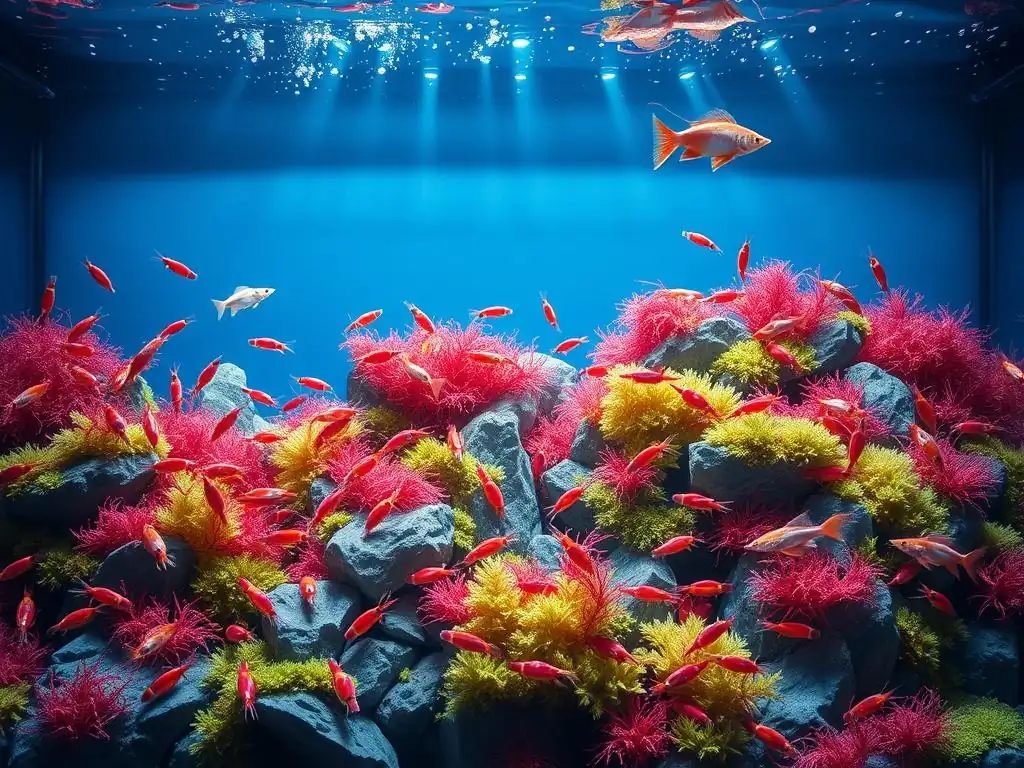
Ever wondered how to unlock the secrets to keeping Crystal Red Shrimp thriving in your aquarium? These vibrant little creatures can bring a stunning splash of color and activity to your tank, but their care requires a delicate touch. Dive in to our comprehensive Crystal Red Shrimp care guide and discover everything you need to know about grading, breeding, and maintaining a healthy, happy CRS colony. Ready to elevate your invertebrate expertise? Let's get started!
- Understanding Crystal Red Shrimp (CRS): An Introduction
- Crystal Red Shrimp (CRS) Care Guide: Creating the Ideal Environment
- Crystal Red Shrimp (CRS) Grading: Understanding Quality and Value
- Crystal Red Shrimp (CRS) Breeding: A Step-by-Step Guide
- Common Crystal Red Shrimp (CRS) Problems and Solutions
- Advanced Crystal Red Shrimp (CRS) Keeping: Tips and Techniques
- Conclusion: Mastering Crystal Red Shrimp (CRS) Care and Breeding
-
Frequently Asked Questions
- What are Crystal Red Shrimp and why are they popular?
- What are the key water parameters for successful Crystal Red Shrimp keeping?
- How is the grading of Crystal Red Shrimp determined, and why is it important?
- What is the best food to feed Crystal Red Shrimp, and how often should I feed them?
- What are some common problems encountered when keeping Crystal Red Shrimp, and how can they be prevented?
- Final Reflection: The Delicate Dance of Life
- Unleash the Beauty: Start Your Crystal Red Shrimp Journey Today!
Understanding Crystal Red Shrimp (CRS): An Introduction
What are Crystal Red Shrimp (CRS)? Origins and Characteristics
Crystal Red Shrimp, often abbreviated as CRS, are a highly popular and visually striking freshwater dwarf shrimp species, scientifically known as Caridina cantonensis. These captivating invertebrates originated from selective breeding of wild Caridina cantonensis found in specific regions of China, particularly in the mountainous streams of southern China. The vibrant red and white coloration, which is their defining characteristic, was first stabilized in Japan in the mid-1990s through meticulous breeding efforts, transforming a naturally duller wild type into the stunning aquarium specimen we know today.
Their distinctive appearance features opaque white bands alternating with deep red bands across their bodies, creating a mesmerizing pattern. Adult CRS typically reach a size of about 1 to 1.2 inches (2.5 to 3 cm), with females generally being larger and more robust than males.
Their lifespan, under optimal conditions, can extend to 1.5 to 2 years, making them a long-term addition to a dedicated shrimp aquarium. Unlike some other shrimp species, CRS are known for their peaceful demeanor and active foraging habits, constantly grazing on biofilm and microalgae, which adds both aesthetic beauty and practical benefits to a freshwater tank.
Why Choose Crystal Red Shrimp (CRS) for Your Aquarium? Benefits and Considerations
Choosing Crystal Red Shrimp for your aquarium offers several compelling benefits, primarily their unparalleled aesthetic appeal. Their vivid red and crisp white patterns stand out dramatically against green aquatic plants or dark substrates, making them a focal point in any dedicated shrimp tank.
Beyond their beauty, CRS are excellent algae eaters, diligently grazing on various types of soft algae and biofilm, contributing to the overall cleanliness and ecological balance of the aquarium. They are also incredibly peaceful, posing no threat to other tank inhabitants, including tiny fry or delicate plants, making them suitable for species-only tanks or carefully selected community setups.
However, it's crucial to consider that CRS are more demanding in their care requirements compared to hardier species like Cherry Shrimp ( Neocaridina davidi). They are particularly sensitive to water parameters, requiring very soft, slightly acidic water with stable temperatures and extremely low levels of nitrates.
This sensitivity means they are not ideal for beginner aquarists who may not have experience with precise water chemistry management. Successfully keeping and breeding CRS often necessitates the use of reverse osmosis (RO) water remineralized with specific salts and an active buffering substrate, which represents a higher initial investment and ongoing commitment compared to setting up a typical community tank.
Crystal Red Shrimp (CRS) Care Guide: Creating the Ideal Environment
Setting Up a Crystal Red Shrimp (CRS) Tank: Essential Equipment and Substrate
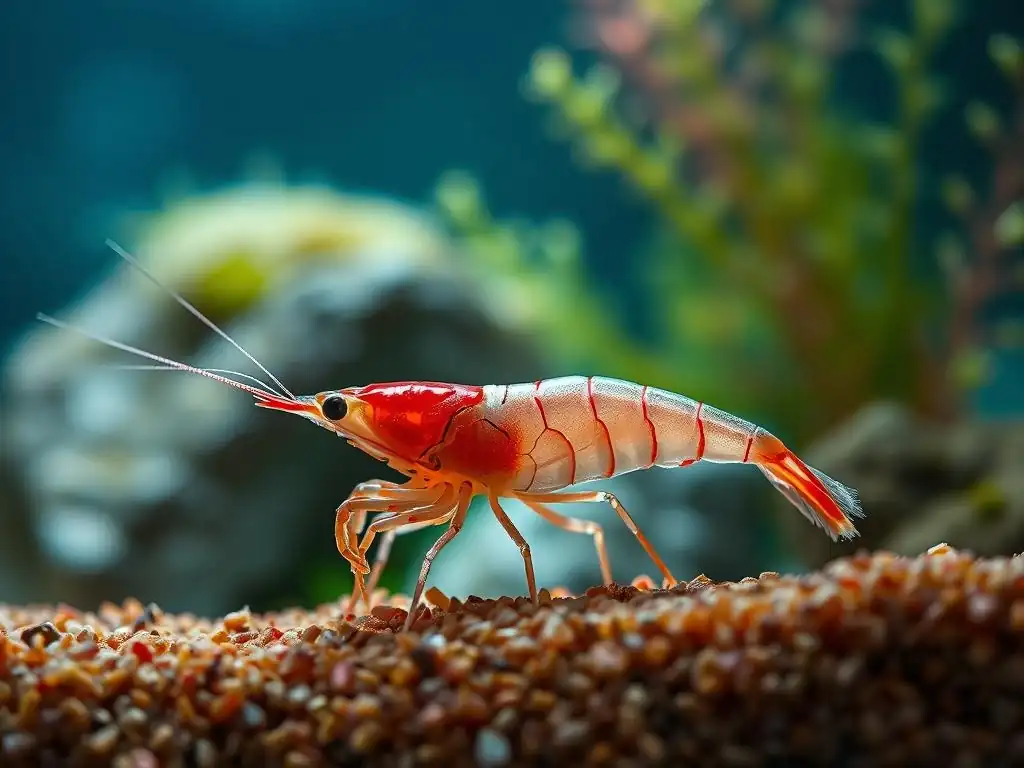
Proper tank setup is paramount for the health and longevity of Crystal Red Shrimp. A dedicated shrimp tank, often ranging from 5 to 10 gallons (approximately 19 to 38 liters), is ideal for a small colony of 10-20 CRS. Essential equipment includes a reliable heater to maintain stable temperatures, a thermometer for accurate monitoring, and a gentle filtration system. Sponge filters are highly recommended for CRS tanks as they provide excellent biological filtration without posing a risk of sucking up tiny shrimp or fry. Air stones can be added to ensure good oxygenation, especially in warmer temperatures.
Lighting requirements for CRS are generally moderate, primarily to support the growth of any live plants you choose to include, rather than for the shrimp themselves. Overly intense lighting can promote excessive algae growth, which, while a food source, can also indicate nutrient imbalances. Water testing kits are indispensable for monitoring critical parameters like pH, GH, KH, ammonia, nitrite, and nitrate regularly. Additionally, a siphon or gravel vacuum designed for small tanks is necessary for gentle water changes and substrate cleaning, minimizing disturbance to the delicate shrimp.
Choosing the Right Aquarium Size for Crystal Red Shrimp (CRS)
For Crystal Red Shrimp, the "right" aquarium size often leans towards smaller, dedicated tanks rather than large community setups, especially for beginners. A 5-gallon (approximately 19-liter) tank is a common starting point for a small colony of 10-15 CRS. This size allows for easier control over water parameters, which is critical given their sensitivity. The smaller water volume means that any fluctuations in pH or hardness can be more quickly detected and corrected, preventing stress or fatalities among the shrimp.
While a 5-gallon tank is sufficient, many experienced CRS keepers opt for 10-gallon (approximately 38-liter) tanks or larger for more stable conditions and to accommodate a growing colony. A larger tank provides more surface area for biofilm and algae growth, offering additional grazing opportunities, and dilutes waste products more effectively. For breeding purposes, a 10-gallon tank offers ample space for fry to mature without being overcrowded. Regardless of size, the key is stability; a well-cycled, mature tank with consistent parameters is far more important than sheer volume.
Best Substrates for Crystal Red Shrimp (CRS): Active Options
For Crystal Red Shrimp, active buffering substrates are overwhelmingly preferred and often considered essential for maintaining the specific water parameters they require. These specialized substrates, such as ADA Aqua Soil Amazonia, Fluval Stratum, or Brightwell Aquatics FlorinGourmet, are designed to naturally lower and stabilize the pH to a slightly acidic range (typically 5.5-6.5) and soften the water by absorbing carbonates. This creates the ideal soft, acidic environment that mimics their natural habitat and promotes optimal health, coloration, and breeding success.
Inert substrates, such as standard gravel or sand, are generally not recommended for CRS unless the aquarist is exceptionally diligent with water parameter management using reverse osmosis (RO) water and precise remineralization. While technically possible, maintaining the desired low pH and hardness with inert substrates requires constant vigilance and can be challenging due to the lack of buffering capacity. Active substrates also provide a large surface area for beneficial bacteria to colonize and act as a natural source of humic acids and other beneficial compounds, further supporting the shrimp's well-being.
Crystal Red Shrimp (CRS) Water Parameters: Maintaining Optimal Conditions
Maintaining precise and stable water parameters is the most critical aspect of Crystal Red Shrimp care, as they are highly sensitive to fluctuations. Unlike more tolerant species, CRS thrive in very specific conditions that mimic their natural, pristine mountain stream habitats. Constant monitoring with reliable test kits is not just recommended, but essential for their survival and successful breeding.
Any sudden changes in temperature, pH, or mineral content can cause extreme stress, leading to molting issues, disease, or even death. Therefore, regular, small water changes using carefully prepared water are preferred over large, infrequent ones. Understanding and consistently meeting these parameters is the cornerstone of a thriving Crystal Red Shrimp colony.
Ideal Water Temperature for Crystal Red Shrimp (CRS) Health and Breeding
The ideal water temperature for Crystal Red Shrimp health and breeding typically ranges between 68°F and 74°F (20°C to 23°C). Maintaining a stable temperature within this range is crucial, as significant fluctuations can cause considerable stress, leading to a weakened immune system and susceptibility to disease. Temperatures consistently above 76°F (24.5°C) can reduce oxygen levels in the water, accelerate their metabolism, shorten their lifespan, and potentially lead to failed molts.
While CRS can tolerate slightly lower temperatures, breeding activity often slows down. For optimal breeding rates and overall vitality, keeping the temperature around 70-72°F (21-22°C) is often recommended. Using a reliable aquarium heater with a thermostat is essential to prevent temperature swings. In warmer climates or during summer months, a fan aimed at the water surface or a chiller might be necessary to prevent overheating, especially if the ambient room temperature consistently exceeds the ideal range.
pH Levels and Water Hardness for Crystal Red Shrimp (CRS)
Crystal Red Shrimp require specific pH levels and water hardness to thrive, typically preferring soft, slightly acidic water. The ideal pH range for CRS is generally between 6.0 and 6.8. A pH outside this range, especially above 7.0, can be detrimental, causing stress and making it difficult for them to absorb necessary minerals. Active buffering substrates are often used to naturally maintain this acidic pH, as they release humic acids and absorb carbonates.
Regarding water hardness, CRS prefer very soft water. The general hardness (GH) should ideally be between 4 to 6 dGH (degrees of general hardness), which corresponds to approximately 70-100 ppm. Carbonate hardness (KH) should be very low, ideally 0 to 1 dKH.
A low KH is crucial because it allows the active substrate to effectively buffer the pH. Many successful CRS keepers achieve these parameters by using reverse osmosis (RO) or distilled water and then remineralizing it with a GH-only supplement, such as SaltyShrimp GH+, to achieve the desired GH while keeping KH at zero. This precise control over water parameters is key to preventing molting issues and ensuring the long-term health of the colony.
Ammonia, Nitrite, and Nitrate Management in Crystal Red Shrimp (CRS) Tanks
Maintaining pristine water quality with undetectable levels of ammonia and nitrite, and very low nitrates, is absolutely critical for Crystal Red Shrimp. Ammonia (NH3/NH4+) and nitrite (NO2-) are highly toxic to all aquatic life, but especially so to sensitive invertebrates like CRS. Even trace amounts can cause immediate stress, gill damage, and death. Therefore, a fully cycled aquarium with a robust beneficial bacteria colony is non-negotiable before introducing CRS.
Nitrate (NO3-), while less toxic than ammonia or nitrite, can still be harmful to CRS at elevated levels. Ideally, nitrate levels should be kept below 10 ppm, with many experienced breeders aiming for under 5 ppm. High nitrates can lead to lethargy, reduced breeding, and increased susceptibility to disease.
To manage nitrates, regular small water changes (10-20% weekly) using meticulously prepared, remineralized RO water are essential. Additionally, incorporating live plants, particularly fast-growing species like Hornwort or Anacharis, can help absorb nitrates from the water column, further contributing to a healthy, stable environment. Overfeeding should also be strictly avoided, as uneaten food quickly breaks down into harmful compounds.
Crystal Red Shrimp (CRS) Tank Mates: Choosing Compatible Species
When considering tank mates for Crystal Red Shrimp, the primary goal is to ensure the safety and well-being of the shrimp, which are small, delicate, and prone to predation or stress from larger, more active fish. A species-only tank is often the most recommended and successful approach for CRS, especially for breeding purposes. This setup eliminates any potential threats and allows the shrimp to thrive without competition for food or space.
If a community tank is desired, extreme caution and careful selection are necessary. The ideal tank mates are those that are incredibly peaceful, very small, and have no predatory instincts towards invertebrates. Even seemingly docile fish can occasionally nip at shrimp or consume their vulnerable fry. The slow movements and small size of CRS make them easy targets for all but the most benign companions.
Safe Tank Mates for Crystal Red Shrimp (CRS)
For those determined to keep Crystal Red Shrimp in a community setting, the list of truly safe tank mates is quite short and specific. The safest options are often other peaceful, non-aggressive dwarf shrimp species that share similar water parameter requirements, such as Snowball Shrimp ( Neocaridina zhangjiajiensis 'White') or even some Caridina species like Crystal Black Shrimp (CBS) or Taiwan Bees, provided they won't interbreed if unwanted hybrids are a concern. However, mixing Caridina species can lead to cross-breeding and diluted genetics.
Beyond other shrimp, a select few micro-fish can sometimes co-exist with CRS, though success is never guaranteed, especially for fry. Examples include Otocinclus catfish ( Otocinclus affinis), which are peaceful algae eaters that largely ignore shrimp. Small, peaceful snails like Nerite snails ( Neritina natalensis) or Mystery snails ( Pomacea bridgesii) are also excellent tank mates, as they do not bother shrimp and help with tank cleaning. It's crucial to observe any potential tank mates closely for signs of aggression or predatory behavior before introducing them to a CRS tank.
Fish to Avoid with Crystal Red Shrimp (CRS)
When keeping Crystal Red Shrimp, it is critical to avoid nearly all fish species, as most pose a significant threat. Any fish with a mouth large enough to swallow a shrimp, even a small fry, should be excluded. This includes popular community fish like Guppies ( Poecilia reticulata), Platies ( Xiphophorus maculatus), Swordtails ( Xiphophorus hellerii), and Mollies ( Poecilia sphenops), which are often considered peaceful but will readily prey on shrimp, especially vulnerable fry or freshly molted adults.
Furthermore, even seemingly small and peaceful tetras, such as Neon Tetras ( Paracheirodon innesi) or Cardinal Tetras ( Paracheirodon axelrodi), can and often will pick off CRS fry. Barbs, larger rasboras, cichlids (even dwarf species like German Blue Rams), bettas ( Betta splendens), and any predatory catfish are absolute non-starters. The general rule of thumb is: if a fish can fit a shrimp in its mouth, it will eventually try. To ensure the highest survival rates and breeding success for Crystal Red Shrimp, a dedicated species-only tank is by far the safest and most recommended approach.
Feeding Crystal Red Shrimp (CRS): Diet and Nutritional Needs
Crystal Red Shrimp are omnivorous scavengers, and their diet in the aquarium should primarily consist of specialized shrimp foods, supplemented with blanched vegetables and occasional protein sources. A balanced diet is crucial for their vibrant coloration, healthy growth, successful molting, and prolific breeding. Unlike fish, CRS graze almost constantly, feeding on biofilm, microalgae, and detritus present in the tank, which forms a significant part of their natural diet.
It's important to understand that overfeeding is a common pitfall that can rapidly degrade water quality, leading to ammonia spikes and bacterial blooms, both detrimental to sensitive CRS. Therefore, feeding small amounts frequently, and ensuring all food is consumed within a few hours, is key to their well-being. A varied diet, rather than relying on a single food type, will provide a broader spectrum of nutrients, supporting their overall health and vitality.
Best Foods for Crystal Red Shrimp (CRS) Growth and Coloration
For optimal growth and vibrant coloration in Crystal Red Shrimp, a varied diet composed of high-quality specialized shrimp foods is essential. Commercial shrimp pellets and wafers, formulated with ingredients like spirulina, kelp, various algaes, and vegetable matter, provide a good base. Brands like Shirakura, GlasGarten, and Benibachi are highly regarded among CRS keepers for their balanced nutrition and beneficial properties. These foods often contain natural color enhancers and essential minerals.
Supplementing these staple foods with blanched vegetables such as zucchini slices, spinach, or kale provides additional vitamins and fiber. These should be left in the tank for no more than 24 hours to prevent water fouling. Occasional protein sources, like a tiny piece of bloodworm or specific protein-rich shrimp foods, can be offered once or twice a week, particularly for breeding females and growing juveniles. Indian Almond Leaves ( Terminalia catappa) and alder cones also release beneficial humic substances and provide a natural grazing surface for biofilm, contributing to both their diet and water quality.
How Often to Feed Crystal Red Shrimp (CRS): Avoiding Overfeeding
The frequency and quantity of feeding Crystal Red Shrimp are critical factors in maintaining pristine water quality and preventing health issues. Overfeeding is one of the most common mistakes in shrimp keeping and can quickly lead to dangerous ammonia and nitrite spikes, as well as an increase in harmful bacteria. As a general guideline, CRS should be fed small amounts, typically once a day, or even every other day, depending on the size of the colony and the amount of natural biofilm available in the tank.
The key is to offer only as much food as the shrimp can consume within 2-3 hours. If there is food remaining after this time, it indicates overfeeding, and the excess should be removed immediately to prevent water contamination. For smaller colonies (e.g., 10-20 shrimp in a 5-10 gallon tank), a single small pellet or a tiny pinch of powdered food might be sufficient.
Observing your shrimp's feeding behavior is the best indicator; if they are actively grazing and quickly consume the food, your portion size is likely appropriate. Skipping a feeding day once or twice a week can also be beneficial, encouraging them to forage on natural biofilm and preventing the buildup of uneaten food.
Crystal Red Shrimp (CRS) Grading: Understanding Quality and Value
Crystal Red Shrimp (CRS) Grading System: A Visual Guide to Color Variations
The Crystal Red Shrimp grading system is a meticulous visual classification based on the intensity of their red and white coloration, the opacity of their white pigment, and the coverage and pattern of these colors across their body. This system, which originated in Japan, directly influences the value and desirability of individual shrimp. Higher grades signify more opaque white, richer red, and specific desirable patterns, indicating superior genetics and careful selective breeding.
The grading scale typically starts from C and progresses through B, A, S, SS, and SSS, with further sub-classifications for elite patterns. For instance, a basic Grade C shrimp might have translucent white and less intense red, while a Grade SSS shrimp will exhibit solid, opaque white bands, deep, uniform red, and often intricate patterns. Understanding this system is crucial for both buyers and breeders, as it provides a standardized way to assess the quality and potential of a CRS specimen, reflecting years of dedicated breeding efforts to achieve such striking aesthetics.
Defining the Grades: C, B, A, S, SS, SSS, and Pattern Variations
The Crystal Red Shrimp grading system is highly detailed, with each grade signifying specific visual qualities.
- Grade C: This is the lowest grade, characterized by less intense red and more translucent white, often with uneven patterns. The white may appear cloudy or sparse.
- Grade B: Shows better red and white coloration than Grade C, with the white starting to become more opaque, but still with some translucency. Patterns are more defined.
- Grade A: Features good, solid red and noticeably opaque white bands. The color coverage is more complete, and the patterns are clearer. This is a common entry-level grade for hobbyists.
- Grade S: Represents a significant jump in quality. The red is deep and uniform, and the white is very opaque and covers a large portion of the body. The patterns are crisp and well-defined.
- Grade SS: These shrimp exhibit excellent, solid red and highly opaque, brilliant white. The white coverage is extensive, often covering 70-80% of the body. Patterns are very sharp.
- Grade SSS: The pinnacle of CRS grading. These shrimp display incredibly dense, opaque white that is almost porcelain-like, combined with a very deep, consistent red. The white often covers 80-90% or more of the body, leaving only thin red bands.
Beyond these base grades, specific patterns further classify elite shrimp:
- Hinomaru (日の丸): Features a large, solid white circle on the back, resembling the Japanese flag.
- 日の丸: A Hinomaru with a small, distinct red cross within the white circle.
- 日の丸: Similar to Hinomaru, but with additional white markings extending from the circle.
- V-Band: Characterized by a distinct V-shaped white band on the back.
- Tiger Tooth: Exhibits jagged, tooth-like white markings along the red bands.
- No-Entry (日の丸): A highly sought-after pattern where the white forms a solid, almost complete circle or oval on the back, with no red breaking through.
These patterns, especially when combined with high-grade coloration, signify the highest quality and command the highest prices in the hobby.
Factors Affecting Crystal Red Shrimp (CRS) Grade: Genetics and Environment
The grade of a Crystal Red Shrimp is primarily determined by two overarching factors: genetics and environmental conditions. Genetics play the most significant role, as the potential for high-grade coloration and pattern is inherited from the shrimp's parents. Breeders meticulously select and cross high-grade individuals over many generations to consistently produce offspring with desired traits, such as opaque white pigment and intense red coloration.
A shrimp hatched from Grade SSS parents has a much higher probability of reaching a high grade itself, compared to one from Grade A parents. This genetic predisposition is the foundation of the CRS grading system.
However, even with superior genetics, environmental conditions can profoundly impact a shrimp's ability to express its full potential. Optimal water parameters (stable temperature, pH, GH, and low nitrates), a high-quality, varied diet rich in minerals and color-enhancing ingredients, and a stress-free environment are crucial.
Suboptimal conditions, such as fluctuating water parameters, poor diet, or overcrowding, can lead to duller colors, less opaque white, and overall reduced vitality, preventing a genetically high-grade shrimp from fully developing its intended appearance. For example, a shrimp with SSS genetics might only display A-grade quality if kept in unsuitable conditions, whereas a shrimp with S-grade genetics might appear closer to SS-grade if kept in pristine conditions.
Crystal Red Shrimp (CRS) Breeding: A Step-by-Step Guide
Preparing Your Crystal Red Shrimp (CRS) for Breeding
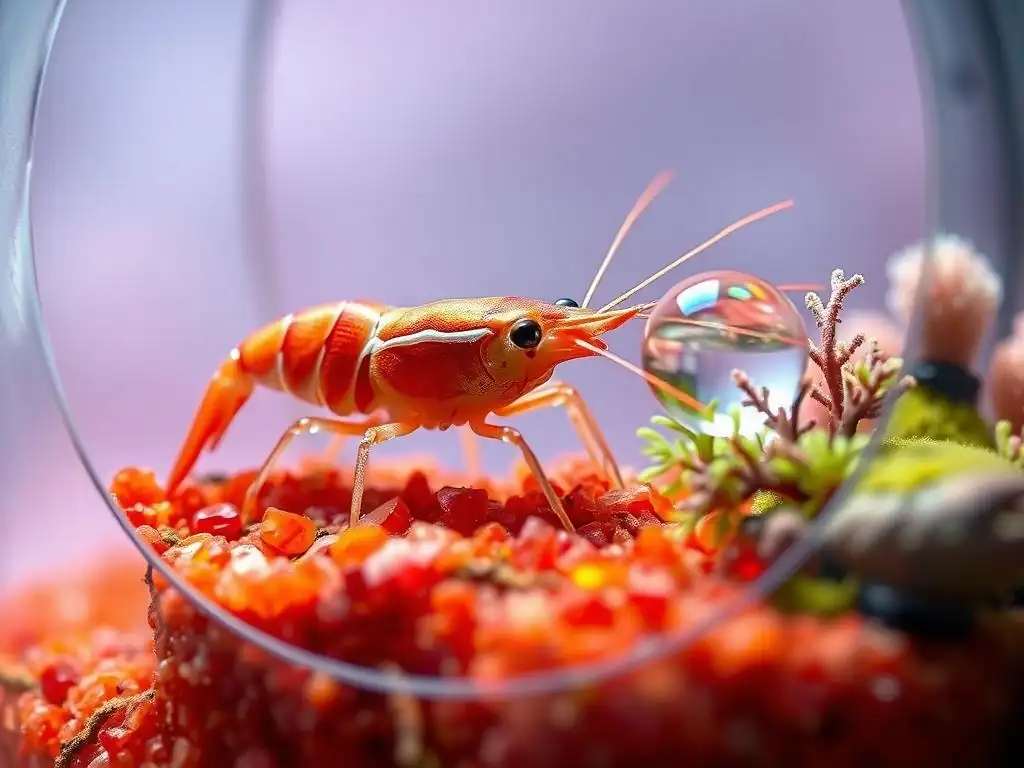
Successful breeding of Crystal Red Shrimp begins long before mating, requiring meticulous preparation of both the shrimp themselves and their environment. The primary goal is to create conditions that are not only conducive to their survival but actively stimulate their reproductive instincts. This involves ensuring the shrimp are mature, healthy, and well-fed, and that the breeding tank mimics their ideal natural habitat as closely as possible.
A dedicated breeding tank, often a 5-10 gallon setup, is highly recommended to provide a stable, undisturbed environment where fry are safe from predation and competition. Consistency in water parameters is paramount; any sudden changes can lead to molting issues, failed breeding attempts, or loss of eggs. Patience is also key, as it can take several weeks or even months for a new colony to settle in and begin breeding consistently.
Identifying Male and Female Crystal Red Shrimp (CRS)
Distinguishing between male and female Crystal Red Shrimp is relatively straightforward once they reach maturity, typically around 3-4 months of age. Female CRS are generally larger and more robust than males, often reaching up to 1.2 inches (3 cm) in length, while males rarely exceed 1 inch (2.5 cm). The most distinguishing characteristic of a mature female is the presence of a "saddle" – a greenish-yellowish patch visible behind her head, on her back. This saddle contains developing eggs, and its visibility indicates she is ready to be fertilized.
Additionally, female CRS tend to have a more rounded underbelly and a wider "pleura" (the lower part of their carapace) compared to the males. This wider pleura provides space for carrying eggs. Males, on the other hand, are typically slimmer, more streamlined, and lack a visible saddle. Their pleura is much straighter, and they are generally more active swimmers, constantly searching for receptive females. Observing these physical differences, especially the presence of a saddle or a broader underside, will help in accurately sexing your Crystal Red Shrimp.
Creating a Breeding-Friendly Environment
To create a breeding-friendly environment for Crystal Red Shrimp, stability and optimal water parameters are paramount. A dedicated breeding tank of 5-10 gallons is ideal, equipped with a sponge filter for gentle filtration and an air stone for oxygenation. The water parameters should be tightly controlled: temperature between 70-72°F (21-22°C), pH 6.0-6.5, GH 4-6 dGH, and KH 0-1 dKH. Using an active buffering substrate like ADA Aqua Soil and remineralized RO water is crucial for maintaining these conditions consistently.
The tank should also include plenty of hiding spots and surfaces for biofilm growth, which serves as a primary food source for both adults and fry. Live plants such as Java Moss ( Taxiphyllum barbieri), Christmas Moss ( Vesicularia montagnei), or various Anubias species provide excellent shelter and grazing areas.
Indian Almond Leaves and alder cones can be added to release beneficial tannins, which are thought to have antibacterial and antifungal properties, creating a more natural and stress-free environment conducive to breeding. A mature, well-established tank with stable parameters is far more likely to encourage consistent breeding than a newly set up one.
The Crystal Red Shrimp (CRS) Breeding Process: From Mating to Hatching
The breeding process of Crystal Red Shrimp is a fascinating cycle that begins with the female's molting. Once a mature female molts, she releases pheromones into the water, signaling her readiness to breed. Male shrimp, sensing these pheromones, will become highly active, swimming frantically around the tank in search of the receptive female. Several males may pursue a single female. Mating itself is a brief affair, with the male transferring sperm to the female.
Within a few hours to a day after mating, the female will transfer the fertilized eggs from her saddle to her swimmerets (pleopods) on her underside. These eggs, typically 20-30 per clutch, are initially green or yellow and are diligently fanned by the female to ensure oxygenation and prevent fungal growth. She will carry these eggs, becoming "berried," for approximately 25-35 days, depending on the water temperature. As the eggs develop, they will gradually lighten in color, and tiny eyes of the developing fry may become visible shortly before hatching.
Understanding the Gestation Period
The gestation period for Crystal Red Shrimp, from the moment a female becomes "berried" (carrying eggs) to the hatching of the fry, typically spans 25 to 35 days. This duration is primarily influenced by water temperature. Warmer temperatures within their ideal range (e.g., 72-74°F or 22-23°C) tend to shorten the gestation period, while cooler temperatures (e.g., 68-70°F or 20-21°C) can extend it. Throughout this period, the female diligently fans her eggs with her pleopods, ensuring proper oxygenation and preventing the buildup of detritus or fungi.
As the eggs mature, their color will gradually change from a greenish-yellow to a clearer, more translucent hue. Towards the end of the gestation period, if you look closely, you might even be able to see tiny, dark dots within the eggs – these are the developing eyes of the shrimp fry. Once hatched, the fry are miniature versions of the adults, immediately independent and ready to graze on biofilm and micro-organisms in the tank. The female will then molt again, and the cycle can repeat, with healthy females often producing a new clutch of eggs every 4-6 weeks.
Caring for Crystal Red Shrimp (CRS) Fry
Caring for Crystal Red Shrimp fry is relatively straightforward because they hatch as miniature, fully developed versions of the adults, not as larval stages. This means they can immediately graze on the same biofilm and microalgae that the adult shrimp consume. The most critical aspect of fry care is maintaining impeccable water quality and providing a safe, undisturbed environment. Sponge filters are essential as they prevent the tiny fry from being sucked into filtration systems.
Providing ample surface area for grazing, such as live mosses (Java Moss, Christmas Moss) and Indian Almond Leaves, is crucial for their survival. While they primarily feed on biofilm, supplementing their diet with finely powdered shrimp food designed for fry (often called "fry dust" or "powdered food") ensures they receive adequate nutrition for rapid growth. These foods should be sparingly sprinkled into the tank, just enough for the tiny fry to consume within an hour. Consistent, small water changes with aged, remineralized RO water are vital to prevent sudden parameter shifts that could be fatal to the delicate fry.
Crystal Red Shrimp (CRS) Genetics: Selective Breeding for Desired Traits
Crystal Red Shrimp genetics form the backbone of their diverse grading system and the hobby's pursuit of increasingly stunning patterns and coloration. Unlike many other aquarium species, CRS have been intensely selectively bred for specific aesthetic traits over decades, primarily focusing on the density and opacity of their white pigment, the richness of their red, and the clarity of their patterns (e.g., Hinomaru, V-band). Understanding their genetics allows breeders to predict outcomes and work towards improving their lines.
The traits that determine CRS grade are largely polygenic, meaning multiple genes contribute to their expression. This makes selective breeding a challenging but rewarding endeavor, requiring careful culling of lower-grade or undesirable offspring to maintain and enhance the quality of the breeding colony. Consistent application of selective breeding principles over many generations is what has led to the highly graded shrimp available today, transforming a relatively plain wild Caridina cantonensis into the vibrant Crystal Red Shrimp we admire.
Improving Color and Pattern Through Selective Breeding
Improving color and pattern in Crystal Red Shrimp through selective breeding is a long-term, systematic process that requires dedication and keen observation. The fundamental principle involves identifying the highest-grade individuals within a colony that exhibit the most desirable traits – such as opaque white, deep red, and crisp patterns – and then breeding them together. For example, if aiming for a Hinomaru pattern, breeders would select shrimp with even a faint hint of that pattern and pair them.
Offspring from these pairings must then be carefully observed. Those that inherit and express the desired traits more strongly are kept for the next generation of breeding, while those with inferior coloration or patterns are "culled" (removed from the breeding pool) to prevent them from diluting the genetic quality of the line. This process is repeated over many generations. Consistency in water parameters and diet is also vital, as optimal conditions allow the shrimp's genetic potential for color and pattern to fully express itself, making selection easier and more effective.
Maintaining Genetic Diversity in Your Crystal Red Shrimp (CRS) Colony
While selective breeding is crucial for improving Crystal Red Shrimp lines, maintaining genetic diversity is equally important to prevent inbreeding depression. Inbreeding depression can lead to reduced fertility, smaller clutch sizes, slower growth rates, increased susceptibility to disease, and a general weakening of the colony's vitality over time. A small, closed breeding pool, while effective for fixing specific traits, risks narrowing the gene pool too severely.
To counteract this, breeders often employ several strategies. One method is to periodically introduce new, unrelated high-grade shrimp from a different lineage into the breeding colony. This "outcrossing" brings in fresh genetic material, bolstering the overall vigor and health of the line without necessarily diluting the desired traits if the new additions are of comparable quality.
Another strategy is to maintain multiple, slightly divergent lines within a larger breeding program, occasionally crossing them to maintain diversity while still working towards specific goals. Monitoring colony health and breeding success over time can indicate when genetic diversity might be becoming an issue, prompting the introduction of new bloodlines.
Common Crystal Red Shrimp (CRS) Problems and Solutions
Dealing with Crystal Red Shrimp (CRS) Diseases and Infections
Crystal Red Shrimp are generally hardy once established in stable, pristine conditions, but they can be susceptible to diseases and infections, especially when stressed by poor water quality or sudden parameter changes. Unlike fish, diagnosing and treating shrimp diseases can be challenging due to their small size and sensitivity to medications. Prevention through excellent husbandry is always the best approach.
Common issues often manifest as lethargy, unusual swimming patterns, discoloration, or visible growths. Before attempting any treatment, it is crucial to re-check all water parameters thoroughly, as environmental stress is the root cause of many "diseases." If a problem is identified, isolating affected shrimp to a quarantine tank can prevent further spread and allow for more targeted, less impactful treatment.
Identifying Common Crystal Red Shrimp (CRS) Illnesses
Identifying common Crystal Red Shrimp illnesses often relies on observing changes in behavior and physical appearance, as specific diagnoses can be difficult. One frequent issue is bacterial infections, which can manifest as a milky white appearance, lethargy, loss of appetite, or general discoloration. These are often triggered by poor water quality, especially high organic waste or nitrate levels. Another common problem is fungal infections, which might appear as cotton-like growths on the shrimp's body or gills, often a secondary infection after injury or stress.
Parasitic infections, such as Vorticella (a protozoan that looks like tiny white tufts, often on the rostrum), are also occasionally seen. While Vorticella itself is usually harmless, a heavy infestation indicates poor water quality and can stress the shrimp. Finally, shell erosion or pitting can occur due to mineral deficiencies or overly acidic water eroding their exoskeleton. Any unusual behavior like constant twitching, hiding excessively, or difficulty molting should prompt an immediate check of all water parameters, as environmental stress is the leading cause of most CRS health problems.
Treatment Options for Sick Crystal Red Shrimp (CRS)
Treatment options for sick Crystal Red Shrimp are limited due to their sensitivity to many common aquarium medications, which often contain copper or other compounds toxic to invertebrates. The first and most crucial step for any suspected illness is to perform a significant water change (20-30%) using perfectly matched, clean, remineralized RO water, and then re-test all parameters (pH, GH, KH, ammonia, nitrite, nitrate). Often, simply correcting water quality issues can resolve the problem.
For suspected bacterial infections, some aquarists have reported success with very dilute doses of certain antibiotics like Furan-2 or Kanaplex, but extreme caution and reduced dosages are imperative. For external fungal or parasitic issues like Vorticella, a salt dip (using non-iodized aquarium salt at a concentration of 1-2 teaspoons per gallon for a very short duration, 30 seconds to a few minutes, in a separate container) can sometimes be effective, but this is highly stressful and risky.
The most common and safest "treatment" for many CRS ailments is to ensure pristine water conditions, provide a high-quality diet, and allow the shrimp's natural immune system to recover. Severely ill shrimp are often best humanely euthanized to prevent the spread of potential pathogens to the rest of the colony.
Crystal Red Shrimp (CRS) Molting Issues: Prevention and Solutions
Molting issues are a common and often fatal problem for Crystal Red Shrimp, primarily caused by incorrect or fluctuating water parameters, particularly inadequate General Hardness (GH) or sudden changes in pH. The process of molting, where the shrimp sheds its old exoskeleton to grow, is highly energy-intensive and requires a precise balance of minerals in the water. If the water lacks sufficient calcium and magnesium (reflected in GH), the shrimp may struggle to harden its new shell, leading to a soft shell or an inability to fully escape the old one, often resulting in death.
To prevent molting issues, maintaining stable and appropriate GH levels (typically 4-6 dGH) is paramount. This is usually achieved by remineralizing RO water with a GH-only product like SaltyShrimp GH+. Sudden drops in pH or rapid temperature changes can also trigger premature molting or stress the shrimp during the process. If a shrimp is struggling to molt, ensuring optimal water parameters is the immediate solution. Adding Indian Almond Leaves can also provide beneficial humic substances that aid in the molting process, and ensuring they have a varied, mineral-rich diet will also support healthy exoskeleton development.
Algae Control in Crystal Red Shrimp (CRS) Tanks: Maintaining a Clean Environment
Algae control in Crystal Red Shrimp tanks is a delicate balance, as shrimp graze on some types of algae as a natural food source, but excessive or undesirable algae can indicate underlying tank imbalances. While CRS will consume soft green algae and biofilm, they typically won't tackle tougher varieties like Black Beard Algae (BBA) or hair algae. Maintaining a clean environment is crucial for CRS health, as excessive algae can contribute to poor water quality and obscure visibility.
The best approach to algae control is prevention, primarily by managing light intensity and duration. Keeping lights on for 6-8 hours daily is usually sufficient for plants and helps curb algae growth. Secondly, nutrient control is key: avoid overfeeding, remove uneaten food promptly, and perform regular water changes to keep nitrates low.
Introducing algae-eating tank mates like Nerite snails can also help manage green spot algae. If a specific, persistent algae problem arises, manual removal (scraping, scrubbing) is the safest method, as algaecides are often harmful to sensitive shrimp. Addressing the root cause of the algae bloom – usually excess light or nutrients – is far more effective than just treating the symptoms.
Advanced Crystal Red Shrimp (CRS) Keeping: Tips and Techniques
Optimizing Crystal Red Shrimp (CRS) Coloration: Enhancing Color Intensity
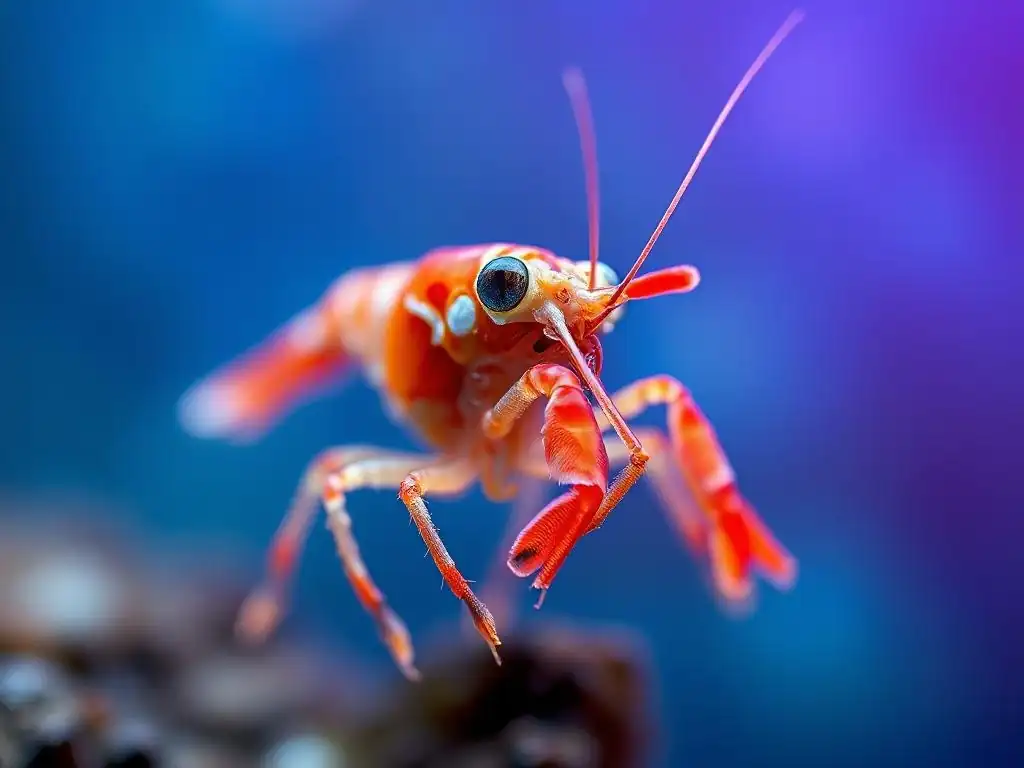
Optimizing Crystal Red Shrimp coloration to enhance their red and white intensity involves a combination of genetics, diet, and environmental factors. While genetics set the maximum potential for color, proper husbandry allows that potential to be fully realized. Firstly, providing a high-quality, specialized shrimp food rich in natural carotenoids (like astaxanthin, found in spirulina and certain algaes) is crucial. These pigments are directly absorbed by the shrimp and deposited in their shells, deepening their red hues. Brands known for color-enhancing ingredients are often preferred.
Secondly, maintaining pristine and stable water parameters is vital. Stress from fluctuating or incorrect parameters can cause colors to fade. A dark substrate, such as black or dark brown active soil, can also make the shrimp's colors appear more vibrant by providing a strong contrast. Additionally, a mature tank with ample biofilm and natural grazing surfaces (like Indian Almond Leaves and mosses) ensures a consistent, natural food source that contributes to overall health and robust coloration. Overcrowding should be avoided, as it can lead to stress and duller colors.
Using Additives and Supplements for Crystal Red Shrimp (CRS) Health
For Crystal Red Shrimp, specific additives and supplements are commonly used to ensure optimal health, particularly when using reverse osmosis (RO) water. The most critical supplement is a GH-only remineralizer, such as SaltyShrimp GH+. As RO water is devoid of minerals, this product is essential for restoring the general hardness (GH) to the ideal range of 4-6 dGH, providing the calcium and magnesium necessary for healthy molting and exoskeleton formation, without raising carbonate hardness (KH) which would interfere with buffering substrates.
Beyond remineralizers, other beneficial additives include humic and fulvic acid products derived from substances like Indian Almond Leaves or alder cones. These provide natural tannins and humic substances that mimic their natural habitat, offering antibacterial properties, aiding in molting, and generally reducing stress. Some breeders also use trace mineral supplements designed specifically for shrimp, which provide a broader spectrum of micronutrients that might be lacking in standard water. However, caution is advised; less is often more with additives, and regular water changes with properly remineralized water remain the cornerstone of CRS health.
Propagating Live Plants in Crystal Red Shrimp (CRS) Tanks
Propagating live plants in Crystal Red Shrimp tanks is highly beneficial, as plants contribute to a stable environment, provide grazing surfaces, and help with nutrient export. However, choosing the right plants and propagation methods is key to not disturbing the sensitive shrimp. Low-tech, slow-growing plants are generally preferred over demanding species that require high light, CO2 injection, or aggressive fertilization, as many fertilizers can contain compounds harmful to shrimp (e.g., copper).
Mosses like Java Moss ( Taxiphyllum barbieri), Christmas Moss ( Vesicularia montagnei), and Fissidens are excellent choices. They can be easily propagated by simply trimming them and attaching the trimmings to new driftwood or rocks with super glue (cyanoacrylate gel) or fishing line. Anubias species ( Anubias barteri) and Bucephalandra are also great, as they are epiphytes that can be tied to hardscape; they propagate by rhizome division.
Cryptocoryne species ( Cryptocoryne wendtii) can be planted directly in the substrate and will send out runners. When propagating, always ensure minimal disturbance to the substrate and water column, and avoid introducing any plant-specific fertilizers or pesticides that are not shrimp-safe.
Conclusion: Mastering Crystal Red Shrimp (CRS) Care and Breeding
Mastering Crystal Red Shrimp (CRS) care and breeding is a rewarding journey that culminates in a vibrant, thriving colony of these exquisite invertebrates. It demands a meticulous approach, particularly concerning water chemistry and stability. Successfully keeping CRS hinges on understanding their unique requirements: consistently soft, acidic water maintained through active buffering substrates and remineralized RO water, coupled with stable temperatures and impeccably low nitrate levels. This foundational understanding forms the bedrock of their health and longevity.
Beyond precise water parameters, a high-quality, varied diet, a stress-free environment free from predatory tank mates, and a keen eye for observation are equally crucial. For those venturing into breeding, patience and selective pairing will yield stunning results, pushing the boundaries of their genetic potential for color and pattern. While challenging, the dedication required to master Crystal Red Shrimp care is profoundly satisfying, transforming a sensitive species into a flourishing testament to careful husbandry and a jewel in any dedicated aquarist's collection.
Frequently Asked Questions
What are Crystal Red Shrimp and why are they popular?
Crystal Red Shrimp (CRS) are a variety of Caridina cantonensis known for their striking red and white coloration. They're popular due to their beautiful appearance and the challenge of maintaining them, making them a prized species among aquarists.
What are the key water parameters for successful Crystal Red Shrimp keeping?
Maintaining stable and pristine water conditions is crucial for CRS. Ideal parameters include a pH of 6.0-7.0, a KH of 0-2, a GH of 4-6, and a temperature between 68-74°F (20-23°C). Avoid nitrates and ammonia buildup.
How is the grading of Crystal Red Shrimp determined, and why is it important?
CRS are graded based on the intensity and pattern of their red and white coloration. Higher grades have more solid white coverage. Grading impacts the market value and breeding potential of the shrimp.
What is the best food to feed Crystal Red Shrimp, and how often should I feed them?
A varied diet is essential for healthy growth and breeding. Offer high-quality shrimp pellets, blanched vegetables, and occasional protein sources. Feed sparingly, only what they can consume in a few hours, to avoid water pollution.
What are some common problems encountered when keeping Crystal Red Shrimp, and how can they be prevented?
Common issues include sudden death syndrome (SDS) due to poor water quality or stress, and bacterial infections. Prevent these by maintaining stable water parameters, performing regular water changes, and avoiding copper-based medications.
Okay, here's a final reflection designed to close your "Crystal Red Shrimp (CRS): Comprehensive Care, Grading, and Breeding Secrets" article, optimized for emotional connection and a lasting impression, while also subtly reinforcing the keyword "Crystal Red Shrimp care guide":
Final Reflection: The Delicate Dance of Life
The journey into the world of Crystal Red Shrimp, as we've explored, is more than just keeping aquatic creatures alive; it's about cultivating a miniature ecosystem and appreciating the fragile beauty of life in its most intricate forms. The meticulous care, the nuanced grading, and the patient breeding techniques are all testaments to the dedication and passion these tiny crustaceans inspire, and the growing popularity of CRS aquariums speaks volumes about their captivating charm.
This fascination with Crystal Red Shrimp reflects a deeper yearning for connection with nature, even within the confines of our homes. The quiet observation of their graceful movements, the subtle shifts in their coloration, and the rewarding sight of a thriving colony offer a unique form of tranquility and a tangible connection to the natural world. In every walk with nature, one receives far more than he seeks.
- John Muir. This quote perfectly encapsulates the unexpected rewards of dedicating oneself to the care of these delicate creatures.
Now, as you close this guide, consider the lessons learned. The patience, the attention to detail, and the commitment to creating a nurturing environment – these are not just skills for keeping Crystal Red Shrimp. They are qualities that enrich our lives in countless ways. Take this newfound knowledge, this Crystal Red Shrimp care guide in your heart, and apply its principles to other aspects of your life. Cultivate patience, nurture growth, and appreciate the delicate dance of life in all its forms. Your journey with CRS is just the beginning.
Unleash the Beauty: Start Your Crystal Red Shrimp Journey Today!
Thank you for diving deep into the captivating world of Crystal Red Shrimp! We hope you've gained valuable insights into their care and breeding. Now it's time to transform that knowledge into action and experience the joy of these vibrant creatures firsthand.
Here are a few ways to continue your journey:
- Start Small, Dream Big: Begin with a nano-tank dedicated to CRS - even a small, well-maintained setup can be a rewarding experience.
- Expand Your Knowledge: Delve into the specifics of water parameters and experiment with different substrate compositions for optimal growth.
- Spread the Shrimp Love: Share your newfound knowledge with other aquarium enthusiasts and help build a thriving community.
What unique aspect of CRS care are you most excited to explore in your own aquarium?