
The Importance of Water Movement in an African Cichlid Tank

Welcome to Aquarium Mastery!
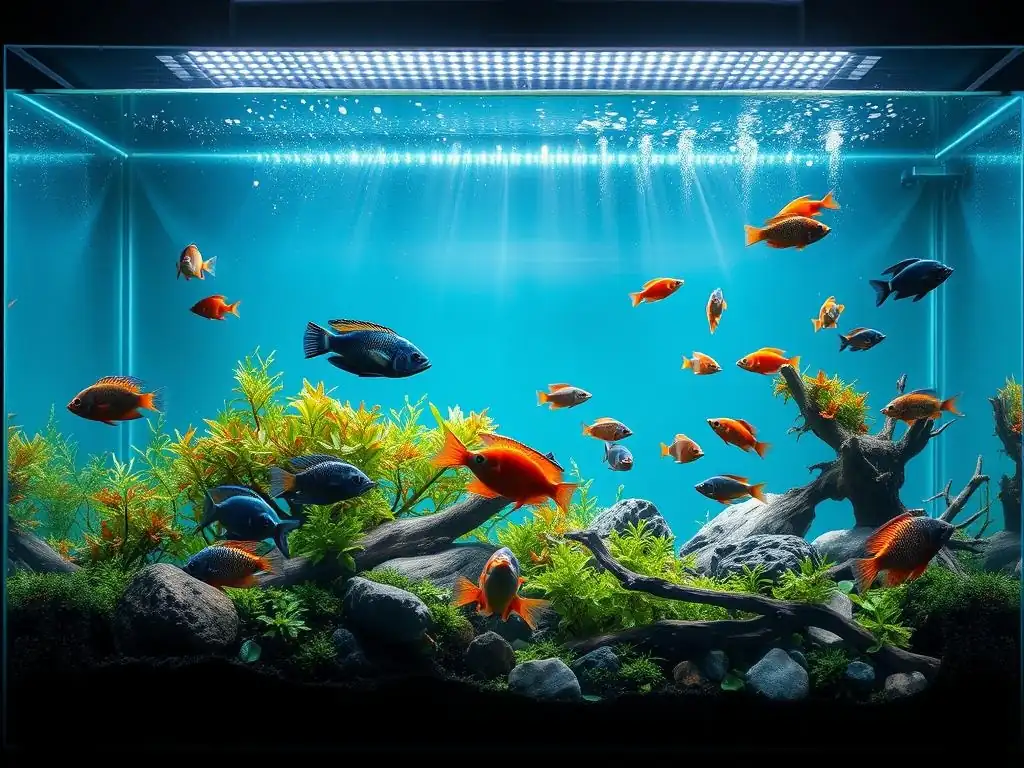
Ever wondered if your African cichlids are truly thriving in their environment? The secret might just be in the flow. Let's dive into the critical role of African cichlid tank water movement and unlock the key to a healthier, happier, and more vibrant aquarium. Get ready to explore how optimizing water flow can transform your tank!
- Understanding Water Circulation for African Cichlid Health
- Achieving Optimal African Cichlid Tank Water Movement
- Different Types of Water Movement and Their Effects
- Impact of Inadequate Water Movement on African Cichlids
- Setting Up Water Movement for Different African Cichlid Species
- Maintaining Optimal Water Movement in Your Cichlid Aquarium
- Troubleshooting Water Movement Issues in Cichlid Tanks
- Advanced Techniques for Enhancing Water Movement
-
Frequently Asked Questions
- How important is water movement in an African cichlid tank?
- What type of water movement is ideal for African cichlids?
- Why is oxygenation so critical in an African cichlid tank?
- How does water movement affect the distribution of waste and detritus?
- Can too much water movement be detrimental to African cichlids?
- Final Reflection: The Undulating Heart of the Cichlid World
- Unleash a Thriving Cichlid Paradise!
Understanding Water Circulation for African Cichlid Health
Why Water Movement Matters for African Cichlids
African cichlids originate from the vast Rift Valley lakes—Malawi, Tanganyika, and Victoria—where they are accustomed to dynamic environments characterized by significant water movement, from gentle currents to powerful wave action in rocky littoral zones. Replicating this inherent movement in an African cichlid tank is not merely an aesthetic choice; it is fundamental to their physiological health and behavioral well-being. Stagnant water is an unnatural and detrimental condition for most wild cichlid species, leading to stress and compromised health.
The presence of robust water movement directly benefits cichlids by constantly bringing fresh, oxygenated water past their gills, thereby improving respiratory efficiency. This continuous flow also plays a critical role in keeping detritus and waste particles suspended in the water column, preventing them from settling and decomposing on the substrate. This suspension allows the filtration system to efficiently remove these harmful substances, which is a cornerstone of maintaining pristine water quality in an African cichlid tank.
The Role of Oxygenation in a Cichlid Aquarium
Effective water movement is paramount for facilitating crucial gas exchange at the water's surface. This process allows dissolved oxygen from the air to enter the water and, equally important, expels carbon dioxide produced by fish respiration and decaying organic matter. Given that African cichlid tanks often house a high bioload—sometimes intentionally overstocked to manage aggression—the demand for robust oxygenation is considerable. Ideal dissolved oxygen levels for cichlid health should consistently remain above 5 milligrams per liter (mg/L).
Failure to provide adequate oxygenation due to poor African cichlid tank water movement can lead to severe consequences. Cichlids will display clear signs of distress, such as rapid gill movement, lethargy, or gasping at the water surface. Prolonged exposure to low oxygen levels can result in irreparable organ damage, severely weaken the fish's immune system, and drastically increase their susceptibility to prevalent cichlid diseases, including the notorious Malawi bloat. Therefore, consistent and ample water flow is directly linked to the fish's ability to breathe and thrive.
How Water Flow Impacts Waste Removal in Cichlid Tanks
Optimal water flow is a primary mechanism for effective waste management within an African cichlid tank. It continuously mobilizes detritus—comprising fish waste, uneaten food, and any decaying organic material—preventing it from settling and accumulating on the substrate or decor. By keeping these particles in suspension, the water flow ensures they are efficiently drawn into the aquarium filter, which then processes and removes them from the system. This active removal prevents the breakdown of waste into toxic compounds like ammonia and nitrates.
Without sufficient water movement, settled detritus can rapidly decompose, creating anaerobic (oxygen-depleted) pockets within the substrate. These anaerobic zones are notorious for producing highly toxic substances, such as hydrogen sulfide gas, which is lethal to fish even in small concentrations. Furthermore, accumulated waste provides an ideal breeding ground for harmful bacteria and pathogens. A strong African cichlid tank water movement system acts as a continuous sanitation agent, ensuring that these harmful particles are consistently directed towards filter intakes, thus significantly enhancing overall water quality and reducing the necessity for frequent, disruptive deep substrate cleaning.
Achieving Optimal African Cichlid Tank Water Movement
Choosing the Right Powerhead for Your Cichlid Tank
Selecting the appropriate powerhead for an African cichlid tank involves considering several factors, including the tank's size, the specific cichlid species' flow preferences, and the desired overall flow rate. A general guideline for African cichlid tanks suggests a total water turnover rate of 10 to 20 times the tank volume per hour (GPH). For instance, a 75-gallon tank might ideally require a combined flow of 750 to 1500 GPH from all circulation devices to ensure comprehensive water movement. Powerheads with adjustable flow rates are particularly beneficial, allowing for precise fine-tuning to suit the specific needs of your inhabitants.
When it comes to placement, employing multiple smaller powerheads is often more effective than relying on a single, large unit. This strategy helps to distribute flow more evenly throughout the tank, minimizing the creation of stagnant "dead spots." Powerheads should be strategically positioned to create opposing currents or to direct water flow towards the filter intakes, ensuring that detritus is effectively channeled for removal. Careful consideration of their placement can also help conceal them behind rockwork, maintaining the aesthetic appeal of your African cichlid tank.
Selecting an Appropriate Filter for Cichlid Tank Circulation
The aquarium filter serves as a primary engine for water movement and filtration in an African cichlid tank. For these setups, high-capacity filters such as canister filters or large hang-on-back (HOB) filters are highly recommended due to their superior flow rates and generous media capacity. As a starting point, aim for a filter rated to turn over the tank's volume 5 to 10 times per hour. For example, a 55-gallon tank would benefit significantly from a filter capable of pushing 275 to 550 GPH, providing foundational African cichlid tank water movement.
Beyond sheer flow rate, the type of filtration media employed is equally important. Mechanical filtration media, such as sponges and filter floss, are crucial for capturing the suspended particles that are kept in motion by effective water movement. Biological media, like ceramic rings or bio-balls, also benefit immensely from consistent water flow, as it ensures a continuous supply of oxygen, ammonia, and nitrite to the beneficial bacteria responsible for the nitrogen cycle, further safeguarding the health of your African cichlid tank environment.
The Benefits of Wave Makers in Cichlid Aquariums
Wave makers are specialized devices designed to generate varied, oscillating water flow, effectively mimicking the natural currents and surge zones found in the African Rift Lakes. This dynamic and unpredictable flow pattern is highly beneficial as it prevents the formation of stagnant areas and provides continuous exercise for the fish, promoting robust muscle development and overall vitality. Wave makers are particularly advantageous in larger African cichlid tanks, typically 100 gallons or more, where achieving uniform and naturalistic water movement with conventional filters and powerheads can be challenging.
Furthermore, wave makers significantly contribute to a healthier and cleaner aquarium environment. The constant, shifting currents they produce help dislodge detritus and waste particles from rockwork, substrate, and decorations, making it easier for the primary filtration system to capture and remove them. This active dislodgement also discourages the proliferation of unsightly algae by preventing localized nutrient accumulation in still water zones. The varied and natural African cichlid tank water movement created by wave makers closely replicates the conditions many cichlid species experience in their wild habitats.
Different Types of Water Movement and Their Effects
Laminar Flow vs. Turbulent Flow in Cichlid Tanks
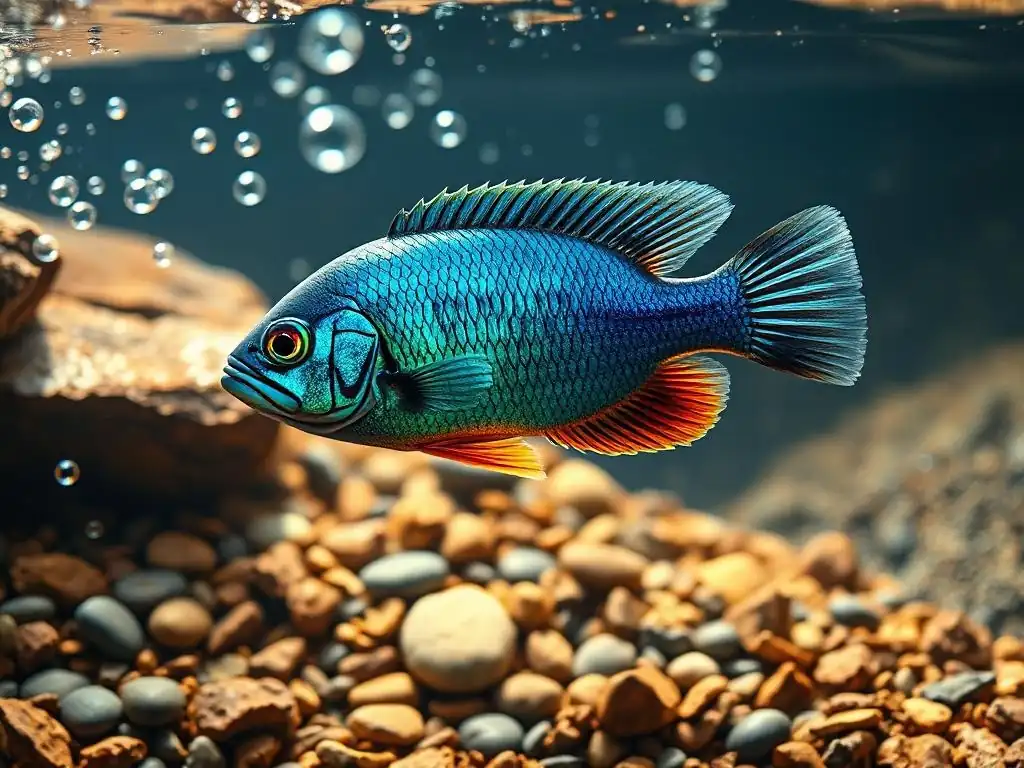
Laminar flow refers to a smooth, unidirectional stream of water, typically observed when a single powerhead is aimed directly across the tank. While effective at moving water in a specific direction, this type of flow can often result in "dead spots" in other areas of the aquarium where water movement is minimal. While certain fish species might prefer laminar flow, most African cichlids, particularly the active Mbuna, generally thrive in environments with more varied and dynamic water movement.
In contrast, turbulent flow describes chaotic, multidirectional water movement, which is often achieved through the strategic placement of multiple powerheads or the use of wave makers. This type of flow is generally considered more beneficial for African cichlid tanks because it more closely mimics the natural wave action and currents found in their native lakes. Turbulent African cichlid tank water movement ensures that oxygen and nutrients are distributed throughout all areas of the tank, effectively preventing localized waste buildup and proving highly efficient at keeping detritus suspended for filtration.
Understanding Dead Spots and How to Eliminate Them
Dead spots are specific areas within the aquarium where water movement is significantly reduced or entirely absent. These stagnant zones are problematic because they become prime locations for the accumulation of detritus, leading to the development of anaerobic conditions, concentrated nutrient buildup, and often, persistent algae outbreaks. Common dead spots are typically found in tank corners, directly behind large and dense rock formations, or beneath heavy decorations that impede water flow.
To effectively eliminate dead spots and ensure comprehensive African cichlid tank water movement, strategic placement of all circulation devices is key. This includes optimizing the positioning of powerheads, adjusting filter return outputs, and even utilizing air stones to create localized currents. For example, a small powerhead carefully placed in a previously stagnant corner or behind a large piece of decor can effectively break up the still water. Regular observation of where detritus tends to settle can help pinpoint these problematic areas, allowing for precise adjustments to your water movement system.
Creating Natural Water Currents for African Cichlids
Replicating the natural environment of African cichlids is crucial for their long-term health and well-being. The vast Rift Lakes are dynamic bodies of water, often influenced by wind and significant currents, especially in the rocky littoral zones where many cichlid species reside. Introducing natural water currents into an African cichlid tank encourages natural behaviors such as foraging, schooling, and territorial displays, which in turn reduces stress and promotes overall vitality.
Achieving a natural current pattern typically involves a synergistic combination of your primary filtration output, supplemental powerheads, and potentially wave makers. The goal is to establish a flow that sweeps across the substrate and effectively circulates through and around rockwork, ensuring that all areas of the tank receive adequate water movement. It is important to consider the specific cichlid species; for instance, Mbuna cichlids, originating from high-energy, surge-prone areas, will thrive with stronger and more turbulent African cichlid tank water movement, whereas other species might prefer gentler currents.
Impact of Inadequate Water Movement on African Cichlids
The Risks of Ammonia and Nitrite Buildup
Insufficient water movement in an African cichlid tank poses a significant threat due to its direct correlation with the buildup of toxic ammonia (NH3) and nitrite (NO2-). When water flow is inadequate, detritus readily settles and decomposes, releasing these harmful compounds into the water column. Without sufficient circulation to transport these toxins to the biological filtration media, their levels can quickly become dangerously high. Even concentrations as low as 0.25 mg/L of ammonia can induce stress in fish, while levels exceeding 1 mg/L can prove lethal over time.
Physiologically, ammonia primarily damages the fish's gills, impairing their ability to absorb oxygen and leading to respiratory distress. Nitrite, on the other hand, interferes with the blood's capacity to transport oxygen, a condition often referred to as "brown blood disease." Both ammonia and nitrite severely compromise the fish's immune system, leaving them highly vulnerable to secondary bacterial infections and other diseases. Therefore, robust African cichlid tank water movement acts as a primary defense mechanism against these pervasive and life-threatening toxins.
Disease Prevention Through Proper Water Circulation
Stagnant water conditions are a major precursor to disease outbreaks in an African cichlid tank. Areas with poor water movement, often characterized by low oxygen levels and accumulated nutrients from settled detritus, provide an ideal breeding ground for harmful bacteria, fungi, and parasites. Pathogens like Columnaris (often manifesting as "mouth rot") or various pervasive fungal infections can proliferate rapidly in such compromised environments, directly impacting the health of your cichlids.
Conversely, proper water circulation plays a crucial preventative role in maintaining a disease-resistant aquarium. Constant water movement disperses pathogens throughout the water column, reducing their localized concentration and making it more difficult for them to settle on fish or substrate surfaces and initiate an infection. Furthermore, consistent water flow ensures stable oxygen levels and efficient waste removal, both of which are vital in supporting a strong, healthy immune system in African cichlids. A well-circulated African cichlid tank environment is inherently more resilient to the onset and spread of common aquarium diseases.
Algae Control and Water Flow in Cichlid Tanks
Inadequate water movement is a significant contributing factor to persistent algae growth in an African cichlid tank. Stagnant areas allow nutrients, particularly nitrates and phosphates, to accumulate locally. These concentrated nutrient pockets provide ideal conditions for the rapid proliferation of various nuisance algae types, including tenacious green spot algae, stringy hair algae, and even problematic cyanobacteria (often mistaken for blue-green algae). These unwanted growths can quickly cover tank surfaces, decor, and even obscure the view of your fish.
Effective African cichlid tank water movement helps control algae by ensuring that nutrients are continuously distributed throughout the water column and efficiently transported towards the filter for removal. This prevents the localized nutrient spikes that primarily fuel aggressive algae growth. Additionally, the physical current itself can deter algae from attaching and establishing a foothold on surfaces, keeping glass, rocks, and other decorations cleaner and significantly reducing the need for laborious manual scraping and cleaning.
Setting Up Water Movement for Different African Cichlid Species
Water Flow Preferences for Mbuna Cichlids
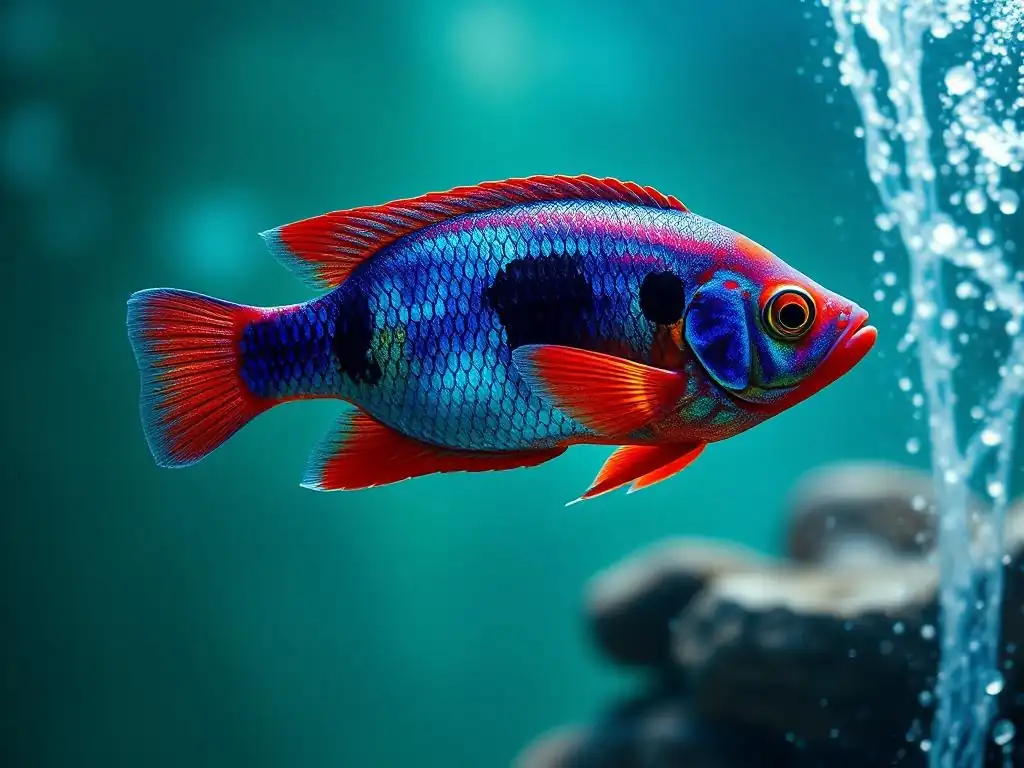
Mbuna cichlids, such as Metriaclima estherae (Red Zebra) or Pseudotropheus demasoni, originate from the rocky, high-energy surge zones of Lake Malawi. These species are naturally adapted to environments characterized by strong, turbulent water movement. To mimic their natural habitat and promote optimal health and activity, high flow rates are generally recommended for an African cichlid tank housing Mbuna, often ranging from 15 to 20 times the tank volume per hour.
While strong flow is beneficial, it's crucial to ensure that the current isn't so powerful that the fish are constantly struggling to swim or are pushed against decor. The ideal African cichlid tank water movement for Mbuna provides areas of robust flow for active swimming and foraging, alongside some slightly calmer spots or sheltered nooks behind rockwork where they can rest. This varied, yet consistently strong, flow can be effectively achieved through a combination of powerful filtration and strategically placed powerheads or a wave maker.
Creating Suitable Water Conditions for Peacock Cichlids
Peacock cichlids ( Aulonocara species) typically inhabit the sandy and transitional zones of Lake Malawi, where scattered rocks provide shelter, and the water movement is generally more moderate compared to the turbulent surge zones. While they still require excellent water quality and good circulation to prevent detritus buildup, they prefer a less aggressive flow than their Mbuna counterparts. A flow rate of approximately 10 to 15 times the tank volume per hour is often considered appropriate for an African cichlid tank dedicated to Peacocks.
To achieve this balance, the primary filtration system should provide a steady, consistent flow. This can be supplemented with one or two powerheads if necessary, positioned to create gentle, broad currents rather than direct, powerful jets. This approach ensures adequate oxygenation and efficient waste removal without causing undue stress to these slightly more sensitive cichlids. Optimal African cichlid tank water movement for Peacock cichlids prioritizes consistent, gentle distribution over sheer power.
Water Flow Requirements for Tanganyikan Cichlids
Lake Tanganyika, being one of the world's deepest lakes, encompasses an incredibly diverse array of habitats, leading to varying water flow preferences among its cichlid inhabitants. Species like Tropheus and Petrochromis, which hail from the rocky, wave-swept shores, demand strong, consistent water movement, similar to Mbuna, often requiring flow rates of 15 to 20 times the tank volume per hour. Conversely, smaller species like shell dwellers ( Neolamprologus multifasciatus), which inhabit calmer, sandy areas and utilize discarded shells for shelter, prefer very gentle flow.
The species-specific nature of Tanganyikan cichlids makes tailoring the African cichlid tank water movement critically important. For active species like Tropheus, robust flow is essential for their high metabolism and active lifestyle, helping to prevent digestive issues like bloat. For shell dwellers, however, excessive flow can dislodge their carefully arranged shells and cause significant stress. Therefore, it is vital for aquarists to thoroughly research the precise water flow requirements of the specific Tanganyikan species they intend to keep, potentially utilizing smaller, strategically placed powerheads or carefully directing filter output to suit their needs.
Maintaining Optimal Water Movement in Your Cichlid Aquarium
Regular Filter Maintenance for Consistent Flow
The filtration system is the cornerstone of water movement in an African cichlid tank, and its efficiency directly dictates the quality of circulation. Mechanical filter media, such as sponges and filter floss, are designed to trap detritus and can become clogged within a matter of weeks, especially in high-bioload cichlid setups. This clogging significantly reduces the filter's flow rate and overall effectiveness. Therefore, regular cleaning, typically every 2 to 4 weeks depending on the tank's bioload, is absolutely crucial to maintain consistent flow rates and optimal filtration efficiency.
During maintenance, it's recommended to rinse mechanical filter media in old tank water that has been siphoned during a water change. This helps preserve beneficial bacteria while removing trapped debris. Replacing filter floss as needed also ensures optimal performance. Neglecting these routine filter maintenance tasks will inevitably lead to diminished African cichlid tank water movement, which in turn compromises water quality, increases stress on the fish, and can precipitate various health issues.
Powerhead Placement and Adjustment Tips
Periodically reviewing the placement of powerheads and other circulation devices is vital to ensure continuous optimal water movement. As fish grow, rockwork is rearranged, or new decor is introduced, the effectiveness of existing flow patterns can change. Always ensure that powerheads are strategically positioned to actively break up any identified dead spots and to contribute to a diverse, multi-directional current pattern throughout the tank. Experimenting with different angles and heights can often lead to significant improvements in overall circulation within your African cichlid tank.
Many modern powerheads offer adjustable flow rates, allowing for fine-tuning to suit the specific needs of your cichlids. If fish appear stressed by an overly direct or powerful current, redirecting the powerhead's output towards a tank wall or a large piece of decor can help diffuse the flow. Conversely, if you observe detritus settling in areas that should be well-circulated, increasing the flow or adding another smaller powerhead might be necessary to maintain the desired level of African cichlid tank water movement.
Monitoring Water Parameters to Ensure Adequate Circulation
Water parameters serve as critical indicators of the overall health and effectiveness of your water movement and filtration systems. Consistently low dissolved oxygen levels, or persistent readings of ammonia and nitrite (even after the tank has fully cycled), are strong signals that you may have inadequate circulation leading to poor gas exchange or inefficient waste removal. Regular water testing, ideally on a weekly basis, is therefore an essential practice for any African cichlid tank owner.
Interpreting these results provides valuable insights. For instance, if nitrate levels remain consistently high despite regular water changes, it could indicate that detritus is accumulating in stagnant dead spots, suggesting insufficient African cichlid tank water movement. Conversely, if all water parameters remain stable, and your cichlids are active, brightly colored, and display natural behaviors, it's a strong indication that your current water movement setup is effective and contributing positively to their well-being.
Troubleshooting Water Movement Issues in Cichlid Tanks
Identifying and Resolving Low Flow Problems
Symptoms of low water flow in an African cichlid tank are often evident: visible accumulation of detritus on the substrate and decor, fish gasping at the water surface (indicating low oxygen), cloudy water, or an accelerated growth of nuisance algae. The initial step in troubleshooting such issues is always to thoroughly inspect the filter intake and output for any obstructions. A partially clogged intake strainer or a dirty impeller within the pump can drastically reduce the flow rate.
To resolve low flow, begin by cleaning all filter media, particularly mechanical sponges and floss. Check all hoses and tubing for kinks or blockages. Next, inspect the powerhead or filter impeller for any trapped debris, such as snail shells, plant matter, or even fine sand. If, after these steps, the flow remains insufficient, the pump itself might be failing or simply undersized for the tank's current needs, potentially requiring replacement or the addition of supplemental African cichlid tank water movement devices.
Addressing Excessive Water Flow Concerns
While many African cichlids appreciate strong currents, excessive water flow can be detrimental, leading to stress and exhaustion. Signs of excessive flow include fish constantly struggling against the current, consistently hiding in sheltered corners, or being visibly pushed around by the water movement. This is particularly concerning for species less adapted to powerful currents, such as some Peacock cichlids or smaller shell-dwelling cichlids.
To address excessive flow, several solutions can be employed. Begin by redirecting powerhead outputs towards tank walls or large pieces of decor to help diffuse the direct force of the current. Utilizing spray bars or flow diffusers on filter returns can also help spread the flow more gently. If a powerhead is non-adjustable and proves too strong, replacing it with a lower GPH model or, if compatible, adding a dimmer can help achieve a more appropriate and less stressful African cichlid tank water movement.
Dealing with Clogged Filters and Powerheads
Clogged filters and powerheads are common occurrences in African cichlid tanks, primarily caused by the accumulation of fish waste, uneaten food, decaying plant matter, or even larger debris like snail shells or small rocks. A significant clog not only reduces the efficiency of your filtration and water movement but can also lead to premature pump burnout if left unaddressed. Regular visual inspections of your equipment are crucial for early detection of potential clogging issues.
The cleaning process for clogged equipment involves careful disassembly. For filters, this means disconnecting the unit, opening it, and thoroughly cleaning all media and internal components, paying particular attention to the impeller and its housing. For powerheads, remove the outer cover and the impeller, meticulously cleaning off any trapped debris. Consistent and thorough maintenance of both filters and powerheads is the most effective way to prevent most clogging issues, ensuring continuous and optimal African cichlid tank water movement.
Advanced Techniques for Enhancing Water Movement
Using Sumps to Improve Water Circulation
Sumps are external filtration systems that offer a highly effective method for significantly enhancing both water volume and overall circulation in an African cichlid tank. In a sump system, water flows from the display tank, typically via an overflow, into a separate reservoir (the sump) located below the aquarium.
Within the sump, water passes through various filtration chambers (mechanical, biological, chemical) before being returned to the main display tank by a powerful return pump. This setup can easily achieve very high flow rates, often 5 to 10 times the display tank volume per hour, providing superior African cichlid tank water movement.
The benefits of utilizing a sump are numerous. They provide a vast amount of space for diverse filtration media, leading to exceptionally stable and pristine water quality. The ability to select a high-GPH return pump allows for robust and consistent flow back into the display tank, minimizing dead spots. Furthermore, the cascading movement of water through the sump's chambers significantly enhances gas exchange, further boosting dissolved oxygen levels and contributing to a healthier environment for your cichlids.
Implementing Undergravel Filters for Water Flow
Undergravel filters (UGFs) consist of perforated plates placed beneath the substrate, utilizing air pumps or small powerheads to draw water down through the gravel. The gravel itself then acts as a biological filter media. While less commonly employed as a primary filtration method in modern cichlid setups due to their maintenance challenges, UGFs do contribute to water movement by creating a widespread, albeit gentle, flow through the substrate, which can help prevent the formation of anaerobic pockets.
In an African cichlid tank, UGFs can provide a gentle, pervasive flow through the substrate, assisting in the breakdown of detritus that settles within the gravel. However, a significant limitation is their tendency to trap large amounts of fish waste and debris, which can be challenging to clean without major disruption to the substrate and the beneficial bacteria colony.
For cichlid tanks with active diggers or very fine sand substrates, UGFs can be problematic, as disturbed substrate can easily clog the plates. Therefore, while they contribute to some African cichlid tank water movement, they are generally considered a supplementary, rather than primary, means of circulation.
Frequently Asked Questions
How important is water movement in an African cichlid tank?
Water movement is extremely important for African cichlids. It helps to oxygenate the water, distributes nutrients, and removes waste products, contributing to a healthy environment. Proper flow also mimics their natural habitat.
What type of water movement is ideal for African cichlids?
African cichlids generally prefer moderate to strong water movement. This can be achieved through a combination of powerheads, wave makers, and appropriately sized filters. Avoid stagnant areas.
Why is oxygenation so critical in an African cichlid tank?
African cichlids are active fish and require high levels of dissolved oxygen. Proper water movement ensures adequate gas exchange at the surface, preventing oxygen depletion and fish stress.
How does water movement affect the distribution of waste and detritus?
Good water movement helps to suspend waste particles, allowing them to be effectively removed by the filtration system. This prevents the build-up of harmful substances like ammonia and nitrates, maintaining water quality.
Can too much water movement be detrimental to African cichlids?
While African cichlids prefer moderate to strong flow, excessive currents can stress them. Observe your fish for signs of fatigue or difficulty swimming, and adjust the flow accordingly to find a happy medium.
Final Reflection: The Undulating Heart of the Cichlid World
The intricacies of maintaining a thriving African cichlid tank often boil down to understanding and replicating their natural environment, and as we've explored, water movement is undeniably the lifeblood of that ecosystem. The principles we've discussed are not merely theoretical; they are essential for the health, vibrancy, and overall well-being of these captivating creatures in our care, impacting everything from oxygen levels to waste removal.
The subtle dance of currents within the aquarium mirrors the dynamic waters of the African Great Lakes, shaping the behavior and even the coloration of our cichlids. My own experiences have shown me that neglecting this crucial aspect can lead to a cascade of problems, underscoring the profound impact of water movement on the entire tank ecosystem. Water is the driving force of all nature.
- Leonardo da Vinci. This quote resonates deeply when considering the delicate balance within an African cichlid tank, where water movement acts as the engine that keeps everything running smoothly.
As you consider the information presented, I urge you to reflect on the currents in your own African cichlid tank, or the tanks you plan to create. Are you providing the necessary flow to support a healthy and thriving environment? Embrace the power of water movement, and you'll unlock a new level of appreciation for the beauty and complexity of these remarkable fish. Let the lessons learned here inspire you to create an aquarium that not only showcases the vibrant colors of African cichlids but also provides them with the dynamic and life-sustaining environment they deserve.
Unleash a Thriving Cichlid Paradise!
Thanks for diving into the fascinating world of African Cichlid tanks! We hope you now understand the crucial role water movement plays in the health and vibrancy of your underwater ecosystem. Now, let’s put that knowledge into action and create an even better environment for your finned friends.
Here are a few things you can do right now:
- Prioritize optimizing your tank's flow. Re-evaluate your powerhead placement or consider adding a wave maker to create a more dynamic and oxygen-rich environment.
- Explore beyond the surface: Research how different Cichlid species thrive in varying current strengths and adjust your setup to perfectly match their needs.
- Share your own water movement solutions! Comment below with your successful strategies and help other Cichlid enthusiasts create the perfect aquatic home.
Ready to transform your Cichlid tank from good to exceptional?