
Ghost Cardinalfish: The Ethereal, Translucent Swimmers of the Reef

Welcome to Aquarium Mastery!
Dive into the mesmerizing world of the reef with us! Ever wondered how to care for the elusive and beautiful Ghost Cardinalfish? These translucent swimmers are a captivating addition to any saltwater aquarium, but require specific care. Discover everything you need to know about their ideal environment, diet, and tank mates in our detailed guide. Are you ready to unlock the secrets to successful Ghost Cardinalfish reef care and create a thriving ecosystem for these ethereal beauties? Let's get started!
- Introduction to Ghost Cardinalfish: A Reef Aquarium Gem
- Understanding Ghost Cardinalfish: Identification and Natural Habitat
- Ghost Cardinalfish Reef Care: Essential Guidelines for a Thriving Aquarium
- Feeding Ghost Cardinalfish: Ensuring Proper Nutrition in Captivity
- Ghost Cardinalfish Tank Mates: Compatibility and Social Behavior
- Ghost Cardinalfish and Reef Health: Benefits and Considerations
- Common Health Issues in Ghost Cardinalfish and How to Treat Them
- Breeding Ghost Cardinalfish: A Challenging but Rewarding Endeavor
- Sourcing Ghost Cardinalfish: Ethical Considerations and Choosing Healthy Specimens
- Conclusion: Enjoying the Elegance of Ghost Cardinalfish in Your Reef Aquarium
-
Frequently Asked Questions
- What are the key considerations for Ghost Cardinalfish reef care?
- What type of aquarium setup is ideal for Ghost Cardinalfish?
- What should I feed my Ghost Cardinalfish to ensure their health?
- Are Ghost Cardinalfish compatible with other reef inhabitants?
- What are some common health issues that can affect Ghost Cardinalfish and how can I prevent them?
- Final Reflection: Embracing the Ephemeral Beauty of the Reef
- Dive Deeper: Unveil the Mysteries of the Ghost Cardinalfish!
Introduction to Ghost Cardinalfish: A Reef Aquarium Gem
Discovering the Beauty of Translucent Cardinalfish for Reef Tanks
The Ghost Cardinalfish, scientifically known as Sphaeramia nematoptera, stands out as a truly unique and visually captivating addition to any saltwater reef aquarium. Its most striking feature is its semi-translucent body, often adorned with a distinct dark vertical band mid-body and sometimes subtle spots near the tail, giving it an ethereal, almost ghostly appearance.
This delicate translucency allows light to play beautifully off its form, creating a mesmerizing display as it gracefully navigates the water column. Its peaceful disposition and schooling tendencies further enhance its appeal, making it a favorite among aquarists seeking both beauty and tranquility in their reef setups.
These fascinating fish, typically growing to about 3 to 3.5 inches (7-9 cm) in length, add a subtle yet profound depth to the aquatic landscape. Their ability to blend seamlessly into the background, only to reappear with a shimmer, contributes to the dynamic visual interest of a tank. They are particularly striking under blue or actinic lighting, where their delicate features are highlighted, underscoring the importance of understanding their specific needs for optimal Ghost cardinalfish reef care.
Why Ghost Cardinalfish are a Popular Choice for Saltwater Aquariums
Ghost Cardinalfish have garnered significant popularity within the saltwater aquarium hobby for several compelling reasons. Their calm and non-aggressive nature makes them excellent candidates for community reef tanks, coexisting peacefully with a wide array of other small to medium-sized, docile fish species and invertebrates. Unlike some more boisterous marine fish, they pose no threat to corals, anemones, or other sessile invertebrates, making them completely reef-safe.
Furthermore, their schooling behavior is a major draw. When kept in appropriate groups, these cardinalfish exhibit natural social interactions, swimming together in a coordinated fashion that adds a sense of vibrancy and natural movement to the aquarium. This collective display is not only aesthetically pleasing but also contributes to their overall well-being by reducing individual stress. Their relatively hardy nature, once properly acclimated and provided with consistent Ghost cardinalfish reef care, also contributes to their appeal, making them suitable for aquarists ranging from intermediate to advanced levels.
Understanding Ghost Cardinalfish: Identification and Natural Habitat
Identifying Features: Recognizing the Unique Appearance of Sphaeramia nematoptera
The Ghost Cardinalfish, Sphaeramia nematoptera, possesses several distinctive features that make it easily identifiable. Its body is predominantly translucent to semi-transparent, often with a silvery or iridescent sheen, which gives it its common "ghostly" moniker. A prominent, dark vertical band typically runs through the middle of its body, often extending from the dorsal fin to the anal fin. Some individuals may also exhibit smaller, scattered dark spots, particularly on the posterior half of the body and tail fin, resembling constellations.
Their large, dark eyes are characteristic of nocturnal fish, adapted to low-light conditions. They possess two dorsal fins; the first is spiny, and the second is soft-rayed. The caudal (tail) fin is typically forked. Adult specimens usually reach a maximum size of about 3 to 3.5 inches (approximately 7 to 9 cm). Their unique transparency allows for a fascinating glimpse of their internal organs, adding to their distinct appearance in a well-maintained reef environment.
Ghost Cardinalfish Habitat: Where They Live in the Wild Reef Environment
In their natural environment, Ghost Cardinalfish are native to the vast Indo-Pacific region. Their geographical distribution spans from the Red Sea and East Africa, across the Indian Ocean, and throughout the Western Pacific, extending north to southern Japan and south to Australia and Samoa. These fish primarily inhabit sheltered coastal areas, such as lagoons, bays, and protected reef slopes.
They are typically found in shallow waters, usually at depths ranging from 1 to 15 meters (approximately 3 to 50 feet). In these habitats, they commonly seek refuge among branching corals like Acropora or Pocillopora, sea urchins (such as Diadema species), or other complex reef structures that offer ample hiding spots. As nocturnal predators, they spend daylight hours concealed within these shelters, emerging at dusk to feed on small crustaceans and zooplankton in the water column. Understanding these natural behaviors is fundamental to providing effective Ghost cardinalfish reef care in a captive setting.
Ghost Cardinalfish Reef Care: Essential Guidelines for a Thriving Aquarium
Maintaining Optimal Water Parameters for Ghost Cardinalfish Health
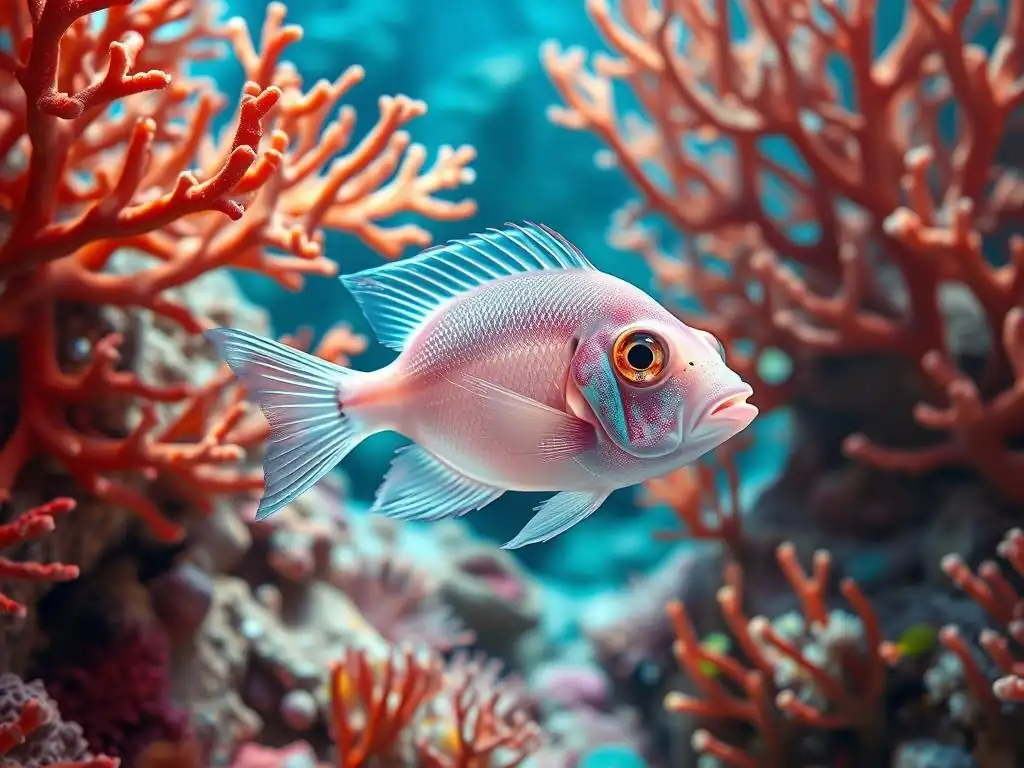
Optimal water parameters are paramount for the long-term health and vitality of Ghost Cardinalfish in a reef aquarium. Maintaining stable conditions is often more critical than hitting exact figures, as sudden fluctuations can be highly stressful. Ideal salinity levels should range from 1.023 to 1.026 specific gravity (SG), mimicking natural seawater. The water temperature should be kept consistent between 72-78°F (22-26°C), and the pH should be maintained between 8.1 and 8.4.
Beyond these basic parameters, a healthy reef environment for Ghost Cardinalfish also requires stable alkalinity (8-12 dKH), calcium (400-450 ppm), and magnesium (1250-1350 ppm) levels, which are crucial for coral health and indirectly benefit the fish. Ammonia and nitrite must always be undetectable (0 ppm), and nitrates should be kept very low, ideally below 10 ppm. Regular partial water changes, typically 10-20% bi-weekly or 5-10% weekly, are essential to replenish trace elements and export accumulated nitrates, ensuring pristine water quality vital for comprehensive Ghost cardinalfish reef care.
Ghost Cardinalfish Tank Size: Providing Adequate Space for Schooling
While Ghost Cardinalfish are relatively small, their schooling nature necessitates a tank of appropriate size to ensure their well-being and allow them to exhibit natural behaviors. For a small group of 3 to 5 individuals, a minimum tank size of 30 gallons (approximately 115 liters) is often suggested, providing just enough space for a basic setup. However, to truly allow for robust schooling, reduce stress, and maintain stable water parameters more easily, a 50-gallon (approximately 190 liters) aquarium or larger is highly recommended.
Larger tanks offer more swimming room, which is crucial for their schooling dynamics, and provide greater stability in water chemistry, reducing the risk of rapid fluctuations that can stress these fish. A more spacious environment also allows for more intricate aquascaping, which can enhance their sense of security and overall health. Adequate tank size is a foundational element of successful Ghost cardinalfish reef care, directly impacting their longevity and vibrancy.
Substrate and Aquascaping for Ghost Cardinalfish: Creating a Natural Reef Environment
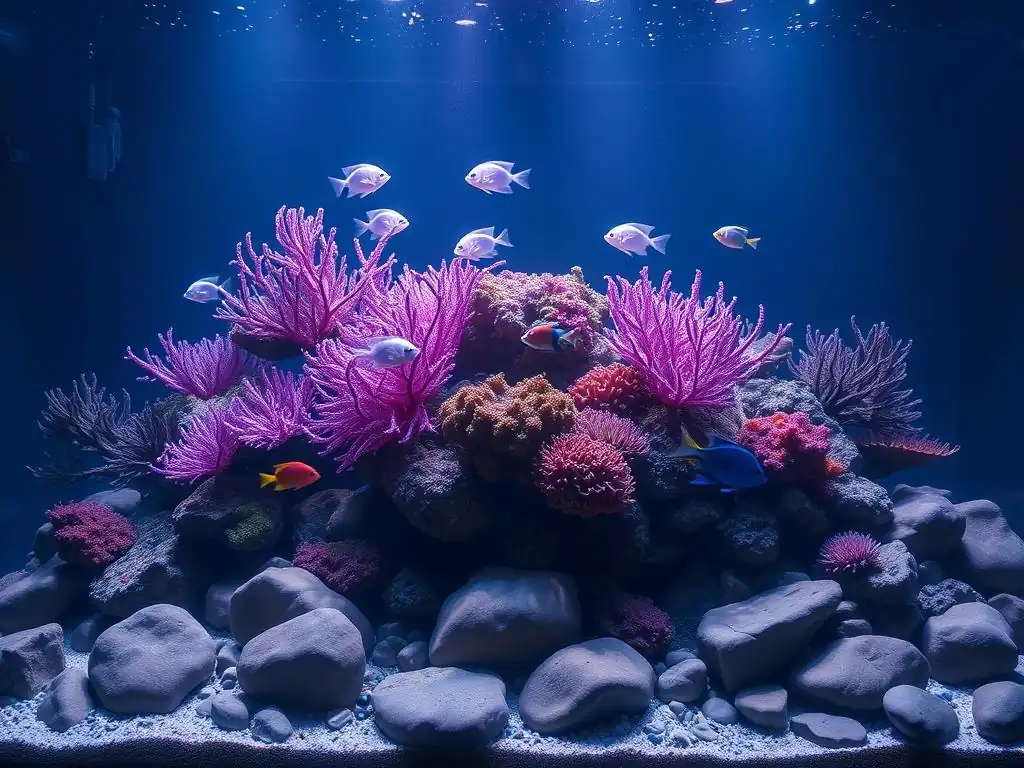
Creating an appropriate aquascape is vital for the comfort and well-being of Ghost Cardinalfish, mimicking their natural reef habitat. A fine sand or mixed rubble substrate is suitable, as they typically do not disturb the bottom. The most important aspect of their aquascaping is providing ample hiding places and shaded areas. This can be achieved using a generous amount of live rock arranged to form caves, overhangs, and crevices.
Branching corals, both live and realistic artificial ones, are excellent additions, as these fish naturally seek shelter among such structures. Ensure that there are multiple retreat options for each individual in the school, allowing them to feel secure during the day while still having open water to swim in during their more active periods. Thoughtful aquascaping contributes significantly to reducing stress and promoting natural behaviors, making it an indispensable part of effective Ghost cardinalfish reef care.
Feeding Ghost Cardinalfish: Ensuring Proper Nutrition in Captivity
What Do Ghost Cardinalfish Eat? : Natural Diet and Aquarium Alternatives
In their natural habitat, Ghost Cardinalfish are primarily nocturnal carnivores, preying on small crustaceans such as copepods and amphipods, along with various forms of zooplankton found drifting in the water column. In a captive reef aquarium, replicating this diet with high-quality, varied foods is crucial for their long-term health and vibrant coloration. They are not typically finicky eaters once settled.
Aquarists should offer a diverse diet consisting primarily of high-quality frozen foods. Excellent choices include enriched brine shrimp, mysis shrimp, cyclop-eeze, and finely chopped marine-based preparations. While some individuals may eventually accept high-quality marine flakes or pellets, frozen foods are generally preferred due to their higher nutritional content and palatability. Always ensure that the food particles are small enough for their relatively small mouths to consume easily.
Feeding Frequency and Methods for Optimal Health
To ensure Ghost Cardinalfish receive adequate nutrition without overwhelming the aquarium's filtration system, it is best to feed them small amounts multiple times a day. Offering food 2-3 times per day is generally recommended. This approach mimics their natural feeding behavior more closely and helps prevent food from sitting and decaying in the tank, which can negatively impact water quality.
When feeding, it can be beneficial to briefly turn off powerheads or circulation pumps to prevent the food from being swept away too quickly, allowing the cardinalfish ample time to consume it. For shyer individuals or when housing them in a busy community tank, target feeding with a pipette or turkey baster can ensure that each fish receives enough food. Consistent and appropriate feeding methods are a cornerstone of effective Ghost cardinalfish reef care.
Supplementing the Diet: Vitamins and Minerals for Ghost Cardinalfish
Beyond a varied diet of frozen foods, supplementing the nutrition of Ghost Cardinalfish with essential vitamins and minerals can significantly boost their immune system, enhance their coloration, and promote overall vitality. Many aquarists regularly soak their frozen foods in liquid vitamin supplements specifically formulated for marine fish prior to feeding. Products rich in Omega-3 fatty acids, such as DHA and EPA, are particularly beneficial for marine fish health and can be found in some specialized food enrichments.
While regular water changes help replenish some trace elements in the water, direct dietary supplementation ensures that these crucial nutrients are directly ingested by the fish. This proactive approach to nutrition is an important component of comprehensive Ghost cardinalfish reef care, helping to prevent deficiency-related health issues and ensuring these ethereal swimmers thrive in their captive environment.
Ideal Tank Mates for Ghost Cardinalfish in a Reef Setting
Ghost Cardinalfish are renowned for their peaceful and non-aggressive nature, making them highly compatible with a wide range of other docile marine species in a reef aquarium. Ideal tank mates include other small, placid cardinalfish species, various gobies (such as watchman gobies, clown gobies, or Yasha gobies), blennies (like tailspot blennies), firefish, and certain small, peaceful wrasses. Species that occupy different levels of the water column or have different feeding habits also make excellent companions, minimizing competition for resources.
They are completely reef-safe, meaning they will not bother corals (SPS, LPS, or soft corals), anemones, or most invertebrates like snails, hermit crabs, and shrimp. This characteristic makes them a perfect fit for mixed reef aquariums where the health and integrity of the coral inhabitants are a top priority. Selecting appropriate tank mates is a critical aspect of successful Ghost cardinalfish reef care, ensuring a harmonious and thriving aquatic community.
Avoiding Aggressive Tank Mates: Protecting the Peaceful Nature of Ghost Cardinalfish
Due to their shy and peaceful disposition, Ghost Cardinalfish are highly susceptible to stress and aggression from more boisterous or predatory tank mates. It is crucial to avoid housing them with aggressive, fast-moving, or overly territorial fish. This includes species such as triggerfish, large angelfish, puffers, lionfish, and many larger damselfish, which can harass, outcompete for food, or even prey upon the smaller cardinalfish.
Even certain semi-aggressive fish, like some tangs or dwarf angels, if not carefully chosen and monitored, could potentially intimidate or stress Ghost Cardinalfish. The primary goal is to ensure that all inhabitants in the aquarium possess a docile temperament, allowing the cardinalfish to feel secure and exhibit their natural behaviors without fear. Thoughtful selection of tank mates is a fundamental step in providing comprehensive Ghost cardinalfish reef care.
Schooling Behavior: Maintaining a Healthy Group Size for Ghost Cardinalfish
Ghost Cardinalfish are obligate schooling fish, meaning they thrive and display their most natural behaviors when kept in groups. A healthy group size typically consists of 5-7 individuals or more. Keeping them in such a collective reduces individual stress, enhances their sense of security, and promotes their characteristic synchronized swimming patterns, which is a key aesthetic appeal. When kept alone or in pairs, they tend to be much shyer, more prone to stress, and may even exhibit aggression towards each other in a pair scenario.
When introducing a group, it is generally recommended to add all individuals simultaneously to minimize territorial disputes and allow them to establish their social hierarchy together. Close observation of the group dynamics, especially during feeding times, is important to ensure that all members are thriving and receiving adequate nutrition. Maintaining an appropriate group size is a cornerstone of effective Ghost cardinalfish reef care, leading to happier, healthier fish.
Ghost Cardinalfish and Reef Health: Benefits and Considerations
Ghost Cardinalfish Role in the Reef Ecosystem (in captivity)
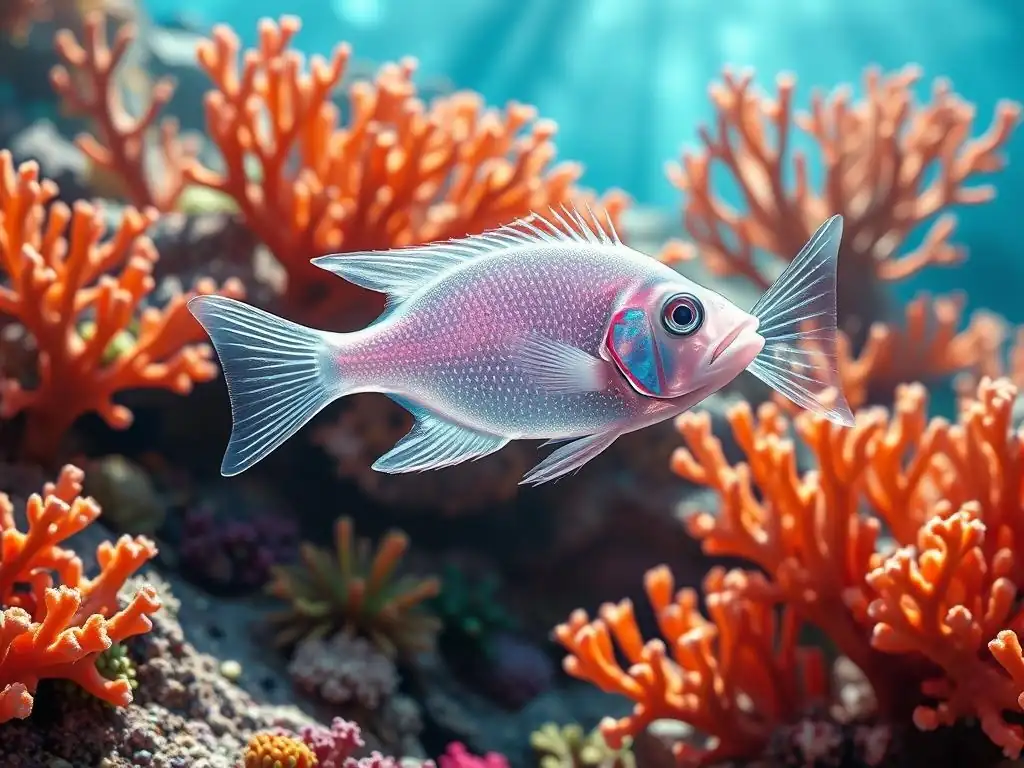
In a captive reef aquarium, Ghost Cardinalfish contribute significantly to the overall aesthetic and biological diversity, though their direct ecological impact differs from their wild counterparts. They serve as ideal inhabitants for showcasing the beauty of a peaceful, well-established reef system. Indirectly, they contribute to the tank's cleanliness by consuming small particles of uneaten food that might otherwise decompose and foul the water.
Their presence can also serve as an indicator of a healthy and stable environment; thriving, active schools of Ghost Cardinalfish typically signify excellent water quality and appropriate tank conditions. They fill a valuable niche as mid-water swimmers, adding dynamic movement without interfering with the delicate balance of corals or disturbing other bottom-dwelling or territorial inhabitants. Their generally shy nature ensures they do not disrupt the feeding or resting patterns of other species, which is a major positive for Ghost cardinalfish reef care in a mixed reef.
Preventing Coral Damage: Ensuring Compatibility with Reef Inhabitants
One of the most significant advantages of incorporating Ghost Cardinalfish into a reef aquarium is their impeccable reef-safe behavior. These fish are renowned for not nipping at or otherwise damaging corals, whether they are small polyp stony (SPS) corals, large polyp stony (LPS) corals, or soft corals. Unlike some other marine species that may develop a taste for coral polyps or delicate tissues, Sphaeramia nematoptera poses no such threat.
Their natural diet consists primarily of small zooplankton and crustaceans, not coral polyps or anemones. This characteristic simplifies Ghost cardinalfish reef care in a dedicated coral reef tank, as aquarists do not need to worry about them harming valuable or sensitive coral colonies. Their compatibility extends to other sessile invertebrates as well, including clams, sponges, and various types of ornamental shrimp and crabs, making them an ideal choice for a diverse and thriving reef ecosystem.
Monitoring Water Quality: The Impact of Ghost Cardinalfish on the Reef Environment
While Ghost Cardinalfish are relatively small, a healthy school of them does contribute to the overall bioload of the aquarium. Therefore, consistent and vigilant monitoring of water quality parameters is crucial to ensure both their well-being and the health of the entire reef environment. Regular testing for ammonia, nitrite, and nitrate levels is essential, as even small increases can indicate an imbalance, particularly in smaller tanks or those with a high fish density.
To mitigate their impact on water quality, efficient filtration systems are indispensable. A well-sized protein skimmer, ample live rock for biological filtration, and regular partial water changes (as discussed earlier) are key components of maintaining pristine water conditions. These practices not only benefit the Ghost Cardinalfish by providing a stable and clean habitat but also prevent the accumulation of pollutants that could harm sensitive corals and other invertebrates, underscoring the holistic nature of effective Ghost cardinalfish reef care.
Common Health Issues in Ghost Cardinalfish and How to Treat Them
Identifying Signs of Illness in Ghost Cardinalfish
Early detection of illness is crucial for successful treatment and preventing the spread of disease within a reef aquarium. Aquarists should regularly observe their Ghost Cardinalfish for any changes in behavior or physical appearance. Signs of illness can include excessive hiding, erratic or listless swimming, loss of appetite, or gasping at the water surface. Physical indicators may manifest as faded or dull coloration, clamped fins (fins held close to the body), the presence of white spots (indicative of Ich), a dusty or velvety coating on the body (Marine Velvet), frayed fins (fin rot), or any unusual growths or lesions.
Other red flags include visible parasites, swelling, or labored breathing. Any deviation from their normal, active schooling behavior should prompt closer inspection. Prompt identification of these signs allows for timely intervention, significantly increasing the chances of recovery for the affected fish and safeguarding the health of the entire tank.
Common Diseases Affecting Ghost Cardinalfish: Prevention and Treatment
Ghost Cardinalfish are susceptible to common marine fish diseases, primarily marine Ich ( Cryptocaryon irritans) and Marine Velvet ( Amyloodinium ocellatum). Prevention is always the best strategy, achieved through maintaining stable, pristine water parameters, providing a high-quality, varied diet, and implementing strict quarantine procedures for all new arrivals.
If a disease does manifest, treatment often requires moving the affected fish to a separate hospital tank, as many medications are toxic to corals and invertebrates. For marine Ich, treatment options include copper-based medications (used carefully, as copper is toxic to invertebrates and can be absorbed by live rock) or hyposalinity (gradually lowering the specific gravity to 1.009-1.010). Marine Velvet typically requires stronger medications and is highly virulent. Always follow medication instructions precisely and understand their implications for a reef system. Proactive Ghost cardinalfish reef care through prevention is far easier than treating an outbreak.
Quarantine Procedures: Protecting Your Aquarium from Disease
Implementing a rigorous quarantine procedure for all new fish, including Ghost Cardinalfish, is perhaps the single most effective measure to protect an established reef aquarium from disease outbreaks. A dedicated quarantine tank (QT), fully cycled and equipped with heating, filtration (such as a sponge filter), and hiding spots, should be set up. New fish should reside in this QT for a minimum of 4-6 weeks.
During the quarantine period, the fish can be closely observed for any signs of illness, allowing time for latent diseases to manifest. Prophylactic treatments, such as freshwater dips for external parasites or administering medications like Prazipro for flukes, can be performed if deemed necessary, without risking the main display tank's inhabitants or biological filter. This essential step in Ghost cardinalfish reef care dramatically reduces the risk of introducing pathogens and ensures a healthy, thriving reef environment.
Breeding Ghost Cardinalfish: A Challenging but Rewarding Endeavor
Creating a Suitable Breeding Environment for Ghost Cardinalfish
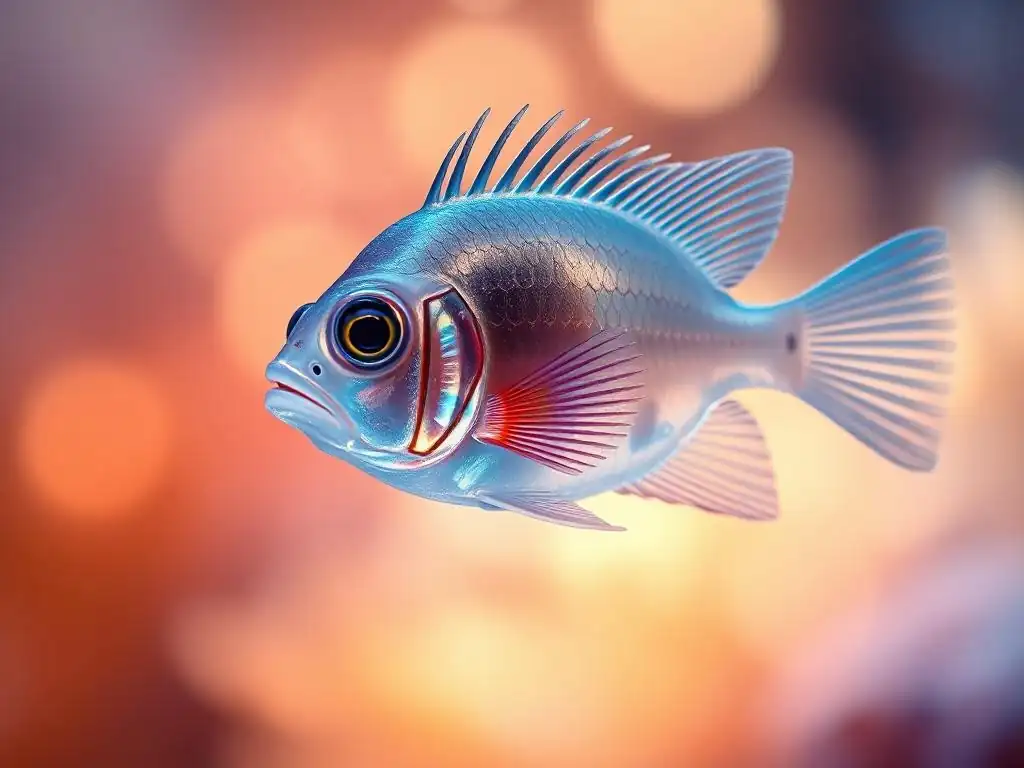
Breeding Ghost Cardinalfish in a home aquarium can be a challenging yet highly rewarding experience, as they are mouthbrooders. To encourage spawning, a mature and exceptionally stable environment with pristine water quality is paramount. A dedicated breeding tank, typically 20-30 gallons (approximately 75-115 liters), is recommended to provide a controlled setting. This tank should be aquascaped with plenty of hiding spots, such as PVC pipes, small caves, or dense artificial plants, to offer security for the breeding pair and later, for the fry.
Maintaining water parameters at the higher end of their optimal range (e.g., stable temperature around 78°F or 26°C and consistent pH) can help stimulate breeding activity. Dim lighting and a peaceful atmosphere free from disturbances are also conducive to spawning. A diet rich in high-quality protein and vitamins, provided frequently, is essential for conditioning the prospective parents.
Identifying Breeding Behaviors in Ghost Cardinalfish
Ghost Cardinalfish exhibit distinct breeding behaviors, with the male taking on the primary role of mouthbrooder. During courtship, a pair may engage in chasing and circling rituals, often near their chosen spawning site. The female will then lay a cluster of eggs, which the male promptly gathers into his mouth. This unique oral incubation is a fascinating aspect of their reproductive strategy.
Once the male has collected the eggs, he will typically hold them in his mouth for approximately 8 to 10 days until they hatch. During this period, the male will cease eating and may become more reclusive, seeking out a quiet hiding spot within the tank. The presence of a male with a distended buccal cavity (mouth area) is a clear indication of a successful spawn, signifying the culmination of dedicated Ghost cardinalfish reef care.
Raising Ghost Cardinalfish Fry: A Detailed Guide
Raising Ghost Cardinalfish fry is a delicate and demanding process due to their extremely small size upon hatching. Once the male releases the fry, they are free-swimming but require very fine, live foods. Newly hatched rotifers are typically the first food offered, followed by newly hatched brine shrimp nauplii as they grow slightly larger. A separate rearing tank is essential, equipped with gentle filtration, such as a sponge filter, to prevent the tiny fry from being sucked into the intake.
Maintaining pristine water quality in the fry tank is critical, necessitating frequent, small water changes to prevent the buildup of waste. Growth is relatively slow, and consistent feeding and meticulous water management are required to raise them successfully to a juvenile stage where they can transition to larger foods and eventually be introduced to a larger system. This phase requires significant dedication and is the ultimate test of an aquarist's Ghost cardinalfish reef care skills.
Sourcing Ghost Cardinalfish: Ethical Considerations and Choosing Healthy Specimens
Selecting Healthy Ghost Cardinalfish from Reputable Suppliers
When acquiring Ghost Cardinalfish, it is paramount to choose specimens from reputable fish stores or online suppliers that prioritize ethical collection practices or, ideally, offer sustainably aquacultured (captive-bred) individuals. Healthy Ghost Cardinalfish will appear active, alert, and exhibit their characteristic schooling behavior. Look for fish with clear eyes, intact fins (no tears or nips), and a full, non-emaciated body. Their coloration should be vibrant, and they should not show any signs of disease, such as white spots, velvet, or labored breathing.
Inquiring about the fish's origin (wild-caught versus captive-bred) is beneficial. Captive-bred specimens are often hardier, more accustomed to aquarium life, and less prone to disease, as they haven't endured the stress of wild capture and transport. Opting for captive-bred fish, when available, supports sustainable practices and often leads to a more successful and less problematic Ghost cardinalfish reef care experience.
Acclimation Procedures: Safely Introducing Ghost Cardinalfish to Your Aquarium
Proper acclimation is a critical step in introducing new Ghost Cardinalfish to your aquarium, minimizing stress and ensuring a smooth transition. The drip acclimation method is highly recommended for marine fish due to its gradual approach. Begin by floating the sealed bag in your aquarium for 15-20 minutes to equalize the water temperature. Then, open the bag and use an airline tube to slowly drip water from your display tank into the bag at a rate of about 1-2 drops per second.
Continue this process for at least 30-60 minutes, or until the volume of water in the bag has quadrupled. This slow introduction allows the fish to gradually adjust to your tank's specific gravity, pH, and other water chemistry parameters. After acclimation, gently net the fish and place it into your quarantine tank (highly recommended), discarding the bag water. Never pour the bag water directly into your display tank, as it may contain pathogens, ammonia, or other undesirable substances.
Conclusion: Enjoying the Elegance of Ghost Cardinalfish in Your Reef Aquarium
The Rewards of Dedicated Ghost Cardinalfish Reef Care
With dedicated and knowledgeable Ghost cardinalfish reef care, these ethereal, translucent swimmers can become a truly captivating and long-lived addition to your saltwater aquarium. Their peaceful demeanor, striking appearance, and fascinating schooling behavior offer a unique aesthetic and dynamic element to any reef system. Witnessing a healthy school of Ghost Cardinalfish gracefully navigating their environment, exhibiting their natural behaviors, is a testament to the aquarist's commitment and provides immense satisfaction.
Their relatively hardy nature, coupled with their complete reef-safe compatibility, makes them an excellent choice for a wide array of mixed reef setups. The rewards extend beyond mere aesthetics; successfully maintaining these delicate creatures signifies a deep understanding of marine aquarium husbandry and contributes to a balanced, thriving ecosystem within your home.
Further Resources for Saltwater Aquarium Enthusiasts
The journey of saltwater aquarium keeping is one of continuous learning and discovery. For those keen on mastering the art of Ghost cardinalfish reef care and expanding their knowledge of marine husbandry, a wealth of information is available. Exploring detailed guides on water chemistry management, various saltwater fish profiles, and comprehensive troubleshooting sections can further enhance your expertise. Engaging with the broader aquarist community, through forums or local clubs, can also provide invaluable insights and shared experiences, fostering a deeper connection to this fascinating hobby.
Frequently Asked Questions
What are the key considerations for Ghost Cardinalfish reef care?
The most important aspects are maintaining stable water parameters, providing a peaceful environment with plenty of hiding places, and offering a varied diet of small, meaty foods.
What type of aquarium setup is ideal for Ghost Cardinalfish?
A mature reef aquarium with plenty of live rock for shelter is ideal. They prefer low to moderate water flow and benefit from a stable environment.
What should I feed my Ghost Cardinalfish to ensure their health?
Offer a varied diet consisting of small, meaty foods like mysis shrimp, brine shrimp, and finely chopped seafood. Regular feedings are crucial for their well-being.
Are Ghost Cardinalfish compatible with other reef inhabitants?
Yes, they are generally peaceful fish, making them suitable for a community reef tank. Avoid housing them with aggressive or overly boisterous species that may outcompete them for food.
What are some common health issues that can affect Ghost Cardinalfish and how can I prevent them?
They can be susceptible to diseases like ich and velvet if water quality is poor. Maintain pristine water conditions through regular water changes and quarantine new arrivals to prevent outbreaks.
Final Reflection: Embracing the Ephemeral Beauty of the Reef
The delicate dance of the Ghost Cardinalfish, as we've explored, is more than just a fascinating biological phenomenon; it's a potent reminder of the fragility of our coral reef ecosystems. Understanding their specific needs, particularly in the context of reef care, is not merely about keeping these ethereal creatures alive in our aquariums, but about actively participating in the preservation of the very environments they call home.
This exploration into the world of the Ghost Cardinalfish has profoundly underscored the interconnectedness of life on the reef. It's a humbling experience to consider how even the smallest, seemingly insignificant creatures play a vital role in the overall health and resilience of these underwater paradises. In the end, we will conserve only what we love; we will love only what we understand; and we will understand only what we are taught.
- Baba Dioum. This quote perfectly encapsulates the responsibility we bear to learn about and protect these delicate ecosystems.
Now, as you close this article, consider the implications of what you've learned. How can you translate your newfound knowledge of Ghost Cardinalfish reef care into broader actions that support the health of our oceans? Let the ethereal beauty of these translucent swimmers inspire you to become a more conscious and responsible steward of the reef, ensuring its vibrant future for generations to come.
Dive Deeper: Unveil the Mysteries of the Ghost Cardinalfish!
Thank you for exploring the captivating world of the Ghost Cardinalfish with us. We hope you've gained a newfound appreciation for these ethereal reef dwellers. Now, let's take that fascination a step further.
Here's how you can continue your journey:
- Begin planning a species-only nano tank specifically designed to showcase the Ghost Cardinalfish, mimicking their natural habitat.
- Share this article with fellow aquarium enthusiasts to spread awareness about the unique needs and beauty of these fish.
- Research ethical breeders in your area and consider sourcing your fish from captive-bred populations.
What aspect of Ghost Cardinalfish care intrigues you the most, and what challenges do you anticipate in keeping them successfully?