
Why Are My Shrimp Dying? A Comprehensive Troubleshooting Checklist

Welcome to Aquarium Mastery!
Ever found yourself staring into your freshwater aquarium, wondering why your shrimp are suddenly dying? Don't panic! You're not alone. This comprehensive checklist will guide you through the most common culprits behind shrimp mortality, offering practical solutions and insights to restore balance to your aquatic ecosystem. Let's dive in and troubleshoot together – your thriving shrimp colony awaits!
- Why Are My Shrimp Dying? A Comprehensive Troubleshooting Checklist for Freshwater Aquariums
- Understanding Shrimp Mortality in Freshwater Aquariums
- Water Quality Issues Causing Shrimp Deaths
- Tank Setup and Maintenance Problems Leading to Shrimp Loss
- Dietary Issues and Shrimp Mortality
- Disease and Parasites Affecting Freshwater Shrimp
- Introduction of New Shrimp and Quarantine Procedures
- Medications and Chemicals Toxic to Shrimp
- Environmental Stressors and Shrimp Death
- Predator Fish and Incompatible Tank Mates
- Troubleshooting Checklist: Step-by-Step Guide to Diagnose Shrimp Deaths
- Preventing Future Shrimp Deaths: Long-Term Care Strategies
-
Frequently Asked Questions
- Why are my shrimp dying in my freshwater aquarium?
- What water parameters are most critical for shrimp survival?
- How often should I perform water changes in a shrimp tank?
- Could new additions to the aquarium be the cause of shrimp deaths?
- What are some common toxins that can harm shrimp in a freshwater aquarium?
- Final Reflection: Understanding the Delicate Balance of Life
- Revitalize Your Shrimp Tank Now!
Why Are My Shrimp Dying? A Comprehensive Troubleshooting Checklist for Freshwater Aquariums
Understanding Shrimp Mortality in Freshwater Aquariums
Recognizing the Signs of Unhealthy Shrimp
Observing your freshwater shrimp closely can provide early warnings of health issues, potentially preventing widespread mortality in your "shrimp dying freshwater aquarium" situation. Early signs of distress in shrimp, such as Neocaridina or Caridina species, often include lethargy, reduced activity, or a noticeable decrease in appetite. You might see them spending more time hiding, or their usual vibrant coloration may appear faded or cloudy. In some cases, shrimp might exhibit unusual swimming patterns, like darting erratically or struggling to move, which are clear indicators of underlying problems.
As a shrimp's health deteriorates, more severe symptoms can become apparent. These include difficulty molting, where the shrimp gets stuck in its old exoskeleton, or visible signs of bacterial or fungal infections, such as fuzzy growths or discoloration on their bodies. You might also observe missing limbs or a curved posture. If shrimp are lying on their sides, twitching uncontrollably, or exhibiting rapid gill movements, these are critical signs that death is imminent. Prompt identification of these symptoms is crucial to diagnose and address the causes of "shrimp dying freshwater aquarium" events.
Common Causes of Shrimp Death in Freshwater Tanks
Shrimp are delicate invertebrates, and their mortality in freshwater aquariums can stem from a variety of interconnected factors, often making troubleshooting complex. The most prevalent causes typically fall into categories such as poor water quality, inadequate diet, environmental stressors, and the presence of diseases or parasites. For instance, even minor fluctuations in water parameters, which might be tolerated by hardier fish, can prove fatal to sensitive species like Crystal Red Shrimp or even the more robust Cherry Shrimp, leading to a "shrimp dying freshwater aquarium" scenario.
Understanding these broad categories is the first step in diagnosing why your shrimp are dying. For example, an uncycled tank will invariably lead to water quality issues, while an imbalanced diet can weaken their immune system, making them susceptible to illness. Stress, often induced by aggressive tank mates or unstable conditions, can also significantly contribute to a shrimp's demise. Addressing these fundamental areas systematically is key to identifying and mitigating the factors that contribute to "shrimp dying freshwater aquarium" problems.
Water Quality Issues Causing Shrimp Deaths
Ammonia and Nitrite Poisoning: A Deadly Threat to Shrimp
Ammonia (NH3/NH4+) and nitrite (NO2-) are highly toxic compounds that frequently cause sudden and widespread "shrimp dying freshwater aquarium" events, particularly in newly set up or improperly cycled tanks. Ammonia originates from fish waste, uneaten food, and decaying plant matter, while nitrite is produced during the first stage of the nitrogen cycle as beneficial bacteria convert ammonia. Even trace amounts, such as 0.25 ppm of ammonia or nitrite, can be lethal to sensitive invertebrates like Neocaridina and Caridina shrimp, as their delicate gill structures are easily damaged, impairing their ability to absorb oxygen.
The physiological impact of these toxins on shrimp is severe. Ammonia burns the gills and internal organs, leading to irreversible tissue damage and suffocation. Nitrite, on the other hand, interferes with the blood's capacity to transport oxygen, effectively suffocating the shrimp from the inside out. Shrimp exposed to high levels of ammonia or nitrite will often become lethargic, lose their appetite, and exhibit labored breathing before succumbing. This makes regular water testing and a fully established nitrogen cycle paramount to preventing "shrimp dying freshwater aquarium" due to poisoning.
Testing Your Freshwater Aquarium Water Parameters
Regular and accurate testing of your freshwater aquarium's water parameters is the most critical step in preventing and diagnosing "shrimp dying freshwater aquarium" issues. For the most reliable results, liquid reagent test kits are highly recommended over test strips, which can often be inaccurate or provide false readings. Key parameters to monitor include ammonia (NH3/NH4+), nitrite (NO2-), nitrate (NO3-), pH, General Hardness (GH), and Carbonate Hardness (KH).
For a newly established tank, testing ammonia and nitrite daily for the first few weeks is crucial to ensure the nitrogen cycle is progressing correctly. Once the tank is cycled (ammonia and nitrite consistently at 0 ppm), weekly or bi-weekly testing for all parameters is generally sufficient for maintenance. For shrimp tanks, target levels should ideally be 0 ppm for ammonia and nitrite, with nitrates below 20 ppm for most species, and even lower (under 10 ppm) for very sensitive Caridina species. Consistent monitoring helps identify potential problems before they lead to "shrimp dying freshwater aquarium" scenarios.
Immediate Actions for High Ammonia or Nitrite Levels
If your water test reveals detectable levels of ammonia or nitrite, immediate action is necessary to prevent further "shrimp dying freshwater aquarium" incidents. The most effective first step is a significant water change, typically 50% or more, performed slowly and carefully to avoid shocking the shrimp with sudden changes in temperature or parameters. Always use a high-quality water conditioner that neutralizes chlorine, chloramines, and ideally, detoxifies ammonia and nitrite temporarily.
Following the water change, consider adding a reputable beneficial bacteria supplement to boost the biological filter's capacity to process toxins. It is also crucial to identify and eliminate the source of the toxins: reduce feeding to a bare minimum, remove any decaying plant matter or uneaten food, and ensure the filtration system is functioning optimally. Increasing surface agitation through an air stone or sponge filter can also enhance oxygenation, which is vital for shrimp struggling with toxin exposure.
Nitrate Buildup and Its Impact on Shrimp
Nitrate (NO3-) is the final product of the nitrogen cycle and, while significantly less toxic than ammonia or nitrite, high concentrations can still be detrimental to freshwater shrimp, contributing to "shrimp dying freshwater aquarium" problems over time. Unlike fish, which can often tolerate nitrate levels up to 40-50 ppm, sensitive shrimp species, particularly Caridina like Crystal Red Shrimp, begin to show signs of stress at levels above 20 ppm, and prolonged exposure to levels exceeding 30-40 ppm can lead to chronic health issues and premature death.
The impact of high nitrates on shrimp manifests as general stress, reduced activity, lethargy, and a weakened immune system. It can also inhibit proper molting, leading to molting difficulties, which are a common cause of death in shrimp. While not as acutely toxic as ammonia or nitrite, persistent high nitrate levels contribute to a slow decline in shrimp health, making them more susceptible to diseases and ultimately leading to a gradual increase in "shrimp dying freshwater aquarium" cases.
Maintaining Optimal Nitrate Levels in Shrimp Tanks
Maintaining optimal nitrate levels is crucial for preventing chronic stress and "shrimp dying freshwater aquarium" issues. The primary and most effective method is regular partial water changes. For most shrimp tanks, a weekly water change of 10-20% is recommended, ensuring that the new water matches the tank's temperature and treated for chlorine. For tanks with higher bioloads or sensitive Caridina species, more frequent or larger water changes might be necessary to keep nitrates consistently below 10-20 ppm.
Beyond water changes, incorporating live aquatic plants is an excellent natural way to absorb nitrates from the water column. Fast-growing plants like Hornwort, Guppy Grass, or floating plants like Frogbit are particularly effective. Avoiding overfeeding, which contributes to excess waste, and ensuring efficient filtration are also vital strategies. Using RO/DI water and remineralizing it to specific parameters can give aquarists precise control over initial nitrate levels if their tap water is naturally high in nitrates.
pH Imbalance: Too Acidic or Too Alkaline?
pH, a measure of acidity or alkalinity, plays a critical role in the health and survival of freshwater shrimp. Rapid or extreme fluctuations in pH can induce severe osmotic shock, damaging a shrimp's delicate cellular structures and gills, leading to immediate "shrimp dying freshwater aquarium" incidents. Shrimp are particularly sensitive to sudden pH swings, even more so than many fish, making pH stability paramount.
Both excessively acidic and excessively alkaline conditions pose significant threats. Water that is too acidic (low pH) can lead to the dissolution of a shrimp's exoskeleton, hindering proper molting and weakening their protective shell. Conversely, water that is too alkaline (high pH) can increase the toxicity of ammonia, converting non-toxic ammonium into highly toxic ammonia gas, even at seemingly safe total ammonia nitrogen levels. This dual threat underscores why pH balance is a frequent culprit in "shrimp dying freshwater aquarium" situations.
Ideal pH Range for Freshwater Shrimp Species (Neocaridina & Caridina)
Understanding the ideal pH range for your specific freshwater shrimp species is fundamental to their well-being and preventing "shrimp dying freshwater aquarium" problems. Neocaridina species, such as Cherry Shrimp, Blue Dream Shrimp, or Sunkist Shrimp, are generally more adaptable and thrive in a pH range of 6.5 to 7.8. Their robustness makes them suitable for a wider variety of water conditions, provided the pH remains stable within this spectrum.
Caridina species, including Crystal Red Shrimp (CRS), Crystal Black Shrimp (CBS), and Taiwan Bee Shrimp, are considerably more sensitive and typically prefer slightly acidic to neutral water. Their ideal pH range is narrower, usually between 5.8 and 7.2. For these delicate shrimp, many aquarists opt for active buffering substrates that naturally lower and stabilize pH within this acidic range. Regardless of species, stability is key; a stable pH slightly outside the "ideal" range is often less detrimental than frequent, sudden fluctuations within the "ideal" range.
Adjusting pH Safely in a Shrimp Tank
Adjusting pH in a shrimp tank requires extreme caution and a gradual approach to prevent shocking the delicate invertebrates, which could lead to "shrimp dying freshwater aquarium" due to osmotic stress. Chemical pH adjusters should generally be avoided as they can cause rapid and unpredictable swings. For lowering pH, natural methods are preferred: adding driftwood or peat moss can slowly release tannins that reduce pH, or using specialized active substrates (e.g., ADA Aquasoil, Fluval Stratum) designed for Caridina shrimp that buffer the water to an acidic range.
To safely raise pH, if necessary, inert materials like crushed coral or aragonite can be added to the filter or substrate. These materials slowly dissolve, releasing calcium carbonate and buffering the water. For precise control, especially for sensitive Caridina species, using 100% Reverse Osmosis (RO) or Deionized (DI) water and remineralizing it with products specifically formulated for shrimp (e.g., SaltyShrimp GH+ or GH/KH+) allows for complete control over pH and hardness, ensuring stable and optimal conditions.
Water Hardness (GH and KH): Critical for Shrimp Health
Water hardness, specifically General Hardness (GH) and Carbonate Hardness (KH), is critically important for the health and survival of freshwater shrimp. GH measures the concentration of dissolved divalent ions, primarily calcium and magnesium, which are essential for shrimp to form and maintain their exoskeletons. Inadequate GH can lead to molting problems, where shrimp get stuck in their old shells or develop soft, brittle new shells, a common cause of "shrimp dying freshwater aquarium" after a molt.
KH, or Carbonate Hardness, measures the water's buffering capacity, its ability to resist changes in pH. A stable KH helps prevent sudden and dangerous pH swings, which can be fatal to shrimp. Low KH makes the water susceptible to rapid pH drops, especially in tanks with active substrates or high CO2 injection. While shrimp need sufficient GH for their shells, they also require appropriate KH to maintain stable water chemistry, directly impacting their overall health and longevity.
Understanding General Hardness (GH) and Carbonate Hardness (KH)
Understanding the specific requirements for GH and KH is vital for avoiding "shrimp dying freshwater aquarium" scenarios. For Neocaridina shrimp (e.g., Cherry, Blue Dream), the ideal GH range is typically 6-10 dGH (degrees of General Hardness), and KH should be between 2-8 dKH (degrees of Carbonate Hardness). These ranges provide ample minerals for molting and sufficient buffering capacity for stable pH.
Caridina shrimp (e.g., Crystal Red, Taiwan Bee) are more particular, often thriving in softer, slightly acidic water. Their ideal GH range is generally 4-6 dGH, while their KH is often very low, sometimes 0-1 dKH, especially when active buffering substrates are used. These substrates absorb KH, creating the soft, acidic environment preferred by these species. Testing both GH and KH regularly with liquid test kits is essential to ensure these parameters remain within the optimal ranges for your specific shrimp.
Maintaining Proper GH and KH for Shrimp
Maintaining proper GH and KH levels is crucial for preventing "shrimp dying freshwater aquarium" issues related to mineral deficiencies or pH instability. If your water's GH or KH is too low, specific mineral supplements designed for shrimp are the safest and most effective solution. Products like SaltyShrimp GH/KH+ are formulated for Neocaridina, providing both calcium/magnesium and bicarbonates. For Caridina species kept on active substrates, SaltyShrimp GH+ is used, as it provides only GH minerals while allowing the substrate to manage KH and pH.
For environments where GH or KH is excessively high, using Reverse Osmosis (RO) or Deionized (DI) water for water changes is the best approach. RO/DI water is virtually free of minerals, allowing you to remineralize it precisely to your shrimp's specific needs using the aforementioned supplements. This method offers unparalleled control over water parameters, minimizing the risk of mineral imbalances or pH fluctuations that can stress and ultimately kill shrimp.
Tank Setup and Maintenance Problems Leading to Shrimp Loss
Inadequate Tank Cycling and the Nitrogen Cycle
One of the most common and devastating reasons for "shrimp dying freshwater aquarium" is an inadequately cycled tank. The nitrogen cycle is a biological process where beneficial bacteria convert toxic ammonia (from waste) into less toxic nitrite, and then into even less toxic nitrate. If a tank is not fully cycled before shrimp are introduced, ammonia and nitrite will build up to lethal concentrations, as shrimp are incredibly sensitive to these compounds.
A "fish-in" cycle is generally not recommended for shrimp due to their extreme sensitivity; a "fishless" cycle is far safer. This process typically takes 4-8 weeks and involves adding an ammonia source to feed the bacteria until tests show 0 ppm ammonia and 0 ppm nitrite, with nitrates present. Skipping or rushing this crucial step almost guarantees high mortality rates among new shrimp, as their delicate systems cannot cope with the sudden influx of toxins.
Establishing a Healthy Biological Filter for Shrimp
Establishing a healthy biological filter is the cornerstone of a stable and safe environment for freshwater shrimp, directly preventing "shrimp dying freshwater aquarium" due to water quality issues. This involves cultivating colonies of nitrifying bacteria that reside in the filter media and substrate. To initiate this process, you can use a pure ammonia source (e.g., Dr. Tim's Aquatics Ammonium Chloride) to "feed" the bacteria, or introduce beneficial bacteria from an established tank or a commercial liquid bacteria starter.
During the cycling period, regularly test ammonia, nitrite, and nitrate levels. Ammonia and nitrite should spike and then gradually fall to zero, while nitrates will rise. This process can take several weeks, but patience is vital. Once ammonia and nitrite consistently read 0 ppm for several days, and nitrates are detectable, your biological filter is established and capable of handling shrimp bioload, significantly reducing the risk of "shrimp dying freshwater aquarium" from toxins.
Overcrowding and its Stress on Shrimp
Overcrowding in a freshwater aquarium can lead to significant stress for shrimp, contributing to "shrimp dying freshwater aquarium" issues, even if water parameters initially appear stable. Too many shrimp in a limited space increase the bioload, meaning more waste production and a higher demand on the biological filter. This can lead to rapid accumulation of nitrates and other organic pollutants, even in a well-maintained tank.
Beyond water quality, overcrowding creates competition for food and space. While shrimp are generally peaceful, constant competition can lead to chronic stress, weakening their immune systems and making them more susceptible to disease. Stressed shrimp may also have difficulty molting, which is a critical process for their growth and survival. Ensuring adequate space is fundamental to preventing the cumulative stress that results in "shrimp dying freshwater aquarium."
Calculating Appropriate Shrimp Stocking Levels
Calculating appropriate shrimp stocking levels is essential for maintaining a healthy and stress-free environment, directly impacting the prevention of "shrimp dying freshwater aquarium" due to overcrowding. A common guideline for Neocaridina shrimp (like Cherry Shrimp) is to start with approximately 5-10 shrimp per gallon of water, assuming adequate filtration and plant density. For example, a 10-gallon tank could comfortably house 50-100 adult Neocaridina shrimp.
However, this is a starting point, as shrimp populations can multiply rapidly. For more sensitive Caridina species (like Crystal Red Shrimp), a slightly lower initial stocking density, perhaps 3-5 shrimp per gallon, might be more appropriate due to their heightened sensitivity to water parameters and stress. Monitoring shrimp behavior, water parameters, and the overall cleanliness of the tank are better indicators of whether your stocking levels are sustainable. If you notice a consistent pattern of "shrimp dying freshwater aquarium" despite good water parameters, overcrowding might be the underlying cause.
Insufficient Oxygen Levels in the Aquarium
Insufficient oxygen levels, or hypoxia, are a silent killer in freshwater aquariums and a significant cause of "shrimp dying freshwater aquarium." Shrimp, like all aquatic life, require dissolved oxygen to respire. While they are small, they are highly sensitive to oxygen deprivation, especially in warmer water where oxygen solubility is lower, or in heavily planted tanks at night when plants consume oxygen.
Symptoms of low oxygen in shrimp include rapid gill movement, lethargy, and an unusual tendency for shrimp to climb to the water surface or gather near the filter outflow, where oxygen levels are typically highest. Prolonged exposure to low oxygen weakens their immune system, stresses their respiratory system, and can lead to rapid death, particularly during molting when they are most vulnerable. Addressing oxygenation is vital to prevent widespread "shrimp dying freshwater aquarium."
Increasing Oxygenation for Shrimp Health
Increasing oxygenation is a straightforward yet critical step to prevent "shrimp dying freshwater aquarium" due to hypoxia. The simplest method is to ensure adequate surface agitation, as this is where the primary gas exchange occurs between the water and the air. This can be achieved by positioning your filter outflow to gently ripple the water surface or by adding an air stone connected to an air pump.
For heavily planted tanks, especially those with CO2 injection, it's crucial to monitor oxygen levels, particularly at night. Turning off CO2 injection an hour before lights out and ensuring good surface agitation overnight can prevent dangerous oxygen dips. Maintaining a moderate water temperature (e.g., 68-78°F or 20-25.5°C for most freshwater shrimp) also helps, as colder water holds more dissolved oxygen. These measures contribute significantly to a healthier environment and reduce the risk of "shrimp dying freshwater aquarium" from suffocation.
Lack of Proper Substrate and Decoration
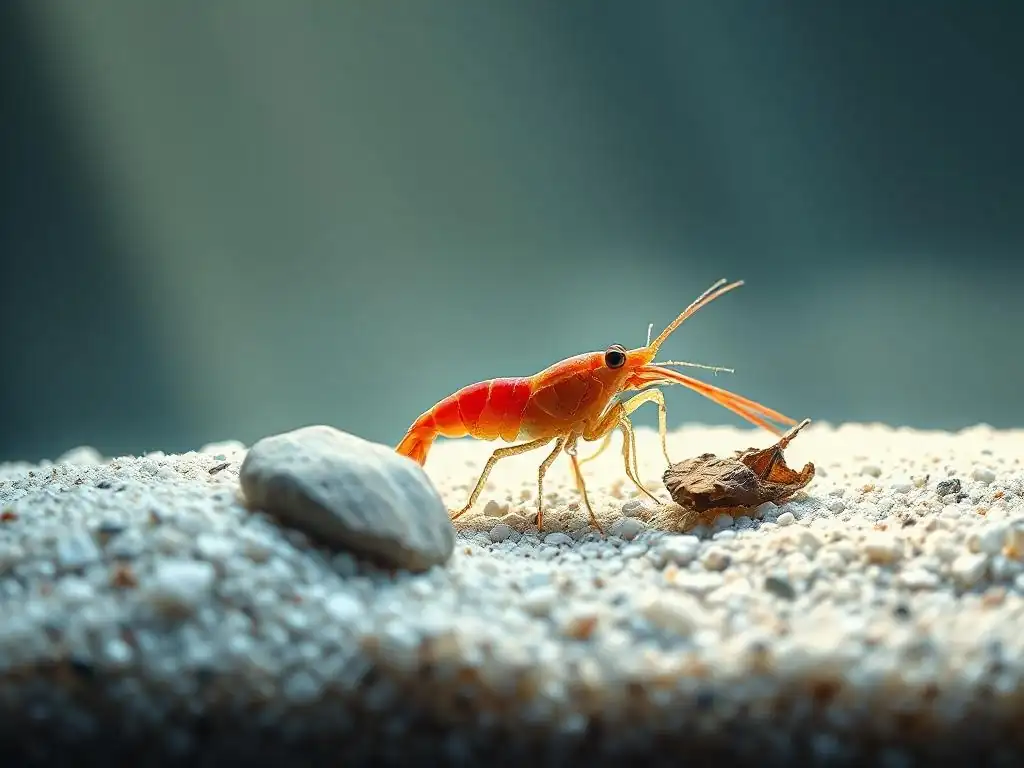
The choice of substrate and the availability of appropriate decorations are more than just aesthetic considerations; they are fundamental to the health and survival of freshwater shrimp and can contribute to "shrimp dying freshwater aquarium" if neglected. Shrimp thrive in environments that mimic their natural habitats, offering both a source of food and ample hiding places.
An inappropriate substrate can leach harmful chemicals, alter water parameters unfavorably, or fail to provide a surface for biofilm growth. Similarly, a lack of decorations, such as plants, driftwood, or rocks, deprives shrimp of essential hiding spots, leading to chronic stress from perceived predation or lack of security. This stress can weaken their immune system, making them more susceptible to disease and contributing to "shrimp dying freshwater aquarium" over time.
Best Substrates for Shrimp: Inert vs. Active
Choosing the best substrate is pivotal for shrimp health and preventing "shrimp dying freshwater aquarium" issues. For Neocaridina shrimp, inert substrates like fine gravel or sand (e.g., ADA La Plata Sand, CaribSea Eco-Complete) are excellent choices. These substrates do not alter water parameters, allowing for stable GH and KH, which Neocaridina prefer. They also provide ample surface area for biofilm and detritus, a primary food source.
For sensitive Caridina species (e.g., Crystal Red Shrimp, Taiwan Bee Shrimp), active buffering substrates are often preferred. Brands like ADA Aquasoil, Fluval Stratum, or Brightwell Aquatics FlorinGourmet actively lower and stabilize pH, and soften the water by absorbing KH, creating the ideal slightly acidic and soft conditions (pH 5.8-7.2, GH 4-6 dGH) that these shrimp require. Using the wrong substrate can lead to chronic stress and ultimately, "shrimp dying freshwater aquarium" due to unsuitable water chemistry.
Providing Hiding Places and Biofilm for Shrimp
Providing abundant hiding places and encouraging biofilm growth are crucial for shrimp well-being and mitigating "shrimp dying freshwater aquarium" problems. Hiding spots, such as dense live plants (e.g., Java Moss, Anubias, Bucephalandra), driftwood, rock caves, or even ceramic shrimp shelters, offer security from tank mates and a safe haven during vulnerable periods like molting. Without adequate cover, shrimp experience chronic stress, which can lead to weakened immune systems and susceptibility to disease.
Furthermore, these surfaces provide an ideal substrate for the growth of biofilm and algae, which constitute a significant portion of a shrimp's natural diet. Biofilm is a complex matrix of microorganisms, algae, and detritus that shrimp constantly graze on. A tank rich in varied surfaces for biofilm to colonize ensures a continuous food supply, reducing reliance on supplemental feeding and preventing "shrimp dying freshwater aquarium" due to starvation or nutritional deficiencies.
Inadequate or Infrequent Water Changes
Inadequate or infrequent water changes are a leading cause of "shrimp dying freshwater aquarium" in established tanks, often manifesting as a slow but steady decline in shrimp health. Over time, nitrates, phosphates, and other dissolved organic compounds accumulate in the aquarium water. While nitrates are the most commonly tested pollutant, other dissolved solids can also build up, contributing to overall water deterioration.
This accumulation of pollutants stresses shrimp, weakens their immune systems, and can lead to chronic health problems, difficulty molting, and reduced lifespan. Shrimp are particularly sensitive to stale water conditions; unlike some fish, they do not tolerate high levels of dissolved organic matter well. Regular water changes are essential to dilute these harmful substances and replenish essential minerals, maintaining a healthy environment and preventing "shrimp dying freshwater aquarium" from poor water quality.
Recommended Water Change Schedule for Shrimp Tanks
A consistent and appropriate water change schedule is paramount to preventing "shrimp dying freshwater aquarium" due to accumulating toxins. For most freshwater shrimp tanks, a weekly partial water change of 10-20% is generally recommended. This frequency helps to keep nitrate levels low (ideally under 10-20 ppm) and dilutes other dissolved organic compounds without causing drastic parameter shifts that could shock the shrimp.
However, the exact schedule can vary based on tank size, bioload, and plant density. Tanks with a higher shrimp population or fewer plants might benefit from more frequent (e.g., twice weekly) or slightly larger (e.g., 25%) water changes. Conversely, heavily planted, lightly stocked tanks might require less frequent changes. Always use a reliable water test kit to guide your schedule, ensuring nitrates remain within safe limits to prevent "shrimp dying freshwater aquarium" due to water quality decline.
Using Shrimp-Safe Water Conditioners
When performing water changes in a freshwater shrimp aquarium, using a shrimp-safe water conditioner is non-negotiable to prevent "shrimp dying freshwater aquarium" from harmful tap water chemicals. Tap water typically contains chlorine and chloramines, which are highly toxic to shrimp and will instantly kill them. A good water conditioner neutralizes these chemicals, making the water safe.
It is crucial to select a water conditioner that explicitly states it is safe for invertebrates or does not contain copper. Copper, even in minute concentrations, is extremely toxic to shrimp and other invertebrates. Many common fish medications and some water conditioners contain copper. Always read the label carefully. Products like Seachem Prime, API Stress Coat (copper-free version), or Brightwell Aquatics Shrimp Code are generally considered safe and effective for shrimp tanks, protecting your delicate inhabitants from immediate harm during water changes.
Dietary Issues and Shrimp Mortality
Overfeeding and its Consequences
Overfeeding is a common mistake that can indirectly lead to "shrimp dying freshwater aquarium" problems, despite seeming beneficial. While it might appear harmless to give your shrimp extra food, uneaten food quickly decays, releasing ammonia and nitrite into the water. Even in a well-cycled tank, chronic overfeeding can overwhelm the biological filter, leading to spikes in these highly toxic compounds or a steady increase in nitrates and phosphates.
Beyond water quality degradation, excess food can lead to bacterial blooms and fungal growth in the tank, which can deplete oxygen and introduce harmful pathogens. Shrimp that constantly gorge themselves may also suffer from internal issues or become bloated, potentially impacting their molting process. Therefore, determining the precise amount of food is crucial to prevent the cascade of problems that culminate in "shrimp dying freshwater aquarium."
Determining the Right Amount of Food for Your Shrimp
Determining the right amount of food for your freshwater shrimp is crucial for their health and preventing "shrimp dying freshwater aquarium" due to overfeeding or starvation. A good rule of thumb is to offer only as much food as your shrimp can consume within 2-3 hours. For example, for a colony of 20-30 Neocaridina shrimp, a single small pellet or a few flakes might be sufficient.
It's better to underfeed slightly than to overfeed. Shrimp primarily graze on biofilm and algae, which should constitute a significant portion of their diet. Supplemental feeding should enhance this natural diet, not replace it. Observe your shrimp's behavior after feeding; if food remains after a few hours, reduce the quantity next time. For sensitive Caridina species, even less supplemental food may be needed, relying more on biofilm. Consistent monitoring helps fine-tune feeding, ensuring your shrimp are nourished without polluting their environment.
Poor Quality or Unsuitable Food
Feeding poor quality or unsuitable food can significantly contribute to "shrimp dying freshwater aquarium" by failing to provide essential nutrients or even introducing harmful substances. Generic fish flakes often lack the specific nutritional profile required by shrimp, particularly calcium for their exoskeletons and a balanced array of vitamins and minerals for overall health. Foods with high protein content, while sometimes used, can quickly foul water and aren't always ideal as a primary diet.
Furthermore, some commercial foods may contain ingredients that are indirectly harmful, such as excessive fillers or dyes. Feeding unsuitable foods can lead to long-term nutritional deficiencies, manifesting as weak shells, molting problems, stunted growth, and a compromised immune system, making shrimp more susceptible to diseases and environmental stressors. Ensuring a diet specifically formulated for shrimp is vital for their longevity.
Best Foods for Freshwater Shrimp: A Nutritional Guide
Providing the best foods for freshwater shrimp is essential for their vitality and preventing "shrimp dying freshwater aquarium" due to nutritional deficiencies. A balanced diet should primarily consist of natural biofilm and algae, supplemented with high-quality commercial shrimp foods. Look for foods specifically formulated for shrimp, which are typically rich in calcium, spirulina, and other plant-based ingredients.
Excellent supplemental foods include specialized shrimp pellets (e.g., Hikari Shrimp Cuisine, Dennerle Shrimp King), blanched vegetables like zucchini, spinach, or kale (fed sparingly), and occasional protein sources like bloodworms or brine shrimp (also sparingly, as too much protein can cause molting issues). Indian almond leaves and alder cones are also beneficial, releasing tannins and providing a surface for biofilm. Variety is key, ensuring a comprehensive nutritional intake for robust health.
Starvation Due to Lack of Biofilm and Algae
While overfeeding is a common issue, starvation due to an insufficient supply of biofilm and algae is an equally significant, often overlooked, cause of "shrimp dying freshwater aquarium." Many aquarists assume that simply dropping in commercial shrimp pellets is enough, but shrimp are constant grazers, primarily feeding on the microscopic biofilm, detritus, and algae that grow on surfaces within the tank.
In a tank that is too "clean" or lacks sufficient surface area for biofilm to colonize (e.g., new tanks, tanks with sparse decorations or plants), shrimp can slowly starve, even if supplemental food is offered. This chronic nutritional deficiency weakens them, leading to lethargy, stunted growth, molting problems, and ultimately, premature death. Ensuring a robust biofilm ecosystem is fundamental to their dietary needs and overall survival.
Encouraging Biofilm Growth in the Shrimp Tank
Encouraging healthy biofilm growth is paramount for preventing "shrimp dying freshwater aquarium" due to starvation. Biofilm serves as the primary and most constant food source for freshwater shrimp. One of the most effective ways to promote biofilm is by introducing various surfaces for it to colonize. Dense live plants, particularly slow-growing varieties like Anubias, Java Moss, and Bucephalandra, offer extensive surface area.
Driftwood and porous rocks are also excellent substrates for biofilm. Some aquarists even add specific "biofilm enhancers" or specialized shrimp lollipops designed to encourage growth. Allowing a thin layer of algae to grow on tank surfaces (within reason) also provides a natural food source. Avoiding excessive cleaning of decorations and filter media (unless clogged) can help preserve existing biofilm, ensuring a continuous supply of natural food for your grazing shrimp.
Disease and Parasites Affecting Freshwater Shrimp
Identifying Common Shrimp Diseases
Identifying common shrimp diseases can be challenging, as symptoms are often subtle and can overlap, but early detection is key to preventing widespread "shrimp dying freshwater aquarium" outbreaks. Some of the most frequently encountered diseases include Muscular Necrosis and various parasitic infections like Vorticella. Observing unusual behavior or physical changes is the first step in diagnosis.
Other less common but devastating diseases include bacterial infections (often presenting as cloudy or milky bodies, or red discoloration) and fungal infections (fuzzy growths). Protozoan parasites can also cause lethargy or white spots. Without proper identification, treatment can be ineffective or even harmful, highlighting the importance of careful observation when trying to pinpoint the cause of "shrimp dying freshwater aquarium."
Muscular Necrosis: Symptoms and Treatment
Muscular Necrosis is a severe and often fatal condition that can lead to rapid "shrimp dying freshwater aquarium" if left unchecked. It is characterized by a distinctive milky white discoloration or opacity in the shrimp's muscle tissue, usually starting from the tail and progressing forward. This opaqueness is due to the degeneration of muscle tissue. Affected shrimp often become lethargic, lose their appetite, and may exhibit erratic swimming before becoming immobile and dying.
The exact cause of Muscular Necrosis is often multifactorial, linked to severe stress, poor water quality (especially high nitrates), high temperatures, or bacterial infections. Unfortunately, there is no specific cure for Muscular Necrosis once it is advanced. Treatment focuses on improving water quality drastically (large, slow water changes), lowering stress, and ensuring optimal parameters. Severely affected shrimp should be humanely culled to prevent potential spread, though it is not typically contagious in the same way as a viral infection. Prevention through pristine water conditions and a stable environment is paramount.
Vorticella: Symptoms and Treatment
Vorticella is a common external protozoan parasite that, while not immediately lethal, can contribute to "shrimp dying freshwater aquarium" by stressing shrimp and impairing their functions. It appears as small, white, fuzzy growths or cotton-like tufts, typically found on the shrimp's rostrum (nose), antennae, legs, or gills. These growths are colonies of Vorticella protozoa that attach to the shrimp's exoskeleton.
While Vorticella primarily feeds on bacteria in the water column and not directly on the shrimp, their presence can irritate the shrimp, interfere with feeding, and obstruct gill function if the infestation is severe. This constant irritation and potential respiratory distress weaken the shrimp, making them more susceptible to other diseases or molting issues. Treatment often involves improving water quality, especially reducing organic waste, and sometimes using baths with aquarium salt (non-iodized) or specific anti-parasitic medications that are safe for invertebrates, such as Paraguard (ensure no copper content). Regular water changes and a clean tank are key to prevention.
Preventing Disease Outbreaks in Shrimp Tanks
Preventing disease outbreaks is far more effective than treating them, especially when trying to avoid "shrimp dying freshwater aquarium" scenarios. The cornerstone of disease prevention lies in maintaining consistently pristine water quality. This means regular testing for ammonia, nitrite, and nitrate, ensuring they are at optimal levels, and performing consistent water changes to dilute pollutants. Stable pH, GH, and KH are equally crucial, as fluctuations can stress shrimp and compromise their immune systems.
Beyond water parameters, providing a stress-free environment is vital. This includes preventing overcrowding, offering ample hiding places, maintaining stable temperatures, and ensuring compatibility with tank mates. A balanced, high-quality diet also strengthens shrimp immunity. Finally, strict quarantine procedures for all new shrimp (and plants) before introduction to the main tank are essential to prevent bringing in pathogens, significantly reducing the risk of a widespread "shrimp dying freshwater aquarium" event.
Introduction of New Shrimp and Quarantine Procedures
The Importance of Quarantining New Shrimp
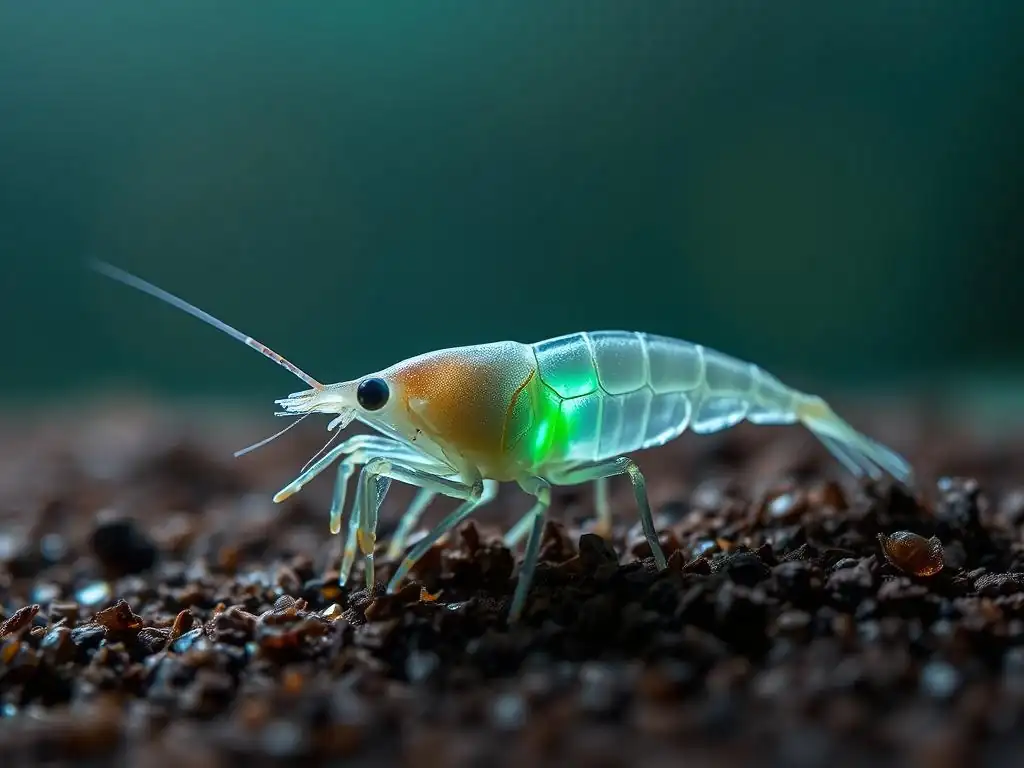
The importance of quarantining new shrimp cannot be overstated in preventing "shrimp dying freshwater aquarium" due to the introduction of diseases or parasites. When new shrimp are added directly to an established tank, they can carry pathogens, such as bacteria, fungi, or parasites, that may be harmless to them but devastating to your existing colony. A new shrimp might appear healthy but be a carrier for a dormant disease that erupts under stress.
A dedicated quarantine tank, even a small 2-5 gallon setup, allows you to observe new arrivals for any signs of illness, treat them if necessary, and ensure they are eating and active before being introduced. This isolation period, typically 2-4 weeks, significantly reduces the risk of introducing pathogens that could wipe out your entire population, turning a healthy tank into a "shrimp dying freshwater aquarium" disaster.
Acclimation Process for New Shrimp
The acclimation process for new shrimp is a critical step that, if mishandled, can lead to immediate "shrimp dying freshwater aquarium" due to osmotic shock. Shrimp are extremely sensitive to sudden changes in water parameters, including temperature, pH, and hardness. Dumping new shrimp directly into a tank with different water chemistry can cause severe stress, organ damage, and rapid death.
The drip acclimation method is highly recommended for shrimp. This involves slowly introducing your tank's water into the bag or container holding the new shrimp, typically over 1-2 hours. A slow drip (e.g., 1-2 drops per second) allows the shrimp to gradually adjust to the new temperature and water parameters. Once the water volume in the container has roughly quadrupled, shrimp can be gently netted and introduced to the tank, avoiding adding the shipping water. This gradual adjustment significantly reduces stress and prevents "shrimp dying freshwater aquarium" due to shock.
Medications and Chemicals Toxic to Shrimp
Avoiding Copper-Based Medications
Avoiding copper-based medications is an absolute imperative for any freshwater shrimp keeper, as copper is highly toxic to all invertebrates, leading to rapid and widespread "shrimp dying freshwater aquarium." Even in very low concentrations (e.g., 0.1-0.3 ppm), copper can be lethal to shrimp, as it interferes with their respiratory systems and other vital biological processes. Many common fish medications, particularly those for parasitic infections like Ich, contain copper sulfate or other copper compounds.
Before using any medication in a tank containing shrimp, or even in a tank where shrimp will eventually reside, always check the ingredients list for copper or copper-related compounds. If a medication lists copper, it should never be used. Even if the product claims to be "reef safe" or "invert safe," caution is advised, as shrimp are often more sensitive than some other invertebrates. Residues from copper-based treatments can also linger in substrate or silicone, posing a long-term threat and contributing to "shrimp dying freshwater aquarium" even after treatment.
Safe Alternatives for Treating Fish Diseases in Shrimp Tanks
When fish diseases arise in a community tank that includes freshwater shrimp, finding safe alternatives to copper-based medications is crucial to prevent "shrimp dying freshwater aquarium" incidents. Many fish medications are highly toxic to invertebrates. Instead, focus on treatments that are known to be shrimp-safe or consider isolating affected fish for treatment in a separate hospital tank.
For common bacterial infections, some broad-spectrum antibiotics like Furan-2 or Kanaplex, when used carefully and according to instructions, are generally considered safer for shrimp than copper. For parasitic issues like Ich, increasing the tank temperature (if suitable for shrimp, e.g., to 82-84°F or 28-29°C for a short period) and adding aquarium salt (non-iodized) can sometimes be effective, though salt should be used with extreme caution and at lower concentrations for shrimp. Herbal remedies or natural extracts (e.g., Indian almond leaves) can also offer mild antibacterial/antifungal properties and reduce stress. Always research specific product safety for shrimp before use.
Environmental Stressors and Shrimp Death
Sudden Temperature Fluctuations
Sudden temperature fluctuations are a significant environmental stressor that can directly cause "shrimp dying freshwater aquarium" due to thermal shock. Shrimp are cold-blooded animals, and their metabolic processes are highly dependent on stable water temperatures. A rapid change of even a few degrees Fahrenheit (or Celsius) can overwhelm their systems, leading to severe stress, organ damage, and immediate death.
This often occurs during water changes if the new water is significantly colder or warmer than the tank water. It can also happen due to faulty heaters, power outages, or drastic room temperature changes. Consistent temperature is crucial for shrimp health, as even minor, frequent swings can weaken their immune systems, make them susceptible to disease, and hinder essential processes like molting.
Maintaining a Stable Temperature in the Shrimp Tank
Maintaining a stable temperature in the shrimp tank is paramount for their health and preventing "shrimp dying freshwater aquarium" from thermal shock. For most popular freshwater shrimp species like Neocaridina (e.g., Cherry Shrimp) and Caridina (e.g., Crystal Red Shrimp), a stable temperature range of 68-78°F (20-25.5°C) is generally ideal. While some species can tolerate temperatures slightly outside this range, consistency is more important than hitting an exact number.
To achieve this, use a reliable aquarium heater with a thermostat, ensuring it is appropriately sized for your tank volume. Place a thermometer in the tank to monitor the temperature regularly. During water changes, always ensure the new water matches the tank's temperature as closely as possible. Insulating the tank or placing it away from drafts or direct sunlight can also help maintain stability and prevent sudden fluctuations that stress shrimp.
Exposure to Toxins and Pollutants
Exposure to various toxins and pollutants is a frequent, yet often overlooked, cause of widespread "shrimp dying freshwater aquarium" events. Shrimp are incredibly sensitive to chemical contaminants, far more so than most fish. These toxins can originate from a surprising number of sources, both internal and external to the aquarium.
Common external culprits include airborne contaminants like insecticides, cleaning sprays, air fresheners, or even paint fumes. Washing hands with soap or lotion before putting them in the tank can introduce harmful residues. Internally, decaying plant matter, uneaten food, or even certain types of decor (e.g., rocks that leach minerals, plastics not rated for aquariums) can release toxins. Even trace amounts of heavy metals from tap water (if not properly conditioned) can accumulate and prove lethal to shrimp, making vigilance against contamination paramount.
Preventing Contamination of the Shrimp Tank
Preventing contamination is crucial for safeguarding your shrimp and avoiding "shrimp dying freshwater aquarium" due to unforeseen toxins. Always wash your hands thoroughly with plain water before reaching into the tank, ensuring no soap, lotion, or other chemical residues are transferred. Avoid using any cleaning sprays, air fresheners, or insecticides in the same room as the aquarium, as airborne particles can easily enter the water.
When adding new decorations, driftwood, or rocks, ensure they are aquarium-safe and properly prepared (e.g., boiling driftwood to remove tannins and sap, thoroughly rinsing new rocks). Use only aquarium-specific equipment and products. If you live in an older home, consider testing your tap water for heavy metals, and always use a high-quality water conditioner that neutralizes chlorine, chloramines, and ideally, heavy metals. These preventative measures are vital in maintaining a pristine environment for your sensitive shrimp.
Predator Fish and Incompatible Tank Mates
Identifying Fish That Prey on Shrimp
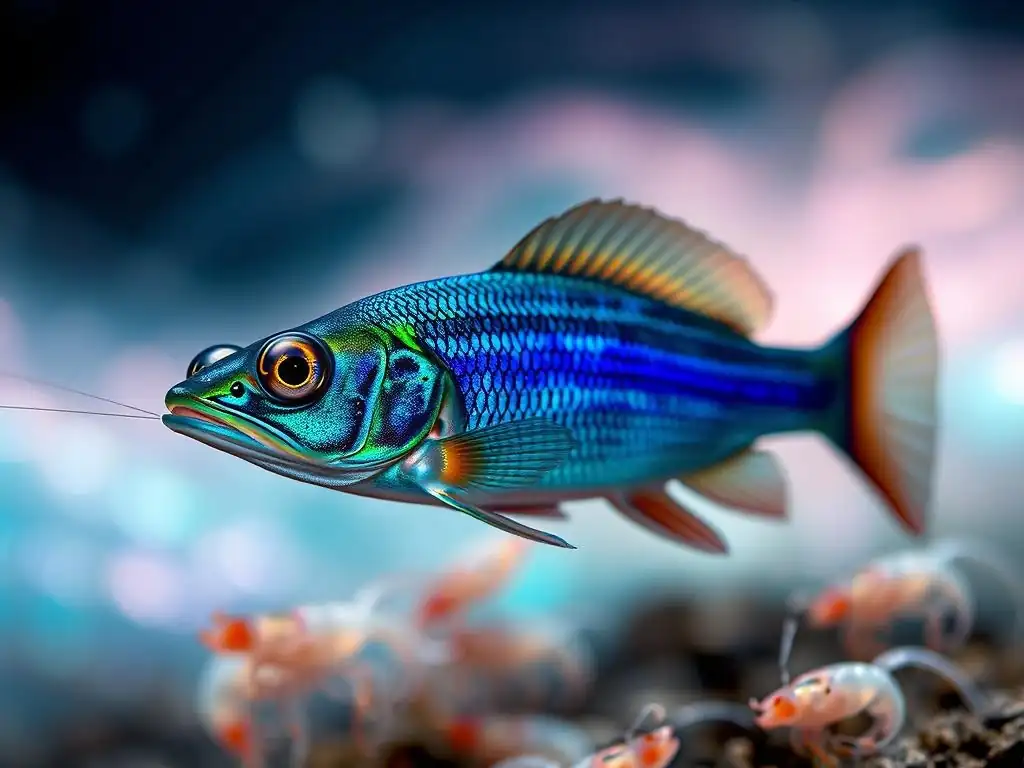
Identifying fish that prey on shrimp is crucial to preventing "shrimp dying freshwater aquarium" due to predation. While many small community fish are considered "shrimp-safe," any fish with a mouth large enough to fit a baby or even an adult shrimp can become a predator. Even seemingly peaceful fish can opportunistically snack on shrimp, especially vulnerable shrimplets.
Common culprits include most larger tetras (e.g., Serpae Tetras, Black Skirt Tetras), most gouramis, cichlids (even dwarf species like German Blue Rams), bettas, angelfish, barbs (e.g., Tiger Barbs), and even some larger rasboras. While some fish might coexist peacefully with adult shrimp, their presence can cause chronic stress to the shrimp, and shrimplets will almost certainly be considered food. Thorough research on tank mate compatibility is essential to avoid "shrimp dying freshwater aquarium" due to predation.
Choosing Shrimp-Safe Tank Mates
Choosing truly shrimp-safe tank mates is paramount for the long-term survival and thriving of your freshwater shrimp colony, preventing "shrimp dying freshwater aquarium" due to predation or stress. The safest approach is often a shrimp-only tank, especially for breeding or for sensitive Caridina species. However, if you desire a community setup, select fish that are known to be peaceful, have very small mouths, and prefer to feed on micro-foods rather than live prey.
Excellent shrimp-safe tank mate options include Otocinclus catfish, small species of Endler's Livebearers (avoiding larger guppies), Pygmy Corydoras, Nerite snails, and small Boraras species (e.g., Chili Rasboras, Phoenix Rasboras). These fish are generally too small to consume adult shrimp and typically ignore shrimplets, allowing your colony to flourish. Always introduce fish slowly and observe interactions to ensure compatibility and prevent unexpected "shrimp dying freshwater aquarium" incidents.
Troubleshooting Checklist: Step-by-Step Guide to Diagnose Shrimp Deaths
Step 1: Water Parameter Testing
When faced with "shrimp dying freshwater aquarium," the very first and most critical step is to perform a comprehensive water parameter test. Use a reliable liquid reagent test kit to check for ammonia (NH3/NH4+), nitrite (NO2-), nitrate (NO3-), pH, General Hardness (GH), and Carbonate Hardness (KH). Record all results accurately.
Target levels for healthy shrimp are 0 ppm ammonia, 0 ppm nitrite, nitrates ideally below 10-20 ppm (lower for sensitive Caridina), and stable pH/GH/KH within the species-specific optimal range (e.g., Neocaridina: pH 6.5-7.8, GH 6-10 dGH, KH 2-8 dKH; Caridina: pH 5.8-7.2, GH 4-6 dGH, KH 0-2 dKH). Any significant deviation from these parameters indicates a primary cause for shrimp mortality and requires immediate corrective action, such as a water change or parameter adjustment.
Step 2: Visual Inspection of Shrimp and Tank
After testing water parameters, conduct a thorough visual inspection of your shrimp and the entire tank environment. Observe the living shrimp for signs of distress: are they lethargic, swimming erratically, or exhibiting rapid gill movements? Look for any discoloration (e.g., milky white, red), fuzzy growths (fungus/Vorticella), missing limbs, or difficulty molting.
Inspect the dead shrimp if possible: are they discolored? Did they die during or after a molt (indicated by a shed exoskeleton nearby)? Examine the tank for potential issues: Is there uneaten food decaying? Are there any strange growths on plants or substrate? Check for sufficient oxygenation (surface agitation). This visual evidence, combined with water parameters, can provide crucial clues to why "shrimp dying freshwater aquarium" is occurring.
Step 3: Reviewing Tank Maintenance Practices
A critical step in diagnosing "shrimp dying freshwater aquarium" is to review your current tank maintenance practices. Consider your water change schedule: are you performing them regularly enough (e.g., weekly 10-20%)? Are you using a shrimp-safe water conditioner that neutralizes chlorine, chloramines, and heavy metals without adding copper?
Evaluate your feeding regimen: are you overfeeding, leading to uneaten food and water pollution? Or are you underfeeding, causing starvation? Check your filter maintenance: is the filter media clean but not sterile (to preserve beneficial bacteria)? Have you introduced any new equipment, plants, or decorations recently without proper cleaning or quarantine? Consistency and attention to detail in maintenance are vital for shrimp health.
Step 4: Considering Potential Toxins or Contaminants
Finally, if water parameters are stable and maintenance seems adequate, consider the possibility of external toxins or contaminants contributing to "shrimp dying freshwater aquarium." Think about anything new introduced into the room or near the tank: have you used any cleaning sprays, air fresheners, insecticides, or paints recently? Even fumes can be lethal.
Recall if anyone handled the tank or equipment with unwashed hands, or hands that had soap, lotion, or other chemicals on them. Have any new medications been used in the tank, or in a nearby tank if cross-contamination is possible (especially copper-based ones)? Sometimes, seemingly innocuous actions can introduce fatal substances. This step often requires a careful mental review of recent activities around the aquarium.
Preventing Future Shrimp Deaths: Long-Term Care Strategies
Regular Water Testing and Maintenance
Implementing a routine of regular water testing and consistent maintenance is the single most effective long-term strategy for preventing future "shrimp dying freshwater aquarium" events. This means establishing a fixed schedule for checking ammonia, nitrite, nitrate, pH, GH, and KH – typically weekly for newer tanks and bi-weekly for established ones. Maintaining detailed records of these parameters can help identify trends and preemptively address issues before they become critical.
Coupled with testing, consistent partial water changes (e.g., 10-20% weekly) are essential to dilute accumulating nitrates and replenish trace minerals. Always use a high-quality, shrimp-safe water conditioner. Regular, gentle cleaning of the substrate to remove detritus and periodic rinsing of filter media (in old tank water) will also contribute to stable water quality, creating a consistently healthy environment that supports shrimp longevity.
Providing a Healthy and Balanced Diet
Providing a healthy and balanced diet is fundamental to preventing "shrimp dying freshwater aquarium" due to nutritional deficiencies or water pollution from overfeeding. While shrimp primarily graze on biofilm and algae, supplemental feeding is often necessary. This involves offering high-quality, shrimp-specific foods that are rich in calcium, spirulina, and other essential vitamins and minerals.
Avoid generic fish flakes, and instead, opt for specialized shrimp pellets, wafers, or blanched vegetables (fed sparingly). Crucially, feed only what your shrimp can consume within 2-3 hours to prevent uneaten food from decaying and fouling the water. Encouraging robust biofilm growth through adequate surface area (plants, driftwood) ensures a continuous natural food source, reducing reliance on supplemental feeding and contributing to overall shrimp health and resilience.
Monitoring Shrimp Behavior and Appearance
Proactive monitoring of your shrimp's behavior and appearance is a powerful long-term strategy for preventing "shrimp dying freshwater aquarium" scenarios. Daily observation allows you to catch subtle signs of distress or illness before they escalate into widespread mortality. Look for changes in activity levels: are they lethargic, or unusually inactive? Are they grazing normally, or has their appetite decreased?
Pay close attention to their physical appearance: any unusual discoloration (e.g., milky white, red spots), fuzzy growths, missing limbs, or signs of molting difficulty are red flags. Observe their swimming patterns; erratic movements or struggling to move are clear indicators of problems. Early detection through consistent monitoring allows for timely intervention, such as a water change or parameter adjustment, often preventing a single sick shrimp from turning into a "shrimp dying freshwater aquarium" crisis.
Maintaining a Stable and Stress-Free Environment
Maintaining a stable and stress-free environment is paramount for the long-term well-being and prevention of "shrimp dying freshwater aquarium" issues. This encompasses several key factors beyond just water parameters. Ensure consistent water temperature, avoiding sudden fluctuations caused by drafts, faulty heaters, or improper water changes.
Provide ample hiding places through dense live plants, driftwood, and rockwork, as this reduces stress from perceived threats (even from peaceful tank mates) and offers security during vulnerable molting periods. Avoid overcrowding, as this leads to increased competition and bioload. Choose only truly shrimp-safe tank mates to eliminate predation and chronic stress. Minimizing external disturbances (loud noises, sudden movements) and avoiding the use of airborne chemicals near the tank also contribute to a calm, healthy habitat where shrimp can thrive and reproduce.
Frequently Asked Questions
Why are my shrimp dying in my freshwater aquarium?
There are several reasons why shrimp might be dying. Common causes include poor water quality, sudden changes in water parameters, and the presence of toxins.
What water parameters are most critical for shrimp survival?
Key water parameters include ammonia and nitrite levels at zero, stable pH levels (typically 6.5-7.5), and appropriate water hardness (GH and KH) for the specific shrimp species.
How often should I perform water changes in a shrimp tank?
Regular water changes are crucial. Aim for 10-20% water changes weekly, using dechlorinated water that matches the aquarium's temperature and parameters to avoid shocking the shrimp.
Could new additions to the aquarium be the cause of shrimp deaths?
Yes, new additions like fish or plants can introduce diseases or parasites or alter water chemistry, leading to shrimp deaths. Always quarantine new additions before introducing them to the main tank.
What are some common toxins that can harm shrimp in a freshwater aquarium?
Copper, ammonia, nitrite, and certain medications containing copper are highly toxic to shrimp. Ensure your water is free of these substances, and use shrimp-safe products when treating your aquarium.
Final Reflection: Understanding the Delicate Balance of Life
The journey through troubleshooting the mystery of shrimp dying in freshwater aquariums highlights a crucial understanding: even seemingly simple ecosystems require meticulous care and attention. The interconnectedness of water parameters, tank inhabitants, and environmental factors underscores the fragility of life within these miniature worlds, mirroring the delicate balance we must strive for in larger ecosystems as well.
This exploration has not only provided practical solutions but has also deepened our appreciation for the intricate dance of life within an aquarium. It reminds us that responsible aquascaping is more than just aesthetics; it's about fostering a thriving environment. The best aquarium is not just a display case for beautiful fish, but a miniature ecosystem where all the inhabitants can thrive.
This sentiment encapsulates the responsibility we bear when creating and maintaining these aquatic havens.
Now, as you observe your own freshwater aquarium, consider the lessons learned. Let this guide serve not only as a troubleshooting checklist but as a reminder to cultivate patience, observation, and a deep respect for the delicate balance of life. Take the time to understand the needs of your shrimp, and in doing so, you'll not only prevent future losses but also gain a profound appreciation for the beauty and complexity of the natural world.
Revitalize Your Shrimp Tank Now!
Thanks for diving into the world of shrimp keeping with us! We hope this checklist has given you the knowledge you need to diagnose and correct any issues in your shrimp tank. Now it's time to take action and ensure the health and happiness of your tiny aquatic friends.
Here's what you can do next:
- Immediately test your water parameters using a reliable test kit. Document your results to track changes over time. This is your primary action!
- Join the Aquarium Mastery community forum and share photos of your shrimp and tank. Our experts can offer personalized advice.
- Consider adding a small air stone to your tank, even if you have a filter, to provide extra oxygenation. You might be surprised by the results!
What small change will you implement today to create a healthier environment for your shrimp?