
Aquarium Mastery's Guide to Identifying Gravid Saltwater Females Accurately

Welcome to Aquarium Mastery!
Ever wondered how to tell if your saltwater female is carrying precious cargo? Unlocking the secrets to identifying gravid saltwater females is crucial for successful breeding and ensuring the health of your aquarium inhabitants. Dive in to our expert guide, where we'll unravel the telltale signs and provide you with the knowledge you need to confidently identify and care for your expectant fish. Ready to become a true Aquarium Master? Let's get started!
- Identifying Gravid Saltwater Females for Successful Breeding
- Understanding Gravidity in Saltwater Fish
- Key Physiological Indicators of Gravidity
- Saltwater Fish Species-Specific Identification
- Advanced Techniques for Confirming Gravidity
- Avoiding Common Mistakes in Gravid Identification
- Creating the Ideal Environment for Gravid Females
- Post-Spawning Care
- Troubleshooting Common Breeding Challenges
- Ethical Considerations in Saltwater Fish Breeding
-
Frequently Asked Questions
- How can I identify a gravid saltwater female fish in my aquarium?
- What are the key visual cues to differentiate a gravid female from a simply overweight fish?
- Do all saltwater fish species display the same signs of being gravid?
- What environmental factors might influence a female saltwater fish becoming gravid?
- What should I do if I suspect a female fish in my saltwater aquarium is gravid?
- Final Reflection: The Promise of New Life
- Unveil the Secrets: Start Breeding Success Today!
Identifying Gravid Saltwater Females for Successful Breeding
Understanding Gravidity in Saltwater Fish
What Does "Gravid" Mean?
In the context of saltwater fish, "gravid" refers to the state of a female carrying developing eggs internally, prior to spawning. This biological condition signifies that the female is reproductively mature and her ovaries are swollen with ripe eggs, ready for fertilization and release. Accurately identifying a gravid saltwater female is a crucial step for aquarists aiming for successful captive breeding, as it allows for proper conditioning, isolation if necessary, and preparation of larval rearing systems.
The term is analogous to "pregnant" in viviparous animals, though fish typically lay eggs (oviparous) or give birth to live young after internal egg development (ovoviviparous/viviparous). For most ornamental marine species, a gravid saltwater female fish ID will focus on external signs of egg development. This includes species like clownfish, dottybacks, and cardinalfish, where the female's body undergoes significant physiological changes as she prepares to release her clutch, often consisting of hundreds to thousands of eggs depending on the species and size of the fish.
Why Accurate Identification Matters
Accurate identification of gravid saltwater females is paramount for maximizing breeding success rates and ensuring the well-being of the fish. When a female is correctly identified as gravid, breeders can adjust her diet to provide increased nutritional support, transition her to a dedicated spawning tank, and prepare the necessary equipment for egg collection or larval rearing. This proactive approach significantly increases the chances of successful fertilization, hatching, and fry survival.
Conversely, misidentifying a non-gravid fish as gravid can lead to unnecessary stress, inappropriate dietary changes, or premature isolation, which can negatively impact the fish's health and future reproductive potential. For instance, attempting to induce spawning in a non-gravid female can cause undue stress, potentially leading to egg retention issues or even fatal complications. Proper gravid saltwater female fish ID prevents these pitfalls, streamlining the breeding process and contributing to sustainable aquaculture efforts.
Key Physiological Indicators of Gravidity
Visual Cues: Observing Physical Changes
Abdominal Swelling and Distension
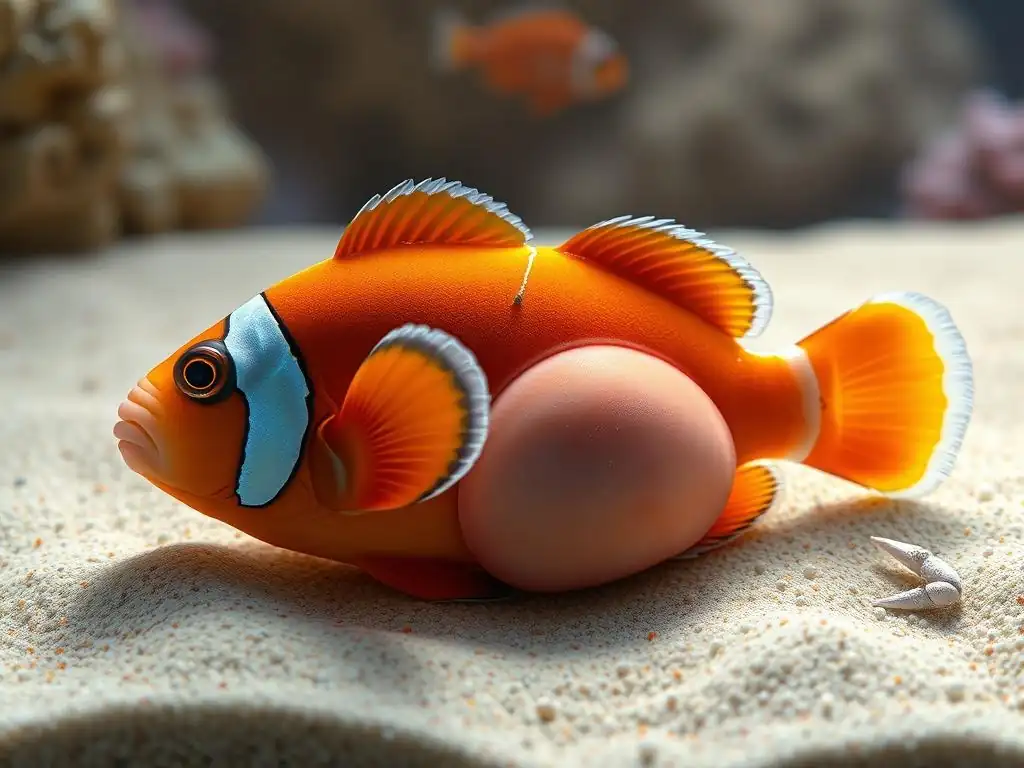
One of the most prominent visual indicators of a gravid saltwater female is noticeable abdominal swelling and distension. As the eggs mature and fill the ovaries, the female's abdomen will appear fuller, rounder, and often more pear-shaped than usual. This distension is typically symmetrical and firm to the touch, differentiating it from bloating caused by disease or overfeeding, which often presents as a more generalized puffiness or uneven swelling.
For species like clownfish, the gravid saltwater female's belly can become significantly enlarged, sometimes appearing almost translucent if observed under specific lighting conditions, allowing a faint view of the developing egg mass. This swelling usually progresses over several days or weeks leading up to spawning, making regular observation essential for tracking the female's reproductive readiness.
Vent Protrusion
Another critical visual cue for gravid saltwater female fish ID is the protrusion or swelling of the vent, also known as the genital papilla. The vent is the external opening where eggs are released. As the female approaches spawning, this area often becomes noticeably swollen, reddish, or more prominent. In some species, the shape of the papilla might also change, becoming more rounded or elongated in preparation for egg expulsion.
For example, in many damselfish and clownfish species, the female's papilla will become visibly engorged and extend slightly from her body just hours or days before she lays her eggs. This is a very reliable sign that spawning is imminent and provides a strong indication of a truly gravid saltwater female, especially when observed in conjunction with abdominal swelling.
Color Changes
While not as universally pronounced as abdominal swelling, some gravid saltwater females exhibit subtle or even dramatic color changes as they prepare to spawn. These chromatic shifts are often linked to hormonal changes and serve as visual signals to potential mates or as camouflage during the vulnerable spawning period. The intensity and specific hues vary greatly between species.
For instance, certain wrasse species may display more vibrant breeding colors, or some gobies might darken their overall body coloration. In some cardinalfish or dottyback species, the female's colors might become slightly duller or more muted, focusing energy on egg development rather than display. Observing these subtle shifts requires keen attention and familiarity with the specific species' normal coloration and breeding patterns to effectively use them for gravid saltwater female fish ID.
Behavioral Indicators: Recognizing Mating Readiness
Increased Feeding Activity
A common behavioral indicator of a gravid saltwater female is a noticeable increase in feeding activity. Developing eggs require a substantial amount of energy and nutrients, prompting the female to consume more food than usual. This heightened appetite is a natural response to the increased metabolic demands of egg production and can be observed several days or even weeks before spawning.
Aquarists often provide a high-quality, protein-rich diet to breeding pairs, and a gravid female will typically consume these offerings voraciously. If a female that was previously eating normally suddenly shows a significantly increased interest in food, especially varied and nutritious options, it can be a strong signal that she is developing eggs and is entering a gravid state.
Nesting Behavior
Many saltwater fish species exhibit specific nesting behaviors when a female is gravid and preparing to lay eggs. This can involve the female, often with the male, meticulously cleaning a chosen spawning site. For substrate spawners like clownfish, this means vigorously rubbing and nipping at a rock, terracotta pot, or even the glass tank wall to create a clean surface for egg adhesion.
Other species might clear a depression in the sand, arrange small pebbles, or choose a specific piece of live rock or coral. Observing such dedicated preparation of a spawning substrate is a clear indication that a female is gravid and that spawning is likely to occur soon. This behavior is a strong clue for gravid saltwater female fish ID, especially when combined with physical signs.
Courtship Displays
Elaborate courtship displays are a hallmark of many marine fish species and are a strong behavioral indicator that a female is gravid and receptive to spawning. These displays are initiated by one or both partners and involve a series of ritualized movements, fin flaring, color changes, and sometimes even vocalizations. For example, in clownfish, the male often trembles and nips at the female's vent or fins, encouraging her to spawn.
Other species may engage in vigorous chasing, circling, or synchronized swimming patterns. Observing these specific, species-typical courtship rituals between a pair, particularly when the female is also showing physical signs of gravidity, provides compelling evidence that she is a gravid saltwater female ready for reproduction. These displays culminate in the actual act of spawning, confirming the gravid state.
Saltwater Fish Species-Specific Identification
Identifying Gravid Clownfish Females
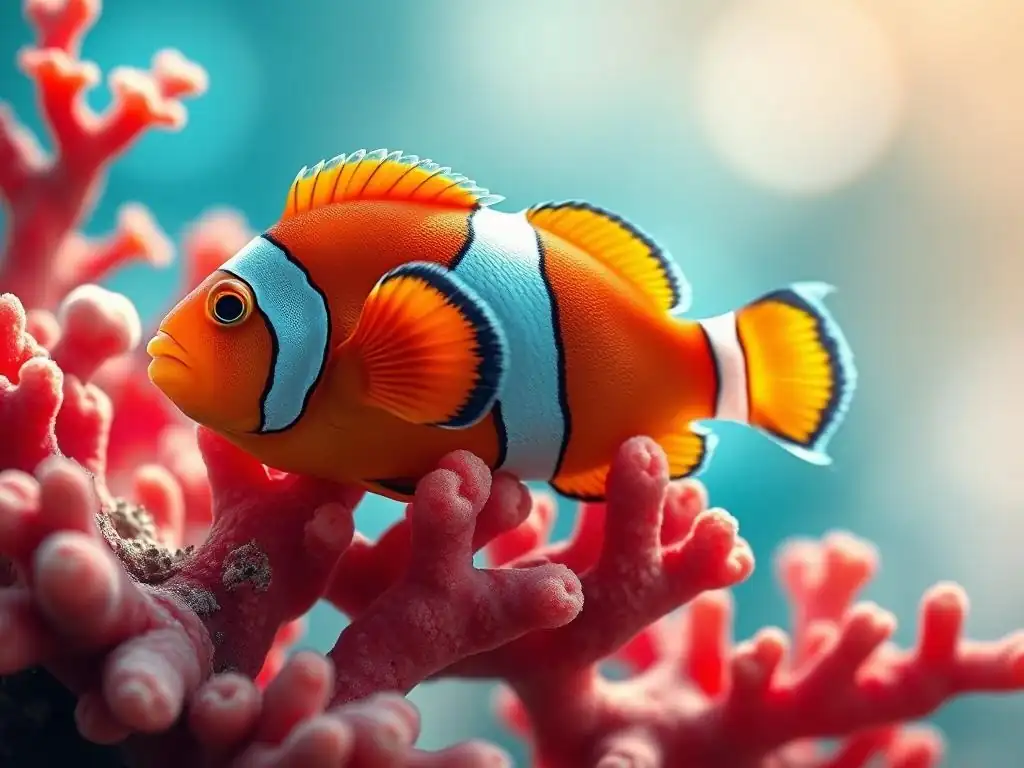
Identifying a gravid clownfish female is often straightforward due to their relatively large and visible eggs. The most obvious sign is a significantly distended abdomen, which becomes noticeably rounder and fuller, often appearing as a pronounced "pot belly" that can make her look almost pear-shaped. This swelling is usually symmetrical and firm, contrasting with the softer, more irregular swelling of a diseased fish.
In addition to abdominal distension, the gravid female's genital papilla (vent) will become swollen and protrude outwards, often appearing more pointed or tubular than the male's. This protrusion is particularly evident in the hours leading up to spawning. Clownfish pairs also exhibit strong pre-spawning behaviors, such as the male meticulously cleaning a chosen spawning site (often a flat rock or terracotta pot) and both fish engaging in trembling and circling rituals. A healthy, well-fed gravid clownfish can lay hundreds to over a thousand eggs in a single clutch, typically every 10-14 days.
Recognizing Gravid Seahorse Females
Recognizing a gravid seahorse female requires understanding their unique reproductive strategy, as the male carries the eggs in a brood pouch. However, the female still produces the eggs and shows signs of readiness to transfer them. A gravid seahorse female will appear noticeably plumper and fuller in her trunk region, particularly just before egg transfer. Her abdomen will be distended with ripe eggs, giving her a more robust appearance compared to her usual slender profile.
During courtship, the gravid female's abdomen will appear particularly engorged, and she will participate in an elaborate "dance" with the male, which includes synchronized swimming and "dances" that can last for hours. Just prior to egg transfer, her oviduct (the tube through which she passes eggs) will become visibly extended and protrude, aligning with the male's brood pouch opening. Depending on the species, a gravid female seahorse can produce anywhere from 100 to over 1000 eggs in a single clutch, which are then deposited into the male's pouch.
Identifying Gravid Dottyback Females
Identifying a gravid dottyback female can be slightly more challenging due to their often smaller size and more secretive nature, but distinct signs are observable. Similar to other species, a gravid dottyback female will develop a noticeably rounded and distended abdomen as her eggs mature. This swelling is typically most pronounced just behind her pectoral fins and extends towards her vent.
Behaviorally, gravid dottyback females, especially species like the Orchid Dottyback (Pseudochromis fridmani), often become more reclusive or, conversely, more territorial around a potential spawning site, which could be a small cave, an overturned shell, or a crevice in live rock. The male will also become more active in courtship, attempting to entice her into a chosen nesting spot. While less prolific than clownfish, a gravid dottyback female can lay between 50 to 200 eggs in a clutch, often adhering them to the substrate within their chosen shelter.
Identifying Gravid Banggai Cardinalfish Females
Banggai Cardinalfish are unique among popular marine aquarium fish because the male is a mouthbrooder. Therefore, identifying a gravid Banggai Cardinalfish female focuses on her readiness to produce and transfer eggs to the male. A gravid female will show a visibly distended abdomen, which becomes quite plump and rounded as her relatively large eggs develop internally. This fullness is a clear indication that she is carrying a clutch of mature eggs.
Prior to spawning, the gravid female will engage in specific courtship behaviors with the male, often involving circling and fin displays. Once eggs are ready, she will release them, and the male will immediately scoop them into his mouth for incubation. A gravid Banggai Cardinalfish female typically produces a clutch of 20 to 50 eggs, which are quite large compared to many other marine species, making her abdominal distension a reliable indicator of her reproductive state before egg transfer.
Advanced Techniques for Confirming Gravidity
Candling: Visualizing Eggs (Use with Caution)
Candling, a technique borrowed from poultry farming, involves shining a strong, focused light source through the body of the fish to visualize internal structures, specifically the developing eggs. While theoretically possible for gravid saltwater female fish ID, this method is highly invasive and carries significant risks for the fish, including stress, injury, and potential damage to internal organs or eggs. It is generally not recommended for home aquarists due to the delicate nature of marine fish and the potential for harm.
For very large, robust species, or in controlled research environments, a specialized fiber optic light source might be gently applied to the abdomen. The presence of opaque, spherical structures within the abdominal cavity would indicate developing eggs. However, the stress induced by handling, combined with the difficulty of distinguishing eggs from other internal organs (like fat deposits or digestive contents), makes candling an unreliable and often harmful technique for confirming gravidity in live marine fish in a typical aquarium setting.
Microscopic Examination of Vent Swabs
Microscopic examination of vent swabs is an advanced and highly invasive technique primarily used in professional aquaculture or research facilities to confirm the reproductive state of fish. This method involves gently swabbing the female's vent (genital opening) to collect any cellular material or, in some cases, a small sample of ovulated eggs if the fish is very close to spawning. The collected sample is then immediately examined under a microscope.
The presence of mature, unfertilized eggs or specific reproductive cells (e.g., oocytes at a particular developmental stage) can definitively confirm that a female is gravid and preparing to spawn. However, this procedure requires specialized equipment, trained personnel, and carries a high risk of stress, injury, or infection to the fish. Therefore, it is not a practical or recommended method for the average hobbyist attempting gravid saltwater female fish ID.
Observing Spawning Behavior
The most definitive and least invasive advanced technique for confirming gravidity is simply observing the actual spawning behavior. This involves patiently watching the fish in their breeding environment for the characteristic rituals and the eventual release of eggs. While this requires patience, it provides undeniable proof that the female was indeed gravid and successfully spawned.
Spawning behavior can range from the male and female vibrating and releasing gametes simultaneously, to the female depositing eggs on a cleaned surface followed by the male's fertilization. For instance, a gravid saltwater female clownfish will physically attach her eggs to a chosen substrate, and the male will then pass over them to fertilize. Observing this complete sequence removes all doubt regarding the female's gravid state and signals the immediate need for larval rearing preparations.
Avoiding Common Mistakes in Gravid Identification
Misinterpreting Overfeeding for Gravidity
A common mistake in gravid saltwater female fish ID is confusing a plump appearance due to overfeeding with actual gravidity. Fish that are consistently fed excessively, especially with high-fat diets, can develop a noticeably rounded abdomen filled with fat deposits rather than eggs. This "fat belly" often feels softer and less firm than an abdomen distended with eggs and may not be accompanied by the specific behavioral or vent changes characteristic of a truly gravid female.
To differentiate, observe the fish's feeding habits and body condition over time. A healthy, well-fed fish should have a good body weight but not appear excessively bloated or sluggish. If the fish shows no other signs of breeding readiness (e.g., courtship, nesting behavior, vent protrusion), and reducing food intake slightly decreases the abdominal swelling, it's likely a case of overfeeding rather than a gravid saltwater female.
Another critical error is misinterpreting swelling caused by disease as a sign of gravidity. Various health issues can lead to abdominal distension, including dropsy (fluid accumulation due to organ failure), internal bacterial infections, tumors, or severe constipation. Swelling due to disease often presents differently from gravid swelling; it might be asymmetrical, accompanied by other symptoms like lethargy, clamped fins, labored breathing, loss of appetite, or raised scales (pineconing in dropsy).
When evaluating a potentially gravid saltwater female, always consider the fish's overall health and behavior. If the swelling is accompanied by signs of illness, or if the fish is not exhibiting courtship or nesting behaviors, it is crucial to rule out disease before assuming gravidity. Proper diagnosis and treatment of illness are paramount, as misidentification can lead to inappropriate care and further health deterioration.
Overstressing Fish During Examination
Overstressing fish during examination for gravid saltwater female fish ID is a significant pitfall that can negatively impact their health and reproductive success. Repeatedly netting, handling, or chasing fish to get a closer look can induce severe stress, leading to suppressed immune function, appetite loss, and even egg retention or reabsorption. Stress can also deter spawning behavior, causing a potentially gravid female to delay or abort her clutch.
It is always best to observe fish calmly in their tank environment, minimizing disturbance. Use a flashlight to get a better view if necessary, but avoid physical interaction unless absolutely essential. If a fish must be handled for a brief, critical examination (e.g., before moving to a dedicated breeding tank), do so quickly, gently, and with wet hands or a wet net to protect their slime coat. Prioritize the fish's well-being above immediate confirmation of gravidity, as a healthy, unstressed fish is more likely to spawn successfully.
Creating the Ideal Environment for Gravid Females
Optimizing Water Parameters
Creating an optimal environment for gravid saltwater females is crucial for successful egg development and spawning. Stable and pristine water parameters are paramount. This typically means maintaining salinity within a narrow range, often around 1.025-1.026 specific gravity, and a consistent temperature, usually between 78-80°F (25.5-26.7°C) for most common breeding species like clownfish. Fluctuations can cause stress and hinder egg development.
Furthermore, ammonia and nitrite levels must be undetectable (0 ppm), and nitrates kept as low as possible, ideally below 10-20 ppm. A stable pH of 8.0-8.4 is also essential. Regular, small water changes with high-quality, pre-mixed saltwater help maintain these conditions and replenish essential trace elements. Providing consistently ideal water quality reduces stress on the gravid saltwater female, allowing her to focus energy on egg production and ensuring healthy egg viability.
Providing Suitable Nesting Sites
For many substrate-spawning saltwater fish, providing suitable nesting sites is a critical factor in encouraging a gravid female to lay her eggs. The type of nesting site varies by species. For example, clownfish prefer smooth, flat surfaces like a terracotta pot, a large flat rock, or even the glass bottom of the tank, often in a sheltered location. Dottybacks and gobies might prefer small caves, crevices, or overturned shells.
The chosen site should be clean, secure, and easily accessible to both the male and female. Placing several options in the breeding tank can increase the chances of a pair selecting a preferred spot. A gravid saltwater female will often inspect and clean the site meticulously before depositing her eggs, indicating her readiness to spawn. Adequate nesting sites reduce stress and provide a secure location for egg adhesion and subsequent parental care, if applicable.
Minimizing Stressors
Minimizing stressors in the environment of a gravid saltwater female is vital for her health and successful reproduction. Stress can lead to egg retention, reabsorption of eggs, or even premature spawning of unviable eggs. Key stressors to mitigate include aggressive tank mates, unstable water parameters, sudden changes in lighting or temperature, excessive noise or vibration, and overhandling.
Ensure the breeding tank is in a quiet location with minimal external disturbances. Provide ample hiding spots and visual barriers if other fish are present, though a dedicated breeding tank with only the pair is ideal. Maintain a consistent photoperiod and feeding schedule. A calm, secure environment allows the gravid saltwater female to feel safe enough to complete her reproductive cycle, significantly increasing the likelihood of a successful spawn and healthy offspring.
Post-Spawning Care
Separating Parents from Fry (If Necessary)
Post-spawning care is critical for the survival of the fry. For many species, separating parents from fry is a necessary step, although this varies significantly depending on parental care behaviors. For example, clownfish parents diligently guard and fan their eggs until hatching, but once the larvae become free-swimming, they often become a food source for the adults. Therefore, as hatching approaches (typically 7-10 days post-spawn for clownfish), the eggs or newly hatched larvae must be moved to a dedicated larval rearing tank.
In contrast, mouthbrooding species like Banggai Cardinalfish males carry the eggs and then the fry in their mouths for several weeks. In these cases, the male might need to be isolated to prevent him from spitting out the fry prematurely due to stress or being harassed by other tank mates. Careful planning for separation, either by removing the eggs/fry or isolating the parent, is essential for maximizing fry survival rates after the gravid saltwater female has laid her eggs.
Feeding the Fry: First Foods and Nutritional Requirements
Providing appropriate first foods is perhaps the most challenging aspect of post-spawning care for marine fry. Most marine fish larvae are incredibly small and require live, microscopic organisms as their initial diet. Rotifers (Brachionus plicatilis) are a common first food for many species, typically fed for the first few days to weeks post-hatch. These are often enriched with nutritional supplements like spirulina or DHA/EPA-rich products to boost the fry's nutritional intake.
As the fry grow, their diet transitions to larger live foods such as copepod nauplii, and eventually newly hatched Artemia nauplii (brine shrimp). The feeding regimen must be frequent, often every 2-4 hours, to ensure a constant supply of food due to the fry's high metabolic rate and rapid growth. Proper nutrition during this critical early stage, immediately after the gravid saltwater female's eggs hatch, is paramount for development and survival.
Maintaining Water Quality for Fry Development
Maintaining pristine water quality is even more critical for delicate marine fry than for adult fish. Larval rearing tanks are typically smaller and have a high density of rapidly growing organisms, leading to quick accumulation of waste products. Ammonia and nitrite are highly toxic to fry, and even low levels can cause significant mortality. Therefore, robust biological filtration, often supplemented with regular, small water changes (e.g., 10-20% daily), is essential.
Gentle aeration and circulation are also necessary to prevent dead spots and ensure oxygen saturation without stressing the tiny fry. Skimming is often avoided in very early larval tanks as it can remove beneficial microorganisms or even the fry themselves. Careful monitoring of parameters like temperature, salinity, pH, ammonia, nitrite, and nitrate is required multiple times a day. The commitment to meticulous water quality management directly impacts the success of rearing the progeny of a gravid saltwater female.
Troubleshooting Common Breeding Challenges
Infertile Eggs: Causes and Solutions
Discovering infertile eggs after a gravid saltwater female has spawned is a common and frustrating breeding challenge. Infertile eggs typically appear opaque white or fuzzy with fungus within 24-48 hours of being laid, unlike healthy, translucent eggs that gradually develop visible embryos. Common causes include an incompatible or infertile male, poor water quality, nutritional deficiencies in the breeding pair, or excessive stress during spawning.
To address this, first ensure the breeding pair is truly compatible and sexually mature. Review their diet to confirm they are receiving a high-quality, varied, and nutrient-dense diet, potentially including vitamin supplements. Optimize water parameters to reduce stress and ensure optimal conditions for gamete viability. If the problem persists, consider a different male or providing a larger, more secure breeding environment. Sometimes, simply giving the pair more time and consistent care can resolve the issue.
Fry Mortality: Identifying and Addressing Contributing Factors
High fry mortality rates are a pervasive challenge in marine fish breeding, often leading to significant losses even after a successful spawn from a gravid saltwater female. The contributing factors are numerous and often interconnected. Primary causes include starvation due to insufficient or inappropriate first foods, poor water quality (ammonia/nitrite spikes, improper salinity, inadequate oxygen), disease outbreaks (bacterial, parasitic), genetic defects, or physical trauma (e.g., from filtration, aggressive tank mates).
To troubleshoot, meticulously review the larval rearing protocol. Are the fry receiving appropriately sized and nutritionally complete live foods around the clock? Is water quality being rigorously maintained with frequent small water changes and gentle filtration? Are there any signs of disease, and is the rearing tank free from predators or strong currents? Isolating a few affected fry for microscopic examination can help identify pathogens. Addressing these factors systematically is key to improving survival rates.
Egg Predation: Prevention and Management
Egg predation is a significant concern, especially in community tanks or if the breeding pair is not adequately protected after a gravid saltwater female lays her eggs. Other tank inhabitants, and sometimes even the parents themselves (if stressed or inexperienced), can consume the eggs before they hatch. This leads to complete breeding failures despite successful spawning.
Prevention strategies include setting up a dedicated breeding tank for the pair, free from other fish. If a separate tank is not feasible, provide highly secure and protected spawning sites, such as terracotta pots or caves with small openings that only the breeding pair can access.
For species where parents guard their eggs (like clownfish), ensure they are not overly stressed by external factors, as this can lead to them abandoning or consuming the clutch. In some cases, it may be necessary to remove the eggs shortly after they are laid and place them in a separate hatching container with gentle aeration and appropriate water parameters.
Ethical Considerations in Saltwater Fish Breeding
Responsible Breeding Practices
Responsible breeding practices are paramount in saltwater fish aquaculture, ensuring that efforts contribute positively to the hobby and conservation, rather than inadvertently causing harm. This involves careful selection of breeding stock, prioritizing healthy, genetically diverse individuals to avoid inbreeding depression and propagate robust lines. Breeders should aim to produce fish that are well-adapted to captive life and less prone to genetic deformities or weaknesses.
Furthermore, responsible breeding means understanding the market demand for specific species and avoiding overproduction, which can lead to surplus fish that cannot be adequately housed or sold. It also includes educating potential buyers about the specific care requirements of the offspring. The goal is to produce sustainable populations of fish that thrive in home aquariums, reducing reliance on wild collection and supporting the long-term health of marine ecosystems. This begins with proper care for the gravid saltwater female and her subsequent offspring.
Prioritizing Fish Health and Welfare
Prioritizing the health and welfare of all fish involved in a breeding program, especially the gravid saltwater female, is an ethical imperative. This means providing optimal living conditions, including appropriately sized tanks, pristine water quality, a balanced and nutritious diet, and a stress-free environment. Breeding fish should never be subjected to conditions that compromise their well-being for the sake of production.
During the breeding cycle, monitoring the physical condition and behavior of the gravid saltwater female is crucial. Any signs of stress, disease, or exhaustion should prompt immediate intervention, including resting the fish from breeding if necessary. Post-spawning, the female needs a period of recovery with enhanced nutrition. Ethical breeders ensure that their fish live in environments that allow them to exhibit natural behaviors and maintain excellent health throughout their lives, not just during their reproductive peak.
Supporting Sustainable Aquaculture
Supporting sustainable aquaculture is a core ethical consideration for any saltwater fish breeder. This involves contributing to the reduction of pressure on wild marine populations by breeding species that are commonly collected from the wild. Every successful batch of captive-bred fish, from the eggs laid by a gravid saltwater female to the adult offspring, represents a potential reduction in demand for wild-caught specimens.
Beyond individual breeding efforts, supporting sustainable aquaculture extends to advocating for and utilizing environmentally friendly practices in all aspects of the hobby, from responsible sourcing of equipment to minimizing waste. It also means educating other hobbyists about the benefits of captive-bred fish and the importance of conservation. By focusing on breeding efforts that are environmentally conscious and contribute to the long-term viability of marine species, aquarists can play a vital role in protecting fragile ocean ecosystems.
Frequently Asked Questions
How can I identify a gravid saltwater female fish in my aquarium?
Identifying a gravid saltwater female typically involves observing changes in her physical appearance. Look for a swollen abdomen or a rounder body shape, indicating she is carrying eggs.
What are the key visual cues to differentiate a gravid female from a simply overweight fish?
While both may appear larger, a gravid female often exhibits a more pronounced swelling specifically in the abdominal area. An overweight fish will have a more generalized increase in body mass.
Do all saltwater fish species display the same signs of being gravid?
No, the signs of gravidity can vary greatly between species. Research the specific breeding behaviors and physical characteristics of your fish to ensure accurate identification.
What environmental factors might influence a female saltwater fish becoming gravid?
Water quality, temperature, and lighting are all crucial factors. Maintaining optimal conditions encourages breeding, while stress can inhibit it. Also, the presence of a suitable male is essential.
What should I do if I suspect a female fish in my saltwater aquarium is gravid?
First, confirm your suspicion through careful observation and species-specific research. Then, ensure the tank has adequate hiding places or a separate breeding tank to protect the fry, if you intend to raise them.
Final Reflection: The Promise of New Life
The ability to accurately identify gravid saltwater females, as we've explored, is more than just a skill for aquarium enthusiasts; it's a window into the delicate balance of marine ecosystems and the fragile beauty of life's continuation. This knowledge, applied responsibly, empowers us to contribute to conservation efforts and foster a deeper appreciation for the intricate processes unfolding beneath the waves.
This understanding extends beyond the aquarium walls, influencing how we perceive and interact with the natural world. Recognizing the signs of a gravid female instills a sense of responsibility and respect for the reproductive cycles that sustain marine populations. As Jacques Cousteau so eloquently stated, The sea, once it casts its spell, holds one in its net of wonder forever.
This "net of wonder" is woven with the threads of understanding, and identifying gravid females is one such thread, connecting us to the profound mysteries of the ocean.
Now, armed with this knowledge, consider the impact you can have. Whether you're a seasoned aquarist, a budding marine biologist, or simply a curious observer, take the time to observe, learn, and share your understanding. Let's cultivate a collective awareness that protects these vital reproductive cycles, ensuring that the vibrant tapestry of marine life continues to thrive for generations to come.
Unveil the Secrets: Start Breeding Success Today!
Thanks for diving into the world of saltwater breeding! We hope this guide gave you the clarity you need to confidently identify gravid females in your aquarium. Now it’s time to take that knowledge to the next level.
Here's how you can put your newfound expertise into action:
- Start a Breeding Journal: Document your observations of your fish, including photos and detailed descriptions of any gravid females you identify. This will build your experience and help you refine your identification skills.
- Prepare a Dedicated Breeding Tank: Set up a separate, safe environment for your expectant mothers, complete with the specific conditions needed for successful spawning.
- Share Your Discoveries: Join our Aquarium Mastery community forum and post photos of your saltwater females. Get feedback and help others learn to identify gravid females too!
Ready to transform your aquarium into a thriving breeding ground?