
The Fascinating Mouthbrooding Habits of Cardinalfish Explained in Detail


Welcome to Aquarium Mastery!
Ever wondered how some fish cleverly protect their young? Dive into the captivating world of Cardinalfish mouthbrooding! This article unveils essential care tips for these fascinating fish, revealing the secrets to their unique parenting strategies and ensuring a thriving aquarium. Ready to learn more and unlock the mysteries of successful Cardinalfish breeding? Let's explore!
- The Fascinating Mouthbrooding Habits of Banggai Cardinalfish Explained in Detail
- Understanding Banggai Cardinalfish Mouthbrooding: An Aquarium Mastery Guide
- Banggai Cardinalfish Mouthbrooding Behavior: A Step-by-Step Breakdown
- Providing Optimal Care for Mouthbrooding Banggai Cardinalfish in Your Aquarium
- Identifying Mouthbrooding Banggai Cardinalfish: Signs and Symptoms
- Raising Banggai Cardinalfish Fry: A Guide to Successful Hatching and Care
- Banggai Cardinalfish Mouthbrooding Care Tips: Key Considerations for Aquarists
- Common Problems and Solutions in Banggai Cardinalfish Mouthbrooding
- Advanced Banggai Cardinalfish Breeding Techniques: Maintaining Genetic Diversity
- Conclusion: Mastering Banggai Cardinalfish Mouthbrooding in Your Saltwater Aquarium
-
Frequently Asked Questions
- How common is mouthbrooding in Cardinalfish?
- What are the primary benefits of mouthbrooding for Cardinalfish?
- What are the key water parameters to maintain during Cardinalfish mouthbrooding?
- What specific care should be provided to the male Cardinalfish while he is mouthbrooding?
- How long does the mouthbrooding period typically last for Cardinalfish?
- Final Reflection: The Silent Guardians of the Reef
- Dive Deeper: Unlock Cardinalfish Secrets!
The Fascinating Mouthbrooding Habits of Banggai Cardinalfish Explained in Detail
Understanding Banggai Cardinalfish Mouthbrooding: An Aquarium Mastery Guide
The Biological Significance of Mouthbrooding in Banggai Cardinalfish
Mouthbrooding in Banggai Cardinalfish ( Pterapogon kauderni) represents a highly evolved parental care strategy that significantly increases the survival rate of their offspring compared to broadcast spawners. In their natural habitat, the shallow, sheltered reefs and seagrass beds of the Banggai Archipelago in Indonesia, predation pressure is immense. By incubating eggs and fry within the male's mouth, vulnerable developmental stages are protected from a myriad of predators, from other fish to invertebrates, ensuring a higher percentage of offspring reach a viable size. This intensive parental investment is a crucial adaptation for their survival in a competitive marine ecosystem.
This reproductive strategy also allows for the release of relatively large, well-developed fry that are immediately capable of feeding on appropriately sized prey and navigating their environment. Unlike many marine fish that release tiny, planktonic larvae susceptible to oceanic currents and predation for weeks, Banggai Cardinalfish fry skip this vulnerable stage. This direct development within the male's mouth is a key factor in their ecological success and highlights why careful Cardinalfish mouthbrooding care tips are essential for aquarists aiming to replicate this natural process.
Distinguishing Banggai Cardinalfish from Other Mouthbrooding Species
While mouthbrooding is observed in various fish species, particularly freshwater cichlids like Tilapia and Arowana, Banggai Cardinalfish are one of the most prominent and accessible examples of male-exclusive mouthbrooding in the saltwater aquarium hobby. A key distinction lies in the male's complete cessation of feeding during the entire incubation period, which can span over three weeks. This contrasts with some freshwater mouthbrooders that may intermittently feed or release eggs for short periods to forage.
Furthermore, the fry of Banggai Cardinalfish are remarkably advanced at hatching, measuring approximately 8-10mm in length. They emerge as miniature versions of the adults, capable of independent swimming and hunting, and do not undergo a planktonic larval stage. This unique developmental pathway, coupled with the male's unwavering dedication to protecting the brood, sets them apart and makes observing their Cardinalfish mouthbrooding care tips a truly rewarding experience for dedicated aquarists.
Banggai Cardinalfish Mouthbrooding Behavior: A Step-by-Step Breakdown
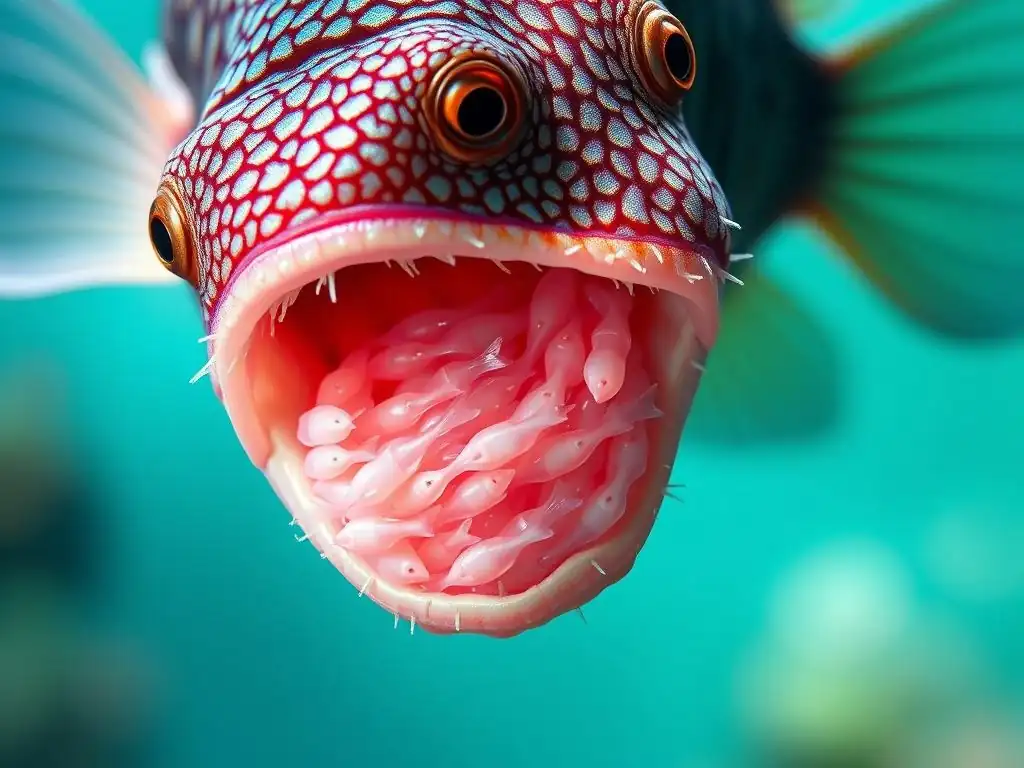
Pre-Mouthbrooding Rituals: Courtship and Egg Fertilization in Sphaeramia nematoptera
The courtship ritual of Banggai Cardinalfish is a fascinating display of cooperative breeding. It typically involves the male and female engaging in a "dance," circling each other, often near a preferred hiding spot such as a cluster of long-spined sea urchins ( Diadema setosum) or an anemone, mimicking their natural association in the wild. The male will often flare his fins and display his patterns more intensely to attract the female, a process that can extend over several hours, indicating readiness to spawn.
Once the pair is ready, the female will release a compact clutch of eggs, typically ranging from 50 to 150 individual eggs. These eggs, about 2mm in diameter, are sticky and adhere to each other, forming a spherical mass. Immediately after the female lays the eggs, the male swiftly scoops them into his mouth for fertilization and incubation. This rapid transfer is crucial to prevent the eggs from being scattered or consumed by other tank inhabitants, underscoring the importance of a secure breeding environment.
The Male Banggai Cardinalfish's Role: Egg Incubation in the Mouth
Upon receiving the egg mass, the male Banggai Cardinalfish undergoes a significant physical transformation: his lower jaw and throat area become noticeably distended, swelling to accommodate the developing eggs. During the entire incubation period, which lasts several weeks, the male will constantly "tumble" the eggs within his buccal cavity. This gentle churning motion is vital for aerating the eggs and preventing the growth of fungus, which can quickly jeopardize the entire brood.
Throughout this demanding period, the male will not consume any food. He becomes reclusive, often seeking out a dark, sheltered area within the aquarium, such as a cave, a dense patch of live rock, or behind equipment. His activity level significantly decreases, and his sole focus remains on the protection and aeration of the developing eggs. This prolonged fasting period is a testament to the male's commitment and is a critical consideration in providing appropriate Cardinalfish mouthbrooding care tips.
Duration of Mouthbrooding: How Long Do Banggai Cardinalfish Hold Eggs?
The incubation period for Banggai Cardinalfish eggs typically ranges from 20 to 30 days. The average duration is approximately 25 days when maintained at a stable water temperature of 78-80°F (25.5-26.7°C). Cooler temperatures can extend this period, potentially increasing the risk of complications or stress for the fasting male. Conversely, warmer temperatures might slightly shorten the incubation, but rapid fluctuations are detrimental.
Towards the latter part of the incubation, the male's mouth will appear even more distended as the fry develop and grow within his buccal cavity. In some instances, with careful observation, the tiny eyes of the developing fry can even be seen through the stretched, translucent skin of the male's throat. This extended incubation period ensures that the fry are fully developed and robust upon release, ready to face the challenges of independent life.
Providing Optimal Care for Mouthbrooding Banggai Cardinalfish in Your Aquarium
Essential Water Parameters for Successful Banggai Cardinalfish Breeding
Maintaining stable and pristine water parameters is absolutely critical for successful Banggai Cardinalfish breeding and the health of mouthbrooding males. Specific gravity should be consistently held between 1.025 and 1.026. Temperature is equally crucial, ideally maintained within a narrow range of 78-80°F (25.5-26.7°C), as even slight fluctuations can induce stress on the male and negatively impact egg development. The pH should be stable, typically between 8.1 and 8.4.
Ammonia and nitrite levels must be undetectable (0 ppm), and nitrates should be kept very low, ideally below 10 ppm. High water quality minimizes stress on the mouthbrooding male, reducing the likelihood of him spitting out eggs prematurely and preventing potential fungal infections of the brood. Regular small water changes, such as 10-20% weekly, are more effective than large, infrequent ones in maintaining these optimal conditions, forming a cornerstone of effective Cardinalfish mouthbrooding care tips.
Creating a Stress-Free Environment for Mouthbrooding Banggai Cardinalfish
A peaceful and secure environment is paramount for a successful mouthbrooding experience. Provide ample hiding spots within the aquarium, such as caves, crevices in live rock, or even artificial structures like PVC pipes, which can mimic natural shelters. A minimum tank size of 30 gallons is recommended for a breeding pair, although larger tanks (50 gallons or more) offer greater water volume stability and more expansive territory, reducing potential stress.
Minimize tankmate aggression by avoiding housing Banggai Cardinalfish with overly boisterous, nippy, or predatory species. Ideally, a dedicated breeding tank can eliminate external stressors entirely. If housed in a community tank, ensure all tankmates are peaceful and do not harass the cardinalfish. Dimming the aquarium lights or providing shaded areas can also help reduce stress during the incubation period, encouraging the male to hold the eggs to term.
Feeding Strategies for Mouthbrooding Male Banggai Cardinalfish
It is a common and expected behavior for male Banggai Cardinalfish to refuse food entirely during the entire mouthbrooding period. They rely solely on their pre-existing energy reserves accumulated before spawning. Therefore, it is crucial to ensure the male is well-fed and in excellent condition prior to the onset of mouthbrooding. Do not attempt to force-feed him during this time, as it will only cause undue stress.
While the male is fasting, continue to offer small amounts of high-quality frozen foods, such as mysis shrimp, enriched brine shrimp, or finely chopped krill, to the other tank inhabitants. However, be diligent in removing any uneaten food promptly to prevent water quality degradation, which could indirectly stress the mouthbrooding male. After the fry are released, it is vital to provide the male with a highly palatable and nutritious diet to help him regain his strength and condition.
Identifying Mouthbrooding Banggai Cardinalfish: Signs and Symptoms
Recognizing a Male Banggai Cardinalfish Carrying Eggs
The most unmistakable sign that a male Banggai Cardinalfish is mouthbrooding is the prominent distension of his lower jaw and throat area. This region will appear noticeably swollen and bulged, a clear indication that he is holding a clutch of eggs. As the incubation progresses and the fry develop, this swelling will often increase further. In some cases, with careful observation, the spherical outline of the egg mass or even the tiny developing eyes of the fry can be discerned through the stretched membrane of his buccal cavity.
During this period, the male's mouth will remain tightly closed, except for very subtle, almost imperceptible movements that serve to gently aerate the eggs within. He will be reluctant to open his mouth for any reason, including feeding, further confirming his mouthbrooding status. This dramatic physical change is the primary visual cue for aquarists monitoring their Cardinalfish mouthbrooding care tips.
Behavioral Changes in Mouthbrooding Banggai Cardinalfish
Beyond the physical changes, a mouthbrooding male Banggai Cardinalfish will exhibit significant behavioral shifts. He will become much more reclusive and shy, often seeking out dark, secluded areas of the tank, such as caves, dense rockwork, or behind equipment. His overall activity level will decrease dramatically; he will spend most of his time hovering almost motionless or slowly moving between preferred hiding spots.
He will also become highly defensive if approached or threatened, often flaring his fins or attempting to retreat deeper into his chosen sanctuary. While generally peaceful, a mouthbrooding male's focus shifts entirely to protecting his precious cargo, and he may show reduced interest in, or even slight aggression towards, tankmates that venture too close. Any sudden, rapid movements or instances of him spitting out eggs should be interpreted as signs of severe stress.
Potential Complications During Mouthbrooding: Fungal Infections and Solutions
One of the most common complications during mouthbrooding is the development of fungal infections on the eggs. This can occur if the eggs are not properly aerated due to insufficient tumbling by the male, or if water quality is poor. Signs of a fungal infection include visible white, fuzzy patches within the male's mouth, or on the egg mass if he prematurely spits it out. Such infections often lead to the loss of the entire brood.
The primary preventative measure against fungal infections is maintaining pristine water conditions with undetectable ammonia and nitrite, and very low nitrates. Consistent aeration within the tank is also beneficial. If a fungal infection is suspected and the eggs are spat out, they are usually lost, as successfully treating and re-incubating them is extremely challenging for the average hobbyist. Prevention through diligent Cardinalfish mouthbrooding care tips is therefore paramount.
Raising Banggai Cardinalfish Fry: A Guide to Successful Hatching and Care
Releasing the Fry: Natural vs. Assisted Release Methods
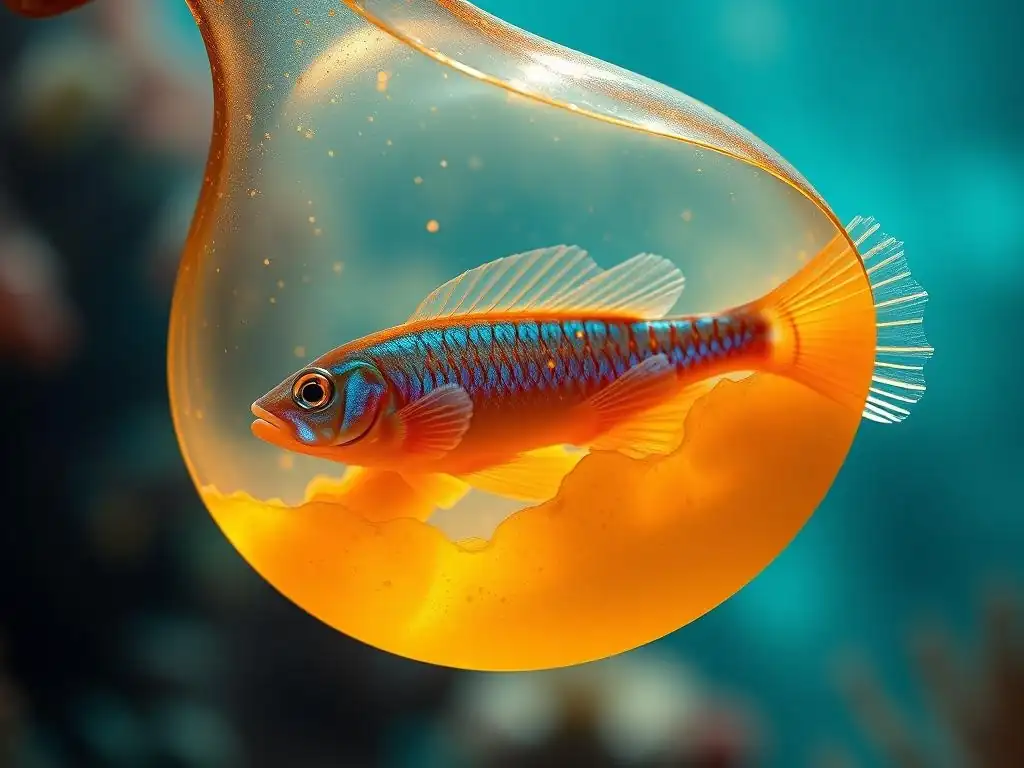
Natural release of Banggai Cardinalfish fry typically occurs after approximately 20-30 days of incubation. The male will gently spit out fully formed fry, usually at night or in the early morning hours, to minimize predation risks. The newly released fry are relatively large, measuring about 8-10mm in length, and are immediately capable of independent swimming and foraging. The male will often release them near a safe structure, such as a cluster of artificial plants or a rock crevice, providing immediate shelter.
Assisted release, or "stripping," involves gently coaxing the fry out of the male's mouth. This method is often employed by aquarists to ensure fry survival in a community tank where predation is a concern, or to transfer them directly to a dedicated grow-out tank. To strip the male, he is carefully netted, and his buccal cavity is very gently massaged. While effective, this process can be stressful for the male and should only be undertaken if absolutely necessary and with extreme caution to avoid injury.
First Foods for Banggai Cardinalfish Fry: Rotifers and Baby Brine Shrimp
Banggai Cardinalfish fry are unique in their relatively large size at hatching, enabling them to immediately consume live, appropriately sized foods. Rotifers ( Brachionus plicatilis) are an excellent initial food source for the first few days, providing a highly nutritious and digestible start. Rotifers are typically cultured by hobbyists or purchased from aquaculture suppliers and should be offered multiple times throughout the day to ensure a constant food supply.
After a few days, or if rotifers are unavailable from day one, newly hatched baby brine shrimp ( Artemia nauplii) become the ideal staple diet. These are highly nutritious and readily accepted by the fry. It is crucial to feed small amounts frequently, at least 3-5 times a day, to ensure a continuous food presence without overfeeding and fouling the water. Regular feeding with these live foods is a cornerstone of successful Cardinalfish mouthbrooding care tips for fry.
Maintaining a Fry-Specific Tank: Sponge Filter and Stable Water Chemistry
A dedicated fry tank, typically 5-10 gallons in size, is highly recommended for raising Banggai Cardinalfish fry. This tank should be equipped with a mature sponge filter, which provides gentle biological filtration without posing a risk of sucking up the delicate fry. Avoid strong power filters or hang-on-back filters, as their intake can easily harm the small fish. An air stone can provide additional, gentle aeration to the water.
Maintaining the same stable water parameters as the main breeding tank is crucial: temperature 78-80°F (25.5-26.7°C), specific gravity 1.025-1.026, and pH 8.1-8.4. Ammonia and nitrite must remain at 0 ppm. Small, daily water changes (e.g., 10-20%) using aged, temperature-matched saltwater are essential to remove uneaten food and waste, preventing water quality issues that are a frequent cause of fry mortality. Consistent water quality is a non-negotiable element of effective Cardinalfish mouthbrooding care tips for fry.
Banggai Cardinalfish Mouthbrooding Care Tips: Key Considerations for Aquarists
Optimizing Water Quality for Breeding and Fry Survival
Consistent, high-quality water is the single most critical factor for successful Banggai Cardinalfish breeding and the subsequent survival of their fry. This necessitates regular and diligent testing of key parameters, including ammonia, nitrite, nitrate, pH, and specific gravity. The goal should be to maintain ammonia and nitrite at undetectable levels (0 ppm), nitrates below 10 ppm, and stable pH (8.1-8.4) and specific gravity (1.025-1.026).
Implement a robust filtration system that includes mechanical, biological, and chemical filtration (e.g., activated carbon) to ensure water clarity and purity. Regular, small water changes (10-20% weekly) are significantly more effective than infrequent, large changes in maintaining stable parameters and preventing the accumulation of toxins. This proactive approach to water quality directly impacts the success of the male's mouthbrooding and the health of the developing fry.
Minimizing Stress Factors During the Mouthbrooding Period
Stress is a leading cause of egg loss or, in some cases, the male consuming his own brood. To minimize stress, provide ample hiding spots and ensure that all tankmates are peaceful and do not harass the breeding pair, especially the mouthbrooding male. Avoid any sudden or drastic changes in lighting, temperature, or tank decor during this sensitive period. Keeping external disturbances around the aquarium to a minimum is also highly beneficial.
If the male is residing in a community tank, consider placing a visual barrier or even temporarily relocating highly active or boisterous tankmates to a different aquarium. Observe the male closely for any signs of distress, such as rapid breathing, erratic darting movements, or repeated attempts to spit out the eggs. A calm, predictable, and secure environment is paramount for successful mouthbrooding, making it a vital component of Cardinalfish mouthbrooding care tips.
Preventing Diseases and Parasites in Mouthbrooding Banggai Cardinalfish
A healthy fish is far more likely to successfully complete the arduous process of mouthbrooding. To prevent diseases and parasites, always quarantine new fish for at least 3-4 weeks before introducing them to your main display or breeding tank. Maintain optimal water quality and provide a balanced, nutritious diet to bolster the fish's immune system, making them more resilient to potential pathogens.
During the mouthbrooding period, the male's immune system may be somewhat suppressed due to the prolonged fasting. Therefore, it is crucial to avoid introducing any new fish or making significant disturbances to the tank during this time. If disease symptoms appear in other tank inhabitants, address them promptly and cautiously to prevent any spread to the vulnerable mouthbrooding male, ensuring the overall health of your aquarium and successful Cardinalfish mouthbrooding care tips.
Common Problems and Solutions in Banggai Cardinalfish Mouthbrooding
Egg Loss: Causes and Prevention Strategies
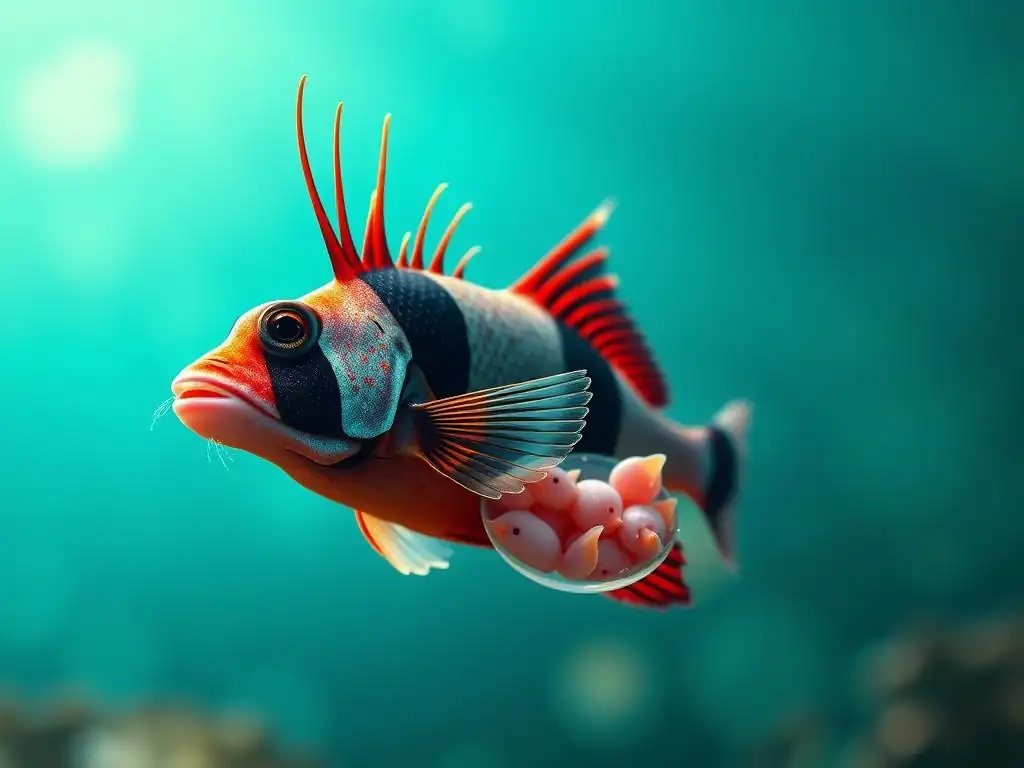
Egg loss, where the male prematurely spits out or consumes his brood, is a common and disheartening problem for aquarists. The primary causes include severe stress (from aggressive tankmates, poor water quality, or sudden environmental changes), fungal infections within the egg mass, or sometimes, an inexperienced male's first brood. If the eggs are spat out prematurely, they are generally unviable unless immediately retrieved and tumbled in a dedicated egg tumbler with optimal water flow.
Prevention is key: ensure the breeding pair is housed in a peaceful, stable environment with excellent water quality. Provide abundant hiding spots for the male. It is also important that the male is well-fed and in robust health prior to breeding. If repeated egg loss occurs, consider moving the breeding pair to a dedicated breeding tank to completely eliminate external stressors and provide an undisturbed sanctuary.
Male Banggai Cardinalfish Refusing to Eat: Encouraging Feeding
It is entirely normal for male Banggai Cardinalfish to refuse food during the entire mouthbrooding period, which typically lasts 20-30 days. The concern arises if the male continues to refuse food after he has released the fry. This post-release anorexia can be due to lingering stress from the breeding process or a weakened physical condition.
To encourage the male to resume feeding, offer a variety of highly palatable and nutritious frozen foods, such as mysis shrimp, enriched brine shrimp, or finely chopped quality seafood. Ensure the food items are appropriately sized for easy consumption. Maintain pristine water quality and a calm, undisturbed environment to reduce any residual stress. Often, a few days of quiet recovery and consistent offerings of enticing food are all that's needed for him to regain his appetite and energy.
Fry Mortality: Identifying and Addressing Common Issues
High fry mortality rates are a common challenge in Banggai Cardinalfish breeding. The most frequent causes include poor water quality in the fry tank (e.g., ammonia spikes, rapid temperature swings), insufficient or inappropriate food sources, or predation by other tank inhabitants if the fry are not isolated. Overfeeding, leading to rapid water fouling, is also a significant contributor to fry loss.
To address these issues, adhere to strict water quality protocols in the fry tank, including daily small water changes using aged, temperature-matched saltwater, and utilize a gentle sponge filter. Ensure a constant supply of appropriately sized live foods, such as rotifers for the first few days, followed by newly hatched baby brine shrimp. Always isolate the fry in a secure, predator-free environment. Regular observation allows for early identification and correction of any issues, maximizing fry survival.
Advanced Banggai Cardinalfish Breeding Techniques: Maintaining Genetic Diversity
Selective Breeding for Desirable Traits
While Banggai Cardinalfish are not typically selectively bred for specific color morphs or exaggerated finnage like some freshwater species, aquarists can practice selective breeding to enhance overall health, vigor, and reproductive success within their captive populations. This involves carefully choosing the healthiest, most robust individuals with a proven history of successful broods as breeding stock. Selection can also focus on individuals that consistently exhibit strong parental instincts and produce large, healthy clutches.
To maintain genetic diversity and prevent inbreeding depression, which can lead to weakened immune systems and reduced fertility over generations, it is advisable to maintain a diverse breeding group. This might involve keeping 6-8 individuals and rotating breeding pairs over time rather than exclusively relying on a single pair. Introducing new, unrelated bloodlines from reputable sources periodically can also significantly contribute to the long-term health and resilience of your captive-bred Banggai Cardinalfish population.
Induced Spawning Methods: Not Recommended
Unlike some commercially farmed fish species where hormonal injections are used to induce spawning, such methods are generally not practiced nor recommended for Banggai Cardinalfish in the home aquarium setting. These fish are known to breed readily and naturally when provided with optimal environmental conditions and a healthy, compatible pair. The stress and potential harm associated with hormonal induction far outweigh any perceived benefits for hobbyist breeders.
The focus should always remain on replicating their natural environment as closely as possible, providing pristine water quality, a nutritious diet, and a stress-free habitat that encourages natural spawning behavior. Attempting artificial induction can cause undue stress, injury, or even death to the fish, and is unnecessary given their willingness to reproduce when their fundamental Cardinalfish mouthbrooding care tips are met.
Conclusion: Mastering Banggai Cardinalfish Mouthbrooding in Your Saltwater Aquarium
Mastering the art of Banggai Cardinalfish mouthbrooding is a truly rewarding endeavor for any saltwater aquarist. It offers a unique opportunity to observe one of nature's most fascinating parental care strategies unfold within your own aquarium. The key to success lies in understanding and diligently applying the essential Cardinalfish mouthbrooding care tips outlined in this guide.
From maintaining impeccable water quality and providing a stress-free environment for the diligent male, to offering appropriate first foods for the newly released fry, each step contributes to the overall success of the breeding process. The patience and attention to detail invested will be amply repaid by the joy of witnessing new generations of these iconic fish thrive under your care, enriching your aquarium experience and contributing to sustainable aquaculture.
Frequently Asked Questions
How common is mouthbrooding in Cardinalfish?
Mouthbrooding is a relatively common reproductive strategy among many Cardinalfish species. It's a key characteristic that sets them apart from other aquarium fish.
What are the primary benefits of mouthbrooding for Cardinalfish?
Mouthbrooding offers protection from predators and ensures a higher survival rate for the developing eggs and fry. The male's care greatly increases their chances.
What are the key water parameters to maintain during Cardinalfish mouthbrooding?
Maintain stable water parameters including temperature, pH, and salinity (if saltwater). This minimizes stress on the brooding male, promoting successful hatching.
What specific care should be provided to the male Cardinalfish while he is mouthbrooding?
Minimize stress by providing a peaceful environment and ensuring he has access to high-quality food. Avoid aggressive tank mates during this vulnerable period.
How long does the mouthbrooding period typically last for Cardinalfish?
The mouthbrooding period varies, but generally lasts between 10 to 21 days, depending on the species and water temperature. The male will release the fully formed fry after this time.
Final Reflection: The Silent Guardians of the Reef
The intricate details of cardinalfish mouthbrooding, as explored in this article, are not just biological curiosities; they are a testament to the power of parental dedication in the natural world. Understanding these behaviors, and especially the practical care tips, allows us to appreciate the delicate balance of reef ecosystems and the commitment these tiny fish exhibit to ensure the survival of their offspring.
This fascinating reproductive strategy has profoundly influenced our understanding of fish behavior and the complexities of marine life. Witnessing such dedication underscores the interconnectedness of all living things and reminds us of the responsibility we have to protect these fragile environments. In the end, we will conserve only what we love; we will love only what we understand; and we will understand only what we are taught.
- Baba Dioum. This quote perfectly encapsulates the importance of learning about creatures like the cardinalfish, fostering a deeper appreciation and driving conservation efforts.
Now, consider the lessons these silent guardians of the reef offer. What can we learn from their unwavering dedication to their young? How can we apply this principle of nurturing and protecting the vulnerable to our own lives and communities? Let the cardinalfish's mouthbrooding habits inspire you to embrace a spirit of care and responsibility, ensuring a brighter future for all.
Dive Deeper: Unlock Cardinalfish Secrets!
Thank you for exploring the captivating world of cardinalfish with us. We hope you found their mouthbrooding behavior as fascinating as we do. Now, let's turn that fascination into action!
Here's how you can continue your cardinalfish journey:
- Start planning: Seriously consider adding cardinalfish to your own peaceful aquarium setup. Research compatible tankmates and create a thriving environment for these unique creatures.
- Explore other fascinating fish species on Aquarium Mastery. Uncover hidden gems that might be a perfect fit for your aquarium ambitions.
- Share your newfound knowledge! Teach a friend or family member about cardinalfish mouthbrooding and inspire them to appreciate the wonders of aquatic life.
What are the first steps you'll take to create an ideal habitat for cardinalfish in your aquarium?