
Saltwater Angelfish Unveiled: A Beginner's Guide to These Marine Jewels

Welcome to Aquarium Mastery!
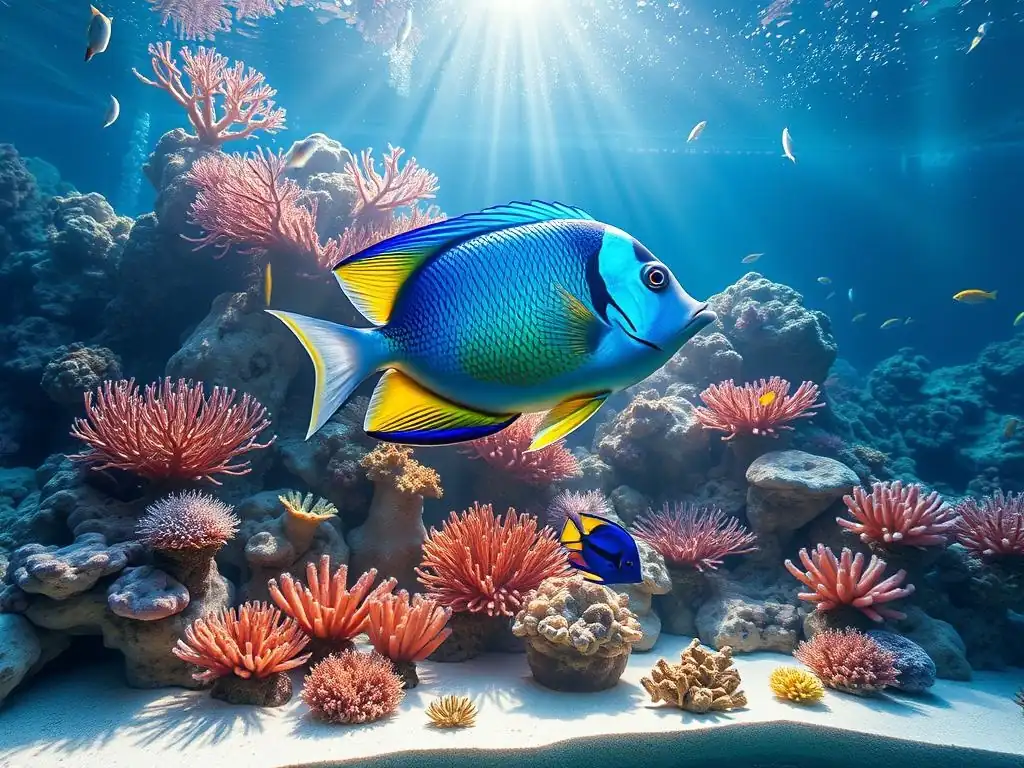
Ever been captivated by the vibrant colors and graceful movements of saltwater angelfish? Unlocking the secrets to their care doesn't have to be daunting! Dive into our beginner's guide to Saltwater Angelfish Beginner Care and discover how to successfully introduce these marine jewels to your aquarium. Ready to transform your saltwater tank into a thriving underwater paradise? Let's get started!
- Introduction to Saltwater Angelfish for Beginners
- Selecting the Right Saltwater Angelfish: A Beginner's Guide
- Saltwater Angelfish Beginner Care: Essential Requirements
- Saltwater Angelfish Diet and Feeding Guide for Beginners
- Saltwater Angelfish Compatibility: Choosing the Right Tank Mates
- Recognizing and Treating Saltwater Angelfish Diseases
- Acclimation Process for Saltwater Angelfish: A Step-by-Step Guide
- Maintaining a Reef-Safe Saltwater Angelfish Aquarium
- Advanced Saltwater Angelfish Care Considerations
- Troubleshooting Common Saltwater Angelfish Problems
- Conclusion: Enjoying Your Saltwater Angelfish
-
Frequently Asked Questions
- What makes saltwater angelfish appealing to beginner aquarists?
- Are all saltwater angelfish suitable for beginner aquarists?
- What size tank is generally recommended for a saltwater angelfish?
- What are the key water parameters to maintain for saltwater angelfish?
- What type of diet do saltwater angelfish require?
- Final Reflection: Embracing the Majesty of Marine Life
- Dive Deeper: Transform Your Aquarium into an Angelfish Paradise!
Introduction to Saltwater Angelfish for Beginners
Why Choose Saltwater Angelfish for Your Marine Aquarium?
Saltwater angelfish stand out as some of the most captivating and aesthetically pleasing inhabitants for a marine aquarium. Their striking colors, ranging from iridescent blues and fiery reds to vibrant yellows and intricate patterns, bring a dynamic beauty to any tank. Beyond their visual appeal, many species exhibit engaging personalities, gracefully navigating the aquascape and adding a lively charm that makes them a focal point for aquarists.
The allure of angelfish also lies in their incredible diversity, offering options suitable for various tank sizes and experience levels. While some larger species demand expert care, numerous dwarf angelfish are surprisingly hardy and adaptable, making saltwater angelfish beginner care a realistic and rewarding endeavor. Their unique behaviors and interactions within the aquarium environment further enhance the overall enjoyment of the marine hobby.
Understanding the Appeal of Angelfish
The immediate appeal of angelfish often stems from their distinctive body shape – typically disc-shaped with elongated, flowing fins that create an elegant silhouette. Species like the Emperor Angelfish (Pomacanthus imperator) showcase a dramatic transformation from a juvenile's concentric white, black, and blue circles to an adult's bold yellow and blue stripes, providing a continuous visual spectacle. This combination of form and color ensures they capture attention instantly.
Beyond their physical attributes, angelfish exhibit notable intelligence and curiosity. Many individuals will actively explore their environment, interact with decorations, and even learn to recognize their caretakers, often swimming to the front of the tank during feeding times. This level of engagement fosters a deeper connection between the aquarist and their marine inhabitants, elevating the experience beyond mere observation and making them truly cherished pets.
Selecting the Right Saltwater Angelfish: A Beginner's Guide
Dwarf Angelfish vs. Large Angelfish: Which is Right for You?
When considering a saltwater angelfish, the primary distinction lies between dwarf angelfish and their larger counterparts. Dwarf angelfish, belonging mostly to the Centropyge genus, typically mature at a size of 3 to 6 inches. This makes them suitable for smaller marine tanks, with many species thriving in aquariums ranging from 30 to 70 gallons. Their compact size allows for more flexibility in tank setup and stocking.
Conversely, large angelfish, encompassing genera like Pomacanthus and Holacanthus, can reach impressive sizes, often growing to 10-18 inches or even more. Species such as the Queen Angelfish ( Holacanthus ciliaris) can exceed 15 inches, necessitating very substantial aquariums of 180 gallons or larger to accommodate their growth and provide adequate swimming space. These larger species also produce a significantly higher bio-load, demanding more robust filtration and consistent water quality management, which adds a layer of complexity to saltwater angelfish beginner care.
Beginner-Friendly Saltwater Angelfish Species
The Flame Angelfish: A Popular Choice
The Flame Angelfish ( Centropyge loricula) is perhaps one of the most iconic and sought-after dwarf angelfish, celebrated for its intense, fiery red-orange body accented with vertical black stripes and iridescent blue tips on its fins. This species typically grows to a maximum of about 4 inches, making it a manageable size for many home aquariums. Its hardiness and general adaptability to captive environments contribute significantly to its popularity among beginners.
For optimal saltwater angelfish beginner care, a Flame Angelfish requires a minimum tank size of 30 gallons, providing ample swimming space and plenty of live rock for hiding and grazing. While generally peaceful, individual temperaments can vary, and some may nip at certain corals, particularly large polyp stony (LPS) corals or clam mantles, in a reef setup. A varied diet of spirulina-based foods, mysis shrimp, and marine algae helps maintain their vibrant coloration and overall health.
The Coral Beauty Angelfish: A Hardy Option
The Coral Beauty Angelfish ( Centropyge bispinosa) is another excellent choice for novice marine aquarists, renowned for its striking deep purple body that transitions into iridescent orange or red highlights, especially along its face and fins. This species is exceptionally resilient and adaptable to a range of tank conditions, making it one of the hardiest angelfish available. It typically reaches a size of about 4 inches, similar to the Flame Angelfish.
Its robust nature means it can tolerate slight fluctuations in water parameters more readily than some of the more delicate marine species, though stability remains paramount for long-term health. A minimum tank size of 30 gallons is recommended, providing adequate space and rocky crevices for exploration and refuge. The Coral Beauty's diet should be diverse, including high-quality marine flakes, frozen preparations like spirulina brine shrimp, and a regular supply of marine algae, ensuring comprehensive saltwater angelfish beginner care.
Other Suitable Angelfish for Novice Aquarists
Beyond the Flame and Coral Beauty, several other dwarf angelfish species are well-suited for beginners, provided their specific needs are met. The Lemonpeel Angelfish ( Centropyge flavissima) dazzles with its brilliant yellow body and striking blue outlines around its fins and eyes, typically growing to about 3-4 inches. It requires a minimum of 30 gallons and is generally hardy, though individual reef compatibility can vary.
The Cherub Angelfish ( Centropyge argi), also known as the Pygmy Angelfish, is one of the smallest angelfish, rarely exceeding 3 inches. Its petite size makes it an option for smaller nano tanks (20 gallons and up), and it is generally quite peaceful. However, like all angelfish, a diverse diet and stable water parameters are essential. Thorough research into the specific requirements of any chosen species is crucial to ensure successful saltwater angelfish beginner care.
Saltwater Angelfish Beginner Care: Essential Requirements
Tank Size and Setup for Saltwater Angelfish
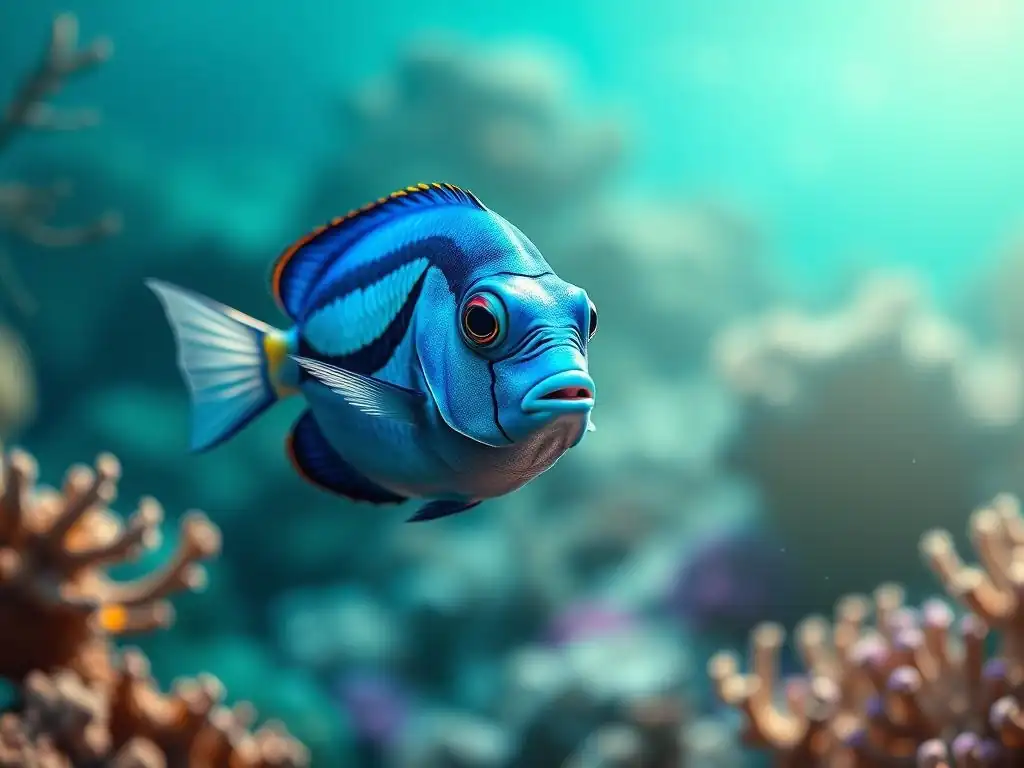
Proper tank size is foundational for successful saltwater angelfish care. As previously noted, dwarf angelfish like the Flame or Coral Beauty require a minimum of 30-50 gallons to thrive, offering sufficient swimming territory and space for a stable environment.
For larger angelfish species, such as the Queen or Emperor Angelfish, a tank of 180 gallons or more is absolutely essential to accommodate their significant growth and active swimming patterns. It is a general rule in marine aquariums that a larger tank is always preferable, as it provides greater water volume and thus more stable parameters, which is a cornerstone of saltwater angelfish beginner care.
Beyond size, the physical setup of the tank plays a critical role. A well-designed aquascape should include ample live rock structures that offer numerous hiding spots, caves, and crevices. Angelfish appreciate places to retreat when stressed or to sleep at night. These rock formations also provide grazing surfaces for their natural diet and contribute significantly to biological filtration. Additionally, ensure there are open swimming areas for the fish to display their natural movements.
Water Parameters: Maintaining a Healthy Environment
Ideal Temperature, Salinity, and pH Levels
Maintaining stable and appropriate water parameters is paramount for the health and longevity of saltwater angelfish. The ideal temperature range for most marine angelfish is between 74-79°F (23-26°C), mimicking their natural tropical habitats. Salinity, measured as specific gravity, should be kept within 1.023-1.026, which aligns with natural ocean conditions. The pH level is equally crucial, ideally maintained between 8.1 and 8.4. Consistent stability within these ranges is far more important than hitting exact numbers, as sudden fluctuations can cause immense stress.
Regular monitoring of these parameters, ideally on a weekly basis using reliable test kits, is a non-negotiable aspect of saltwater angelfish beginner care. Stress resulting from unstable water conditions can significantly weaken an angelfish's immune system, making it highly susceptible to common marine diseases. Consistent parameter checks allow for early detection of issues and proactive adjustments, ensuring a healthy and thriving environment.
Filtration and Water Changes for Angelfish Health
Effective filtration is vital to manage the biological load produced by angelfish and maintain pristine water quality. A robust filtration system typically includes biological filtration (provided by live rock and dedicated bio-media), mechanical filtration (such as filter socks or sponges to remove particulate matter), and chemical filtration (like activated carbon to remove dissolved organics and maintain water clarity). For saltwater angelfish, especially larger species, a high-quality protein skimmer is highly recommended, as it efficiently removes organic waste before it breaks down into harmful nitrates.
Regular water changes are indispensable for replenishing essential trace elements that fish and invertebrates consume, while simultaneously diluting and removing accumulating nitrates and other undesirable compounds. A routine of 10-20% water changes weekly or bi-weekly, depending on tank size and stocking density, is generally recommended. This consistent maintenance schedule is a cornerstone of successful saltwater angelfish beginner care, directly contributing to their health, vibrancy, and longevity.
Saltwater Angelfish Diet and Feeding Guide for Beginners
What Do Saltwater Angelfish Eat?
Saltwater angelfish are primarily omnivores in their natural habitat, and their diet in a home aquarium should reflect this diversity. In the wild, their diet consists of a wide array of food sources, including various types of algae, sponges, tunicates, and small benthic invertebrates found on coral reefs. This natural omnivorous inclination means they require a balanced diet that incorporates both plant-based and protein-rich foods to thrive in captivity.
To ensure comprehensive saltwater angelfish beginner care, it is crucial to provide a varied diet that mimics their natural intake as closely as possible. Relying solely on one type of food, such as dry flakes, will not provide the complete nutritional profile they need. A diverse feeding regimen helps prevent nutritional deficiencies, supports their immune system, and enhances their vibrant coloration.
Providing a Balanced Diet: Flakes, Frozen, and Live Foods
For a balanced diet, high-quality marine flakes or pellets formulated specifically for omnivorous marine fish should form the staple, providing essential vitamins and minerals. These should be supplemented generously with a variety of frozen foods such as spirulina-enriched brine shrimp, mysis shrimp, and finely chopped marine algae. Frozen foods offer a wider range of nutrients and often contain natural pigments that enhance the angelfish's coloration.
Furthermore, incorporating fresh vegetable matter is highly beneficial. Sheets of dried seaweed (Nori), clipped to the side of the tank, can be offered daily or several times a week, providing a crucial source of roughage and plant-based nutrition. Occasional offerings of live foods like enriched brine shrimp or blackworms can also stimulate their appetite and provide a natural foraging experience, though these should be considered treats rather than primary food sources. This varied approach is paramount for optimal saltwater angelfish beginner care.
Feeding Frequency and Avoiding Overfeeding
Saltwater angelfish generally benefit from frequent, small meals throughout the day rather than one large feeding. Aim to feed them 2-3 times daily, offering only small amounts at each feeding. This approach caters to their natural grazing habits and helps ensure they consume all the food before it can degrade and foul the water. A good rule of thumb is to feed only what they can consume within 2-3 minutes.
Overfeeding is a common pitfall in marine aquariums and can lead to significant water quality issues, including elevated nitrate and phosphate levels. Excess food that goes uneaten will decompose, contributing to poor water conditions and potentially causing digestive problems or bloat in the fish. Strict adherence to appropriate feeding amounts and frequencies is a critical component of saltwater angelfish beginner care, directly impacting both the fish's health and the overall stability of the aquarium environment.
Saltwater Angelfish Compatibility: Choosing the Right Tank Mates
Angelfish Temperament and Aggression
The temperament of saltwater angelfish can vary significantly, not just between different species but also among individuals within the same species. While some dwarf angelfish, like the Cherub Angelfish, are generally peaceful and well-suited for community tanks, many larger angelfish species are known for their territorial and assertive nature. For instance, the French Angelfish ( Pomacanthus paru) can be quite aggressive, especially towards conspecifics or fish with similar body shapes and colorations.
It is crucial for aquarists to thoroughly research the specific temperament of any angelfish species they intend to acquire. Aggression often manifests as chasing, fin nipping, or outright bullying, which can lead to stress, injury, or even death for less dominant tank mates. Understanding these behavioral tendencies is a key aspect of saltwater angelfish beginner care to ensure a harmonious aquarium environment.
Compatible Fish Species for a Peaceful Aquarium
When selecting tank mates for saltwater angelfish, the goal is to choose species that will not compete directly for territory or food and can either stand their ground or avoid conflict. Good choices often include fish that are significantly different in size, shape, and swimming level. For example, active swimmers like tangs (if the tank is large enough) can coexist well, as can smaller, bottom-dwelling gobies or blennies that occupy different niches.
Other suitable companions can include clownfish, certain wrasses (like the six-line wrasse), and damselfish (though some damselfish can be aggressive themselves). Introducing the angelfish last or among the last to an established community tank can sometimes help mitigate territorial behavior, as the other fish will have already established their territories. A pair of Ocellaris Clownfish ( Amphiprion ocellaris) or a Diamond Watchman Goby ( Valenciennea puellaris) are often cited as compatible choices, illustrating successful coexistence in diverse marine setups.
Fish to Avoid Keeping with Saltwater Angelfish
To prevent conflict and ensure the well-being of all inhabitants, certain fish species should generally be avoided as tank mates for saltwater angelfish. Keeping multiple angelfish of the same or very similar species in tanks under 100 gallons is almost always problematic due to intraspecific aggression. Even in larger tanks, careful observation is necessary. Similarly, angelfish may show aggression towards other fish with similar body plans or bright colors, such as certain butterflyfish or even some larger damselfish.
Additionally, very small, delicate, or slow-moving fish are often susceptible to bullying or harassment from more assertive angelfish. For example, tiny gobies or docile cardinalfish might be constantly stressed. It's also wise to avoid fish that require very specific water parameters that might differ from the angelfish's ideal range. Careful consideration of these compatibility factors is a crucial element of saltwater angelfish beginner care to foster a peaceful and thriving marine community.
Recognizing and Treating Saltwater Angelfish Diseases
Common Angelfish Diseases and Symptoms
Saltwater angelfish, like all marine fish, are susceptible to a range of diseases, particularly when stressed or kept in suboptimal conditions. Among the most common ailments are Marine Ich ( Cryptocaryon irritans), characterized by small white spots resembling salt grains on the body and fins, often accompanied by scratching against tank decor. Marine Velvet ( Amyloodinium ocellatum) is another highly contagious parasitic disease, presenting as a fine, dusty, gold-brown film on the fish's skin, typically with rapid breathing.
Other prevalent issues include Fin Rot, a bacterial infection causing frayed or deteriorating fins, often a secondary infection to stress or injury. Head and Lateral Line Erosion (HLLE) is a chronic condition causing pitting and lesions on the head and along the lateral line, frequently linked to poor water quality, nutritional deficiencies, or stray electrical currents. Early detection of these symptoms is critical for effective treatment and is a fundamental aspect of saltwater angelfish beginner care.
Quarantine Procedures for New Fish
Implementing a strict quarantine procedure for all new fish, including angelfish, is arguably the single most effective way to prevent the introduction of diseases into your main display tank. A dedicated quarantine tank (QT) should be set up separately, typically a bare-bottom tank of 10-20 gallons with a heater, a small filter, and PVC pipes or other simple hiding spots. New angelfish should reside in the QT for a minimum of 3-4 weeks.
During this quarantine period, fish can be observed for signs of disease, dewormed if necessary, and potentially undergo prophylactic treatments for common parasites like Ich or Velvet. This isolation prevents potential pathogens from spreading to your established, healthy fish population, safeguarding your entire aquarium. This proactive measure is an indispensable component of responsible saltwater angelfish beginner care.
Treatments and Medications for Sick Angelfish
When an angelfish exhibits signs of illness, appropriate treatment depends on the specific disease. For parasitic infections like Ich and Velvet, copper-based medications are often effective, though they must be used precisely according to instructions and in a separate QT, as copper is toxic to invertebrates and can harm corals. Bacterial infections like Fin Rot typically require broad-spectrum antibiotics, administered either in the water or via medicated food.
For chronic conditions like HLLE, treatment primarily involves addressing the underlying causes: significantly improving water quality through consistent water changes, ensuring a highly varied and nutritious diet rich in vitamins (especially Vitamin C), and addressing any potential stray voltage issues. It's important to remember that prevention through excellent water quality, proper nutrition, and rigorous quarantine protocols is always superior to treating a sick angelfish. Stress management is key, as stressed fish are more susceptible to disease, making careful observation an ongoing part of saltwater angelfish beginner care.
Acclimation Process for Saltwater Angelfish: A Step-by-Step Guide
Properly Introducing Your New Angelfish to the Tank
The acclimation process is a critical step in introducing a new saltwater angelfish to its new home, minimizing stress and ensuring a smooth transition. The drip acclimation method is highly recommended for sensitive marine fish, as it slowly equalizes temperature, salinity, and pH between the transport water and the aquarium water. This gradual adjustment significantly reduces the shock that can occur from abrupt environmental changes.
To perform drip acclimation, first float the sealed bag containing the angelfish in your aquarium for 15-20 minutes to equalize temperature. Then, carefully open the bag and pour the fish and its original water into a clean bucket. Using an airline tube and an air valve, start a slow drip of water from your display tank into the bucket, aiming for 1-2 drips per second.
Continue this process until the volume of water in the bucket has quadrupled (typically 30-60 minutes). Finally, gently net the angelfish from the bucket and place it into your aquarium, discarding the water from the bucket. Never add the transport water to your main tank, as it may contain harmful substances or pathogens.
Minimizing Stress During Acclimation
Minimizing stress during and immediately after acclimation is crucial for the long-term health and survival of your new saltwater angelfish. The journey from the supplier to your home is inherently stressful, and a smooth introduction helps the fish recover and adapt. After the angelfish is introduced to the tank, it is highly advisable to turn off the aquarium lights for several hours, or even the remainder of the day. This provides a dark, calm environment where the fish can explore its new surroundings without being startled or harassed by existing tank mates.
Ensure that your tank setup provides plenty of hiding spots and crevices within the live rock structure. These secure retreats allow the angelfish to feel safe and can significantly reduce anxiety as it adjusts to its new environment. Avoid sudden movements, loud noises, or excessive activity around the tank during this initial period. Allowing the angelfish to settle in at its own pace, without undue interference, is a vital component of successful saltwater angelfish beginner care.
Monitoring Your Angelfish After Introduction
Once your new saltwater angelfish has been introduced, continuous observation over the first few days is essential. Closely monitor its behavior for any signs of stress, such as clamped fins, rapid breathing, or hiding excessively. Also, look for any physical symptoms of disease, like white spots or unusual markings. Pay attention to its interactions with existing tank mates; ensure it is not being bullied and that it is able to find its way to hiding spots if needed.
Do not attempt to feed the angelfish immediately after introduction. Allow several hours, or even wait until the next day, before offering food. When you do offer food, observe if it shows interest and begins to eat. A healthy angelfish will typically start eating within 24-48 hours. Consistent monitoring during this initial period allows you to quickly address any issues that arise, ensuring the new angelfish settles in successfully and thrives as part of your aquarium community.
Maintaining a Reef-Safe Saltwater Angelfish Aquarium
Understanding Reef Compatibility with Angelfish
The concept of "reef-safe" for angelfish is a nuanced one, often requiring careful consideration and sometimes a degree of risk. Many species of angelfish, particularly the larger ones, are known to nip at or consume corals, clam mantles, and other sessile invertebrates. This behavior stems from their natural diet, which often includes sponges and tunicates that are structurally similar to corals. Consequently, an angelfish that is perfectly "reef-safe" in one tank might become a coral nipper in another, depending on individual temperament, diet, and the specific corals present.
It is important to understand that "reef-safe" for angelfish is rarely an absolute guarantee; it's often more accurately described as "reef-safe with caution." While some individuals may coexist peacefully with a variety of corals, others may develop a taste for them, leading to damage or destruction of valuable invertebrates. This variability makes careful species selection and continuous observation crucial for saltwater angelfish beginner care in reef environments.
Choosing Reef-Safe Angelfish Species
For aquarists aiming for a true reef aquarium, the selection of angelfish species becomes critical. Generally, most dwarf angelfish from the Centropyge genus are considered the most "reef-safe" options, though even among these, caution is advised. Species like the Flame Angelfish ( Centropyge loricula), Coral Beauty Angelfish ( Centropyge bispinosa), and Cherub Angelfish ( Centropyge argi) are often kept successfully in reef tanks. However, some individuals may still occasionally nip at LPS (Large Polyp Stony) corals, soft corals, or clam mantles.
Among the larger angelfish, very few are truly reliable in a reef setting. The Genicanthus species, often called Swallowtail Angelfish (e.g., Lamarck's Angelfish, Genicanthus lamarcki), are a notable exception. These angelfish are primarily planktivores and tend to ignore corals and invertebrates, making them one of the safest large angelfish for reef tanks. This distinction is vital for aquarists prioritizing reef health while still desiring the beauty of angelfish.
Protecting Your Corals from Angelfish Nipping
If you observe your angelfish nipping at corals, there are several strategies to mitigate the behavior, though success is not guaranteed. First, ensure your angelfish is receiving a highly varied and nutritious diet, particularly one rich in marine algae and sponge material. Sometimes, nipping can be a result of hunger or boredom. Offering fresh seaweed (Nori) on a clip daily can provide a continuous grazing opportunity that might divert their attention from corals.
Another approach is to rearrange your live rock to create more hiding spots or break up territories, which can reduce stress and potentially aggressive behaviors. If a particular coral is consistently being targeted, consider moving it to an area less accessible to the angelfish, or, as a last resort, removing the angelfish from the reef tank if the nipping becomes severe and persistent. While challenging, addressing this behavior is part of comprehensive saltwater angelfish beginner care in a reef setting.
Advanced Saltwater Angelfish Care Considerations
Breeding Saltwater Angelfish: A Complex Challenge
Breeding saltwater angelfish in a home aquarium setting is an exceedingly rare and complex endeavor, typically reserved for highly experienced aquaculturists or dedicated research facilities. Most angelfish species are pelagic spawners, meaning they release eggs and sperm into the water column, which then drift as planktonic larvae. Replicating the precise environmental conditions required for successful spawning, egg hatching, and especially the incredibly delicate larval rearing phase, is a monumental challenge.
Commercial aquaculture efforts have seen some breakthroughs, particularly with species like the Interruptus Angelfish ( Centropyge interrupta) and various Pterapogon species, but these successes often involve specialized equipment, precise water chemistry, and specific feeding protocols for the microscopic fry. For the vast majority of hobbyists, breeding saltwater angelfish is not a realistic goal within the scope of typical saltwater angelfish beginner care.
Long-Term Care and Lifespan of Saltwater Angelfish
With optimal saltwater angelfish beginner care and consistent maintenance, these marine jewels can live for many years, becoming long-term inhabitants of your aquarium. Dwarf angelfish species, such as the Flame or Coral Beauty, typically have a lifespan of 5-7 years in captivity, though some individuals have been known to live longer under exceptional conditions. Larger angelfish species, like the Emperor or Queen Angelfish, boast even more impressive lifespans, often living for 10-15 years or potentially even more.
Achieving these extended lifespans hinges on unwavering commitment to maintaining pristine water quality, providing a consistently varied and nutritious diet, and ensuring a stable, low-stress environment. Regular observation for signs of illness, prompt intervention, and continuous learning about their specific needs as they mature are all crucial aspects of their long-term well-being. A thriving angelfish is a testament to dedicated and informed husbandry.
Troubleshooting Common Saltwater Angelfish Problems
Addressing Feeding Issues and Picky Eaters
One common challenge in saltwater angelfish beginner care is dealing with feeding issues, especially with newly introduced or stressed individuals. If an angelfish refuses to eat, the first step is always to check all water parameters (temperature, salinity, pH, ammonia, nitrite, nitrate) to rule out water quality as the cause. Stress from poor water conditions or aggressive tank mates can suppress appetite.
Once water parameters are confirmed stable, try offering a variety of high-quality foods. Sometimes, a picky eater can be enticed by garlic-soaked foods, as garlic acts as a strong attractant. Live foods, such as enriched brine shrimp or blackworms, can also stimulate a feeding response in reluctant eaters. If the angelfish continues to refuse food for more than 2-3 days, it may indicate an underlying illness requiring further investigation and potentially treatment.
Dealing with Aggression and Bullying
Aggression and bullying are significant concerns, particularly when housing angelfish with other species or multiple angelfish in the same tank. If an angelfish is exhibiting excessive territoriality or aggression, consider rearranging the live rock work. This can disrupt established territories and create new hiding spots, often alleviating conflict. Adding more visual barriers can also help break lines of sight, reducing opportunities for bullying.
If aggression persists and threatens the well-being of a specific tank mate, the most effective solution is often to remove either the aggressor or the target fish from the aquarium. Sometimes, introducing a larger, more assertive, but peaceful fish can help deter a smaller angelfish from bullying. However, direct intervention to separate the fish is often necessary to prevent serious injury or death, especially in smaller tanks where escape options are limited.
Solving Water Quality Problems Affecting Angelfish
Water quality problems are frequently at the root of many angelfish health issues. High levels of nitrates and phosphates, for example, often indicate overfeeding or insufficient water changes. To address this, increase the frequency and volume of water changes (e.g., 20% weekly), reduce the amount of food offered at each feeding, and ensure your filtration system, particularly your protein skimmer, is operating efficiently.
Sudden and drastic shifts in water parameters, such as a pH crash or a significant drop in salinity, can be lethal to angelfish. These issues require immediate corrective action, typically through small, frequent water changes with properly mixed saltwater to slowly bring parameters back into the ideal range. Regular testing with reliable kits remains your primary defense, allowing you to identify and rectify minor deviations before they escalate into major problems, underscoring the importance of diligent saltwater angelfish beginner care.
Conclusion: Enjoying Your Saltwater Angelfish
The Rewards of Proper Saltwater Angelfish Beginner Care
Embarking on the journey of keeping saltwater angelfish is an incredibly rewarding experience that brings unparalleled beauty and dynamism to any marine aquarium. While they undoubtedly require dedication and consistent effort, the vibrant colors, graceful movements, and engaging personalities of these marine jewels make every moment of their care worthwhile. Witnessing a healthy, thriving angelfish swim confidently through a well-maintained tank is a testament to successful husbandry and a source of immense satisfaction for the aquarist.
The commitment to proper saltwater angelfish beginner care directly translates into the longevity and vitality of these magnificent creatures. By providing stable water parameters, a balanced diet, appropriate tank mates, and a stimulating environment, you create a miniature thriving ecosystem. This allows your angelfish to display its natural behaviors and maintain its stunning coloration, truly becoming the centerpiece of your aquatic world.
Continuing Your Angelfish Education
The marine aquarium hobby, particularly when caring for complex species like angelfish, is a journey of continuous learning. Even with a solid foundation in saltwater angelfish beginner care, there is always more to discover about their specific needs, new advancements in aquarium technology, and evolving best practices. Staying informed helps you adapt to potential challenges and provides the knowledge to address any issues that may arise effectively.
We encourage you to continue your education by consulting reputable online resources, participating in local aquarium clubs, and engaging with experienced aquarists in online forums. Sharing experiences and knowledge can be invaluable for troubleshooting problems, discovering new techniques, and further enhancing your understanding of these captivating marine inhabitants. With ongoing learning and diligent care, your saltwater angelfish will not only survive but truly flourish, bringing years of enjoyment to your home.
Frequently Asked Questions
What makes saltwater angelfish appealing to beginner aquarists?
Saltwater angelfish are often chosen for their vibrant colors and unique shapes. However, their care can be more challenging than some other saltwater fish.
Are all saltwater angelfish suitable for beginner aquarists?
No, some species are notoriously difficult to keep. Beginners should focus on hardier species like the Flame Angelfish or Coral Beauty Angelfish.
What size tank is generally recommended for a saltwater angelfish?
The tank size depends on the specific angelfish species. Many require at least a 75-gallon tank, and some larger species need even bigger aquariums.
What are the key water parameters to maintain for saltwater angelfish?
Maintaining stable water parameters is crucial. This includes proper salinity, pH, ammonia, nitrite, and nitrate levels, often requiring frequent testing.
What type of diet do saltwater angelfish require?
They generally need a varied diet consisting of high-quality flake food, frozen foods (like mysis shrimp), and sometimes even algae or sponges, depending on the species.
Final Reflection: Embracing the Majesty of Marine Life
The journey into saltwater angelfish beginner care reveals not just the intricacies of maintaining these vibrant creatures, but also underscores our responsibility as stewards of the ocean's delicate ecosystems. Understanding their needs, from water parameters to dietary requirements, is a crucial step in ensuring their well-being in captivity and, more broadly, in appreciating their role in the wild.
This exploration has profoundly influenced my perspective on the aquarium hobby, shifting it from mere collection to a deeper engagement with marine conservation. The beauty and complexity of saltwater angelfish serve as a constant reminder of the fragility of coral reefs and the urgent need for sustainable practices. In the end, we will conserve only what we love; we will love only what we understand; and we will understand only what we are taught.
- Baba Dioum. This quote encapsulates the essence of responsible aquarium keeping: education, understanding, and ultimately, conservation.
Now, as you embark on your own journey with these marine jewels, I invite you to reflect on the impact your choices have on the broader marine environment. Let the vibrant colors and graceful movements of saltwater angelfish inspire you to become an advocate for ocean conservation, ensuring that future generations can marvel at their beauty both in aquariums and in the wild.
Dive Deeper: Transform Your Aquarium into an Angelfish Paradise!
Thank you for exploring the captivating world of Saltwater Angelfish with us! We hope you found the insights valuable for understanding these marine gems. Now, it's time to take action and bring your aquarium dreams to life!
Here are a few steps you can take to continue your journey:
- Begin planning your saltwater aquarium setup today and research compatible tank mates for your future Angelfish. Remember, careful planning is key to a thriving aquatic ecosystem.
- Explore our "Aquarium Mastery" community forum to share your Angelfish aspirations, ask questions, and connect with fellow enthusiasts. Your experience could inspire others!
- Research a less common, but vibrant, Angelfish species and create a vision board with your dream setup. Visualizing success is the first step to achieving it!
What's the first step you'll take to welcome these radiant beauties into your home aquarium? Share your thoughts and inspire the community!