
Clown Tang Aggression & Health: Managing Diet for a Thriving, Peaceful Specimen

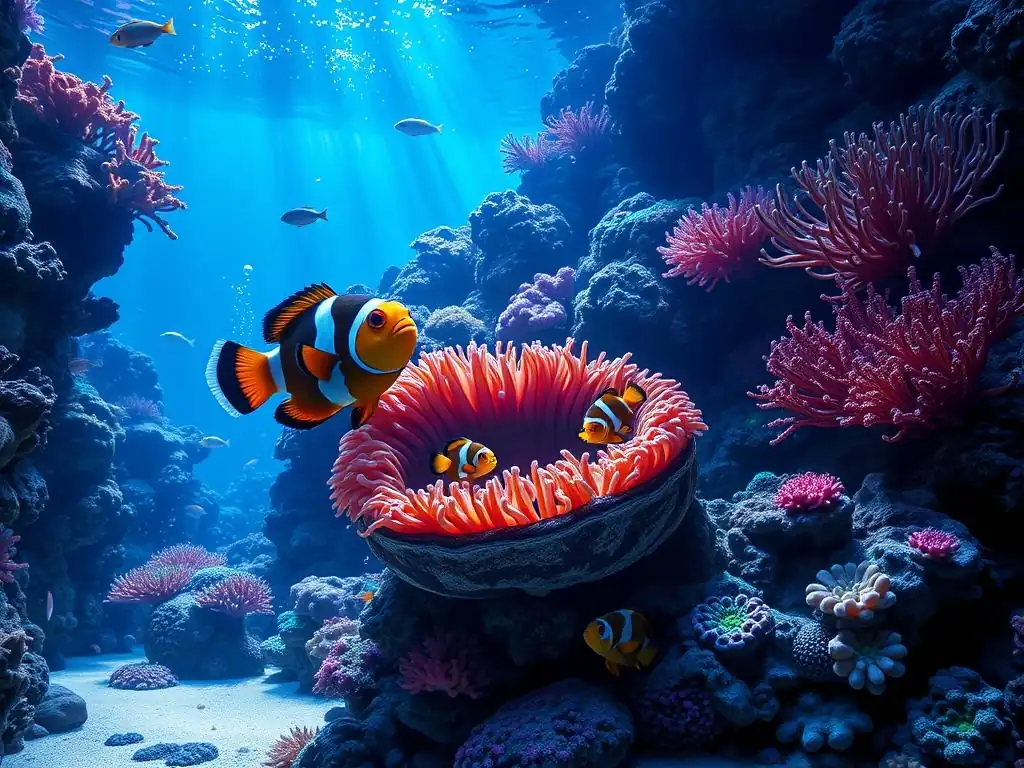
Welcome to Aquarium Mastery! Ever wondered how to keep your Clown Tang thriving and peaceful amidst its notorious aggression? Dive in! We're unraveling the secrets to managing their diet for optimal health and a less turbulent tank. Discover the connection between nutrition and temperament, and unlock the key to a happier, healthier Clown Tang. Let's explore!
- Understanding Surgeonfish Aggression: A Dietary Perspective
- The Ideal Surgeonfish Diet: Promoting Health and Reducing Aggression
- Optimizing Your Surgeonfish's Diet: Practical Strategies
- Dietary Deficiencies in Surgeonfish: Symptoms and Solutions
- Tank Mates and Feeding Competition: Minimizing Stress and Aggression
- Preventing Disease Through Proper Nutrition: Building a Strong Immune System
- Surgeonfish Diet and Coloration: Enhancing Natural Beauty
- Case Studies: Successful Surgeonfish Diet Management
- Conclusion: The Importance of a Balanced Diet for a Peaceful and Healthy Surgeonfish
-
Frequently Asked Questions
- How does a Clown Tang's diet affect its aggression levels?
- What are the key components of a suitable Clown Tang diet?
- How can I minimize aggression in my Clown Tang by managing its diet?
- What are the signs that my Clown Tang's diet is insufficient, leading to aggression?
- How often should I feed my Clown Tang to prevent aggression and maintain its health?
- Final Reflection: Cultivating Harmony Through Diet
- Ignite a Symphony of Peace in Your Reef!
Understanding Surgeonfish Aggression: A Dietary Perspective
Identifying Aggression in Surgeonfish
Surgeonfish, including the vibrant Clown Tang ( Acanthurus lineatus), are renowned for their striking beauty but also for their territorial and sometimes aggressive tendencies. Identifying aggression in these species is crucial for maintaining a harmonious aquarium environment. Common signs include fin nipping, chasing other tank mates, head-butting, and displaying their scalpel-like caudal spines. Clown Tangs, in particular, are known for their high levels of intra-specific and inter-specific aggression, often directed at fish of similar body shapes or those introduced after them into the tank.
Observing these behaviors closely can provide insights into the root cause of the aggression. For instance, constant chasing during feeding times might indicate food scarcity or competition, while persistent harassment of a specific tank mate could point to territorial disputes. An aggressive Clown Tang might also exhibit faded colors or rapid breathing due to stress, affecting its overall health and potentially leading to disease if the underlying issues are not addressed promptly.
The Link Between Diet and Aggressive Behavior in Surgeonfish
The diet of surgeonfish plays a profound role in their overall health and, consequently, their behavioral patterns, including aggression. As primarily herbivorous grazers, surgeonfish require a constant supply of marine algae. A diet deficient in the necessary plant matter or lacking in variety can lead to nutritional imbalances, which manifest as stress, reduced immunity, and increased aggression. When a Clown Tang is not receiving adequate nutrition, it may become more agitated and territorial, viewing other tank inhabitants as competitors for scarce resources.
Studies on captive marine fish have indicated that dietary deficiencies can alter neurological functions and stress hormone levels, directly impacting behavior. For example, a Clown Tang that lacks sufficient fiber from algae might experience digestive discomfort, leading to irritability. Furthermore, if a surgeonfish is constantly hungry due to insufficient feeding or poor food quality, it will naturally become more competitive and aggressive towards tank mates during feeding times, trying to secure its share of limited resources.
Factors Contributing to Surgeonfish Aggression Beyond Diet
While diet is a significant factor, several other environmental and social elements contribute to surgeonfish aggression. Tank size and layout are paramount; an undersized aquarium (e.g., less than 180 gallons for an adult Clown Tang) often leads to heightened territoriality due to insufficient swimming space and a lack of visual barriers. The absence of adequate rockwork, caves, and crevices prevents fish from establishing their own territories or retreating when stressed, thereby escalating conflicts.
Tank mate compatibility is another critical factor. Introducing fish of similar body shapes, colors, or dietary needs to a Clown Tang can trigger intense aggression, as they are perceived as direct competitors. Furthermore, the order of introduction matters; surgeonfish are often best introduced last into a well-established tank to minimize their perceived territorial dominance. Water quality parameters, such as stable temperature (e.g., 76-82°F), salinity (1.023-1.026 specific gravity), and low nitrates (below 20 ppm), also play a role; poor water conditions induce stress, which can exacerbate aggressive tendencies, regardless of the Clown Tang diet aggression management efforts.
The Ideal Surgeonfish Diet: Promoting Health and Reducing Aggression
Essential Components of a Healthy Surgeonfish Diet
A healthy diet for surgeonfish, particularly species like the Clown Tang, is predominantly herbivorous, mirroring their natural grazing habits on coral reefs. This diet should be rich in high-quality marine algae, supplemented with a variety of other nutritious foods to ensure a full spectrum of vitamins, minerals, and essential fatty acids. A balanced Clown Tang diet is crucial for mitigating aggression and promoting vibrant health.
The primary goal of their diet is to provide constant roughage and nutrients that support their long digestive tracts. This continuous intake of plant matter helps maintain their gut health, which in turn influences their overall vitality and temperament. Neglecting this fundamental requirement often leads to digestive issues, nutrient deficiencies, and increased stress, all of which contribute to an aggressive Clown Tang.
Marine Algae: The Cornerstone of a Surgeonfish's Diet
Marine algae, specifically high-quality dried seaweed (nori) or spirulina flakes, should form the bulk of a surgeonfish's diet, accounting for approximately 60-80% of their daily intake. Nori can be offered using an algae clip, allowing the fish to graze throughout the day, mimicking their natural feeding behavior. This constant availability of food helps reduce food-related aggression by ensuring all fish can feed without intense competition.
Providing various types of marine algae, such as green, red, and brown varieties, ensures a broader nutrient profile. For instance, red algae can be particularly rich in certain carotenoids beneficial for coloration, while green algae offers a good source of vitamins. Aim to offer at least one 3x3 inch sheet of dried nori per adult Clown Tang daily, potentially more depending on the fish's size and activity level, to ensure consistent grazing opportunities.
Supplemental Foods for Surgeonfish: Variety is Key
While marine algae is critical, a Clown Tang's diet should also include supplemental foods to provide essential proteins, fats, and other micronutrients not abundantly found in algae. High-quality frozen preparations such as mysis shrimp, brine shrimp (enriched), and finely chopped seafood like clams or scallops can be offered a few times a week. These provide necessary animal proteins and fats that support growth and energy levels.
Furthermore, vitamin-enriched flake or pellet foods specifically formulated for marine herbivores can complement the diet. Look for foods fortified with Vitamin C, which is crucial for immune function, and Omega-3 fatty acids, vital for overall health and vibrant coloration. Offering a diverse range of foods not only ensures complete nutrition but also keeps the fish interested and engaged, reducing boredom that can sometimes contribute to aggressive behaviors.
Feeding Frequency and Portion Sizes for Surgeonfish
Due to their continuous grazing nature and high metabolism, surgeonfish require frequent, small feedings throughout the day rather than one or two large meals. For a Clown Tang, providing access to an algae clip with nori for several hours per day is ideal. In addition to constant grazing, offer supplemental foods 2-3 times per day in small portions that can be consumed within 2-3 minutes.
Overfeeding should be avoided as it can lead to poor water quality, but underfeeding can lead to increased Clown Tang diet aggression and malnutrition. A good rule of thumb is to observe the fish's behavior during feeding; if they are frantically searching for food immediately after a meal, the portions might be too small. Conversely, if food remains uneaten for long periods, reduce the portion size. Consistent feeding schedules also help to establish routine and minimize anxiety-driven aggressive outbursts.
Optimizing Your Surgeonfish's Diet: Practical Strategies
Providing a Constant Supply of Algae: Refugiums and Algae Clips
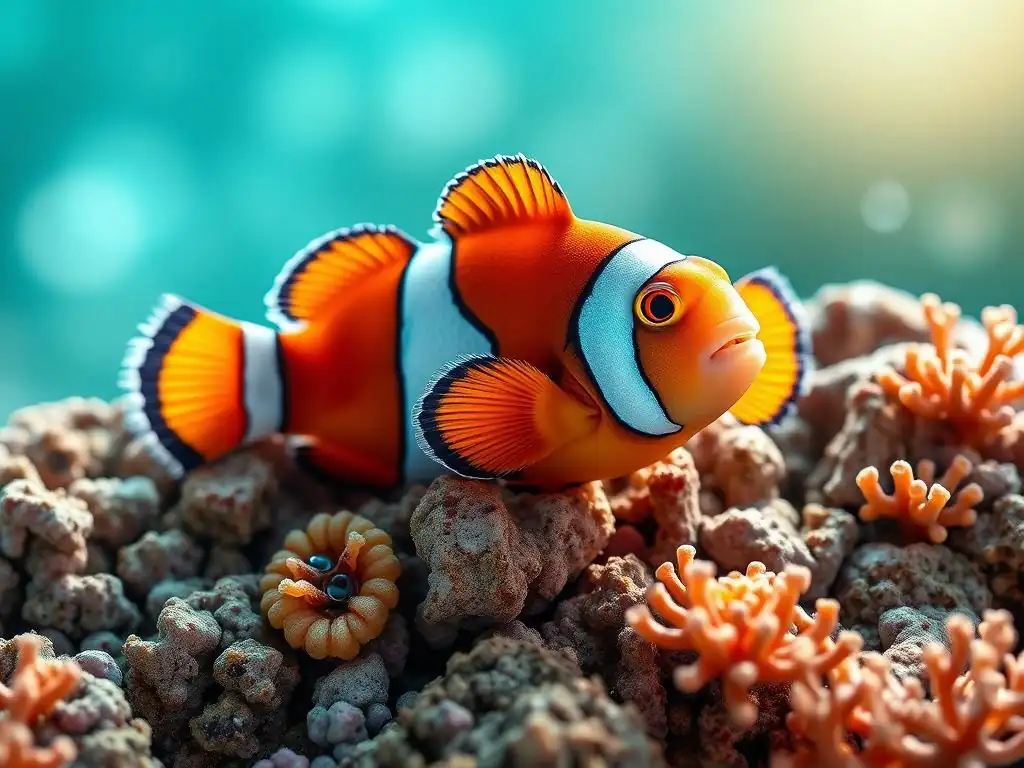
Ensuring a constant supply of natural algae for your surgeonfish is paramount for their health and behavioral stability. Algae clips are an excellent tool for this, allowing you to attach sheets of dried nori or other marine algaes to the aquarium glass, providing a grazing station. For a large Clown Tang, consider using two or three clips in different areas of the tank to distribute feeding opportunities and reduce competition among tank mates. Replace the nori as it is consumed, typically once or twice daily for an active Clown Tang.
Beyond dried algae, incorporating a refugium into your filtration system can provide a continuous, natural source of live macroalgae. A refugium is a separate compartment or tank plumbed into the main display where macroalgae like Chaetomorpha or Ulva can grow. This allows for natural nutrient export and provides a sustainable, living food source that can be periodically harvested and offered to your surgeonfish, enriching their Clown Tang diet and promoting natural grazing behaviors.
Creating a Feeding Schedule That Minimizes Competition
A well-planned feeding schedule can significantly reduce feeding-related aggression in surgeonfish. Instead of dumping all food at once, consider targeted feeding or spreading food across different areas of the tank. For instance, you might place nori on an algae clip at one end of the tank, while simultaneously broadcasting frozen foods at the other end. This strategy disperses the fish, reducing direct competition and allowing shy or less dominant individuals to feed more comfortably.
Feeding during times when the Clown Tang is less active or when other aggressive tank mates are preoccupied can also be effective. For highly territorial species, offering a small amount of their favorite food first can temporarily distract them, allowing other fish to get their share before the dominant fish returns to full alert. Consistency in feeding times also helps establish a routine, which can reduce anxiety and anticipatory aggression.
Monitoring Your Surgeonfish's Nutritional Intake and Health
Regularly monitoring your surgeonfish's nutritional intake and overall health is crucial for proactive diet management. Observe how much food your Clown Tang consumes and whether it's eating enthusiastically. A healthy surgeonfish should have a full, rounded belly after feeding and exhibit vibrant coloration and active swimming behavior. A sunken belly, faded colors, or lethargy can be early indicators of nutritional deficiencies or other health issues.
Beyond visual inspection, pay attention to the fish's waste. Healthy fish produce firm, consistent fecal matter. Stringy, white, or unusually colored waste can indicate digestive problems or internal parasites, which might be exacerbated by or even caused by an improper Clown Tang diet. Keeping a log of feeding amounts and observations can help you fine-tune the diet and quickly identify any deviations from normal behavior or health.
Dietary Deficiencies in Surgeonfish: Symptoms and Solutions
Recognizing Signs of Malnutrition in Surgeonfish
Recognizing the signs of malnutrition in surgeonfish is critical for early intervention and preventing long-term health issues. One of the most common indicators is a visible loss of body mass, particularly a sunken belly or a pinched appearance near the lateral line. A healthy Clown Tang should appear robust and well-fed. Other signs include faded or dull coloration, which might indicate a lack of essential vitamins or carotenoids in their diet.
Furthermore, behavioral changes like lethargy, reduced activity, or an increase in unusual aggression can also signal dietary deficiencies. A malnourished Clown Tang may exhibit a weakened immune system, leading to susceptibility to diseases such as marine ich or lateral line erosion (LLE). Fin erosion, cloudy eyes, or abnormal growths can also be symptomatic of severe, prolonged nutritional deficiencies.
Addressing Common Dietary Deficiencies
Addressing dietary deficiencies requires a systematic approach, focusing on providing a balanced and varied diet. If a Clown Tang is showing signs of malnutrition, the first step is to re-evaluate the primary food sources. Increase the frequency and quantity of high-quality marine algae, such as nori, ensuring it is readily available throughout the day. Supplementing with vitamin-enriched foods and frozen preparations can also help bridge nutritional gaps.
For specific deficiencies, targeted supplementation may be necessary. For instance, if a fish exhibits signs of Vitamin C deficiency (e.g., fin erosion, poor healing), ensure its diet includes foods explicitly fortified with this vitamin or soak foods in a liquid Vitamin C supplement. Always introduce new foods gradually to avoid digestive upset and observe the fish's response carefully.
Vitamin Deficiencies in Surgeonfish
Vitamin deficiencies are common in captive surgeonfish, particularly if their diet lacks variety or fresh, high-quality ingredients. Vitamin A deficiency can lead to poor vision, stunted growth, and susceptibility to infection. This can be addressed by feeding foods rich in beta-carotene, such as spirulina or certain types of green algae. Vitamin C is crucial for immune function, collagen synthesis, and wound healing; a deficiency can result in lateral line erosion, fin rot, and poor stress response. Incorporate foods fortified with stabilized Vitamin C or use liquid Vitamin C supplements directly on food.
Vitamin E deficiency can impact reproductive health and muscle integrity, while B vitamin deficiencies can lead to neurological issues and poor appetite. Ensuring a diverse diet that includes a range of high-quality flakes, pellets, and frozen foods, all fortified with a complete spectrum of vitamins, is the best preventative measure. Regular use of a high-quality marine vitamin supplement, especially for fish exhibiting signs of stress or illness, can also be beneficial.
Mineral Deficiencies in Surgeonfish
Mineral deficiencies, though less commonly discussed than vitamin deficiencies, can also significantly impact surgeonfish health. Calcium and phosphorus are vital for bone and skeletal development, particularly in growing fish. While saltwater aquariums typically have ample calcium, deficiencies can arise if the diet doesn't provide enough bioavailable forms or if there are imbalances in other minerals. Iodine is another essential trace mineral, crucial for thyroid function and overall metabolism; a deficiency can lead to stunted growth or lethargy.
Ensuring a varied Clown Tang diet that includes a mix of marine algae, high-quality frozen foods, and fortified pellets usually provides sufficient minerals. Some frozen foods, like Mysis shrimp, are naturally rich in certain minerals. Regular water changes with high-quality salt mix also help replenish essential trace elements in the water column, which fish can absorb directly. In cases of suspected severe mineral deficiency, specialized mineral supplements designed for marine fish can be considered, but always with careful monitoring.
Tank Mates and Feeding Competition: Minimizing Stress and Aggression
Choosing Compatible Tank Mates for Surgeonfish
Selecting compatible tank mates is paramount to minimizing stress and aggression, especially with a territorial species like the Clown Tang. Avoid other surgeonfish species unless the tank is exceptionally large (e.g., 300 gallons or more) and offers ample hiding spots and distinct territories. Introducing multiple surgeonfish, particularly those of similar shape or size, significantly increases the likelihood of intense Clown Tang diet aggression and territorial disputes.
Ideal tank mates for a Clown Tang are typically species that occupy different ecological niches, have different body shapes, and are not overly aggressive. Examples include peaceful angelfish (e.g., Genicanthus species), blennies, gobies, and certain peaceful wrasses. Fish that are fast swimmers and can evade an aggressive Clown Tang are also good choices. Always research the specific temperaments and adult sizes of potential tank mates before introduction to ensure long-term harmony.
Strategies for Reducing Feeding Competition
Feeding competition is a major trigger for Clown Tang aggression. Implementing strategies to reduce this competition is vital. One effective method is to provide multiple feeding stations. For instance, place an algae clip with nori at one end of the tank and disperse frozen foods at the opposite end. This allows multiple fish to feed simultaneously without direct confrontation.
Feeding smaller, more frequent meals throughout the day can also help. Instead of one large meal, offer 3-4 smaller feedings. This reduces the urgency and intensity of feeding, as fish are not overly hungry. Additionally, introducing food items that cater to different feeding styles (e.g., sinking pellets for bottom dwellers, floating flakes for surface feeders, and nori for grazers) ensures that all fish have access to appropriate food without directly competing with the Clown Tang.
Preventing Disease Through Proper Nutrition: Building a Strong Immune System
The Role of Diet in Surgeonfish Immune Function
A well-balanced and nutritious Clown Tang diet is the cornerstone of a robust immune system, significantly reducing the likelihood of disease. Just like in humans, proper nutrition provides the essential building blocks and energy required for immune cells to function effectively, produce antibodies, and mount a defense against pathogens. A fish that is consistently well-fed with a diverse diet will be far more resilient to common marine ailments like Ich ( Cryptocaryon irritans) and Brooklynella ( Brooklynella hostilis).
Conversely, dietary deficiencies lead to a compromised immune system, making the Clown Tang highly susceptible to various infections. For example, a lack of Vitamin C can impair white blood cell function, while insufficient Omega-3 fatty acids can hinder anti-inflammatory responses. When a fish is stressed due to poor nutrition, its immune system is further suppressed, creating a vicious cycle where it becomes more vulnerable to opportunistic pathogens present in the aquarium.
Boosting Immunity with Nutritional Supplements
While a balanced diet is primary, nutritional supplements can play a crucial role in boosting a Clown Tang's immunity, especially during times of stress, recovery from illness, or introduction to a new environment. Vitamin C is perhaps the most critical supplement for marine fish immunity. Soaking frozen or dry foods in liquid Vitamin C solutions before feeding can significantly enhance a fish's ability to fight off infections and heal from injuries.
Other beneficial supplements include those rich in Omega-3 fatty acids (like DHA and EPA), which support cell membrane integrity and reduce inflammation, and various B vitamins, essential for metabolic processes that fuel immune responses. Probiotic supplements, either incorporated into specialized foods or added to the water, can also support gut health, which is intrinsically linked to overall immune function. However, supplements should always complement, not replace, a high-quality, varied Clown Tang diet.
Surgeonfish Diet and Coloration: Enhancing Natural Beauty
How Diet Affects Surgeonfish Color
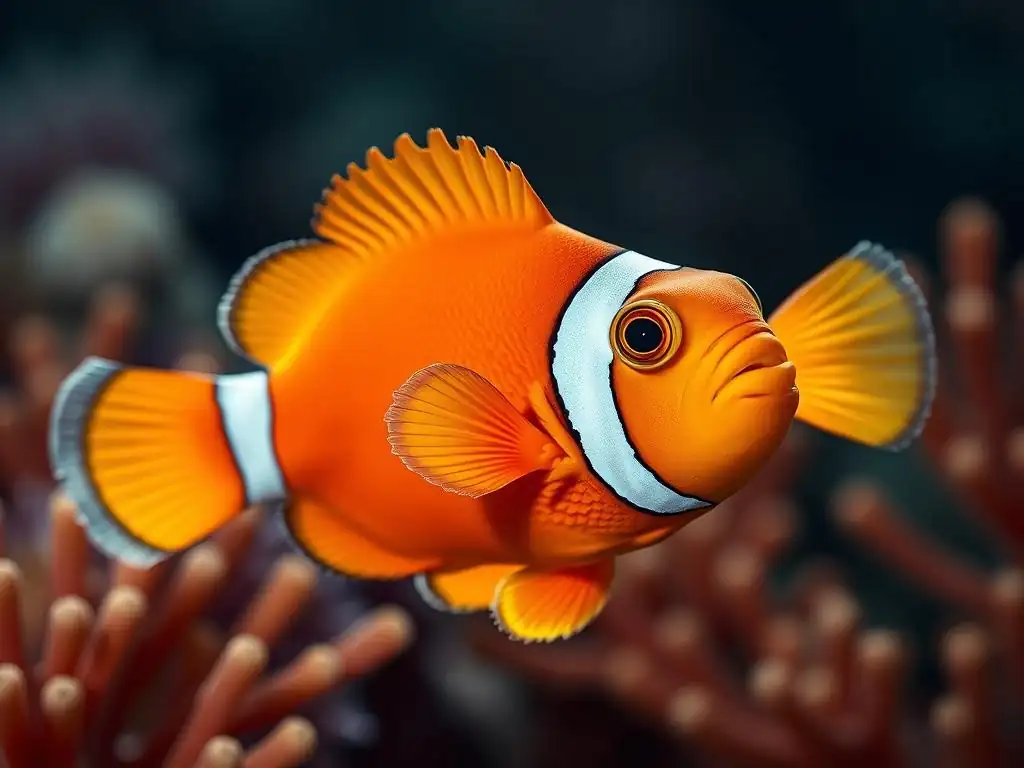
The vibrant and intricate coloration of surgeonfish, particularly species like the Clown Tang with its striking blue, yellow, and black stripes, is directly influenced by their diet. Pigments known as carotenoids, which are obtained through food, are responsible for the yellow, orange, and red hues seen in many marine fish. Without a sufficient intake of these pigments, a Clown Tang's colors can fade, appearing dull and washed out, even if the fish is otherwise healthy.
The blue and black pigments are also affected by overall health and stress, which are themselves heavily influenced by nutrition. A well-fed, unstressed Clown Tang will exhibit its most brilliant and intense colors, indicating optimal health and well-being. Conversely, a fish suffering from malnutrition or chronic stress due to an inadequate Clown Tang diet will often display muted or faded colors, serving as an early warning sign of underlying issues.
Foods That Enhance Surgeonfish Coloration
To enhance and maintain the stunning coloration of your Clown Tang, focus on providing foods naturally rich in carotenoids and other essential nutrients. High-quality marine algae, such as red and green nori, are excellent sources of these pigments. Spirulina, a type of blue-green algae, is particularly renowned for its high concentration of carotenoids and phycocyanin, which can intensify blue and green hues.
Supplementing the Clown Tang diet with frozen foods like Mysis shrimp, which are naturally rich in astaxanthin (a powerful carotenoid), can also significantly boost yellow, orange, and red pigments. Additionally, specialized color-enhancing flake or pellet foods often contain concentrated levels of carotenoids and other essential vitamins and minerals designed to promote vibrant coloration. Offering a diverse array of these color-boosting foods ensures your Clown Tang displays its full natural beauty.
Case Studies: Successful Surgeonfish Diet Management
Case Study: Reducing Yellow Tang Aggression Through Increased Nori Supplementation
A common challenge in home aquariums is managing the territorial aggression of Yellow Tangs ( Zebrasoma flavescens). In one documented instance involving a 125-gallon reef tank, a resident Yellow Tang consistently harassed a newly introduced Flame Angelfish, particularly around feeding times. The Yellow Tang's diet consisted of a daily pinch of marine flakes and occasional frozen brine shrimp. Despite adequate tank size and rockwork, the aggression persisted for over two weeks, causing visible stress to the angelfish.
The aquarist decided to increase the Yellow Tang's access to its primary food source: marine algae. They began providing a 4x4 inch sheet of dried green nori on an algae clip twice daily, in addition to the regular flake food. Within three days, a noticeable reduction in chasing behavior was observed.
After one week of consistent, increased nori supplementation, the Yellow Tang's aggression towards the Flame Angelfish had diminished by an estimated 70-80%, allowing the angelfish to graze and swim more freely. This demonstrated that a more consistent and abundant supply of its natural food source significantly reduced the Yellow Tang's perceived need to compete aggressively, highlighting the critical role of the Clown Tang diet aggression principle in related species.
Case Study: Reversing Lateral Line Erosion in a Naso Tang with Vitamin-Enriched Diet
Lateral Line Erosion (LLE) is a debilitating condition often linked to nutritional deficiencies and poor water quality, frequently affecting surgeonfish like the Naso Tang ( Naso lituratus). In a 200-gallon display tank, a 7-inch Naso Tang developed early signs of LLE, characterized by small pitting along its lateral line and around the head, despite stable water parameters (nitrates below 10 ppm). Its diet primarily consisted of generic marine pellets and occasional frozen mysis shrimp, with infrequent algae offerings.
Upon recognizing the LLE, the aquarist drastically changed the Naso Tang's diet. They introduced daily feedings of high-quality red and green nori, ensuring constant availability via an algae clip. All frozen foods (mysis, brine shrimp, spirulina-enriched brine) were soaked in a liquid Vitamin C and Omega-3 fatty acid supplement for 30 minutes before feeding.
Additionally, a specialized LLE-specific marine pellet fortified with a broad spectrum of vitamins and minerals was introduced. Within four weeks, the progression of the LLE had halted, and over the next three months, the existing pits began to show signs of healing, with new tissue growth visibly filling in the affected areas. This case underscored the vital role of a comprehensive, vitamin-enriched Clown Tang diet (and surgeonfish diet in general) in reversing severe nutritional deficiencies and promoting healing.
Conclusion: The Importance of a Balanced Diet for a Peaceful and Healthy Surgeonfish
The management of a surgeonfish's diet, particularly for species prone to aggression like the Clown Tang, is unequivocally central to their overall health, vitality, and behavioral stability within the aquarium. As detailed throughout this article, a diet rich in diverse marine algae, supplemented with high-quality proteins and essential vitamins and minerals, forms the bedrock of a thriving specimen. This comprehensive approach directly mitigates Clown Tang diet aggression by fulfilling their constant grazing needs, reducing competition, and bolstering their immune system against disease.
Beyond mere sustenance, the correct diet fosters vibrant coloration, supports robust immune function, and directly influences a surgeonfish's temperament. By understanding the intricate link between nutrition and behavior, and by implementing practical strategies such as continuous algae availability and strategic feeding, aquarists can cultivate an environment where their Clown Tangs not only survive but truly flourish, displaying their natural beauty and exhibiting peaceful coexistence with their tank mates. Prioritizing dietary excellence is the most impactful step an aquarist can take to ensure a long, healthy, and harmonious life for their beloved surgeonfish.
Frequently Asked Questions
How does a Clown Tang's diet affect its aggression levels?
A poor diet, lacking in sufficient algae and plant matter, can lead to nutritional deficiencies. This can then result in increased stress and aggression towards other tank inhabitants as they compete for limited resources.
What are the key components of a suitable Clown Tang diet?
A suitable diet should consist primarily of marine algae and seaweed, supplemented with smaller amounts of high-quality marine flakes or pellets. Occasional feedings of live or frozen meaty foods can also be beneficial.
How can I minimize aggression in my Clown Tang by managing its diet?
Ensure the tank has a constant supply of algae for grazing, either grown in the tank or provided through algae sheets. Also, offer a varied diet rich in essential nutrients to reduce stress and maintain optimal health.
What are the signs that my Clown Tang's diet is insufficient, leading to aggression?
Signs include increased aggression towards tank mates, a loss of vibrant coloration, and a noticeable decrease in overall activity levels. You may also notice the Tang picking at corals or other invertebrates more frequently.
How often should I feed my Clown Tang to prevent aggression and maintain its health?
Clown Tangs should be fed multiple small meals throughout the day to mimic their natural grazing behavior. This helps to keep them occupied and reduces the likelihood of resource-based aggression towards other fish.
Final Reflection: Cultivating Harmony Through Diet
The intricacies of maintaining a thriving Clown Tang in captivity, as we've explored, highlight the profound connection between diet and behavior in these magnificent creatures. Understanding and addressing the nutritional needs of a Clown Tang is not merely about survival; it's about fostering a peaceful and healthy existence, both for the individual fish and the entire aquarium ecosystem. The insights shared are particularly relevant today, as the demand for these stunning fish continues to grow, underscoring the ethical responsibility of aquarists to provide optimal care.
This journey into Clown Tang nutrition has underscored the delicate balance required to mimic their natural environment and prevent aggression. Witnessing a Clown Tang flourish under a carefully curated diet is a testament to the power of informed and compassionate aquariculture. The best way to observe a fish is to become a fish.
- Jacques Cousteau. This quote reminds us that truly understanding these animals requires empathy and a commitment to seeing the world from their perspective, especially when it comes to their dietary needs and the impact on their overall well-being.
As we conclude, consider the lessons learned about the Clown Tang's dietary needs and how they translate to broader principles of responsible pet ownership. What small changes can you implement, not just in your aquarium, but in your approach to all living beings under your care? Let this exploration inspire you to become a more informed, compassionate, and dedicated steward of the natural world, ensuring that these vibrant creatures continue to thrive for generations to come.
Ignite a Symphony of Peace in Your Reef!
Thanks for diving into the world of Clown Tangs! We hope you found this exploration of their dietary needs and aggression management valuable for nurturing a healthy and harmonious aquarium. Ready to transform your reef?
Here are some steps you can take right now:
- Re-evaluate your Clown Tang's current diet. Is it varied enough? Are you providing the necessary algae and vegetable matter to satisfy its grazing needs and reduce aggression? Make adjustments today!
- Explore less common, nutrient-rich food sources like nori seaweed sheets with added garlic extract to boost immunity and palatability.
- Share this guide with fellow reef enthusiasts and discuss your Clown Tang experiences in online forums or local aquarium clubs.
What unexpected dietary change has most impacted the behavior and health of your Clown Tang? Share your experiences in the comments!