
Leopard Wrasses: Exotic Beauty & Specialized Care for the Reef Savvy Aquarist

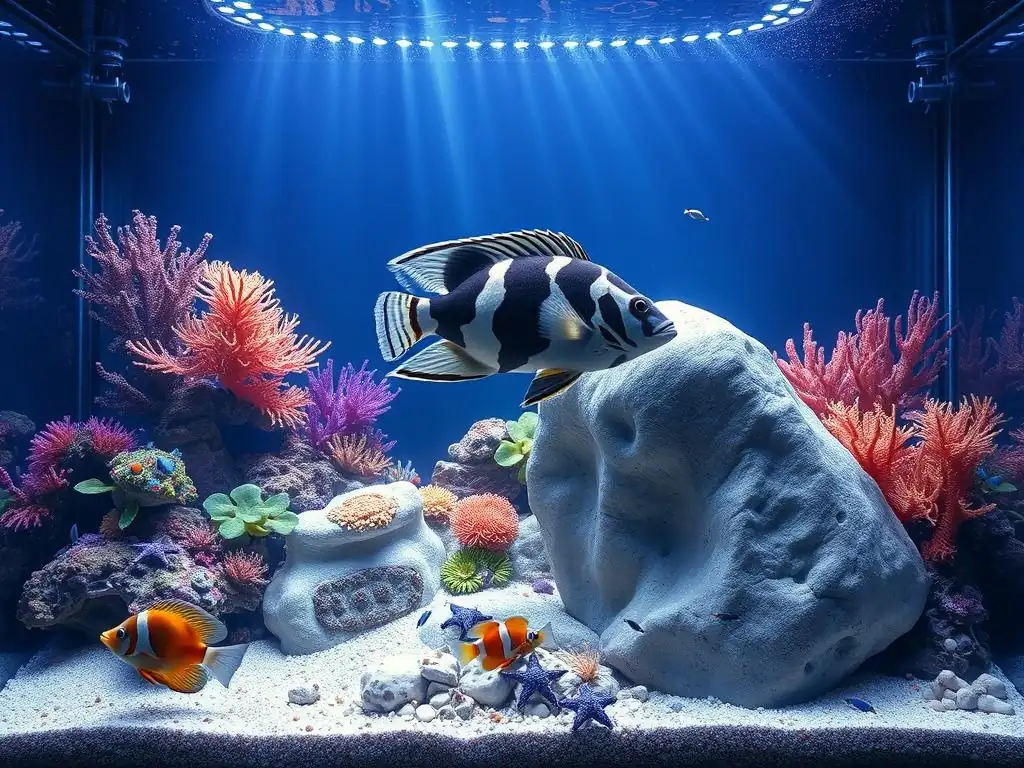
Welcome to Aquarium Mastery, where your aquatic ambitions take flight!
Intrigued by the dazzling dance of the reef? Dive into our comprehensive guide on Leopard Wrasses: Exotic Beauty & Specialized Care for the Reef Savvy Aquarist. These vibrant fish add a splash of unparalleled color to any saltwater setup, but their needs are… specific. Unlocking the secrets to successful Leopard wrasse care reef tank environments isn't just about aesthetics; it's about creating a thriving ecosystem. Ready to discover if you have what it takes to keep these finicky beauties happy and healthy? Let's explore!
- Understanding Leopard Wrasses: An Introduction to Macropharyngodon Species
- Leopard Wrasse Species Profiles: Identifying Common Varieties
- Leopard Wrasse Care: Essential Requirements for a Thriving Fish
- Leopard Wrasses in the Reef Tank: Compatibility and Considerations
- Leopard Wrasse Health: Common Diseases and Prevention
- Leopard Wrasse Breeding: Challenges and Possibilities in Captivity
- Leopard Wrasse: Pros and Cons for Reef Aquariums
- Advanced Leopard Wrasse Care: Tips for Experienced Aquarists
- Leopard Wrasse: Is it the Right Fish for Your Reef Tank?
-
Frequently Asked Questions
- What makes Leopard Wrasses a challenging choice for reef tanks?
- What are the essential water parameters for Leopard Wrasses in a reef tank?
- What do Leopard Wrasses eat, and how often should they be fed in a reef tank environment?
- How can I successfully acclimate a Leopard Wrasse to a new reef tank?
- Are all reef tanks suitable for Leopard Wrasses, and what tank size is recommended?
- Final Reflection: Appreciating the Delicate Dance of Reef Life
- Unleash the Vibrant Reefkeeper Within!
Understanding Leopard Wrasses: An Introduction to Macropharyngodon Species
Leopard Wrasse Overview: A Reef Tank Gem
Leopard wrasses, belonging to the genus Macropharyngodon, are highly sought-after inhabitants for mature reef aquariums due to their striking coloration, intricate patterns, and captivating foraging behaviors. These small to medium-sized wrasses are characterized by their elongated bodies, often adorned with a mosaic of spots, lines, and vibrant hues that vary significantly between species and even within individuals based on age and sex. Their unique appearance and active nature make them a focal point in any well-maintained reef display, adding a dynamic element as they constantly sift through the sand bed in search of small invertebrates.
While undeniably beautiful, successful Leopard wrasse care reef tank environments demand a significant commitment from the aquarist. These fish are known for their delicate nature, particularly during the initial acclimation period, and require very specific tank conditions and a consistent, high-quality diet to thrive long-term. Their specialized needs, especially regarding live food availability and a deep sand bed, distinguish them from many other commonly kept reef fish, making them a choice primarily for experienced hobbyists dedicated to providing optimal conditions.
Why Choose a Leopard Wrasse for Your Reef Aquarium?
Choosing a leopard wrasse for your reef aquarium offers several compelling benefits that extend beyond their aesthetic appeal. Their continuous sifting of the sand bed is not merely a feeding behavior; it also aids in the aeration of the substrate, helping to prevent the buildup of anaerobic pockets that can release harmful gases. This natural activity contributes to the overall health and stability of the reef ecosystem, making them a functional as well as beautiful addition.
Furthermore, these wrasses are generally peaceful towards most other reef-safe fish, making them excellent community tank inhabitants when housed with appropriate tank mates. Their relatively small size, typically ranging from 3 to 6 inches, allows them to fit comfortably into moderately sized reef tanks (75 gallons and above), provided the specific Leopard wrasse care reef tank requirements for substrate and water quality are met. Their unique personalities and active foraging habits provide endless entertainment, turning the simple act of observation into a truly rewarding experience for the dedicated aquarist.
Leopard Wrasse Species Profiles: Identifying Common Varieties
Macropharyngodon bipartitus: The Divided Leopard Wrasse
The Divided Leopard Wrasse, Macropharyngodon bipartitus, is a stunning species native to the Indo-Pacific region, particularly common around the Maldives, Sri Lanka, and parts of the Indian Ocean. This species typically reaches a size of about 4-5 inches (10-12 cm) and is distinguished by its vibrant green body adorned with numerous reddish-orange spots and lines, often with a prominent dark blotch or "divided" pattern on its dorsal fin. Juveniles and females tend to have more pronounced spotting, while males develop more intricate patterns and sometimes brighter colors.
Leopard wrasse care reef tank for M. bipartitus involves providing a well-established system with a mature live sand bed of at least 3-4 inches (7-10 cm) depth. This species, like others in the genus, relies heavily on a continuous supply of live copepods and amphipods found within the sand and rockwork. A tank of at least 75 gallons is recommended to ensure sufficient foraging territory and stable water parameters, which are crucial for their long-term health and vibrant coloration.
Macropharyngodon choati: The Choat's Leopard Wrasse
Macropharyngodon choati, commonly known as Choat's Leopard Wrasse, is one of the most highly prized and visually striking species within the genus, originating from the Western Pacific, including areas around Australia and Indonesia. This species can grow up to 5 inches (12-13 cm) and is instantly recognizable by its brilliant orange-red body covered with iridescent blue spots, resembling a starry night sky. Its head often features intricate blue lines, further enhancing its exotic appeal, making it a true showpiece in a reef aquarium.
Due to its high demand and often more delicate nature, Leopard wrasse care reef tank for M. choati requires an even greater emphasis on pristine water quality and a robust, mature ecosystem. They are particularly sensitive to stress during shipping and acclimation, making a slow, careful drip acclimation process essential. Providing a continuous supply of live foods, such as enriched copepods and small blackworms, is paramount for their survival and successful transition into the captive environment, as they are often reluctant to accept prepared foods initially.
Macropharyngodon geoffroyi: The Geoffroy's Leopard Wrasse
The Geoffroy's Leopard Wrasse, Macropharyngodon geoffroyi, hails from the Hawaiian Islands and is often referred to as the Hawaiian Leopard Wrasse. This species typically reaches a maximum size of around 4 inches (10 cm) and exhibits a beautiful green to olive body coloration with distinct reddish-brown spots and markings. Males may develop more intense coloration and elongated fin rays, while females and juveniles have a more subdued pattern. Their smaller size makes them suitable for slightly smaller reef tanks compared to some other species, though a minimum of 60-75 gallons is still advisable.
Successful Leopard wrasse care reef tank for M. geoffroyi necessitates a tank with ample live rock and a deep, fine sand bed where they can forage and bury themselves for sleep or protection. Like their congeners, they are micro-predators, constantly hunting for small invertebrates. Ensuring a thriving microfauna population within the aquarium is key to their long-term well-being, as they often struggle if deprived of their natural food source. Observing their natural behaviors, such as burying themselves at dusk, is a clear indicator of their comfort and health in the aquarium.
Macropharyngodon meleagris: The Blackspotted Leopard Wrasse
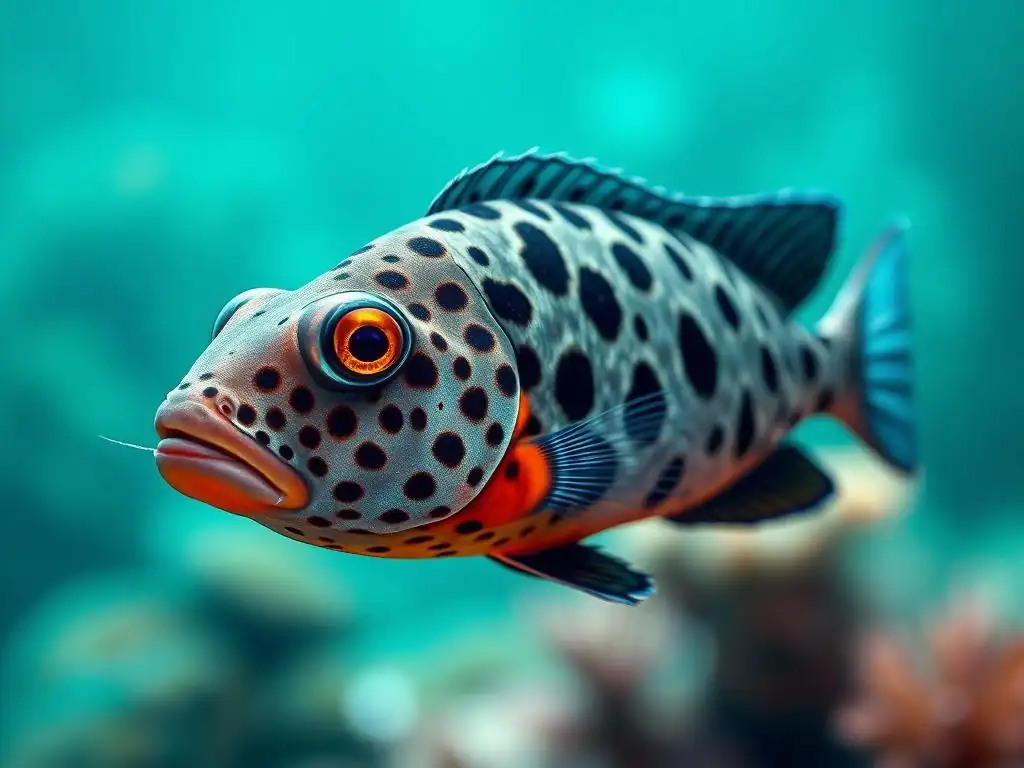
Macropharyngodon meleagris, known as the Blackspotted Leopard Wrasse or Guinea Fowl Wrasse, is a widespread species found throughout the Indo-Pacific, from the Red Sea to the central Pacific. It is one of the more commonly available leopard wrasses and can grow up to 5 inches (12-13 cm). Its body is typically a light green to yellowish-green with numerous distinct black spots, resembling the plumage of a guinea fowl, which gives it its common name. The intensity and distribution of these spots can vary, with some individuals showing more scattered patterns.
When considering Leopard wrasse care reef tank for M. meleagris, it's important to note their active foraging behavior. They are constantly on the move, sifting through the sand and picking at live rock surfaces. This makes a well-established, mature reef tank with a deep, fine sand bed (at least 3-4 inches) absolutely critical for their survival. While they may eventually accept frozen mysis shrimp or enriched brine shrimp, their primary diet in the wild consists of small crustaceans, worms, and other benthic invertebrates, underscoring the importance of a thriving live food source in the aquarium.
Macropharyngodon ornatus: The Ornate Leopard Wrasse
The Ornate Leopard Wrasse, Macropharyngodon ornatus, is another captivating species native to the Indo-Pacific, often found in areas like Indonesia, the Philippines, and Australia. This species typically reaches a size of about 4-5 inches (10-12 cm) and is characterized by its intricate patterns of green, blue, and red spots and lines across its body, often with a prominent ocellated spot on the dorsal fin. The males tend to display more vibrant and complex patterns, especially during courtship, making them a visually stunning addition to the reef aquarium.
Successful Leopard wrasse care reef tank for M. ornatus hinges on providing an environment that mimics their natural habitat. This includes a quiet, peaceful tank with plenty of live rock for hiding spots and a substantial, fine sand bed for burrowing. They are particularly prone to stress from aggressive tank mates, so careful consideration of their companions is vital. As with all leopard wrasses, their dietary needs are paramount; a constant supply of live copepods and amphipods is the cornerstone of their long-term health, ensuring they receive the necessary nutrients from their natural foraging.
Leopard Wrasse Care: Essential Requirements for a Thriving Fish
Setting Up the Ideal Leopard Wrasse Habitat: Tank Size and Aquascaping
Establishing the ideal habitat is the foundational step for successful Leopard wrasse care reef tank. A minimum tank size of 75 gallons (approximately 280 liters) is generally recommended for a single leopard wrasse, with larger tanks (100 gallons or more) being preferable, especially for active species or if planning to keep multiple peaceful fish. The larger volume helps maintain stable water parameters, which are crucial for these sensitive fish.
Crucially, the tank must feature a deep, fine sand bed, ideally at least 3-4 inches (7-10 cm) deep, composed of sugar-fine aragonite sand. This substrate is essential as leopard wrasses bury themselves completely for sleep, protection, and during periods of stress, and a coarse substrate can injure their delicate skin.
Beyond the sand bed, the aquascaping should include ample live rock with numerous caves, crevices, and overhangs. These structures provide essential hiding spots and territories for the wrasse, reducing stress and offering a sense of security. The live rock also serves as a substrate for the growth of beneficial microfauna, such as copepods and amphipods, which are a vital natural food source for these specialized feeders. Ensure the tank has a tight-fitting lid, as leopard wrasses are notorious jumpers, especially when startled or newly introduced to an environment.
Water Parameters for Leopard Wrasses: Maintaining a Stable Reef Environment
Maintaining pristine and stable water parameters is paramount for effective Leopard wrasse care reef tank. These fish are highly sensitive to fluctuations and poor water quality, which can quickly lead to stress and disease. The ideal temperature range should be consistently maintained between 74-79°F (23-26°C).
Salinity levels should be kept stable at 1.023-1.026 specific gravity, mimicking natural reef conditions. The pH should be maintained between 8.1 and 8.4, and alkalinity (dKH) should be stable between 8-12 dKH. Calcium levels should be in the range of 400-450 ppm, and magnesium between 1250-1350 ppm, as these are critical for overall reef health and stability.
Nitrates should be kept as low as possible, ideally below 10 ppm, and phosphates below 0.03 ppm. Regular water changes, typically 10-20% weekly or bi-weekly, are essential for replenishing trace elements and removing accumulated waste products. A robust filtration system, including a high-quality protein skimmer, live rock, and a refugium (which can also help cultivate live foods), will contribute significantly to maintaining the necessary water quality for thriving leopard wrasses. Consistent monitoring with reliable test kits is non-negotiable to ensure these parameters remain within optimal ranges.
Leopard Wrasse Diet and Feeding: Ensuring Proper Nutrition
The diet is perhaps the most challenging aspect of Leopard wrasse care reef tank. In their natural habitat, leopard wrasses are micro-predators, constantly sifting through sand and picking at live rock to consume small benthic invertebrates such as copepods, amphipods, small worms, and other microfauna. This natural feeding behavior must be replicated as closely as possible in captivity to ensure their long-term survival and health. Many leopard wrasses initially refuse prepared foods, making a constant supply of live prey crucial.
Live Food for Leopard Wrasses: A Crucial Element
A continuous and abundant supply of live food is absolutely critical for the successful Leopard wrasse care reef tank. Establishing a thriving copepod and amphipod population within the display tank and, ideally, a connected refugium, is the best strategy. Aquarists often dose their tanks weekly or bi-weekly with live copepod cultures to supplement the natural population and ensure a consistent food source. Small live blackworms, though not a natural part of their diet, can sometimes be accepted as a transitional food for newly acquired wrasses, but should not be the sole dietary component.
Furthermore, some aquarists set up dedicated "pod farms" or larger refugiums to cultivate a substantial quantity of live prey. This proactive approach significantly increases the chances of successful acclimatization and long-term health for the leopard wrasse, as it allows them to graze naturally throughout the day, mirroring their wild feeding habits. Without this constant availability of live, naturally occurring food, leopard wrasses are highly susceptible to starvation, often manifesting as a gradual emaciation despite offering prepared foods.
Supplementing the Diet: Frozen and Prepared Foods
While live foods are paramount, aquarists should gradually attempt to introduce high-quality frozen and prepared foods as a supplement to the leopard wrasse's diet. Over time, some leopard wrasses may learn to accept finely chopped frozen mysis shrimp, enriched brine shrimp, bloodworms, and even high-quality marine pellets or flakes designed for carnivorous fish. The key is patience and persistence, offering small amounts multiple times a day, ideally when the wrasse is actively foraging.
It is crucial to ensure that any prepared foods offered are small enough for the wrasse's mouth and are highly nutritious. Frozen foods should be thoroughly thawed and rinsed before feeding to remove any residual nitrates or phosphates. While a leopard wrasse that readily accepts frozen foods is a sign of successful adaptation, these should still be considered supplemental to a primary diet rich in live microfauna. Relying solely on prepared foods for Leopard wrasse care reef tank often leads to nutritional deficiencies and a shortened lifespan.
Leopard Wrasse Acclimation: A Stress-Free Introduction to Your Reef Tank
Proper acclimation is a critical step in ensuring the survival and long-term success of Leopard wrasse care reef tank. These fish are notoriously sensitive to changes in water parameters, temperature, and overall stress from shipping. A slow, gentle drip acclimation method is highly recommended over the traditional floating bag method. This involves slowly introducing tank water into the bag or container holding the wrasse over a period of 1-2 hours, gradually equalizing temperature, pH, and salinity.
During acclimation, it's beneficial to keep the acclimation container in a dimly lit area or even completely dark to minimize stress. Once acclimated, the wrasse should be gently netted and released into the display tank. Avoid pouring the bag water into the tank, as it may contain undesirable substances.
For the first few days, dimming the tank lights and providing plenty of hiding spots can help the wrasse settle in. Observing its behavior closely for signs of stress, such as hiding excessively or rapid breathing, is important. A successful Leopard wrasse care reef tank begins with a smooth, stress-free introduction to its new home.
Leopard Wrasses in the Reef Tank: Compatibility and Considerations
Leopard Wrasse Tank Mates: Choosing Suitable Companions
Selecting appropriate tank mates is a crucial aspect of successful Leopard wrasse care reef tank. Leopard wrasses are generally peaceful fish, but their timid nature and specialized feeding habits make them vulnerable to bullying or food competition from more aggressive or boisterous species. Ideal tank mates include other peaceful, reef-safe fish that do not compete directly for benthic food sources. Good choices often include smaller, docile tangs (e.g., Yellow Tang, Kole Tang), peaceful gobies (e.g., Watchman Goby, Diamond Watchman Goby), blennies (e.g., Lawnmower Blenny, Starry Blenny), and certain cardinalfish.
Avoid housing leopard wrasses with aggressive predators like lionfish, large groupers, or highly territorial damselfish. Similarly, very active or fin-nipping species such as some triggers, large angelfish, or certain butterflyfish can stress a leopard wrasse, preventing it from foraging effectively. While they are peaceful with most other wrasse species, introducing multiple Macropharyngodon species into a single tank can sometimes lead to territorial disputes if the tank is not sufficiently large with ample hiding spots. Careful observation during the initial introduction of any new tank mate is always recommended to ensure harmony within the reef aquarium.
Potential Issues: Aggression and Competition in the Reef Aquarium
Despite their generally peaceful nature, potential issues can arise with Leopard wrasse care reef tank environments, primarily stemming from aggression or competition. Aggression is typically not initiated by the leopard wrasse itself but can be directed towards it by more assertive tank mates, especially if the wrasse is new or appears weak. This stress can prevent the wrasse from emerging to feed, leading to starvation, or cause it to hide excessively, increasing susceptibility to disease. Monitoring tank dynamics closely, particularly during feeding times, is essential to ensure the leopard wrasse is not being outcompeted.
Competition for food is another significant challenge. Because leopard wrasses are specialized micro-predators, they require a constant supply of live microfauna from the sand bed and live rock. If housed with other sand-sifting or benthic-foraging fish (e.g., some gobies, other wrasse species), the available food source can quickly deplete, leading to starvation for the leopard wrasse.
Even if prepared foods are accepted, if faster or more aggressive feeders consume all the food before the wrasse has a chance, it will suffer. Ensuring a sufficiently large and mature tank with a robust microfauna population, and potentially target-feeding, can mitigate these competitive pressures.
Leopard Wrasse and Invertebrates: Reef Safe or Not?
Leopard wrasses are generally considered reef-safe with most corals and sessile invertebrates, making them highly desirable for mixed reef aquariums. They do not typically nip at stony corals (SPS or LPS), soft corals, or anemones. Their primary diet consists of small motile invertebrates, so larger, established corals are usually unbothered. This compatibility with a wide range of corals is a significant advantage when considering Leopard wrasse care reef tank setups, allowing aquarists to create vibrant and diverse displays.
However, caution should be exercised with very small, delicate, or newly introduced motile invertebrates. While they won't actively hunt down large ornamental shrimp (like cleaner shrimp or peppermint shrimp) or snails, very small copepods, amphipods, or tiny feather dusters that reside in the sand bed or on live rock are part of their natural diet.
This means that if you have a thriving population of tiny, desirable "critters" in your sand bed, a leopard wrasse will likely consume them. Established populations of larger ornamental invertebrates, such as larger hermit crabs, snails, and decorative shrimp, are typically safe, as they are too large for the wrasse to consume.
Leopard Wrasse Health: Common Diseases and Prevention
Recognizing Signs of Illness in Leopard Wrasses
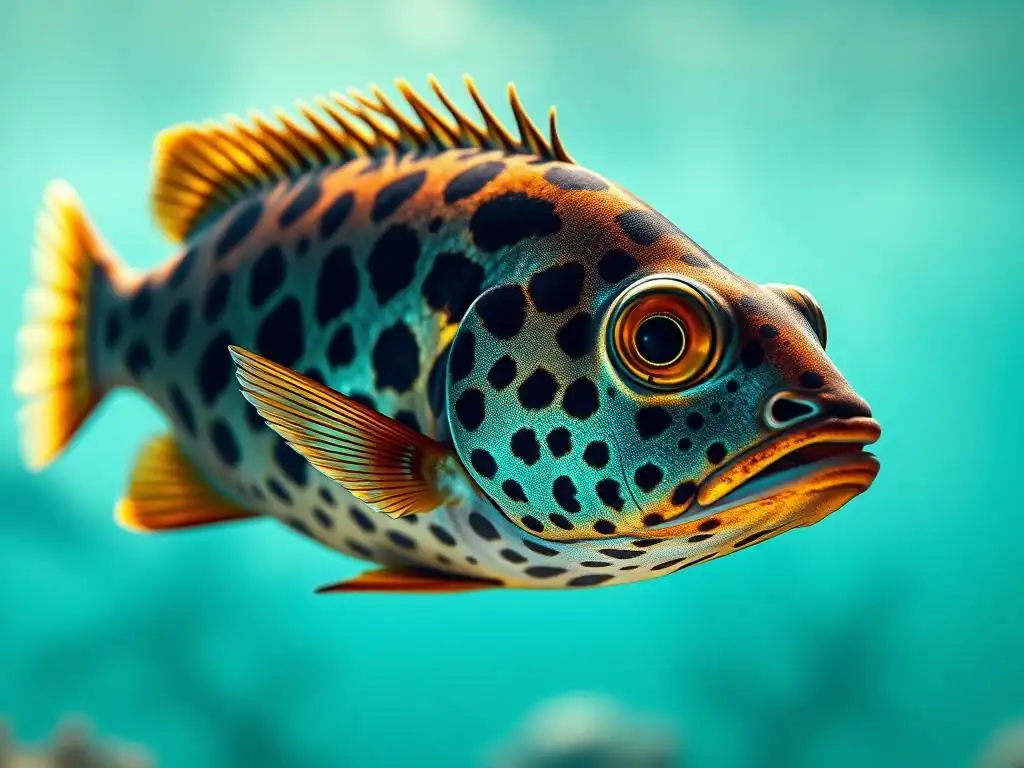
Recognizing the early signs of illness is crucial for effective Leopard wrasse care reef tank and improving the chances of successful treatment. Leopard wrasses, especially when stressed or newly introduced, can be susceptible to various ailments. Common indicators of poor health include a loss of appetite or refusal to eat, which is particularly alarming given their constant need for food.
Changes in coloration, such as fading vibrancy or the development of dull patches, can also signal stress or disease. Behavioral changes, like excessive hiding, listlessness, rapid or labored breathing, or abnormal swimming patterns (e.g., darting, scratching against rocks), are strong warning signs.
Physical symptoms to look for include white spots (Ich or Marine Velvet), cloudy eyes, fin rot, torn fins, or visible lesions on the body. Emaciation, where the fish appears thin or "pinched" behind the head, is a clear sign of chronic underfeeding or internal parasites. Any deviation from their normal active, foraging behavior warrants immediate investigation. Prompt identification and intervention are key, as leopard wrasses can decline rapidly once symptoms become apparent.
Treating Common Leopard Wrasse Diseases: Copper Treatment and Hyposalinity
Treating diseases in Leopard wrasse care reef tank requires careful consideration due to their delicate nature and the presence of invertebrates in a reef system. For external parasites like Marine Ich ( Cryptocaryon irritans) or Marine Velvet ( Amyloodinium ocellatum), copper-based medications are highly effective but cannot be used in a reef tank as they are toxic to corals and invertebrates. Therefore, any treatment involving copper or other reef-unfriendly medications must be conducted in a separate, dedicated quarantine tank.
Hyposalinity, gradually reducing the specific gravity to 1.008-1.009 for several weeks, can be effective against Ich but also requires a separate quarantine tank and can be stressful if not performed carefully. Formalin dips or specific reef-safe medications like Chloroquine Phosphate (used cautiously under expert guidance) can sometimes be employed in a quarantine setting for certain parasitic issues. For bacterial infections, broad-spectrum antibiotics might be necessary, again, only in a hospital tank. The most effective "treatment" for Leopard wrasse care reef tank is prevention through robust quarantine protocols and pristine water quality.
Quarantine Protocols for New Leopard Wrasses
Implementing a strict quarantine protocol is arguably the single most important preventative measure for successful Leopard wrasse care reef tank. All new fish, especially delicate species like leopard wrasses, should undergo a minimum 4-6 week quarantine period in a separate, bare-bottom tank before being introduced into the display reef. This quarantine tank should be equipped with a heater, an air stone, and a simple filter (sponge filter or hang-on-back filter with biomedia).
During quarantine, the wrasse can be observed for any signs of disease. This period also allows the aquarist to encourage the wrasse to accept prepared foods, reducing its reliance on live microfauna in the main tank. Prophylactic treatments for common parasites (like Ich) can be administered in the quarantine tank without harming the main reef system.
For Leopard wrasse care reef tank, a full quarantine also provides a low-stress environment for the fish to recover from shipping and acclimate to captive life before facing the complexities of a thriving reef ecosystem. This isolation significantly reduces the risk of introducing pathogens that could devastate an entire established reef tank.
Leopard Wrasse Breeding: Challenges and Possibilities in Captivity
Understanding Leopard Wrasse Reproduction
Understanding leopard wrasse reproduction in captivity presents significant challenges due to their specific needs and the complex nature of their life cycle. In the wild, Macropharyngodon species are pelagic spawners, meaning they release their eggs and sperm into the open water column, where fertilization occurs. The eggs are typically buoyant and drift as part of the plankton before hatching into larval fish.
These larvae then undergo a prolonged planktonic stage, feeding on microscopic organisms, before settling onto the reef as juveniles. This pelagic spawning behavior and the highly specialized feeding requirements of the larvae make breeding leopard wrasses in a home aquarium extremely difficult and rarely achieved.
Furthermore, most Macropharyngodon species are protogynous hermaphrodites, meaning they are born as females and can change sex to male under certain social cues, such as the absence of a dominant male. Identifying distinct male and female pairs in a home aquarium can be challenging, and while some wrasses may exhibit courtship behaviors, successful spawning events leading to viable larvae are exceptional. The precise environmental triggers and dietary needs for sustained breeding and larval rearing remain largely unknown or impractical for typical home aquarists, making Leopard wrasse care reef tank focused on breeding an advanced and largely experimental endeavor.
Creating a Breeding Environment: Larger Tank with Established Pod Population
While highly challenging, creating an environment conducive to breeding leopard wrasses would necessitate a very large, mature aquarium, likely 150 gallons or more, with an exceptionally well-established and continuously replenished live copepod and amphipod population. The sheer volume of live food required to condition adult wrasses for spawning and potentially feed the microscopic larvae is immense, far exceeding the typical capacity of a home reef tank. A large, dedicated refugium, potentially with multiple chambers, would be essential for culturing enough live food.
Beyond food, the breeding environment would need to provide pristine water quality, highly stable parameters, and ample undisturbed space. The tank would ideally house a compatible male and female pair, which might require starting with a group of juveniles and allowing them to pair naturally.
Even then, the successful collection and rearing of the pelagic eggs and larvae would demand specialized larval rearing tanks, precise water flow, and a continuous supply of rotifers and other appropriately sized live planktonic foods, making Leopard wrasse care reef tank focused on breeding a task for dedicated public aquariums or professional breeding facilities rather than the average hobbyist.
Leopard Wrasse: Pros and Cons for Reef Aquariums
Leopard Wrasse Advantages: Beauty and Beneficial Behavior
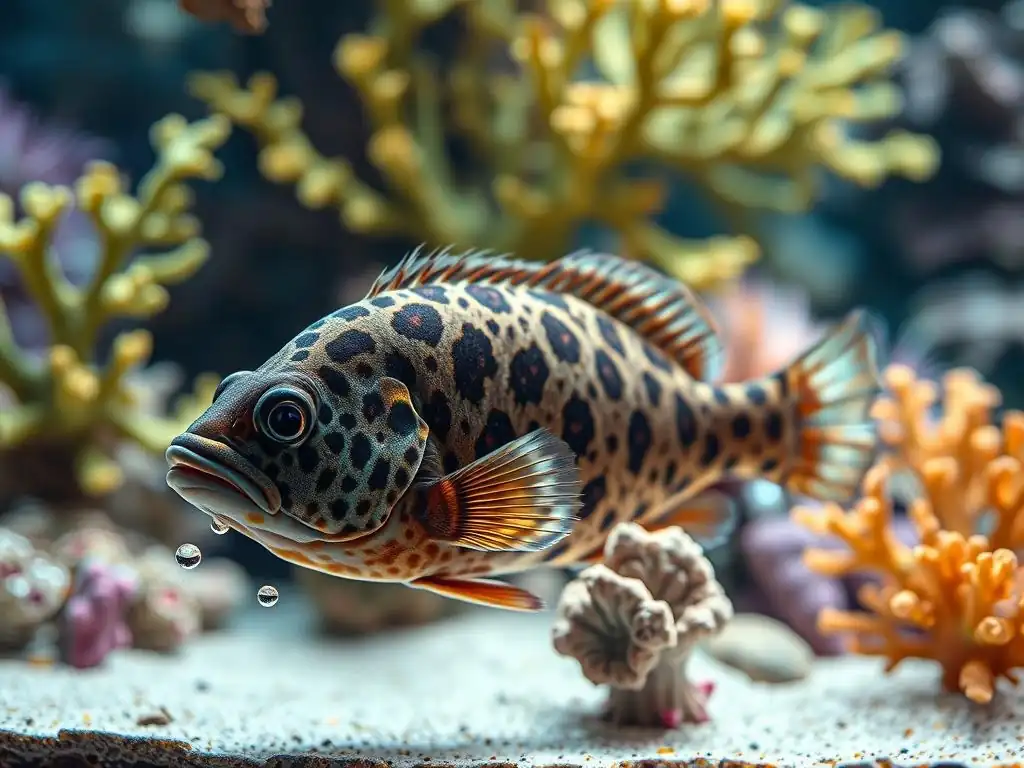
The advantages of including a leopard wrasse in your reef aquarium are primarily centered around their undeniable aesthetic appeal and their beneficial natural behaviors. Their vibrant, intricate patterns and active foraging make them a captivating focal point, adding a dynamic splash of color and movement to any reef display. Species like the Choat's or Ornate Leopard Wrasse are true showstoppers, drawing immediate attention with their unique beauty.
Beyond their looks, their constant sifting through the sand bed is a significant ecological benefit. This behavior helps aerate the substrate, preventing the buildup of anaerobic pockets and promoting a healthier overall sand bed environment. They also act as natural pest controllers, consuming small nuisance organisms like flatworms and pyramid snails (though not a guaranteed solution for infestations). For the dedicated aquarist, the successful Leopard wrasse care reef tank provides immense satisfaction, knowing they have met the complex needs of such a specialized and rewarding marine inhabitant.
Leopard Wrasse Disadvantages: Demanding Care and Feeding Requirements
Despite their allure, the disadvantages of Leopard wrasse care reef tank are substantial and must be carefully considered by any prospective owner. Their most significant drawback is their highly specialized and demanding feeding requirements. Many leopard wrasses are extremely difficult to acclimate to prepared foods and rely heavily on a continuous supply of live copepods and amphipods from a mature, thriving sand bed. Without this constant grazing, they can slowly starve, even if they occasionally pick at frozen foods. This often necessitates regular live food dosing, adding to the cost and effort of maintenance.
Furthermore, leopard wrasses are notoriously delicate, particularly during shipping and initial introduction to a new tank. They are highly susceptible to stress, which can lead to rapid decline and susceptibility to disease. Their need for a deep, fine sand bed means they are not suitable for bare-bottom tanks or tanks with coarse substrates.
They are also prone to jumping, requiring a tight-fitting lid. These combined factors mean that Leopard wrasse care reef tank is not suitable for beginners or those unable to commit to their specific environmental and dietary needs, often leading to disappointment and the loss of a beautiful, expensive fish.
Advanced Leopard Wrasse Care: Tips for Experienced Aquarists
Maintaining a Healthy Leopard Wrasse Long-Term
For experienced aquarists committed to successful Leopard wrasse care reef tank, long-term health hinges on unwavering dedication to water quality, diet, and a stable environment. Regular monitoring of water parameters (temperature, salinity, pH, alkalinity, nitrates, phosphates) is non-negotiable, with weekly water changes (10-20%) to replenish trace elements and export nutrients. A robust filtration system, including a high-quality protein skimmer, ample live rock, and a well-maintained refugium, is essential for stability and microfauna production.
Crucially, the consistent provision of live food remains paramount, even if the wrasse accepts prepared foods. Regular dosing of live copepods and amphipods, perhaps weekly or bi-weekly depending on tank size and population, ensures a continuous natural food source for constant grazing. Observing the wrasse's body condition – a plump, active fish with vibrant colors indicates good health, while a "pinched" look suggests insufficient nutrition – is vital. Maintaining a peaceful tank environment, free from aggressive tank mates, also significantly contributes to their long-term well-being and reduces stress, which is a major factor in their susceptibility to illness.
Addressing Common Challenges: Initial Starvation, Secondary Infections
Two of the most common challenges in Leopard wrasse care reef tank are initial starvation and susceptibility to secondary infections. Many newly introduced leopard wrasses refuse prepared foods and struggle to find enough natural microfauna in an unfamiliar environment, leading to a gradual decline. To combat this, ensure the tank is mature (at least 6-12 months old) with a thriving sand bed before introduction. During the quarantine period, diligently attempt to train them onto frozen foods by offering tiny amounts multiple times a day, ideally mixed with live copepods. Target feeding with a pipette can also be effective.
Secondary infections, often bacterial or parasitic, frequently arise when a wrasse is stressed, underfed, or housed in poor water conditions. A stressed wrasse's immune system is compromised, making it vulnerable. If a wrasse exhibits signs of illness, prompt isolation in a hospital tank is crucial. Treat specific symptoms with appropriate medications (e.g., antibiotics for bacterial infections, anti-parasitics for parasites), ensuring the chosen treatment is safe for the fish. Prevention, through meticulous quarantine, optimal water quality, and consistent nutrition, is always the best approach to mitigate these common and often fatal challenges in Leopard wrasse care reef tank.
Leopard Wrasse: Is it the Right Fish for Your Reef Tank?
Assessing Your Experience Level and Resources
Before committing to Leopard wrasse care reef tank, it is imperative to conduct a candid assessment of your personal experience level and available resources. These are not beginner fish. Successful long-term keeping requires prior experience with maintaining stable reef aquarium parameters, understanding complex filtration systems, and a proven track record of keeping delicate marine species. If you are new to saltwater aquariums or have struggled with maintaining sensitive fish in the past, a leopard wrasse is likely not the right choice for your current setup.
Beyond experience, consider the resources you can dedicate. Do you have a sufficiently large and mature tank with a deep, fine sand bed? Are you prepared to invest in regular live copepod cultures, potentially establishing a refugium, to ensure a continuous food supply?
Do you have a dedicated quarantine tank and the knowledge to use it effectively? The financial investment for the fish itself, ongoing live food purchases, and potential medical treatments can be substantial. A realistic evaluation of these factors will help determine if you are truly ready for the commitment involved in successful Leopard wrasse care reef tank.
Making an Informed Decision: Choosing the Right Leopard Wrasse for Your Aquarium
Making an informed decision about acquiring a leopard wrasse involves weighing the allure of their beauty against the realities of their demanding Leopard wrasse care reef tank requirements. If you possess the necessary experience, a well-established and stable reef tank, and the commitment to provide their specialized dietary needs, a leopard wrasse can be an incredibly rewarding and captivating addition. They bring unique behaviors and stunning aesthetics that few other fish can match, enhancing the overall vibrancy and ecological balance of your aquarium.
However, if any of the critical requirements—a mature sand bed, consistent live food availability, or a peaceful tank environment—cannot be met, or if your experience level is not advanced, it is a more responsible decision to choose a less demanding species. Acquiring a leopard wrasse without the proper setup or commitment often leads to stress, poor health, and ultimately, the loss of the fish.
Prioritizing the well-being of the animal through a thorough understanding of their specific needs is the hallmark of responsible aquarism, ensuring that the Leopard wrasse care reef tank experience is positive for both the fish and the hobbyist.
Frequently Asked Questions
What makes Leopard Wrasses a challenging choice for reef tanks?
Leopard Wrasses require specialized care due to their specific dietary needs and sensitivity to water parameters. They are also easily stressed, making acclimation difficult.
What are the essential water parameters for Leopard Wrasses in a reef tank?
Maintaining pristine water quality is crucial. This includes stable salinity, temperature, and pH, along with low nitrate and phosphate levels to prevent stress.
What do Leopard Wrasses eat, and how often should they be fed in a reef tank environment?
They require a diet of small, live foods like copepods and amphipods. Multiple feedings per day are essential to meet their high metabolic needs and prevent starvation.
How can I successfully acclimate a Leopard Wrasse to a new reef tank?
A slow and gentle acclimation process is vital, often involving a drip acclimation method. Provide plenty of hiding places to reduce stress and monitor for signs of illness.
Are all reef tanks suitable for Leopard Wrasses, and what tank size is recommended?
Not all reef tanks are suitable. A mature reef tank with a well-established population of copepods is necessary. A minimum tank size of 75 gallons is generally recommended.
Final Reflection: Appreciating the Delicate Dance of Reef Life
The journey into the world of Leopard Wrasses, as we've explored, reveals not only their captivating beauty but also the profound responsibility that comes with keeping them in a reef tank. Understanding their specialized needs is paramount, and neglecting this understanding can have devastating consequences. This knowledge is more crucial than ever as the demand for exotic reef inhabitants continues to rise, placing increased pressure on wild populations and demanding ethical and informed aquarists.
The allure of these vibrant fish is undeniable, and their presence can transform a reef tank into a living masterpiece. However, it's essential to remember that their well-being is inextricably linked to our commitment to providing the right environment and care. In the end, we will conserve only what we love; we will love only what we understand; and we will understand only what we are taught.
- Baba Dioum. This quote resonates deeply, reminding us that true appreciation stems from knowledge and responsible action.
Now, as you consider adding a Leopard Wrasse to your reef tank, I urge you to reflect on the information shared here. Are you truly prepared to meet their complex needs? Can you commit to providing the specialized care they require to thrive? Let your passion for the reef be guided by knowledge and compassion, ensuring that these magnificent creatures not only survive but flourish under your care, contributing to a more sustainable and ethical future for the aquarium hobby.
Unleash the Vibrant Reefkeeper Within!
Thank you for diving into the fascinating world of Leopard Wrasses! We hope you've gained valuable insights into their unique needs and captivating beauty. Now, let's turn that knowledge into action and elevate your reefkeeping game!
- Start Planning Your Leopard Wrasse Paradise: Research the specific requirements for your chosen species and begin setting up a thriving, dedicated environment.
- Share the beauty: Post a photo of your favourite Leopard Wrasse or a similar fish in the comments!
- Explore More Reef Wonders: Discover other captivating reef inhabitants on Aquarium Mastery to further enrich your underwater world.
What's the first step you'll take to create a perfect Leopard Wrasse habitat? Share your thoughts in the comments below!