
Evansi Anthias: The Electric Purple Jewel of the Indian Ocean for Your Tank

Welcome to Aquarium Mastery!
Ever dreamt of adding a splash of electric purple to your saltwater aquarium? The Evansi Anthias is a stunning fish that can bring vibrant color to your reef tank. Intrigued? Dive in as we unravel everything you need to know about Evansis anthias care requirements aquarium, from tank setup and feeding habits to compatible tank mates. Get ready to unlock the secrets to successfully keeping this jewel of the Indian Ocean thriving!
- Introduction to the Evansi Anthias: A Stunning Reef Addition
- Evansis Anthias Care Requirements Aquarium: Essential Guidelines
- Evansi Anthias Tank Mates: Compatibility and Social Behavior
- Setting Up Your Aquarium for Evansi Anthias: A Detailed Guide
- Evansi Anthias Health and Disease Prevention
- Breeding Evansi Anthias: Challenges and Possibilities
- Evansi Anthias: Where to Buy and What to Look For
- Conclusion: Mastering Evansi Anthias Care for a Vibrant Reef
-
Frequently Asked Questions
- What are the basic Evansi Anthias care requirements in an aquarium?
- What is the ideal water chemistry for an Evansi Anthias aquarium?
- What type of fish are compatible tank mates with Evansi Anthias?
- How often should I feed my Evansi Anthias, and what should they eat?
- What are some common health issues that affect Evansi Anthias, and how can I prevent them?
- Final Reflection: Embracing the Delicate Beauty of the Reef
- Unleash the Majesty: Transform Your Aquarium Today!
Introduction to the Evansi Anthias: A Stunning Reef Addition
Discover the Beauty of Pseudanthias evansi
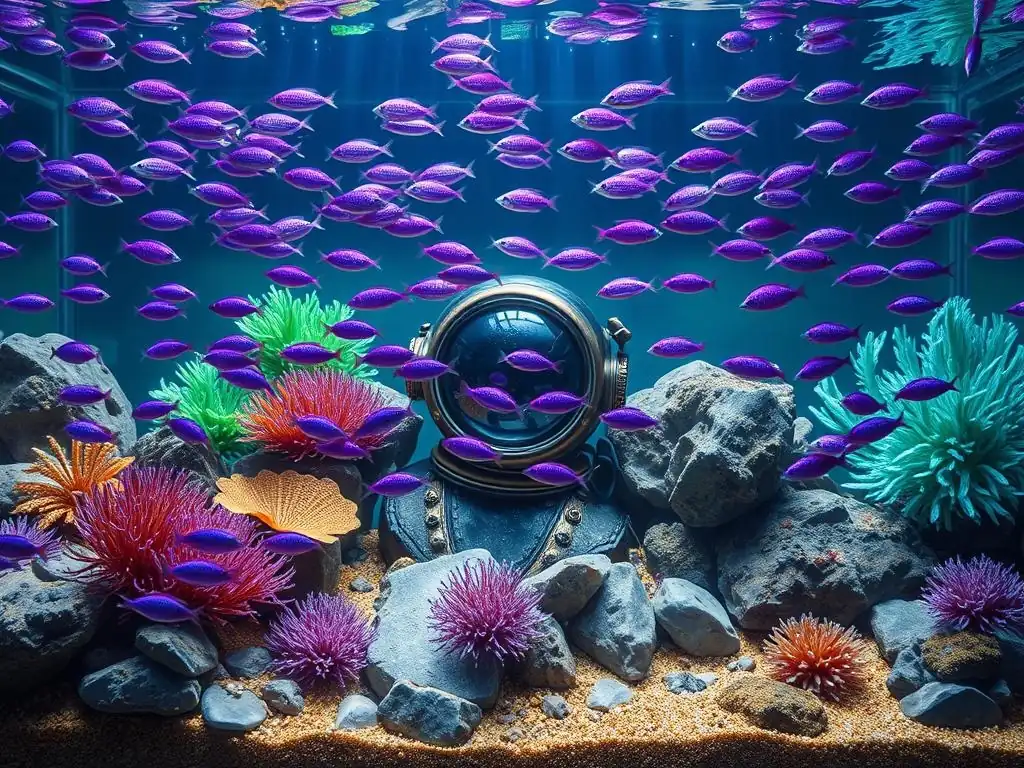
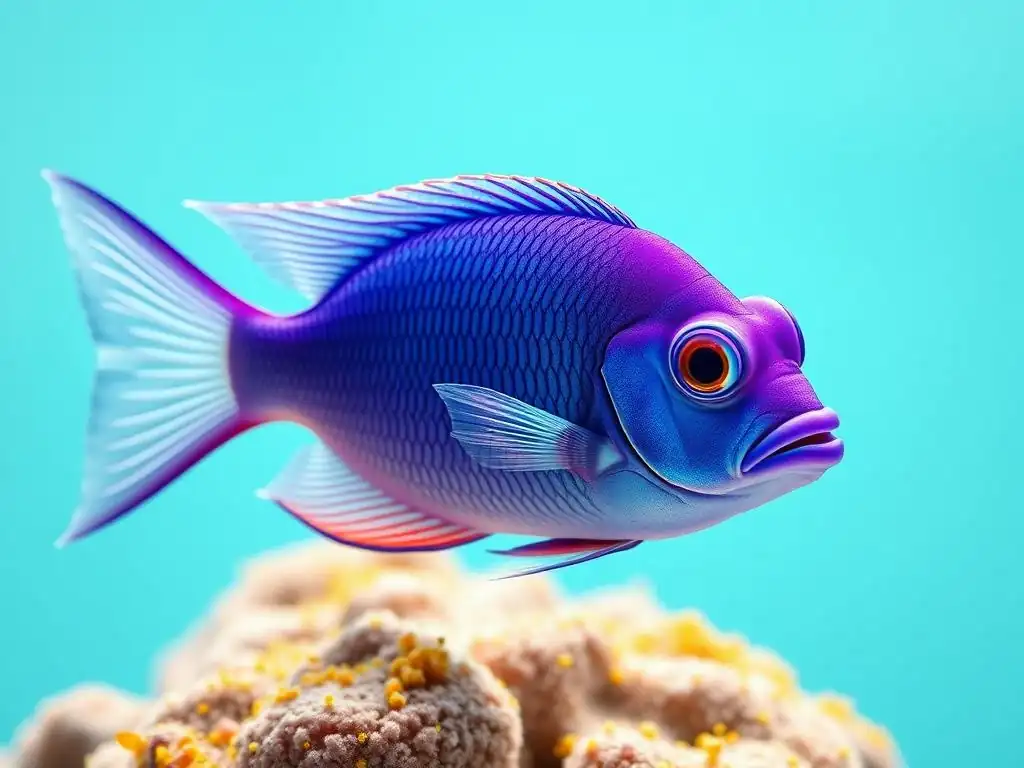
The Pseudanthias evansi, commonly known as the Evansi Anthias, is a breathtaking marine fish renowned for its striking electric purple and yellow coloration. Native to the clear waters of the Indian Ocean, particularly around the Maldives, Sri Lanka, and parts of Indonesia, this species typically reaches a modest size of 3-4 inches (7-10 cm). Its vibrant hues and graceful, schooling movements make it a highly sought-after addition to many reef aquariums.
These active mid-water swimmers bring a dynamic energy to the tank, often forming loose schools that drift gracefully through the water column. Their peaceful disposition and captivating appearance contribute significantly to the aesthetic appeal of a well-maintained saltwater environment. Observing a group of Evansi anthias darting and swaying among live rock formations is a truly mesmerizing experience for any aquarist.
Why Choose Evansi Anthias for Your Saltwater Aquarium?
Choosing Evansi anthias for your saltwater aquarium offers numerous benefits, primarily their unparalleled visual appeal. Their brilliant purple bodies, often accented with a distinct yellow stripe along the dorsal fin, provide a splash of intense color that stands out against the more muted tones of live rock and corals. Unlike some more sedentary species, Evansi anthias are constantly in motion, adding continuous interest and vitality to the display.
Beyond their beauty, Evansi anthias are relatively manageable for intermediate aquarists, especially when compared to some of the more delicate or demanding anthias species. Their schooling behavior, when provided with adequate space, creates a naturalistic and harmonious display, replicating a small slice of a vibrant coral reef. They fill a crucial visual niche in the mid-water column, complementing both bottom-dwelling and rock-dwelling inhabitants.
Evansis Anthias Care Requirements Aquarium: Essential Guidelines
Optimal Tank Size for Evansi Anthias: Ensuring Ample Swimming Space
Providing ample swimming space is a fundamental aspect of Evansis anthias care requirements aquarium. For a small group of 3-5 individuals, a minimum aquarium size of 75 gallons (approximately 280 liters) is highly recommended. This tank volume allows for sufficient horizontal swimming room, which is crucial for these active, schooling fish to exhibit their natural behaviors and reduce potential stress or aggression within the group.
For larger schools, or if planning to keep them with other active mid-water swimmers, a 125-gallon (approximately 470 liters) or even larger system is ideal. More generous tank dimensions translate directly into healthier, less stressed fish that display more vibrant coloration and natural schooling patterns. Adequate space also helps dilute metabolic waste, contributing to more stable water parameters, a key component of successful Evansis anthias care.
Water Parameters for a Thriving Evansi Anthias School
Ideal Temperature, Salinity, and pH Levels
Maintaining precise and stable water parameters is paramount for the health and longevity of Evansi anthias. The ideal temperature range for these fish is between 74-82°F (23-28°C), with consistency being more important than hitting an exact midpoint. Salinity should be maintained within a specific gravity of 1.023-1.026, or 33-35 parts per thousand (ppt), closely mimicking their natural oceanic environment.
The pH level for a thriving Evansi anthias school should consistently range from 8.1 to 8.4. Fluctuations outside these narrow parameters can induce significant stress, making the fish susceptible to disease. Regular testing with reliable aquarium test kits is essential to monitor these levels and ensure they remain within the optimal ranges, thereby supporting the delicate physiology of these beautiful fish.
Maintaining Water Quality: Filtration and Water Changes
Robust filtration is a cornerstone of Evansis anthias care requirements aquarium, given their sensitivity to water quality. A high-quality protein skimmer is indispensable for effectively removing organic waste and maintaining low nitrate levels. Additionally, a generous amount of live rock, typically 1 to 1.5 pounds per gallon (0.45-0.68 kg per 3.78 liters) of tank volume, provides essential biological filtration and numerous hiding spots.
Regular water changes are equally critical for maintaining pristine water quality. A routine of 10-20% weekly or bi-weekly water changes, depending on the bioload and nutrient export capabilities of the system, is highly recommended. This practice not only replenishes vital trace elements but also effectively removes accumulated nitrates and phosphates, which can become toxic at high concentrations and severely impact the health of Evansi anthias.
Evansi Anthias Diet and Feeding: What to Feed Your Electric Purple Fish
Natural Diet in the Wild: Understanding Their Feeding Habits
In their natural Indian Ocean habitat, Evansi anthias are primarily planktivores, meaning their diet consists predominantly of zooplankton and small crustaceans. They are continuous grazers, constantly sifting the water column for microscopic food particles. This natural feeding habit dictates their dietary needs in an aquarium setting, emphasizing the importance of frequent, small feedings.
Their delicate mouths and active metabolism necessitate a constant supply of nutrition. Unlike many bottom-dwelling or opportunistic feeders, Evansi anthias are accustomed to a steady intake of small, protein-rich morsels throughout the day. Understanding this natural behavior is crucial for replicating their wild diet and ensuring their long-term health in captivity.
Aquarium Feeding Strategies: Providing a Balanced Diet
Due to their continuous grazing nature, Evansi anthias in the aquarium benefit greatly from multiple small feedings throughout the day, ideally 2-3 times. This strategy mimics their natural feeding rhythm more closely than one or two large meals, which can lead to rapid consumption and subsequent periods of hunger, potentially stressing the fish. Consistent, small portions help maintain their energy levels and vibrant coloration.
A varied diet is paramount to providing all necessary nutrients and preventing deficiencies. Relying on a single type of food, even a high-quality one, can lead to nutritional imbalances over time. Offering a diverse range of food types ensures they receive a complete spectrum of vitamins, minerals, and proteins essential for their immune system and overall vitality.
Recommended Food Types: Frozen, Live, and Flake Foods
Frozen foods are a staple for Evansi anthias and should form the bulk of their diet. Excellent choices include enriched mysis shrimp, cyclops, finely chopped marine fare, and enriched brine shrimp. Brands like Hikari Mysis Shrimp are often highly palatable and provide essential fatty acids. These foods offer significant nutritional value and are readily accepted by most specimens.
Live foods, such as copepods and amphipods, are exceptionally beneficial, especially for newly introduced or finicky Evansi anthias, as they stimulate natural hunting instincts and provide crucial live nutrition. High-quality marine flakes or small pellets, like Ocean Nutrition Formula One Flakes, can also be offered, provided they are small enough for the fish's mouths and are specifically formulated for marine planktivores.
Feeding Frequency and Quantity: Avoiding Overfeeding
When feeding Evansi anthias, the goal is to provide small amounts that can be consumed entirely within 1-2 minutes. Overfeeding is a common pitfall in aquarium husbandry and can quickly lead to deteriorated water quality, elevated nitrates, and increased algal growth. Excess uneaten food decomposes, releasing ammonia and nitrites, which are highly toxic to sensitive marine fish.
Monitor the fish's body condition; a slightly rounded belly after feeding is a good sign, while a perpetually bloated appearance indicates overfeeding. Adjust the quantity and frequency based on the number of fish in the school and their activity levels. A consistent feeding schedule, coupled with careful observation, is key to maintaining a healthy balance in the tank and ensuring the long-term success of Evansis anthias care requirements aquarium.
Suitable Tank Mates for Peaceful Coexistence
Evansi anthias are generally peaceful fish and thrive in a community setting with other non-aggressive reef inhabitants. Ideal tank mates include various species of gobies (such as the Yellow Watchman Goby), blennies (like the Two-Spot Blenny), and many types of peaceful wrasses (e.g., Fairy Wrasses or Flasher Wrasses). These fish typically occupy different niches within the aquarium, minimizing direct competition for space or food.
Other suitable companions can include certain cardinalfish species, chromis, and even other peaceful anthias species, provided the tank is sufficiently large to accommodate multiple schools without overcrowding. The key is to select fish with similar temperament and environmental requirements, ensuring a harmonious coexistence where the Evansi anthias feel secure and can display their natural behaviors without stress.
Fish to Avoid: Aggressive Species That Stress Evansi Anthias
To prevent stress and potential harm, it is crucial to avoid housing Evansi anthias with highly aggressive, territorial, or predatory fish. Large angelfish, such as the Emperor Angelfish or Queen Angelfish, can often be too boisterous or even aggressive towards smaller, more delicate species like anthias. Triggerfish, puffers, and certain large damselfish are also unsuitable due to their propensity for aggression and fin nipping.
Even moderately aggressive species can cause significant stress to Evansi anthias, leading to inhibited feeding, faded coloration, and increased susceptibility to disease. Predatory fish, regardless of their usual temperament, might view Evansi anthias as a food source, particularly if the anthias are smaller or newly introduced. Always research compatibility thoroughly before adding new inhabitants to a tank housing Evansi anthias.
Creating a Harmonious Reef Environment
Creating a harmonious reef environment for Evansi anthias involves more than just selecting compatible tank mates; it requires thoughtful aquascaping and an understanding of their social dynamics. Providing an abundance of live rock with numerous caves, overhangs, and crevices is essential. These structures offer vital hiding spots for all fish, reducing stress and allowing individuals to retreat if feeling threatened.
Within an Evansi anthias school, a social hierarchy typically forms, often with one dominant male and several females. Introducing the entire school simultaneously can help establish this hierarchy more smoothly and reduce initial aggression. A well-designed aquascape, coupled with appropriate tank mates, fosters a stable and natural setting where Pseudanthias evansi can truly flourish.
Setting Up Your Aquarium for Evansi Anthias: A Detailed Guide
Choosing the Right Substrate and Rockwork
For an aquarium housing Evansi anthias, the choice of substrate is not as critical for the fish themselves as it is for the overall reef environment. A fine to medium grain aragonite sand bed is typically preferred for saltwater aquariums, as it contributes to water stability and can support beneficial sand-dwelling organisms. The depth of the sand bed can vary, but a 1-2 inch (2.5-5 cm) layer is often sufficient.
Extensive and well-structured live rock aquascaping is, however, crucial. Aim for 1 to 1.5 pounds of live rock per gallon of tank volume. This live rock should be arranged to create numerous caves, tunnels, and overhangs, providing ample hiding spots and territories for the anthias and other reef inhabitants. Such a complex structure mimics their natural reef habitat, offering security and visual interest.
Lighting Requirements: Simulating Their Natural Habitat
Evansi anthias are typically found in the deeper, more shaded areas of the reef, so they do not require intensely bright lighting. Moderate lighting levels are generally sufficient for their well-being. If the aquarium also houses photosynthetic corals, the lighting requirements will primarily be dictated by the needs of the coral species.
Regardless of intensity, maintaining a consistent light cycle is important. A photoperiod of 10-12 hours of light followed by 12-14 hours of darkness simulates their natural day-night cycle. Avoid sudden, drastic changes in light intensity, which can startle and stress the fish. Gradual sunrise and sunset features on modern LED lighting systems can provide a more natural transition.
Water Flow and Circulation: Maintaining Oxygen Levels
Moderate to strong water flow and circulation are essential components of Evansis anthias care requirements aquarium, closely mimicking their natural environment where they feed on suspended plankton. Strategically placed powerheads or wavemakers should create turbulent, yet not overwhelming, flow throughout the tank. This ensures that food particles are distributed evenly and prevents dead spots.
Good water circulation is vital for several reasons: it ensures adequate oxygenation of the water, prevents the accumulation of detritus in stagnant areas, and helps transport nutrients to corals if present. Aim for a total tank turnover rate of 10-20 times the tank volume per hour, adjusting based on the specific aquascape and the number of inhabitants to ensure optimal conditions for these active swimmers.
Evansi Anthias Health and Disease Prevention
Common Diseases Affecting Anthias
Like many marine fish, Evansi anthias can be susceptible to common saltwater diseases, particularly if stressed by poor water quality, inadequate diet, or aggressive tank mates. Marine ich ( Cryptocaryon irritans) and velvet ( Amyloodinium ocellatum) are two prevalent parasitic infections that can rapidly spread through an aquarium. Bacterial infections, often manifesting as fin rot or cloudy eyes, can also occur.
Symptoms to watch for include the appearance of white spots on the body or fins (ich), a dusty or velvety coating (velvet), clamped fins, rapid breathing, loss of appetite, or erratic swimming behavior. Early detection is crucial for successful treatment. Any signs of illness should prompt immediate investigation into water parameters and observation of fish behavior.
Quarantine Procedures: Protecting Your Existing Fish
Implementing a strict quarantine procedure for all new fish, especially delicate species like Evansi anthias, is arguably the most effective measure for disease prevention. A dedicated quarantine tank (QT) should be set up and maintained for new arrivals for at least 3-4 weeks before they are introduced to the main display tank. This isolation period allows for observation and treatment without risking the entire established aquarium.
During quarantine, new Evansi anthias can be observed for any signs of disease, ensuring they are eating well and behaving normally. Prophylactic treatments for common parasites might be considered, depending on the aquarist's comfort level and the fish's origin. This critical step significantly reduces the risk of introducing pathogens that could devastate an otherwise healthy main tank.
Recognizing and Treating Illnesses Promptly
Prompt recognition and treatment are vital when Evansi anthias show signs of illness. If disease is suspected, it is best to confirm the diagnosis if possible and immediately transfer the affected fish to a hospital tank for treatment. Common treatments for parasitic infections include copper-based medications or hyposalinity, while bacterial infections often require specific antibiotics.
Always follow medication instructions precisely, paying close attention to dosage and duration. Simultaneously, investigate and rectify any underlying issues in the main tank, such as fluctuating water parameters, inadequate filtration, or incompatible tank mates, that may have contributed to the stress and weakened the fish's immune system. A healthy, stable environment is the best long-term defense against recurring illnesses.
Breeding Evansi Anthias: Challenges and Possibilities
Understanding Their Reproductive Behavior
Evansi anthias, like many other anthias species, are protogynous hermaphrodites. This means that all individuals are born female, and the dominant female in a group has the ability to change sex to male if the existing male is removed or dies. They are pelagic spawners, releasing their eggs and sperm into the water column, where fertilization occurs.
Spawning typically takes place at dusk, with the male and female engaging in a characteristic "spawning rush" towards the surface. While some anthias species have been successfully bred in captivity, the tiny, planktonic larvae of Evansi anthias are notoriously difficult to raise. They require extremely specific and abundant live food sources, making their captive breeding a significant challenge for the average home aquarist.
Creating a Breeding Environment (If Possible)
For those attempting to breed Evansi anthias, a dedicated breeding tank with very specific conditions would be necessary. This would involve pristine water quality, gentle flow, and potentially specialized lighting cycles to induce spawning. Conditioning the potential breeding pair with a high-quality, protein-rich diet fed frequently is also crucial to encourage gonadal development.
However, the primary hurdle lies in the successful rearing of the larval stage. The larvae are incredibly small and require microscopic live feeds, such as specific rotifer strains and copepod nauplii, at precise densities. Success stories for breeding Pseudanthias evansi in home aquariums are exceedingly rare, often requiring advanced aquaculture techniques and specialized equipment not typically available to hobbyists.
Evansi Anthias: Where to Buy and What to Look For
Selecting Healthy Specimens from Reputable Sources
When purchasing Evansi anthias, it is paramount to select healthy specimens from reputable sources. This includes well-established local fish stores with a clean, well-maintained facility and knowledgeable staff, or trusted online vendors known for ethical collection practices and robust quarantine protocols. Avoid stores where fish appear stressed, diseased, or housed in overcrowded conditions.
A reputable dealer will often have a quarantine period for newly arrived fish, allowing them to acclimate and recover from shipping stress. Don't hesitate to ask about their acclimation process, how long the fish have been in their care, and their feeding habits. Purchasing from a reliable source significantly increases the chances of acquiring robust and healthy Evansi anthias that will thrive in your aquarium.
Assessing Fish Appearance and Behavior Before Purchase
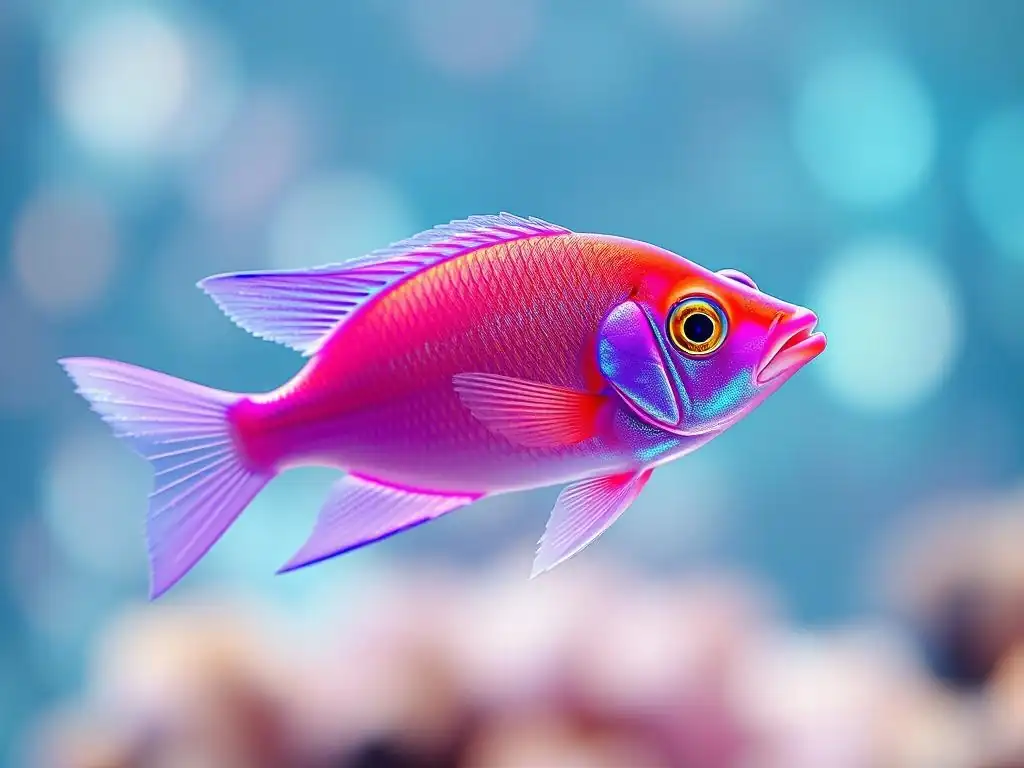
Before making a purchase, carefully assess the appearance and behavior of the Evansi anthias. Look for vibrant coloration, which should be characteristic of their electric purple and yellow hues, without any faded or dull patches. Their eyes should be clear and bright, and their fins should be intact and free of tears, nips, or signs of fin rot. The fish should have a full, rounded belly, indicating it is feeding well, rather than a pinched or sunken appearance.
Observe their swimming behavior: healthy Evansi anthias should be active, swimming gracefully and schooling (if kept in groups), and showing curiosity. Avoid fish that are listless, hiding excessively, gasping at the surface, or exhibiting any visible white spots, cloudy patches, or other signs of disease. A fish that actively responds to feeding attempts is generally a good indicator of health and readiness for your Evansis anthias care requirements aquarium.
Conclusion: Mastering Evansi Anthias Care for a Vibrant Reef
Enjoying the Beauty and Grace of Pseudanthias evansi in Your Home Aquarium
Mastering Evansis anthias care requirements aquarium involves a dedicated approach to providing optimal conditions. Key elements include maintaining pristine and stable water parameters (temperature 74-82°F, salinity 1.023-1.026, pH 8.1-8.4), a spacious aquarium of at least 75 gallons for a small school, and frequent, high-quality feedings of varied planktonic foods. Careful selection of peaceful tank mates and robust filtration are also crucial for their long-term well-being.
With diligent attention to these details, Pseudanthias evansi will not only survive but truly thrive in your home aquarium. Their mesmerizing electric purple coloration, active schooling behavior, and graceful movements make them an unparalleled centerpiece, bringing a vibrant slice of the Indian Ocean reef into your living space. The rewarding experience of keeping these exquisite fish far outweighs the effort, transforming your tank into a dynamic and captivating underwater masterpiece.
Frequently Asked Questions
What are the basic Evansi Anthias care requirements in an aquarium?
Evansi Anthias require a well-established saltwater aquarium with excellent water quality. They need a tank size of at least 75 gallons and should be kept in groups for optimal health and behavior. They also require a varied diet of small, meaty foods.
What is the ideal water chemistry for an Evansi Anthias aquarium?
Maintaining stable water parameters is crucial. The ideal range includes a temperature of 72-78°F, specific gravity of 1.024-1.026, pH of 8.1-8.4, and near-zero levels of ammonia and nitrite. Regular water testing and changes are essential.
What type of fish are compatible tank mates with Evansi Anthias?
Evansi Anthias are generally peaceful fish, but they can be intimidated by larger, more aggressive species. Good tank mates include other peaceful reef fish, such as smaller gobies, blennies, and peaceful wrasses. Avoid aggressive damsels and triggers.
How often should I feed my Evansi Anthias, and what should they eat?
Evansi Anthias should be fed multiple times a day (3-4 times) with small portions. Their diet should consist of high-quality frozen foods like mysis shrimp, brine shrimp, and cyclops. They also benefit from occasional feedings of high-quality flake or pellet food.
What are some common health issues that affect Evansi Anthias, and how can I prevent them?
Common issues include ich, velvet, and other parasitic infections. Proper quarantine procedures for all new arrivals are essential. Maintaining excellent water quality and providing a stress-free environment are crucial for preventing disease.
Final Reflection: Embracing the Delicate Beauty of the Reef
The journey of understanding and caring for the Evansi Anthias, as we've explored, underscores a crucial point: responsible reef keeping hinges on informed decisions and dedicated commitment. The vibrant purple hues of this fish are a testament to the delicate balance of its natural habitat, a balance we strive to recreate within our own aquariums. Ignoring the specific Evansis anthias care requirements aquarium is not just a disservice to the fish, but a threat to the very ecosystems we admire.
The allure of the Evansi Anthias lies not only in its aesthetic appeal but also in its representation of the broader coral reef ecosystem. This tiny fish serves as a powerful reminder of the interconnectedness of life and the responsibility we bear as stewards of the ocean. As we strive to replicate their natural environment, we must remember the words of Sylvia Earle: No water, no life. No blue, no green.
This quote encapsulates the essence of our mission: to protect and preserve the aquatic world, starting with the careful cultivation of a thriving environment for these captivating creatures.
Now, as you consider adding the Evansi Anthias to your aquarium, I urge you to reflect on the knowledge you've gained. Don't just admire its beauty; understand its needs. Embrace the challenge of providing a suitable environment, ensuring its health and longevity. Let the vibrant purple of the Evansi Anthias be a constant reminder of the beauty and fragility of our oceans, and inspire you to become a more conscientious and informed reef keeper.
Unleash the Majesty: Transform Your Aquarium Today!
Thank you for exploring the captivating world of the Evansi Anthias with us. We hope you've gained valuable insights into adding this vibrant jewel to your aquarium. Now, let's bring that inspiration to life!
Here are a few steps you can take right now:
- Take the plunge and research reputable breeders or suppliers specializing in responsibly sourced Evansi Anthias. Your dedication to ethical acquisition ensures a healthier future for these magnificent fish.
- Dive deeper into the social dynamics of Anthias! Explore community forums and engage in discussions with experienced reef keepers to fine-tune your tank environment.
- Share this article with fellow aquarium enthusiasts! Spark a conversation about the beauty and responsibility that comes with keeping Anthias.
What specific element of your current aquarium setup will you adjust to better accommodate the Evansi Anthias' unique needs?